


ArdorComm Media Group

Tuesday, September 8, 2026 11:37 AM

tuberculosis

WHO Estimates COVID-19 Linked to 22.1 Million Excess Deaths Worldwide Between 2020 and 2023
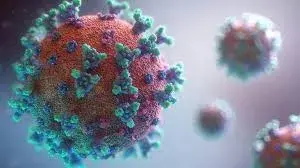
A new report released by the World Health Organization has revealed that the COVID-19 pandemic was associated with an estimated 22.1 million excess deaths globally between 2020 and 2023, underscoring the devastating impact the crisis had on health systems and societies worldwide. Published in the WHO’s latest World Health Statistics report, the figure is more than three times higher than the officially reported COVID-19 death toll, as it includes both direct fatalities caused by the virus and indirect deaths resulting from disrupted healthcare services, delayed treatments, and strained medical systems. According to the report, the pandemic erased nearly a decade of progress in global life expectancy, with recovery remaining slow and uneven across different regions of the world. Despite the setbacks, the report highlighted encouraging progress in several public health areas. New HIV infections declined by 40% between 2010 and 2024, while tobacco and alcohol consumption also registered reductions during the same period. The number of people requiring treatment for neglected tropical diseases dropped by 36%. The WHO further noted improvements in access to essential services between 2015 and 2024. Nearly 961 million people gained access to safe drinking water, 1.2 billion received improved sanitation facilities, 1.6 billion gained access to basic hygiene services, and 1.4 billion people benefited from cleaner cooking solutions. Regional progress was also evident in some areas. The WHO African Region recorded a 70% reduction in HIV infections and a 28% decline in tuberculosis cases, outperforming global averages. Meanwhile, the South-East Asia Region was reported to be on course to meet its 2025 malaria reduction milestone. However, the report warned that several health challenges continue to threaten global progress. Malaria incidence has risen by 8.5% since 2015, moving the world further away from international targets. Anaemia continues to affect 30.7% of women of reproductive age globally, with little improvement over the last decade. The prevalence of overweight children under five reached 5.5% in 2024, while violence against women remains a serious concern, with one in four women worldwide experiencing intimate partner violence. WHO Director-General Tedros Adhanom Ghebreyesus stated that the findings reflect “both progress and persistent inequality,” adding that millions of people, especially women, children, and underserved populations, still lack access to the fundamental conditions required for healthy living. The report also expressed concern over slowing progress toward Universal Health Coverage (UHC). Between 2015 and 2023, the global UHC service coverage index improved only slightly from 68 to 71. Additionally, one in four people globally experienced financial hardship due to healthcare expenses, while nearly 1.6 billion people were either living in or pushed into poverty because of out-of-pocket medical costs in 2022. Childhood vaccination coverage also remains below global targets, contributing to renewed outbreaks of preventable diseases. Although maternal mortality has declined by 40% since 2000 and under-five mortality by 51%, many nations are still unlikely to meet the 2030 health goals. Progress in reducing deaths from non-communicable diseases has slowed considerably since 2015. The WHO further highlighted environmental and lifestyle risks contributing to poor health outcomes. Air pollution was linked to an estimated 6.6 million deaths globally in 2021, while unsafe water, sanitation, and hygiene conditions contributed to 1.4 million deaths in 2019. Yukiko Nakatani stressed the urgent need for stronger investment in primary healthcare, prevention strategies, and sustainable health financing to build more resilient healthcare systems. The report also exposed major shortcomings in global health data collection. By the end of 2025, only 18% of countries were reporting mortality data to the WHO within a year, and nearly one-third had never submitted cause-of-death information. Out of an estimated 61 million deaths worldwide in 2023, only about one-third included cause-of-death reporting, while just one-fifth contained properly coded International Classification of Diseases (ICD) data. The WHO warned that these data gaps severely weaken the ability of governments and health agencies to monitor disease trends, compare health outcomes internationally, and respond effectively to future public health emergencies. Source: The Hindu


WHO Estimates COVID-19 Linked to 22.1 Million Excess Deaths Worldwide Between 2020 and 2023 Read More »

Targeting TB Bacteria’s Fatty Outer Coat May Boost Drug Effectiveness: IIT Bombay–Monash Study

Researchers from IIT Bombay and Monash University have discovered that the fatty outer coat of Mycobacterium tuberculosis—the bacteria that causes TB—plays a crucial role in helping it evade antibiotics. By altering this lipid-rich membrane, TB bacteria can survive drug treatment, especially when they enter a dormant state. Despite over a century of research, tuberculosis remains a major global threat. In 2023, 10.8 million people fell ill and 1.25 million died from the disease, with India recording more than 2.6 million cases in 2024. One of the biggest hurdles in treatment is the bacteria’s ability to slip into dormancy shortly after infection. In this phase, the bacteria remain alive but inactive, causing no symptoms and unable to spread. However, if a person’s immunity drops—due to HIV, illness or immunosuppressive medication—the bacteria can reactivate. Since standard TB drugs mainly target bacteria that are actively growing, dormant cells are far less affected and often survive long treatment cycles. The new study led by Prof Shobhna Kapoor of IIT Bombay and Prof Marie-Isabel Aguilar of Monash University examined how TB bacteria survive this drug assault. The researchers found that the dormant bacteria’s outer membrane undergoes changes that make it harder for antibiotics to penetrate. Drug concentrations needed to inhibit these dormant cells were up to ten times higher than those needed for active ones. Advanced mass spectrometry allowed the team to map more than 270 lipid molecules in the bacterial membranes, revealing significant differences between active and dormant bacterial states. According to the researchers, weakening this lipid barrier could make existing drugs far more effective. Instead of relying solely on new antibiotics, combining current treatments with molecules that disrupt the outer membrane could help kill persistent bacteria without promoting genetic resistance. Prof Kapoor noted that such an approach could shorten therapy durations and restore drug sensitivity, giving TB bacteria little room to adapt permanently. Source: PTI

Targeting TB Bacteria’s Fatty Outer Coat May Boost Drug Effectiveness: IIT Bombay–Monash Study Read More »

WHO Urges Boost in TB Research and Innovation to Tackle High Burden in South-East Asia

The World Health Organization (WHO) has issued an urgent call to enhance research, innovation, and regional cooperation to eliminate tuberculosis (TB) in the South-East Asia region — a region that continues to carry nearly half of the global TB burden. Speaking at the launch of a three-day virtual workshop focused on advancing TB research and innovation, Dr. Catharina Boehme, Officer-in-Charge for WHO South-East Asia, emphasized that in 2023 alone, the region saw nearly 5 million new TB cases and around 600,000 related deaths. The workshop brings together national TB programme leaders, scientists, civil society members, and global partners to push forward efforts aligned with the WHO’s End TB Strategy. The Need for Urgency and Collaboration Dr. Boehme highlighted that ending TB demands the rapid adoption of new tools, diagnostics, and treatments — and, more importantly, equitable and timely access to these innovations. “Collaboration is key to scaling up impact and ensuring that no one is left behind,” she stated. Despite a post-COVID-19 rebound in TB case detection in 2023, current progress is falling short of the End TB Strategy’s 2030 goals: a 90% drop in TB-related deaths and an 80% decline in incidence compared to 2015. Alarmingly, TB has returned as the world’s leading cause of death from a single infectious disease, with its effects disproportionately hitting the poorest and most vulnerable communities. In South-East Asia, between 30% and 80% of TB-affected households experience catastrophic healthcare expenses, pointing to the urgent need for inclusive, people-first approaches and stronger social protection systems. Signs of Progress Amidst Challenges Still, there are signs of advancement. In 2023, the region recorded 3.8 million new or relapsed TB cases, with an 89% treatment success rate among those who began treatment in 2022. The number of undiagnosed cases was significantly reduced — down to 22% from 44% in 2020. Countries are increasingly adopting technology-driven solutions such as artificial intelligence for detecting TB, digital adherence tools to monitor treatment, and direct benefit transfers to ease patients’ financial burdens. These innovations are being powered by strong political will and national commitment. Several countries have also expanded research efforts. Bangladesh has concluded a national patient cost survey, while India’s RATIONS study provided valuable insights on the role of nutrition in TB prevention and recovery. Nepal’s “TB-Free Pallika” initiative and Myanmar’s multisectoral coordination model are examples of community-led innovations that prioritize vulnerable populations. According to WHO, over 3,000 TB-related research papers were published by South-East Asian countries in the past six years, with 60% being original research. However, the challenge lies in transforming these findings into action, as knowledge gaps and lack of collaborative platforms hinder broader impact. Strengthening Regional and Global Coordination The workshop will also focus on building stronger South-South collaboration, vaccine readiness, use of digital tools for patient care, and tackling vaccine hesitancy. Discussions will revolve around aligning regulatory frameworks, improving knowledge-sharing platforms, and setting research priorities that address underlying drivers of TB — such as malnutrition and climate-related risks. Dr. Boehme noted the growing threat posed by drug-resistant TB and emphasized the importance of ensuring that scientific progress benefits everyone equally. “Access to new vaccines, medicines, and diagnostics must be equitable. Reaching underserved communities through proactive case-finding and offering socio-economic support is essential in mitigating the financial toll of TB,” she concluded. Source: PTI Photo Credit: Getty Images

WHO Urges Boost in TB Research and Innovation to Tackle High Burden in South-East Asia Read More »