


ArdorComm Media Group

Monday, June 29, 2026 11:15 AM

vaccination

Health Ministry Issues Alert on Covid-19 Subvariant JN.1: Guidelines and Concerns Amid Rising Cases
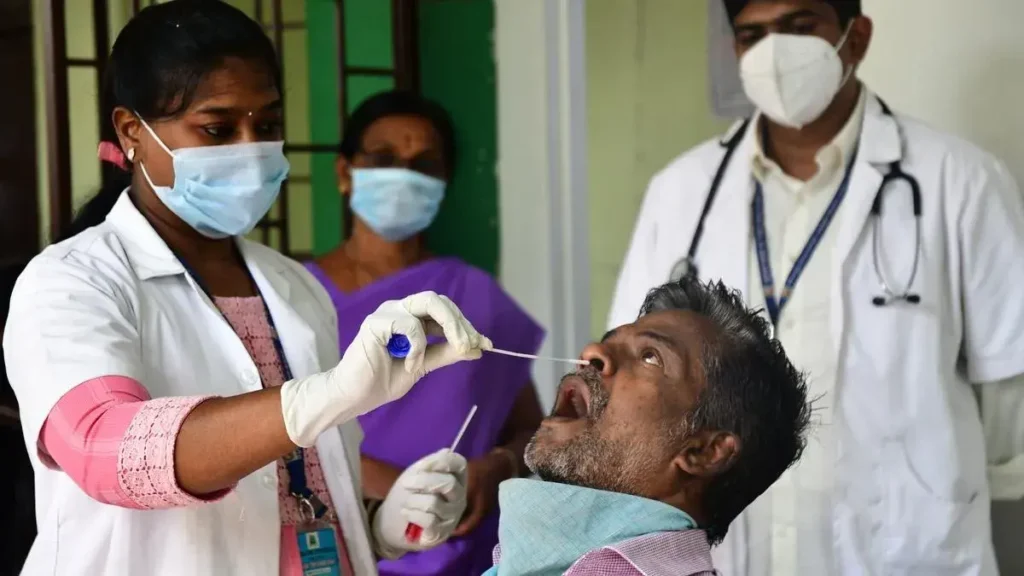
The Indian government has issued an alert to states regarding the emergence of the new Covid-19 subvariant, JN.1, as cases continue to rise in Kerala and 15 cases have been detected in samples from Goa. The Health Ministry emphasized that it is not yet clear whether an infection caused by JN.1 produces different symptoms or is more severe than other variants. The ministry stated that there is currently no indication of increased severity from JN.1, and there is no evidence that it presents an increased risk to public health compared to other circulating variants. Experts, including Dr. GC Khilnani, reassured that the elderly and those with comorbidities are not at an increased risk compared to other variants. General precautions such as handwashing and avoiding crowded areas during the festive season are recommended. The existing treatment for COVID-19 is expected to be effective against JN.1, and updated COVID-19 vaccines are expected to provide increased protection. RT-PCR tests remain the most reliable method for detecting the new subvariant. As the festive season approaches, the Health Ministry stressed the importance of adhering to respiratory hygiene norms, including wearing masks in enclosed and crowded spaces, frequent handwashing, and social distancing. States, such as Karnataka, are taking additional measures, mandating face masks for the elderly and those with comorbidities. The Health Ministry is conducting intensified surveillance at various levels, including laboratories, communities, and sewage, to monitor and report cases of influenza-like illness and Severe Acute Respiratory Illness. The global concern over JN.1 is due to its immunity-evading capacity, leading to rapid spread, with outbreaks reported in the US, China, and Singapore. JN.1 is a descendant of the BA.2.86 lineage of SARS-CoV-2.
Health Ministry Issues Alert on Covid-19 Subvariant JN.1: Guidelines and Concerns Amid Rising Cases Read More »

U-Win Portal Revolutionizes Routine Immunization Records

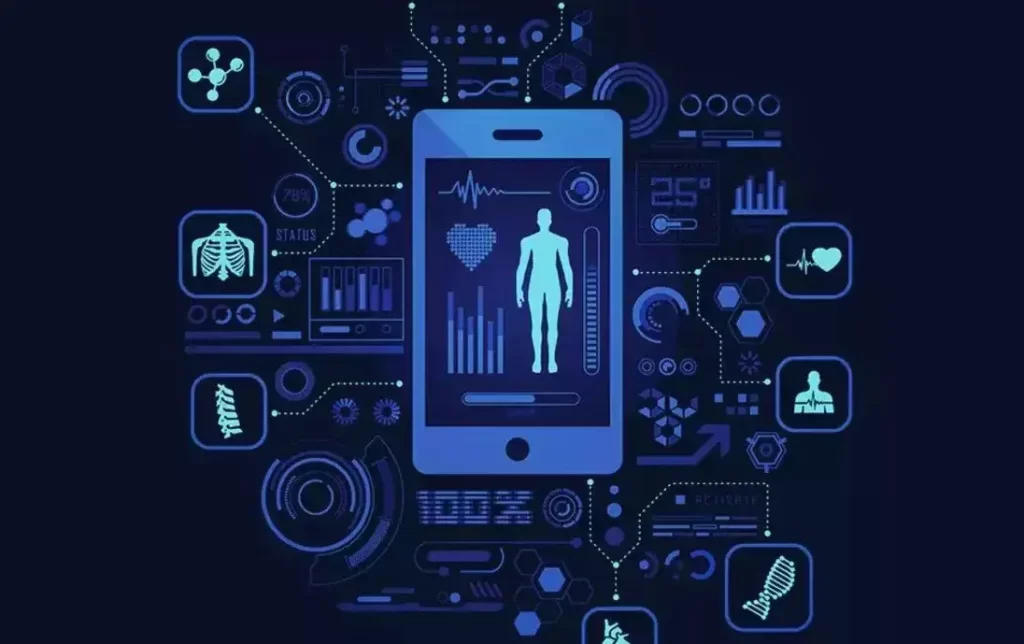
The government is gearing up to introduce the ‘U-Win’ portal, modelled after the successful Co-Win COVID-19 vaccine management system. This new platform is aimed at maintaining a digital registry of routine immunizations as part of the Universal Immunization Programme (UIP). Currently, the U-Win initiative is undergoing a pilot phase in two districts of each state and Union Territory. The U-Win portal, similar to Co-Win, was initially launched on January 11 in 65 districts nationwide. At present, UIP vaccination records are managed manually, but U-Win will eliminate the need for physical records. It will facilitate the digitization of session planning and provide real-time updates on vaccination statuses. This will address challenges posed by multiple vaccines and doses, as well as the absence of an individual tracking mechanism. Furthermore, it aims to raise awareness among beneficiaries regarding session details, locations, and dates, especially in urban areas, while also addressing disparities in immunization coverage among states and Union Territories. A significant issue to tackle is the lack of record-keeping for immunizations administered at private health facilities. U-Win seeks to become the centralized repository for immunization service information, encompassing pregnancy details, newborn registrations, and vaccinations at birth. The system will also maintain live updates on vaccination statuses, delivery outcomes, and the planning of routine immunization sessions. It aims to provide personalized tracking for pregnant women and newborns, sending reminders for upcoming doses and following up on dropouts. The U-Win platform will empower healthcare workers and program managers with real-time data on routine immunization sessions and vaccine coverage, facilitating better planning and distribution. Additionally, it will offer information on upcoming sessions in specific areas for the following month and a list of beneficiaries due for vaccination. Pregnant women and children will receive vaccine acknowledgments and immunization cards linked to their Ayushman Bharat Health Account (ABHA ID). States and districts will have access to a common database for efficient tracking and vaccination of beneficiaries. Citizens can also check nearby routine immunization sessions and book appointments through the platform. Lastly, all electronic vaccination certificates, similar to COVID vaccination certificates, will include pictures of Prime Minister Narendra Modi. As of August 28, U-Win has registered over 6.8 million beneficiaries and digitally tracked more than 13 million vaccine doses. This includes registrations for 33,58,770 infants aged 0-1 years, 20,98,338 children aged 1-5 years, and 14,20,708 pregnant women, with 1,32,60,903 doses being tracked digitally.

U-Win Portal Revolutionizes Routine Immunization Records Read More »

India registers 1,675 COVID-19 cases, 31 deaths

The number of people vaccinated against COVID-19 in India has surpassed 192.52 crore. This was accomplished after 2,42,67,393 sessions. The first dose of the COVID-19 vaccination has been given to almost 3.30 crore adolescents so far. COVID-19 precaution dosage administration for the age group 18-59 years began on April 10, 2022, and will continue until April 10, 2023. In the last 24 hours, 1,635 patients have recovered, bringing the total number of recovered patients to 4,26,00,737. As a result, India’s recovery rate is 98.75 percent. In the previous 24 hours, 1,675 new cases and 31 deaths have been reported. The number of active cases in India is presently 14,841. Active cases now account for 0.03 percent of all positive cases in the country. In the previous 24 hours, 4,07,626 COVID-19 tests were done. India has completed approximately 84.74 crore tests in total. The country’s weekly positivity rate is currently 0.49 percent, with a daily positivity rate of 0.41 percent.

India registers 1,675 COVID-19 cases, 31 deaths Read More »