ArdorComm Media Group

Monday, February 23, 2026 12:02 PM

Author name: admin

80% of Public Health Facilities in India Are Substandard, Reveals Government Survey

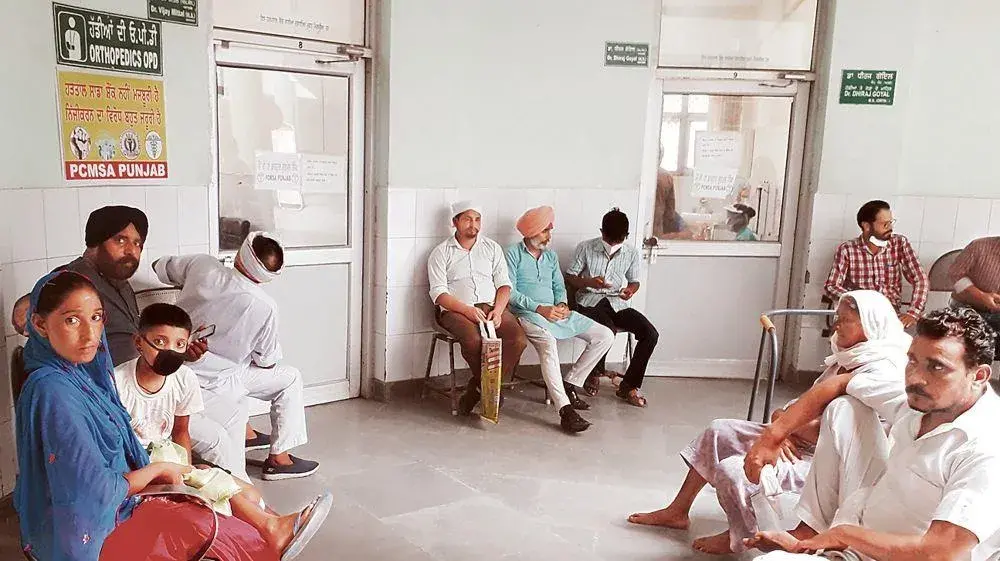
A recent government survey under the National Health Mission (NHM) has revealed that nearly 80% of public health facilities in India fail to meet the minimum standards for infrastructure, manpower, and equipment. This self-assessment exercise involved over 200,000 facilities, out of which only 8,089 scored 80% or higher for compliance. The government aims to make 70,000 facilities compliant within 100 days and will conduct surprise inspections to ensure standards are met. Public health facilities from states and Union Territories were asked to provide details on the number of doctors, nurses, and basic medical equipment available. The data shared on the Indian Public Health Standards (IPHS) dashboard showed that 40,451 facilities submitted key statistics through the Open Data Kit, a digital tool developed by the health ministry. The results were alarming, with only 20% of facilities qualifying as IPHS compliant, meaning they had the necessary infrastructure, human resources, drugs, diagnostics, and equipment to provide essential services. Approximately 42% of the facilities scored less than 50%, while the remaining scored between 50% and 80%. A senior health ministry official emphasized that the self-assessment and real-time monitoring are crucial to ensure health facilities maintain required standards, leading to better health outcomes and a more equitable society. The Centre is pushing states and UTs to address the identified gaps with full support to improve service quality. In addition to the IPHS, the National Quality Assurance Standards (NQAS) will continue to physically evaluate district hospitals, sub-district hospitals, community health centres, and primary health centres on best practices such as availability of essential medicines, equipment, waste management, infection control, support services, and patient rights. A new provision of virtual assessment has been introduced for Ayushman Arogya Mandir, the most numerous public health facilities under NHM. The NHM covers 60% of the costs for public health facilities, with the remaining expenses borne by the states.  

80% of Public Health Facilities in India Are Substandard, Reveals Government Survey Read More »

Employee Associations Urge Merger of RRBs with Sponsor Banks for Enhanced Efficiency

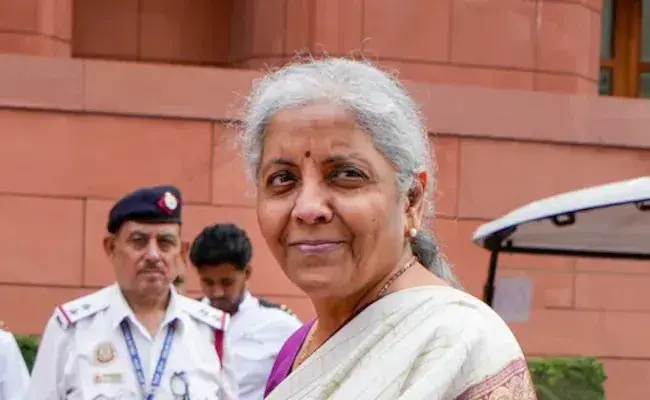
Bank employee associations have called on Union Finance Minister Nirmala Sitharaman to merge Regional Rural Banks (RRBs) with their respective sponsor banks. This move aims to ensure overall efficiency and viability in the banking sector. A joint statement from the All India Bank Officers’ Confederation and the All India Bank Employees Association, representing over 6 lakh bank employees, emphasized the need for this merger. “Competition among Public Sector Banks and RRBs is leading to the wastage of scarce financial resources by offering the same types of services,” the statement read. The associations argue that despite this competition, a significant portion of the rural population is not benefiting from modern, technology-driven banking products. RRBs were established under the RRB Act of 1976 with the capital provided by the Government of India, state governments, and sponsored banks. Currently, there are 43 RRBs sponsored by 12 scheduled commercial banks, operating around 22,000 branches, 30 crore deposit accounts, and 3 crore loan accounts across 702 districts. Ninety-two percent of RRB branches are located in rural and semi-urban areas, highlighting their importance in the rural banking ecosystem. The associations believe that merging RRBs with sponsor banks would ensure uniformity in the product range offered to customers, thus accelerating the growth of the rural economy and prioritizing sector lending. “Such integration will update the skills of RRB employees to modern banking practices and effectively address staff shortages in both RRBs and sponsor banks,” they added. Additionally, they noted that the salary structures and benefits of RRB employees are broadly similar to those in sponsor banks, which would facilitate a seamless integration. “The proactive step of merging RRBs with their respective sponsor banks will facilitate enhanced supervision, governance, and accountability, ensuring greater sustainability of the entire banking sector,” the statement concluded.

Employee Associations Urge Merger of RRBs with Sponsor Banks for Enhanced Efficiency Read More »

NEET-UG 2024 Re-Exam Result Declared on exams.nta.ac.in | Check Details Here

The National Testing Agency (NTA) has declared the result of the NEET-UG re-exam 2024. Candidates who appeared for the re-exam can now check their results on the official website: exams.nta.ac.in/NEET. The re-examination was conducted on June 23, 2024, for 1563 candidates, with 813 of them taking the re-test. The NTA had released the answer keys for the re-exam on June 29, allowing candidates to download the provisional answer keys from the NEET website. Why was the NEET-UG Re-Exam Conducted? During the NEET-UG exam held on May 5, 1563 candidates across seven centers experienced delays due to the distribution of incorrect question papers. Initially, the NTA decided to grant grace marks to these affected candidates. However, this decision was later revoked following legal challenges in the Supreme Court. The Centre informed the top court that the grace marks were rescinded, and affected candidates were offered a re-examination. Candidates who chose not to take the re-exam would have their original scores, excluding any grace marks, considered final. NEET-UG 2024 The NEET-UG, conducted by the NTA on May 5, saw participation from approximately 24 lakh candidates. Although results were declared on June 4, the examination process faced scrutiny due to allegations of question paper leaks in Bihar and other irregularities across various states. The central government has faced criticism over these alleged irregularities. Candidates who appeared for the re-exam are encouraged to check their results promptly and ensure all necessary steps are taken for their admissions.  

NEET-UG 2024 Re-Exam Result Declared on exams.nta.ac.in | Check Details Here Read More »

CBI Makes First Arrests in NEET-UG Paper Leak Case, Two Detained in Patna

Blog on Education

The Central Bureau of Investigation (CBI) has made the first arrests in the NEET-UG paper leak case, detaining two individuals from Patna. The arrests, which took place on Thursday, involve Manish Kumar and Ashutosh Kumar, who allegedly provided safe premises for aspirants before the examination. Here, the candidates were given leaked papers and answer keys, according to officials. The CBI has registered six FIRs related to the NEET paper leak case. The NEET-UG, conducted by the National Testing Agency (NTA), is an important examination for admissions to MBBS, BDS, AYUSH, and other related courses in government and private institutions across India. This year’s examination was held on May 5, 2024, at 4,750 centers in 571 cities, including 14 abroad, with over 23 lakh candidates appearing for the test. The first FIR by the CBI was registered on Sunday, just a day after the Ministry of Education announced that it would hand over the investigation into the alleged irregularities in the exam’s conduct to the central agency. The demand for a CBI probe was raised by a section of protesting students. The CBI’s swift action in arresting the two individuals from Patna marks a significant development in the ongoing investigation. The agency is expected to continue its probe to identify and apprehend other culprits involved in the paper leak scandal.  

CBI Makes First Arrests in NEET-UG Paper Leak Case, Two Detained in Patna Read More »

Rohit Sharma Urges Calm as India Prepares for T20 World Cup Final Against South Africa

India captain Rohit Sharma has called for calm and composure from his team as they aim to secure their second ICC Men’s T20 World Cup title against South Africa on Saturday. India secured their spot in the T20 World Cup final with a commanding 68-run victory over England in Guyana on Thursday. They will now face South Africa, the only other unbeaten team in the tournament, at Kensington Oval in Barbados. Rohit emphasized the importance of maintaining the same mindset that has brought them success so far in the tournament. He stressed that staying calm and composed is crucial for making good decisions throughout the game. The experienced skipper is determined to break India’s recent drought at ICC tournaments and add a second T20 World Cup trophy to their collection, the first being in 2007 in South Africa. “We’ve been very calm as a team,” Rohit said after India’s semi-final victory. “We do understand the occasion (in the final), but for us, it’s important to keep calm and composed. That helps us make good decisions. We need to make good decisions through the 40 overs. In this game too, we were steady and calm, and didn’t panic too much. That has been the key for us. Yes, we do understand the occasion is important, but we need to play good cricket as well.” Rohit led from the front in the semi-final, top-scoring for India with a well-compiled half-century at the top of the order. Suryakumar Yadav supported with a crucial cameo of 47, helping India post a competitive total of 171/7 after being put in to bat first by England captain Jos Buttler. India’s spinners played a pivotal role in the match, with Kuldeep Yadav (3/19), Axar Patel (3/23), and Ravindra Jadeja (0/16) taking six wickets between them and keeping England’s chase in check. Rohit praised his spinners for their calm execution under pressure. “They are gun spinners,” the India skipper said. “When conditions are like that in front of them, it’s very difficult to play some shots. Yes, the pressure is on them to execute those balls, but they were very calm and knew what to bowl. We had a chat after the first innings: the plan was to hit the stumps as much as possible and keep the stumps in play and that’s what they did.”

Rohit Sharma Urges Calm as India Prepares for T20 World Cup Final Against South Africa Read More »

Himachal Government to Roll Out Early Childhood Care Scheme

The Himachal Pradesh government, led by Chief Minister Sukhvinder Singh Sukhu, is set to launch a comprehensive early childhood care scheme aimed at the holistic development of children aged between three and six years. This initiative underscores the state government’s dedication to providing quality early childhood education and nurturing young minds. Chief Minister Sukhu announced on Thursday that the education department will implement a combination of all four Early Childhood Care and Education (ECCE) models recommended in the National Education Policy, 2020. “This initiative highlights the state government’s commitment to providing quality early childhood education and ensuring the holistic development and nurturing of the young minds in Himachal,” he said in a statement. Implementation Strategy The ECCE models to be implemented include: Standalone anganwadis. Anganwadis co-located with primary schools. Pre-primary schools covering children aged up to five or six co-located with existing primary schools. Standalone pre-primary schools. Currently, the state government runs 6,297 pre-primary sections in primary schools, catering to around 60,000 children. Additionally, there are 2,377 anganwadis co-located with these primary schools. Chief Minister Sukhu emphasized that this scheme will ensure the overall growth and development of young children, laying a strong foundation for their future education and well-being. The government’s approach aims to integrate early childhood education seamlessly into the existing educational framework, providing a robust and supportive environment for the state’s youngest learners.

Himachal Government to Roll Out Early Childhood Care Scheme Read More »

Health Ministry Suspends Mandatory Linking of CGHS and ABHA IDs

The Ministry of Health and Family Welfare has announced the suspension of the compulsory linking of Central Government Health Services (CGHS) beneficiary IDs with Ayushman Bharat Health Account (ABHA) IDs until further notice. This decision, stated in an office memorandum signed by Satheesh YH, director of CGHS, follows a review of previous orders that had made the linkage mandatory. The mandatory linkage, originally set to be enforced from April 1 and later extended to June 30, aimed to integrate various government health schemes under the Ayushman Bharat Digital Mission (ABDM). However, practical issues, including data privacy concerns and the current state of technology infrastructure, appear to have influenced the decision to make the linkage optional for the time being. The CGHS provides comprehensive healthcare services to central government employees, pensioners, and their dependent family members, covering over 4.5 million people across 75 cities. In contrast, the ABHA ID is a unique 14-digit number identifying beneficiaries within India’s digital healthcare ecosystem. Despite the previous mandate, only 231,134 CGHS IDs had been linked with ABHA IDs by June 26, according to the CGHS dashboard. Experts have pointed out several issues with the mandatory linking of CGHS and ABHA IDs. Sunil Rao, COO of Sahyadri Group of Hospitals, highlighted data privacy concerns and the inadequacies in current technology infrastructure as potential reasons for the decision. An anonymous expert further noted that the government had not clearly outlined how digital records would be protected, despite assurances that records under ABHA ID would be encrypted and safeguarded under the Digital Protection of Data and Privacy Act. Rao welcomed the move, describing it as a balanced approach that allows time to address data security and system integration issues. He emphasized that making the linkage voluntary would enable the government to ensure infrastructural readiness and gain public acceptance before full implementation. The Health Ministry’s decision reflects a cautious approach, ensuring that when the policy is ultimately enforced, it will be with comprehensive preparedness and widespread support.

Health Ministry Suspends Mandatory Linking of CGHS and ABHA IDs Read More »

ArdorComm – Education Leadership Symposium Friday, 19th Jul’24 | Indore

“ArdorComm – Education Leadership Symposium” Friday, 19th July 2024 | Indore #ELS2024 #ELSIndore #EducationLeadershipSymposium Event Theme: The future of Education in India Samsung presents ‘ArdorComm- Education Leadership Symposium’ as a ‘Physical Meet’ on 19th July 2024 | Indore The future of education in India is undergoing a transformative phase, driven by technological advancements and a focus on inclusivity. Key areas of development include bridging the digital divide to ensure equitable access to education across urban and rural areas, integrating entrepreneurial education to cultivate young innovators and job creators, and overcoming digital illiteracy to prepare students for a tech-driven world. The use of AI tutors for personalized learning, empowering educators with digital skills and continuous professional development, and establishing rural innovation hubs to provide technological access and foster local innovation are also crucial. By addressing these areas, India aims to build an inclusive, innovative, and technology-driven educational ecosystem that empowers every learner to achieve their full potential. In the upcoming ‘Education Leadership Symposium’ on 19th July at Indore, we are inviting senior leadership from the education fraternity to have a meaningful brainstorming session. KEY DISCUSSION POINTS Bridging the Digital Divide: Ensuring Equitable Access to Education AI Tutors: The Future of Personalized Education Assistance From Classroom to Boardroom: Cultivating Young Entrepreneurs Empowering Educators: Training Teachers for a Digital Future Overcoming Digital Illiteracy: Preparing Students for a Tech-Driven World Rural Innovation Hubs: Bringing Technological Advancements to Remote Areas Who Should Attend: Educators Academicians Chancellors Vice-Chancellors CEOs Directors Principals Deans Eminent Speakers AGENDA Time Event Flow 3:30 PM – 4:00 PM Registration & Networking Tea 4:00 PM – 4:05 PM Welcome note by ArdorComm Media 4:05 PM – 5:50 PM ‘Inspiring Leadership Dialogue’ by Industry Leaders 5:50 PM – 6:00 PM SAMSUNG Keynote 6:00 PM – 7:00 PM Round Table Discussion Moderated by ArdorComm Media 7:00 PM – 7:15 PM Felicitation Ceremony 7:15 PM Onwards Networking Cocktails followed by Dinner VENUE Radisson Blu Hotel Indore, Radisson Blu Hotel Indore12, Ring Rd, Scheme No 171 Indore, Madhya Pradesh 452010

ArdorComm – Education Leadership Symposium Friday, 19th Jul’24 | Indore Read More »

Tamil Nadu Government to Fill 75,000 Vacancies in 18 Months

The Tamil Nadu government has announced plans to fill over 75,000 vacancies in various government departments within the next 18 months. In a statement made in the Tamil Nadu Legislative Assembly, Chief Minister M.K. Stalin said that the government will fulfill these vacancies through several recruitment boards. Specifically, 17,595 vacancies will be filled through the Tamil Nadu Public Service Commission (TNPSC), 19,260 vacancies through the Teachers Recruitment Board (TRB), 3,041 vacancies through the Medical Services Recruitment Board, and 6,688 vacancies through the Tamil Nadu Uniformed Services Recruitment Board. Additionally, the government will fill 30,219 vacancies in the Social Welfare Department, Municipal Administration Department, Water Supply Board, and other important departments. The Chief Minister also highlighted that over the past three years, the DMK government has secured 5,08,055 jobs for young people in the state. This move is seen as a significant effort by the Tamil Nadu government to create employment opportunities and address the issue of vacancies in various government departments. The 18-month timeline set by the government suggests a sense of urgency in filling these positions, likely with an eye on the upcoming state assembly elections.

Tamil Nadu Government to Fill 75,000 Vacancies in 18 Months Read More »