ArdorComm Media Group

Thursday, October 8, 2026 2:51 AM

Author name: admin

Delhi Schools to Enforce NCPCR Guidelines for Enhanced Student Safety and Security
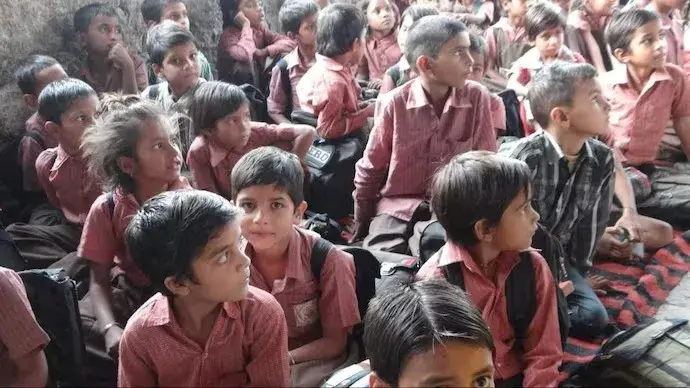
In a decisive move to reinforce the safety and security of students, the Directorate of Education (DoE) in Delhi has issued a comprehensive directive to all schools in the capital. This directive mandates the strict implementation of guidelines formulated by the National Commission for Protection of Child Rights (NCPCR), aiming to provide a safe and secure learning environment for all students across government, government-aided, and private institutions. The NCPCR guidelines outline critical safety measures and emphasize the accountability of school management to prevent and address risks that could jeopardize the safety of students. In its recent circular, the DoE specifically directed heads of all schools to rigorously follow a checklist for safety inspections. This checklist encompasses a range of safety protocols that cover not only the physical infrastructure of schools but also address child protection measures, emergency preparedness, and comprehensive security policies. A senior DoE official highlighted that this initiative is part of a larger, national effort to bring school safety practices in line with the ‘Guidelines on School Safety and Security 2021,’ which was issued by the Ministry of Education in response to a Supreme Court mandate and in alignment with the goals of the National Education Policy (NEP) 2020. The NEP places an unprecedented emphasis on child safety and wellbeing, viewing a secure school environment as essential to the overall mission of educational reform in India. The DoE’s circular further underscores that school heads are to ensure the readiness of their institutions as per the NCPCR’s guidelines. This includes verifying the school infrastructure, conducting regular fire and safety drills, and implementing robust monitoring systems. Additionally, school authorities are encouraged to enhance the awareness and preparedness of both students and staff regarding safety protocols, which involves training teachers and non-teaching staff in emergency response and first aid. Furthermore, to strengthen hostel safety, all school heads have been instructed to comply with the guidelines provided by the National Disaster Management Authority (NDMA) for hostels within educational institutions. These NDMA guidelines cover a spectrum of risk management practices, from structural safety checks to provisions for timely evacuations during emergencies, thereby ensuring that students residing in school hostels are equally protected. Creating a Culture of Safety and Accountability This initiative reflects a paradigm shift toward embedding a culture of accountability in the management of student welfare. By mandating regular safety audits, the DoE is aiming to institutionalize child safety as a core responsibility within school administration. School principals, teachers, and staff members are now accountable for actively monitoring school premises and reporting any safety hazards. Parents and guardians are also urged to play a proactive role by familiarizing themselves with the safety protocols implemented in schools and by communicating openly with school authorities about any concerns regarding their child’s safety. The DoE emphasizes that fostering a secure environment for students is a shared responsibility, and cooperation between school management and families is pivotal for successful implementation. Impact of NEP 2020 and Future Prospects The emphasis on student safety aligns with the broader educational reforms proposed under NEP 2020, which advocates for holistic student welfare, including mental and physical safety. The NEP’s comprehensive approach highlights the necessity of safety in achieving quality education outcomes, suggesting that a secure environment enhances students’ capacity to focus and excel academically. The DoE has reiterated its commitment to maintaining a rigorous review and monitoring process to ensure that all schools in Delhi remain compliant with these enhanced safety guidelines. Schools that fail to adhere to these standards may face stringent consequences, including administrative penalties, suspension of school activities, or withdrawal of affiliation in severe cases. Through these initiatives, the Delhi DoE and NCPCR aim to transform schools into spaces where students not only learn but also feel protected and secure. As the guidelines take effect, stakeholders in Delhi’s education ecosystem – from school leaders to teachers and parents – are collectively working toward establishing a resilient foundation for student safety and setting a benchmark for other states to follow. This enhanced focus on school safety is expected to usher in a new era of child welfare that prioritizes preventive measures and proactive vigilance, ultimately fostering a more supportive and trustworthy educational environment across the city. Source : India Today Photo Credit : India Today

Delhi Schools to Enforce NCPCR Guidelines for Enhanced Student Safety and Security Read More »

West Bengal Activates Central Referral System in Five Kolkata Medical Colleges to Streamline Patient Transfers

The West Bengal government has initiated a central referral system across five prominent medical colleges in Kolkata. This development follows recent demands from junior doctors and healthcare staff who have advocated for improved safety and operational protocols in the wake of tragic incidents affecting healthcare professionals. Alongside this system, a digital bed vacancy monitor has been introduced at the NRS Medical College and Hospital, providing real-time information on bed availability in each department. According to a senior official from the state health department, the newly activated central referral system is designed to facilitate smoother and quicker transfers of patients requiring advanced care from rural hospitals to the city’s medical colleges. By enabling district hospitals to reserve a bed in Kolkata-based establishments before referring patients, the system aims to reduce the uncertainty and delay often experienced in patient transfers. The central referral system is now operational in five key healthcare institutions in Kolkata: Calcutta Medical College and Hospital, SSKM Hospital, RG Kar Medical College and Hospital, NRS Medical College and Hospital, and National Medical College. These facilities have started responding to requests from district hospitals in rural West Bengal, marking the beginning of a more organized and transparent process. Key Features of the Central Referral System The core of the central referral system lies in its digital framework, which connects rural and district hospitals with city-based medical colleges through an online portal. Hospitals in rural areas can now make a formal bed request on behalf of patients needing higher-level medical support, particularly in complex cases where specialized treatments are necessary. Once a request is received, the medical colleges in Kolkata will promptly update their bed availability status, allowing rural hospitals to receive immediate confirmation on whether the patient can be accommodated. This enables faster and more efficient patient transport from rural facilities to Kolkata, thereby reducing critical time loss in emergency situations. An official from the health department remarked, “The central referral system was activated today in the five major medical colleges in Kolkata. Complete implementation will take a few more days to fully optimize the process.” He further highlighted that the referral system would soon be extended to additional healthcare facilities across the state, making it possible for more hospitals to link directly with Kolkata’s primary medical institutions. Digital Bed Vacancy Monitor to Increase Transparency To complement the referral system, a digital bed vacancy monitor has been introduced at NRS Medical College and Hospital, one of Kolkata’s busiest healthcare facilities. This digital monitor provides a real-time display of bed occupancy, showing the current number of beds available across different departments. Families and patients will be able to view these updates on screens located within the hospital, reducing confusion and ensuring that those in need are informed of availability as they arrive. “This digital monitor will offer transparent and accurate data, keeping families and referring hospitals well-informed,” the health official added. The display board at NRS Medical College and Hospital is set to show real-time bed occupancy across departments, providing essential information to both healthcare providers and the public. This system is expected to alleviate the long-standing issue of patients and families being turned away or directed to other facilities due to bed shortages without proper information. Healthcare Reforms in Response to Junior Doctors’ Demands The implementation of these systems comes in response to recent protests and demands from junior doctors who have called for improvements in healthcare infrastructure and staff safety protocols. Following the tragic assault on a medical professional at RG Kar Medical College, the need for reform has been amplified, with doctors and healthcare workers urging for better safeguards and resources. The government’s swift action in implementing these systems reflects a commitment to improving both safety and efficiency within the state’s healthcare framework. Looking Forward: Statewide Implementation While the central referral system and digital bed monitor have initially been activated in Kolkata, plans are underway to extend these initiatives throughout West Bengal. The state health department is working on integrating more hospitals into the system, with the goal of building a seamless network that covers not only Kolkata but also rural areas across the state. By creating a unified platform for bed availability and patient transfer, the government aims to make healthcare services more accessible to residents in every district. The activation of these systems represents a forward-thinking approach in West Bengal’s healthcare landscape, prioritizing patient care and operational transparency. As more hospitals join the network, the state anticipates a significant reduction in patient transfer delays and an increase in the efficient use of healthcare resources, contributing to better outcomes for patients and a more organized system for healthcare professionals. Source: Business Standard Photo Credit : Business Standard

West Bengal Activates Central Referral System in Five Kolkata Medical Colleges to Streamline Patient Transfers Read More »

Egypt Launches Initiatives for Decentralization and Sustainable Urban Development at WUF12

News on Governance

At the 12th World Urban Forum (WUF) in Cairo, Egypt’s Minister of Local Development, Manal Awad, unveiled two major initiatives to advance local governance and decentralization, along with the launch of the “Atlas of Egyptian Cities.” The forum, with the theme “Everything Starts at the Local Level: Local Action for Sustainable Cities and Communities,” focused on strategies to tackle Egypt’s housing and climate challenges, enhance urban funding, and bridge development gaps. Awad emphasized that Egypt’s participation aims to showcase its approach to sustainable urban development by connecting global objectives with localized action. These new initiatives will target sustainable city planning, local climate adaptation, and improved urban-rural connectivity, especially focusing on Upper Egypt and rural communities. The forum’s discussions will address six core areas: future-focused housing, climate-resilient cities, community cooperation, funding the Sustainable Development Goals (SDGs), the human-centered digital age, and tackling housing loss. Highlighting the importance of local empowerment, Awad stressed the role of decentralization policies in achieving sustainable urban growth. These initiatives, launched alongside the ongoing Egyptian sustainable cities program, are part of a broader strategy to involve civil society and the private sector in urban planning, paving the way for modernized provincial capitals and high-quality urban living Source: Daily News Egypt Photo Credit: Daily News Egypt

Egypt Launches Initiatives for Decentralization and Sustainable Urban Development at WUF12 Read More »

Phibro Completes Acquisition of Zoetis’ Medicated Feed Additive Business, Expanding Animal Health Portfolio

Phibro Animal Health Corp. has successfully acquired Zoetis Inc.’s medicated feed additive and certain water-soluble product lines, strengthening Phibro’s global animal health and nutrition portfolio. This acquisition introduces over 37 product lines used in cattle, swine, and poultry across 80 countries, backed by manufacturing facilities in the U.S., Italy, and China, and a workforce of 300 supporting operations. Jack C. Bendheim, Phibro’s chairman, president, and CEO, highlighted the strategic alignment, emphasizing that the products will enable Phibro to meet high standards in animal care, disease prevention, and nutrition. The acquisition complements Phibro’s core competencies in vaccines, nutritional specialties, and mineral nutrition, and will likely enhance Phibro’s EBITDA margin and adjusted EPS, with more financial details expected in the Q1 earnings call on November 7. Phibro COO Larry Miller called the deal a “win-win-win,” expanding solutions for customers, supporting safe and sustainable food production, and increasing revenue diversification. This acquisition provides a robust foundation for future investments in Phibro’s fast-growing animal health categories, driving long-term sustainability and growth. Source: Feed Strategy. com Photo Credit: BigStock. com

Phibro Completes Acquisition of Zoetis’ Medicated Feed Additive Business, Expanding Animal Health Portfolio Read More »

Early Sugar Restriction in Childhood Could Reduce Diabetes Risk by 35%, Study Finds

A new study published in Science suggests that restricting sugar intake during the first 1,000 days of a child’s life—from conception to age two—can significantly lower the risk of chronic diseases later in life. The research indicates a 35% reduction in type 2 diabetes risk and a 20% decrease in hypertension, with disease onset delayed by up to four years. Researchers at the University of Southern California analyzed data on nearly 60,000 individuals affected by sugar rationing in the UK during the post-WWII recovery period. The findings highlight that exposure to lower sugar levels in utero already offers protective benefits against chronic diseases, which increase further with extended low-sugar intake post-birth. Dr. Arun Gupta, convener of Nutrition Advocacy for Public Interest, noted, “Reducing sugar intake during pregnancy and early childhood has a profound, lifelong impact on health.” The analysis, based on UK BioBank data, compares individuals conceived just before or after the end of rationing in 1953. This “natural experiment” underscores the importance of the first 1,000 days in shaping long-term health. Babies exposed to sugar rationing in the womb and then weaned onto low-sugar diets experienced the most notable health benefits. WHO Guidelines on Sugar Intake: Children under two should consume no added sugars. Adults are advised to limit added sugar to 7 teaspoons (28g) daily. Maximum intake should not exceed 12 teaspoons (50g) per day. This study strengthens the case for low-sugar diets during early childhood, emphasizing the lasting impact on chronic disease prevention and lifelong health. Source: Indian Express Photo Credit: Indian Express

Early Sugar Restriction in Childhood Could Reduce Diabetes Risk by 35%, Study Finds Read More »

Nagaland to Implement NEP 2020 in All Schools by 2025, Introduces Major Educational Reforms

The Nagaland State Level Education Committee (SLEC), led by Chief Minister Neiphiu Rio, announced the statewide implementation of the National Education Policy (NEP) 2020 across government and private schools beginning the 2025 academic year. Key changes include the adoption of the NEP’s 5+3+3+4 structure, as well as upgrades, downgrades, and amalgamations of select government schools. The SLEC introduced significant measures to improve educational standards and accessibility. Six Government Middle Schools (GMS) across Kohima, Dimapur, and Mon districts will be upgraded to Government High Schools (GHS), with further upgrades planned for select schools in Ikishe village. Meanwhile, schools with persistently low or zero enrollments—54 GMS and 13 GHS—will either be downgraded or merged with neighboring schools. Teachers from under-enrolled schools will be reassigned to schools with staffing shortages. The committee also instituted a mandatory approval process for opening new private schools, which must operate under registered societies. The formation of a State School Standards Authority (SSSA) and the Nagaland State Quality Assessment and Accreditation Framework (SQAAF) was also approved, aimed at enhancing quality and assessment standards across schools. Further initiatives include converting unfilled educational posts into high-need roles and creating the Nagaland Education Service to establish streamlined standards across the education sector. The SLEC will establish a committee to oversee these transitions, working with Personnel and Administrative Reforms and Finance Departments for effective resource allocation. This comprehensive reform package underscores Nagaland’s commitment to aligning with national education goals and enhancing educational opportunities for all students. Source: Times of India Photo Credit: Times of India

Nagaland to Implement NEP 2020 in All Schools by 2025, Introduces Major Educational Reforms Read More »

IIM Indore Strengthens Educational Collaborations with MSU and Expands Global Partnerships

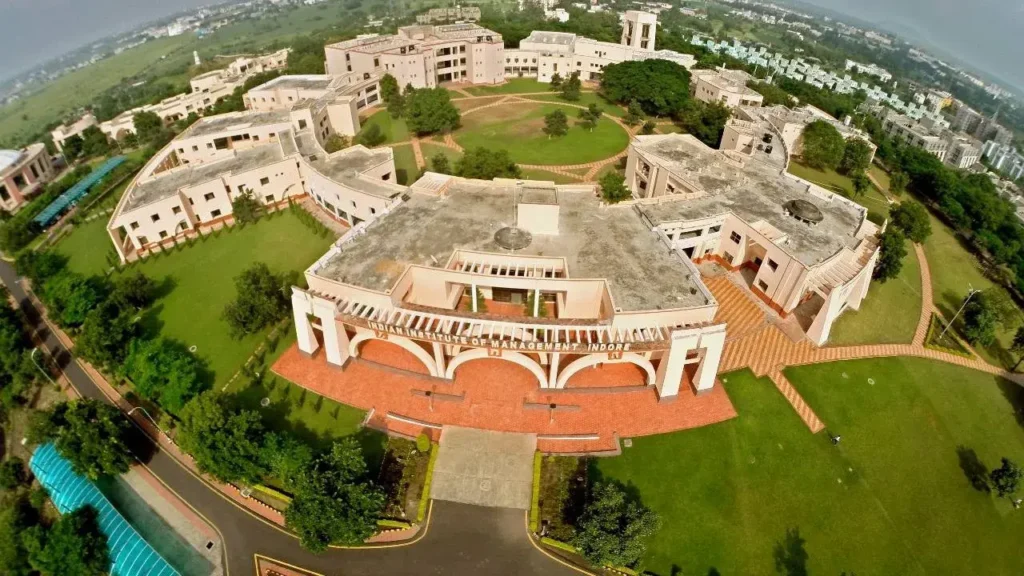
In a move to foster educational development and industry alignment, IIM Indore has signed a Memorandum of Understanding (MoU) with M S University (MSU) to introduce faculty and staff development programs for colleges and universities in Gujarat. The collaboration will focus on both short- and long-term certificate programs designed to equip educators with skills that meet current industry requirements. Professor Hitesh Raviya, Officer on Special Duty for Public Relations and Communication at MSU, emphasized that the partnership would enhance the skill sets of educators, ensuring they are in line with evolving industry needs. This MoU also sets the stage for exchange programs and collaborative research projects, which will promote academic and professional growth for educators and administrators in the region. “This partnership underscores MSU’s commitment to achieving excellence in education and innovation,” added Prof. Raviya. Global Collaborations Expand with New International Partnerships In addition to its collaboration with MSU, IIM Indore has signed agreements with Kristiania University College in Norway and Soochow University in China, further broadening its global academic network. These partnerships bring IIM Indore’s international affiliations to 60 partner institutions across 24 countries. The MoU with Kristiania University College was signed by Prof. Himanshu Rai, Director of IIM Indore, and Dr. Kristi Bache, Pro-Rector of Research and Artistic Development at Kristiania. Meanwhile, the agreement with Soochow University was formalized with Prof. Bo Feng, Dean of the Business School at Soochow University. Prof. Rai expressed excitement over these partnerships, highlighting their potential to enhance learning and research opportunities for students and faculty on an international scale. A Vision of Innovation and Collaboration in Education These partnerships underscore IIM Indore’s commitment to advancing higher education through innovative programs, cross-border collaboration, and academic excellence, benefitting the broader educational community and reinforcing its standing as a leader in the global academic landscape. Source: Shiksha. com

IIM Indore Strengthens Educational Collaborations with MSU and Expands Global Partnerships Read More »

PM Modi Expands Ayushman Bharat Health Coverage for Seniors, Criticizes Non-Participating States

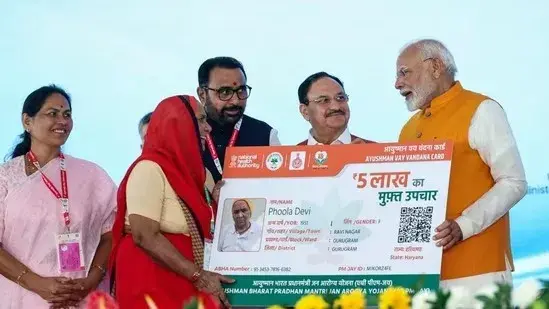
Prime Minister Narendra Modi has announced an expansion of the Ayushman Bharat Pradhan Mantri Jan Arogya Yojana (PM-JAY), now offering health coverage for all senior citizens aged 70 and above. Speaking at the All India Institute of Ayurveda, he noted that this initiative, alongside several other healthcare projects worth ₹12,850 crore, aims to make quality healthcare universally accessible for seniors, regardless of income. During the event, Modi distributed Ayushman Vaya Vandana Cards to new beneficiaries, highlighting the scheme’s universal reach. Modi criticized Delhi and West Bengal for not implementing Ayushman Bharat, describing it as a “political” decision that denies the elderly access to free treatment. Delhi CM Arvind Kejriwal countered by urging the PM to consider Delhi’s own comprehensive healthcare model, while West Bengal’s TMC defended its Swasthya Sathi scheme. Focus on Digital Health and Ayurveda Modi launched the U-WIN platform, following the success of Co-WIN during the pandemic, aimed at creating a comprehensive digital health interface for India. He also highlighted the government’s emphasis on integrating Ayurveda with modern healthcare, inaugurating the second phase of the All India Institute of Ayurveda on Dhanvantari Jayanti. This expansion aligns with the government’s health policy priorities: preventive care, early diagnosis, affordable treatment, accessible healthcare, and digitalization. Commitment to Affordable Healthcare In addition to expanding Ayushman Bharat, the PM praised the 14,000 Jan Aushadhi Kendras, which offer medicines at 80% discount, estimating a collective saving of ₹30,000 crore for low- and middle-income families. He emphasized the need for scientific validation of traditional herbs, such as ashwagandha, citing its growing demand in international markets. Progress in Medical Education Highlighting unprecedented advancements in India’s healthcare infrastructure, Modi stated that over the past decade, nearly 100,000 new MBBS and MD seats were created, along with numerous new AIIMS and medical colleges. He stressed that this growth contrasts sharply with limited achievements in prior decades, emphasizing the government’s commitment to creating a holistic health system. Source: Hindustan Times

PM Modi Expands Ayushman Bharat Health Coverage for Seniors, Criticizes Non-Participating States Read More »

Arunachal Cabinet Sets Up Administrative Reforms Commission for Enhanced Governance

News on Governance

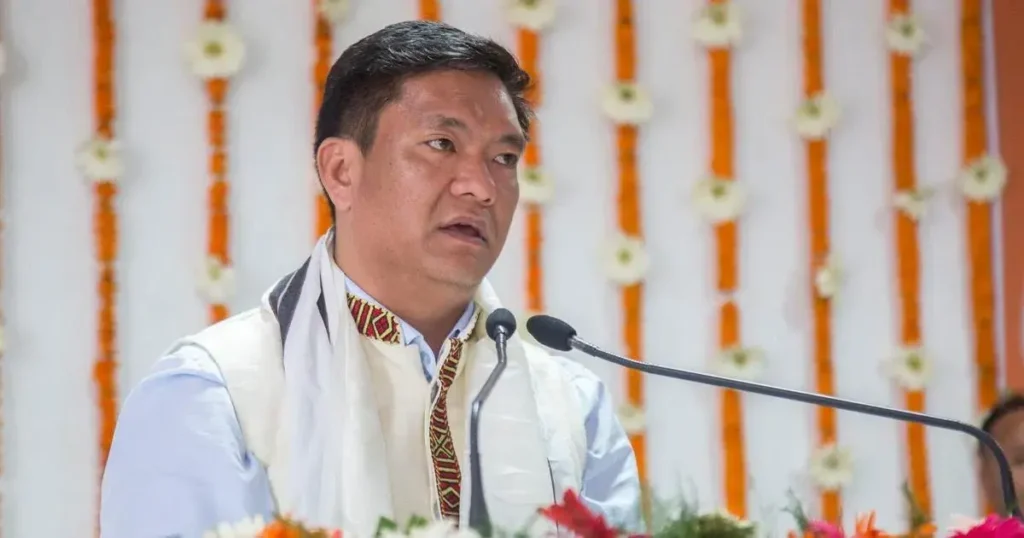
The Arunachal Pradesh cabinet, under the leadership of Chief Minister Pema Khandu, has announced the establishment of an Administrative Reforms Commission (ARC) to streamline state governance and tackle administrative challenges. The decision, taken during a cabinet meeting in Tawang, mandates the ARC to undertake a comprehensive review of the state’s administrative framework and propose recommendations for a more efficient, citizen-centric, and accountable governance system. Key initiatives discussed in the meeting include a new transfer and posting policy for nurses across health facilities in Arunachal Pradesh, aimed at ensuring equitable staffing and quality healthcare services. Additionally, the cabinet approved the renaming of the Special Investigation Cell (Vigilance) to the Anti-Corruption Bureau (ACB), underscoring the government’s commitment to addressing corruption. The ACB will continue to handle major investigations within the state. Another significant decision is the proposed renaming of Naharlagun Railway Station to Itanagar Railway Station, which has been recommended to the Government of India for consideration. The cabinet also endorsed the amendment of the Arunachal Pradesh Victim Compensation Scheme, enhancing the compensation rates for victims of various crimes. Further administrative advancements include the amendment of the Arunachal Pradesh State Human Rights Commission Service Rules, 2022, and the approval of special grades for various ranks within the police department, including constables, head constables, and ASIs. The cabinet also granted one-time recruitment relaxations for contractual ANM and nursing officers, enabling their absorption on a seniority basis and advancing career growth for healthcare workers. Source: Times of India

Arunachal Cabinet Sets Up Administrative Reforms Commission for Enhanced Governance Read More »

India’s M&A Activity Surges 14% in 2024’s First Nine Months, Led by Major Transactions

India’s mergers and acquisitions (M&A) market rebounded strongly in 2024, with transactions rising by 13.8% to reach $69.2 billion in the first nine months, up from $60.8 billion in the same period in 2023. A total of 2,301 deals were executed between January and September, marking a notable increase over the 1,855 deals recorded during the same time last year, as per Bloomberg data. Leading this surge was Bharti Airtel’s acquisition of a stake in the British telecom giant BT Group for $4.08 billion, marking the largest M&A transaction in India so far this year. Other major deals included a family settlement within the Godrej Group and Gujarat Gas’s $3 billion acquisition of Gujarat State Petronet. Bhavin Shah, Partner and Leader (Private Equity and Deals) at PwC India, attributes this uptick to India’s attractive growth potential and market resilience compared to developed regions such as North America and Europe. “High GDP growth and a strong stock market in India have driven valuations upward, appealing to both domestic and foreign investors,” he noted. Interest rate fluctuations and inflation have also influenced M&A activities, as shifting financing terms and equity stakes impact transaction structures and valuations. Additionally, variations in cross-border real exchange rates have shaped global dealmaking patterns. Vishal Agarwal, Partner at Grant Thornton Bharat, observed that investors are increasingly turning to the Middle East as it focuses on capital attraction, while Western investors appear cautious toward China. Meanwhile, India remains appealing, particularly for early-stage deals and full buyouts. Private equity has played a significant role in India’s M&A landscape, with PE funds involved in transactions totaling $24.2 billion so far, reflecting an 8.9% rise over the previous year. Investors are also increasingly eyeing IPOs for growth-stage deals, viewing them as more cost-effective than private equity funding. This sustained interest in the Indian market underscores its stability and potential as a global investment hub amid shifting economic dynamics. Source: Business Standard

India’s M&A Activity Surges 14% in 2024’s First Nine Months, Led by Major Transactions Read More »