ArdorComm Media Group

Thursday, February 26, 2026 7:57 PM

Author name: admin

Over 20 Million Students Register on UGC’s Academic Bank of Credit, Says UGC Chairman

News on Edu

UGC Chairman Mamidala Jagadesh Kumar announced that more than 20 million students from across the nation have registered on the University Grants Commission’s Academic Bank of Credit (ABC) platform. He made this announcement during the western zone vice chancellor’s conference held at Maharaja Sayajirao University in Baroda, Gujarat, on October 26. Chairman Kumar emphasized that in recent years, the UGC has introduced various reforms. Although over 20 million students have already registered on the ABC platform, he stressed the importance of ensuring that every student register and that their academic credentials and credit certificates are uploaded to the ABC platform. During the conference, the UGC Chairman also discussed the progress made in implementing the reforms initiated by the UGC. The Academic Bank of Credit (ABC) is one of the provisions outlined in the National Education Policy 2020 (NEP 2020). ABC offers undergraduate and postgraduate students the flexibility to exit and re-enter their courses within a specified time frame. Additionally, it aims to provide every student with the opportunity to open an academic bank account with ABC to transfer credits for the attainment of various degrees, diplomas, or certificates.

Over 20 Million Students Register on UGC’s Academic Bank of Credit, Says UGC Chairman Read More »

Infosys Founder Narayana Murthy Calls for Indian Youth to Embrace 70-Hour Workweeks for Global Competitiveness

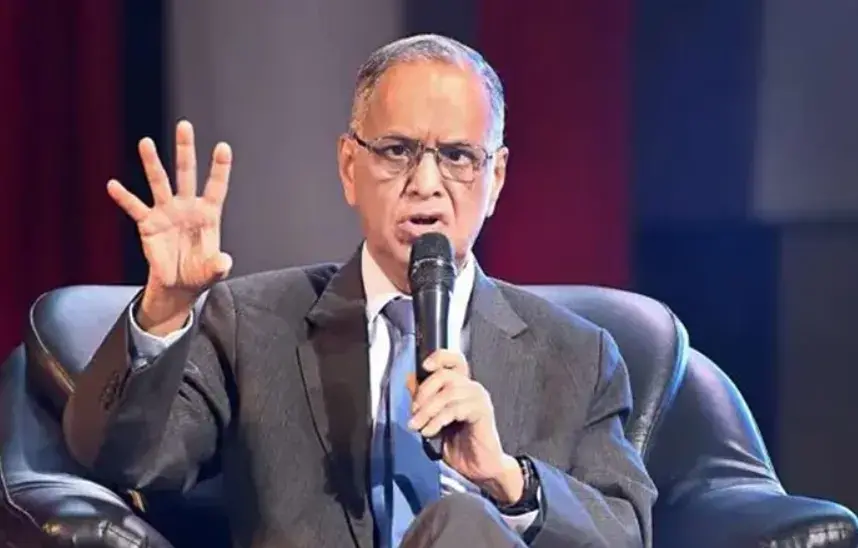
Narayana Murthy, the founder of Infosys, has suggested that India’s work culture needs a transformation, with young individuals in the country being urged to commit to working 70 hours per week in order to enhance India’s global competitiveness. In a conversation on 3one4 Capital’s podcast “The Record” with Mohandas Pai, Murthy emphasized the necessity to boost productivity and address governmental inefficiencies in India. He stressed the importance of raising work efficiency and tackling corruption within the government. He commented that unless these bureaucratic delays and inefficiencies are minimized, India won’t be able to compete with nations that have made significant advancements. He urged young Indians to think of their country and be willing to dedicate 70 hours per week to work. Drawing a parallel with post-World War II work practices in Germany and Japan, Murthy highlighted that these nations required their citizens to work extra hours for a specified period to rebuild their economies. He called for discipline, improved work productivity, and a cultural shift towards being determined, disciplined, and hardworking individuals. Narayana Murthy’s comments have prompted diverse reactions on social media. Bhavish Aggarwal, the CEO of Ola, expressed his agreement with Murthy’s perspective, advocating for a strong commitment to building the nation in a single generation. In contrast, Ronnie Screwvala, the founder of upGrad, disagreed with the idea of longer working hours, asserting that productivity improvement should focus on upskilling, fostering a positive work environment, and ensuring fair compensation for quality work rather than just working extended hours.

Infosys Founder Narayana Murthy Calls for Indian Youth to Embrace 70-Hour Workweeks for Global Competitiveness Read More »

Mobilizing Global Education and Cultural Exchange through Technology

Blog on Edu

The world is more interconnected than ever before, and technology has played a pivotal role in bridging geographical gaps. In the realm of education and cultural exchange, technology has revolutionized the way we learn, share, and experience different cultures. Global education and cultural exchange are no longer confined to textbooks and classroom walls; they have evolved into dynamic, interactive experiences thanks to the power of technology. In this blog, we will explore how technology is mobilizing global education and cultural exchange, breaking down barriers and opening doors to a world of knowledge and understanding. Online Learning Platforms The rise of online learning platforms has transformed education into a global endeavour. These platforms provide access to high-quality educational resources, courses, and interactive experiences, connecting learners from all corners of the world. Notable platforms like Coursera, edX, LinkedIn Learning and Khan Academy offer a vast range of courses and materials, allowing learners to explore new subjects and perspectives. Moreover, these platforms facilitate cross-cultural learning by offering courses on diverse topics and bringing together instructors and students from various backgrounds. Also Read: Top 12 Daily Habits for a Healthier Lifestyle Virtual Reality (VR) and Augmented Reality (AR) Virtual and augmented reality technologies have revolutionized cultural exchange. With VR and AR, learners can immerse themselves in virtual environments and experience different cultures first-hand. For example, students can take virtual field trips to ancient historical sites, explore foreign museums, or participate in language exchange programs without leaving their homes. These technologies offer an unparalleled level of engagement and immersion, making it easier for individuals to appreciate and understand cultures different from their own. Language Learning Apps Language is a fundamental aspect of culture, and technology has significantly impacted language learning. Mobile apps like Duolingo, Babbel, and Rosetta Stone provide accessible and interactive language learning experiences. They offer various language courses and tools for learners of all levels, promoting cross-cultural communication and understanding. Technology simplifies language learning by incorporating gamified elements and real-time feedback, making the process enjoyable and effective. Also Read: Nurturing 21st Century Skills in Education: Fostering Critical Thinking and Digital Literacy Social Media and Video Conferencing Social media and video conferencing platforms like Facebook, Instagram, WhatsApp, Skype, and Zoom connect people worldwide in real time. These tools facilitate cross-cultural interactions, allowing individuals to meet and communicate with people from different backgrounds and share their experiences. Additionally, educators can organize virtual international exchange programs or pen-pal initiatives, enabling students to connect with peers from different countries and learn about their cultures through direct conversations. Online Collaborative Projects Technology enables educators and students to engage in collaborative projects with peers from around the world. Virtual teamwork has become increasingly accessible, and platforms like Google Workspace, Microsoft Teams, and other project management tools allow students to work together on assignments, research projects, or even cultural exchange initiatives. This fosters cooperation, understanding, and appreciation of different cultural perspectives. Also Read: ArdorComm ‘New Normal – Education Leadership Summit & Awards 2023’ to be held at Pune, Maharashtra on 24th November 2023 #ELSAPune #ELSAMaharashtra E-Libraries and Digital Archives Access to information is a crucial aspect of global education. E-libraries and digital archives like Google Books, Project Gutenberg, and national libraries have digitized vast collections of books, manuscripts, and cultural artifacts. This wealth of knowledge allows learners to explore historical texts and cultural materials from different regions, helping them gain insights into diverse cultural heritages. Online Cultural Experiences Various organizations and museums now offer virtual cultural experiences through live-streamed events and digital exhibits. Whether it’s exploring art galleries, attending cultural festivals, or participating in cooking classes, these online experiences bring the world’s cultures to your doorstep. Technology allows you to engage with different traditions, art, and customs, fostering a deep appreciation for cultural diversity. Also Read: The Rise of Podcasts: Exploring the Audio Entertainment Revolution Conclusion Technology has truly mobilized global education and cultural exchange, making the world a smaller, more interconnected place. It has not only expanded access to education but has also enriched our understanding of the world’s diverse cultures. As we continue to harness the power of technology, it is crucial to leverage it responsibly, emphasizing respect, empathy, and open-mindedness in our global education and cultural exchange efforts. By doing so, we can truly benefit from the immense potential technology offers in bridging cultural gaps and promoting a more interconnected and harmonious world. The author, Pratik Ghosh is associated with ArdorComm Media


Mobilizing Global Education and Cultural Exchange through Technology Read More »

WHO Calls for Regulation of AI in Healthcare Due to Risks, Citing Bias and Privacy Concerns

News on Health

The World Health Organization (WHO) is calling for the regulation of artificial intelligence (AI) in healthcare due to the associated risks, according to a report. WHO emphasizes the need to establish safety and efficacy in AI tools, make them accessible to those who require them, and encourage communication among AI developers and users. While recognizing AI’s potential to enhance healthcare by strengthening clinical trials, improving diagnosis and treatment, and enhancing healthcare professionals’ knowledge and skills, the report by data and analytics company GlobalData highlights the rapid deployment of AI technologies without a full understanding of their long-term implications, which could pose risks to healthcare professionals and patients. Alexandra Murdoch, a Senior Analyst at GlobalData, acknowledges the significant benefits of AI in healthcare but also highlights the risks associated with rapid adoption. AI systems in healthcare often have access to personal and medical information, necessitating regulatory frameworks to ensure privacy and security. Other challenges with AI in healthcare include unethical data collection, cybersecurity vulnerabilities, and the reinforcement of biases and dissemination of misinformation. An example of AI biases is found in a Stanford University study, which revealed that some AI chatbots provided inaccurate medical information about people of color. In this study, nine questions were posed to four AI chatbots, including OpenAI’s ChatGPT and Google’s Bard, and all four chatbots provided inaccurate information related to race and kidney and lung function. The use of such false medical information is a cause for concern, as it could lead to issues like misdiagnoses and improper treatment for patients of color. WHO has identified six areas for regulating AI in healthcare, with a focus on managing the risks associated with AI amplifying biases in training data. These areas for regulation include transparency and documentation, risk management, data validation and clarity of AI’s intended use, a commitment to data quality, privacy and data protection, and the promotion of collaboration. Alexandra Murdoch hopes that by outlining these regulatory areas, governments and regulatory bodies can develop regulations to safeguard healthcare professionals and patients while fully harnessing the potential of AI in healthcare.

WHO Calls for Regulation of AI in Healthcare Due to Risks, Citing Bias and Privacy Concerns Read More »

PM Modi Reviews Progress of Rs 31,000 Crore Worth of Key Projects Across Seven States

News on Gov

Prime Minister Narendra Modi conducted a PRAGATI meeting on Wednesday to assess the progress of eight significant projects spanning seven states, collectively valued at approximately Rs 31,000 crore, according to a statement from his office. PRAGATI, a multi-modal platform for Pro-Active Governance and Timely Implementation of projects involving both the central and state governments, marked its 43rd edition during this meeting. These projects encompassed various domains, with four focusing on water supply and irrigation, two centred on expanding national highways and connectivity, and two related to rail and metro rail connectivity. The statement specified, “These projects have a cumulative cost of around Rs 31,000 crore and relate to 7 states: Bihar, Jharkhand, Haryana, Odisha, West Bengal, Gujarat, and Maharashtra.” Prime Minister Modi stressed the importance of leveraging the PM Gati Shakti National Master Plan Portal in conjunction with technologies like satellite imagery to address implementation and planning challenges regarding project location and land requirements. He recommended that stakeholders involved in projects within densely populated urban areas appoint nodal officers and establish teams to enhance coordination. For irrigation projects, the Prime Minister advised organizing visits to areas where successful rehabilitation and reconstruction work had been carried out, with the intention of showcasing the transformational impact of these projects to inspire early execution. During the meeting, he also examined the progress of ‘Mobile Towers and 4G Coverage under USOF Projects.’ These projects aim to provide mobile coverage to 33,573 villages through 24,149 mobile towers under the Universal Service Obligation Fund (USOF). Modi instructed officials to ensure that mobile towers are installed in all uncovered villages within the current financial year, emphasizing the importance of regular meetings with all stakeholders to achieve full mobile coverage even in remote areas. According to the statement, up to the 43rd edition of PRAGATI meetings, a total of 348 projects with a combined cost of Rs 17.36 lakh crore have undergone review.

PM Modi Reviews Progress of Rs 31,000 Crore Worth of Key Projects Across Seven States Read More »

Top 12 Daily Habits for a Healthier Lifestyle

Blog on Health

Achieving a healthier lifestyle doesn’t necessarily require drastic changes. Often, it’s the consistent daily habits that make the most significant impact on your overall well-being. In this comprehensive guide, we’ll delve into the top 12 daily habits that can help you achieve a healthier, more fulfilling life. Habit 1: Start Your Day with Hydration The habit of beginning your day with a glass of water can set a positive tone for the hours ahead. This simple ritual jumpstart your metabolism, aids digestion, and rehydrates your body after a night’s rest. For an extra boost, consider adding a squeeze of fresh lemon; the vitamin C not only offers a healthful start but also enhances the taste. Habit 2: Eat a Balanced Breakfast Breakfast is not merely the first meal of the day; it’s the foundation of your energy levels and overall health. A balanced breakfast typically comprises a mix of protein, fibre, and healthy fats. Options like oatmeal with fresh berries and a sprinkling of nuts, Greek yogurt with a drizzle of honey, or a vegetable-packed omelette provide essential nutrients and sustained energy to kickstart your day. Habit 3: Prioritize Regular Exercise Consistent exercise is a non-negotiable habit for a healthier lifestyle. Whether it’s a morning jog, a session at the gym, or a home workout, regular physical activity boosts your physical and mental well-being, promotes weight management, and reduces the risk of chronic diseases. Habit 4: Mindful Eating In our fast-paced lives, it’s easy to rush through meals without truly savouring them. Mindful eating is a practice that encourages you to engage all your senses and pay attention to the flavours, textures, and sensations of your food. By being present during your meals, you can prevent overeating, aid digestion, and cultivate a deeper appreciation for the culinary experience. Habit 5: Stay Hydrated Throughout the Day Starting your day with water is fantastic, but it’s essential to maintain hydration throughout the day. Adequate water intake supports digestion, circulation, and healthy skin. Consider carrying a reusable water bottle and setting reminders to ensure you drink enough water regularly. Habit 6: Get Sufficient Sleep A good night’s sleep is foundational for your overall well-being. The habit of aiming for 7-8 hours of uninterrupted, restful sleep each night should be non-negotiable. Establishing a regular sleep schedule and creating a comfortable sleep environment can significantly enhance the quality of your rest. Habit 7: Practice Stress Management Daily life is filled with stressors, making it crucial to have effective stress management strategies. These can range from deep breathing exercises and meditation to mindfulness practices and engaging in hobbies or activities that relax your mind. Making stress management a daily habit can reduce the impact of stress on your physical and mental health. Habit 8: Connect with Loved Ones Human connections play a vital role in emotional well-being. Make it a daily habit to connect with friends or family, even if it’s just a quick phone call, a heartfelt message, or spending time together. Social support is known to reduce stress, promote happiness, and provide a sense of belonging. Habit 9: Limit Screen Time With the prevalence of digital devices, it’s easy to spend excessive time in front of screens. The habit of setting boundaries for screen time can significantly impact your mental and physical health. Allocate time for activities that don’t involve electronic devices, such as reading, engaging in outdoor activities, playing board games, or simply having face-to-face conversations. Habit 10: Incorporate Meditation Meditation, even for a few minutes each day, is a powerful habit to boost mental well-being. It reduces stress, improves focus, and enhances mindfulness. Whether it’s a guided meditation or simply focusing on your breath, the daily practice of meditation can have profound effects on your overall health and happiness. Habit 11: Embrace Lifelong Learning Make it a daily habit to expand your knowledge and skills. Whether you read a book, take an online course, or engage in a hobby that challenges your mind, lifelong learning keeps your brain sharp, fosters creativity, and enriches your life. Habit 12: End Your Day with Gratitude Before you drift off to sleep, take a moment to reflect on the positive aspects of your day. The habit of practicing gratitude can boost your mood, improve your outlook on life, and enhance your mental well-being. Consider keeping a gratitude journal where you jot down things you’re thankful for, making this practice a part of your nightly routine. Conclusion Incorporating these top 12 daily habits into your daily routine can lead to a healthier, more fulfilling life. Change takes time, so start with one or two habits and gradually incorporate more as they become part of your daily life. Over time, these habits will become second nature, and you’ll find yourself on the path to a healthier, happier lifestyle. By making conscious choices each day, you can achieve the well-being and vitality you desire. The author, Pratik Ghosh is associated with ArdorComm Media

Top 12 Daily Habits for a Healthier Lifestyle Read More »

Reliance Industries Nearing Multi-Billion Dollar Deal to Acquire Disney’s India Operations

News on MEA

Reliance Industries Ltd., led by Mukesh Ambani, Asia’s wealthiest tycoon, is reportedly nearing a significant deal involving cash and stock to acquire Walt Disney Co.’s operations in India. This deal revolves around Disney’s controlling stake in the Disney Star business, valued at approximately $10 billion, offering an alternative to the previously considered piecemeal transactions. Reliance assesses the assets at around $7 billion to $8 billion. The formal announcement of this acquisition is expected as early as next month, and it may include the integration of some of Reliance’s media units into Disney Star, although specifics remain undisclosed. According to insiders, Disney is likely to retain a minority stake in the Indian company following the completion of the cash and stock exchange. It’s important to note that no final decision has been reached regarding the deal or its valuation. Disney might still choose to retain ownership of the assets for a bit longer. Both Disney and Reliance declined to comment on the ongoing discussions. This potential deal underscores Mukesh Ambani’s growing influence in India’s entertainment industry. In 2022, he secured the streaming rights for the Indian Premier League for $2.7 billion and subsequently offered free broadcasts of the popular domestic cricket tournament on the JioCinema platform. Furthermore, Reliance obtained a significant contract to broadcast HBO shows from Warner Bros Discovery Inc. in India, content that was previously held by Disney. Despite Disney Star’s challenges with declining subscriber numbers, the media group has been actively investing in the market. In the past, they explored various options for the business, including an outright sale or forming a joint venture. Interestingly, Disney’s Indian streaming platform recently achieved a milestone by attracting a record 43 million viewers for the 2023 Men’s Cricket World Cup match between India and New Zealand, surpassing the viewership of the highly anticipated India-Pakistan match earlier this month, which had 35 million viewers.

Reliance Industries Nearing Multi-Billion Dollar Deal to Acquire Disney’s India Operations Read More »

BHU Secures INR 1 Crore Donation to Establish 40 Chemistry Scholarships in Honour of Renowned Alumnus

News on Edu

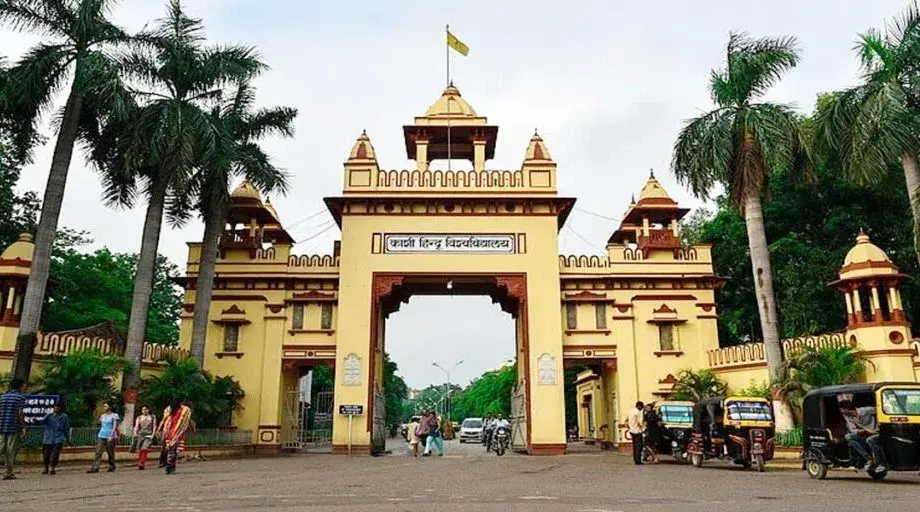
Banaras Hindu University (BHU) has entered into a noteworthy agreement with the Kalipatnapu Foundation, securing a substantial donation of Rs 1 crore. This generous contribution will establish 40 scholarships tailored for undergraduate (UG) and postgraduate (PG) students majoring in chemistry at the Institute of Science. These scholarships are set up in honour of the late Kalipatnapu Kondiah, who was a distinguished alumnus and former faculty member at BHU. Kondiah’s academic journey began with a BSc and MSc at BHU, and he later served as a faculty member within the Chemistry Department from 1922 to 1941, eventually assuming the role of the department’s head. His remarkable journey took a turn when he left BHU in 1941 to join the freedom movement, enduring a five-year imprisonment. Following his release, Kondiah’s dedication to his country led him to establish a chemical factory in Andhra Pradesh, contributing significantly to India’s self-reliance. The Kalipatnapu Foundation, initiated by his family, including his son Dr. Indusekhar Rao Kalipatnapu, his late daughter Smt Indira Devi, and his grandson Chaitanya Kalipatnapu, has facilitated this substantial donation. The Memorandum of Understanding (MoU) was formally signed by BHU Registrar Professor Arun Singh and Dr. Indushekhar Rao in the presence of Vice Chancellor Professor Sudhir Jain and other members of the Kalipatnapu family, including Indushekhar Rao’s wife, Chaitanya Kalipatnapu, and his niece. Vice Chancellor Jain expressed his admiration for the Foundation and the Kalipatnapu family, acknowledging the immense value of their contribution in supporting students on their quest for knowledge. He emphasized that such benevolent donations play a pivotal role in BHU’s mission to provide quality education to deserving students, particularly those hailing from financially disadvantaged backgrounds.

BHU Secures INR 1 Crore Donation to Establish 40 Chemistry Scholarships in Honour of Renowned Alumnus Read More »

Nurturing 21st Century Skills in Education: Fostering Critical Thinking and Digital Literacy

Blog on Edu

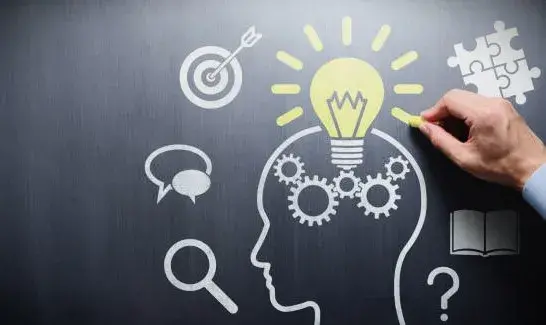
In today’s rapidly evolving world, the education sector plays a pivotal role in preparing students for success in the 21st century. It’s not just about imparting knowledge; it’s about equipping students with the skills they need to thrive in an era of constant change and digital transformation. Two of the most vital skills for students to develop are critical thinking and digital literacy. In this blog, we will explore the significance of these skills in the education sector and provide an in-depth guide on how educational institutions can cultivate critical thinking and digital literacy among their students. Why are 21st Century Skills Important in Education? As the world becomes more interconnected and technology-driven, the demand for 21st century skills has intensified. These skills are fundamental to success in education and beyond, and they go far beyond rote memorization. Critical Thinking in Education Critical thinking is the ability to analyze, evaluate, and synthesize information in a systematic and reasoned manner. It empowers students to become lifelong learners and problem solvers. Here’s how critical thinking benefits education: Enhanced Learning: Critical thinking engages students actively in the learning process. It encourages them to ask questions, explore, and make connections. Problem-Solving: In the classroom, students often face complex problems. Critical thinking equips them to dissect problems and find creative solutions. Better Decision-Making: Students who think critically make informed choices, whether in choosing a college, a career, or a course of action. Digital Literacy in Education Digital literacy, in an educational context, refers to the ability to use digital technology and tools effectively and ethically. In today’s digital age, it’s vital for students to be proficient in: Digital Research: Finding and evaluating information online for academic projects. Online Safety: Understanding how to protect personal data and be mindful of online threats. Communication Skills: Collaborating effectively online and communicating clearly and respectfully. Also Read: ArdorComm ‘New Normal – Education Leadership Summit & Awards 2023’ to be held at Pune, Maharashtra on 24th November 2023 #ELSAPune #ELSAMaharashtra Cultivating Critical Thinking in Education Educational institutions can play a significant role in cultivating critical thinking skills among their students. Here’s a guide on how to do it: Curriculum Integration Embed critical thinking into the curriculum across all subjects. Encourage students to question, analyze, and think independently. Incorporate projects, debates, and case studies to stimulate critical thinking. Encourage Diverse Perspectives Create a learning environment that values diversity of thought. Encourage students to engage in open discussions, consider multiple viewpoints, and respect differing opinions. This helps broaden their perspective. Promote Problem-Based Learning Implement problem-based learning approaches. Provide students with real-world problems, allowing them to apply critical thinking skills to find solutions. This approach fosters practical application of knowledge. Teacher Training Train educators in strategies that promote critical thinking. They can serve as role models for students, demonstrating how to analyze information and make sound decisions. Assessment and Feedback Develop assessment methods that measure critical thinking skills. Provide timely and constructive feedback to help students improve. Also Read: The Rise of Podcasts: Exploring the Audio Entertainment Revolution Developing Digital Literacy in Education Digital literacy is integral to education in a world increasingly reliant on technology. Here’s how educational institutions can nurture digital literacy: Digital Literacy Courses Introduce digital literacy courses or integrate digital literacy elements into existing subjects. Ensure students understand how to use digital tools effectively. Online Safety Education Educate students about online safety, privacy, and cybersecurity. Teach them to identify and avoid online threats and to protect their personal information. Information Literacy Incorporate information literacy into research projects. Teach students how to evaluate the credibility of online sources and discern between accurate and unreliable information. Digital Communication Skills Foster digital communication skills by encouraging respectful and effective online interactions. Emphasize the importance of digital etiquette and responsible communication. Stay Updated Educational institutions should stay updated with the latest technology trends and tools to ensure they are providing the most relevant digital literacy education to students. Also Read: The Importance of Emotional Intelligence in HR Leadership Conclusion In the education sector, it is crucial to recognize that preparing students for the future goes beyond academic knowledge. Fostering critical thinking and digital literacy is essential to equip students with the skills they need to thrive in the 21st century. By integrating these skills into the curriculum, promoting diverse perspectives, and ensuring digital literacy, educational institutions can empower students to excel not only in their academic endeavors but also in their future careers and personal lives. As education evolves, these skills will remain fundamental to success in an ever-changing world. The author, Pratik Ghosh is associated with ArdorComm Media

Nurturing 21st Century Skills in Education: Fostering Critical Thinking and Digital Literacy Read More »