

ArdorComm Media Group

Friday, April 10, 2026 6:26 AM

Author name: admin

Pune University invites applicants for its 300+ certificate courses

The Savitribai Phule Pune University (SPPU) is urging students to enrol in its Degree Plus programme to help make them “industry ready.” The curriculum is offered in addition to the students’ regular enrollment in the BA, BCom, and BSc degrees. The website offers more than 300 certificate programmes, the majority of which are free. Nitin Karmalkar, who was SPPU’s vice chancellor at the time, spearheaded the project in 2021, making 300–350 courses available to students for less than the original fee. The university has partnered with a number of educational and social organizations to offer the courses, including Harvard Business Online, Stanford University, AWS, Simply Learn, Celebrity School, and IBM. Students at the institution will be able to acquire up-to-date knowledge in fields including economics, culture, artificial intelligence, and cloud computing through “Degree Plus.” The majority of students should take advantage of this opportunity, according to SPPU Vice-Chancellor Karbhari Kale. All of the courses are offered online, and many of them are free. Students receive certificates upon passing the course, and the website has posted the course programme for 2022–2023 already. Nearly 26,000 students signed up for it during its pilot run, and 5,000 students applied for admission. The website http://degreeplus.in is where students seeking degrees from SPPU and its affiliated universities can apply for enrollment to the programme.

Pune University invites applicants for its 300+ certificate courses Read More »
Serum Institute is permitted by DCGI to export malaria vaccine to UK

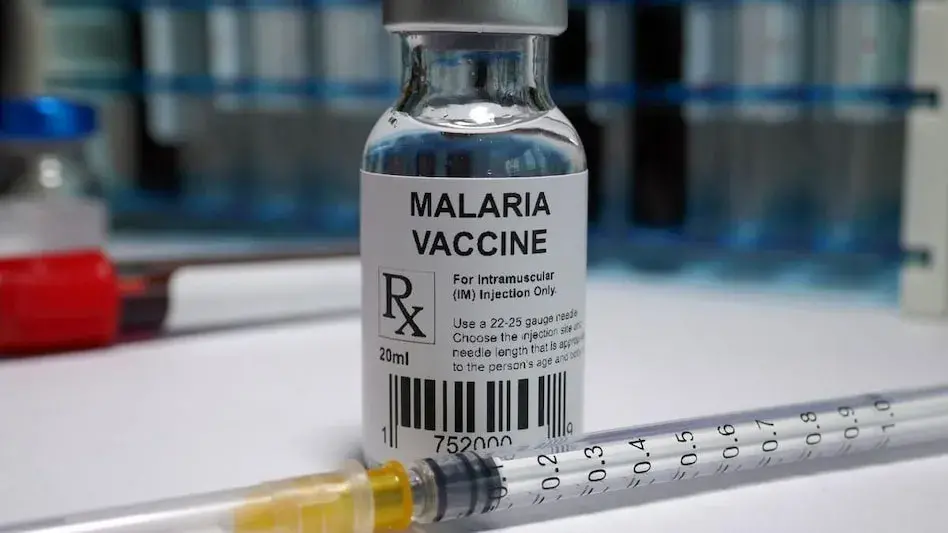
The first malaria vaccine made in India that was developed by researchers at the University of Oxford and produced by Serum Institute has been approved for sale to the UK, according to official sources, who spoke on Thursday. Two lakh doses of the vaccine may be sent, according to authorization from the Drugs Controller General of India (DCGI). According to official sources quoted by PTI, Prakash Kumar Singh, director of government and regulatory affairs at Serum Institute of India (SII), applied to DCGI on September 27 to request authorization to export the malaria vaccine. “SII has developed the vaccine against malaria under leadership of our CEO Dr Adar C Poonawalla. We have been relentlessly working to make available made-in-India and world-class vaccines against malaria to our country and world at large,” an official source quoted Singh as having said in the application. At the moment, GSK is the manufacturer of the sole malaria vaccine that is accessible worldwide. According to the sources, the SII and the Jenner Institute of the University of Oxford worked together in 2020 to manufacture and develop the malaria vaccine for mass distribution. The vaccine trial results in Nanoro, Burkina Faso, which involved 409 children, showed that three initial doses followed by a booster after a year provided up to 80% protection against the disease, they stated. Trials in advanced stages are currently being conducted in African nations by the SII and Oxford University.

Serum Institute is permitted by DCGI to export malaria vaccine to UK Read More »

Panel session on “New Age Schooling” moderated by Prahar Anjaria at Ahmedabad Management Association campus

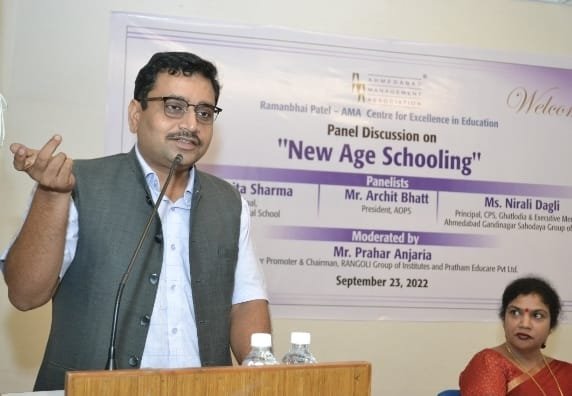
Mr. Prahar Anjaria, the founder of Pratham Educare and Rangoli International School, moderated a panel discussion on “New Age Schooling” at Ahmedabad Management Association (AMA) campus on September 23, 2022. The panel consisted of Mr. Archit Bhatt (President, AOPS), Dr. Kavita Sharma (Principal, JG International School, Ahmedabad), and Ms. Nirali Dagli (Principal, CPS, Ghatlodia, Ahmedabad and Executive Member, Ahmedabad Gandhinagar Sahodaya Group of Schools). The panel discussed various issues in new age schooling like (a) Experiential learning (b) New age careers (c) Value education and (d) the Role of educators.

Panel session on “New Age Schooling” moderated by Prahar Anjaria at Ahmedabad Management Association campus Read More »

Children’s social and emotional development could be impacted by voice-controlled smart devices: Study

Article on Health

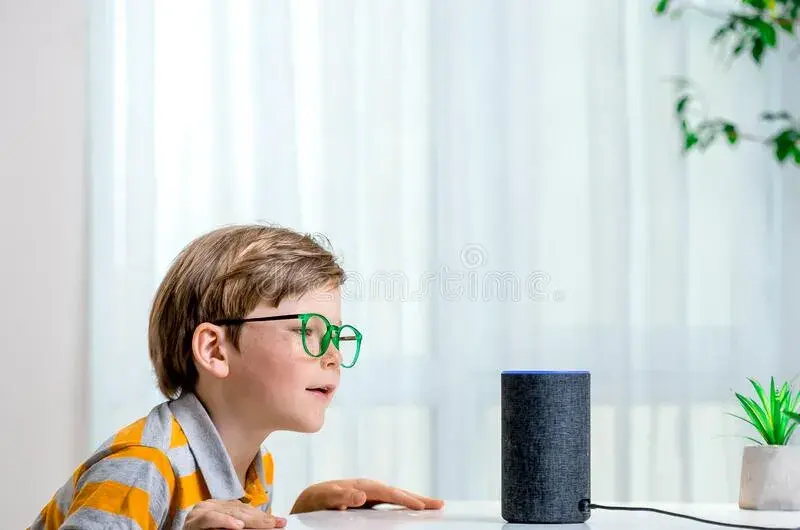
The social and emotional development of children may be hampered by voice-controlled smart gadgets like Alexa, Siri, and Google Home, says an expert in the use of artificial intelligence and machine learning in healthcare. The Archives of Disease in Childhood released the study’s findings online. According to Anmol Arora of the University of Cambridge, these gadgets may have long-term repercussions by limiting children’s capacity for empathy and compassion as well as their ability to think critically. While voice-control devices may serve as “friends” and help youngsters learn to read and communicate better, their sophisticated artificial intelligence (AI) and “human” sounding voices have raised worries about the long-term consequences on children’s developing brains. The author identifies three main areas of concern. These include inappropriate responses, inhibiting social growth, and hindering learning. He provides several well-known instances of inappropriate responses, such as a device that advised a 10-year-old to try touching a live plug with a coin. He notes that privacy concerns have also surfaced in relation to the recording of private conversations and that it is difficult to apply strict parental restrictions on such gadgets without drastically impairing their performance. He notes that since there is no requirement for a “please” or “thank you,” and there is no need to take voice into account, these devices are unable to educate children how to behave respectfully. Use of the devices is a poor way to acquire social interaction because it prevents non-verbal communication, according to his writing. “While in normal human interactions, a child would usually receive constructive feedback if they were to behave inappropriately, this is beyond the scope of a smart device.”  The early research on the use of voice assistants as social companions for lonely adults is encouraging. He points out that it’s not quite obvious, though, if this also applies to children. He emphasises that this is crucial at a time when COVID-19 limits may have already hampered children’s social development and they may have been spending more time alone with smart devices at home. Devices are made to quickly find answers to questions and search for information when it is requested, but the author worries that this may impede the natural ways that kids learn and take in knowledge. He claims that this process cannot be replicated by these devices because when children ask an adult a question, the adult can ask for context information, explain the boundaries of their knowledge, and test the child’s logic. He says that conducting research is a crucial learning experience that fosters logical reasoning and critical thinking. The population has benefited greatly from the rise of voice devices. The author recognises the significance and value of their capacities to quickly give information, help with daily tasks, and provide social companionship to lonely individuals. But he argues that “urgent research is required into the long-term consequences for children interacting with such devices.” In his conclusion, he states that “Interacting with the devices at a crucial stage in social and emotional development might have long-term consequences on empathy, compassion, and critical thinking.” Source: ANI

Children’s social and emotional development could be impacted by voice-controlled smart devices: Study Read More »

Indian Railways uses RTIS from ISRO to track trains in real-time

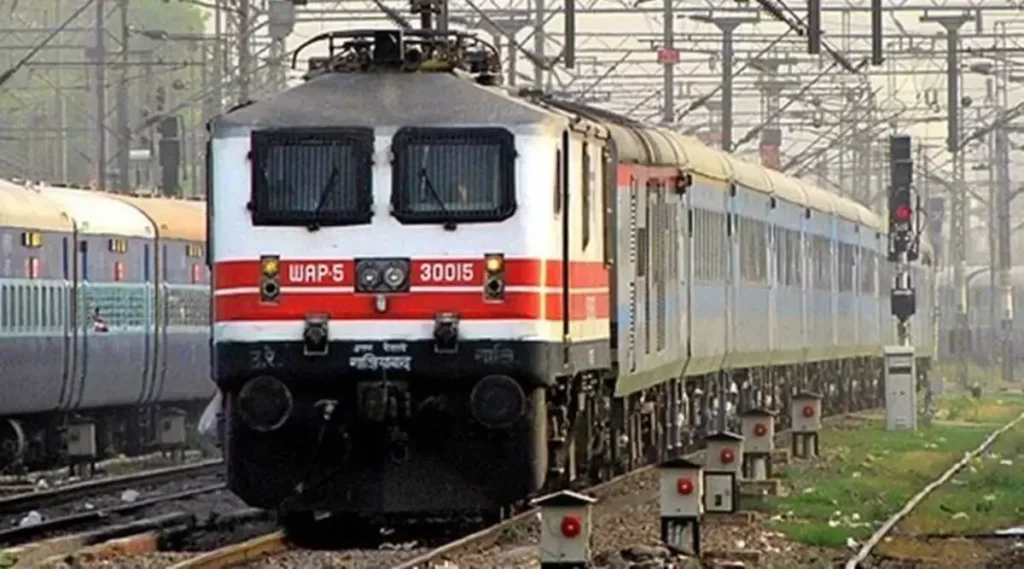
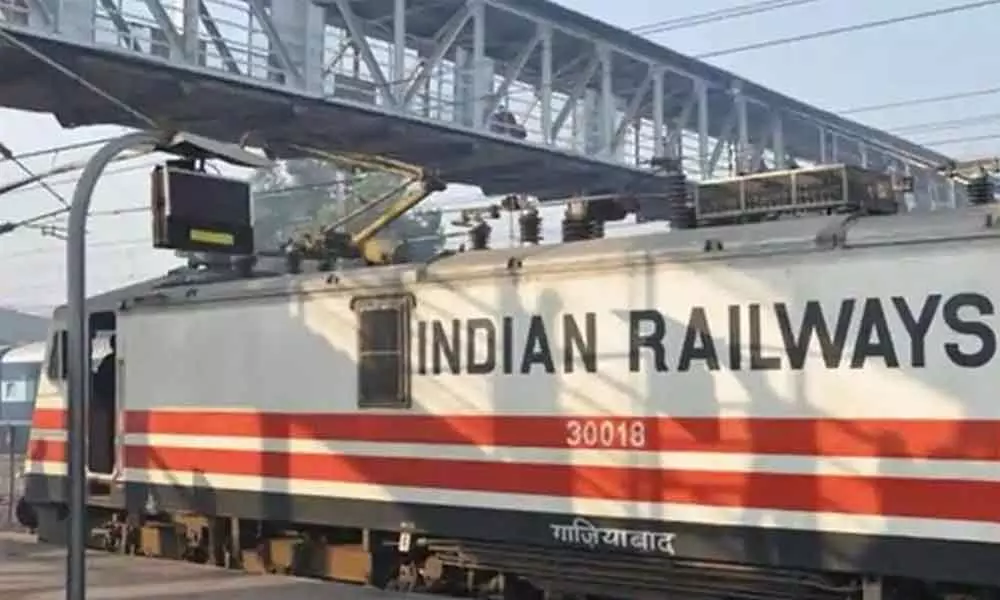
The Real-Time Train Information System (RTIS), developed in collaboration with ISRO, would be mounted on locomotives and trains to automatically acquire train movement time at the stations, including that of arrival and departure or run-through, according to the Ministry of Railways. On the control chart for those trains in the Control Office Application (COA) system, they are automatically plotted. Every 30 seconds, this will display the most recent movement information to train passengers. According to a press release from the Railways, the Train Control can now more precisely and automatically track the location and speed of RTIS-enabled locomotives and trains. For 2700 locomotives, RTIS devices have been installed in 21 electric locomotive sheds. Phase-II roll out would cover 6000 additional locomotives dispersed over 50 loco sheds using ISRO’s satellite communications centre. Approximately 6500 locomotives currently provide a direct GPS feed (RTIS and REMMLOT) to the Control Office Application (COA). According to a statement from the ministry, the integration of COA and NTES has made it possible for passengers to receive real-time information and autonomous train charting.

Indian Railways uses RTIS from ISRO to track trains in real-time Read More »

Zee Media moves to Delhi HC against I&B ministry

In response to the information and broadcasting ministry withdrawing its approval for the news broadcaster to uplink 10 TV channels in the Ku-band (a type of satellite frequency) on the GSAT-15 satellite, Zee Media Corporation Ltd. (ZMCL) has filed a petition with the Delhi High Court. This uplinking gave the media company an unfair advantage over its rivals by making these channels available on DD Free Dish. An order from the ministry last week stated that ten regional news channels, including Zee Hindustan, Zee Rajasthan, Zee Punjab Haryana Himachal, Zee Bihar Jharkhand, Zee Madhya Pradesh Chhattisgarh, Zee Uttar Pradesh Uttarakhand, Zee Salam, Zee 24 Kalak, Zee 24 Taas, and Zee Odisha (now Zee Delhi NCR Haryana), were allowed to operate on C-Band, another form of satellite However, it later discovered that same channels were also accessible via FreeDish, Doordarshan’s direct-to-home service. This occurred due to the proximity, co-location, and lack of signal encryption by both DD FreeDish and Dish TV transponders on the same GSAT 15 satellite. ZMCL responded to I&B’s show cause notice by asserting that the co-location of DD FreeDish and Dish TV on the same satellite and Prasar Bharti’s non-encryption of the signals, which is against DTH regulations, are to blame for the issue. “The order..is perverse as it has been passed in violation of the principles of natural justice. The very complaints on the basis of which the impugned order has been passed have not been shared till date with the Petitioners. Without access to these key documents, the Petitioners have been put at a grave disadvantage and are unable to exercise their right to a free and fair hearing,” ZMCL referred to the order as draconian in its writ petition. The company has underlined that the aforementioned instructions are of a very serious nature, very detrimental to its operations, and have far-reaching effects. Additionally, the media company has said that it hasn’t been given any time to pursue its legal remedies. “It is clear therefore, that the impugned order has been actuated by malice and is aimed to causing unlawful loss to the petitioner and unlawful gains to its competitors,” it has said.

Zee Media moves to Delhi HC against I&B ministry Read More »

IIM Ahmedabad and Nykaa collaborate to establish a research chair in consumer technology

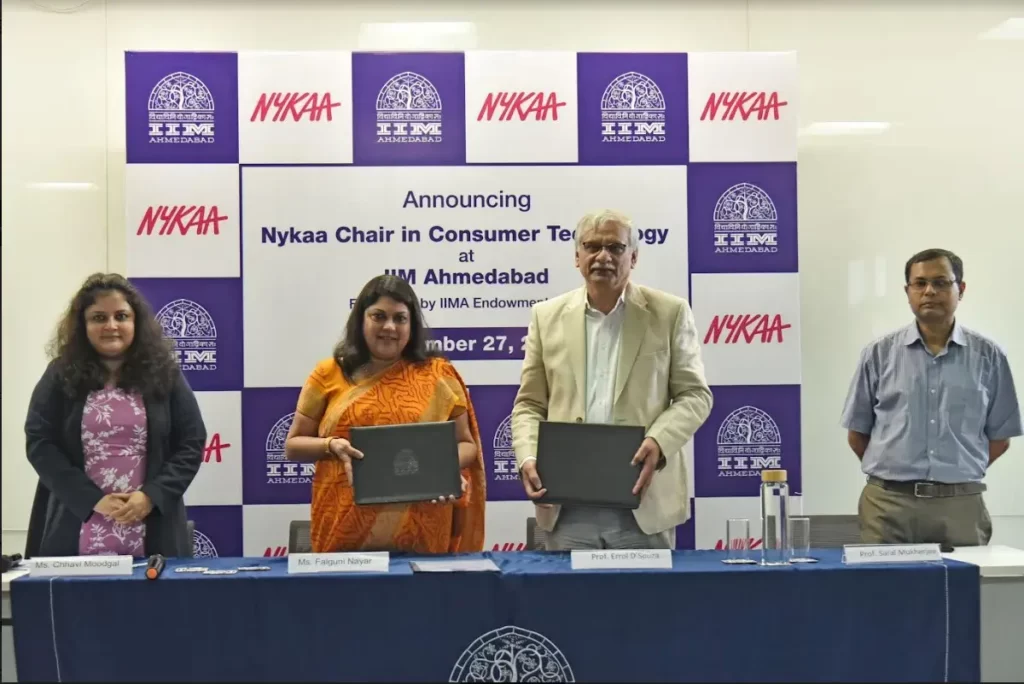
In order to establish the “Nykaa Chair in Consumer Technology,” the Indian Institute of Management Ahmedabad (IIM-A) and Nykaa signed an agreement today. The purpose of this partnership is to advance the scientific practise of marketing. The emphasis will be on research and instruction that offers insights on how digital, social, and mobile technologies affect business models, consumer behaviour, and broader social developments, and that makes it easier to use AI and machine learning insights in a market that has been disrupted. In order to quantify the impact of the Internet and new media on consumer and business behaviour and to comprehend the privacy-preserving potential of digital advertising, it will also make use of economic and statistical models. The Chair will also collaborate closely with academics affiliated with already-existing Centers of Excellence in emerging fields of technology, such as the Brij Disa Centre for Data Science (CDSAI) and Artificial Intelligence and the Centre for Digital Transformation (CDT). The nature of technology and its effects on social and economic systems have drastically changed as a result of technological breakthroughs in the previous ten years. Consumer connection through augmented and virtual environments and greater cross-cultural use of digital technologies necessitates awareness of several facets of consumer tech innovation. “Through our partnership with Nykaa, we aim to work together on finding research solutions to some of the immediate, real-time questions in the consumer tech space. We look forward to bringing on board a talented, research focused individual to take up this position at the institute,” said Professor Errol D’Souza, Director, IIMA.

IIM Ahmedabad and Nykaa collaborate to establish a research chair in consumer technology Read More »

Single-window clearance is likely for theatres in a forthcoming model policy

According to an official, the information and broadcasting ministry is developing a model theatre policy in collaboration with all state governments in order to implement a pan-India single-window clearance system and aid with the recovery of the industry, which has been devastated by the covid-led disruptions. Government data shows that the number of screens has decreased from 12,000 to 8,000 since 2017. The two years of the pandemic saw a more pronounced downward trend. Comparatively, China’s number of cinema screens increased from 10,000 to about 70,000 during that time. “In the past five to six years, the number of theatres is on a decline. We must reverse this trend. The ministry has asked the Film Facilitation Office to work with Invest India to come up with a single-window portal for opening theatres, so that more and more theatres can be opened and the public gets to watch the magic of films in theatres. The Centre will also work with the states to create a model theatre policy to ensure states can adopt and work on the same,” Apurva Chandra, the union secretary for information and broadcasting, addressed a gathering on Tuesday at FICCI Frames Fast Track 2022 in Mumbai. According to Chandra, the government is looking at various models, such as the multiscreen movie theatres with a food court, sports arena, and other amenities that are already becoming common in some parts of India. To encourage and enable foreign filmmakers shooting in India, the ministry established the Film Facilitation Office as a part of the National Film Development Corp. (NFDC). It provides filmmakers with a single-window clearance mechanism. Invest India is an organisation that assists foreign investors in finding opportunities and choices in India. Since more and more viewers chose the comfort and convenience of video streaming platforms during the pandemic years, 1,500–2,000 theatres, the majority of which had single screens, have closed their doors, and several more are considering doing the same. In order to reach an agreement on the key provisions of the Cinematograph (Amendment) Bill, 2021, Chandra met with a number of members of the industry, including Shibasish Sarkar, president of the Producers Guild of India, Dinesh Vijan, founder of Maddock Films, Apoorva Mehta, CEO of Dharma Productions, R. Balki, Ayan Mukerji, and Gaurav Gandhi. Piracy and the U/A (unrestricted with caution or parental guidance required for audiences under 12 years) subcategory for film certification are among the problems. There was unanimously positive feedback from the industry participants.

Single-window clearance is likely for theatres in a forthcoming model policy Read More »

11 lakh railway employees will get a 78-day bonus

Eligible Indian Railways employees will receive their productivity-linked bonus (PLB), which is equal to 78 days’ pay, for the twelfth consecutive year. As the ceiling for calculating wage for PLB is set at Rs 7,000 per month, over 11 lakh non-gazetted employees of the Indian Railways can expect to receive around Rs 17,951 each. To maintain staff motivation, the railway unions, however, apparently expected a greater bonus amount this time. It is obvious that the employees contributed to the Indian Railways’ ability to load at least 1,418 million tonnes of freight in 2021–22. The unions believe that the workers should receive a higher bonus because of this. Before Dussehra this year, the workers anticipate receiving a larger bonus now that the festival season has arrived. The Indian Railways had more than two lakh open positions, according to the National Federation of Indian Railwaymen (NFIR), which merely increased the workload and work pressure for the existing staff. For taking on this extra labour, which helped the Railways generate more revenue, the employees should therefore be compensated. The Railway Board requested the 78-day pay, and the Centre is expected to approve it soon. About 1.156 million non-gazetted railway employees will profit from this PLB for the fiscal year 2021–2022; however, additional expenses of about Rs 2,000 crore will occur.

11 lakh railway employees will get a 78-day bonus Read More »

Government to spend $30 billion to set up 4G and 5G infrastructure in rural India

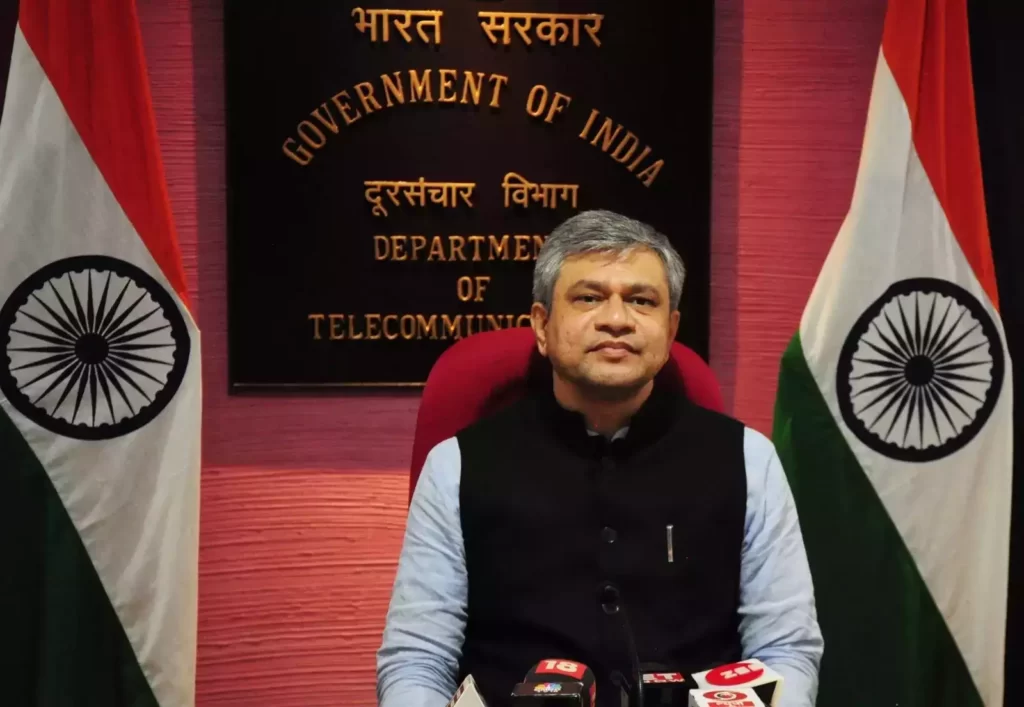
According to IT Minister Ashwini Vaishnaw, the government is investing close to $30 billion to create a strong digital infrastructure in rural areas and assure network accessibility for 4G and 5G in every village across the nation. The minister added that the government has already contacted more than 1.5 lakh gram panchayats. Regarding the framework for digital regulation, the minister stated that telecom forms the very core of Digital India. In order to bring high-quality, fast broadband connectivity to every village in the nation and involve people in the growth process, the union minister added, “We are now creating a whole ecosystem of village entrepreneurs, channelising the energies of youngsters to take good quality, high-speed data connectivity to every village in the country while making them a part of the growth journey.” According to Vaishnaw, the government should focus on three major areas of fintech: social inclusion, a digital regulatory framework, and establishing a strong digital infrastructure.

Government to spend $30 billion to set up 4G and 5G infrastructure in rural India Read More »