ArdorComm Media Group

Saturday, March 14, 2026 3:37 PM

Author name: admin

NITI Aayog Unveils 2023–24 Edition of North Eastern Region District SDG Index
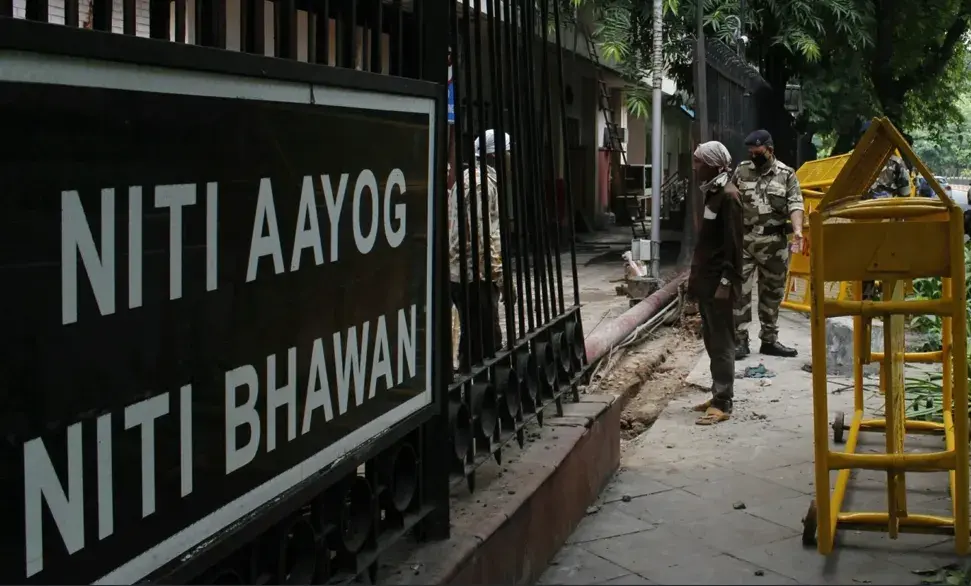
NITI Aayog, in collaboration with the Ministry of Development of North Eastern Region (MoDoNER) and technical partner UNDP, has released the second edition of the North Eastern Region (NER) District Sustainable Development Goals (SDG) Index for 2023–24. This comprehensive report evaluates the progress of 121 districts across all eight northeastern states in achieving the United Nations’ Sustainable Development Goals. This updated index builds on the foundation set by the inaugural edition published in August 2021. It offers a data-centric approach to monitoring district-level performance across economic, social, and environmental dimensions. The tool is intended to guide policymakers in implementing targeted, evidence-based interventions to drive sustainable growth. The report was officially launched by NITI Aayog Vice Chairman Suman Bery, CEO B.V.R. Subrahmanyam, MoDoNER Secretary Chanchal Kumar, and UNDP India Resident Representative Dr. Angela Lusigi. Among the districts, Hnahthial in Mizoram ranked highest with a composite score of 81.43, while Longding in Arunachal Pradesh came in at the bottom with a score of 58.71. Notably, all districts in Mizoram, Sikkim, and Tripura qualified as “Front Runners” (with scores ranging from 65 to 99). No districts fell into the “Achiever” category (a perfect score of 100) or the “Aspirant” category (scores below 50). Sikkim stood out for its uniformity in development, with only a 5.5-point variation between its highest and lowest scoring districts—indicating balanced growth. Tripura also demonstrated stable intra-state performance. During the launch event, Vice Chairman Bery emphasized the strategic importance of achieving the SDGs by 2030 as a stepping stone toward India’s long-term vision of Viksit Bharat @2047. CEO Subrahmanyam referred to the Northeast as the “Ashta Lakshmi” of India, underlining its developmental significance. MoDoNER Secretary Chanchal Kumar noted the index’s usefulness in identifying developmental shortfalls and guiding targeted action, while UNDP’s Dr. Lusigi underscored the urgency of converting data insights into tangible outcomes. The NER District SDG Index 2023–24 serves as a vital policy instrument for promoting inclusive, region-specific development. It empowers administrators and stakeholders to make informed decisions, allocate resources strategically, and accelerate sustainable progress in India’s northeastern frontier. Source: DD News

NITI Aayog Unveils 2023–24 Edition of North Eastern Region District SDG Index Read More »

Planned C-Sections May Increase Childhood Leukaemia Risk, Study Finds

A recent study from Sweden suggests that babies delivered through planned caesarean sections may face a higher risk of developing leukaemia—specifically acute lymphoblastic leukaemia (ALL)—compared to those born via emergency C-sections or vaginal delivery. The study, conducted by researchers at Karolinska Institutet and published in The International Journal of Cancer, analysed health data from nearly 2.5 million children born between 1982–1989 and 1999–2015, using Sweden’s Medical Birth Register. Of the total births, around 375,000 (15.5%) were delivered through C-sections. Among these, 1,495 children were later diagnosed with leukaemia. The researchers found that children born via C-section had a 7% higher risk of developing acute lymphoblastic leukaemia compared to those born vaginally. Notably, when comparing types of C-sections, those delivered by planned (elective) C-section faced a 21% increased risk of ALL than those born through emergency C-sections. One possible explanation, the study suggests, lies in the differing levels of exposure to beneficial bacteria and birth stress. Emergency C-sections typically occur after the onset of labour, and if the amniotic sac has ruptured, the baby is partially exposed to vaginal microbes and the physical stress of labour—factors that might positively influence immune development. Planned C-sections, on the other hand, are often scheduled before labour begins, limiting such exposure. Lead researcher Christina-Evmorfia Kampitsi emphasized that the findings shouldn’t cause undue concern for mothers who require medically necessary C-sections. However, she noted that the results support existing research indicating that planned C-sections may also be linked to increased risks of asthma, allergies, and type 1 diabetes in children. “These insights strengthen the case for carefully evaluating the necessity of non-medically indicated planned caesarean deliveries,” Kampitsi said. The study contributes to a growing body of evidence exploring how early-life exposures—especially those related to birth methods—may influence long-term health outcomes, including the development of childhood cancers such as acute lymphoblastic leukaemia. Source: PTI

Planned C-Sections May Increase Childhood Leukaemia Risk, Study Finds Read More »

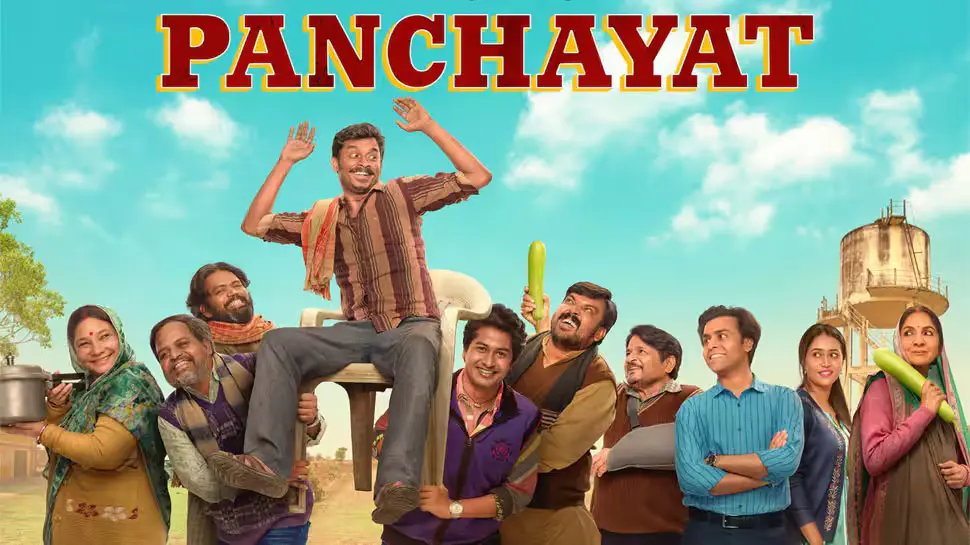
‘Panchayat’ Season 4 Sets New Viewership Record, Prime Video Greenlights Season 5 for 2026 Release

The latest chapter of Panchayat, one of India’s most beloved web series, dropped on Amazon Prime Video on June 24—and it’s already making headlines. Season 4 has recorded the biggest launch in the show’s history, both in India and globally. Following this resounding success, Prime Video has officially confirmed that Panchayat will return for Season 5, slated for release in 2026. Marking a milestone for the franchise, Season 4 emerged as the most-watched season yet during its opening week. It quickly climbed to the top of streaming charts, trending in the Top 10 across more than 42 countries, including the USA, UK, Australia, Canada, and the UAE. In India, the series has been holding strong at the #1 spot and was streamed in over 180 countries during its debut week. Prime Video took to Instagram to make the Season 5 announcement with a playful post: “Hi 5 👋 Phulera wapas aane ki taiyyaari shuru kar lijiye,” hinting that audiences will once again be transported to the fictional village of Phulera. Manish Menghani, Director and Head of Content Licensing at Prime Video India, expressed his excitement, saying, “The overwhelming response to Season 4 has been phenomenal. It not only reinforces the show’s cultural impact but also its global reach. Panchayat’s heartwarming storytelling and genuine characters have made it a universal favourite. The success highlights the growing appetite for grounded, Indian narratives that resonate beyond borders.” Vijay Koshy, President of The Viral Fever (TVF), echoed this sentiment. “Panchayat has always been close to our hearts—it’s a celebration of rural India, told with humor and honesty. This journey with Prime Video has been incredibly fulfilling. The support from fans around the world has been humbling, and we’re thrilled to begin work on Season 5.” Created by Deepak Kumar Mishra and Chandan Kumar, Panchayat is produced by TVF and co-directed by Akshat Vijaywargiya and Deepak Kumar Mishra. The series features a stellar cast, including Jitendra Kumar, Neena Gupta, Raghubir Yadav, Faisal Malik, Chandan Roy, Sanvikaa, Durgesh Kumar, Sunita Rajwar, Ashok Pathak, and Pankaj Jha. Despite some divided opinions about Season 4’s ending, the series continues to captivate with its simple storytelling and endearing portrayal of life in rural India. And with Season 5 already in the works, fans can look forward to another trip to Phulera in 2026. Source: Hindustan Times  

‘Panchayat’ Season 4 Sets New Viewership Record, Prime Video Greenlights Season 5 for 2026 Release Read More »

Gujarat Revises Factory Labour Laws: 12-Hour Shifts, Night Work for Women Permitted Under New Ordinance

In a bold move to enhance industrial productivity and attract greater investment, the Gujarat government has enacted a significant overhaul of its factory labour regulations. Through the Factories (Gujarat Amendment) Ordinance, 2025, the state has extended the permissible daily work hours in factories from 9 to 12 hours — a decision that comes with several conditions to safeguard workers’ rights and wellbeing. Although the daily shift limit has been expanded, the ordinance retains the weekly work cap at 48 hours. The new rules mandate that extended shifts must be voluntary and require written consent from workers. Another key change is the increase in uninterrupted work duration, which may now go up to six hours before a break, pending formal notification. Furthermore, overtime provisions have been revised significantly. Workers putting in extra hours will receive double pay, and the cap on overtime has been raised from 75 to 125 hours per quarter, again contingent upon the worker’s voluntary participation. A landmark provision in the amendment is the authorization for women to work night shifts — between 7:00 PM and 6:00 AM — a move hailed as progressive and inclusive. However, this comes with strict safety protocols: employers must ensure a minimum of 10 women are present during a shift, provide secure transport, install 24/7 CCTV surveillance, and deploy female security personnel. Crucially, women can only be scheduled for night shifts with their written consent, and workplaces must have robust anti-harassment measures in place. The ordinance was promulgated in the absence of a state assembly session and reflects Gujarat’s aim to position itself as a more flexible and investment-friendly industrial hub. By aligning labour practices with evolving economic demands, the state hopes to spur job creation and boost competitiveness in the manufacturing sector. Source: IANS

Gujarat Revises Factory Labour Laws: 12-Hour Shifts, Night Work for Women Permitted Under New Ordinance Read More »

PM Modi Calls for Ethical AI and Stronger Global South Cooperation at BRICS Outreach Summit

At the BRICS Outreach Summit held in Brazil, Prime Minister Narendra Modi emphasized the need for responsible use of Artificial Intelligence, stronger South-South cooperation, and reforms in global financial governance. Addressing leaders from Latin America, Africa, and Asia, Modi reaffirmed India’s commitment to multilateralism and inclusive global development. Speaking at the session titled ‘Strengthening Multilateralism, Economic-Financial Matters, and Artificial Intelligence’, Modi thanked Brazilian President Luiz Inácio Lula da Silva for the opportunity to engage with fellow nations from the extended BRICS family. “It is a pleasure to share India’s perspectives with our friends from Latin America, Africa, and Asia. I thank President Lula for this invitation,” he said. Highlighting the rising influence of BRICS amid global uncertainty, the Prime Minister noted that the group’s diversity and shared vision of a multipolar world are key strengths. “As the world faces numerous crises, BRICS must step up and serve as a pillar of stability and cooperation,” he stated. Modi outlined four key areas to advance BRICS collaboration: Economic Integration and Financial Reforms He acknowledged the contributions of the BRICS Business Council and Women Business Alliance in strengthening economic ties. Modi also supported Brazil’s push for reforming global financial institutions. He emphasized that the BRICS New Development Bank should focus on long-term, sustainable, and demand-driven projects, particularly to benefit countries in the Global South.  Empowering the Global South Modi stressed that BRICS must respond to the unique needs of developing nations. He spotlighted India’s BRICS Agricultural Research Platform as a tool to foster innovation in agri-tech, climate adaptation, and precision farming. Additionally, he proposed two new initiatives — One Nation, One Subscription to improve access to academic resources and a BRICS Science and Research Repository for collective knowledge sharing.  Securing Global Supply Chains Calling for cooperative efforts to ensure fair access to critical minerals and technologies, the Prime Minister warned against the strategic misuse of such resources. He urged BRICS to develop resilient and transparent supply chains that serve collective interests.  Responsible Use of Artificial Intelligence Modi highlighted the dual nature of AI — its potential to transform lives and the ethical concerns it raises. He reiterated India’s ‘AI for All’ approach, showcasing AI’s growing role in Indian agriculture, healthcare, education, and governance. Emphasizing the importance of international standards, he called for frameworks to ensure transparency, accountability, and authenticity in AI-generated content.  He welcomed the release of the BRICS Leaders’ Statement on AI Governance as a step in the right direction and announced that India will host the AI Impact Summit next year, inviting global participation. Reaffirming India’s leadership in promoting South-South solidarity, PM Modi concluded, “The Global South looks to us with hope. By setting an example, India remains dedicated to working hand-in-hand with partner nations to achieve shared development goals.” Source: DD News

PM Modi Calls for Ethical AI and Stronger Global South Cooperation at BRICS Outreach Summit Read More »

JSS AHER Collaborates with Google Research to Advance AI-Powered Healthcare

In a significant leap for India’s medical research landscape, JSS Academy of Higher Education and Research (JSS AHER), Mysuru, has joined forces with Google Research on a pioneering artificial intelligence (AI) healthcare initiative. The outcomes of this collaboration were recently published in two prestigious papers in the journal Nature, underscoring the project’s global relevance and impact. At the heart of the research lies the development of the Articulate Medical Intelligence Explorer (AMIE) — an innovative AI system designed by Google Research to improve diagnostic precision and enhance communication between doctors and patients. The studies assessed AMIE’s capabilities in comparison with trained primary care physicians, using standardized, text-based medical consultations across healthcare systems in India, the UK, and Canada. Dr. B. Suresh, Pro-Chancellor of JSS AHER, expressed pride in the institution’s role in shaping the future of healthcare, stating, “We are at the cutting edge of digital health and AI innovation. In line with these advances, we have also revised our pharmacy curriculum to include AI, ensuring our graduates are equipped for the evolving landscape of medicine.” Echoing this vision, Vice-Chancellor Dr. H. Basavanagowdappa highlighted the institution’s commitment to fostering an innovation-centric academic environment. “This international collaboration enhances our academic standing and gives our students and faculty the opportunity to tackle real-world healthcare issues. Our mission is to develop forward-looking solutions for global health,” he said. With this partnership, JSS AHER cements its position as a leading hub for digital health research, merging academic excellence with cutting-edge technological collaboration. Source: Economic Times  

JSS AHER Collaborates with Google Research to Advance AI-Powered Healthcare Read More »

UGC NET 2025 June Session: NTA Releases Provisional Answer Keys, Objection Window Open Till July 8

The National Testing Agency (NTA) has published the provisional answer keys for the UGC NET 2025 June session. Candidates who appeared for the exam can now access their answer scripts and responses by visiting the official website: ugcnet.nta.ac.in. To log in, applicants must enter their application number, date of birth, and Captcha code. The UGC NET June session exams were conducted from June 25 to 29 for aspirants aiming for eligibility in Junior Research Fellowship (JRF), Assistant Professorship, or PhD admissions across Indian institutions. Steps to Check and Challenge UGC NET 2025 Provisional Answer Key: Go to the official NTA UGC NET website – ugcnet.nta.ac.in Log in using your application number, date of birth, and Captcha code Download the NTA’s provisional answer key and your recorded responses Cross-verify your responses using the provided question ID To raise objections, select the disputed answer, upload supporting documents in PDF format Pay the challenge fee and download the receipt for reference Candidates wishing to contest any answer must pay a non-refundable processing fee of ₹200 per question. The objection window is open from July 6 to July 8 until 5 PM, and the fee payment must also be completed by the same deadline via Credit Card, Debit Card, Net Banking, or UPI. Objections submitted without payment or through other means will not be entertained. A panel of subject experts will review all challenges. If any correction is found valid, the answer key will be updated accordingly, and the final results will reflect those changes. However, individual candidates will not receive notifications regarding the acceptance or rejection of their objections. The decision of the expert committee will be considered final. Stay tuned to the official NTA portal for the final answer key and result updates. Source: Indian Express

UGC NET 2025 June Session: NTA Releases Provisional Answer Keys, Objection Window Open Till July 8 Read More »

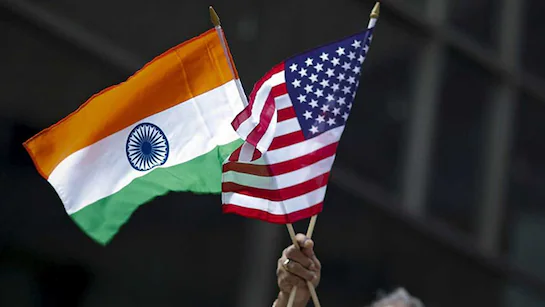
India, US Set to Sign New 10-Year Defence Agreement by Year-End

India and the United States are on track to formalize a fresh 10-year Defence Framework Agreement by the end of 2025, marking a new chapter in their strategic military partnership. The announcement was confirmed by US Senior Defence Spokesperson Colonel Chris Devine following a high-level phone conversation between US Secretary of Defence Pete Hegseth and India’s Defence Minister Rajnath Singh. According to a Pentagon release, the two leaders agreed to finalize and sign the updated framework during their scheduled meeting later this year. The agreement aims to deepen defence collaboration, enhance joint operational capabilities, and promote greater defence industrial cooperation. Taking to social media platform X, Defence Minister Rajnath Singh expressed optimism about the discussion, stating: “Glad to speak with US Secretary of Defense Pete Hegseth today. We had an excellent exchange on advancing India-US defence cooperation and capacity building. I thanked the US for its consistent support in India’s fight against terrorism and look forward to meeting him soon.” Secretary Hegseth reiterated the United States’ commitment to strengthening defence ties with India, recognizing it as a pivotal partner in the South Asian region. Both leaders took stock of the progress made since the February 2025 Joint Statement issued by President Trump and Prime Minister Modi, which laid out key defence goals. As per the Pentagon, the conversation also covered several strategic points: upcoming major US defence sales to India, the need for tighter defence industry collaboration, and enhancing joint military capabilities. India’s Ministry of Defence, in a separate statement, confirmed that the dialogue spanned a broad spectrum of topics, including long-term defence cooperation, personnel training, and expanded military exchanges. The discussions also touched on increasing joint exercises, interoperability between armed forces, logistical cooperation, and strengthening global partnerships with other like-minded nations. Both countries emphasized accelerating momentum in these areas to elevate their bilateral defence relationship to new heights in the coming decade. Source: ANI

India, US Set to Sign New 10-Year Defence Agreement by Year-End Read More »

No Proven Link Between COVID-19 Vaccines and Sudden Deaths, Confirms Union Health Ministry

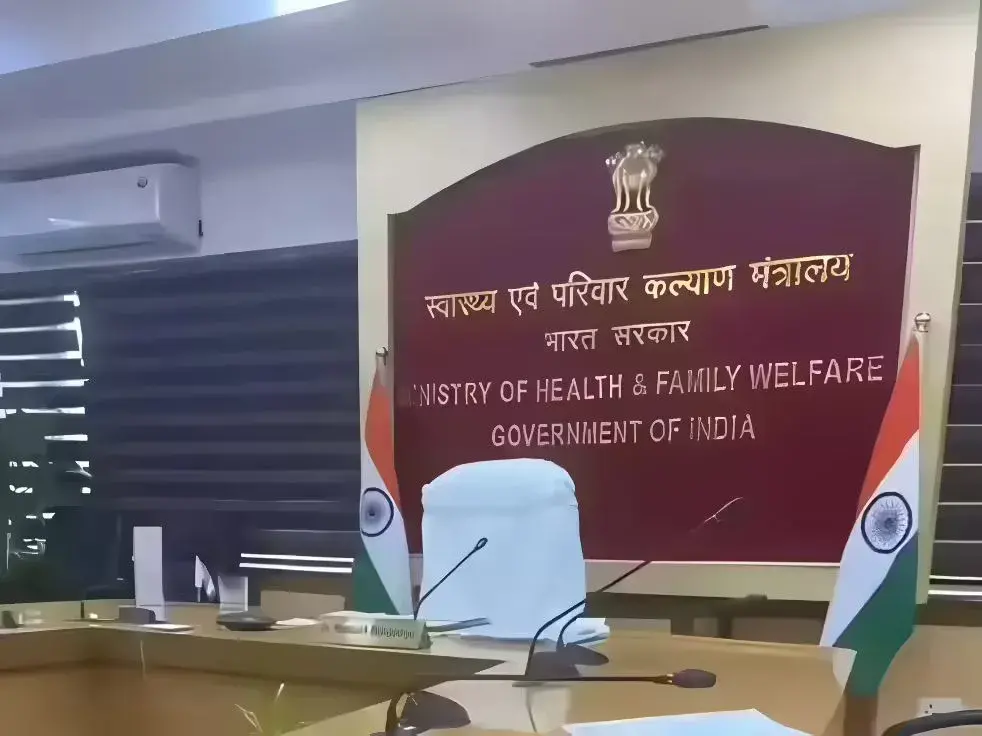
The Union Ministry of Health and Family Welfare has clarified that there is no scientific evidence connecting COVID-19 vaccination with sudden or unexplained deaths in India. This conclusion is backed by comprehensive studies conducted by the Indian Council of Medical Research (ICMR) and the National Centre for Disease Control (NCDC). In an official statement, the Ministry emphasized that extensive investigations were carried out across the country by multiple research agencies to examine reports of sudden deaths, particularly among seemingly healthy young adults. Findings from these studies have consistently shown no direct association between COVID-19 vaccines and such fatalities. Two key studies have been pivotal in reaching this conclusion. The first, undertaken by ICMR’s National Institute of Epidemiology (NIE), is a multicentric matched case-control study titled “Factors associated with unexplained sudden deaths among adults aged 18–45 years in India.” Conducted across 47 tertiary hospitals in 19 states and union territories from May to August 2023, the research analyzed cases between October 2021 and March 2023. The outcome was clear: COVID-19 vaccination does not increase the risk of sudden death in young, otherwise healthy adults. The second study, still in progress, is being led by AIIMS, New Delhi, with ICMR’s collaboration and support. This prospective research—“Establishing the cause in sudden unexplained deaths in young”—aims to pinpoint the most common reasons behind such fatalities. Preliminary data reveals that heart attacks (myocardial infarctions) remain the leading cause of sudden death in this demographic, with no significant shift in trends compared to previous years. In many cases, genetic factors have also emerged as likely contributors. These studies offer valuable insights into sudden deaths among young individuals and provide reassurance about the safety of COVID-19 vaccines. Researchers highlight that deaths may stem from a range of issues, including underlying health conditions, genetic predispositions, and unhealthy lifestyles, rather than vaccination. Public health experts have strongly criticized unverified claims linking vaccines to sudden deaths, calling them unscientific and dangerous. Such misinformation not only lacks factual basis but also poses a serious risk to public trust and could foster vaccine hesitancy, undermining one of the most effective tools used during the pandemic to save lives. The government reaffirmed its commitment to science-driven public health policies and continued research to safeguard the health and well-being of all citizens. Source: ANI

No Proven Link Between COVID-19 Vaccines and Sudden Deaths, Confirms Union Health Ministry Read More »