

ArdorComm Media Group

Friday, February 20, 2026 9:37 AM

Author name: admin

Vietnam’s Media Restructuring Sparks Fears of Propaganda Surge

Critics are raising alarms over Vietnam’s ongoing media restructuring, warning that it will tighten government control over news outlets and intensify the spread of state propaganda. The restructuring plan, initiated in 2019 under former Prime Minister Nguyen Xuan Phuc, aims to reduce the number of press organizations from 180 to 100 by 2025, leading to job losses for 8,000 reporters and editors. Under General Secretary To Lam’s leadership, the restructuring has accelerated. The initiative, known as Resolution 18, consolidates 14 ministries into seven, each permitted only one official news outlet. Analysts predict this will halve the number of media organizations, concentrating resources into six state-run conglomerates, including Nhan Dan, the Communist Party’s official newspaper, and national broadcaster Vietnam Television. On January 15, 2025, the restructuring led to the shutdown of Vietnam Multimedia Corporation (VTC) and other broadcasters, leaving approximately 1,000 employees without jobs. A journalism student, identified only as Justin, described emotional scenes as VTC employees counted down to the channel’s closure, followed by fireworks. “Everyone was crying,” he said. While the government claims the reforms aim to streamline operations and eliminate inefficiencies, democracy advocates argue that the changes will prioritize propaganda over independent journalism. Trinh Huu Long of Legal Initiatives for Vietnam stated, “The government will invest in a small number of state agencies to make them more effective in propaganda. Serving readers is secondary.” The crackdown extends beyond media consolidation. A November 2024 report revealed that 17 independent journalists are currently imprisoned, highlighting the shrinking space for press freedom in Vietnam. As critics call for balanced reforms, many fear the rapid changes will further stifle independent voices and leave Vietnam’s public with fewer sources of unbiased news. Source: voanews

Vietnam’s Media Restructuring Sparks Fears of Propaganda Surge Read More »

Karnataka to Host Conclave on UGC Draft Regulations Amid States’ Concerns

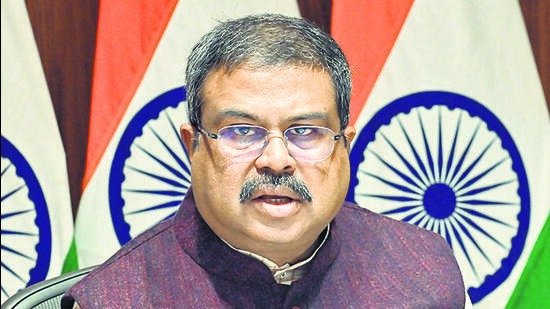
Karnataka will host a state higher education ministers’ conclave in Bengaluru on February 5 to deliberate on the controversial draft UGC regulations, which propose significant changes to vice-chancellor appointments. The draft guidelines, open for public consultation, have drawn criticism for limiting state governments’ powers in higher education governance. Higher Education Minister M C Sudhakar announced on Thursday that ministers from states like Tamil Nadu, Kerala, and Bihar, among others, have been invited to the conclave. The states are expected to confirm their participation by Monday. The contentious draft regulations, formally titled the “University Grants Commission (Minimum Qualifications for Appointment and Promotion of Teachers and Academic Standards in Universities and Colleges and Measures for the Maintenance of Standards in Higher Education) Regulations 2025,” propose empowering chancellors—mostly state governors—with exclusive authority to appoint vice-chancellors and form search committees, sidelining state governments from the process entirely. Dr. Sudhakar criticised the move, stating that it undermines the federal structure and the principles of cooperative federalism. “This unilateral approach by the UGC ignores the constitutional responsibilities of state governments in higher education and must be reconsidered,” he said. The conclave will provide a platform for states to discuss the draft regulations’ implications on public, private, and deemed universities, especially regarding administrative autonomy and adherence to state laws. Sudhakar said that a unified position would be adopted and communicated to the Union government and UGC. In January, Sudhakar wrote to Union Education Minister Dharmendra Pradhan, objecting to the exclusion of state governments in the selection of vice-chancellors and the inclusion of non-academicians as eligible candidates. The letter argued that these provisions conflict with state laws governing universities and demanded more deliberation on the matter. The issue has sparked significant debate in Karnataka, which recently passed a bill to replace the governor with the chief minister as chancellor of the Karnataka State Rural Development and Panchayati Raj University. The bill awaits the governor’s assent. Additionally, the state cabinet plans to propose amendments to the Karnataka State Universities Act to remove the governor as chancellor for other state universities. As states like Tamil Nadu and Kerala voice similar concerns, Karnataka’s conclave seeks to build consensus on safeguarding state powers in higher education administration.

Karnataka to Host Conclave on UGC Draft Regulations Amid States’ Concerns Read More »

Pune Faces Projected 13% Rise in Dengue Mortality by 2040: Study Warns of Climate Impact

A groundbreaking study titled “Dengue Dynamics, Predictions, and Future Increase under Changing Monsoon Climate in India” projects a 13% rise in dengue-related mortality in Pune by 2040. Conducted by scientists from IITM, Savitribai Phule Pune University, and international collaborators, the study was published in Scientific Reports on January 21. Highlighting the interplay between climate and dengue, the researchers warned that rising temperatures and erratic monsoon patterns could escalate dengue deaths by 25-40% by mid-century (2040–2060). Pune, a known dengue hotspot, is particularly vulnerable due to increasing average temperatures, uneven rainfall distribution, and higher humidity levels. The study revealed that temperatures above 27°C, moderate and evenly distributed rainfall, and humidity levels between 60% and 78% during monsoon significantly drive dengue transmission. Conversely, extreme rainfall exceeding 150 mm in a week can reduce mosquito prevalence by flushing out larvae and eggs. Under fossil fuel emission scenarios, Pune’s temperature is predicted to rise by 1.2–3.5°C by 2100, amplifying conditions favorable to dengue outbreaks. However, researchers emphasize that socio-economic factors, not included in the projections, could also influence future trends. Lead scientist Dr. Roxy Koll from IITM stressed the need for early warning systems based on health and climate data. Using AI/ML models, the team developed a system capable of predicting dengue outbreaks over two months in advance. “Cooperation from health departments is critical for saving lives,” Dr. Koll said. The findings underscore the urgency for region-specific interventions and better health data integration to combat climate-sensitive diseases. Policymakers in high-burden states can utilize this study to allocate resources effectively and mitigate the public health impact of climate change.

Pune Faces Projected 13% Rise in Dengue Mortality by 2040: Study Warns of Climate Impact Read More »

ITI Limited Wins ₹167 Crore E-Governance Contract in Maharashtra

State-owned telecom equipment manufacturer ITI Limited has secured a ₹167 crore e-governance contract from Maharashtra’s Rural Development Department. The project involves setting up and operating Aaple Sarkar Seva Kendra (ASSK) centers in Gram Panchayats across Chatrapathi Sambhaji Nagar, Nagpur, and Amaravati regions. The contract includes system maintenance for one year and deployment of technical manpower at the ASSK centers. The initiative aims to enhance digital citizen services in rural areas, fostering transparency, efficiency, and accessibility in e-governance. Rajesh Rai, Chairman and Managing Director of ITI Limited, emphasized the project’s significance in strengthening the Panchayati Raj System. “This initiative will empower rural citizens with better access to digital governance and help bridge the urban-rural divide in Maharashtra,” Rai stated. ITI Limited, India’s first public sector undertaking (PSU) post-independence, has diversified beyond its telecom equipment manufacturing legacy. The company now operates in sectors such as defense, railways, solar equipment, and IT services, while managing a state-of-the-art data center in Bengaluru that caters to government institutions and banks. The ASSK project represents a significant milestone in Maharashtra’s grassroots digital governance initiatives, further cementing ITI Limited’s position as a key player in the e-governance sector. On the financial front, ITI Limited’s shares were trading at ₹352, marking a 3.94% decline, down by ₹14.45, on the NSE at 1:33 PM today. This contract underlines Maharashtra’s commitment to modernizing governance and ITI Limited’s capabilities in driving technological advancements in rural India.

ITI Limited Wins ₹167 Crore E-Governance Contract in Maharashtra Read More »

Trump’s Bold Agenda: Executive Orders to Reshape Border, Energy, and Governance

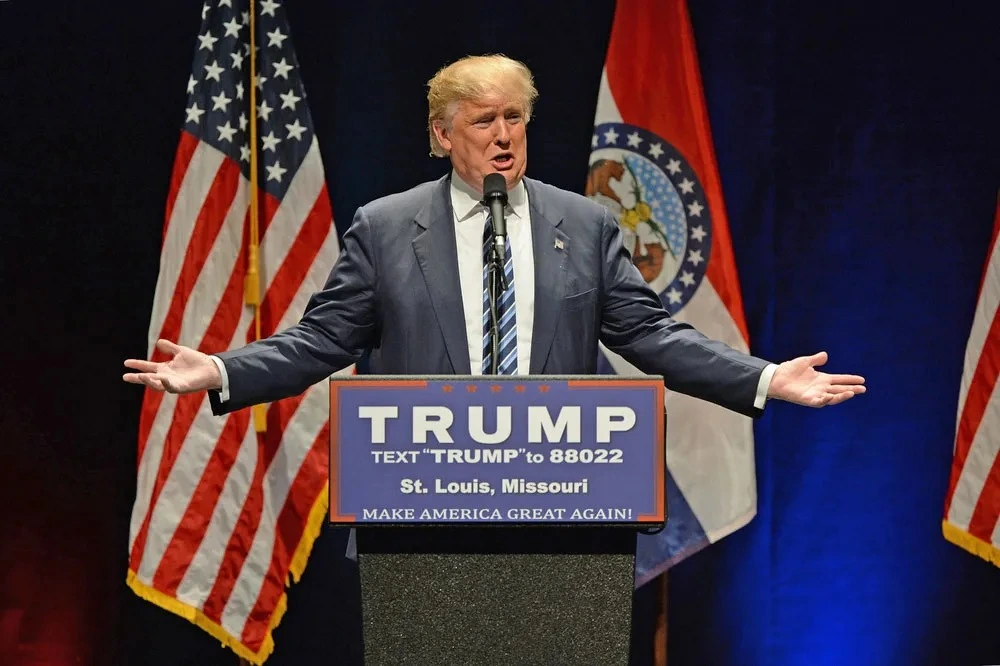
Donald Trump is set to make sweeping changes as the 47th President of the United States by signing a series of executive orders shortly after his inauguration. These orders are expected to address immigration, border security, energy policy, and federal governance, as revealed by his close aide, Stephen Miller. What Are Executive Orders? Executive orders are directives issued by the President with the force of law, bypassing the need for Congressional approval. While Congress cannot directly overturn these orders, they are subject to judicial review. Key Changes on the Agenda According to Miller, Trump’s proposed orders aim to: Border Security: Declare a national emergency at the southern border, deploy military forces, reinstate the “Remain in Mexico” policy, and end the “Catch and Release” policy. Immigration Enforcement: Classify cartels as “foreign terrorist organizations” and intensify efforts to combat illegal immigration. Energy Policies: Expand offshore and Arctic drilling, accelerate pipeline construction, and lift restrictions on fossil fuel production. Governance Reforms: Rescind diversity, equity, and inclusion (DEI) mandates, streamline government hiring, and introduce measures to remove federal employees more easily. Reversing Biden’s Policies Trump’s orders are also expected to roll back key initiatives of outgoing President Joe Biden, including the Paris Agreement on climate change and restrictions on domestic fossil fuel production. Trump’s Vision: A Stronger America During a victory rally in Washington, Miller emphasized Trump’s commitment to restoring American sovereignty and security. “It’s about ending the border invasion, eradicating criminal cartels, and bringing justice to victims of illegal immigration,” Miller declared, underscoring the urgency and ambition of Trump’s agenda. The Bigger Picture At 78, Trump is poised to reignite his “America First” platform with an aggressive policy rollout. His approach signals a focus on national security, energy independence, and governance reforms, promising a transformative start to his presidency. Photo Credit: Reuters

Trump’s Bold Agenda: Executive Orders to Reshape Border, Energy, and Governance Read More »

CBSE Conducts Surprise Inspections Across India, Issues Show-Cause Notices to 29 Schools

The Central Board of Secondary Education (CBSE) has issued show-cause notices to 29 schools nationwide following surprise inspections conducted on December 18 and 19, 2024. The inspections, carried out in Delhi, Bengaluru, Patna, Bilaspur, Varanasi, and Ahmedabad, uncovered multiple violations of the board’s Affiliation Bye-Laws. An official notification from CBSE stated, “Upon careful examination of the reports submitted by the inspection teams, it was observed that a majority of these schools had violated CBSE Affiliation Bye-Laws. CBSE has taken serious note of these violations and issued show-cause notices to all 29 schools involved. Each school has been provided with a copy of the respective inspection report and directed to submit their replies within 30 days.” The key violations identified include: Enrollment Irregularities: Cases of enrolling students beyond their actual attendance records, enabling “non-attending” enrollments. Non-compliance with Academic and Infrastructural Norms: Breaches of CBSE guidelines for academic and infrastructure standards. The schools under scrutiny include prominent names such as Hope Hall Foundation School (Delhi), Narayana Olympiad School (Bengaluru), Satyam International (Patna), Nirman High School (Ahmedabad), and Modern Educational Academy (Bilaspur), among others. CBSE’s rigorous action highlights its commitment to upholding educational standards and ensuring compliance across affiliated institutions. The board has emphasized that schools must respond promptly to the show-cause notices, failing which further action will be initiated. This development comes as part of CBSE’s ongoing efforts to enhance the quality of education and ensure adherence to its regulations, reinforcing its stance against any deviations in operational or academic practices.

CBSE Conducts Surprise Inspections Across India, Issues Show-Cause Notices to 29 Schools Read More »

Revolutionizing Health at Maha Kumbh: Mobile Cancer Screening for Women

The Maha Kumbh Mela, celebrated as one of the largest religious gatherings in the world, is now a stage for groundbreaking health initiatives. Among these is the introduction of a pink bus, dedicated to breast cancer detection in women. Spearheaded by Kerala’s Math under the guidance of spiritual leader Maa Amritanandamayi, this bus is equipped with mammography facilities aimed at encouraging early diagnosis. “This initiative addresses the hesitancy many women feel about undergoing breast cancer screenings. The Rs. 4-crore facility marks its debut at the Kumbh, having been inaugurated in Faridabad in 2022,” shared Sant Brahmarishi Eknath of Maa Amritanandamayi Math. Complementing this effort, a mobile mini-hospital bus offers services like X-rays, pathology, minor operations, and telemedicine. In collaboration with ISRO, it connects patients to specialized doctors at the main hospital in Faridabad, ensuring expert guidance from a distance. Why Early Detection Matters Breast cancer survival rates are significantly higher when detected early. Smaller tumors are easier to treat, often allowing less invasive procedures and improving outcomes both physically and emotionally. Despite this, many women delay testing due to taboos surrounding breast health and fear of social stigma. Overcoming Barriers Cultural misconceptions about breast cancer often deter women from seeking timely help. Associations of the disease with lifestyle choices or fears of being labeled “incomplete” add emotional weight, leading to late-stage diagnoses. This initiative at the Kumbh aims to break such barriers, offering hope and access to life-saving medical care. By integrating spiritual support with cutting-edge technology, this effort at the Maha Kumbh Mela not only serves women’s health but sets a precedent for future healthcare outreach.

Revolutionizing Health at Maha Kumbh: Mobile Cancer Screening for Women Read More »

H5N1 Bird Flu Warning: Preparing for a Potential Outbreak in India

H5N1, or Highly Pathogenic Avian Influenza A, is a significant health concern, posing limited risk to humans but a serious threat overall. This highly infectious respiratory virus primarily affects birds but can spread to humans, particularly those in close contact with infected animals. What is H5N1 and How Does It Spread? Bird flu, caused by the H5N1 virus, mainly spreads among birds but can transmit to humans under specific circumstances, such as close contact with infected birds or contaminated environments. Human-to-human transmission is rare. India’s Situation Since its first detection in 2006, H5N1 has resurfaced sporadically in India, with Maharashtra, West Bengal, and Odisha reporting the most cases. Recent incidents, such as the deaths of three tigers and a leopard at a Nagpur rescue center, underscore the virus’s presence. Symptoms and Risks Symptoms can appear within 2-8 days and range from mild (fever, cough) to severe (acute respiratory distress, organ failure). High-risk groups include poultry workers, livestock handlers, and laboratory personnel. Precautions to Stay Safe: Hygiene: Wash hands thoroughly after exposure to animals. Distance: Avoid contact with wild birds or animals. Protective Gear: Use masks and eye protection when handling potentially infected animals. Cook Food Properly: Ensure thorough cooking of poultry and eggs. Avoid Unpasteurized Products: Steer clear of raw dairy products. Expert Insights Dr. Ashok Rattan, a former WHO expert, advises caution but stresses that human transmissions of H5N1 remain rare. Early detection and proactive prevention are key to reducing risks. While there is no immediate cause for panic, awareness and preventive measures are critical. Breaking the chain of transmission can mitigate the risk of H5N1 escalating into an epidemic or pandemic. Stay informed, cautious, and prepared to ensure public health safety.

H5N1 Bird Flu Warning: Preparing for a Potential Outbreak in India Read More »

Bad Economics Corrupting Good Politics: A Call for Balanced Reforms in India

Economic reform in India remains a contentious issue, with all major political parties, from Left to Right, aligning on the need for substantial economic changes. However, critics argue that the impressive GDP growth since the 1991 reforms has failed to uplift incomes at the bottom, leading to growing public unrest among farmers, workers, and unemployed youth across diverse demographics. While the capitalist Right advocates completing the liberalisation agenda, granting more freedom to capital markets, the socialist Left calls for better governance of these sectors to ensure fair wages and prices. Both sides, however, rely on politically necessary but unsustainable measures like direct money transfers and subsidies to address market failures. Experts suggest that before accelerating reforms, India must objectively evaluate the outcomes of its 1991 economic liberalisation. Comparing India’s performance to China and Vietnam reveals stark disparities. Both nations, starting from similar economic conditions in the 1980s, have achieved significantly higher income growth among their poorest citizens. This success is attributed to their retention of socialist principles, blending state planning with market reforms, and prioritising public welfare. In contrast, India’s adherence to free-market ideologies, influenced by Western economic theories, has left its lower half economically stagnant. Critics warn that prioritising GDP growth and corporate interests over fundamental metrics like healthcare, education, and income equality has corrupted governance and political integrity. The debate highlights the need for Indian economic reformers to draw lessons from socialist economies like China and Vietnam, rather than solely from capitalist models. Sustainable reform, they argue, lies in policies that enhance citizen welfare over mere economic indicators, ensuring long-term stability and equitable growth. As India prepares for its next wave of reforms, this introspection could redefine its path toward inclusive prosperity.

Bad Economics Corrupting Good Politics: A Call for Balanced Reforms in India Read More »

Vegetable Vendor’s Son Cracks MP Civil Services Exam, Becomes Assistant Director

Ashish Singh Chauhan, the son of a vegetable vendor from Bhopal, has achieved an inspiring milestone by cracking the Madhya Pradesh Public Service Commission’s (MPPSC) State Service Examination 2022 in his first attempt. Securing 841 out of 1,575 marks, Ashish has been appointed as Assistant Director in the education department. Hailing from a financially struggling family, Ashish’s father, Ajab Singh, runs a vegetable cart in Sant Hrdaram Nagar, while his brother works as a salesperson in a garment shop. Despite these challenges, Ashish remained focused on his studies and credited his parents for unwavering support. “My parents never asked me to quit my studies to support the family financially. Instead, they motivated me to continue my education,” Ashish shared in an interview with India Today TV. Ashish’s academic journey began at Government Model School in Bairagarh. He later pursued his graduation and post-graduation at Government Hamidia College and is currently working on a Ph.D. in Indore. Unable to afford coaching classes, Ashish dedicated himself to self-study, clocking 10 hours daily and seeking guidance from his seniors. This remarkable achievement highlights not just Ashish’s determination but also the role of supportive parents and a commitment to education in overcoming financial and societal barriers. His success serves as an inspiration for countless others striving to rise above circumstances through hard work and perseverance.

Vegetable Vendor’s Son Cracks MP Civil Services Exam, Becomes Assistant Director Read More »