ArdorComm Media Group

Friday, February 20, 2026 11:27 AM

Author name: admin

Bad Economics Corrupting Good Politics: A Call for Balanced Reforms in India

Economic reform in India remains a contentious issue, with all major political parties, from Left to Right, aligning on the need for substantial economic changes. However, critics argue that the impressive GDP growth since the 1991 reforms has failed to uplift incomes at the bottom, leading to growing public unrest among farmers, workers, and unemployed youth across diverse demographics. While the capitalist Right advocates completing the liberalisation agenda, granting more freedom to capital markets, the socialist Left calls for better governance of these sectors to ensure fair wages and prices. Both sides, however, rely on politically necessary but unsustainable measures like direct money transfers and subsidies to address market failures. Experts suggest that before accelerating reforms, India must objectively evaluate the outcomes of its 1991 economic liberalisation. Comparing India’s performance to China and Vietnam reveals stark disparities. Both nations, starting from similar economic conditions in the 1980s, have achieved significantly higher income growth among their poorest citizens. This success is attributed to their retention of socialist principles, blending state planning with market reforms, and prioritising public welfare. In contrast, India’s adherence to free-market ideologies, influenced by Western economic theories, has left its lower half economically stagnant. Critics warn that prioritising GDP growth and corporate interests over fundamental metrics like healthcare, education, and income equality has corrupted governance and political integrity. The debate highlights the need for Indian economic reformers to draw lessons from socialist economies like China and Vietnam, rather than solely from capitalist models. Sustainable reform, they argue, lies in policies that enhance citizen welfare over mere economic indicators, ensuring long-term stability and equitable growth. As India prepares for its next wave of reforms, this introspection could redefine its path toward inclusive prosperity.

Bad Economics Corrupting Good Politics: A Call for Balanced Reforms in India Read More »

Vegetable Vendor’s Son Cracks MP Civil Services Exam, Becomes Assistant Director

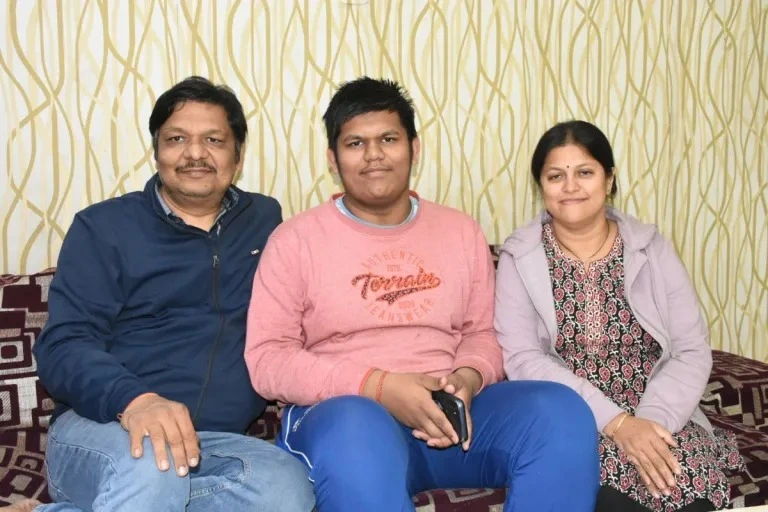
Ashish Singh Chauhan, the son of a vegetable vendor from Bhopal, has achieved an inspiring milestone by cracking the Madhya Pradesh Public Service Commission’s (MPPSC) State Service Examination 2022 in his first attempt. Securing 841 out of 1,575 marks, Ashish has been appointed as Assistant Director in the education department. Hailing from a financially struggling family, Ashish’s father, Ajab Singh, runs a vegetable cart in Sant Hrdaram Nagar, while his brother works as a salesperson in a garment shop. Despite these challenges, Ashish remained focused on his studies and credited his parents for unwavering support. “My parents never asked me to quit my studies to support the family financially. Instead, they motivated me to continue my education,” Ashish shared in an interview with India Today TV. Ashish’s academic journey began at Government Model School in Bairagarh. He later pursued his graduation and post-graduation at Government Hamidia College and is currently working on a Ph.D. in Indore. Unable to afford coaching classes, Ashish dedicated himself to self-study, clocking 10 hours daily and seeking guidance from his seniors. This remarkable achievement highlights not just Ashish’s determination but also the role of supportive parents and a commitment to education in overcoming financial and societal barriers. His success serves as an inspiration for countless others striving to rise above circumstances through hard work and perseverance.

Vegetable Vendor’s Son Cracks MP Civil Services Exam, Becomes Assistant Director Read More »

Residents of Undri Struggle with Poor Civic Amenities Amid Rapid Urbanization

Traversing Undri’s roads feels like a roller-coaster ride for its commuters — bumpy, back-breaking, and nauseating. Despite being merged into Pune Municipal Corporation (PMC) limits in 2017, this rapidly urbanizing locality continues to grapple with basic civic deficiencies. Residents’ Concerns Sunil Koloti, director of Mohammadwadi Undri Residents’ Welfare Development Foundation (MURWDF), criticized PMC’s inefficiency, stating: “Despite paying exorbitant property taxes, we lack essentials like proper roads, water, sewage systems, and reliable power. This neglect has turned Undri into a symbol of civic mismanagement.” Another resident, Col Pradeep Masand (retd), highlighted the dire need for civic reforms: “I have lived here for 12 years, still waiting for basic amenities like water and usable roads. New constructions must be permitted only if existing residents’ needs are fulfilled.” Key Issues Road Network: Residents call roads like Kadnagar Chowk and Undri Marg accident-prone due to incomplete widening projects and ill-placed electric poles. Water Crisis: The lack of pipelines has forced residents to rely on water tankers for decades, creating traffic chaos and accidents. Sewage Failures: Societies depend on septic tanks, adding recurring costs and inefficiency. Encroachments: Illegal structures and hawkers choke roads, exacerbating traffic and safety concerns. Power Outages: Frequent blackouts reflect outdated infrastructure and a pressing need for upgrades. Official Statements Manoj Patil, Additional Commissioner (East), acknowledged Undri’s inadequate road network and heavy vehicle traffic, promising collaboration with PMC for solutions. Aniruddha Pawaskar, Chief Engineer, PMC Road Department, assured residents that a development plan is underway, pledging to make roads motorable soon. Looking Ahead With over 3 lakh residents, including working professionals and retired defense personnel, Undri’s unplanned growth calls for urgent action. Immediate priorities include water pipeline installation, sewage systems, road expansion, encroachment removal, and improved safety measures. Residents remain hopeful yet skeptical, with a clear message to authorities: progress must match promises, and urgent action is the need of the hour.

Residents of Undri Struggle with Poor Civic Amenities Amid Rapid Urbanization Read More »

NDAP: Revolutionizing Data Access as NITI Aayog Marks a Decade of Progress

As NITI Aayog celebrates a decade of spearheading India’s development agenda, its National Data and Analytics Platform (NDAP) shines as a cornerstone of innovation in governance and policymaking. Designed to democratize data access and enhance decision-making, NDAP exemplifies NITI Aayog’s commitment to fostering transparency and evidence-based policymaking. Launched as a pioneering web-based platform, NDAP aggregates datasets from across India’s statistical ecosystem. The platform simplifies data discovery and analysis, offering a user-friendly interface for searching, merging, visualizing, and downloading datasets. As of January 2025, NDAP hosts 5,148 datasets spanning 31 sectors and 53 ministries, setting new benchmarks for accessibility and usability in public data. Key Features of NDAP Accessibility and Interoperability: NDAP standardizes datasets into machine-readable formats, promoting seamless cross-sectoral analysis. Its unified framework, based on the Ministry of Panchayati Raj Local Government Directory Code, enables users to integrate datasets from diverse sources effortlessly. High-Quality Datasets: Each dataset undergoes stringent quality checks through an in-house 5-star rating framework, ensuring reliability and usability for researchers, policymakers, and analysts. Interactive Tools: From bar charts to heat maps, NDAP provides customizable visualization tools, empowering users to derive meaningful insights tailored to their needs. Advanced Analysis: The Merge Tool allows users to combine up to three datasets, facilitating complex, multi-dimensional policy analysis. NDAP’s transformative impact bridges the gap between data availability and actionable insights, empowering stakeholders across sectors to address real-world challenges with data-backed decisions. As NITI Aayog marks 10 years of excellence, NDAP stands as a testament to its vision of leveraging data for transparent, inclusive governance. Explore the NDAP portal to witness its role in shaping India’s data-driven future. Source: egov.eletsonline.com Photo Credit: egov.eletsonline.com

NDAP: Revolutionizing Data Access as NITI Aayog Marks a Decade of Progress Read More »

Nielsen’s 2025 Upfront/NewFront Guide: Key Trends Shaping Media Planning

Nielsen, a global authority in audience measurement and analytics, has introduced its 2025 Upfront/NewFront Guide—a comprehensive resource to help media buyers and sellers navigate the 2025-2026 planning season. Packed with cross-media data and audience insights, the guide is an essential tool for optimizing budgets and making informed advertising decisions in a complex and evolving media landscape. Americans are devoting an average of 70 hours per week to media consumption, spanning linear TV, connected TV (CTV), radio, smartphones, tablets, and computers. While smartphone usage has surged by 44% in the past two years, traditional TV continues to dominate, accounting for nearly 50% of total media time. Key Trends from the 2025 Guide Converging TV Landscape: The boundaries between linear TV and streaming are increasingly overlapping, with both formats driving audience engagement. Nielsen reports that 88% of U.S. viewers engage with TV monthly, and streaming platforms now account for 41% of total TV time as of October 2024. Advanced Audience Profiles: Marketers are encouraged to move beyond conventional demographics and tap into nuanced audience data. “Behind the data, there are people in front of screens,” said Pete Doe, Chief Data and Research Officer at Nielsen, emphasizing the importance of reaching audiences with personalized messaging. Navigating Advertising Complexity: With rising ad spend and increasing fragmentation in the media environment, staying ahead requires robust digital insights. “Strong competitive intelligence is now essential for making data-driven decisions,” noted Akhil Parekh, Nielsen’s Chief Solutions Officer for Digital Products. Strategic Implications For media buyers, these insights provide the tools to integrate linear TV and streaming effectively, maximizing reach and engagement. Sellers, on the other hand, can leverage these metrics to differentiate their offerings and strengthen their market positioning. To explore detailed strategies and stay ahead in the 2025-2026 Upfront/NewFront season, download the full guide and unlock the potential of cross-media insights. Source: adgully.com Photo Credit: adgully.com

Nielsen’s 2025 Upfront/NewFront Guide: Key Trends Shaping Media Planning Read More »

India to Host First Global Media & Entertainment Summit in November

India is set to host the inaugural World Audio Visual and Entertainment Summit (WAVES) in Goa from November 20-24, alongside the International Film Festival of India (IFFI). Announced by Information and Broadcasting Minister Ashwini Vaishnaw and Goa Chief Minister Pramod Sawant, WAVES aims to position India as a global hub for the media and entertainment industry. Described as a visionary initiative by Prime Minister Narendra Modi, WAVES will focus on intellectual property rights (IPR), fostering collaboration, and driving innovation in the sector. “IP rights hold immense value in the media and entertainment sector. We are committed to strengthening the ecosystem for protecting these rights,” Vaishnaw said at the event’s curtain raiser. The summit will explore providing low-cost funding for the industry, drawing inspiration from the venture capital model. Vaishnaw emphasized that this initiative reflects the government’s broader strategy to support growth and innovation in the sector. Goa Chief Minister Pramod Sawant highlighted the rapid evolution of the industry, noting that in 2023 alone, India produced 3,000 hours of content for OTT platforms. He added that WAVES would serve as a platform for industry leaders to network, collaborate, and explore investment opportunities. With a market value of $27.5 billion, India’s media and entertainment sector is poised for substantial growth. WAVES is designed to evoke transformative ideas, facilitate knowledge sharing, and position India as a business-friendly and attractive investment destination. I&B Secretary Sanjay Jaju stated that WAVES seeks to elevate India as a global leader in the sector, fostering international partnerships and showcasing the country’s potential as a creative and economic powerhouse in media and entertainment. Source: Business Standard Photo Credit: Business Standard

India to Host First Global Media & Entertainment Summit in November Read More »

CBSE Issues Show-Cause Notices to 29 Schools for Bye-Law Violations

The Central Board of Secondary Education (CBSE) has issued show-cause notices to 29 schools across India for violating its affiliation bye-laws. Following surprise inspections in December, the board uncovered enrolment irregularities and non-compliance with academic and infrastructural standards in these institutions. The violations included enrolling students beyond their actual attendance records and endorsing non-attending enrolments. CBSE has taken a stern view of these breaches, mandating all 29 schools to respond within 30 days, with each institution provided a detailed inspection report. Eighteen of the identified schools are based in Delhi, three in Uttar Pradesh, and two each in Karnataka, Bihar, Gujarat, and Chhattisgarh. Delhi Schools: Hope Hall Foundation School, Sector VII, RK Puram Jagriti Public School, Ratiya Marg, Sangam Vihar Oxford Public School, Opp. Block-4, Nehru Nagar J N International School, Jagdama Colony, Vill. Aali Nav Gian Deep Public School, Vijaya Enclave, Palam Road S D Memorial Vidya Mandir, Mahavir Enclave, Dwarka Navyug Convent School, Sainik Enclave-2, Jharoda C R Oasis Convent School, Najafgarh New Krishna Model Public School, Rawata Central Academy International School, Sector 10, Dwarka Deen Bandhu Public School Brahma Shakti Public School Indraprastha Convent School Richmondd Global School Glorious Public School Aakash International School Holy International School Holy World School, Arjun Park, Ishwar Colony, Najafgarh Karnataka Schools: Sri Chaitanya Techno School, Bengaluru Narayana Olympiad School, Bengaluru Uttar Pradesh Schools: Raj English School, Shivpurava, Varanasi Happy Model School, Kurahuan 323, Chittupur, Varanasi St. K C Memorial English School, Naveda Jalhupur Bihar Schools: Satyam International, Boriya Gaurichak, Patna Eklavya Educational Complex, Palanga, Patna Gujarat Schools: Nirman High School, Vastrapur, Dashkroi, Ahmedabad The New Tulip International School, Bopal, Ahmedabad Chhattisgarh Schools: Modern Educational Academy, Bilaspur Intelligent Public School, Bilaspur CBSE’s action underscores its commitment to ensuring strict adherence to its regulations for maintaining quality education. Schools found in violation are expected to address the highlighted issues and comply with the board’s standards promptly. Source: Hindustan Times Photo Credit: Hindustan Times

CBSE Issues Show-Cause Notices to 29 Schools for Bye-Law Violations Read More »

BRF Arabia Holding Finalizes Investment in Addoha Poultry

BRF Arabia Holding, a joint venture between BRF and Halal Products Development Company, has successfully concluded its acquisition of a 26% stake in Saudi Arabia’s Addoha Poultry Company. The investment, originally announced in October 2024, solidifies BRF’s footprint in the Middle East and reinforces its commitment to food security in Saudi Arabia, a region where the Brazil-based company has operated for over 50 years. BRF Arabia Holding is 70% owned by BRF and 30% by Halal Products Development Company, a subsidiary of Saudi Arabia’s Public Investment Fund. In a market notice published on January 14, BRF highlighted that this transaction bolsters its strategic role in the Middle Eastern food sector. The investment, valued at SAR316.2 million (US$84.3 million), includes SAR216.2 million directed toward Addoha Poultry, furthering the company’s operational capabilities in Saudi Arabia. BRF, the world’s third-largest poultry producer and 14th-largest feed producer according to the WATTPoultry.com Top Companies Database, continues to enhance its portfolio in the region with its renowned brands, leveraging its expertise in food production and halal certification. This partnership aligns with Saudi Arabia’s vision to strengthen food security and the poultry sector, marking a significant step in fostering collaboration between global and regional leaders in the food industry. Source: wattagnet Photo Credit: wattagnet

BRF Arabia Holding Finalizes Investment in Addoha Poultry Read More »

Blinken Calls for Gaza Post-War Reconstruction and Interim Governance

As the ceasefire between Israel and Hamas draws closer, U.S. Secretary of State Antony Blinken has emphasized the importance of a comprehensive plan for Gaza’s post-war reconstruction and governance. Speaking at the Atlantic Council in Washington, D.C., Blinken outlined a strategy that includes the establishment of an interim governing authority in Gaza, facilitated by the Palestinian Authority and supported by international partners. “We have a responsibility to ensure that the strategic gains of the last 15 months endure and lay the foundation for a better future,” Blinken stated. The proposed plan involves Arab states and other international partners contributing to an interim security mission in Gaza while prioritizing essential services and rebuilding the war-torn region. Blinken highlighted the need to replace conflict and instability with governance that ensures security and development, steering Gaza toward long-term peace and progress. In addition to Gaza, Blinken addressed broader Middle East strategies, including countering Iran’s influence and pursuing the normalization of relations between Israel and Saudi Arabia. The Gaza reconstruction plan, however, remains a central focus of U.S. diplomacy, with efforts underway to garner support from Israel, the Palestinian Authority, and Gulf Arab nations. The plan envisions a Gaza governed without Hamas, ensuring stability and prioritizing reconstruction following the devastating war that erupted in October 2023. According to Blinken, this approach aims to break the cycle of conflict in the region while creating opportunities for sustainable governance and economic development. The proposal underscores a collaborative international effort to address the immediate needs of Gaza’s population while laying a foundation for long-term stability in the Middle East. Source: Hindustan Times Photo Credit: Hindustan Times

Blinken Calls for Gaza Post-War Reconstruction and Interim Governance Read More »

Gaza Ceasefire: Key Details of the Israel-Hamas Truce Agreement and Governance Prospects

Efforts to end the long-standing conflict in Gaza have led to a draft ceasefire agreement mediated by Qatar. The proposal outlines several stages aimed at halting hostilities, exchanging hostages for Palestinian prisoners, and addressing humanitarian concerns in the region. Key Elements of the Ceasefire Agreement Stage One: Hostage Release The first phase focuses on the return of 33 hostages held by Hamas. These include children, women (including female soldiers), men over 50, and individuals who are wounded or ill. While Israel suspects most hostages are alive, there has been no confirmation from Hamas. This stage could last between two weeks to 60 days. Negotiations for a second stage would begin on the 16th day of the agreement, aiming to secure the release of younger civilian males, male soldiers, and the remains of deceased hostages. Exchange for Hostages In return, Israel will release hundreds of Palestinian prisoners. While exact numbers vary, estimates suggest “many hundreds” to over 1,000 prisoners. Those convicted of deadly attacks, including participants in the October 7, 2023, attack on Israel, will not be released to the West Bank. Phased Military Withdrawal Israeli forces will implement a phased withdrawal, ensuring the safety of border towns and maintaining a presence along the Philadelphi corridor near Egypt. Key changes include: Allowing unarmed North Gaza residents to return under monitored conditions. Gradual reopening of the Rafah crossing for medical evacuations. Increased humanitarian aid into Gaza, addressing the region’s severe crisis. Humanitarian Assistance The agreement emphasizes humanitarian aid expansion, as international organizations report dire conditions in Gaza. The Future of Gaza Governance The governance of Gaza remains a contentious issue and is absent from the current agreement due to its complexity. Israel’s Position: Hamas cannot remain in power post-conflict. Israel opposes the Palestinian Authority’s governance over Gaza and intends to retain security control over the enclave. International Stance: Gaza must eventually be governed by Palestinians. Discussions are ongoing among Israel, the UAE, and the U.S. regarding a provisional administration until a reformed Palestinian Authority is prepared to take control. Outlook While the draft agreement signifies progress, many details remain unresolved. The truce is a critical first step toward peace, yet the long-term governance and stability of Gaza demand further negotiations and international cooperation. Source: english.jagran Photo Credit: english.jagran

Gaza Ceasefire: Key Details of the Israel-Hamas Truce Agreement and Governance Prospects Read More »