ArdorComm Media Group

Sunday, April 12, 2026 12:57 PM

Governance Community

Survivors of Russian Plane Crash in Afghanistan in ‘Good Health,’ Taliban Reports

Taliban administration announced that four survivors of a charter plane crash in northern Afghanistan are in “good health.” The incident involved a plane en route to Moscow, and while the survivors appear to be in stable condition, the bodies of two passengers killed in the crash are being transported to the Afghan capital. Russian aviation authorities reported on Sunday that the plane, carrying six individuals, disappeared from radar screens over Afghanistan on Saturday night. Afghan police received reports of a crash in the mountainous Badakhshan province. Taliban spokesperson Zabihullah Mujahid stated, “Four people from the crashed plane in Badakhshan were transferred to Kabul, the medical and rescue teams of the Ministry of Aviation and the Ministry of Defence have provided them with first aid.” Video footage released by Mujahid’s office showed the survivors disembarking from a helicopter accompanied by Taliban officials. The footage revealed visible injuries on some survivors, with one individual displaying bloodstains on his clothes. An unnamed Taliban official in the video affirmed the good health of the survivors, expressing gratitude for finding the crash site. The bodies of the deceased passengers have been moved to Fayzabad, a northern provincial city, and are en route to Kabul. According to Russian state-run TASS news agency, the crashed flight had conducted a private medical evacuation from Thailand’s Pattaya, a popular destination for Russian tourists, to Moscow. Approximately 25 minutes before disappearing from radar screens, the pilot reportedly issued a warning about low fuel and indicated an attempt to land in Tajikistan, as reported by the Russian news outlet SHOT.

Survivors of Russian Plane Crash in Afghanistan in ‘Good Health,’ Taliban Reports Read More »
Government Announces 3.5% Stake Disinvestment in NHPC, Stock Dips 4%

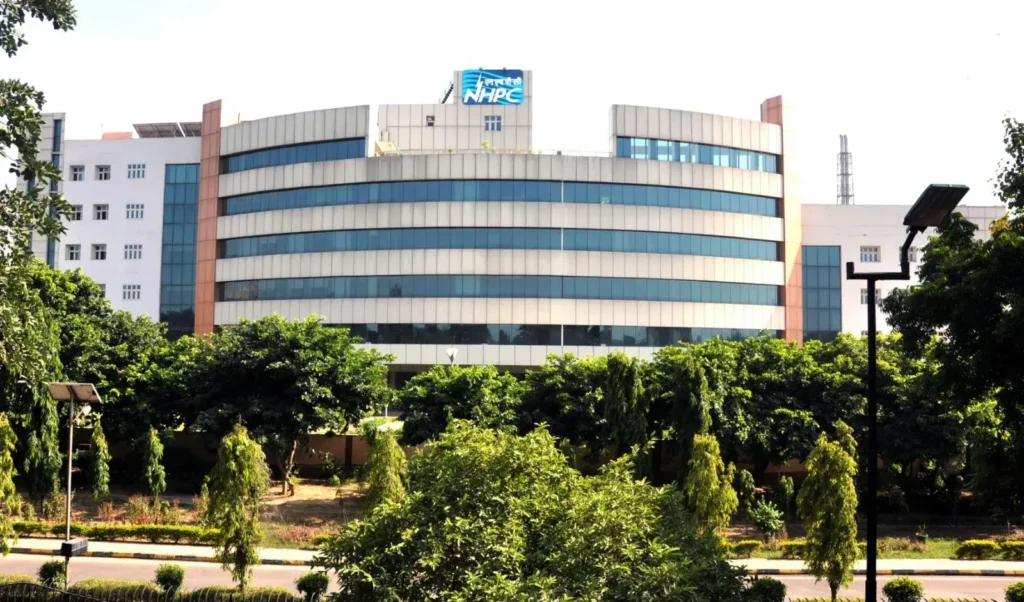
In a strategic move, the government has unveiled plans to disinvest a 3.5% stake in NHPC (National Hydroelectric Power Corporation) through an offer for sale (OFS), causing a notable dip in the company’s stock value. The floor price for the OFS has been set at Rs 66 per share, and this development has triggered a 4.33% decline in NHPC shares during Thursday’s trade on January 18. As of 9:26 a.m., NHPC shares were down by Rs 3.16, trading at Rs 69.9 apiece on the Bombay Stock Exchange (BSE). The market capitalization of NHPC at the same time was recorded at Rs 70,214.79 crore. Investors and market analysts are closely monitoring the situation, evaluating the potential impact of the government’s disinvestment decision on NHPC’s market dynamics. NHPC, a prominent public sector power company, plays a crucial role in the country’s power generation landscape. The government’s move to divest a portion of its stake in the company is part of its broader disinvestment strategy, aiming to optimize resources and streamline the public sector. Market experts suggest that while disinvestments can unlock value for the government, the immediate market response indicates investor caution. The floor price set for the OFS will be a key factor influencing investor sentiment and determining the success of the disinvestment plan. As the news of the government’s decision spreads, market participants are likely to closely watch NHPC’s performance, analyzing the potential implications for the energy sector and the broader stock market. The development adds an element of uncertainty to NHPC’s short-term outlook, creating a dynamic situation in the financial landscape.

Government Announces 3.5% Stake Disinvestment in NHPC, Stock Dips 4% Read More »

Government Slashes Windfall Tax on Petroleum Crude: New Rates Effective January 16

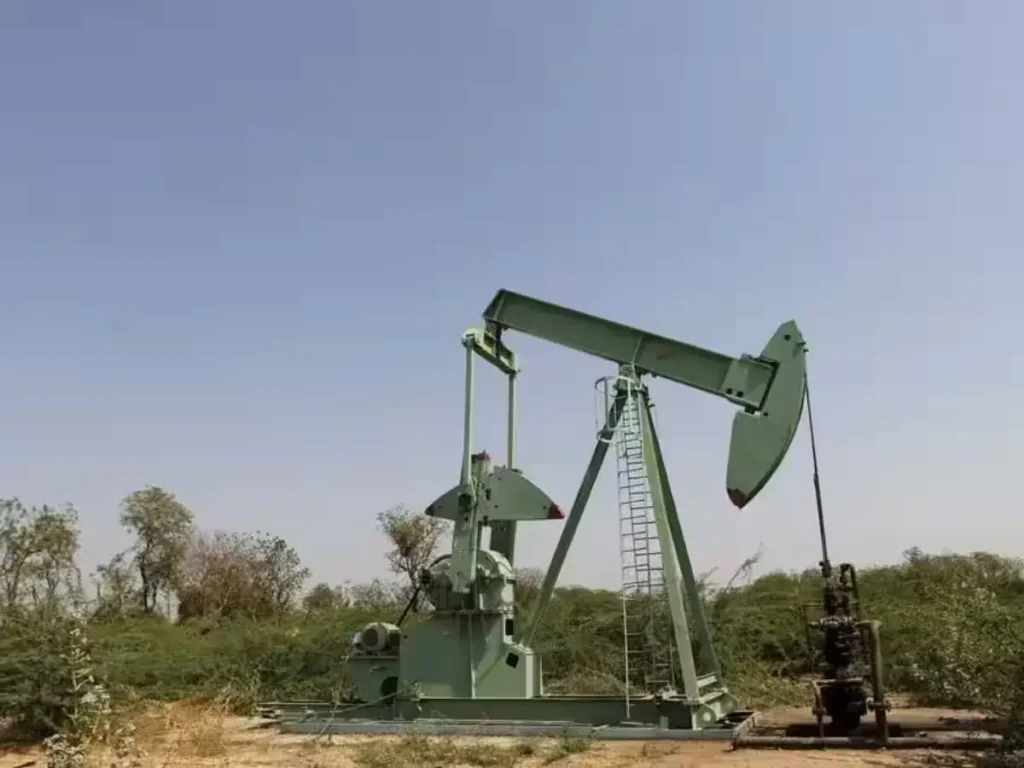
In a recent development, the Indian government has revised the windfall tax on petroleum crude, bringing it down to 1,700 rupees ($20.53) per tonne from the previous rate of 2,300 rupees per tonne. The decision, outlined in a government notification on Monday, is set to take effect from January 16. This move comes on the heels of a significant hike in the windfall tax on petroleum crude on January 2, when the government increased it from 1,300 rupees to 2,300 rupees per tonne. The latest reduction is seen as an adjustment to strike a balance and address concerns in the energy sector. The windfall tax was initially introduced in July 2022 on crude oil producers in India. The tax was extended to cover exports of gasoline, diesel, and aviation fuel, as private refiners sought to capitalize on robust refining margins through overseas sales rather than selling domestically. Notably, the government revises the tax fortnightly to adapt to changing market dynamics. This adjustment aims to create a more favorable environment for the energy sector while ensuring a fair balance between government revenue and the interests of crude oil producers. As the revised rates come into effect from January 16, stakeholders in the energy industry will be closely monitoring the impact on refining margins and the overall dynamics of the petroleum crude market in India.

Government Slashes Windfall Tax on Petroleum Crude: New Rates Effective January 16 Read More »

Maldives Government Suspends Ministers Over Derogatory Remarks Against PM Modi

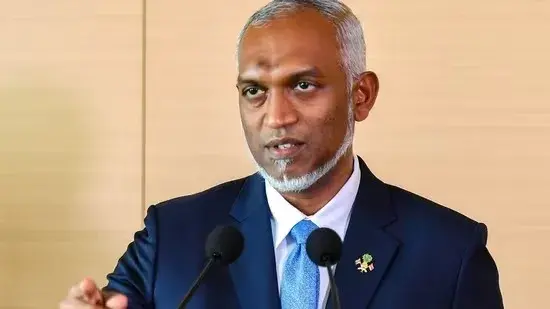
The Maldives government took swift action on Sunday, suspending three ministers—Mariyam Shiuna, Malsha Shareef, and Mahzoom Majid—over their derogatory remarks against Indian Prime Minister Narendra Modi. The controversial statements triggered a significant backlash, prompting former presidents, including Mohammad Nasheed and Ibrahim Solih, to demand immediate action against the ministers. In a statement issued earlier on the same day, the Maldives government distanced itself from the remarks, categorizing them as ‘personal opinions.’ India had firmly conveyed its disapproval, labeling the comments by junior lady minister Mariyam Shiuna as uncalled for and unacceptable. Expressing concern over the use of hateful language, former president Ibrahim Solih emphasized the enduring friendship between India and the Maldives. He urged the government to prevent such remarks from negatively impacting the age-old relationship between the two countries. Former Maldives foreign minister Abdulla Shahid echoed the sentiment, condemning the derogatory remarks made by the ministers on social media. He called for stern action against the officials, emphasizing the reprehensible and odious nature of their comments. The ministers’ remarks have sparked widespread outrage on social media, with not only citizens but also celebrities, including film stars, condemning the Maldivian leaders for their hate-filled rhetoric against PM Modi. This incident comes at a delicate time as Maldives President Mohammad Muizzu is in Beijing seeking funds. President Muizzu, a Sunni Salafi Muslim leader, won the November elections by advocating for the removal of Indian troops from the Maldives. The suspension of the ministers underscores the government’s commitment to maintaining diplomatic decorum and preserving relations with India amid ongoing financial negotiations in Beijing.

Maldives Government Suspends Ministers Over Derogatory Remarks Against PM Modi Read More »

Truck Drivers’ Nationwide Protests Cease Following Government Assurances on New Hit-and-Run Law

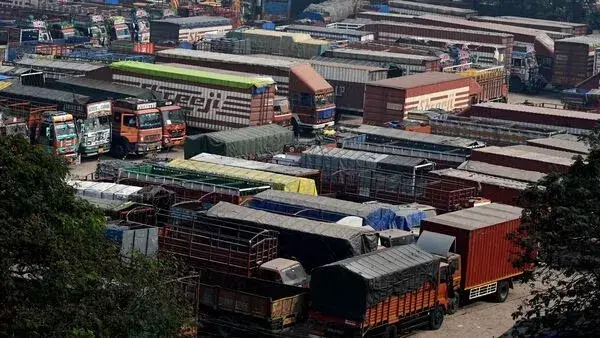
In a pivotal development, the nationwide protests led by truck drivers against the recently proposed hit-and-run law have come to an end after the government provided assurances to the All India Motor Transport Association (AIMTC). The protests erupted in response to the Bharatiya Nyaya Sanhita, a new criminal code, which prescribed stricter punishments for hit-and-run cases. After a meeting with Union Home Secretary Ajay Bhalla, AIMTC Chairman Malkit Singh Bal announced that the government had clarified that the new laws had not been implemented yet. Moreover, the implementation would only occur after thorough consultations with AIMTC. “We met and discussed the provisions under the Bharatiya Nyaya Sanhita, and all issues have been resolved. The new laws have not been implemented yet and will only be implemented after consultation with AIMTC,” stated Bal. Following this assurance, the transport body declared an end to the truck drivers’ strike, urging all drivers to resume their operations promptly. The hit-and-run law’s new provisions proposed a substantial increase in penalties, including a potential jail term of up to 10 years or a ₹7 lakh fine for truck drivers failing to report accidents promptly. The previous Indian Penal Code (IPC) stipulated a two-year imprisonment for the offense. Union Home Secretary Ajay Bhalla emphasized the government’s commitment to engaging in discussions with AIMTC representatives before implementing the Bharatiya Nyaya Sanhita 106/2. The resolution of the protests alleviated concerns that had triggered chaos in several states, with people resorting to panic buying and petrol pumps experiencing shortages. The truck drivers’ demonstrations also sparked a political dispute between the government and opposition parties. Congress, in particular, criticized the stringent provisions, labeling them as an “extortionist network” and “organized corruption.” Congress President Mallikarjun Kharge accused the government of penalizing the poor and hindering infrastructure projects.

Truck Drivers’ Nationwide Protests Cease Following Government Assurances on New Hit-and-Run Law Read More »

Haryana Expands Cashless Health Facility Scheme for Government Employees

Haryana government has officially extended its cashless health facility scheme to encompass all regular government employees in the state. Governor Bandaru Dattatraya and Chief Minister Manohar Lal Khattar ceremoniously distributed Ayushman cards to a section of government employees during the cashless health facility program held on Monday. Originally launched on a pilot basis for government employees of the fisheries and horticulture departments, along with their dependents, from November 1, 2023, the cashless health facility scheme has now been broadened to include all regular government employees. A government spokesperson emphasized that all beneficiaries would experience the advantages of the cashless scheme, with listed procedures being entirely cashless, and hospitals receiving claim approvals from a unified platform within a specified timeframe. The scheme aims to streamline processes, offering more efficient, seamless, hassle-free, and time-bound services to beneficiaries and other stakeholders. It covers six life-threatening emergencies, including cardiac emergencies, cerebral hemorrhage, coma, electric shock, third and fourth stages of cancer, and accidents, alongside all types of indoor treatments and daycare procedures. Under the scheme, an E-card/CCHF card will be issued to beneficiaries for availing benefits in empanelled hospitals. The beneficiaries can access benefits using a payee code, Aadhaar number, or PPP number. Importantly, the entire expenditure incurred under the scheme will be covered by the state government, providing financial relief to government employees and their dependents. This expansion marks a concerted effort by the Haryana government to enhance healthcare accessibility for its employees and underscores a commitment to providing prompt and comprehensive medical services through a cashless and efficient system. The Ayushman cards distributed serve as a tangible representation of the state’s dedication to the health and well-being of its workforce.

Haryana Expands Cashless Health Facility Scheme for Government Employees Read More »

Bihar Cabinet Elevates Status of Contractual Teachers: ‘Exclusive Teachers’ Granted Government Employee Recognition

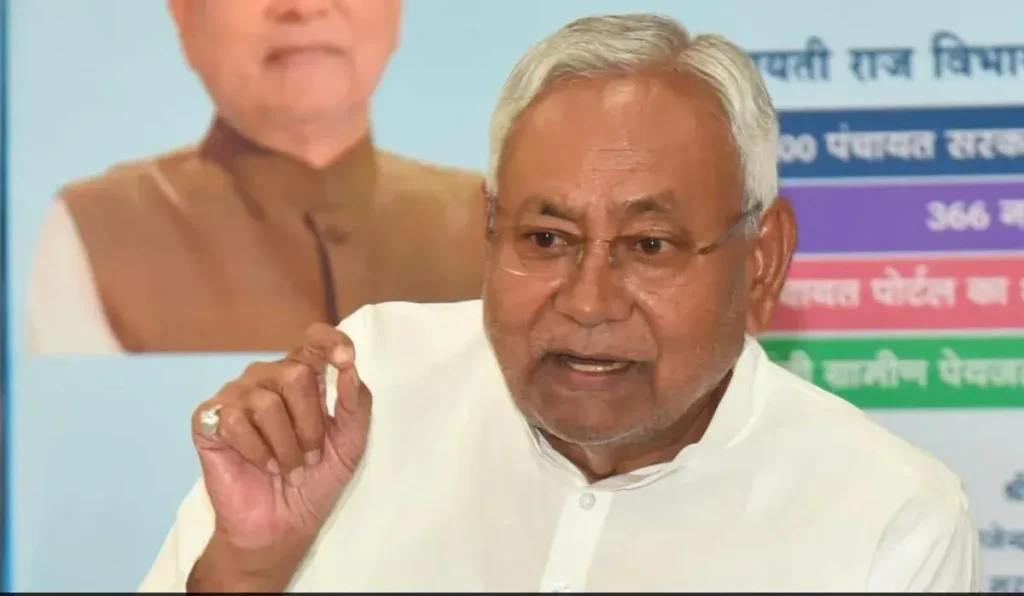
The Bihar cabinet, led by Chief Minister Nitish Kumar, has granted government employee status to approximately 3.5 lakh contractual teachers working in state-run schools. Termed as ‘exclusive teachers,’ these educators will need to successfully pass competency exams to maintain their newfound status as government employees. S Siddharth, the additional chief secretary (cabinet secretariat), highlighted the approval of this proposal by stating, “After being notified by the state government, these contractual teachers will be regarded as ‘exclusive teachers’ with the status of government employees.” The decision, encapsulated in the ‘Bihar School Exclusive Teachers Rules, 2023,’ addresses a long-standing demand from contractual teachers for official recognition. The competency exams will serve as a measure to ensure the quality and capability of these educators, with each teacher given three chances to pass the examination. The state government will determine the agency responsible for conducting the tests and decide on the consequences for those who do not meet the required standards. Notably, the salaries of these ‘exclusive teachers’ will remain unchanged until they successfully clear the competency exams. Subsequently, their pay structure will be revised in accordance with guidelines set by the Bihar Public Service Commission (BPSC). Moreover, the cabinet’s decision includes provisions for the promotion of contractual teachers every eight years under the new rule. In addition to this education-focused development, the cabinet also approved a new ‘tourism policy,’ aiming to enhance tourism facilities and provide financial assistance for the promotion of hotels, restaurants, resorts, and the development of tourist facilities along highways and camping sites.

Bihar Cabinet Elevates Status of Contractual Teachers: ‘Exclusive Teachers’ Granted Government Employee Recognition Read More »

Chhattisgarh BJP Government Launches Ambitious Five-Year Free Rice Initiative for Vulnerable Communities

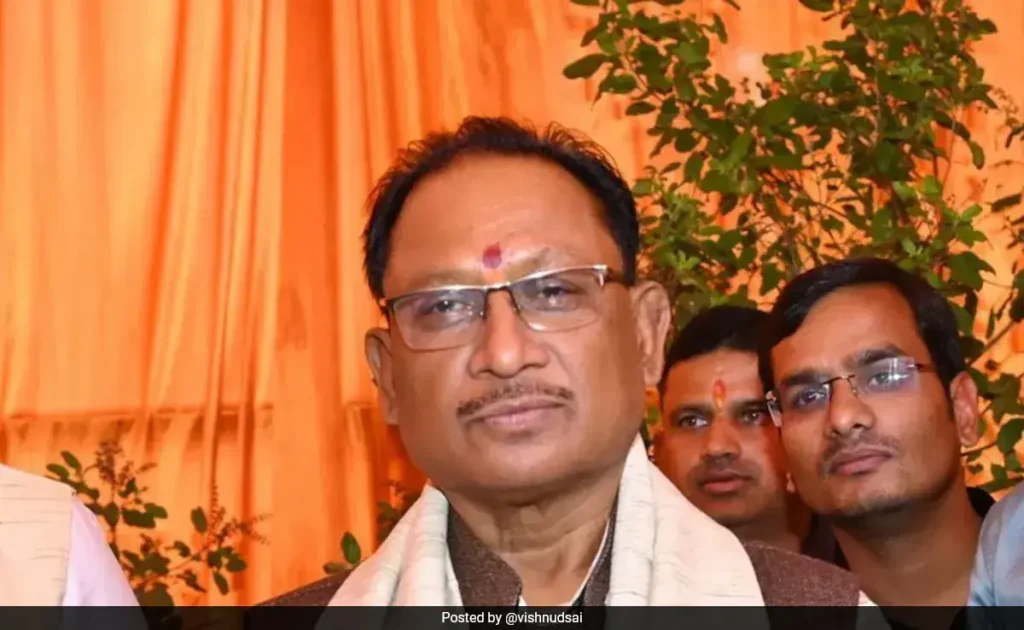
The Bharatiya Janata Party (BJP) government in Chhattisgarh has announced a groundbreaking initiative to provide free rice to impoverished families for the next five years, starting January 2024. The decision, mirroring Prime Minister Narendra Modi’s commitment to extending welfare schemes, particularly the Pradhan Mantri Garib Kalyan Anna Yojana, is expected to benefit more than 67 lakh beneficiaries. The Chhattisgarh State Food Security Act will serve as the legal framework for this initiative, ensuring that eligible ration card holders from various categories, including Antyodaya, priority, differently-abled, and single destitute individuals, receive free rice through fair price shops. This bold step, taken under the leadership of Chief Minister Vishnu Deo Sai, seeks to provide sustained relief to those grappling with economic hardships. The Food and Civil Supplies Department, acting on the Chief Minister’s directive, has issued instructions to all district collectors for the seamless implementation of the program. Ration card holders falling under the Antyodaya and priority categories, in line with the National Food Security Act guidelines, will be entitled to the monthly distribution of food grains at no cost. The coverage period spans from January 2024 to December 2028, ensuring a consistent support system for the state’s most vulnerable populations. This initiative underscores the government’s commitment to social welfare and poverty alleviation, addressing the basic nutritional needs of citizens facing economic challenges. As Chhattisgarh takes a pioneering step in providing sustained assistance to its underprivileged communities, the move is expected to garner support and appreciation from various quarters.

Chhattisgarh BJP Government Launches Ambitious Five-Year Free Rice Initiative for Vulnerable Communities Read More »

Government Sets January 26 Deadline for Ayushman Card Registration, Emphasizes Self-Verification through Ayushman App

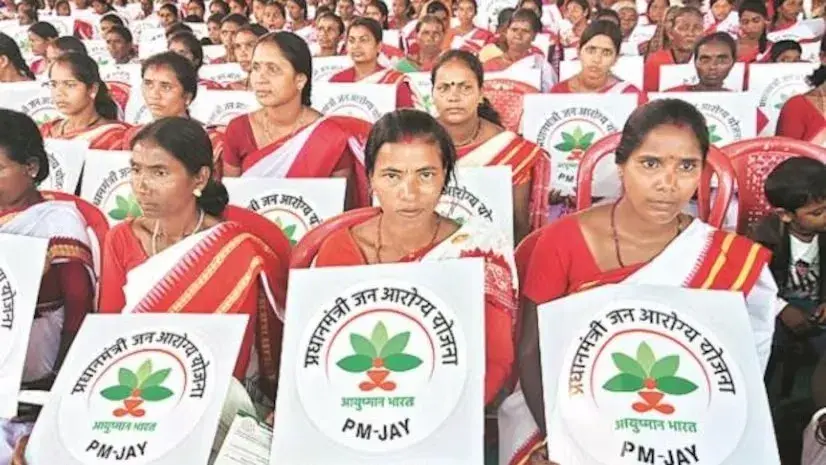
The health department issued directives on Wednesday, urging the completion of electronic Know Your Customer (e-KYC) for Ayushman cards by January 26, 2024. The initiative aims to ensure that 100% eligible beneficiaries receive Ayushman cards during the Viksit Bharat Sankalp Yatra. To streamline the process, the health department is actively promoting the use of the recently launched ‘Ayushman App,’ designed for the creation of Ayushman Cards. Notably, the app introduces a unique self-verification feature, enhancing the efficiency of the registration process. Shubhra Singh, Additional Chief Secretary (Health), emphasized the importance of e-KYC completion and outlined a strategic approach to monitoring progress. Daily targets will be allocated to districts, and Chief Medical Health Officers (CMHOs) will assume responsibility, particularly in districts with lower performance. Singh highlighted the upgraded features of the new version of the ‘Ayushman App’ developed by the National Health Authority. In addition to e-KYC, the application now includes a self-verification feature and allows the downloading of approved cards, enhancing accessibility and convenience for beneficiaries. Addressing the need for awareness, Singh urged officials to actively engage with the public at the district level, encouraging individuals to participate in the Ayushman scheme. Beneficiaries were informed that they could either download the Ayushman card themselves by completing e-KYC via their mobile phones or seek assistance from the Accredited Social Health Activist (ASHA) worker in their area. The directive aligns with the government’s commitment to maximizing the reach of Ayushman benefits, ensuring that eligible individuals are enrolled in the scheme. By leveraging technology and promoting self-verification, the government aims to expedite the process, providing seamless access to healthcare services for all Ayushman Bharat beneficiaries from the Socio-Economic and Caste Census (SECC) 2011.

Government Sets January 26 Deadline for Ayushman Card Registration, Emphasizes Self-Verification through Ayushman App Read More »

Sugar Stocks Soar as Government Lifts Ban on Sugarcane Juice for Ethanol Production

Sugar stocks experienced a significant surge in response to a government order reversing the ban on using sugarcane juice for ethanol production. Bajaj Hindusthan Sugar led the gains, recording a 7.7% increase, as major stocks rose in today’s trading session. The government’s decision to allow both sugarcane juice and B-heavy molasses for green fuel production in the 2023–24 supply year followed its earlier ban on using sugarcane juice or sugar syrup for ethanol production in the same period. This reversal prompted a positive market response, with notable gains in major sugar stocks. In accordance with the updated order, various stocks saw substantial increases, including Dhampur Sugar Mills (6.59%), Dalmia Bharat Sugar (6%), Uttam Sugar Mills (5.7%), Sakthi Sugars (5.2%), Balrampur Chini Mills (5.1%), Rajshree Sugars & Chemicals (5%), Praj Industries (4.46%), and Triveni Engineering (3.8%). The food ministry’s directive to all sugar mills and distilleries outlined that oil marketing companies (OMCs) would issue a “revised allocation” of “sugarcane juice and B heavy molasses-based ethanol” for the 2023–24 supply year to each distillery. OMCs were instructed to inform the food ministry after placing revised contracts. Following the revised allocation, sugar mills and distilleries are required to supply ethanol strictly according to the revised quantity of cane juice and B-heavy molasses. The government’s move to ensure sufficient sugar supply in the domestic market, in light of inadequate rainfall affecting India’s sugarcane crop, had earlier led to a ban on sugar exports. With an estimated decline in sugar production to 32.3–33 million tonnes in the 2023–24 season, compared to 37.3 million tonnes in the previous season, and domestic consumption projected to be around 28–29 million tonnes, the government aims to navigate the balance between market demand and ethanol production. India has made strides in ethanol blending, surpassing its 10% blending target for the Ethanol Supply Year 2021–22 by June 2022. The country is now ambitiously targeting a 20% blending rate by 2025–26, aligning with its commitment to enhance biofuel utilization in the national energy mix, a commitment reinforced during the recent G20 summit with the introduction of the Global Biofuels Alliance.

Sugar Stocks Soar as Government Lifts Ban on Sugarcane Juice for Ethanol Production Read More »