ArdorComm Media Group

Thursday, April 2, 2026 7:45 PM

Health & Wellness Community

India Emerges as Global Cancer Capital, Witnessing Alarming Surge in Cases, Reports Apollo Hospitals
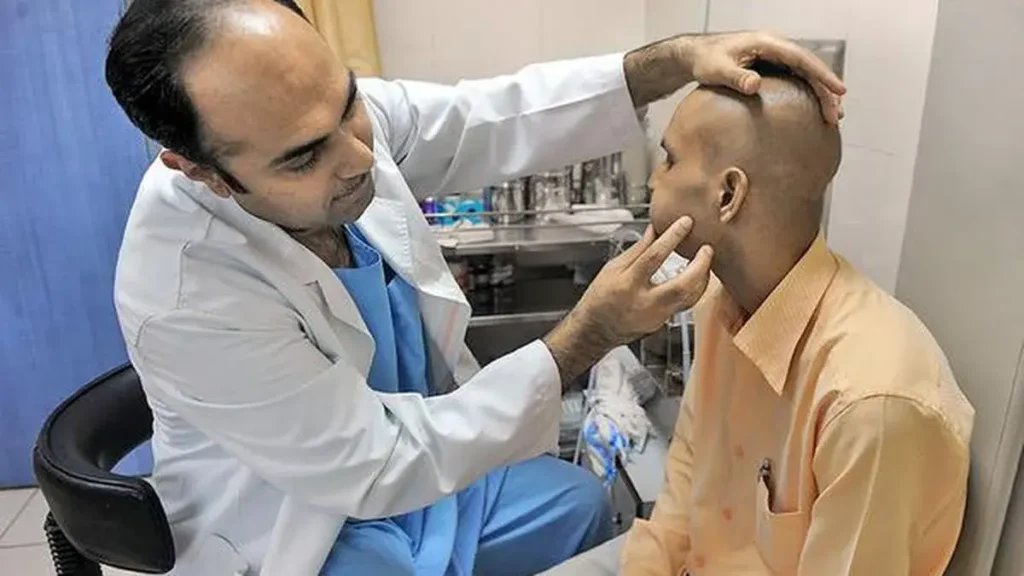
A recent study by Apollo Hospitals reveals concerning trends in non-communicable diseases (NCDs) across India, with cancer cases witnessing an unprecedented rise. The 4th edition of the Health of Nation Report, released on World Health Day 2024, designates India as the “cancer capital of the world.” The report highlights a surge in NCDs such as cancer, diabetes, hypertension, cardiovascular diseases, and mental health disorders, significantly impacting the nation’s health landscape. Disturbingly, one in three Indians is pre-diabetic, two in three are pre-hypertensive, and one in 10 suffers from depression. Key Insights: Cancer cases in India have surpassed global rates, with the country experiencing a surge in diagnoses, particularly among younger demographics. Despite the lower median age for cancer diagnosis, cancer screening rates in India remain alarmingly low. Breast cancer, cervix cancer, and ovarian cancer are prevalent among women, while lung cancer, mouth cancer, and prostate cancer are common among men. Report Findings: Obesity rates have doubled from 9 percent in 2016 to 20 percent in 2023, while hypertension cases have risen from 9 percent to 13 percent during the same period. A significant proportion of Indians are at risk for obstructive sleep apnea, highlighting the need for urgent health interventions. The report underscores the critical need for regular health screenings to monitor conditions like obesity and hypertension, thereby reducing the risk of cardiac-related ailments. Dr. Preetha Reddy, Vice Chairperson of Apollo Hospitals, advocates for collective efforts to combat NCDs through education and personalised preventive healthcare solutions. Dr. Madhu Sasidhar, President & CEO of Apollo Hospitals, emphasizes the importance of innovation in preventive healthcare and improved accessibility, leveraging technology for accurate diagnosis and patient-centric treatment methodologies. The findings of the report underscore the urgent need for unified action to address the growing epidemic of NCDs in India. Prioritising investments in health infrastructure, promoting preventive healthcare measures, and addressing health inequities are crucial steps towards sustainable development in the health sector.  

India Emerges as Global Cancer Capital, Witnessing Alarming Surge in Cases, Reports Apollo Hospitals Read More »

Health Ministry Issues Guidelines Ahead of Summer Heatwave: Key Precautions

As the summer season approaches, the Ministry of Health has taken proactive steps to ensure public safety amidst rising temperatures and potential heatwaves. Here are the key precautions outlined by the Ministry following a review meeting led by Union Health Minister, Dr. Mansukh Mandaviya: Review Meeting Highlights: The Union Health Minister chaired a review meeting with stakeholders to assess preparedness in tackling heat-related illnesses. Dr. Bharati Pawar, MoS (Health), Dr. V K Paul, Member (Health) at NITI Aayog, and Shri Apurva Chandra, Secretary (Health), were among the dignitaries present. Importance of Awareness: Dr. Mansukh Mandaviya emphasized the importance of continuous efforts to generate awareness among people for better management of heatwaves. Timely and wide-reaching awareness can significantly reduce the severe impact of heatwaves. Guidelines for Heatwave Management: Dos: Stay hydrated Block direct sunlight Remain covered Stay indoors during 12 pm – 4 pm Don’ts: Avoid going out between 12 pm to 4 pm Minimize outdoor activities in the sun Avoid cooking from 2 pm to 4 pm Never leave kids and pets unattended inside a vehicle Avoid alcohol, tea, coffee, sugary drinks, and fizzy drinks Refrain from walking barefoot Additional Precautions: Monitor the health of elderly or sick individuals living alone daily. Keep homes cool using curtains, shutters, or sunshades, and open windows at night. Prefer lower floors during the day and use fans and damp clothes to cool down the body. These guidelines supplement earlier precautions provided by the Health Ministry to combat the effects of rising temperatures. By adhering to these measures, individuals can mitigate the risks associated with heat-related illnesses and ensure their well-being during the summer months.  

Health Ministry Issues Guidelines Ahead of Summer Heatwave: Key Precautions Read More »

Health Insurers React as Medicare Advantage Rates Stagnate

Health insurance stocks took a tumble as US regulators opted not to increase payments for private Medicare plans as anticipated, signaling a shift from previous years’ trends. The decision, met with surprise on Wall Street, presents a new challenge for insurers grappling with rising medical costs. The Biden administration’s adherence to proposed Medicare Advantage rates for 2025 marks a departure from historical norms, with only one instance in the past decade where final rates remained unchanged from initial proposals. The industry, already contending with mounting expenses, faces additional hurdles amid the unexpected policy stance. Humana Inc., heavily reliant on Medicare, saw a 9.4% decline in extended trading, while UnitedHealth Group Inc. and CVS Health Corp. experienced respective drops of 4.6% and 5.2%. Other major insurers like Elevance Health Inc. and Centene Corp. also registered significant declines. Although US payments to Medicare Advantage plans will increase by 3.7% on average in 2025, consistent with January’s proposal, the lack of a substantial hike poses challenges for insurers. The announcement, framed as a payment boost by the Centers for Medicare and Medicaid Services, underscores the program’s growing costs, expected to surpass half a trillion dollars. The decision casts a shadow over the health insurance industry’s growth prospects, particularly for key players like Humana, UnitedHealth, and CVS. Analysts suggest that insurers might respond by adjusting benefits or premiums, given the constrained payment environment. America’s Health Insurance Plans, an industry association, voiced concerns over the policy’s impact, especially amid broader shifts in Medicare Advantage regulations. The decision comes against a backdrop of mounting healthcare expenses, particularly notable at UnitedHealth and Humana, prompting investor apprehension. With earnings targets potentially in jeopardy and cost pressures mounting, insurers are bracing for a challenging period ahead, navigating uncertainties in a pivotal segment of the healthcare market.  

Health Insurers React as Medicare Advantage Rates Stagnate Read More »

Decline of COVID-19 Variant JN.1 as Emerging Subvariant Takes Hold

The prevalence of the dominant COVID-19 variant, JN.1, is waning as an emerging subvariant gains ground, signaling a shift in the trajectory of the pandemic. JN.1, which surged in the U.S. late last year, has seen a significant decrease in its contribution to new COVID-19 infections. Estimates from the Centers for Disease Control and Prevention indicate that JN.1 accounted for 86% of new cases over the past two weeks, down from 90% at the beginning of March. This variant, closely related to BA.2.86, had previously driven infections during the fall and winter months. Now, JN.1 is ceding ground to a subvariant, JN.1.13, which has experienced a notable increase in recent weeks. From comprising nearly 2% of new cases last month, JN.1.13 has risen to nearly 11% over the past two weeks. Additionally, another descendant, JN.1.18, has witnessed a modest uptick, albeit to a lesser extent, representing less than 2% of new infections in the same timeframe. Despite the emergence of various subvariants, overall COVID-19 transmission is declining across most regions of the U.S. While respiratory illness levels remain elevated in many areas, key indicators for the virus are on a downward trend. Weekly hospitalizations due to COVID-19 have decreased by nearly 14% in the past week, marking the first time new admissions have fallen below 10,000 since July 2023. Furthermore, recent data released by the CDC indicates a rise in life expectancy in 2022, attributed in part to a decline in COVID-19 mortality. Although this increase marks a reversal from the pandemic’s earlier impacts, it represents only a partial recovery from the losses incurred during the pandemic’s peak.

Decline of COVID-19 Variant JN.1 as Emerging Subvariant Takes Hold Read More »

Karnataka Health Minister Accuses Centre of Disrupting Anti-TB Drug Supply

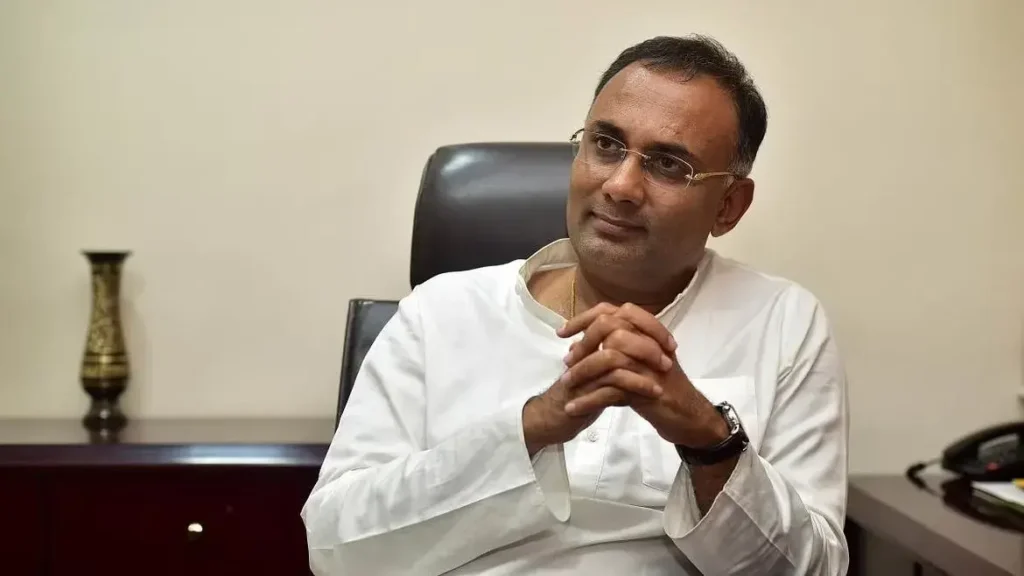
Karnataka’s Health Minister, Dinesh Gundu Rao, has voiced concerns over interruptions in the supply of anti-tuberculosis (TB) drugs by the Central government. Rao highlighted the critical shortage of medications, putting the lives of over 80,000 TB patients at risk annually in the state. Expressing dismay over the lack of adequate drug quantities, Rao emphasized the detrimental impact of delayed communications and directives from the Union Government, especially during the model code of conduct period. He urged immediate action to rectify the situation, stressing that neglecting people’s health amid electoral considerations is unjustifiable. Rao’s assertions come amidst accusations of “stepmotherly treatment” towards Karnataka by the Centre regarding funding for various development projects, particularly in drought-affected regions. State Deputy Chief Minister DK Shivakumar also criticized the Centre for not providing the mandated extra 50 days of work under the MGNREGA program for drought-hit taluks, despite repeated appeals from state officials. Shivakumar underscored the urgency of addressing these issues, pointing out the legal obligation to provide additional support during times of crisis. Despite appeals to Union Ministers, including the Prime Minister and Home Minister, Shivakumar lamented the lack of financial assistance for drought relief efforts in Karnataka.

Karnataka Health Minister Accuses Centre of Disrupting Anti-TB Drug Supply Read More »

Global Health Crisis Updates: Yemen, Somalia, OCHA Chief’s Resignation, Haiti Insecurity Continues

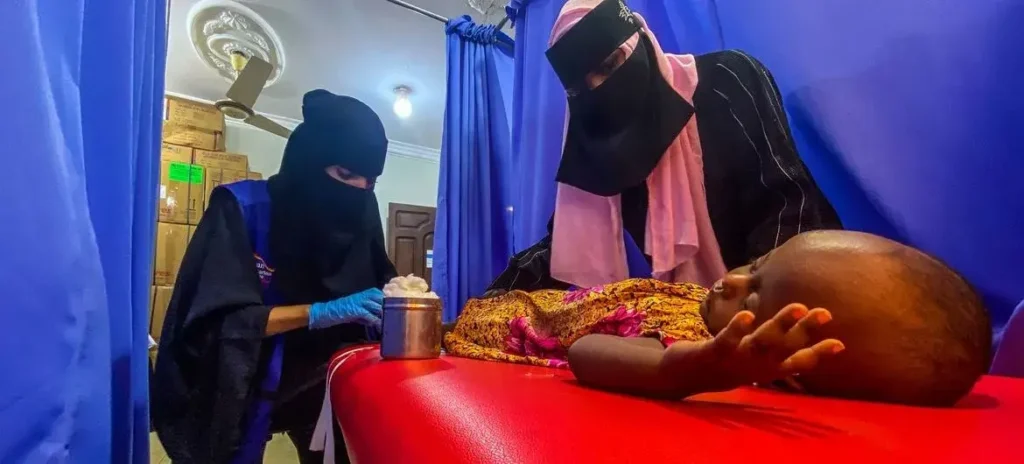
Amid mounting health crises worldwide, urgent responses are underway to address pressing challenges affecting vulnerable populations. Here are the latest developments: Yemen Healthcare Crisis: In Yemen, nearly 18 million people, including 2.4 million children, urgently require medical assistance, according to the UN health agency (WHO). The ongoing conflict has led to a decline in international support, leaving communities increasingly vulnerable to adverse conditions exacerbated by climate change. Natural disasters, such as heavy rains and flash-flooding, have triggered new displacements, affecting millions, with women and children bearing the brunt of the crisis. However, funding for WHO activities has seen a significant decline in recent years, posing a threat to essential health services. Despite challenges, WHO continues to operate therapeutic feeding centers and provide vital assistance to those in need. Cholera Outbreak in Somalia: In Somalia, a deadly cholera outbreak has claimed nine lives in the past week and over 50 in recent months, according to UN aid teams. The disease is rapidly spreading, particularly in high-risk districts along river basins. With the onset of the Gu rains expected to exacerbate the situation, urgent measures are required to mitigate its impact. Cholera outbreaks are exacerbated by malnutrition, poor sanitation, and limited access to clean water, disproportionately affecting children under five. Efforts to combat the outbreak include the approval of cholera vaccine doses and prepositioning of essential supplies across the country. OCHA Chief’s Resignation: Martin Griffiths, the Under-Secretary-General for Humanitarian Affairs, has announced his resignation due to health reasons. Griffiths, who led the Office for the Coordination of Humanitarian Affairs (OCHA), played a pivotal role in advocating for life-saving aid and mobilizing resources to address humanitarian crises worldwide. His resignation comes at a critical juncture, highlighting the ongoing challenges faced by humanitarian organizations in providing assistance to vulnerable populations globally. Haiti Insecurity Continues: In Haiti, violence and insecurity persist, disrupting aid operations and hindering access to healthcare facilities. Less than half of health facilities in the capital, Port-au-Prince, are functioning at their normal capacity, exacerbating the humanitarian crisis. Rampant gang activity and human rights abuses have further destabilized the situation, forcing facilities like the Bernard Mevs hospital to suspend operations due to security concerns. Despite these challenges, humanitarian agencies continue to provide essential services and assistance to displaced populations. These developments underscore the urgent need for sustained international support and coordinated efforts to address the complex health and humanitarian challenges facing these regions.

Global Health Crisis Updates: Yemen, Somalia, OCHA Chief’s Resignation, Haiti Insecurity Continues Read More »

NVIDIA Healthcare Launches Generative AI Microservices to Advance Drug Discovery, MedTech, and Digital Health

NVIDIA has unveiled over two dozen new microservices aimed at empowering healthcare enterprises worldwide to leverage the latest advancements in generative AI across drug discovery, medical technology (MedTech), and digital health. These microservices, available on every NVIDIA DGX Cloud, enable healthcare organizations to harness the power of generative AI from any location and on any cloud platform. The suite of NVIDIA healthcare microservices comprises optimized NVIDIA NIM™ AI models and workflows equipped with industry-standard APIs. These microservices serve as foundational elements for developing and deploying cloud-native applications, offering capabilities in advanced imaging, natural language processing, speech recognition, and digital biology generation, prediction, and simulation. Moreover, NVIDIA has made available accelerated software development kits and tools, including Parabricks®, MONAI, NeMo™, Riva, and Metropolis, as NVIDIA CUDA-X™ microservices. These tools accelerate healthcare workflows, spanning drug discovery, medical imaging, and genomics analysis. The deployment of these microservices marks a significant milestone in transforming healthcare, enabling pharmaceutical companies, physicians, and hospitals to capitalize on generative AI for various applications. This includes screening vast libraries of drug compounds, enhancing patient data collection for early disease detection, and implementing intelligent digital assistants. NVIDIA’s Vice President of Healthcare, Kimberly Powell, highlighted the transformative potential of generative AI in revolutionizing drug discovery, stating, “For the first time in history, we can represent the world of biology and chemistry in a computer, making computer-aided drug discovery possible.” The suite of healthcare microservices includes NVIDIA NIM, which provides optimized inference for various models across imaging, MedTech, drug discovery, and digital health domains. These models enable generative biology, chemistry, and molecular prediction. Additionally, a collection of models for drug discovery, such as MolMIM for generative chemistry and ESMFold for protein structure prediction, are included. Various industry leaders and application providers are already leveraging these microservices to advance healthcare. Companies like Amgen and Abridge are utilizing generative AI to enhance drug discovery processes and clinical interactions, respectively, demonstrating the broad impact and potential of these technologies in transforming patient care and medical research. Developers interested in experimenting with NVIDIA AI microservices can access them at ai.nvidia.com, while production-grade NIM microservices are available through NVIDIA AI Enterprise 5.0. These services can be deployed on NVIDIA-Certified Systems™ and leading public cloud platforms, including Amazon Web Services (AWS), Google Cloud, Microsoft Azure, and Oracle Cloud Infrastructure, as well as on NVIDIA DGX™ Cloud.

NVIDIA Healthcare Launches Generative AI Microservices to Advance Drug Discovery, MedTech, and Digital Health Read More »

Sadhguru Undergoes Emergency Surgery for Life-Threatening Brain Bleed

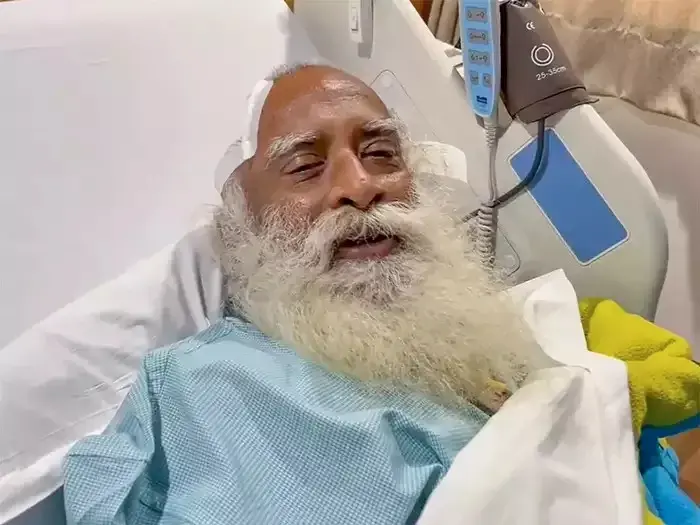
Renowned spiritual leader Sadhguru recently faced a life-threatening medical emergency, undergoing emergency surgery for a massive brain bleed. Despite the severity of the condition, his recovery has surpassed expectations, with doctors noting his active participation in the healing process. Sadhguru had been experiencing severe headaches for the past four weeks but continued with his rigorous schedule, including conducting the MahaShivaratri event on March 8, 2024. However, the headache intensified significantly by March 14, prompting him to seek medical attention upon arriving in Delhi. Upon the advice of Dr. Vinit Suri, a Senior Consultant Neurologist at Indraprastha Apollo Hospitals, Sadhguru underwent an urgent MRI, which revealed a massive brain bleed, including evidence of a chronic bleed spanning several weeks and a fresh bleed occurring within 24-48 hours of examination. Despite the severity of his condition, Sadhguru persisted with his commitments, attending the India Today Conclave on March 16, albeit under the influence of powerful painkillers and sedation. However, on March 17, his neurological status rapidly deteriorated, accompanied by weakness in the left leg and worsening headache with recurrent vomiting, leading to his admission to the hospital. Managed by a team of doctors, including Dr. Vinit Suri, Dr. Pranav Kumar, Dr. Sudheer Tyagi, and Dr. S. Chatterjee, Sadhguru underwent emergency brain surgery to relieve the bleeding and swelling in the skull. Post-surgery, he showed steady progress, with his brain, body, and vital parameters returning to normal levels. Dr. Suri noted that Sadhguru’s recovery has exceeded expectations, attributing it partly to the spiritual leader’s active role in healing himself. Despite the severity of his symptoms, Sadhguru’s determination and resilience have been evident throughout his ordeal, reflecting his commitment to his mission.

Sadhguru Undergoes Emergency Surgery for Life-Threatening Brain Bleed Read More »

UK’s NHS Recruits 2,000 Doctors from India to Address Medical Workforce Shortage

The UK’s National Health Service (NHS) has embarked on an initiative to recruit 2,000 doctors from India. Under this fast-track program, doctors will undergo postgraduate training in India before being deployed to hospitals in the UK. The initiative aims to tackle the NHS’s longstanding struggle with medical workforce shortages, exacerbated by factors such as low wages, expensive training, and burnout due to heavy workloads. Brexit has further complicated the issue, leading to increased reliance on overseas-trained doctors. Notably, the recruited doctors will be exempted from the Professional and Linguistic Assessments Board (PLAB) examination, typically mandatory for practicing in the UK, upon completion of their training program. However, concerns have been raised regarding the potential impact on India’s healthcare system, with fears of brain drain and the loss of skilled professionals. While some experts view this initiative as a valuable opportunity for Indian doctors to gain international experience, others emphasize the importance of offering ample opportunities and fair compensation to locally trained doctors in India. Additionally, the lack of widespread awareness about the initiative among the medical community in India highlights the need for better promotion and communication efforts. Ultimately, the initiative represents a significant stride towards global healthcare collaboration, with the potential to enhance healthcare standards and foster a mutually beneficial exchange of knowledge and expertise between India and the UK. Key Points: The NHS plans to recruit 2,000 doctors from India to address medical workforce shortages. Recruited doctors will undergo six- to twelve-month postgraduate training in India before deployment to UK hospitals. Exemption from the PLAB examination will be granted upon completion of the training program. Concerns have been raised about potential brain drain and the impact on India’s healthcare system. Improved awareness and promotion efforts are needed to ensure the success of the initiative. The initiative signifies a step towards global healthcare collaboration and knowledge exchange. Currently, 25-30% of the NHS’ medical workforce consists of doctors trained overseas.

UK’s NHS Recruits 2,000 Doctors from India to Address Medical Workforce Shortage Read More »

Healthcare Innovation Set to Double, Reaching $60 Billion Opportunity in India by FY28

A recent report by Bain & Company and HealthQuad reveals a promising outlook for healthcare innovation in India, projecting its value to double to $60 billion by FY28. This growth surge is part of India’s broader healthcare market, expected to reach $320 billion by the same time, driven by a compound annual growth rate (CAGR) of 12%. Healthcare innovation currently constitutes 15% ($30 billion) of India’s healthcare market, with approximately 55% of it export-oriented. Aarthi Rao from Bain & Company anticipates substantial expansion, emphasizing not only value engineering but also business innovation, particularly in biotech, vaccines, and med-tech sectors. The report identifies four key segments driving healthcare innovation: pharma services, health-tech, vaccines, and biotech, and med-tech. Health-tech, which includes consumer-facing solutions like telemedicine and enterprise-facing solutions like B2B e-commerce, witnessed a significant boost, doubling from $3 billion in FY20 to $7 billion in FY23. India’s success in the vaccines and biotech market has been remarkable, with revenues reaching $4 billion in FY23, driven by exports. The country has become a vaccine powerhouse, supplying around 60% of global vaccine demand. Additionally, biotech startups are leveraging new technologies to develop innovative products. Pharma services remain a dominant force, constituting around 50% of the healthcare innovation market. India’s pharma services market, valued at $16 billion in FY23, has seen significant growth driven by exports and the country’s emergence as a leading CDMO player globally. Charles-Antoine Jannsen from HealthQuad notes India’s evolution in the biologics space, emphasizing its newfound strengths in research, manufacturing, and export. The accelerated adoption of telemedicine and e-pharmacies during the pandemic has further propelled health-tech growth. Overall, India’s healthcare innovation landscape presents a compelling growth story, driven by technological advancements, favorable government initiatives, and an expanding global footprint.  

Healthcare Innovation Set to Double, Reaching $60 Billion Opportunity in India by FY28 Read More »