


ArdorComm Media Group

Tuesday, November 17, 2026 4:40 PM

adolescent health

WHO Advises Against Obesity Drugs and Surgery for Children Under 10
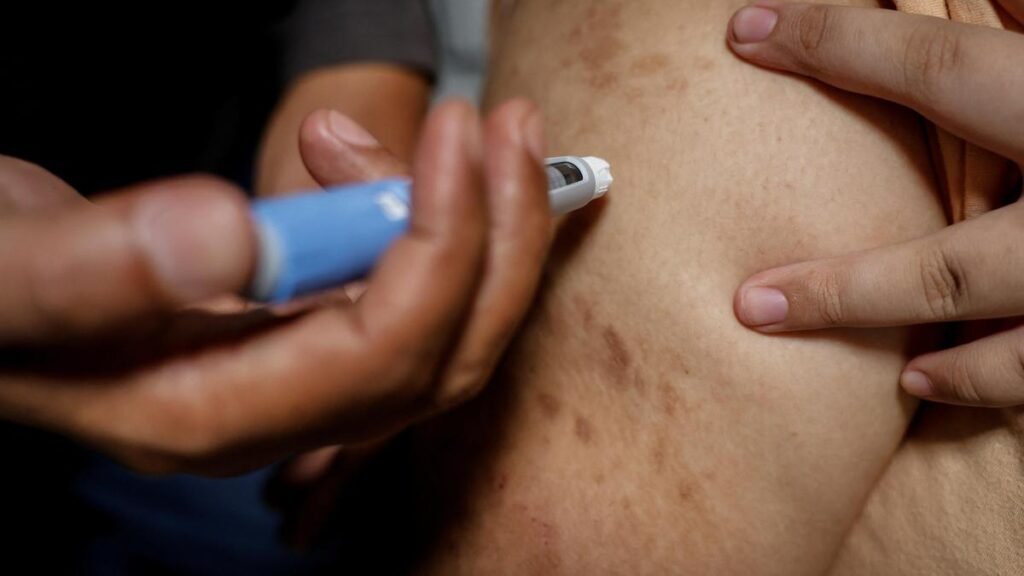
The World Health Organization (WHO) has issued its first guidelines focused specifically on tackling obesity among children and adolescents, recommending lifestyle-based interventions rather than medicines or surgery for children under the age of 10. The global health agency said children aged 0 to 9 should not be treated with weight-loss medicines, bariatric surgery or weight-loss devices. Instead, it strongly recommends comprehensive programmes centred on healthy diets, regular physical activity and sustainable behavioural changes. For adolescents aged 10 to 19, approved obesity medicines may be considered in selected cases when supervised lifestyle programmes have failed to produce the desired results. Bariatric surgery may also be considered for adolescents with severe obesity, but only under strict conditions and appropriate medical supervision. The recommendations differ from WHO’s guidance for adults, which has recognised the potential role of newer weight-management medicines, including GLP-1 receptor agonists, in treating obesity. The scale of childhood obesity has become a growing global concern. WHO estimates that around 70 million children aged five to nine and approximately 100 million adolescents aged 10 to 19 were living with obesity in 2024. Among people aged five to 19, the global prevalence of obesity increased from about 2 per cent in 1990 to 8 per cent in 2024. WHO officials said the increase is being seen across regions, including low- and middle-income countries. The agency emphasised that the foundation of obesity care for young people should be access to nutritious food, physical activity and sustained support for healthier behaviours. The guidelines also highlight the importance of mental health. Anxiety, depression and low self-esteem can influence eating habits, physical activity and social behaviour. At the same time, children and adolescents living with obesity may face stigma, discrimination and bullying. WHO experts noted that bariatric surgery could be considered for some adolescents with severe obesity and related complications, such as type 2 diabetes or hypertension, particularly when lifestyle interventions have not been effective. Such cases require careful assessment and specialised medical supervision. Source: AFP Photo Credit: Reuters

WHO Advises Against Obesity Drugs and Surgery for Children Under 10 Read More »
CBSE, UNESCO Scale Up Health and Wellness Education to Impact 30,000 Schools Nationwide

Ardorcomm news

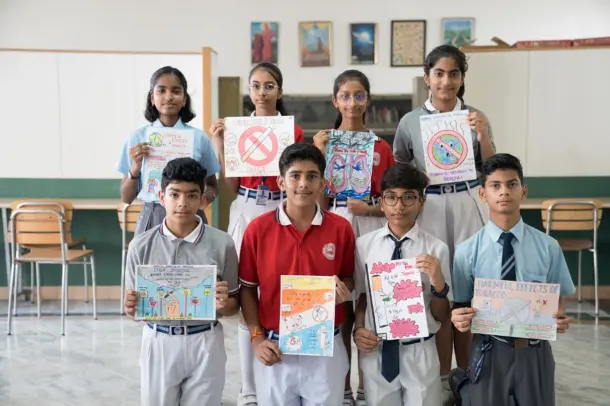
In a significant step toward integrating holistic health education into India’s school system, CBSE, UNESCO, and NCERT are expanding their collaborative School Health and Wellness Programme (SHWP) to 30,000 CBSE-affiliated schools across the country. The initiative, which began under the Ayushman Bharat mission in 2020, aims to positively influence the lives of nearly 15 million students by promoting mental, emotional, and physical well-being. Building a Network of Master Trainers Throughout June and July 2025, over 290 school leaders—comprising principals, teachers, and administrators—from 22 states and five union territories participated in a comprehensive training workshop held in Delhi. These individuals will serve as master trainers, cascading their knowledge and tools to educators across India to deliver health and wellness content effectively. The training sessions emphasized early intervention and the importance of understanding students’ socio-emotional environments. Prof. Dinesh Prasad Saklani, Director of NCERT, stressed that many student challenges originate outside the classroom. With proper training, teachers can better identify these issues and respond with empathy and support. A Curriculum Rooted in NEP 2020 Values Speaking at the workshop, Anandrao V Patil, Additional Secretary in the Ministry of Education, underscored how wellness and inclusive education go hand in hand, echoing the core principles of the National Education Policy 2020. He described educators as catalysts of social change, pivotal in shaping compassionate and resilient individuals. UNESCO’s South Asia Director, Tim Curtis, reinforced the belief that health and education are deeply interconnected. “Every trained teacher and every wellness conversation is a step closer to learner-centered systems,” he said. Multilingual Learning Tools for Lifelong Impact To support the initiative, NCERT and UNESCO have co-developed a 24-hour wellness curriculum, featuring training modules, handbooks, animated videos, and comics. These resources focus on 11 essential wellness themes—including mental health, gender sensitivity, online safety, and reproductive health—and are available in English, Hindi, and nine regional languages to ensure wider accessibility. Since 2022, NCERT has conducted eleven intensive five-day workshops, resulting in 970 trained master trainers. These professionals are now instrumental in guiding teacher development across CBSE’s regional Centres of Excellence. To date, over 40,000 teachers have been trained through more than 750 workshops nationwide. Rather than treating health education as a supplementary activity, SHWP is helping schools embed wellness into the very fabric of everyday learning—redefining education as a means to nurture both the mind and the heart. Source: India Today

CBSE, UNESCO Scale Up Health and Wellness Education to Impact 30,000 Schools Nationwide Read More »