ArdorComm Media Group

Friday, October 9, 2026 4:57 PM

CBSE

CBSE to Refund Students After Technical Glitches Disrupt Class 12 Post-Result Applications
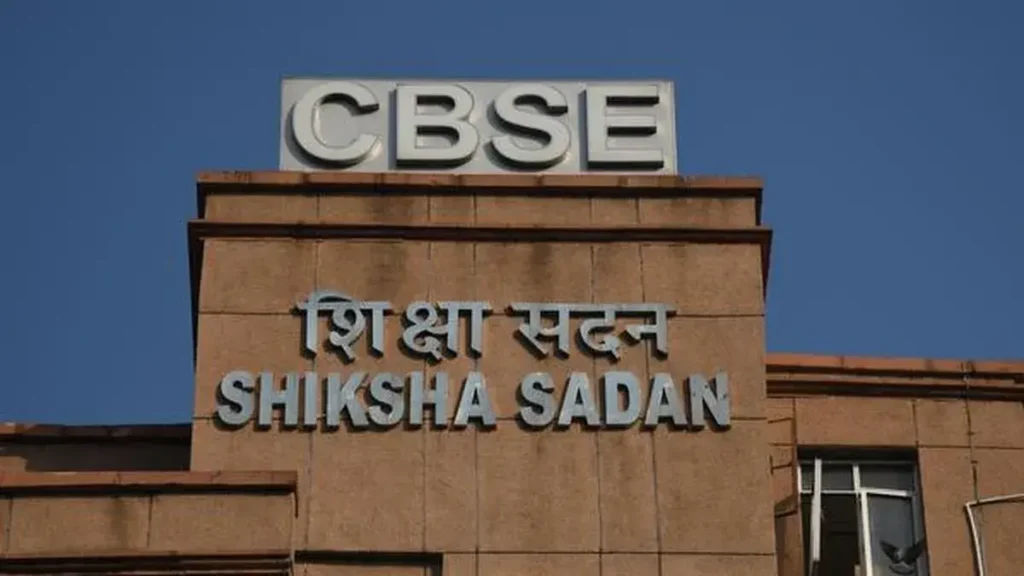
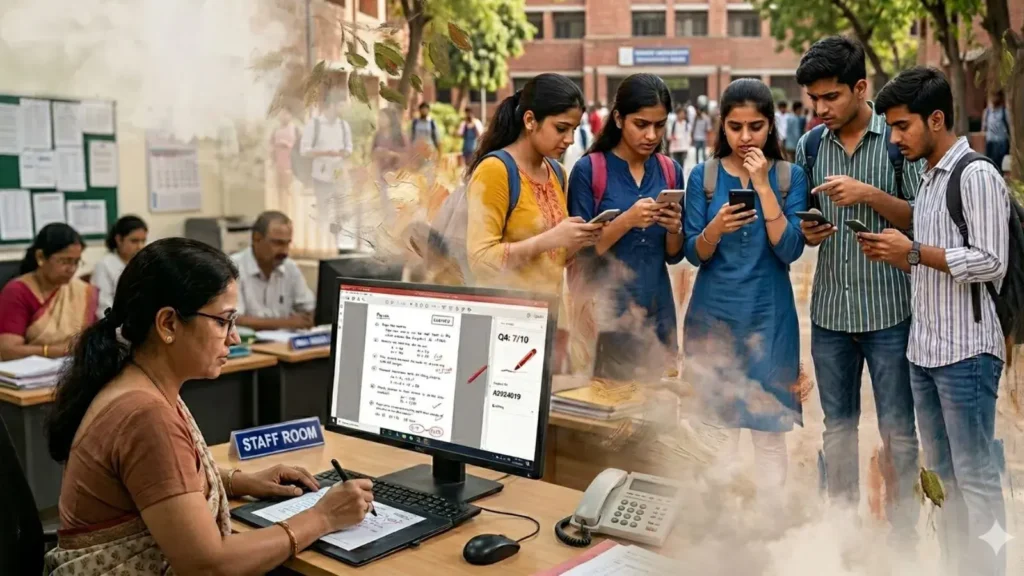
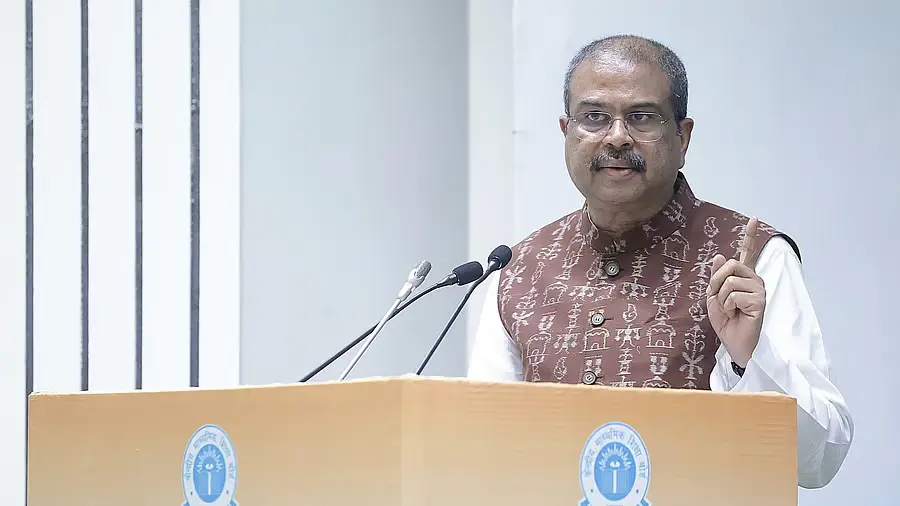
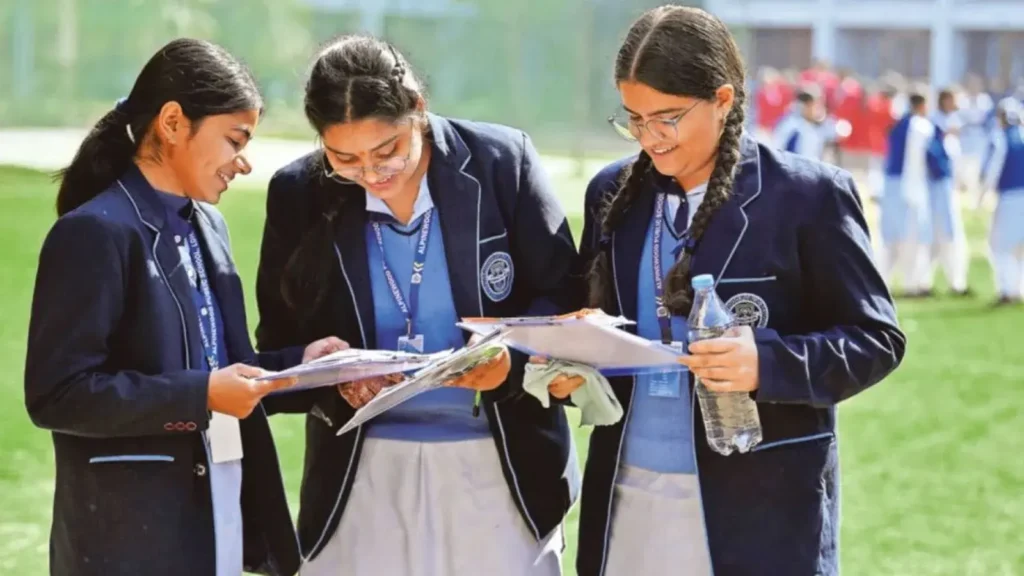
The Central Board of Secondary Education (CBSE) has announced that students who were charged incorrectly during the Class 12 post-result application process will receive refunds following technical issues on the portal. The move comes after Union Education Minister Dharmendra Pradhan sought a detailed report from the board over complaints related to server failures, payment gateway disruptions, and operational lapses faced by students during the re-evaluation and verification process. According to CBSE, technical glitches on May 21 and 22 led to irregular fee deductions while students were applying for scanned copies of their evaluated answer sheets. In some cases, students were charged more than the prescribed fee, while others were billed lower amounts. The board clarified that students who paid excess charges will automatically receive refunds through the same payment mode used during the transaction. Candidates who were charged less than the required amount will be contacted separately regarding the balance payment, if necessary. CBSE also assured students that scanned copies of answer books will still be provided in all affected cases without requiring fresh applications. Earlier, the board had acknowledged that exceptionally high traffic on the portal caused temporary technical disruptions during peak hours. It stated that corrective measures, including extending deadlines and implementing technical fixes, are being carried out to ease the process for students and parents. CBSE further urged students not to panic, emphasizing that the verification and re-evaluation system is designed to address genuine concerns in a transparent and structured manner. Source: PTI  
CBSE to Refund Students After Technical Glitches Disrupt Class 12 Post-Result Applications Read More »

CBSE Mandates Three-Language Formula for Class 9 Students from 2026

In a significant policy shift aligned with the National Education Policy (NEP) 2020, the Central Board of Secondary Education (CBSE) has announced that the three-language formula will become compulsory for Class 9 students starting July 1, 2026. Under the revised framework, students must study three languages, with at least two being native Indian languages. The move comes just a month after CBSE introduced its updated school curriculum for the 2026-27 academic session, where the third language requirement had initially been made mandatory only for students entering Class 6. However, the Board has now accelerated the implementation process by extending the rule to the secondary level immediately. According to the latest CBSE circular, students opting for a foreign language can choose it only if their other two languages are Indian languages. Alternatively, foreign languages may be studied as a fourth optional language. In schools where English is the medium of instruction, English will count as the non-Indian language, effectively limiting the possibility of another foreign language within the mandatory three-language structure. CBSE stated that the decision was taken to align its curriculum with the newly released NCERT syllabus for Class 9. As part of a transitional arrangement, students entering Class 9 in 2026 will study third-language textbooks designed for the Class 6 level, while Class 10 students in 2027 will use Class 7-level material for the same subject. To reduce academic pressure, the Board clarified that the third language (R3) will not be included in the Class 10 board examinations. Instead, assessments will remain entirely internal and school-based, though students’ performance in the subject will still appear on their CBSE certificates. The Board also assured parents and schools that no student will be prevented from appearing for the Class 10 board exams due to the third language requirement. Addressing concerns over teacher availability, CBSE has permitted schools to utilize teachers from other subjects who possess adequate language proficiency. Schools may also adopt inter-school collaborations, virtual teaching methods, or hire retired educators to support implementation. Institutions have been instructed to update their language offerings on the OASIS portal by June 30. Additionally, special relaxations have been provided for children with special needs, foreign nationals, and CBSE-affiliated schools located abroad, allowing greater flexibility in adopting the policy. The National Curriculum Framework for School Education (NCFSE) 2023, developed in line with NEP 2020, recommends that students study a third language from Classes 6 to 10 to encourage multilingual learning and strengthen Indian languages. Source: Indian Express

CBSE Mandates Three-Language Formula for Class 9 Students from 2026 Read More »

CBSE Introduces Digital Answer Sheet Evaluation Ahead of Class 12 Results 2026

As lakhs of students wait for the Central Board of Secondary Education Class 12 Results 2026, the board’s newly launched On-Screen Marking (OSM) system has emerged as a major talking point. Introduced in February this year, the digital evaluation process replaces the traditional physical answer sheet checking model with a technology-driven system aimed at faster, cleaner and more accurate assessments. During initial discussions with educators from nearly 31,000 schools, CBSE officials described the new process as a “no touch, no dust” method, highlighting the move away from manual handling of paper scripts. Under the OSM model, scanned answer sheets are assigned digitally to evaluators, who assess them through the board’s dedicated portal. Many educators admitted there was hesitation in the beginning, as teachers adapted to screen-based marking. However, after orientation sessions and training, most evaluators gradually adjusted to the new workflow. The biggest expectation from the digital shift is quicker result processing. According to CBSE officials, the new system compresses evaluation timelines significantly. Earlier, the checking process often stretched close to two months, but this year regional centres were expected to complete evaluations in nearly nine days, compared to the earlier twelve-day cycle. The portal also brings several accuracy-focused features. It does not allow submission unless every question has been checked or marked not applicable. It automatically removes totalling errors, keeps track of marking history, and can even flag answers written in unusual sequences. Still, the first year of implementation has not been without challenges. Some teachers reported blurred scanned copies, slow-loading answer sheets, and occasional server issues. Others said revised marking instructions during the process required already checked scripts to be reopened, slowing progress in some cases. Educators also noted that daily workloads remained similar, with teachers checking up to 25 answer sheets between 8 am and 4 pm. However, unlike the old system, answer sheets cannot be redistributed among evaluators, making the allocation process more rigid. Infrastructure gaps remain another concern. While some schools had strong internet connectivity and adequate computer labs, others may struggle with digital readiness. Teachers also pointed out increased screen exposure, leading to eye strain during long correction hours. Despite these hurdles, many school leaders believe the OSM rollout is a positive step. They feel the system will become more efficient in the coming years as teachers gain familiarity with digital correction methods. Although the board has not yet confirmed the Class 12 result date, many believe the removal of physical transport delays and automated processing could help speed up declaration timelines, even if this year’s announcement window remains close to previous years. Source: Indian Express

CBSE Introduces Digital Answer Sheet Evaluation Ahead of Class 12 Results 2026 Read More »

CBSE Class 10 Second Board Exams 2026 to Begin May 15; Mathematics Papers First

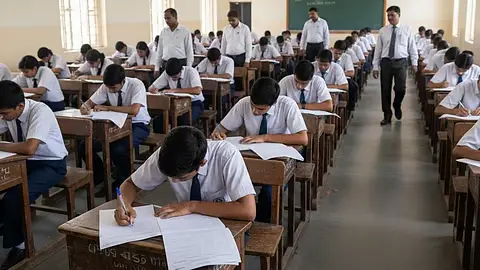
The Central Board of Secondary Education (CBSE) has officially announced the date sheet for the Class 10 second board examinations for 2026. As per the schedule, the exams will begin on May 15, with Mathematics (Standard) and Mathematics (Basic) as the opening papers. The exams will generally be conducted from 10:30 AM to 1:30 PM, although select subjects may conclude earlier at 12:30 PM. Introduced last year, the two-board exam system is being fully implemented from the 2026 academic session. This approach offers students an opportunity to improve their scores in up to three subjects, providing greater flexibility and reducing academic pressure. Eligibility Criteria for CBSE Class 10 Second Exams Students eligible to appear include: Those who appeared in at least three subjects in the first board exam Students who have passed Class 10 and want to improve their scores Candidates placed in the Compartment category Students who passed after replacing a subject with a sixth subject Students under UFM category 1 (if otherwise eligible) Candidates from the 2025 Compartment category Students opting for improvement in up to three core subjects Those appearing for first/third chance compartment or combined compartment + improvement exams Sports students permitted by CBSE Not Eligible to Appear Students who failed or did not appear in three or more subjects Students placed under the ER (Essential Repeat) category, who can only reappear next year This revised examination structure reflects CBSE’s shift toward a more student-friendly evaluation system, enabling multiple opportunities for academic improvement. Source: NDTV  

CBSE Class 10 Second Board Exams 2026 to Begin May 15; Mathematics Papers First Read More »

India Introduces AI & Computational Thinking for Classes 3–8, Expanding Early Tech Education in Schools

In a major step toward embedding future skills in school education, the Ministry of Education has unveiled a new Artificial Intelligence (AI) and Computational Thinking (CT) curriculum for students from Classes 3 to 8 under the Central Board of Secondary Education. Announced on April 1, the initiative marks the first structured integration of AI concepts at the foundational and middle school levels. Union Education Minister Dharmendra Pradhan described the move as a “transformative step” aimed at preparing students for a technology-driven future. According to the Minister, the curriculum is supported by well-designed modules, detailed teacher handbooks, and a strong assessment framework. These components are intended to provide students with early exposure to emerging technologies while ensuring a systematic learning approach. This development aligns with the vision of the National Education Policy 2020, which emphasizes digital literacy, coding, and the development of 21st-century competencies from an early stage. While AI was previously offered as an elective subject for Classes 9 to 12, this initiative expands its reach to younger learners. The curriculum has been developed by an expert panel led by a professor from Indian Institute of Technology Madras, with participation from key institutions such as CBSE, NCERT, Navodaya Vidyalaya Samiti, and Kendriya Vidyalaya Sangathan. The rollout will begin in the academic session 2026–27 in a phased manner. Schools affiliated with CBSE will receive necessary guidelines, resources, and teacher training support to ensure consistent implementation across both urban and rural regions. The curriculum is designed to be age-appropriate, introducing younger students to core computational thinking skills like pattern recognition, logical reasoning, and problem-solving. As students progress, they will gradually explore foundational AI concepts. Rather than being taught as a separate subject in early grades, AI and CT will be integrated into existing subjects and classroom activities. The approach prioritizes experiential learning through projects, digital tools, and hands-on exercises. To address challenges in implementation, teachers will undergo dedicated training programs supported by structured handbooks. Additionally, assessments will focus on conceptual clarity and practical application instead of rote memorization. Overall, the initiative aims to build a strong technological foundation among students, equipping them with critical thinking and problem-solving skills necessary for the evolving digital landscape. Source: Deccan Herald

India Introduces AI & Computational Thinking for Classes 3–8, Expanding Early Tech Education in Schools Read More »

CBSE Cancels Class 12 Board Exams in Middle East Amid Security Concerns

The Central Board of Secondary Education (CBSE) has cancelled the Class 12 board examinations scheduled between March and April 2026 for students appearing from several Middle Eastern countries. The decision was announced through an official circular issued on March 15 after reviewing the feasibility of conducting the exams in the region. The cancellation applies to CBSE-affiliated schools in Bahrain, Iran, Kuwait, Oman, Qatar, Saudi Arabia, and the United Arab Emirates. According to the board, all Class 12 examinations scheduled from March 16 to April 10, 2026, in these countries will no longer be conducted. CBSE also clarified that examinations which had earlier been postponed through circulars issued on March 1, March 3, March 5, March 7, and March 9 have now been officially cancelled. The board stated that the process for evaluating students and declaring the results will be announced separately at a later date. The circular was issued by Dr. Sanyam Bhardwaj, Controller of Examinations at CBSE, and addressed to principals of all CBSE-affiliated schools in the Middle East. Copies of the notice were also sent to Indian ambassadors in the seven affected countries, the Consul General of India in Dubai, and the Director of the CBSE Regional Office and Centre of Excellence in Dubai. Earlier in March, CBSE had initially postponed the Class 10 and Class 12 examinations scheduled for March 2 and March 3 in the Middle East region through a circular dated March 1. A subsequent notice issued on March 3 further postponed the March 5 and March 6 exams, stating that the board would review the situation and take further decisions regarding examinations scheduled from March 7 onwards. Meanwhile, the Council for the Indian School Certificate Examinations (CISCE) has also cancelled the Indian Certificate of Secondary Education (ICSE) and Indian School Certificate (ISC) examinations scheduled at all centres in the UAE. Confirming the development, CISCE Chief Executive and Secretary Dr. Joseph Emmanuel said that the results of affected students will be determined through an alternative assessment method, with detailed evaluation guidelines to be announced later. He added that the results for these students will be declared alongside those of students appearing for the exams in India. The cancellations come amid the ongoing security situation in the Middle East. The UAE government has also announced an early start to the spring break for schools and universities, placing students and staff on vacation from March 9 to March 22. Source: Indian Express  

CBSE Cancels Class 12 Board Exams in Middle East Amid Security Concerns Read More »

CBSE Makes First Board Exam Mandatory for Class 10 Under New Two-Exam System

The Central Board of Secondary Education (CBSE) has announced that appearing in the first board examination will be compulsory for all Class 10 students under the new two-exam format set to be implemented from 2026. The clarification comes after the board received requests from some students seeking permission to skip the first phase due to various reasons and instead appear only in the second examination. However, CBSE has firmly stated that all students must take the first board exam. CBSE Examination Controller Sanyam Bhardwaj said that students who do not appear in at least three subjects during the first examination will not be permitted to sit for the second phase. Such candidates will be placed in the “Essential Repeat” category and will be required to reappear for the board examinations in the following year’s main session, usually held in February. Students who clear the first examination will be allowed to improve their performance in up to three subjects in the second phase. These subjects include Science, Mathematics, Social Science, and languages. The introduction of the two-board-exam system from 2026 marks a significant step in CBSE’s ongoing examination reforms aimed at offering students flexibility while maintaining academic standards. Source: PTI

CBSE Makes First Board Exam Mandatory for Class 10 Under New Two-Exam System Read More »

CBSE reminds affiliated schools to strictly follow public disclosure rules

The Central Board of Secondary Education (CBSE) has issued a fresh advisory asking all its affiliated schools to strictly adhere to the Mandatory Public Disclosure norms, with a special focus on keeping their official websites updated with accurate information. The Board has warned that failure to comply may result in action under the CBSE Affiliation Bye-laws. In its communication, CBSE reiterated that maintaining a functional and informative website is a basic condition for both new and existing affiliations. Schools are required to upload comprehensive institutional details online, as specified under various clauses of the Affiliation Bye-laws, making digital transparency a non-negotiable requirement. The Board has directed schools to follow the revised format of Appendix IX and ensure that all prescribed information and documents are correctly uploaded on their websites by February 15, 2026. Under Clause 14.1 of the Bye-laws, schools are obligated to comply with all instructions issued by CBSE. As per Clauses 2.3.8 and 2.4.9, affiliated schools must display key details such as affiliation status, infrastructure facilities, fee structure, student strength, contact details, and complete information about teaching staff along with their qualifications. Schools must also upload valid, self-attested documents in the “Mandatory Public Disclosure” section in line with Appendix IX. CBSE has further reminded schools about Clause 14.5, which requires them to prepare and publish a detailed annual report on their websites by September 15 every year. The report should include the academic calendar, teacher qualifications and professional development, academic performance, sports achievements, environmental initiatives, PTA activities, decisions of the School Management Committee, and total student enrolment. The Board observed that despite multiple reminders, many schools continue to neglect website updates or upload incomplete, incorrect, or invalid information. In several cases, details related to teachers and their qualifications are missing from the Mandatory Public Disclosure section. CBSE stressed that such information is crucial for parents to evaluate a school’s academic standards and teaching resources, and plays a vital role in promoting transparency and accountability. The Board has cautioned that non-compliance will be considered a violation of Clause 12.2.3 of the Affiliation Bye-laws and may attract penalties as outlined in Chapter 12, according to the official statement. Source: Indian Express

CBSE reminds affiliated schools to strictly follow public disclosure rules Read More »

CBSE Postpones March 3 Class 10 and 12 Board Exams Due to Administrative Reasons

The Central Board of Secondary Education (CBSE) has announced a revision in the schedule of certain Class 10 and Class 12 board examinations slated for March 3, 2026, citing administrative reasons. As per the revised timetable, the Class 10 papers originally planned for March 3 will now be conducted on March 11, while the Class 12 examination scheduled for that day has been postponed to April 10. The rescheduled Class 10 exams include subjects such as Tibetan, German, NCC, Bhoti, Bodo, Tangkhul, Japanese, Bhutia, Spanish, Kashmiri, Mizo, Bahasa Melayu, Elements of Business, and Elements of Book Keeping and Accountancy. For Class 12, the Legal Studies paper, earlier fixed for March 3, will now take place on April 10. CBSE clarified that no other examination dates have been altered and urged schools to promptly inform students and parents about the changes. With this update, Class 10 board examinations will be conducted from February 17 to March 18, 2026. Class 12 exams will now conclude on April 10, instead of the earlier April 4 end date. All examinations will continue to be held in a single morning shift beginning at 10:30 am. The board had released a tentative schedule in September, followed by the final datesheet in November after incorporating several changes. Around 45 lakh students are expected to appear for board exams across 204 subjects in Classes 10 and 12 this year. Notably, CBSE will implement a two-phase examination system for Class 10 students in 2026. The first phase, mandatory for all candidates, will run from February 17 to March 6, while the optional second phase—aimed at score improvement—will be held from May 15 to June 1. Results for the first phase will be declared in April and for the second phase in June. The final marksheet will record the higher score from the two attempts, marking a shift away from the traditional single-exam model. Source: Indian Express

CBSE Postpones March 3 Class 10 and 12 Board Exams Due to Administrative Reasons Read More »

Delhi Govt to Digitally Map and Assess Infrastructure, Safety of 1,000+ Schools

In a major push towards data-driven infrastructure planning, the Delhi government is set to launch a comprehensive project to digitally profile over 1,000 government schools across the city. The initiative will evaluate infrastructure quality, safety standards, and structural stability using advanced technologies such as drone mapping, 360-degree imaging, and AI-based analytics. According to an official document, the project will cover 1,086 schools spread across 799 buildings, each of which will receive a detailed digital profile capturing information on facilities, assets, and their current condition. The initiative aims to centralize all infrastructure-related information, making it easier for the government to identify gaps, prioritize repairs, and plan future upgrades effectively. The selected implementing agency will deploy high-resolution drone surveys and on-site 360° documentation, with real-time data uploading through a web-based application. This application will feature GPS tagging, automated analytical reporting, data validation, and role-based access controls. The system will benchmark infrastructure against standards set by bodies like the Central Board of Secondary Education (CBSE) and the National Disaster Management Authority (NDMA). Officials said the platform will not only streamline maintenance and planning but also enhance safety preparedness. The survey will assess various school assets—classrooms, furniture, electrical fittings, toilets, laboratories, and sports facilities—categorizing them as “good,” “minor repair,” “major repair,” or “replacement needed.” Additionally, the agency will evaluate the structural stability of all school buildings through both visual inspections and non-destructive testing methods, such as rebound hammer and ultrasonic pulse velocity tests, under expert supervision. Reports of schools identified as structurally weak or in need of major repairs will be reviewed by technical experts from premier institutions like IITs and NITs, ensuring credible and science-backed recommendations for repair, retrofitting, or demolition if required. Once completed, the initiative will create a first-of-its-kind comprehensive digital inventory of Delhi’s school infrastructure—enabling better policy formulation, timely interventions, and the creation of safer, more resilient learning environments for students. Source: PTI

Delhi Govt to Digitally Map and Assess Infrastructure, Safety of 1,000+ Schools Read More »