ArdorComm Media Group

Wednesday, May 13, 2026 9:51 PM

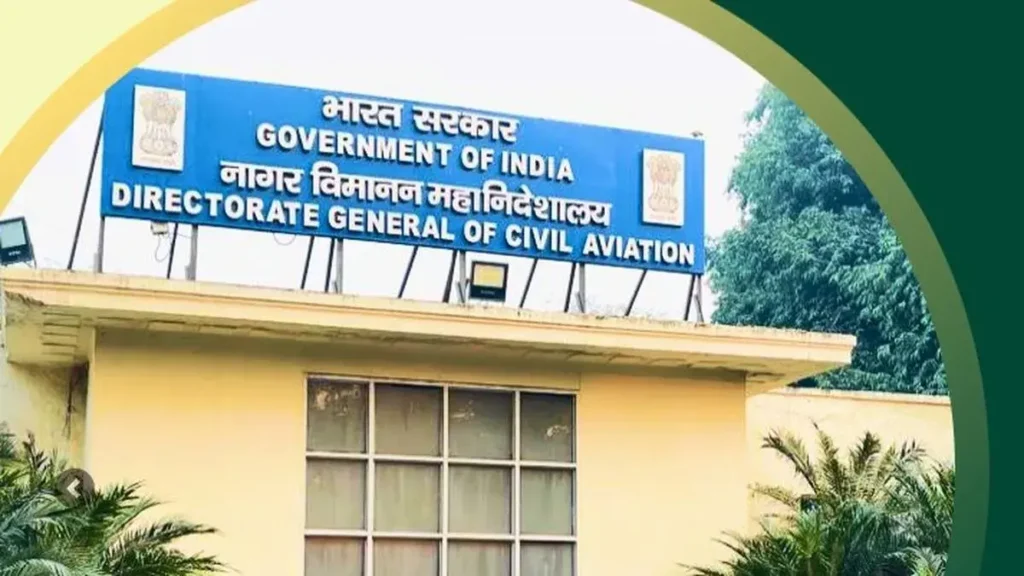
DGCA

DGCA Grants Temporary Flight Duty Relaxations to Air India Amid Middle East Airspace Restrictions
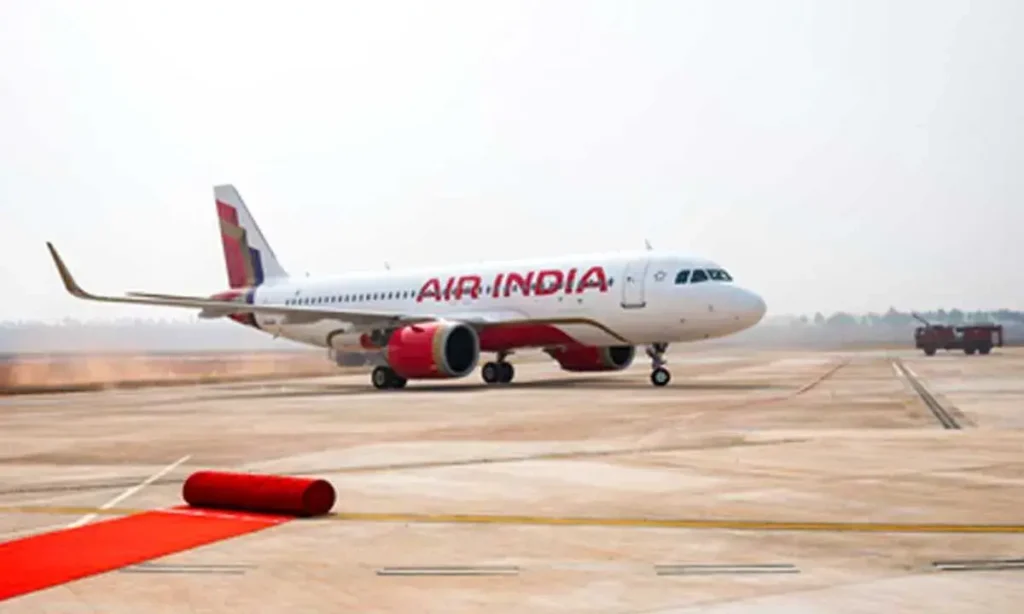
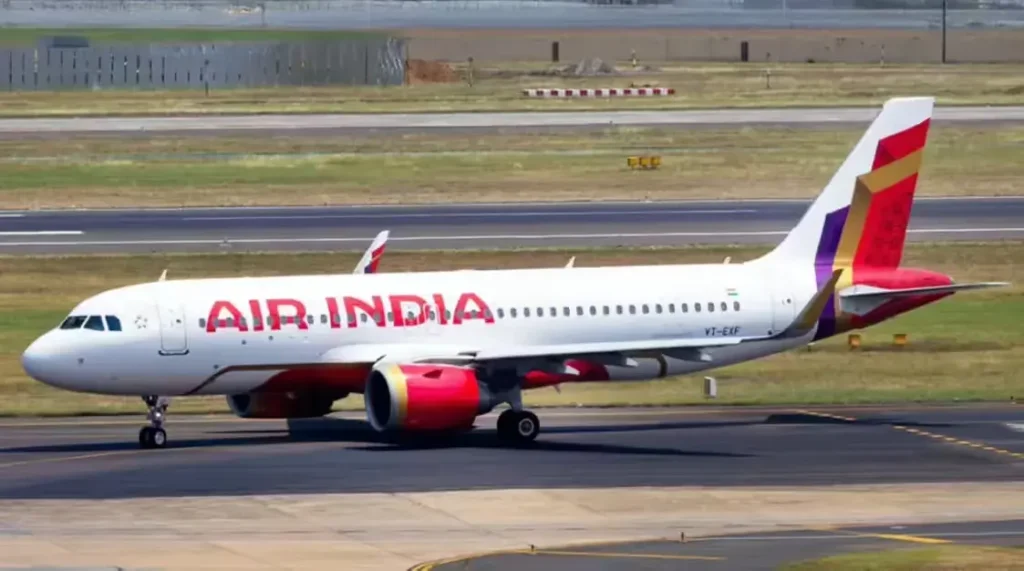
India’s aviation regulator, the Directorate General of Civil Aviation (DGCA), has granted temporary relief in flight duty regulations to Air India as the airline faces operational challenges due to ongoing tensions in the Middle East that have restricted access to key airspaces. According to sources, the relaxation in Flight Duty Time Limitations (FDTL) norms will remain in effect until April 30. The move comes as Air India’s long-haul flights are being forced to take longer alternative routes to reach destinations in Europe and North America because of restrictions in the airspaces of Iran and Iraq. To bypass these restricted zones, Air India aircraft are now flying via Oman, southern parts of Saudi Arabia and Egypt, increasing overall flying time. Some ultra-long-haul flights are also making technical halts in Rome before continuing to their final destinations. Under the temporary relaxation for long-haul flights operated by two pilots, the DGCA has increased the permitted Flight Time (FT) by 1 hour and 30 minutes, raising it to 11 hours and 30 minutes. The Flight Duty Period (FDP) has also been extended by 1 hour and 45 minutes, allowing a maximum of 11 hours and 45 minutes. However, sources have alleged that the airline may be stretching these limits. In one instance, pilots operating flights to Jeddah were reportedly scheduled for a duty period of 11 hours and 55 minutes—about 10 minutes beyond the permitted extension. The regulator has also temporarily relaxed the mandatory 30-minute buffer required during roster planning. Normally, the maximum Flight Time and Flight Duty Period for a single landing are 10 hours and 13 hours, respectively. Flight Time refers to the duration from the moment an aircraft begins moving for take-off until it comes to a complete stop after landing. The Flight Duty Period, on the other hand, starts when a crew member reports for duty and ends when the aircraft’s engines are switched off after the final flight of the duty cycle. Officials from Air India and the DGCA have not yet issued formal comments regarding the relaxations. It remains unclear whether similar exemptions have been granted to other Indian carriers such as IndiGo for their long-haul services. The adjustments come as airlines worldwide grapple with disruptions triggered by the escalating conflict involving the United States, Israel and Iran, which erupted on February 28 and has led to widespread airspace restrictions across the Middle East. Source: PTI
DGCA Grants Temporary Flight Duty Relaxations to Air India Amid Middle East Airspace Restrictions Read More »

DGCA Grants Record 1,628 Commercial Pilot Licences in 2024, Government Says

India’s civil aviation regulator, the Directorate General of Civil Aviation, issued a record 1,628 Commercial Pilot Licences (CPLs) in 2024—the highest annual total ever—according to the government. The civil aviation ministry said the milestone reflects a sharp expansion of pilot training and certification capacity in the country. In a statement, the ministry noted that CPL issuances have grown more than 2.5 times over the past eight years. Year-wise data shows a steady climb despite pandemic disruptions: 640 licences in 2018, 744 in 2019, 578 in 2020, 862 in 2021, 1,165 in 2022, 1,622 in 2023, and 1,347 in 2024. Offering a broader snapshot of developments in 2024, the Ministry of Civil Aviation said it has been closely tracking airfare trends through real-time monitoring and ongoing coordination with airlines and online travel platforms. During the operational disruptions faced by IndiGo in December, the ministry said it exercised regulatory powers to curb opportunistic pricing. Airlines were directed to strictly comply with fare caps across affected routes, a measure that remains in place until conditions fully normalise. The directive aimed to enforce pricing discipline, prevent passenger exploitation, and ensure that travellers with urgent needs—including senior citizens, students and patients—were not burdened by excessive fares during the disruption, the ministry added. Source: PTI

DGCA Grants Record 1,628 Commercial Pilot Licences in 2024, Government Says Read More »

IndiGo Increases Pilot Allowances Amid Staffing Challenges and New Duty Norms

IndiGo has revised and increased allowances for its pilots by up to ₹2,000, with the changes taking effect from January 1, according to sources. The move comes weeks after the airline faced widespread flight disruptions triggered by pilot rostering issues. The disruptions were largely attributed to inadequate preparedness in implementing the revised Flight Duty Time Limitations (FDTL) norms, which restrict the number of night landings a pilot can undertake. These changes reportedly forced IndiGo to cancel over 1,600 flights in a single day earlier this month. In response to the new regulations, which require more pilots for night operations, the airline has enhanced several allowance categories. The revised allowances—ranging from ₹25 to ₹2,000—cover domestic layovers, night operations, deadhead duties, and a newly introduced tail-swap allowance. Tail-swap refers to replacing a scheduled aircraft with another aircraft. Sources said the tail-swap allowance was not available earlier and has been introduced as part of the latest revision. IndiGo has not issued an official statement on the matter. Under the new structure, a captain on a domestic layover of 10.01 to 24 hours will receive ₹3,000, up from ₹2,000. For first officers, the allowance has been raised to ₹1,500 from ₹1,000. Beyond 24 hours, captains will now earn ₹150 per additional hour, while first officers will get ₹75 per hour, up from ₹100 and ₹50 respectively. Night allowances per hour have been increased to ₹2,000 for captains and ₹1,000 for first officers. Deadhead allowance per scheduled block hour has also gone up—to ₹4,000 from ₹3,000 for captains and to ₹2,000 from ₹1,500 for first officers. Meal allowance during transit for captains has doubled to ₹1,000. However, sources noted that the latest increase recovers only about 25 per cent of the allowances that were cut following the implementation of the second phase of the FDTL norms in November. Following the recent operational disruptions, aviation regulator DGCA directed IndiGo to reduce its winter flight schedule by 10 per cent. As per government data shared in Parliament, IndiGo employed 5,085 pilots as of December 8. Source: PTI

IndiGo Increases Pilot Allowances Amid Staffing Challenges and New Duty Norms Read More »

DGCA’s Tariff Monitoring Unit to be reinforced to curb high airfares, government says

The Union government has announced plans to further strengthen the Tariff Monitoring Unit under the Directorate General of Civil Aviation (DGCA) to keep a close watch on airfares, Civil Aviation Minister Ram Mohan Naidu informed the Rajya Sabha. Responding to supplementary questions during Question Hour, the Minister said that fare monitoring has been expanded beyond domestic routes and now includes international sectors as well. He added that the Ministry intervenes whenever there are indications of a sharp or unreasonable rise in ticket prices. Referring to the recent IndiGo disruption that led to widespread flight cancellations, Mr. Naidu said the government stepped in to cap fares to ensure prices remained reasonable and within reach of passengers. He also highlighted that passengers have been empowered through a tariff monitoring feature on the Air Sewa portal. If travellers believe fares are excessively high, they can upload screenshots of ticket prices on the portal, following which the Ministry will take up the matter with the concerned airline. The Minister noted that airfare surges are largely a result of the deregulated nature of the aviation sector, where prices tend to increase when demand significantly outstrips supply. Source: newsonair

DGCA’s Tariff Monitoring Unit to be reinforced to curb high airfares, government says Read More »

DGCA proposes full airfare refund for passengers cancelling flights due to medical emergencies

The Directorate General of Civil Aviation (DGCA) has issued draft guidelines introducing new norms for airline ticket refunds and facilities for differently abled passengers. Under the proposed regulations, passengers who cancel their flight due to a medical emergency will be eligible for a full refund or a credit note, marking a significant consumer-friendly reform in air travel policies. The aviation regulator has also clarified that airlines will bear direct responsibility for processing refunds, even for tickets booked through travel agents or online portals, since these intermediaries act as the airline’s representatives. Refunds must be completed within 21 working days, as per the draft titled “Refund of Airline Tickets to Passengers of Public Transport Undertakings.” Public feedback on these proposals is open until November 30, 2025. In another passenger-friendly change, the DGCA has suggested extending the free ticket amendment window from 24 hours to 48 hours, provided the modification is made at least five days before a domestic flight or 15 days before an international flight. This replaces the earlier seven-day uniform rule for all routes. Separately, the DGCA has finalized updated norms to improve the air travel experience for differently abled passengers. Airlines may now charge able-bodied passengers who request wheelchair assistance, ensuring the limited supply remains available to those who genuinely need it. Airports will also face stricter obligations — they must provide ambulifts for passengers using wheelchairs and, where unavailable, towable ramps or stepladders as alternatives. Disability rights advocates, however, have criticized the latter provision as a step backward. Furthermore, airports are required to ensure clear signage, designated cab drop-off zones, and adequate staff to assist differently abled travellers. They are also encouraged to introduce digital navigation maps to enhance accessibility and independence for such passengers. Source: The Hindu

DGCA proposes full airfare refund for passengers cancelling flights due to medical emergencies Read More »

Air India Raises Retirement Age for Pilots to 65, Non-Flying Staff to 60

In a major policy shift, Air India has decided to increase the retirement age for its pilots from 58 to 65 years and for non-flying employees from 58 to 60 years, according to sources. The announcement was reportedly made during a townhall meeting addressed by CEO and MD Campbell Wilson. This move aligns Air India’s superannuation norms with those of its erstwhile subsidiary Vistara, which merged with the airline in November 2024. Currently, Air India employs around 24,000 people, including approximately 3,600 pilots and 9,500 cabin crew. While the Directorate General of Civil Aviation (DGCA) already permits commercial pilots to fly until 65, most Air India pilots had their contracts extended beyond 58 on an individual basis. It remains unclear whether the retirement age for cabin crew — presently 58 years — will also be revised. The decision follows a period in which several pilots and cabin crew members resigned, and during the merger process, differences in retirement policies between Air India and Vistara had sparked dissatisfaction among a section of staff. Source: PTI

Air India Raises Retirement Age for Pilots to 65, Non-Flying Staff to 60 Read More »

DGCA Updates Flight Safety Guidelines Amid Rising Weather Challenges

Amid increasing instances of extreme weather, India’s aviation regulator, the Directorate General of Civil Aviation (DGCA), has issued revised operational guidelines prioritising passenger and crew safety over strict adherence to flight schedules. In a fresh operations circular directed at both scheduled and non-scheduled operators, the DGCA has urged pilots to adopt a cautious and proactive approach when navigating through adverse weather conditions such as heavy rain, turbulence, thunderstorms, and low visibility. The circular encourages flight crew to opt for diversions or return to base if necessary, clearly stating that safety must outweigh punctuality. Highlighting the growing influence of climate change on flight unpredictability, the regulator has reinforced the need for enhanced situational awareness and preparedness among pilots. It specifically stresses the importance of avoiding risky decisions during night-time landings on wet runways and recommends cross-verification of visual cues with flight instruments to avoid visual misinterpretations. This regulatory update follows recent incidents, including a series of helicopter crashes near Kedarnath and a turbulent IndiGo flight to Srinagar, which underscored the pressing need for stricter operational measures in unpredictable weather. Pilots have now been advised to maintain a minimum buffer of 20 nautical miles from storm systems and to avoid flying under thunderstorm clouds, which can pose significant risks such as lightning, windshear, and hail. The circular also places new emphasis on pre-flight weather planning and early course corrections, including lateral deviation from storm paths instead of risky altitude changes. In a significant move, the DGCA has also addressed Ice Crystal Icing — a lesser-known but hazardous condition related to convective weather — urging pilots to avoid climbing or descending through such zones and instead navigate around them laterally. Communication protocols have been strengthened as well, with the DGCA recommending prompt and clear updates to passengers, cabin crew, and Air Traffic Control (ATC) during turbulent conditions to enhance coordination and awareness. Additionally, the regulator has encouraged aviation operators to implement scenario-based training for flight crews, focusing on weather-related decision-making and the application of Threat and Error Management (TEM) frameworks. The updated guidelines will be in effect for all operators during the pre-monsoon, monsoon, and other weather-sensitive periods, reflecting the DGCA’s increased focus on operational safety in an era of escalating climate variability. Source: PTI

DGCA Updates Flight Safety Guidelines Amid Rising Weather Challenges Read More »

Akasa intends a test flight next week, anticipates starting its operations by July end

HR Article

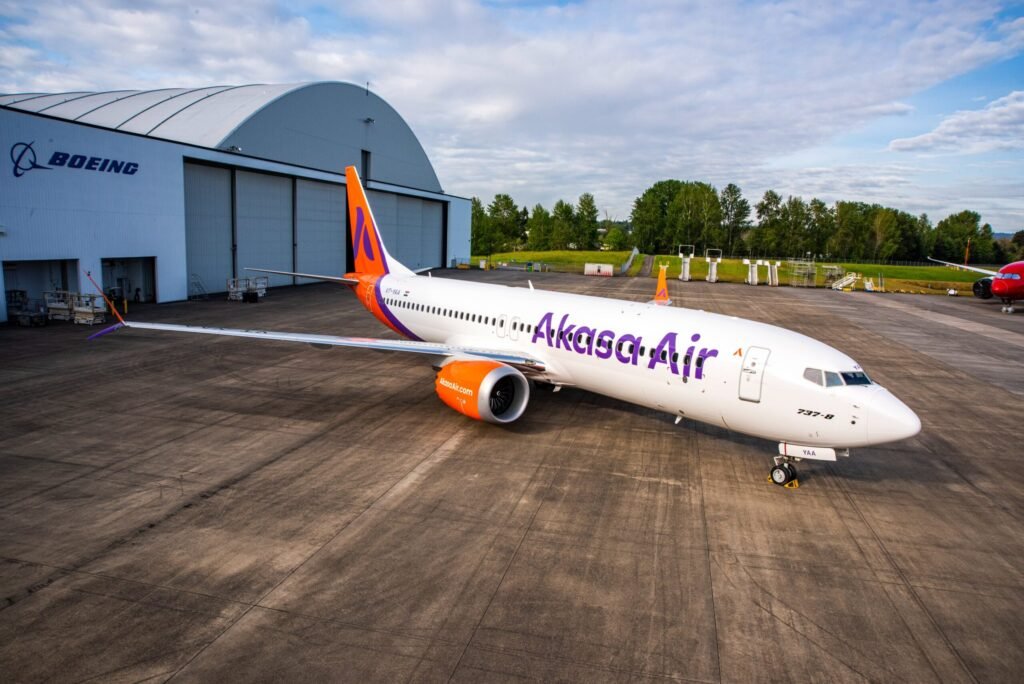
According to Chief Executive Officer Vinay Dube, the newest airline in India, Akasa, plans to launch its commercial operations by the end of July and will conduct a proving flight with the Directorate General of Civil Aviation (DGCA) of the nation as soon as next week. In an interview at the startup airline’s office in Mumbai, Dube said that Akasa, funded by billionaire Rakesh Jhunjhunwala, will likely acquire its air operator’s certificate within days of the proving flight, apply for airport slots, and begin selling tickets within two to three weeks. The domestic value carrier’s initial routes will concentrate on point-to-point services. According to Dube, a former executive at Delta Air Lines Inc. who once led Jet Airways India Ltd., international flights are expected to begin in the second half of 2023. “We don’t believe in the hub concept. Akasa’s network will be focusing on flights from Indian metro cities to tier two and tier three cities,” Dube said. Aditya Ghosh, the executive who oversaw low-cost carrier IndiGo for nearly 10 years, is one of Akasa’s other backers. Akasa has ambitious growth goals, with the goal of acquiring 18 aircraft in the fiscal year that ends in March 2023. According to Dube, Asaka should get one to two planes a month from an order placed in November for 72 Boeing Co. 737 Max jets valued at $9 billion at list prices. Akasa will not only compete on prices in India’s fiercely competitive aviation business. While the airline intends to be cost-competitive, Dube stated that having excellent customer service and an employee-centric culture will also be important to its long-term success. “I don’t think India has excess supply — India will need 1,000 planes over the next 20 years. The pie is growing faster in India,” he stated. In fact, India’s Minister of Civil Aviation, Jyotiraditya Scindia, stated earlier this year that the country may need to add as many as 120 jets per year to keep up with demand. The nation is preparing by expanding airports, even in the tiniest places, hiring more pilots and crew, and upgrading maintenance facilities. In advance of the launch of its commercial flights, Asaka has employed more than 100 pilots in addition to cabin staff at its own pilot training facility in Delhi. Dube said that the airline has the newest and greenest fleet in India, if not the entire globe, thanks to its fleet of brand-new aircraft powered by LEAP-1B engines from CFM International Inc. He claimed that by using brand-new planes and engines, Akasa would have a fuel efficiency of 15 to 17%. “Due to its operating procedures and practises, Akasa will also have a competitive advantage on the cost of fuel.” Source: Bloomberg

Akasa intends a test flight next week, anticipates starting its operations by July end Read More »