

ArdorComm Media Group

Friday, July 17, 2026 5:16 AM

Digital Economy

India-Japan Partnership Enters New Era as PM Modi Highlights Strong Economic Ties, AI & Defence Cooperation
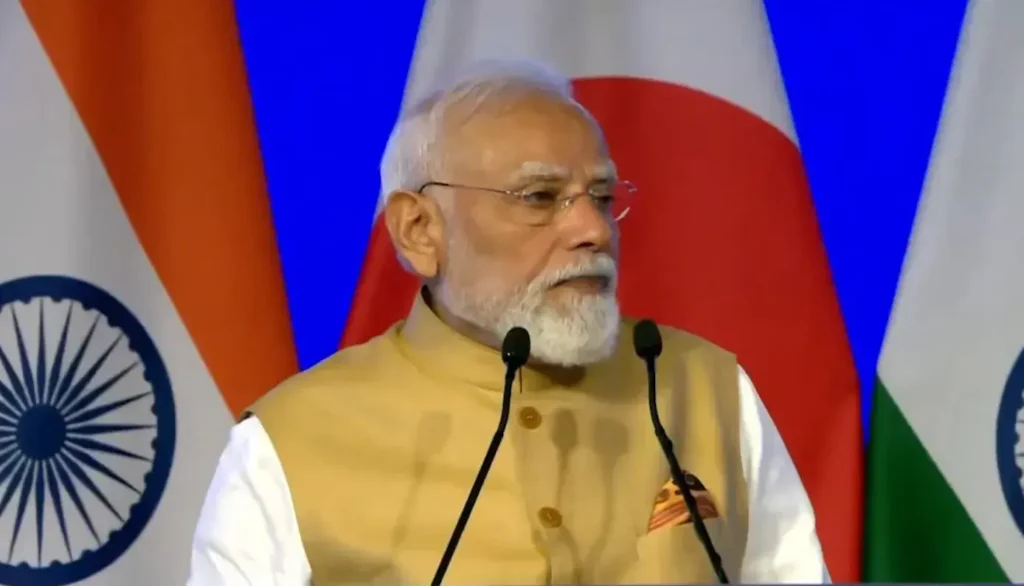
Prime Minister Narendra Modi reaffirmed the strength of India-Japan relations, describing the bilateral partnership as “truly special” while emphasizing its growing impact on the global economy. Speaking at the India-Japan Joint Economic Forum held in New Delhi, PM Modi highlighted that the collaboration between Japan’s technological expertise and investment capabilities, combined with India’s rapid growth and large-scale opportunities, creates significant benefits for the world economy. He noted that both nations have agreed to deepen cooperation across several strategic sectors, including artificial intelligence, economic security, defence, and healthcare, paving the way for a future-ready partnership. Addressing global economic challenges such as supply chain disruptions, trade uncertainties, and slowing international demand, PM Modi underscored India’s position as the world’s fastest-growing major economy, recording a GDP growth of 7.7 percent in the previous financial year. The Prime Minister further stated that over the last twelve years, India has adopted the philosophy of Kaizen to transform its economic framework, alongside implementing next-generation reforms in taxation, governance, and ease of doing business. He added that the government continues to open new sectors for private participation while introducing incentives aimed at accelerating economic growth, reinforcing India’s position as a highly attractive destination for Japanese investments. Surveys conducted by Japan Bank for International Cooperation have consistently ranked India as the most promising destination for Japanese businesses for four consecutive years. Japanese Prime Minister Sanae Takaichi, in her address, highlighted energy security as a crucial pillar of India-Japan cooperation. She referenced the recent G7 Summit, where Japan proposed measures to strengthen global energy security through transparent energy trade, strategic stockpiling, and stronger collaboration between energy-producing and consuming nations. She also emphasized Japan’s commitment to implementing these goals through its Power Asia Initiative. On the occasion, both leaders jointly inaugurated the fourth vehicle manufacturing facility of Maruti Suzuki at Kharkhoda, Haryana, marking another milestone in industrial collaboration between India and Japan. Source: News on AIR
India-Japan Partnership Enters New Era as PM Modi Highlights Strong Economic Ties, AI & Defence Cooperation Read More »

Microsoft CEO Satya Nadella Raises Concerns Over Growing AI Power Concentration

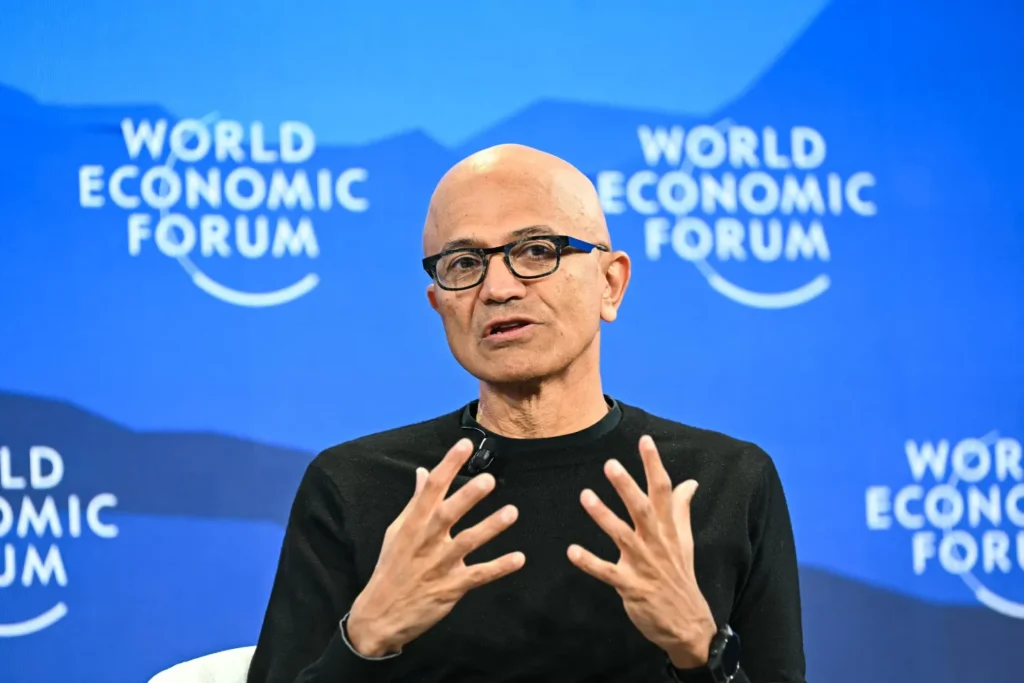
Satya Nadella, Chief Executive Officer of Microsoft, has voiced serious concerns about the increasing concentration of power within the artificial intelligence sector, cautioning against a future where only a few major companies control the rapidly evolving technology. In a recent interview with The Wall Street Journal, Nadella shared his perspective on the future of AI, emphasizing the importance of affordability, accessibility, and giving users greater control over how the technology develops and is deployed. He warned against a scenario where a small group of companies dominates AI development while simultaneously claiming that white-collar jobs could disappear and using those fears to justify massive investments in infrastructure such as large-scale data centres. According to Nadella, society is unlikely to accept a future where the benefits, learning, and deployment of AI remain concentrated in the hands of a select few organizations. Instead, he stressed the need for the industry to build public trust and earn what he referred to as “social permission” to continue advancing the technology responsibly. His comments come amid growing global debate over the direction of the AI race. Although he did not directly mention competitors, Nadella criticized business models where only a handful of firms capture most of the economic value generated by AI while also raising concerns about safety risks, employment disruption, and the enormous computing resources required for development. A key strategic question for Microsoft is whether it should host models from DeepSeek, a Chinese AI company that has recently gained attention worldwide for offering highly cost-effective AI models. Such a decision could intensify competition in the AI market and challenge established industry leaders by driving down costs. Nadella also pushed back against the idea that AI should replace human jobs entirely. Instead, he argued that businesses should focus on redesigning and restructuring work roles so employees can adapt alongside technological progress rather than being displaced permanently. While acknowledging that AI-driven transformation will inevitably bring disruption, he said companies must actively create pathways that help workers adjust to these changes and remain relevant in the evolving workforce. Describing AI as a “knowledge engine,” Nadella said the future should involve organizations leveraging multiple AI models with varying capabilities and price points rather than depending on a single dominant provider. He further emphasized that rebuilding public confidence in AI will require more than promises or carefully crafted narratives. According to Nadella, the technology industry must demonstrate through concrete action that AI development can be both responsible and beneficial for society. The remarks come at a time when competition around AI is accelerating globally, with major technology firms investing billions of dollars into infrastructure, advanced computing systems, and data centres. Microsoft continues to remain one of the leading forces shaping the future of the AI ecosystem through its partnerships and investments across the sector. Source: IANS

Microsoft CEO Satya Nadella Raises Concerns Over Growing AI Power Concentration Read More »

TCS Expects AI Agents to Match Human Workforce Within Three Years, Says N Chandrasekaran

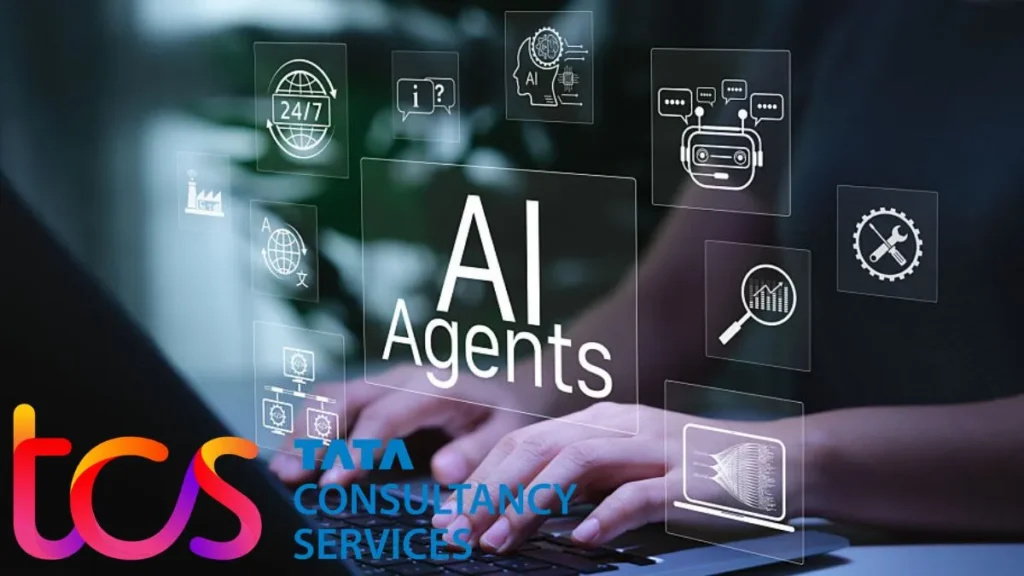
Tata Consultancy Services (TCS) is poised to witness a major shift in its workforce structure, with Tata Sons Chairman N. Chandrasekaran predicting that the company will have as many AI agents as human employees within the next three years. Addressing shareholders at TCS’ 31st Annual General Meeting, Chandrasekaran said the company is rapidly expanding the deployment of AI agents across internal operations, customer solutions, and business processes as part of its long-term artificial intelligence strategy. He emphasized that AI is becoming a critical growth engine for the company and is transforming the way enterprises operate. According to Chandrasekaran, TCS has recorded strong momentum in its AI business, with AI-related revenues growing at a compound quarterly rate of over 22 percent during the past four quarters. The company’s annualised AI revenue reached USD 2.5 billion in the final quarter of FY26, reflecting increasing demand for AI-driven solutions. Rejecting concerns that artificial intelligence could threaten the IT services industry, he described AI as one of the most significant opportunities for enterprise technology. He highlighted five major growth areas emerging from AI adoption: modernization of legacy systems, AI-powered redesign of business processes, governance and management of AI agents, sovereign AI initiatives, and the rise of physical AI applications in industrial environments. Chandrasekaran noted that TCS has already launched sovereign AI projects in India and Europe, while also deploying AI-powered robotics solutions for global clients. He added that growing enterprise investments in AI are expected to drive technology spending worldwide over the next two years. Despite rapid technological change, TCS continues to maintain strong business performance. The company reported consolidated revenue of Rs 2.67 lakh crore in FY26, marking a 4.6 percent year-on-year increase, while net profit rose 8.8 percent to Rs 52,820 crore. TCS also secured contracts worth more than USD 40.7 billion during the fiscal year. He concluded that in the evolving AI landscape, trust, context, and deep client relationships will remain the most valuable differentiators for technology companies. Source: ANI

TCS Expects AI Agents to Match Human Workforce Within Three Years, Says N Chandrasekaran Read More »

Netflix joins hands with IICT and FICCI to nurture India’s next-gen creative tech talent

ardorcomm news

Streaming leader Netflix has entered into a strategic partnership with the Indian Institute of Creative Technology (IICT) and FICCI to build and strengthen the pipeline of creative-technology professionals in India. The memorandum of understanding (MoU) was signed during the 25th edition of FICCI Frames, marking a major step toward advancing India’s AVGC-XR (Animation, Visual Effects, Gaming, Comics, and Extended Reality) ecosystem. Under this collaboration, Netflix will utilize its Fund for Creative Equity to provide scholarships to selected students identified jointly with IICT. The fund aims to empower underrepresented talent in the media and entertainment industry by offering equitable learning and career opportunities. As part of the initiative, Netflix will actively participate in three of IICT’s national councils — R&D, Academic, and Industry Development — to foster synergy between academia, industry experts, and policymakers in shaping the future of India’s creative technology sector. Mahima Kaul, Director of Global Affairs, Netflix India, said the partnership is designed to strengthen the country’s AVGC sector and empower young creators. “Through this collaboration, we aim to equip aspiring storytellers and innovators with world-class tools and opportunities to fuel creativity and drive India’s digital entertainment economy,” she said. Dr. Vishwas Deoskar, CEO of IICT, emphasized that the alliance bridges the gap between academic learning and real-world industry experience. “By offering mentorship, practical exposure, and access to global best practices, we are preparing the next generation of creative technologists to thrive in the evolving AVGC-XR landscape,” he noted. Munjal Shroff, Chairman of the FICCI AVGC-XR Forum, added that the initiative will position India as a global hub for creative technologies. “This partnership not only builds future-ready talent but also fuels innovation and lays the foundation for sustainable growth in the sector,” he said. Source: PTI

Netflix joins hands with IICT and FICCI to nurture India’s next-gen creative tech talent Read More »

Online Gaming Bill 2025 introduced in Lok Sabha: Blanket ban on money games sparks debate

Union IT Minister Ashwini Vaishnaw on Wednesday introduced The Promotion and Regulation of Online Gaming Bill, 2025 in the Lok Sabha, even as opposition members voiced protests. The Bill, cleared by the Union Cabinet a day earlier, proposes a complete ban on online games involving monetary stakes, citing growing concerns of addiction, financial distress, and suicides among youth. Soon after the Bill was tabled, proceedings were adjourned until 2 PM. MeitY clarifies intent Explaining the move, IT Secretary S. Krishnan said the Bill addresses two key issues — recognising the scope of the online gaming industry while also curbing harmful real-money games. He emphasised that this is a “societal decision,” noting that the government had weighed concerns of job losses but prioritised public well-being. He added that a regulatory authority will be established to classify permissible and banned games. eSports and social games, including subscription-based formats without monetary rewards, will remain legal. What the Bill proposes Under the draft law: Offering online money games could attract up to three years in jail or fines up to ₹1 crore. Advertising such services could lead to two years in jail or fines up to ₹50 lakh. Banks and financial institutions enabling transactions for money games may also face penalties. Repeat offenders risk harsher sentences — three to five years in jail and higher fines. Importantly, the Bill does not criminalise players, treating them as victims rather than offenders. The legislation defines an “online money game” as any game where players pay fees, deposit money, or stake assets with the expectation of monetary returns — irrespective of whether it is skill-based or chance-based. It aims to curb gambling risks, financial exploitation, money laundering, and mental health crises while fostering a safe space for eSports and game development in India. Industry backlash Industry groups, including the All India Gaming Federation (AIGF), E-Gaming Federation (EGF), and the Federation of India Fantasy Sports (FIFS), have warned of severe fallout. In a letter to Home Minister Amit Shah, they claimed the blanket ban could wipe out over 2 lakh jobs, force the shutdown of more than 400 companies, and push users toward unregulated and illegal platforms. They highlighted that online skill gaming has become a ₹2 lakh crore industry, generating ₹31,000 crore in revenue and contributing ₹20,000 crore in taxes annually. The sector, growing at 20% CAGR, was projected to double by 2028, with India’s gamer base already exceeding 50 crore players by 2024. Industry voices fear that the ban could derail India’s progress as a digital innovator, discourage foreign investment, and trigger large-scale unemployment. Public health perspective Supporters of the Bill, however, argue it is a much-needed safeguard. “This is more than regulation — it is protection,” said Preetha Reddy, Vice Chairperson of Apollo Hospitals. “Online money games have exposed children and youth to exploitation and mental health risks. This step puts wellbeing first.” Source: Economic Times  

Online Gaming Bill 2025 introduced in Lok Sabha: Blanket ban on money games sparks debate Read More »

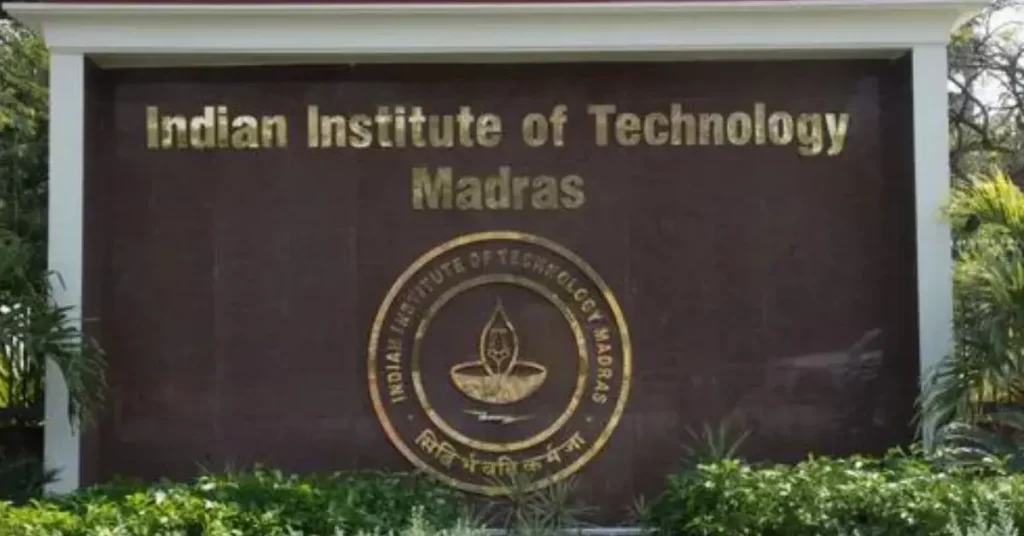
IIT Madras Adds International Immersion to Executive MBA

The Department of Management Studies (DoMS) at the Indian Institute of Technology (IIT) Madras has introduced a new component called “international immersion learning” to its Executive MBA program designed for working professionals. This program, as described in an official statement from IIT Madras, places a strong emphasis on developing global leadership skills and cultural intelligence. Prospective candidates have until October 19 to apply for this program through the official website at doms.iitm.ac.in/emba. The classes will be conducted in person on alternate weekends starting from January 2024. To be eligible, applicants should have a graduation score of at least 60% in any discipline, a minimum of three years of work experience, and they must pass an entrance exam and a virtual personal interview conducted by the Department of Management Studies. The program has a duration of two years and offers a comprehensive and practical curriculum. It includes three projects that apply theoretical concepts to real-world business challenges, as outlined by IIT Madras. The Executive MBA program will provide knowledge aligned with industry demands in areas such as the digital economy, global strategy, and Industry 4.0 technologies. It covers core management principles, their practical application to real-world problems, integrated concepts spanning various business domains, global perspectives, and the use of digital tools in decision-making processes. As part of this initiative, students from the 2023 and 2024 batches of the Executive MBA program participated in a nine-day immersion program at the IÉSEG School of Management across two countries and three locations, including Brussels in Belgium and Paris and Lille in France. This program involved classroom sessions aimed at understanding global cultures and business practices in a region with complex socio-cultural dynamics like Europe. During the immersion program, students had the opportunity to explore the innovation and research center at Decathlon, gaining insights into its operations. They also visited Ports de Lille, France’s largest inland river port, to gain an understanding of France’s transportation network. Additionally, they learned about the workings of European governance through interactions with members of the European Parliament and the European Commission. The program also included a socio-cultural experience in a typical French household. The primary objectives of this program include equipping mid-career working professionals with in-depth functional knowledge and a broad understanding of industrial domains, fostering an integrative approach to decision-making across business boundaries, and developing leadership qualities to contribute effectively in a global business environment.

IIT Madras Adds International Immersion to Executive MBA Read More »