ArdorComm Media Group

Tuesday, July 14, 2026 12:34 PM

digital health

India, Japan Strengthen Healthcare Partnership at High-Level Delhi Meeting

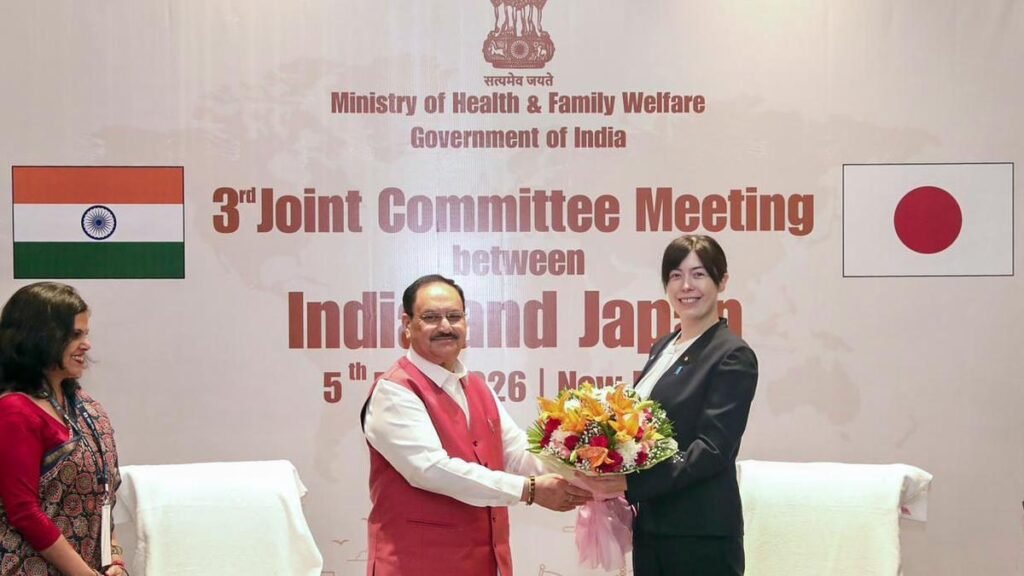
India and Japan on Tuesday reaffirmed their commitment to expanding cooperation in the healthcare sector during the third Joint Committee Meeting (JCM) on Healthcare held at Bharat Mandapam. The meeting was co-chaired by Union Health Minister J. P. Nadda and Japan’s Minister in charge of Healthcare Policy Kimi Onoda. Nadda said the partnership is driven by a common vision of stronger health systems, better access to healthcare, and innovation-led progress. Welcoming the Japanese delegation, Health Secretary Punya Salila Srivastava highlighted that the Joint Committee Meeting, conducted under the India-Japan Memorandum of Cooperation, has become an important platform for regular dialogue and deeper collaboration. During the discussions, both countries focused on several priority areas including prevention and management of non-communicable diseases (NCDs), resilient healthcare supply chains, digital health, and human resource development. India underlined the growing burden of NCDs and shared its strategy centred on early screening, continuous care, and long-term health promotion aligned with Sustainable Development Goals. Japan presented its work in cancer screening, early diagnosis, and treatment systems through technical cooperation. On supply chain resilience, India emphasised the capabilities of its pharmaceutical and medical devices industries, along with efforts to boost local manufacturing and affordable healthcare access. Japan outlined its public-private partnership model to ensure availability of high-quality medical products. India also showcased its digital public health infrastructure through the Ayushman Bharat Digital Mission, while Japan shared expertise in system integration, AI-enabled healthcare technologies, and collaborative research. Concluding the meeting, Nadda said the discussions have given fresh momentum to the India-Japan healthcare partnership and laid a roadmap for building more inclusive and resilient health systems. Source: PTI

India, Japan Strengthen Healthcare Partnership at High-Level Delhi Meeting Read More »

Preventive Healthcare: Why It Matters More Than Ever

For decades, healthcare systems across the world have largely been reactive—we visit a doctor when something goes wrong. But today, that model is rapidly becoming outdated. Rising lifestyle diseases, increasing healthcare costs, and the lessons from global health crises have made one thing clear: waiting for symptoms is no longer sustainable. Preventive healthcare represents a powerful shift—from treating illness to anticipating and avoiding it altogether. It is not just a medical approach; it is a mindset, one that prioritizes long-term well-being over short-term fixes. What is Preventive Healthcare? Preventive healthcare refers to measures taken to prevent diseases before they occur or worsen. This includes: Regular health check-ups and screenings Vaccinations and immunizations Healthy lifestyle practices (diet, exercise, sleep) Mental health care and stress management Early diagnosis and timely intervention At its core, preventive care is about staying one step ahead of disease, rather than reacting after damage has been done.  Why Preventive Healthcare Matters More Than Ever 1. The Rising Burden of Lifestyle Diseases Non-communicable diseases (NCDs) such as diabetes, heart disease, and cancer are now the leading causes of death globally—and in India. In fact, over 60% of deaths in India are linked to preventable lifestyle diseases.  These diseases often develop silently over years. By the time symptoms appear, significant damage may already have occurred. Preventive healthcare helps detect risks early and delay or completely avoid disease onset. 2. Early Detection Saves Lives Many serious conditions—like cancer, hypertension, and diabetes—show little to no symptoms in early stages. Regular screenings can detect these conditions early, when they are easier and more effective to treat.  Research even suggests that routine preventive check-ups can significantly reduce mortality risk, especially for chronic diseases. In simple terms: Early detection = Better outcomes + Lower risk 3. Healthcare Costs Are Skyrocketing Medical treatment today is expensive—and chronic diseases often require lifelong management. Preventive healthcare helps reduce this burden by: Avoiding costly hospitalizations Minimizing long-term medication needs Reducing emergency interventions India alone is expected to face an economic burden of over ₹511 lakh crore due to NCDs by 2030.  Preventive care is not just good for health—it is financially smart. 4. Post-Pandemic Awareness and Behavior Shift The COVID-19 pandemic fundamentally changed how people view health. There is now greater awareness around: Immunity and hygiene Regular health monitoring Importance of vaccinations Preventive healthcare has evolved from being optional to essential, as individuals increasingly take responsibility for their own well-being. Mental Health is Finally in Focus Preventive healthcare is no longer limited to physical health. Rising stress, burnout, and anxiety have made mental health screening and care equally important. Early interventions—like counseling, mindfulness, and stress management—can prevent long-term psychological issues and improve overall quality of life.  6. Technology is Making Prevention Smarter The integration of technology is revolutionizing preventive healthcare: Wearables track heart rate, sleep, and activity AI predicts disease risks using health data Telemedicine enables early consultations Predictive analytics can now identify at-risk individuals even before symptoms appear, enabling personalized and timely interventions.  This shift is transforming healthcare from generalized treatment to personalized prevention. The Indian Context: A Critical Turning Point India is at a unique crossroads: A young population increasingly affected by lifestyle diseases Rising urbanization and sedentary lifestyles Growing healthcare costs and infrastructure gaps Historically, India has focused more on curative care, but the trend is shifting. Preventive healthcare is gaining momentum, driven by: Increased awareness Growth of digital health platforms Expansion of diagnostics and wellness sectors The preventive healthcare market in India is also growing rapidly, reflecting a broader societal shift toward proactive health management. Key Pillars of Preventive Healthcare 1. Regular Health Screenings Routine tests like blood sugar, cholesterol, and cancer screenings help detect risks early. 2. Healthy Lifestyle Choices Balanced nutrition, physical activity, and adequate sleep form the foundation of prevention. 3. Vaccination & Immunization Vaccines remain one of the most effective preventive tools in public health. 4. Mental Well-being Stress management, therapy, and emotional resilience are essential components. 5. Health Awareness & Education Informed individuals make better health decisions—prevention starts with awareness. Challenges in Adoption Despite its importance, preventive healthcare faces several barriers: Lack of awareness and health literacy Cultural tendency to seek care only when ill Accessibility issues in rural areas Perception of preventive care as an “extra cost” In reality, the cost of inaction is far greater. The Way Forward: Building a Preventive Culture To truly benefit from preventive healthcare, a collective effort is needed: Individuals must prioritize regular check-ups and healthy habits Institutions should integrate health programs and awareness initiatives Governments must invest in accessible preventive services Healthcare providers should promote early intervention models The goal is to move from a “sick-care system” to a “health-care system.” Conclusion: Prevention is the New Cure Preventive healthcare is no longer a luxury—it is a necessity in today’s fast-paced, high-risk world. It empowers individuals to take control of their health, reduces the burden on healthcare systems, and ensures a better quality of life. The future of healthcare lies not in hospitals alone, but in daily choices, early actions, and informed decisions. Because ultimately, the most effective treatment is the one you never need.

Preventive Healthcare: Why It Matters More Than Ever Read More »

Oura Debuts in India with Smart Ring 4, Targets Sleep Health Market

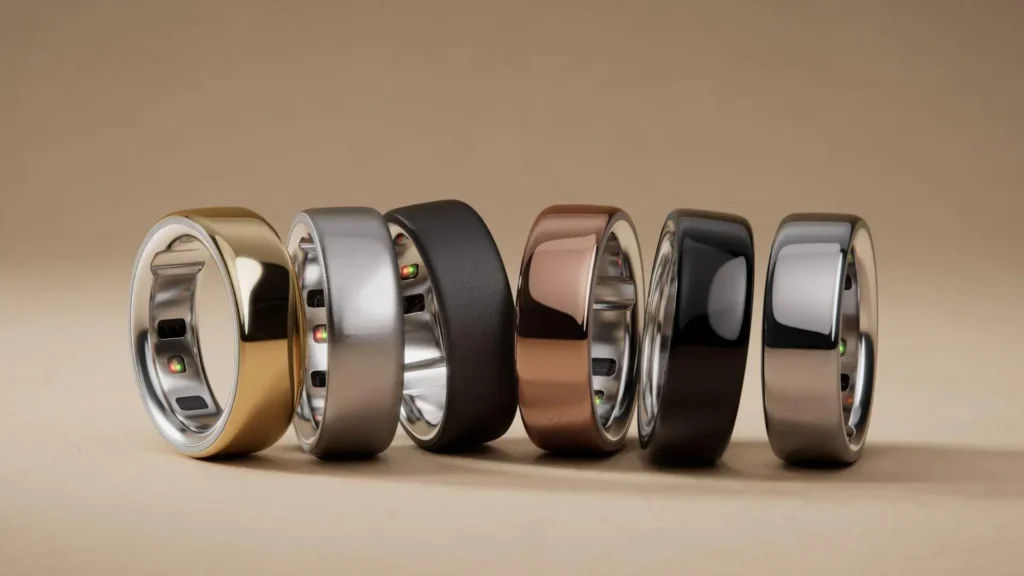
Finnish health-tech firm Oura Health has officially stepped into the Indian market with the launch of its latest wearable, the Oura Ring 4. With this move, the company enters a growing segment, competing with homegrown players like Noise and Ultrahuman. Alongside the launch, Oura highlighted insights from its “State of Sleep 2026” study, revealing concerning sleep patterns among Indian users. The findings suggest that India ranks among the lowest in sleep duration globally, with users averaging just 6 hours and 28 minutes per night—around 40 minutes less than those in the highest-sleeping countries. The report also indicates that Indians experience the least amount of REM and deep sleep, missing over an hour of REM sleep weekly compared to global averages. According to the company, increasingly fast-paced and digitally connected lifestyles are significantly impacting sleep quality in the country. The Oura Ring 4 is designed to monitor over 50 health and wellness indicators and works seamlessly with the Oura app on both iOS and Android devices. Equipped with advanced sensing technology, the ring adapts to individual physical traits such as finger shape and skin tone to deliver personalized insights. Crafted from titanium, the ring features recessed sensors for enhanced comfort, making it suitable for continuous wear, including during sleep. It is offered in 12 sizes ranging from 4 to 15 and comes in six finishes: Black, Silver, Stealth, Brushed Silver, Gold, and Rose Gold. The device will be available starting March 18 through Amazon and Croma outlets. Pricing begins at ₹28,900 for Black and Silver variants, while premium finishes are priced at ₹39,900. Users will also need to subscribe to an Oura membership plan, which is priced at ₹599 per month. Source: The Hindu  

Oura Debuts in India with Smart Ring 4, Targets Sleep Health Market Read More »

India, France Inaugurate Indo-French Centre for AI in Health at AIIMS Delhi

In a major step to deepen bilateral cooperation in healthcare and emerging technologies, Union Health Minister JP Nadda and French President Emmanuel Macron jointly inaugurated the Indo-French Centre for AI in Health (IFCAIH) at All India Institute of Medical Sciences (AIIMS), New Delhi. The newly launched centre is envisioned as a pioneering platform to accelerate AI-driven research, strengthen medical education, and promote clinical innovation. According to official sources, the IFCAIH aims to tackle complex healthcare challenges while fostering interdisciplinary collaboration between Indian and French institutions. Addressing the gathering, President Macron underlined the importance of developing sovereign AI capabilities. He stressed that India and France must build their own computing capacity and skilled talent to create trusted AI systems, rather than relying entirely on technologies developed elsewhere. He added that artificial intelligence must serve humanity, with strong safeguards for children, algorithmic transparency to reduce bias, and a commitment to preserving linguistic and cultural diversity. The launch of the centre coincided with the Rencontres Universitaires et Scientifiques de Haut Niveau (RUSH) 2026, a high-level academic and scientific forum organised at AIIMS on February 18 and 19 by the French Embassy. A key session titled “Indo-French Forum: AI in Brain Health and Global Healthcare” brought together scientists, clinicians, policymakers, and academic leaders from both nations to explore collaborative solutions in global health. The IFCAIH has been established under a joint Memorandum of Understanding between AIIMS, Sorbonne University, and Paris Brain Institute, with additional collaboration from Indian Institute of Technology Delhi and other leading French institutions. The initiative builds upon ongoing India-France cooperation in priority areas such as digital health, antimicrobial resistance, human resources for health, and the responsible use of health data. As part of the RUSH 2026 programme, President Macron engaged with young Indian innovators, including Priyanka Das Rajkakati and Manan Suri, during an interactive session moderated by Clara Chappaz, spotlighting youth-led innovation and cross-border AI collaboration. The event also featured a special segment at the Jawaharlal Auditorium highlighting major scientific and academic cooperation milestones between France and India. Moderated by Prof. Vijay Raghavan and Dr. Thierry Coulhon, Chairmen of RUSH, the session showcased expanding partnerships in higher education, research, and innovation. Union Minister JP Nadda reaffirmed India’s commitment to strengthening AI-enabled healthcare collaboration with France, noting that the new centre will serve as a catalyst for innovation, capacity building, and global knowledge exchange. President Macron later posted on X that France and India are mobilising AI for research, training, and innovation for the common good, reinforcing the shared vision of ethical, inclusive, and globally beneficial AI in healthcare. Source: ANI

India, France Inaugurate Indo-French Centre for AI in Health at AIIMS Delhi Read More »

IIT Delhi Introduces Executive Programme in Healthcare Entrepreneurship and Management

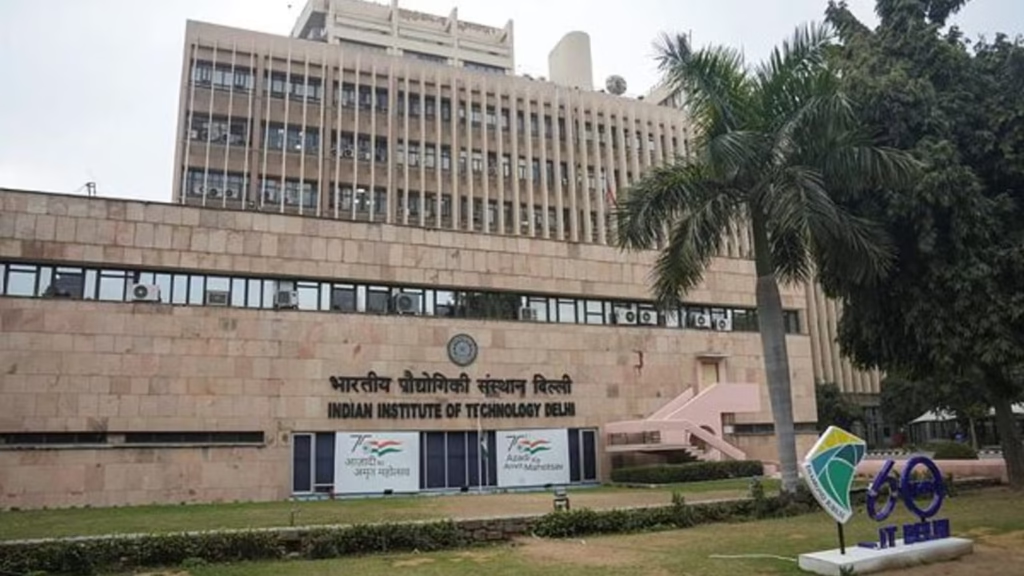
The Indian Institute of Technology (IIT) Delhi has rolled out a new executive programme focused on healthcare entrepreneurship and management, aimed at nurturing professionals who can drive innovation in India’s rapidly evolving healthcare sector. The programme will be conducted under IIT Delhi’s Continuing Education Programme (CEP), a statutory body authorised to run certificate courses and award credentials. According to IIT Delhi, the initiative is designed to equip participants with the skills and mindset required to navigate and shape the future of healthcare innovation. Applicants must possess a bachelor’s degree, while prior professional experience or exposure to projects in related domains will be considered an added advantage. The five-month programme will be delivered through live online classes held on weekends, complemented by dedicated hours for project work. The institute noted that India’s healthcare ecosystem is witnessing transformative changes, driven by the rise of digital health solutions, medical devices, artificial intelligence–enabled diagnostics, wearable technologies and a stronger focus on patient-centric care. However, persistent challenges such as fragmented service delivery, regulatory hurdles, limited commercialisation avenues and the demand for cross-disciplinary leadership continue to affect the sector. Against this backdrop, the executive programme aims to provide a comprehensive understanding of the entire healthcare innovation lifecycle. Through interactive online sessions and guided projects, participants will learn how to identify healthcare challenges and translate them into viable, market-ready solutions using design thinking, prototyping, testing and sound commercial strategies. The programme will be anchored by IIT Delhi’s Centre for Biomedical Engineering and supported by clinical expertise from specialists at AIIMS Delhi. Faculty members including Dr Arnab Chanda and Dr Biswarup Mukherjee will lead the sessions, integrating engineering, clinical practice, management and entrepreneurship to foster practical and scalable healthcare innovations. A major feature of the course is its strong emphasis on project-based learning. Participants will work on real-world healthcare problems, developing deployable prototypes with the help of structured mentoring, peer collaboration and continuous expert feedback. On successful completion, learners will receive an e-certificate from CEP, IIT Delhi, and gain access to a network of IIT Delhi faculty, AIIMS clinicians and industry professionals, enhancing both learning outcomes and professional opportunities. Source: Indian Express

IIT Delhi Introduces Executive Programme in Healthcare Entrepreneurship and Management Read More »

Wearable Health Tech: How Smart Devices Are Changing Preventive Care

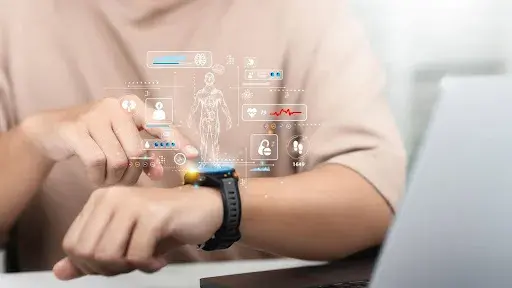
Preventive healthcare is undergoing a quiet but powerful transformation, driven by the rapid rise of wearable health technology. Devices that were once seen as simple fitness accessories have evolved into sophisticated health companions capable of tracking vital signs, detecting early warning signals, and encouraging healthier lifestyles. As healthcare shifts from treating illness to preventing it, wearable technology is playing a central role in empowering individuals and supporting more proactive, data-driven care. The Shift from Fitness Tracking to Health Monitoring Wearable health devices initially gained popularity for tracking steps, calories burned, and workout routines. Over time, advances in sensor technology, data analytics, and connectivity have expanded their capabilities far beyond fitness. Today’s smartwatches, rings, patches, and bands can monitor heart rate, heart rhythm, blood oxygen levels, sleep quality, physical activity, and stress levels throughout the day. This evolution has made wearables relevant not just to fitness enthusiasts but also to individuals managing chronic conditions, older adults focused on healthy ageing, and people seeking to improve overall well-being. Wearables now serve as everyday health monitors rather than occasional wellness tools. Continuous Monitoring and Real-Time Insights One of the most significant advantages of wearable health technology is continuous monitoring. Traditional healthcare relies on periodic checkups that capture health data at a single point in time. Wearables, by contrast, collect information around the clock, offering a more complete picture of how the body responds to daily activities, stress, sleep, and lifestyle choices. By identifying patterns and deviations from normal ranges, wearables can highlight early signs of potential health concerns. Subtle changes in heart rate, sleep quality, or oxygen levels may signal fatigue, infection, or cardiovascular stress before noticeable symptoms appear. This constant flow of information enables timely action and encourages preventive care rather than delayed treatment. Early Detection and Timely Intervention Wearable devices are increasingly capable of detecting early warning signs of health issues. Some smart devices can identify irregular heart rhythms, unusually high or low heart rates, or abnormal sleep patterns. Alerts prompt users to seek medical advice, adjust daily habits, or monitor symptoms more closely. Early detection can be life-saving, particularly for conditions such as heart disease, diabetes, and sleep disorders. When issues are identified at an early stage, interventions are often simpler, less costly, and more effective. Wearables thus act as an early warning system, helping individuals respond before problems escalate. Encouraging Healthier Behaviors Beyond monitoring, wearable health technology plays a powerful role in behavior change. By translating complex health data into simple insights, reminders, and goals, wearables motivate users to take charge of their health. Daily step targets, activity reminders, sleep scores, and stress-management prompts encourage small but consistent lifestyle improvements. This ongoing feedback helps users develop greater awareness of how their habits affect their health. Over time, these insights can lead to sustained changes such as improved physical activity, better sleep routines, healthier eating habits, and more effective stress management. Supporting Chronic Disease Management For individuals living with chronic conditions, wearable technology offers continuous support and reassurance. Devices can help track vital parameters relevant to conditions like diabetes, hypertension, and heart disease. Instead of relying solely on occasional measurements, users gain ongoing visibility into how their bodies respond to medication, diet, and activity. This continuous data can improve self-management and support informed discussions with healthcare providers. It also reduces dependence on frequent hospital visits, making care more convenient and accessible, especially for those with limited mobility or access to healthcare facilities. Integration with Digital Healthcare Wearable health tech is increasingly being integrated with digital healthcare systems. Data collected by devices can be shared with healthcare professionals through mobile apps, teleconsultation platforms, or electronic health records. This connectivity allows doctors to monitor patients remotely, identify risks early, and provide personalized guidance without the need for constant in-person visits. Such integration is particularly valuable in preventive care, where early insights and timely advice can prevent complications. It also supports healthcare systems by reducing the burden on hospitals and clinics while improving patient outcomes. Challenges and Ethical Considerations Despite their benefits, wearable health devices also raise important challenges. Data privacy and security are major concerns, as wearables collect sensitive personal health information. Ensuring that this data is protected and used responsibly is critical to maintaining trust. Accuracy is another consideration. While wearable devices provide valuable insights, they are not a replacement for professional medical diagnosis. Clear communication about their limitations, along with continued improvements in sensor reliability and regulation, is essential. The Future of Preventive Care As technology continues to advance, wearable health devices are expected to become even more intelligent and personalized. Artificial intelligence and advanced analytics will enable more accurate predictions, personalized recommendations, and early detection of complex health conditions. Future wearables may monitor a wider range of biological markers, further strengthening their role in preventive care. Conclusion Wearable health technology is redefining how preventive care is delivered and experienced. By enabling continuous monitoring, early detection, personalized insights, and better engagement with health data, smart devices are shifting healthcare from a reactive model to a proactive one. As wearables become more integrated into daily life and healthcare systems, they hold the potential to improve long-term health outcomes, reduce healthcare costs, and empower individuals to take control of their well-being.  

Wearable Health Tech: How Smart Devices Are Changing Preventive Care Read More »

CSIR, ICMR Chart Joint Roadmap to Boost Collaborative Health Research

The Council of Scientific and Industrial Research (CSIR) and the Indian Council of Medical Research (ICMR) held a high-level strategy meeting to advance a unified roadmap for collaborative health research, the Ministry of Science & Technology said on Tuesday. The session took place at the CSIR Science Centre in New Delhi and was co-chaired by N. Kalaiselvi, Director General of CSIR, and Rajiv Bahl, Director General of ICMR and Secretary, Department of Health Research. The two organisations reviewed progress on major joint initiatives, including CSIR-developed molecules progressing toward clinical trials, updates on ICMR-supported Centres of Advanced Research within CSIR labs, and implementation of large-scale national projects. The meeting also emphasised expanding wastewater surveillance for a wider range of pathogens across cities, hospitals and communities, aligning with the One Health Mission. Discussions included defining the roles of CSIR and ICMR in drug development, clinical trials, and leveraging ICMR’s large-animal toxicity testing infrastructure. The joint AcSIR–ICMR Ph.D. programme was also reviewed, with a focus on widening opportunities for young researchers by integrating ICMR and CSIR fellowship pathways. Both Dr. Kalaiselvi and Dr. Bahl stressed the importance of combining CSIR’s scientific and technological expertise with ICMR’s public health capabilities to deliver national-scale outcomes. They highlighted the need for structured, time-bound collaboration, particularly for co-developing technologies such as a digitally operated medical emergency drone service. Experts concluded by reaffirming plans to deepen cooperation in biomedical sciences, diagnostics, digital health, environmental surveillance, and other emerging healthcare domains. Source: IANS

CSIR, ICMR Chart Joint Roadmap to Boost Collaborative Health Research Read More »

AI Tool Boosts India’s Disease Surveillance, Generates Over 5,000 Alerts: Study

An artificial intelligence–powered surveillance system deployed by the National Centre for Disease Control (NCDC) has significantly strengthened India’s ability to track infectious disease outbreaks, generating more than 5,000 real-time alerts for health authorities since 2022, according to a new pre-print study. Developed by WadhwaniAI, the Health Sentinel platform has automated the labor-intensive task of scanning news reports for unusual health events. The system reportedly reduced manual workload by 98%, enabling faster outbreak detection and quicker public health action. The findings are currently under review and not yet peer-reviewed. Under India’s Integrated Disease Surveillance Programme (IDSP), media scanning and verification has long relied on manual review of print, television and online news. Health Sentinel upgrades this process by screening articles daily across 13 languages, applying AI models to highlight potential threats that are later reviewed by epidemiologists. According to the study, the platform has processed over 300 million news articles since April 2022, identifying 95,000+ unique health-related events, of which around 3,500 were shortlisted by NCDC experts as possible outbreaks. Researchers also estimate that the AI-enabled system triggered more than 5,000 actionable alerts between April 2022 and April 2025. Parag Govil, National Program Lead for Global Health Security at WadhwaniAI, said the tool preserves human oversight while eliminating the time-consuming manual scanning traditionally required. Epidemiologists validate flagged events before disseminating them to state and district authorities. The research team noted a 150% surge in published health events captured since adopting AI-assisted surveillance, compared to earlier years of fully manual analysis. In 2024 alone, 96% of reported events were identified through the AI system, with only 4% coming from manual review. Globally, event-based surveillance techniques that incorporate online media or social media sources are increasingly used to complement traditional “passive reporting” from healthcare providers. The volume of daily online content, however, has made manual screening impractical, making automated systems essential. The article also references other Indian studies highlighting the value of enhanced surveillance. A pilot conducted in six private hospitals in Kasaragod, Kerala, used an algorithm to analyse cases of acute febrile illness (AFI). The system detected 88 clusters, with several verified as outbreaks—including dengue and COVID-19—demonstrating the benefits of early, data-driven detection. International research supports similar conclusions. A 2020 review in the Journal of Biomedical Informatics found that machine learning–based analysis of social media posts, especially on Twitter, improved disease trend prediction. Another study, published in 2017 in the American Journal of Tropical Medicine and Hygiene, showed that mining news articles can help fill gaps when official national case data is delayed. Overall, the findings underscore the growing importance of AI-driven surveillance systems in strengthening public health response capabilities and improving global health security. Source: PTI

AI Tool Boosts India’s Disease Surveillance, Generates Over 5,000 Alerts: Study Read More »

Russia Declares Cancer Vaccine ‘Enteromix’ Ready for Clinical Use; To Be Provided Free for Patients

ardorcomm news

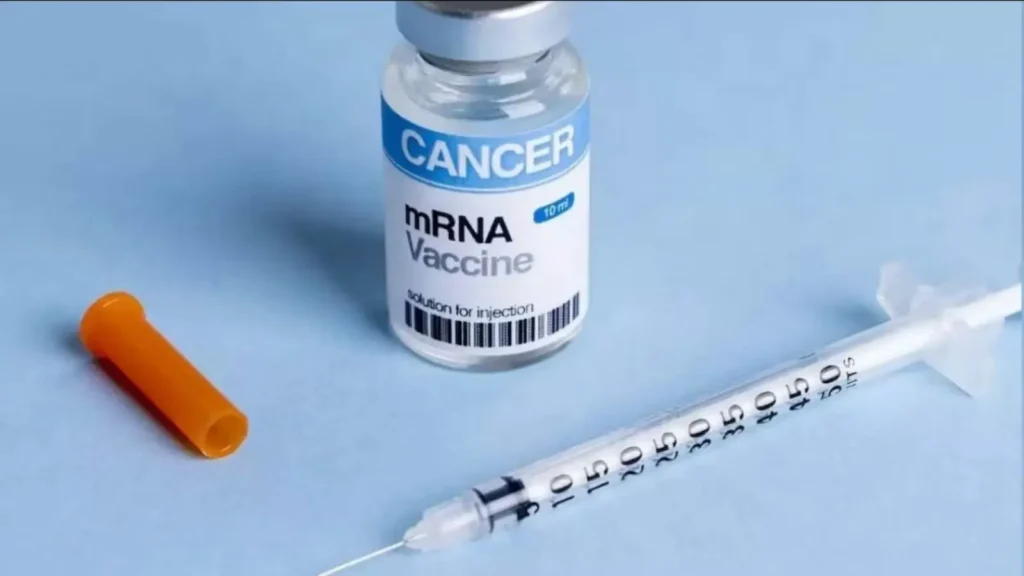
Russia has announced that its personalised cancer vaccine, Enteromix, developed using advanced mRNA technology, is now ready for clinical application following successful early trials. The vaccine, created by the National Medical Research Radiology Centre in collaboration with the Engelhardt Institute of Molecular Biology, was unveiled at the 10th Eastern Economic Forum in Vladivostok in September 2025, attracting global interest from 8,400 delegates representing 75 countries. Personalised Immunotherapy Unlike chemotherapy and radiation, which damage healthy cells alongside cancerous ones, Enteromix works by training the body’s immune system to recognise and destroy tumors. Each dose is tailored to a patient’s RNA profile, ensuring a highly individualised treatment with fewer side effects. The vaccine uses four harmless viral vectors to trigger immune responses that shrink tumors, slow their spread, and extend life expectancy. Clinical Trial Results In early-stage clinical trials involving 48 patients, Enteromix demonstrated strong results: Tumor sizes reduced by 60–80%. Tumor growth halted and in some cases reversed. Improved overall survival rates. No severe side effects reported. Effectiveness maintained across multiple doses. The initial version of Enteromix targets colorectal cancer, a leading cause of cancer-related deaths worldwide. Further versions for glioblastoma (brain cancer) and melanoma are also under development. Accessibility and Global Impact Russia’s Federal Medical and Biological Agency (FMBA), led by Veronika Skvortsova, confirmed that once regulatory approvals are secured, the vaccine will be distributed free of cost to patients, making advanced cancer therapy more accessible across all social groups. Enteromix is part of a growing global race to develop cancer vaccines using mRNA technology. Companies like BioNTech and Moderna are advancing similar personalised vaccines for pancreatic, lung, and skin cancers, while the UK’s Cancer Vaccine Launch Pad and India’s work on breast, oral, and cervical cancer vaccines show worldwide momentum in this field. Russia, however, is among the first to declare clinical readiness. Next Steps Despite promising results, Enteromix must undergo Phase 2 and Phase 3 clinical trials involving larger patient groups to confirm its safety and effectiveness before widespread use. Approval from Russia’s Ministry of Health and international health agencies will be critical for its rollout. If successful, Enteromix could become one of the first personalised mRNA cancer vaccines available to the public, offering a major breakthrough in global oncology treatment. Source: TOI Photo Credit: @SputnikInt/X   

Russia Declares Cancer Vaccine ‘Enteromix’ Ready for Clinical Use; To Be Provided Free for Patients Read More »

JSS AHER Collaborates with Google Research to Advance AI-Powered Healthcare

In a significant leap for India’s medical research landscape, JSS Academy of Higher Education and Research (JSS AHER), Mysuru, has joined forces with Google Research on a pioneering artificial intelligence (AI) healthcare initiative. The outcomes of this collaboration were recently published in two prestigious papers in the journal Nature, underscoring the project’s global relevance and impact. At the heart of the research lies the development of the Articulate Medical Intelligence Explorer (AMIE) — an innovative AI system designed by Google Research to improve diagnostic precision and enhance communication between doctors and patients. The studies assessed AMIE’s capabilities in comparison with trained primary care physicians, using standardized, text-based medical consultations across healthcare systems in India, the UK, and Canada. Dr. B. Suresh, Pro-Chancellor of JSS AHER, expressed pride in the institution’s role in shaping the future of healthcare, stating, “We are at the cutting edge of digital health and AI innovation. In line with these advances, we have also revised our pharmacy curriculum to include AI, ensuring our graduates are equipped for the evolving landscape of medicine.” Echoing this vision, Vice-Chancellor Dr. H. Basavanagowdappa highlighted the institution’s commitment to fostering an innovation-centric academic environment. “This international collaboration enhances our academic standing and gives our students and faculty the opportunity to tackle real-world healthcare issues. Our mission is to develop forward-looking solutions for global health,” he said. With this partnership, JSS AHER cements its position as a leading hub for digital health research, merging academic excellence with cutting-edge technological collaboration. Source: Economic Times  

JSS AHER Collaborates with Google Research to Advance AI-Powered Healthcare Read More »