

ArdorComm Media Group

Thursday, September 24, 2026 3:42 PM

Healthcare Infrastructure

Fortis Signs Agreement to Provide Healthcare Services at 400-Bed Delhi Hospital
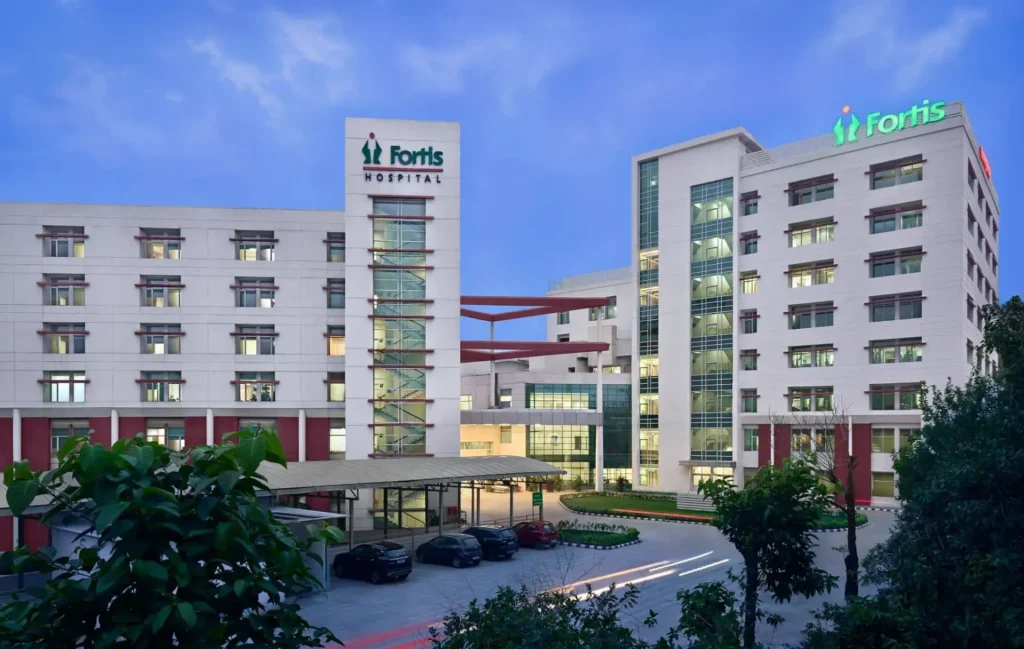
Fortis Hospitals has entered into a definitive agreement with Seth Sunder Lal Jain Charitable Eye Hospital (SLJ Society) to provide healthcare services at a new 400-plus-bed super-specialty hospital in Ashok Vihar, Delhi. According to Fortis Healthcare, the hospital is being developed and will be operated by the SLJ Society and is expected to begin operations within three to four years, subject to the required approvals. The agreements have been executed through Fortis Hospotel Limited (FHTL), a wholly owned subsidiary of Fortis Healthcare. Under the long-term healthcare services agreement, FHTL will have exclusive rights to provide specified inpatient healthcare services and specialised medical equipment at the facility in return for an agreed service fee. Fortis will also deploy the required clinical manpower for these services. The agreement has an initial committed term of 29 years, with an option for further extension based on mutually agreed terms. The SLJ Society will own and develop the hospital’s land, building, civil infrastructure and certain medical facilities. Fortis Hospotel will provide financial support to the Society through a phased loan over the next three to four years, linked to the progress of construction, upgradation and hospital operations. Spread across 3.1 acres in Ashok Vihar, the hospital is planned to commence operations in phases and will offer tertiary and quaternary healthcare services across specialties including oncology, neurosciences, cardiac sciences, gastroenterology, orthopaedics and renal sciences. The facility will also provide robotic multi-specialty surgeries and transplant services. With the addition of the new facility, Fortis Healthcare’s serviceable bed capacity across the Delhi-NCR region will exceed 3,500 beds. Source: Economic Times

Fortis Signs Agreement to Provide Healthcare Services at 400-Bed Delhi Hospital Read More »

India’s Elderly Population Set to Double by 2050; Government Plans Expanded Care Ecosystem

India is preparing to strengthen its healthcare, housing and caregiving infrastructure as the country’s elderly population continues to grow rapidly, with the number of senior citizens expected to nearly double by 2050. Sudhansh Pant, Secretary in the Ministry of Social Justice and Empowerment, said senior citizens currently account for an estimated 16-17 crore of India’s population and their numbers are expected to double over the next two decades. Rising life expectancy, supported by better healthcare and improved living standards, is further increasing the need for specialised services for older people. The government is working towards building a broader ecosystem covering healthcare, housing, caregiving and other support services. Under Ayushman Bharat PM-JAY, senior citizens aged 70 years and above are eligible for free treatment with health coverage of up to Rs 5 lakh annually. The Ministry of Social Justice and Empowerment is currently supporting around 800 care homes for senior citizens across the country and assisting state governments in operating such facilities. A proposal to introduce provisions for day-care homes for elderly people is also under consideration. To make information about senior citizen services easier to access, the ministry has launched the ‘Jeevan’ app, which brings various government schemes and facilities together on a single platform. The government is also seeking to address the growing demand for professional caregivers, particularly in urban areas. The ‘Shatayu’ caregiver dashboard enables elderly people requiring assistance to identify caregivers available in their locality and establish service arrangements. The country’s ageing population is simultaneously creating a significant economic opportunity. According to the ASLI-JLL report, India’s Silver Economy: From Niche to Necessity, India’s senior living market could reach a potential value of USD 10.1 billion by 2030 under a policy-driven scenario. Meeting the projected demand would require an estimated USD 7.7 billion in capital investment. Rajagopal G, Chairman of the Association of Senior Living India (ASLI), said India’s ageing transition was already underway and called for building the necessary ecosystem without delay. The country currently has more than 166 million people aged above 60, a figure projected to reach nearly 346 million by 2050. The organised senior living sector had 25,050 senior housing units as of June 2026, but its penetration remains low at around 1.5 per cent. This compares with 6-7 per cent in the United States and 14-15 per cent in New Zealand. Karan Singh Sodi, Senior Managing Director at JLL, said the sector could expand to nearly 74,000 units by 2030. However, assisted living remains a significant shortfall. India currently has only around 2,100 assisted-living beds against an estimated requirement of 11,000 by 2030. Industry stakeholders have called for faster development of quality senior housing, along with greater focus on assisted care, care financing, workforce training and a comprehensive continuum of elderly care services. Source: PTI  

India’s Elderly Population Set to Double by 2050; Government Plans Expanded Care Ecosystem Read More »

India Must Build World-Class Medical Devices, Government to Fund Testing Equipment Fully: Goyal

Commerce and Industry Minister Piyush Goyal on Monday urged India’s pharmaceutical and healthcare industry to focus on developing high-quality medical devices that can compete in global markets, assuring that the government is prepared to fund the entire cost of acquiring advanced testing equipment. Addressing two pharma industry events, Goyal called for stronger domestic capabilities and the creation of modern shared testing infrastructure where Indian medical devices can be tested, benchmarked against global standards and certified for international markets. He said the Bureau of Indian Standards (BIS) is willing to support 100 per cent of the cost of the best available testing equipment, and encouraged the industry to come forward with proposals for setting up modern testing laboratories. Goyal also stressed the need for greater technology collaboration, joint ventures and partnerships with global innovators and major pharmaceutical companies. He called for co-designing and co-developing products, licensing technologies where necessary and establishing joint research and development centres with other countries. Highlighting India’s cost advantage, the minister said improvements in design capabilities, patent and copyright frameworks and the broader intellectual property rights ecosystem are essential for positioning the country as a global innovation hub. He further urged insurers and health-tech companies to develop solutions that simplify the patient journey and enable faster reimbursements. The healthcare industry, he said, should also invest in training and certifying caregivers to create a workforce capable of delivering healthcare services that meet international standards. Goyal called for greater transparency in hospital treatment packages and warned healthcare providers against unethical practices. Any instance of patients being misled or cheated, he said, could damage the credibility and goodwill of both individual institutions and India’s healthcare sector. As part of efforts to expand medical value tourism, he proposed greater participation in international exhibitions, global hospital tie-ups and the creation of facilitation networks. He also suggested that overseas patients should be treated only at verified and NABH-accredited hospitals, emphasising that healthcare quality should remain consistent for both Indian and foreign patients. To make India more accessible to international patients, Goyal recommended creating a pool of trained interpreters covering multiple languages. Better communication, he said, would improve patient confidence and make interactions with healthcare providers smoother. Goyal said India’s pharmaceutical and healthcare ecosystem has the potential to strengthen the country’s global standing while generating substantial employment and business opportunities across drugs, medical devices and healthcare consumables. According to the minister, around 3.5 million patients have benefited from India’s medical value tourism ecosystem over the past seven years. He said India should now aim to increase this figure to 10 million international patients annually. Goyal added that India has the doctors, technical expertise and healthcare ecosystem required to achieve this ambition, provided the industry maintains high standards of quality, ethics, integrity and patient care. He also noted that countries engaged with India through free trade agreements and other business negotiations are showing strong demand for Indian pharmaceuticals as well as doctors, nurses, technicians and caregivers. Source: PTI

India Must Build World-Class Medical Devices, Government to Fund Testing Equipment Fully: Goyal Read More »

Adani Group Plans 2,000-Bed Hospital in Bengal, Half the Beds to Be Free

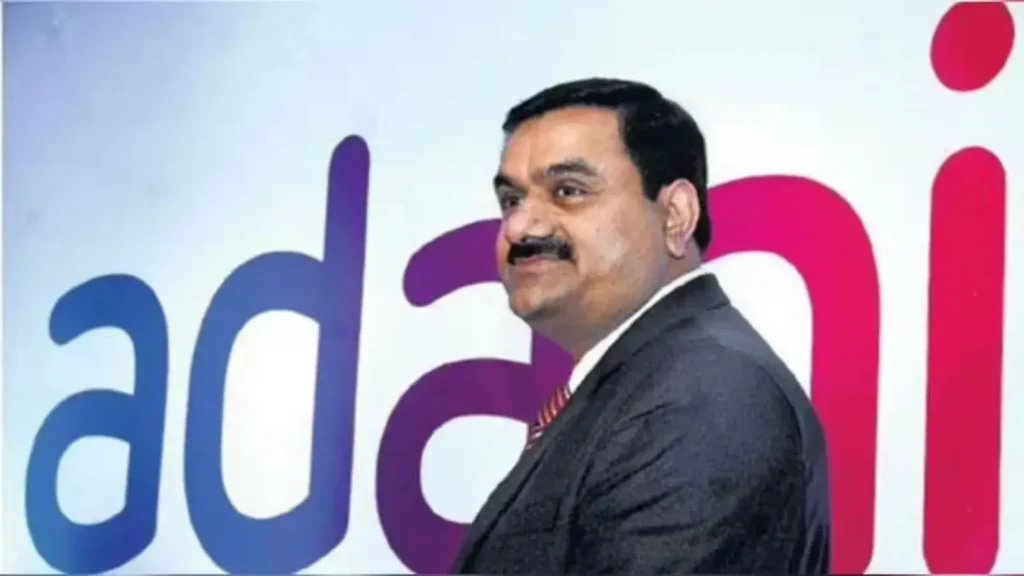
The Adani Group is set to establish a 2,000-bed hospital in New Town near Kolkata, with 1,000 beds earmarked to provide free treatment to economically weaker patients. West Bengal Chief Minister Suvendu Adhikari described the proposed healthcare facility as a major development for the state. He said Adani Group director Karan Adani had met him regarding the project, following which the state government provided written approval. According to Adhikari, half of the hospital’s 2,000 beds will be reserved for free treatment for poor patients, while the remaining 1,000 beds will operate on a commercial basis. He also said Adani Group chairman Gautam Adani has sent a commitment letter indicating the conglomerate’s intention to commence work on the project soon. The proposed hospital is expected to strengthen healthcare infrastructure in the New Town area and expand access to medical treatment for underprivileged sections of society. Source: PTI  

Adani Group Plans 2,000-Bed Hospital in Bengal, Half the Beds to Be Free Read More »

Nearly 24,000 Students Move to Himachal Government Schools After CBSE Adoption; State Plans 330 New PG Medical Seats

Around 24,000 students have transferred from private institutions to government schools across Himachal Pradesh during the current academic year, following the state’s implementation of the CBSE curriculum in public schools. The state government said the students have enrolled in nearly 150 government schools, reflecting growing confidence in the quality of public education. Addressing a public event in Nagrota Bagwan, Chief Minister Sukhvinder Singh Sukhu highlighted the government’s ongoing efforts to strengthen the education sector. He said government schools are expected to witness a comprehensive transformation over the next two to four years through continued reforms aimed at enhancing teaching standards and learning outcomes. The Chief Minister also announced a major expansion of postgraduate medical education in the state. The government has proposed 330 additional PG medical seats across government medical colleges, including 100 seats at Dr Rajendra Prasad Government Medical College (RPGMC), Tanda. The initiative is intended to address the shortage of specialist doctors and improve access to quality healthcare. Alongside increasing medical seats, the state is investing in modernising healthcare infrastructure. Advanced medical equipment is being installed in government hospitals and medical colleges, including RPGMC Tanda, to ensure patients receive specialised treatment within the state instead of travelling elsewhere. According to the Chief Minister, Himachal Pradesh has become the first state in India to introduce robotic surgery in the government healthcare system. He added that 3 Tesla MRI scanners are being installed in all government medical colleges, with the technology already operational at IGMC Shimla and the Atal Institute of Medical Super Specialities (AIMSS), Chamiyana. District and regional hospitals are also being equipped with 1.5 Tesla MRI scanners, PET scanners, CT scanners, advanced cancer treatment facilities, and upgraded medical equipment. The announcements were made during the Chief Minister’s visit to Nagrota Bagwan, where he reviewed various developmental projects in the region. Source: Indian Express

Nearly 24,000 Students Move to Himachal Government Schools After CBSE Adoption; State Plans 330 New PG Medical Seats Read More »

IIT Kharagpur Moves to Launch First-Ever MD Programme, Awaits NMC Clearance

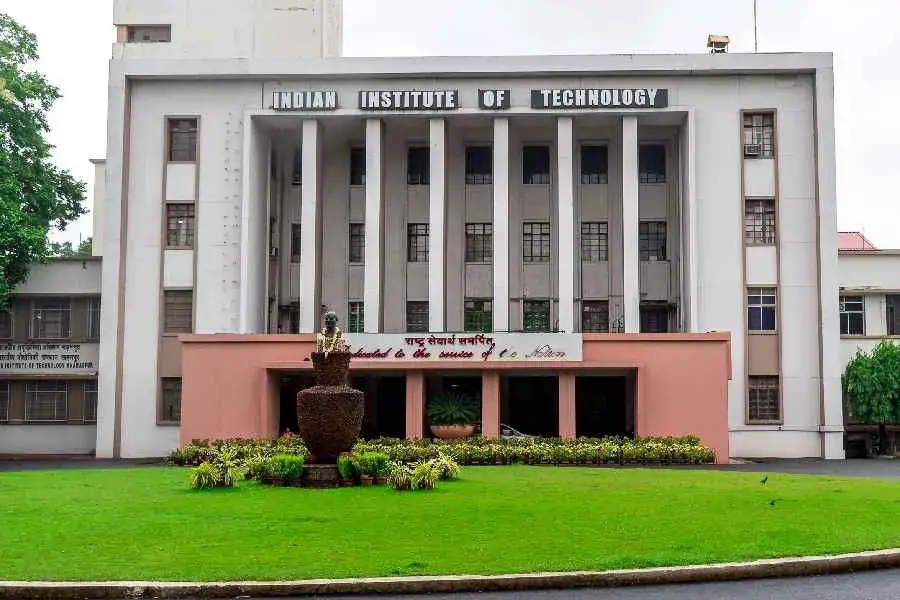
Indian Institute of Technology Kharagpur has formally applied to the National Medical Council seeking approval to introduce a postgraduate Doctor of Medicine (MD) programme, marking a potential first for the IIT system. Institute Director Suman Chakraborty confirmed that the application has been submitted ahead of the March 31 deadline. While the Ministry of Education has expressed support, the final approval will depend on the Ministry of Health and Family Welfare, as the proposal requires coordination between multiple ministries. The institute plans to initially offer 20 seats under the MD programme. Preparations are already underway, including the recruitment of 20 doctors who will serve as faculty members. Training for students will take place at the institute’s medical facilities, including the Dr B C Roy Multi Specialty Medical Research Centre and the Syama Prasad Mookerjee Super Speciality Hospital. Admissions are expected to be conducted through the National Eligibility cum Entrance Test (NEET). Additionally, the Syama Prasad hospital is being expanded into a 220-bed inpatient department (IPD) facility under a mission-mode initiative, aimed at enhancing healthcare services for the campus and surrounding community. The proposal was earlier approved by the institute’s Board of Governors in September 2025, but timelines for final approval remain uncertain pending regulatory clearance. Source: PTI

IIT Kharagpur Moves to Launch First-Ever MD Programme, Awaits NMC Clearance Read More »

Medanta to Invest ₹550 Crore in 400-Bed Multi-Specialty Hospital in Varanasi

Medanta has announced plans to establish a 400-bed multi-specialty hospital in Varanasi, marking a significant expansion of its healthcare footprint in Uttar Pradesh. The upcoming facility will be developed under a built-to-suit lease agreement with Shripal Hospitality and its associates. While the partner will handle the construction of the hospital’s civil infrastructure according to Medanta’s standards, the hospital chain will invest approximately ₹550 crore towards medical equipment, interiors, and fit-outs. This new project is expected to further strengthen Medanta’s presence in the state. The group already operates a 950-bed flagship hospital in Lucknow and recently launched a 550-bed facility in Noida. With the addition of the Varanasi hospital, Medanta’s total bed capacity in Uttar Pradesh will increase to around 1,900. Commenting on the development, Dr. Naresh Trehan, Chairman and Managing Director of Medanta, stated that the expansion reflects the organisation’s commitment to improving access to advanced and patient-centric healthcare in densely populated regions. Echoing this, Pankaj Sahni, Group CEO of Medanta, highlighted that Varanasi remains an underserved market in terms of quality tertiary healthcare. He noted that most existing hospitals in the city operate at a smaller capacity of 50–150 beds, often forcing patients to travel to other cities for specialised and complex treatments. Source: Economic Times

Medanta to Invest ₹550 Crore in 400-Bed Multi-Specialty Hospital in Varanasi Read More »

President Murmu to Inaugurate Uttar Pradesh’s First AYUSH University During Two-Day Visit to Gorakhpur

President Droupadi Murmu begins a two-day official visit to Uttar Pradesh today, with a packed itinerary that includes the inauguration of the state’s first AYUSH University and the first convocation ceremony of AIIMS Gorakhpur. As per the Chief Minister’s Office, President Murmu will unveil the AYUSH University located in Pipri, Bhathat — a milestone in the state’s efforts to promote traditional medicine systems and holistic healthcare education. The university is expected to serve as a hub for integrating Ayurveda, Yoga, Unani, Siddha, and Homeopathy into mainstream education and healthcare delivery. This visit marks President Murmu’s fourth trip to Gorakhpur in the last seven years and highlights the city’s growing significance on the national stage. Her presence at both AIIMS and the new university echoes the state government’s continued focus on health and education infrastructure under Chief Minister Yogi Adityanath’s leadership. On July 1, President Murmu will address graduating students during the inaugural convocation ceremony at AIIMS Gorakhpur. The venue, along with the surrounding campus, has been brought under tight security. In anticipation of her visit, OPD services at AIIMS were suspended on June 30. Chief Minister Adityanath has closely monitored all arrangements, personally inspecting the 31-km route between Gorakhpur city and Pipri to ensure seamless logistics and security. The President is also expected to visit the revered Gorakhnath Temple, where traditional meals befitting her status have been arranged. City authorities have implemented heightened security protocols across key zones. SP (City) Abhinav Tyagi confirmed a comprehensive three-tier security setup and declared a no-fly zone within a five-kilometre radius of the Circuit House to ensure the President’s safety. The visit also shines a light on ongoing development at AIIMS Gorakhpur. In April, the Chief Minister laid the foundation stone for the 500-bed ‘Powergrid Vishram Sadan’ — a facility being developed under the Power Grid Corporation of India’s CSR programme at a cost of ₹44 crore. The Vishram Sadan is intended to provide affordable accommodation for patients and their families during treatment. President Murmu’s visit is seen as a moment of pride and progress for eastern Uttar Pradesh, reinforcing Gorakhpur’s emerging role as a hub for healthcare, education, and traditional medicine. Source: IANS

President Murmu to Inaugurate Uttar Pradesh’s First AYUSH University During Two-Day Visit to Gorakhpur Read More »

Health Ministry Releases National Guidelines on Medical Oxygen Management

The Union Health Ministry has released the National Guidelines on Medical Oxygen Management, underscoring the critical importance of maintaining and utilizing medical oxygen infrastructure in healthcare facilities. The announcement was made at a workshop held at AIIMS Delhi, where Health Secretary Punya Salila Srivastava emphasized the need for efficient oxygen management to enhance clinical outcomes and emergency preparedness. The event also marked the launch of the National Capacity Building Programme on Oxygen Management, which aims to train 200 master trainers. These trainers will help hospital administrators and medical officers across India improve oxygen handling, reduce wastage, and optimize usage. Key Highlights of the Initiative: The National Guidelines provide a structured framework for the procurement, storage, and administration of medical oxygen. AIIMS Delhi will spearhead the capacity-building program, ensuring training at all levels of healthcare. The initiative, led by the Disaster Management Cell of the Ministry of Health and Family Welfare, is focused on patient safety, infrastructure preparedness, and best practices in oxygen management. Learnings from India’s COVID-19 response have been incorporated into the guidelines to strengthen future pandemic readiness. Addressing the gathering, Dr. M. Srinivas, Director of AIIMS, stressed the importance of awareness and training to ensure optimal oxygen management. The standardized guidelines are expected to enhance India’s healthcare resilience, ensuring hospitals nationwide are better equipped to handle medical oxygen needs during emergencies. Source: Business Standard

Health Ministry Releases National Guidelines on Medical Oxygen Management Read More »

Union Budget 2024: Health Sector Sees Marginal Increase, NHM Allocation Rises Amid Infrastructure Cuts

The Union Budget 2024, presented by Finance Minister Nirmala Sitharaman, revealed a modest 1.7% increase in the health sector allocation, bringing the total outlay to Rs 87,656 crore for the fiscal year 2024-25. Despite the increase, major announcements for the health sector were noticeably absent. One of the significant allocations was for the Ayushman Bharat health insurance scheme, which provides a Rs 5 lakh cover to the poorest 40% of the population. The allocation for this scheme increased slightly from Rs 7,200 crore last year to Rs 7,300 crore this year. The National Health Mission (NHM) received a substantial boost, with its allocation rising to Rs 36,000 crore from Rs 29,000 crore last year. The NHM focuses on reproductive, maternal, newborn, child, and adolescent health services, non-communicable diseases control, and enhancing access to comprehensive primary health care. However, the PM-Ayushman Bharat Health Infrastructure Mission (PM-ABHIM) saw a reduction in its budget from Rs 4,200 crore last year to Rs 3,200 crore this year. The revised estimate for this mission was even lower at Rs 2,100 crore. PM-ABHIM was launched to improve health infrastructure, including health centers, labs, and critical care hospital blocks, especially during the pandemic. Another infrastructure mission, the PM Swasthya Suraksha Yojana, also faced budget cuts, with its allocation dropping from Rs 3,365 crore last year to Rs 2,200 crore this year. This scheme supports the establishment of new AIIMS and the upgradation of district hospitals. The Ayushman Bharat Digital Health Mission (ABDM), which aims to create a digital health record platform for every citizen, saw its budget reduced from Rs 341 crore last year to Rs 200 crore this year. Despite this, the government plans to roll out its U-Win vaccine management portal as part of a 100-day plan, linking it to ABHA accounts for seamless health records. The tele-mental health program’s allocation decreased from Rs 133.7 crore to Rs 90 crore. This program was launched in the 2022 Budget to address mental health issues post-Covid-19 through a network of 23 mental health centers of excellence under NIMHANS. In contrast to the interim Budget’s significant health sector announcements, such as expanding the Ayushman Bharat insurance scheme and promoting HPV vaccination, the current Budget made only minor mentions. The Finance Minister’s speech included a reduction in custom duty on three cancer drugs and components for manufacturing X-ray machines.

Union Budget 2024: Health Sector Sees Marginal Increase, NHM Allocation Rises Amid Infrastructure Cuts Read More »