ArdorComm Media Group

Tuesday, November 24, 2026 8:39 PM

higher education

IIT Kanpur gets Rs 300 crore contribution from IndiGo co-founder Rakesh Gangwal for medical school

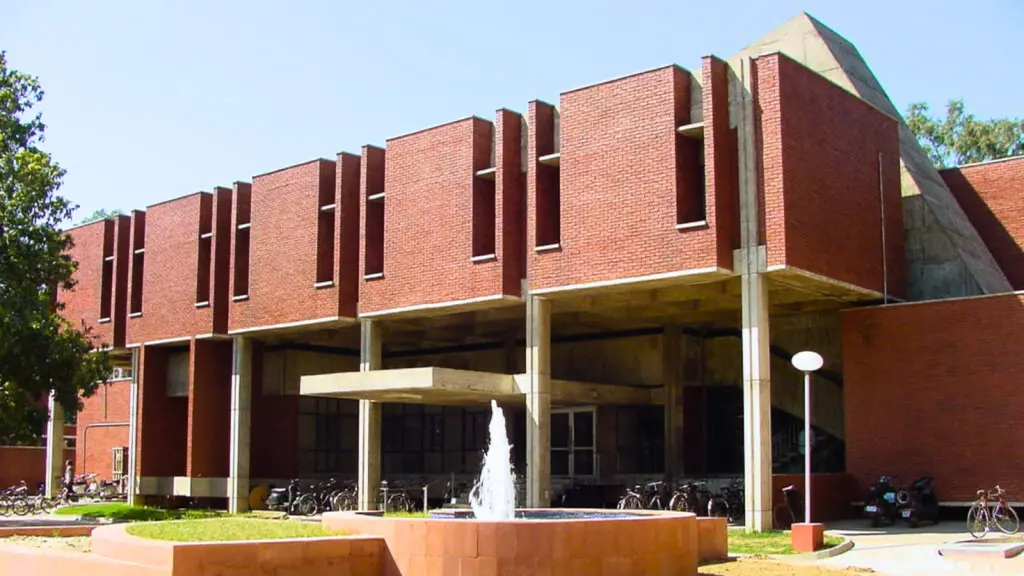
The Indian Institute of Technology (IIT) Kanpur has received a Rs 300-crore contribution from its alumnus and IndiGo co-founder Rakesh Gangwal to support the development of the Gangwal School of Medical Sciences and Technology. With the latest contribution, Gangwal’s total financial support for the institution has reached Rs 400 crore, following his earlier donation of Rs 100 crore in 2022. The latest funding is aimed at accelerating the development of the medical school and strengthening IIT Kanpur’s vision of bringing engineering, science, technology and medicine together. Gangwal has also committed to providing matching grants of up to Rs 300 crore against contributions from other donors supporting the school’s development, the institute said. The planned medical campus is set to feature a 500-bed super-speciality hospital within the IIT Kanpur campus. The institute has also proposed a 200-bed cancer care and research centre. The facilities are expected to support medical education, clinical research and healthcare services while encouraging collaboration between medical professionals, scientists, engineers and technology experts. The Gangwal School of Medical Sciences and Technology focuses on medical education, healthcare research, clinical innovation and MedTech development. Its academic and research priorities include advanced medical programmes, interdisciplinary research, futuristic healthcare solutions and MedTech innovation. IIT Kanpur Director Manindra Agrawal thanked Gangwal for his continued support, noting that his initial Rs 100-crore contribution in 2022 helped the institute begin implementing its plans for the medical school. He said the latest Rs 300-crore contribution would help accelerate the realisation of the institute’s long-term vision. Gangwal said he considered it an honour and privilege to support the initiative, describing the medical school as an innovative and first-of-its-kind institution aimed at integrating multiple disciplines to advance healthcare. Source: Indian Express

IIT Kanpur gets Rs 300 crore contribution from IndiGo co-founder Rakesh Gangwal for medical school Read More »

Netflix, IICT announce scholarships for 100 students and professionals across six creative programmes

The Indian Institute of Creative Technologies (IICT) and Netflix have announced scholarships for 100 students and working professionals across India, covering up to 80% of course fees for six programmes in animation, visual effects, gaming and comics. The initiative is part of the Netflix India Storytelling Initiative, launched earlier this month after Netflix Co-CEO Ted Sarandos met Prime Minister Narendra Modi during his India visit. The programme seeks to strengthen India’s creative talent pipeline by providing industry-oriented training across the Animation, Visual Effects, Gaming and Comics (AVGC) ecosystem. The scholarships will cover two one-year diploma programmes — Interactive Comics & Sequential Arts and Visual Effects Mastery — along with four six-month certificate courses in Virtual Art Department Content Creation, Media Tech Workflow, Art of Character Animation, and E-Sports & Gaming Management. Supported by the Netflix Fund for Creative Equity, the scholarships are available to both students and working professionals from across the country. Netflix is also involved in shaping the academic content of the programmes. The company has contributed to the curriculum for IICT’s Visual Effects Mastery and Media Tech Workflow courses, with an emphasis on current industry workflows, technologies and professional practices. The partnership is aimed at strengthening the connection between India’s expanding creative talent pool and the evolving requirements of the global AVGC-XR industry. Chanchal Kumar, Secretary, Ministry of Information & Broadcasting and Chairman of the IICT Board, said the collaboration would bring industry expertise into academic training and help prepare professionals for the changing global creative sector. Monika Shergill, Vice President, Content, Netflix India, said the initiative would provide aspiring storytellers with access to specialised training in animation, visual effects, gaming and comics, while exposing them to industry expertise. Dr Vishwas Deoskar, CEO of IICT, said the partnership would help incorporate industry perspectives into curriculum development, professional workflows and the skills expected from students. The initiative has also received support from the broader AVGC-XR industry. Munjal Shroff, Chairman of the FICCI AVGC-XR Forum and Co-Founder and COO of Graphiti Studios, said industry-linked talent development would be important for India’s ambitions in the AVGC-XR sector. IICT is India’s national centre of excellence for the AVGC-XR sector and was established by the Ministry of Information & Broadcasting in collaboration with the Government of Maharashtra, FICCI and CII. The institute currently operates from the NFDC Complex on Pedder Road in Mumbai, while its permanent 10-acre campus is being developed at Film City, Goregaon. The 100 scholarships across six specialised programmes are intended to combine financial support with practical, industry-focused education, creating new opportunities for talent entering India’s animation, VFX, gaming, comics and emerging creative technology sectors.  

Netflix, IICT announce scholarships for 100 students and professionals across six creative programmes Read More »

8.7 Crore Young Indians Were Out of Education, Work or Training in 2021: NITI Aayog

Around 8.7 crore Indians aged between 15 and 29 were not engaged in education, employment or training in 2021, according to NITI Aayog’s report, Reimagining Skilling for Viksit Bharat@2047. The findings highlight a significant gap in India’s transition from education to employment and skill development. Based on data from the 78th round of the National Sample Survey, the report categorises these young people as NEET — those who are not in education, employment or training, including those who are unemployed. NITI Aayog has called for affordable and subsidised training, financial assistance and stronger links between skilling programmes, local employment opportunities, self-employment and emerging industries. The report also flagged a weak connection between formal education and the job market. It found that only 8.25 per cent of graduates are employed in positions that match their qualifications. According to the think tank, insufficient practical exposure and limited industry-oriented training are major factors affecting employability. Young people from economically weaker families face additional barriers, as many cannot afford private tuition or paid skill courses alongside college expenses. After graduation, some accept low-paying jobs simply for income stability, while others remain outside the workforce and education system. To address this gap, NITI Aayog has recommended bringing skilling deeper into mainstream school education. It proposed introducing General Employability and Entrepreneurship Skills for students from Classes 6 to 12, while introducing specialised vocational pathways, called Kaushal Tracks, from Class 9. These tracks would allow students to acquire skills aligned with local and national employment demand. However, the report noted that vocational education remains limited across schools. Fewer than one in 12 secondary schools currently offer vocational subjects, despite provisions under the National Education Policy (NEP) 2020 and the National Curriculum Framework to integrate vocational education and employability skills from Class 6 onwards. For Classes 10 and 12, the think tank has recommended incorporating vocational subjects into the board examination subject structure with equal weightage. It also proposed allowing state boards to adopt the revised framework for certification and retaining General Employability and Entrepreneurship Skills as a separate subject for Classes 11 and 12. NITI Aayog has also called for changes in higher education, recommending a move away from generic degrees towards applied and industry-relevant specialisations. Greater integration of apprenticeships, work-based learning and earn-while-you-learn programmes has also been suggested to help students gain practical experience. The report identified apprenticeships as a crucial but underdeveloped bridge between education and employment. Although government initiatives such as the National Apprenticeship Promotion Scheme and National Apprenticeship Training Scheme have expanded opportunities, participation remains uneven. NITI Aayog has proposed incentives for MSMEs to create more apprenticeship positions and a unified platform where young people can access credible opportunities. The skilling strategy should also focus on sectors expected to generate future employment, including green industries and electric vehicles. At the same time, workers in declining sectors would need opportunities for reskilling and transition into new occupations. NITI Aayog said more than 7.67 crore people have received training since 2014-15, while the Union Budget 2025-26 allocated around Rs 34,000 crore for skilling-related expenditure across various Central ministries. However, the report stressed that higher training numbers and spending alone may not resolve the problem unless skilling is tied more closely to measurable employment outcomes. Source: Indian Express  

8.7 Crore Young Indians Were Out of Education, Work or Training in 2021: NITI Aayog Read More »

UGC-NET June 2026 Exam to Be Re-Conducted for Three Subjects in September

The Centre has informed the Delhi High Court that the UGC-NET June 2026 examination will be re-conducted for three subjects following complaints of errors in the question papers. Solicitor General Tushar Mehta, appearing for the Centre, told the court that examinations for English and Commerce will be held on September 9, while the Sociology paper will be conducted on September 10. The submission was made during the hearing of a petition filed by Aman Singh Yadav, a candidate who appeared for the Sociology examination on June 30. The petitioner had sought a stay on the declaration of UGC-NET results, along with an independent investigation into allegations that the question paper had been leaked and circulated commercially before the examination. Taking note of the Centre’s decision to conduct a fresh examination, Justice Jasmeet Singh disposed of the petition, observing that the relief sought by the petitioner no longer remained applicable. The National Testing Agency (NTA) conducted the UGC-NET June 2026 examination between June 22 and June 30 across 87 subjects. The examination determines eligibility for Junior Research Fellowship (JRF), appointment as assistant professors and admission to PhD programmes. During the hearing, the petitioner alleged that the Sociology question paper contained serious errors and had also been leaked before the examination. He claimed to have submitted representations to the NTA regarding the issues but had not received a response. The petition also sought an independent investigation by the Central Bureau of Investigation (CBI) or a Special Investigation Team (SIT) into the alleged question paper leak. The CBI was represented before the court by standing counsel Premtosh Mishra. In a separate public notice, the NTA said it had received multiple complaints concerning errors in the question papers of the three affected subjects. The agency subsequently constituted a committee to examine the complaints. The decision to re-conduct the examinations comes amid renewed scrutiny of the NTA, which has also announced plans to overhaul its examination system. Source: PTI  

UGC-NET June 2026 Exam to Be Re-Conducted for Three Subjects in September Read More »

NITI Aayog Proposes Reforms That Could Reshape Entry and Practice Across Professional Services

The NITI Aayog has proposed a series of reforms that could bring significant changes to how professionals qualify, obtain licences and operate across sectors such as law, accounting, architecture, engineering and healthcare. The recommendations focus on areas including professional licensing, recognition of qualifications, interstate mobility, business structures and mutual recognition agreements with other countries. While the proposals are not binding, they are intended to serve as a framework for further discussion and policy development. According to NITI Aayog, the services sector contributed around 55% of India’s GDP in 2023-24, while India accounted for 4.3% of global services exports. Professional and management consulting services alone represented nearly one-fifth of the country’s services exports in 2024-25. Key Regulatory Gaps Under Review The report highlights several challenges surrounding market entry, professional recognition, licensing, business structures, mobility and overlapping regulatory systems. In the legal sector, the proposals examine recognition of different categories of legal professionals, rules governing foreign lawyers and law firms, advertising restrictions and the structures through which legal professionals can operate. For accounting, auditing and bookkeeping, the report considers the role of bodies such as ICAI and NFRA, restrictions affecting foreign professionals and the need to strengthen the regulatory framework for bookkeeping services. The review also covers architecture, engineering, healthcare and allied healthcare, with sector-specific regulatory gaps identified in each area. Healthcare, for instance, faces multiple layers of regulation and does not yet have a unified mechanism for professionals to transfer licences between states. The issue becomes more complex in the case of foreign medical graduates. For engineering, NITI Aayog has pointed to the absence of a comprehensive statutory framework governing professional engineering practice. Greater Focus on Professional Mobility Recognition of qualifications and the ability of professionals to work across jurisdictions are another major focus of the report. NITI Aayog has examined India’s framework against practices followed in other countries, particularly regarding market access, licensing, business structures and recognition of professional qualifications. In architecture, for example, professionals in India primarily operate through sole proprietorships and partnerships, while countries such as the UK, New Zealand and Singapore permit broader structures, including LLPs and incorporated companies. The report suggests that improving mutual recognition arrangements could help Indian professionals gain greater international mobility while also creating clearer pathways for qualified foreign professionals to enter the Indian market. Four Broad Priorities Identified The report outlines four key areas for strengthening professional services: continuous professional development, adoption of global best practices, moving professional services towards higher-value segments of the services economy, and responding to emerging trends. For the legal profession, recommendations include broader statutory recognition, clearer rules for foreign law firms, mutual recognition agreements, reconsideration of advertising restrictions and the possibility of multidisciplinary practices with appropriate safeguards. For accounting and auditing, the report recommends expanding mutual recognition agreements, strengthening regulatory supervision, improving bookkeeper training and introducing phased accreditation routes for qualified foreign professionals. For architecture, suggested measures include a professional licensing examination, simplified registration procedures, broader permissible business structures and mutual recognition agreements. For engineering, NITI Aayog has proposed a central statutory framework covering engineers involved in construction and infrastructure, along with clearly defined scopes of professional practice. In healthcare and allied healthcare, the recommendations include timely implementation of the National Exit Test (NExT), greater regulatory clarity, portability of professional licences across states, full implementation of the National Commission for Allied and Healthcare Professions Act and stronger international recognition mechanisms. AI and the Shift Towards Higher-Value Work The proposed reforms come as professional services undergo rapid transformation due to technology and changing global demand. The report identifies areas such as research and development, engineering design, strategic technology operations and consulting as increasingly important parts of the move towards knowledge-intensive, higher-value services. Artificial intelligence, automation, the green transition and geopolitical changes are expected to further influence the professional services landscape. While technology is altering how several services are delivered, it is also generating demand for capabilities in advanced analytics, strategic consulting and technology-driven decision-making. For students and existing professionals, the proposed reforms could eventually have implications for licensing, accreditation, qualification recognition, continuing professional development and mobility. However, NITI Aayog has emphasised that the recommendations are reference points for further deliberation rather than mandatory policy measures at this stage. Source: Indian Express


NITI Aayog Proposes Reforms That Could Reshape Entry and Practice Across Professional Services Read More »

UGC flags 32 fake universities, warns students against EdTech franchise-based online degree programmes

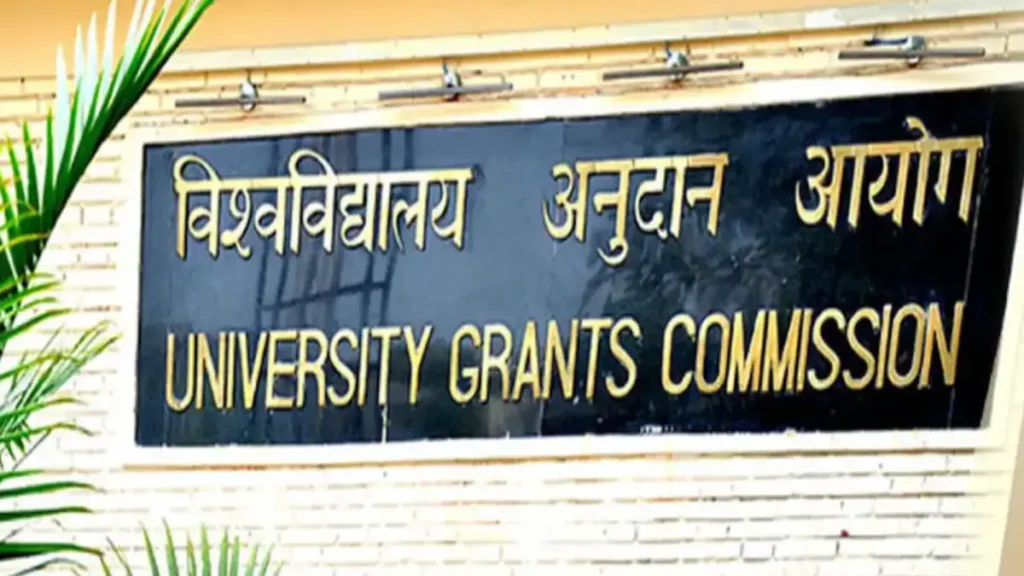
The University Grants Commission (UGC) has identified 32 institutions as fake universities in its latest list released in February 2026, the Ministry of Education informed the Rajya Sabha on Wednesday. The disclosure came in response to questions concerning misleading advertisements by EdTech platforms promoting 100% placement guarantees, lucrative job prospects, unauthorised institutional affiliations, fake universities, invalid degrees and unrecognised foreign collaborations. Minister of State for Education Dr. Sukanta Majumdar said the UGC has observed that several EdTech companies are advertising online and Open and Distance Learning (ODL) degree and diploma programmes in collaboration with universities and institutions recognised by the commission. He clarified that the UGC has issued a public notice stating that franchise arrangements for offering online or ODL programmes are not permitted. Degrees awarded through such unauthorised partnerships are not recognised by the UGC, and appropriate action will be taken against both defaulting EdTech firms and higher education institutions under existing laws and regulations. The commission has advised students and other stakeholders to verify the recognition or entitlement status of any online or distance education programme through the UGC Distance Education Bureau (DEB) portal before taking admission. According to the ministry, whenever the UGC receives complaints about unauthorised institutions awarding degrees, it issues notices seeking explanations. If the response is found unsatisfactory, the institution is subsequently included in the commission’s list of fake universities. To tackle such malpractice, the UGC established its Anti-Malpractice Cell (AMPC) on May 30, 1996, to address cases involving fake or unrecognised universities operating in violation of the UGC Act, 1956. The regulator also issues warning and show-cause notices, regularly publishes state-wise lists of fake universities, and conducts awareness campaigns through its website and social media channels. It has further urged state governments and Union Territories to initiate action, including filing FIRs where necessary, against fake institutions operating within their jurisdictions. The latest list includes fake institutions across Delhi, Haryana, Rajasthan, Uttar Pradesh, Jharkhand, Andhra Pradesh, Arunachal Pradesh, West Bengal, Maharashtra and Puducherry. Students have been urged to verify the authenticity and recognition status of higher education institutions through the official UGC website before seeking admission. Source: Indian Express
UGC flags 32 fake universities, warns students against EdTech franchise-based online degree programmes Read More »

IIT Kanpur Launches 6-Month Online AI and Machine Learning Certificate Programme for Business Analytics

The Indian Institute of Technology (IIT) Kanpur has announced a six-month online certificate programme in Advanced Data Science and Machine Learning for Business Analytics, designed to help graduates and working professionals strengthen their expertise in artificial intelligence (AI), machine learning (ML), and data-driven business strategies. The programme is scheduled to begin on October 3, 2026, with admissions remaining open until mid-September 2026. It aims to prepare learners to apply AI-powered solutions and analytics across sectors including finance, marketing, consulting, operations, product management, and business analytics. Eligibility Criteria Applicants from any academic discipline can apply if they have secured at least 55% aggregate marks from a recognised university or institution. Professionals with three or more years of relevant work experience are also eligible with a minimum of 40% aggregate marks, according to IIT Kanpur. Application Process Candidates can apply by following these steps: Visit the official IIT Kanpur course application portal. Click on Apply or Register Interest. Create an account or log in. Complete the online application form. Upload the necessary documents. Pay the application fee. Submit the application. Await admission confirmation from IIT Kanpur. Industry-Focused Curriculum Developed in collaboration with faculty members from leading IITs and IIMs, the curriculum covers Python and R programming, data analysis, data visualisation, machine learning, and generative AI. The programme emphasises practical learning through real-world business applications and hands-on projects. Prof. Abhinav Tripathi, Programme Coordinator and faculty in the Department of Management Sciences at IIT Kanpur, said that AI and machine learning have become indispensable across industries. He noted that the programme has been designed to provide participants with practical, industry-oriented knowledge and hands-on experience to address modern business challenges. According to IIT Kanpur, the course will also help participants develop AI-powered analytics capabilities, automate routine business processes, and generate actionable insights for informed decision-making. Source: Indian Express ( Disclaimer: This report is generated from PRO services. ‘ArdorComm Media’ holds no responsibility for its content. )

IIT Kanpur Launches 6-Month Online AI and Machine Learning Certificate Programme for Business Analytics Read More »

IIM Kozhikode Introduces 20-Week Executive Programme on Product Innovation with AI and Agentic AI

Responding to the growing demand for artificial intelligence-driven product development, the Indian Institute of Management (IIM) Kozhikode has launched a 20-week Executive Programme in Product Innovation with AI & Agentic AI. The programme is designed to equip working professionals with the expertise needed to create AI-powered products and drive innovation in an increasingly AI-centric business environment. The curriculum focuses on enabling participants to move beyond the use of conventional AI tools and develop AI-native products. It covers the complete product development lifecycle, including identifying market opportunities, understanding customer needs, rapid prototyping, deployment, optimisation, and scaling AI-enabled solutions. The programme will be delivered by IIM Kozhikode faculty alongside experienced industry professionals working on cutting-edge AI products. Participants will also attend four live masterclasses covering key topics such as AI-native product design, human-AI interaction, agentic AI systems, and emerging trends in AI-led product innovation. As part of the hands-on learning experience, learners will complete five applied mini projects and a capstone project focused on AI opportunity assessment, customer validation, experimentation, prototyping, agentic workflow development, and deployment-ready product creation. The course also offers practical exposure to more than 20 industry-standard AI and product management tools, including ChatGPT, Claude, Figma, Uizard, n8n, Mixpanel, Amplitude, Miro, Notion, Jira, and Google Looker Studio. Participants who successfully complete the programme will receive a certificate from IIM Kozhikode. They can also choose an optional one-day campus immersion, available at an additional cost, to engage in networking opportunities and academic interactions. The executive programme aims to help professionals understand how AI is transforming product strategy, business models, user experience, agile development, data strategy, and autonomous workflows, preparing them to build innovative products for the AI-first era. The launch comes at a time when AI adoption continues to accelerate globally. According to the McKinsey State of AI Report 2025, 88% of organisations have integrated AI into at least one business function, compared to 55% in the previous year. Meanwhile, insights from the Forrester 2026 and Figma AI Report 2025 indicate that 51% of AI product teams are now developing agentic AI solutions, a significant increase from 21% in 2024. Source: Indian Express  

IIM Kozhikode Introduces 20-Week Executive Programme on Product Innovation with AI and Agentic AI Read More »

Delhi Named World’s Most Affordable Student City in QS Best Student Cities 2027; Mumbai Tops Indian Rankings

Delhi has been recognised as the world’s most affordable destination for students in the QS Best Student Cities 2027 rankings, while Mumbai emerged as India’s highest-ranked student city by climbing to 91st place globally. Released on Wednesday by global higher education analytics firm QS Quacquarelli Symonds, the annual rankings evaluate 150 cities worldwide based on six key parameters: university quality, employer activity, affordability, desirability, student mix and student view. Globally, Seoul retained the top position with a perfect overall score of 100, followed by Tokyo in second and London in third. Melbourne secured fourth place, while Munich and Sydney shared the fifth spot. The global top 10 also featured Paris, Berlin, Vienna and Zurich, with Singapore, Beijing and Kuala Lumpur ranking just outside the top 10. Among Indian cities, Mumbai improved seven places from 98th to 91st, becoming the country’s best-performing student destination with an overall score of 61.8. The city performed particularly well in employer activity and affordability, ranking 34th and 12th globally in those categories, respectively. Delhi entered the global top 100 by moving up from 104th to 99th place with an overall score of 60.3. The national capital earned the highest affordability score worldwide (93.9), making it the most affordable city for students globally. According to QS, the average annual tuition fee for international students in Delhi is around US$2,700 (approximately ₹2.6 lakh). Delhi also ranked 29th globally in employer activity, highlighting strong career opportunities for graduates. Bengaluru slipped six positions to joint 114th with an overall score of 56.0. QS attributed part of the decline to comparatively higher international tuition fees, averaging around US$5,400 annually, the highest among the four Indian cities included in the rankings. Meanwhile, Chennai recorded a modest improvement, climbing from 128th to 123rd place with an overall score of 54.0. World’s Top 10 Student Cities 2027 Seoul, South Korea Tokyo, Japan London, United Kingdom Melbourne, Australia Munich, Germany (Joint) Sydney, Australia (Joint) Paris, France Berlin, Germany Vienna, Austria Zurich, Switzerland QS stated that the Best Student Cities rankings are based on 23 performance indicators grouped under six broad categories: university quality, employer activity, affordability, desirability, student mix and student view. To qualify, a city must have a population exceeding 250,000 and host at least two universities featured in the QS World University Rankings. Source: Indian Express  

Delhi Named World’s Most Affordable Student City in QS Best Student Cities 2027; Mumbai Tops Indian Rankings Read More »

VTU Partners with Google to Boost AI, Cloud and Cybersecurity Skills for Engineering Students

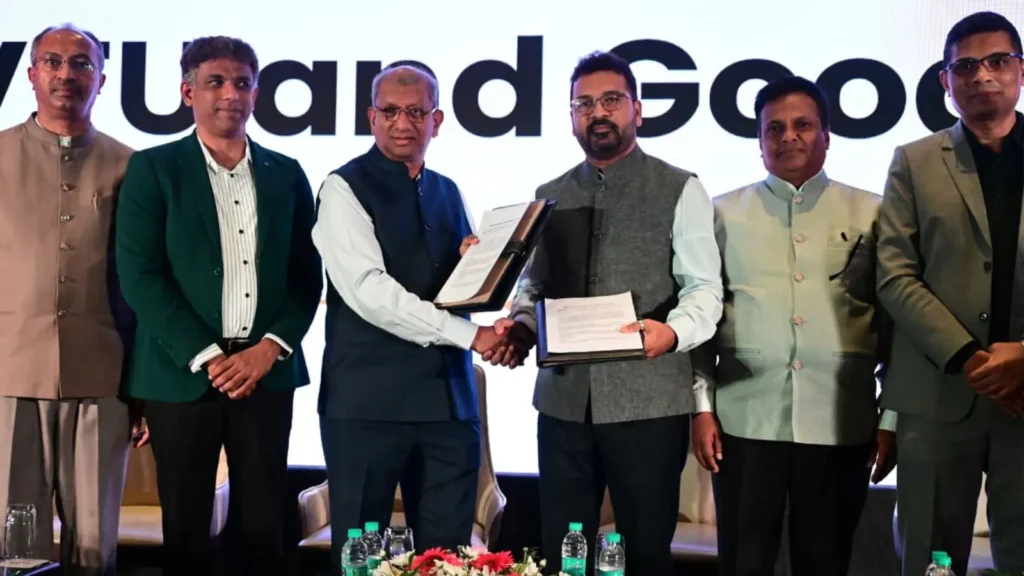
Visvesvaraya Technological University (VTU) has signed a strategic academic partnership with Google LLC to equip engineering students across Karnataka with industry-focused skills, practical learning opportunities and enhanced career readiness. The Memorandum of Understanding (MoU) was signed in Bengaluru by VTU Vice-Chancellor Prof. S. Vidyashankar and Sanjay Jain, Head of Google for Education India. Under the collaboration, students will receive training in high-demand domains such as artificial intelligence (AI), cloud computing, data science and cybersecurity. The initiative will also focus on faculty development, helping educators strengthen their expertise while aligning academic programs with evolving industry expectations. Highlighting the significance of the partnership, Prof. Vidyashankar said VTU, which is affiliated with 220 engineering colleges and serves nearly 300,000 students, is committed to ensuring graduates are job-ready from day one. He noted that collaborations with leading technology companies will help bridge the gap between classroom learning and industry requirements. Sanjay Jain said Google aims to support both students and faculty through practical skill development and employment-oriented training. He added that the programme will introduce learning models aligned with the National Education Policy (NEP) and State Education Policy (SEP), enabling participants to use AI more effectively and prepare for future workplace demands. Alongside Google, VTU also announced partnerships with Qualcomm, Bharat Skills Institute Foundation and Simulation Enabled Experiential Learning (SEEL) to further strengthen technical education. Qualcomm, through its subsidiary Stem Lore Innovators LLP, will offer long-term training in AI, embedded systems, product prototyping and the Internet of Things (IoT), while also establishing a Centre of Excellence in Edge AI. The Bharat Skills Institute Foundation plans to develop a Centre of Excellence in phases with an investment of ₹20 crore, focusing on skill-based education and workforce development. Meanwhile, SEEL will introduce a cloud-based digital learning platform that enables students to perform laboratory exercises remotely. The platform will provide access to scientific and technical software, GATE preparation resources, previous years’ question papers, mock tests, AI-powered interview practice, more than 1,900 industry projects and internship opportunities, along with webinars, workshops and expert-led sessions for engineering and MBA students. Source: Indian Express  

VTU Partners with Google to Boost AI, Cloud and Cybersecurity Skills for Engineering Students Read More »