ArdorComm Media Group

Tuesday, November 24, 2026 8:49 PM

higher education

Delhi University Receives Over 1.9 Lakh UG Applications; First CSAS Seat Allotment on July 16
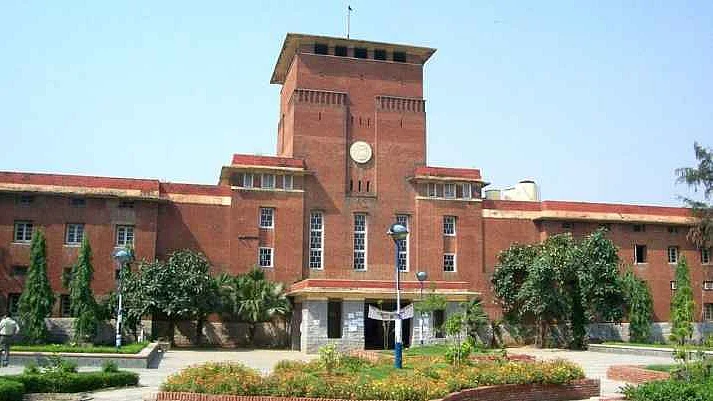
Delhi University (DU) has recorded an overwhelming response for undergraduate admissions for the 2026–27 academic session, with more than 1.90 lakh students registering through the Common Seat Allocation System (CSAS). According to the university, 1,90,645 applicants have completed registration, while 1,64,098 candidates have successfully finished Phase II by submitting their programme and college preferences. The university has set 11:59 pm on July 11 as the final deadline for both registration and preference submission. A one-time correction window, opened on July 10, also remains available until the same deadline, allowing applicants to rectify errors in their submitted details following requests from students. The UG admission process began on June 26, while Phase II, covering subject mapping and preference selection, commenced on July 3. University officials have advised candidates to carefully verify their programme and college choices before the deadline, as preferences will be automatically locked once the window closes. For the current admission cycle, DU is offering 73 undergraduate programmes across 69 colleges and departments, with a total intake of 71,624 seats. Students can choose from nearly 150 BA programme combinations, and the complete seat matrix is available on the university’s official website. Admissions under supernumerary categories, including sports and extracurricular activities, will also follow the preference-based allocation process. The first CSAS seat allocation list is scheduled to be published on July 16. After accepting an allotted seat and paying the admission fee, candidates can either confirm their admission or opt for an upgrade in subsequent rounds. Those seeking upgrades will have the opportunity to reorder their higher preferences before the next allocation. To simplify fee payments, Delhi University has introduced a virtual wallet system, enabling automatic adjustment of fees if a candidate is upgraded to a different programme or college, eliminating the need for multiple payments. The university plans to complete two rounds of undergraduate admissions before the new academic session begins on July 28. On the postgraduate front, DU released the third allocation list for two-year PG programmes, including performance-based courses such as MFA, B.P.Ed, M.P.Ed, and Music, on July 10. The latest round includes 1,765 fresh allocations, comprising 1,551 regular PG admissions and 214 performance-based admissions, while 5,848 candidates have already confirmed their seats. Additionally, 8,823 candidates have applied for the university’s one-year postgraduate programmes designed for students graduating under the UGCF 2022 framework aligned with the National Education Policy (NEP) 2020. DU also continues its BTech admissions through the second allocation list, while the first spot admission round for its five-year integrated law programmes has been announced with 18 vacant seats available. Source: Indian Express

Delhi University Receives Over 1.9 Lakh UG Applications; First CSAS Seat Allotment on July 16 Read More »

Private Universities Drive India’s Higher Education Expansion, Growing Three Times Faster Than Public Institutions Over a Decade

India’s higher education landscape has witnessed a major transformation over the past decade, with private universities emerging as the primary drivers of institutional growth. According to the Ministry of Education’s All India Survey on Higher Education (AISHE) 2023-24, the number of private universities increased from 219 in 2013-14 to 546 in 2023-24, registering a remarkable 149.3% growth. In comparison, government universities rose from 504 to 733 during the same period, reflecting a comparatively modest 45.4% increase. Overall, the total number of universities in the country climbed from 723 to 1,279, marking a 76.9% rise over the decade. The data indicates that private universities expanded at more than three times the pace of their government counterparts. At the state level, Gujarat recorded the highest increase in private universities, adding 51 institutions to reach 67 private universities in 2023-24, overtaking Rajasthan, which now has 57. Madhya Pradesh followed with 52 private universities, while Uttar Pradesh and Maharashtra reported 45 and 42, respectively. Government universities, however, continued to maintain a strong presence across the country. Uttar Pradesh remained the leading state in terms of public universities, increasing its count from 35 to 58, followed by Karnataka, which expanded from 32 to 51 government institutions. Despite the rapid rise in private universities, public institutions continue to educate the majority of university students. Government university enrolment increased from 51.9 lakh students in 2013-14 to 73.9 lakh in 2023-24, although their share of total enrolment declined from 81.3% to 68.1% over the decade. Private universities, on the other hand, recorded a much sharper increase in student numbers. Enrolment nearly tripled from 11.9 lakh to 34.6 lakh students, representing a 191.8% growth. Their share of total university enrolment rose from 18.6% in 2013-14 to 31.9% in 2023-24, highlighting their growing role in India’s higher education ecosystem. The AISHE findings also point to broader progress in higher education participation. India’s Gross Enrolment Ratio (GER) for the 18–23 age group improved from 23.0 in 2013-14 to 30.0 in 2023-24. Female participation continued to outpace that of males, with the female GER reaching 31.2, compared to the male GER of 28.9, marking the seventh consecutive year in which women recorded a higher enrolment ratio. Source: Indian Express  

Private Universities Drive India’s Higher Education Expansion, Growing Three Times Faster Than Public Institutions Over a Decade Read More »

AIIMS Delhi Completes Major Faculty Recruitment Drive Using Blockchain-Enabled Technology

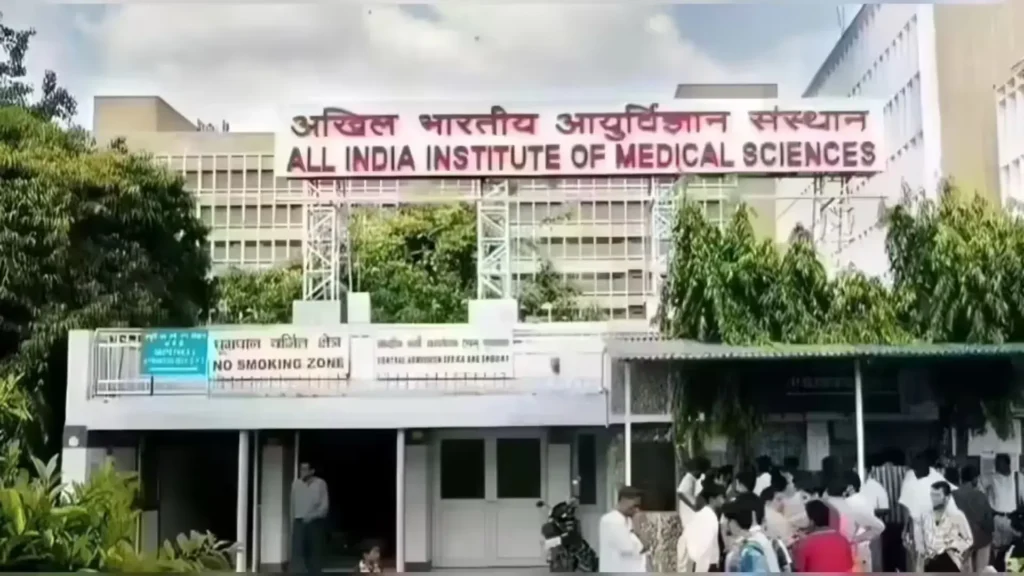
All India Institute of Medical Sciences, New Delhi has successfully concluded one of its largest faculty recruitment drives in recent years, announcing the results for nearly 460 teaching positions through a blockchain-enabled digital evaluation system. According to the institute, around 370 faculty members have been recruited for AIIMS New Delhi and the AIIMS–Central Armed Police Forces Institute of Medical Sciences campus. The appointments span more than 50 medical and allied health disciplines, covering roles from Assistant Professor to Professor. The recruitment process attracted over 3,200 applications for 265 faculty positions at AIIMS New Delhi and 199 positions at the AIIMS-CAPFIMS campus. The selection exercise was carried out over a period of six months. AIIMS stated that the use of blockchain-enabled digital technology ensured a secure, transparent, and efficient evaluation process. Candidate assessment scores were protected using one-time password (OTP) authentication, while final merit lists were generated through predefined algorithms, reducing manual intervention and enhancing the integrity of the recruitment process. The institute noted that adopting advanced digital technologies for faculty appointments reflects its commitment to strengthening institutional governance through innovation. The large-scale recruitment is expected to enhance patient care, medical education, research, and innovation across a broad spectrum of healthcare specialties. Source: Economic Times

AIIMS Delhi Completes Major Faculty Recruitment Drive Using Blockchain-Enabled Technology Read More »

IIM Bangalore to Establish First Overseas Campus in Indonesia, Expanding India’s Higher Education Footprint in ASEAN

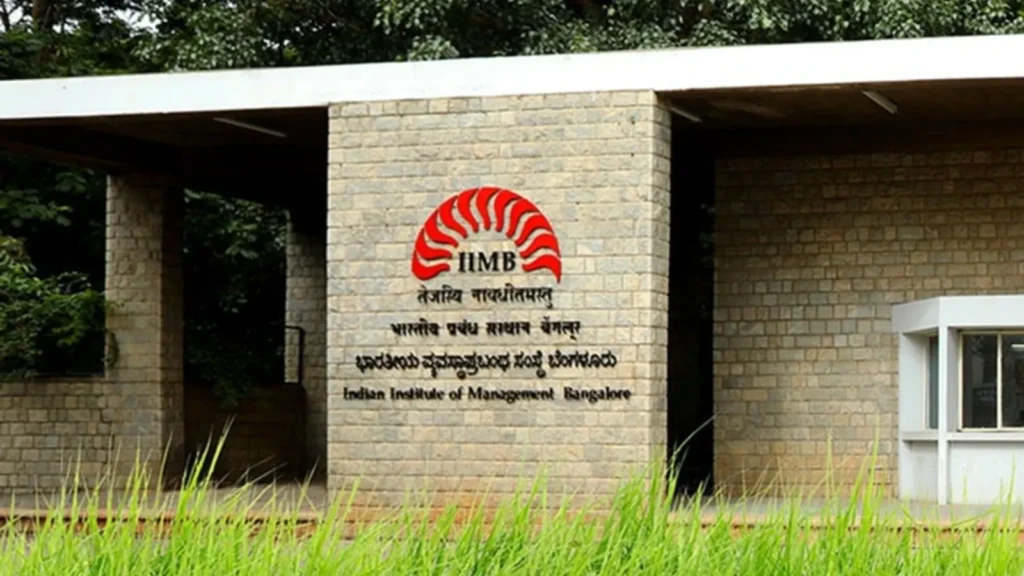
In a significant step towards strengthening academic ties between India and Indonesia, the Indian government has announced that the Indian Institute of Management Bangalore will set up its first international campus in Indonesia. The announcement was made by Prime Minister Narendra Modi following bilateral discussions with Indonesian President Prabowo Subianto during Modi’s official visit to the country. The proposed campus is expected to cater not only to Indonesian students but also to learners from across the ASEAN region, further enhancing India’s educational outreach in Southeast Asia. Alongside the education initiative, India and Indonesia signed several agreements aimed at deepening collaboration in artificial intelligence (AI), telecommunications, digital public infrastructure, startups, and innovation. Both leaders emphasised promoting technology-driven partnerships and creating greater opportunities for young innovators from both nations. The two countries also agreed to broaden cooperation in the space sector through joint research, technology exchange, and capacity-building initiatives, reinforcing their long-standing strategic partnership. The Indonesia campus marks another milestone in the global expansion of Indian management education. It follows the international debut of Indian Institute of Management Ahmedabad, which became the first IIM to establish a full-fledged overseas campus in Dubai. Inaugurated in September 2025 at Dubai International Academic City, the campus currently offers a one-year full-time MBA programme for experienced professionals, reflecting India’s growing ambition to internationalise its higher education institutions. Source: Indian Express

IIM Bangalore to Establish First Overseas Campus in Indonesia, Expanding India’s Higher Education Footprint in ASEAN Read More »

Health Ministry Makes 80% Biometric Attendance Mandatory for PG Dental Students Appearing in Exams

The National Dental Commission (NDC) has instructed all dental colleges and universities in India to ensure that postgraduate (PG) dental students maintain a minimum of 80% biometric attendance to qualify for university and MDS examinations. In its latest directive, the commission reiterated that institutions must strictly comply with Regulation 18(a)(i) of the DCI MDS Course Regulations, 2017, which mandates the attendance requirement. Colleges have been warned that allowing students with attendance below the prescribed limit to appear for examinations will amount to non-compliance, and the institutions themselves will be held accountable. The NDC emphasized that no postgraduate dental student should be permitted to sit for university examinations unless the biometric attendance threshold of 80% has been met. The latest order reinforces an earlier directive issued on January 19, 2026, when the then Dental Council of India (DCI) had instructed institutions to implement biometric attendance norms following recommendations from its Grievance Sub-Committee. The committee had reviewed complaints from dental colleges in Rajasthan, Haryana, and Uttar Pradesh, where several postgraduate students were reportedly falling short of the mandatory attendance requirement. Based on its findings, it recommended strict implementation of the attendance regulation across all dental institutions. Reaffirming the importance of compliance, the NDC stated that institutions failing to enforce the biometric attendance rule could face action for violating the commission’s statutory directions. Source: Indian Express

Health Ministry Makes 80% Biometric Attendance Mandatory for PG Dental Students Appearing in Exams Read More »

58 Engineering Colleges Closed Across India in 2025-26; Uttar Pradesh and Maharashtra Record Highest Number of Shutdowns

A total of 58 engineering and technical institutions across India have ceased fresh admissions during the 2025-26 academic session under the progressive closure process, according to the All India Council for Technical Education (AICTE). Students currently enrolled in these institutions will be allowed to complete their respective programmes. An AICTE official stated that under progressive closure, colleges are barred from admitting first-year students for the approved academic year while continuing to operate until existing batches graduate. Among the states, Uttar Pradesh and Maharashtra reported the highest number of closures with 12 colleges each. They were followed by Madhya Pradesh with eight, while Telangana and Punjab recorded four closures each. Andhra Pradesh and Rajasthan saw three institutions shut down, whereas Gujarat, Karnataka, Tamil Nadu, Haryana, Odisha, Uttarakhand, and West Bengal each reported one or two closures. Of the 58 institutions, three were government-aided, while the remaining colleges were privately managed. In addition to institutional closures, AICTE also approved the discontinuation of more than 950 engineering and technical courses across the country during the same academic year. The regulator noted that institutions are typically directed to close due to factors such as poor student enrolment, shortage of qualified faculty, failure to meet infrastructure requirements, and non-compliance with AICTE operational standards. AICTE differentiates between progressive closure, where institutions are phased out while protecting the interests of current students, and complete closure, where courses are discontinued entirely and students are relocated to other recognised institutions. Source: PTI

58 Engineering Colleges Closed Across India in 2025-26; Uttar Pradesh and Maharashtra Record Highest Number of Shutdowns Read More »

Indian Institute of Technology Bombay Partners with SBI Life Insurance to Launch AI-Driven Cyber Defence Innovation Hub for Insurance Sector

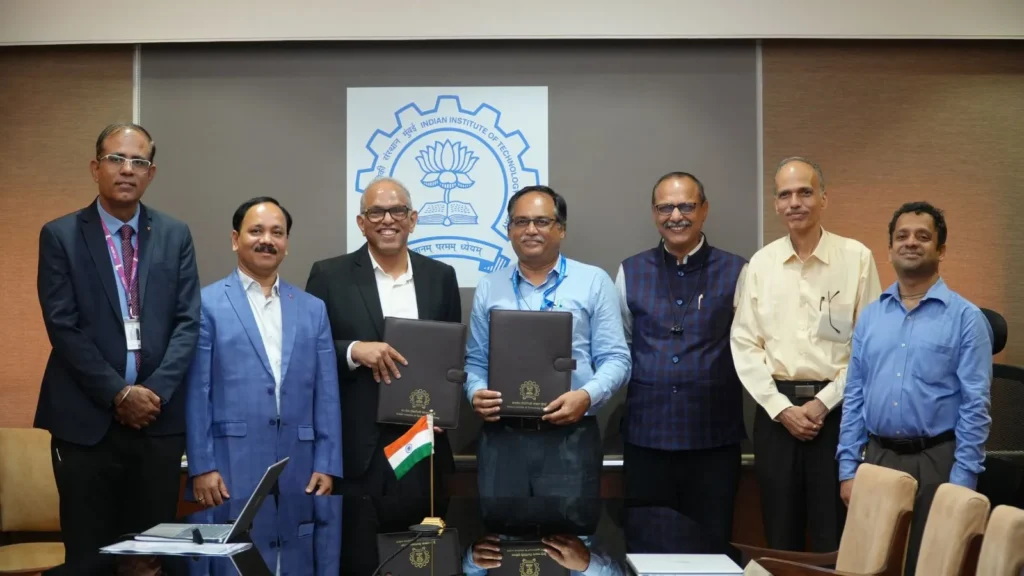
In a major step toward strengthening India’s digital security ecosystem, IIT Bombay has joined hands with SBI Life Insurance to establish the ‘Bharat AI & Cyber Innovation Hub for Insurance’, a dedicated research and innovation centre focused on advancing indigenous artificial intelligence and cybersecurity solutions for the country’s insurance industry. The initiative is designed to develop AI-powered cyber defence systems that are conceptualised, built, and owned within India, aligning with the government’s broader Atmanirbhar Bharat vision of technological self-reliance. With India’s insurance premium market expected to expand at an annual growth rate of 6.9% through 2030, ensuring stronger cyber security infrastructure and safeguarding customer data have become increasingly important priorities. The newly launched innovation hub will drive research and development across key emerging areas including artificial intelligence, cyber security, quantum technologies, and digital insurance ecosystems. Beyond technology development, the partnership will also focus on executive education programmes, talent development, innovation incubation, strategic consulting, and deeper collaboration between academia and industry stakeholders. One of the central goals of the collaboration is to create homegrown cyber defence capabilities, reducing India’s reliance on imported security technologies while enhancing the country’s preparedness against rapidly evolving digital threats in the financial services sector. The initiative will additionally help build a strong pipeline of skilled professionals in AI and cybersecurity, allowing students and researchers to engage directly with real-world industry challenges. According to IIT Bombay, the hub is expected to transform advanced research into deployable solutions while becoming a benchmark model for future partnerships between educational institutions and highly regulated industries, accelerating innovation-led growth in critical sectors. Source: Indian Express  

Indian Institute of Technology Bombay Partners with SBI Life Insurance to Launch AI-Driven Cyber Defence Innovation Hub for Insurance Sector Read More »

IIT Kanpur Introduces B Cyber Programme; Admissions Through JEE Main and Cybersecurity Assessment

The Indian Institute of Technology Kanpur (IIT Kanpur) has announced the launch of a new undergraduate programme, Bachelor of Cybersecurity (B Cyber), commencing from the 2026-27 academic session. The four-year degree will be offered through the Wadhwani School of AI and Intelligent Systems, with the first batch set to begin classes in July 2026. Unlike traditional IIT undergraduate programmes, admission to the B Cyber course will not require a JEE Advanced score. Instead, applicants will be shortlisted based on their performance in JEE Main along with demonstrated experience or accomplishments in the field of cybersecurity. Selected candidates will then undergo an in-person evaluation at the IIT Kanpur campus, which will include a cybersecurity-focused hackathon. The programme has been structured to blend academic learning with practical industry exposure. During the first two years, students will study core cybersecurity concepts through classroom instruction, laboratory sessions, and hands-on training designed to build strong theoretical and technical foundations. In the final two years, students will undertake internships with government security agencies, gaining real-world experience by working on cybersecurity projects and addressing critical security challenges. IIT Kanpur stated that the programme has been introduced to address the growing demand for skilled cybersecurity professionals amid increasing concerns around digital security and the protection of critical infrastructure. IIT Kanpur Director Manindra Agrawal emphasized the strategic importance of cybersecurity in safeguarding national and digital assets. Nitin Saxena, Dean of the Wadhwani School of AI and Intelligent Systems, said the initiative aims to create industry-ready professionals by combining rigorous academic education with extensive practical training. The institute also announced that a dedicated admission portal for the programme is currently under development and is expected to be launched next week. Comprehensive details regarding eligibility criteria, admission procedures, and application guidelines will be available on the website. Source: Indian Express

IIT Kanpur Introduces B Cyber Programme; Admissions Through JEE Main and Cybersecurity Assessment Read More »

Lok Sabha Clears Enhanced Education Budget; Dharmendra Pradhan Says Higher Education Funding Up 78%

The Lok Sabha on Thursday approved the demands for grants of the Ministry of Education, with Union Education Minister Dharmendra Pradhan highlighting a significant rise in budgetary allocations for the sector over the past decade. He stated that India’s education spending has increased from ₹4.3 lakh crore in 2013-14 to ₹9.19 lakh crore at present, underlining the government’s commitment to building a strong knowledge-driven economy by 2047. Replying to the discussion in the House, Pradhan said quality education remains central to India’s vision of becoming a 30-trillion-dollar economy. He noted that the budget allocation for higher education has witnessed a 78% increase since 2013-14. The minister emphasized that the government has focused on ensuring education is accessible, equitable, affordable, accountable, and of high quality. He highlighted the expansion of higher education institutions across the country, including IITs and IIMs. According to him, the number of universities has risen from 760 in 2014-15 to 1,168 currently. Pradhan also spoke about the PM JANMAN scheme, aimed at improving educational access for Particularly Vulnerable Tribal Groups (PVTGs). He said the Centre plans to construct 500 hostels for tribal students under the initiative, with work already underway on 119 hostels. He further stated that the government is actively promoting Indian Sign Language and strengthening inclusive education measures. Highlighting women’s representation in education, the minister pointed out that Aligarh Muslim University has appointed its first woman Vice-Chancellor. He also mentioned an increase in the number of female teachers in schools. Opening the debate, BJP MP Tejasvi Surya said India has witnessed major improvements in educational infrastructure and quality over the last decade. He added that this year’s Union Budget places special emphasis on youth skill development, employment generation, and self-reliance, targeting skill training for nearly four crore young people. Surya noted that the higher education department’s budget has increased from ₹26,750 crore in 2013-14 to more than ₹47,000 crore now. Opposition members, however, raised concerns over vacancies and the quality of education. Congress MP Mohammad Jawed highlighted that nearly 4.8 lakh teaching positions in schools and over 61,000 posts in central universities remain vacant. TMC MPs Pratima Mondal and Sougata Roy criticized the government’s education policies, alleging inadequate focus on skill development and declining higher education standards. Roy also expressed concern over the growing number of Indian students pursuing higher studies abroad, citing that nearly 8.96 lakh students left the country last year. RLP leader Hanuman Beniwal demanded strict action against the “coaching mafia” and raised concerns over repeated paper leak incidents. MPs including Asaduddin Owaisi, Malvinder Singh Kang, Kamakhya Prasad Tasa, Priya Saroj, Sambit Patra, and Kanimozhi also participated in the discussion before the House adjourned for the day. Source: News on AIR

Lok Sabha Clears Enhanced Education Budget; Dharmendra Pradhan Says Higher Education Funding Up 78% Read More »

IIT Kharagpur Moves to Launch First-Ever MD Programme, Awaits NMC Clearance

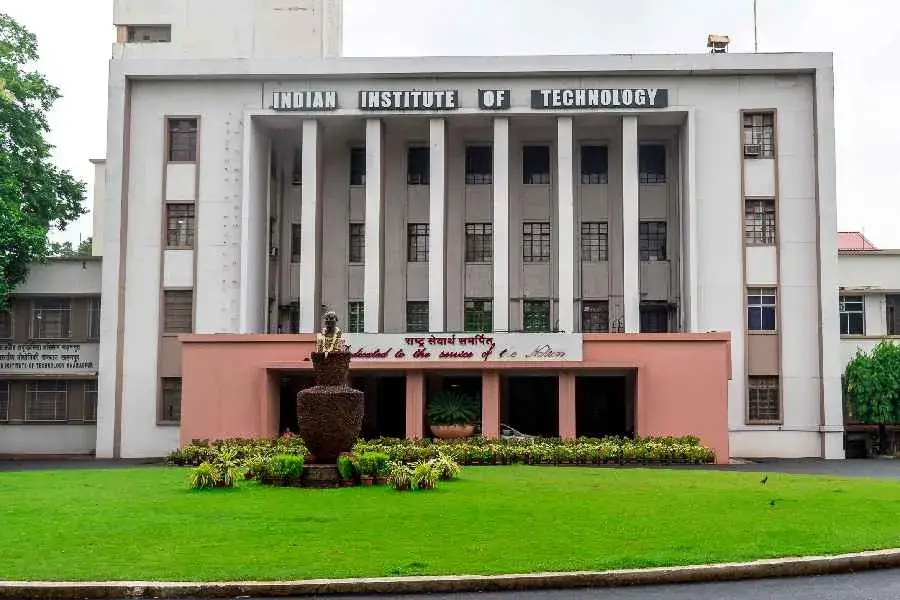
Indian Institute of Technology Kharagpur has formally applied to the National Medical Council seeking approval to introduce a postgraduate Doctor of Medicine (MD) programme, marking a potential first for the IIT system. Institute Director Suman Chakraborty confirmed that the application has been submitted ahead of the March 31 deadline. While the Ministry of Education has expressed support, the final approval will depend on the Ministry of Health and Family Welfare, as the proposal requires coordination between multiple ministries. The institute plans to initially offer 20 seats under the MD programme. Preparations are already underway, including the recruitment of 20 doctors who will serve as faculty members. Training for students will take place at the institute’s medical facilities, including the Dr B C Roy Multi Specialty Medical Research Centre and the Syama Prasad Mookerjee Super Speciality Hospital. Admissions are expected to be conducted through the National Eligibility cum Entrance Test (NEET). Additionally, the Syama Prasad hospital is being expanded into a 220-bed inpatient department (IPD) facility under a mission-mode initiative, aimed at enhancing healthcare services for the campus and surrounding community. The proposal was earlier approved by the institute’s Board of Governors in September 2025, but timelines for final approval remain uncertain pending regulatory clearance. Source: PTI

IIT Kharagpur Moves to Launch First-Ever MD Programme, Awaits NMC Clearance Read More »