ArdorComm Media Group

Tuesday, November 24, 2026 9:03 PM

higher education

Delhi University Introduces ‘Coffee with VC’ to Strengthen Student-Administration Dialogue

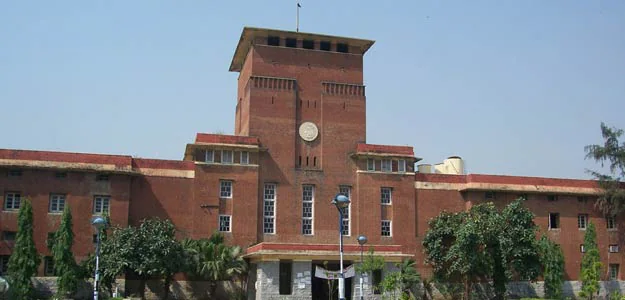
In a bid to promote open communication with students, the University of Delhi has rolled out a new initiative titled “Coffee with the Vice-Chancellor.” The programme aims to create an informal platform where students can directly engage with university leadership and share their perspectives. The first session, held on Monday evening, saw Vice-Chancellor Yogesh Singh interact with a group of 10 students from Miranda House. During the discussion, he encouraged students to view Artificial Intelligence (AI) as a supportive tool rather than something to depend on entirely. Emphasising a balanced approach, he advised students to use AI to enhance their capabilities, not control them. Addressing concerns around technological advancements, Singh acknowledged that new innovations often bring uncertainty but stressed the importance of adapting and making the most of such developments. Highlighting India’s progress, including achievements like the Unified Payments Interface (UPI), he pointed out the country’s rapid transformation and vast potential for future growth. He also spoke about the purpose of education while responding to queries on Value Addition Courses (VACs) and Skill Enhancement Courses (SECs). According to him, education should go beyond academics and focus on building responsible individuals with strong ethical values and a sense of national responsibility. On the topic of students’ roles in today’s world, the Vice-Chancellor remarked that the 21st century offers both significant opportunities and challenges. Referring to India’s vision of becoming a developed nation by 2047, he underscored the need for talented and driven youth, particularly encouraging the role of young women in nation-building. Additionally, Singh highlighted efforts being made to enhance campus safety, including the installation of CCTV systems across university premises. The session was moderated by South Campus Director Rani Abbi, who noted that the initiative is designed to give students a voice and enable meaningful interaction with university leadership. Officials indicated that more such sessions are planned in the near future. Source: PTI

Delhi University Introduces ‘Coffee with VC’ to Strengthen Student-Administration Dialogue Read More »

UGC Flags 32 Fake Universities Across India; Delhi Tops List With 12

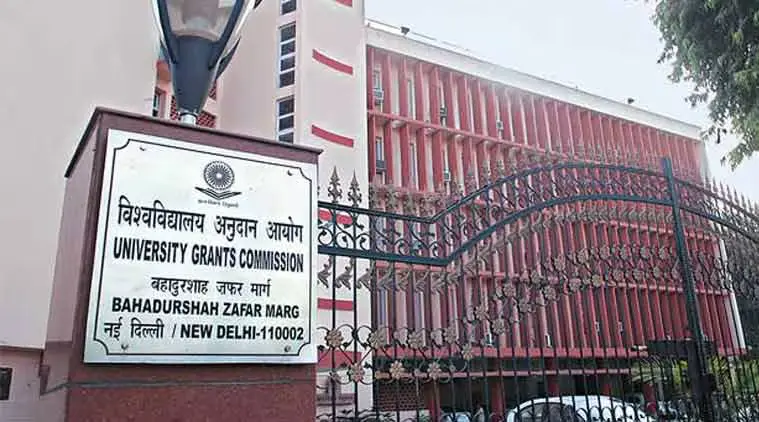
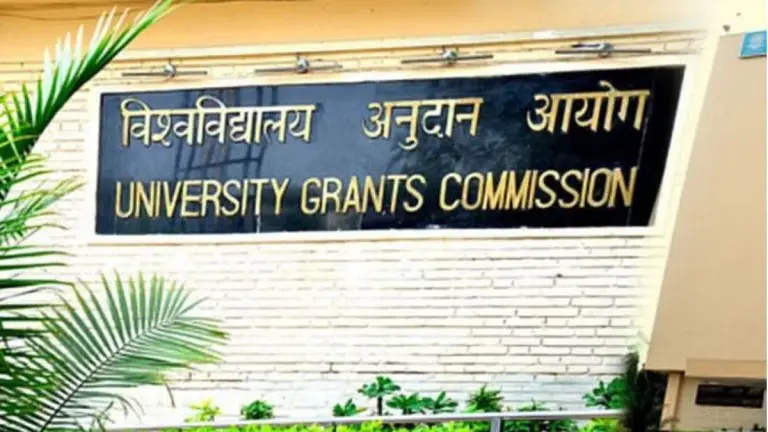
The University Grants Commission (UGC) has identified 32 institutions across India as fake universities, warning students that degrees issued by these entities are invalid for employment and higher education. In a public notice released in February 2026, the UGC — a statutory body under the Department of Higher Education, Ministry of Education — clarified that these institutions are not recognised under Sections 2(f) and 3 of the UGC Act. The Commission emphasised that only universities established by a Central or State Act, or those declared as deemed universities under the Act, are authorised to award valid degrees. Delhi Records The Highest Number Delhi has the highest number of such institutions, with 12 entities operating without recognition. Uttar Pradesh follows with four, while several other states and Union Territories have reported one or two such cases. State-Wise Count Of Fake Universities (As of February 2026) Delhi – 12 Uttar Pradesh – 4 Andhra Pradesh – 2 Karnataka – 2 Kerala – 2 Maharashtra – 2 Puducherry – 2 West Bengal – 2 Arunachal Pradesh – 1 Haryana – 1 Jharkhand – 1 Rajasthan – 1 The UGC has advised students and parents to verify the recognition status of institutions through its official website before taking admission. It reiterated that degrees awarded by unrecognised institutions hold no legal validity and will not be accepted for jobs or further studies. The Commission’s move aims to protect students from fraudulent institutions and maintain the integrity of India’s higher education system. Source: NDTV

UGC Flags 32 Fake Universities Across India; Delhi Tops List With 12 Read More »

PM Modi Virtually Inaugurates IIM Guwahati; Rs 555 Crore Approved for Permanent Campus

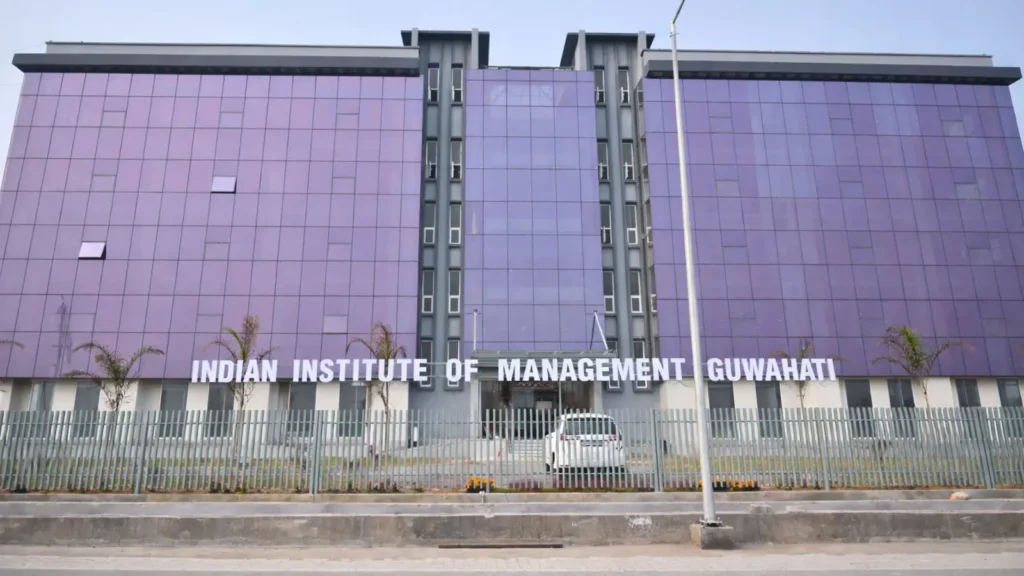
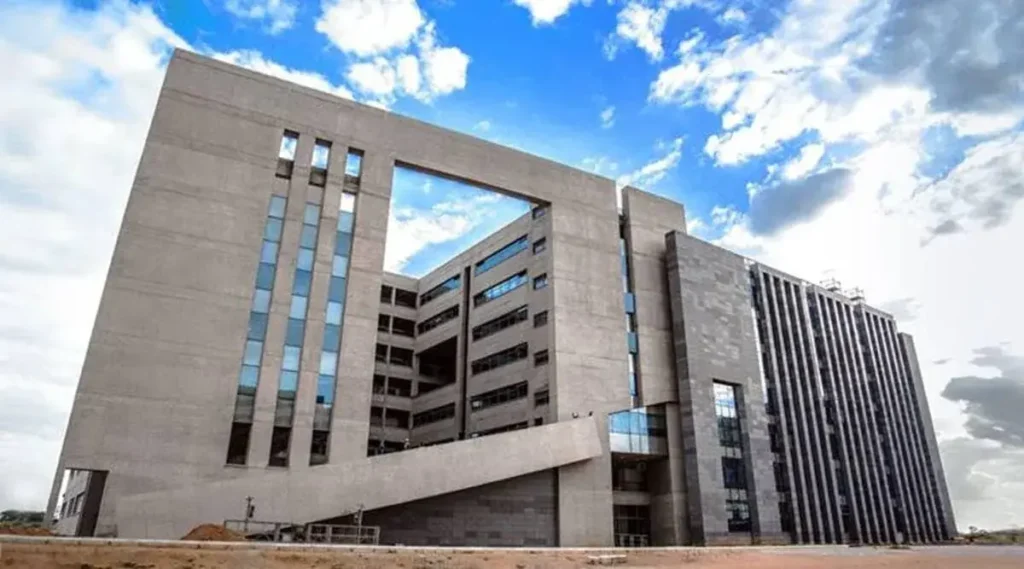
Prime Minister Narendra Modi on Saturday virtually inaugurated the first academic session of the Indian Institute of Management Guwahati, marking a significant step in expanding management education in Assam and the Northeast. The institute has begun functioning from a temporary transit campus at Tech City in Bongora, spread across 6,410 square metres. It will later move to its permanent campus at Marabhita in Kamrup district near Palasbari, which will be developed over 76.83 hectares. The Union Cabinet has sanctioned Rs 555 crore for the establishment of the institute. The allocation will fund the temporary campus setup, construction of the permanent campus, and operational expenses for the first five years. With this, IIM Guwahati becomes the second IIM in the Northeast after Indian Institute of Management Shillong, and the 22nd across India. The Centre had approved the new IIM as part of efforts to broaden access to quality management education in underserved regions. Academic activities have commenced with the launch of an executive education programme curated by mentor institute Indian Institute of Management Ahmedabad. The inaugural batch includes Assam government officials, and the programme is aimed at strengthening leadership and administrative capabilities. IIM Ahmedabad will also oversee academic arrangements at the temporary campus. The regular MBA programme at IIM Guwahati is scheduled to begin from the 2026–27 academic session. In his address, the Prime Minister described the inauguration as a milestone for the Northeast, stating that the institute would enhance access to high-quality management education and help build academic and professional capacity in the region. The Ministry of Education said IIM Guwahati is envisioned as a future knowledge hub focused on holistic human resource development and is expected to attract students from across the country. Source: Indian Express

PM Modi Virtually Inaugurates IIM Guwahati; Rs 555 Crore Approved for Permanent Campus Read More »

ArdorComm Education Leadership Summit & Awards 2026 held in Guwahati, Assam on 6th February 2026

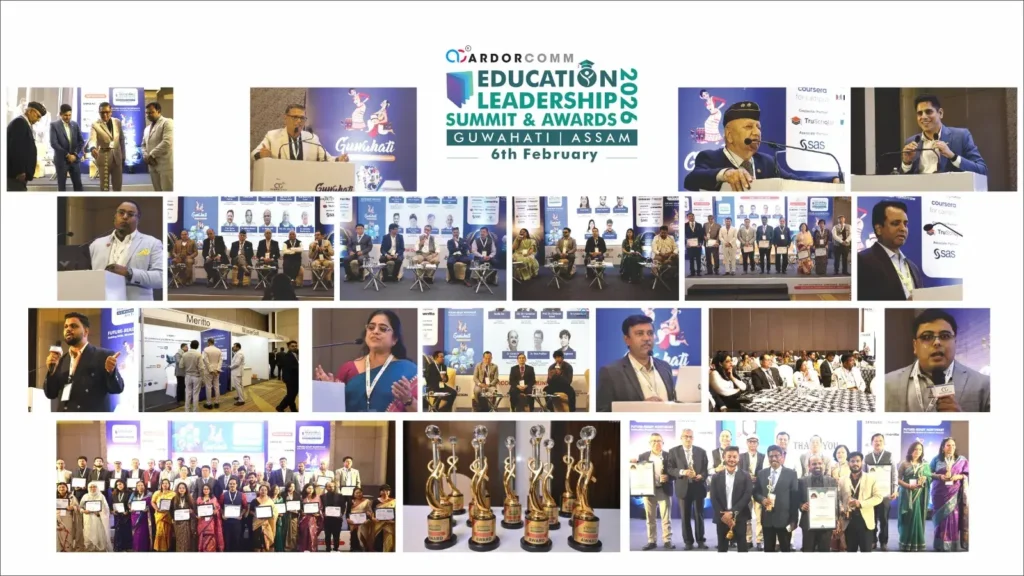
The ArdorComm – Education Leadership Summit & Awards 2026, held on 6th February 2026 in Guwahati, Assam, emerged as a powerful confluence of ideas, inspiration and action, spotlighting the North East as a fast-evolving education and skills hub of India. Centred on the theme “Future-Ready Northeast: Building Skills, Mindsets for a Smarter Tomorrow”, the summit brought together senior education leaders, policymakers, academicians, EdTech innovators and industry experts from across the region and beyond. Organised by ArdorComm Media Group, the flagship summit reaffirmed the organisation’s commitment to fostering dialogue, collaboration and recognition across India’s education ecosystem—this time with a sharp focus on the immense potential and progress of the North Eastern states. Showcasing the Northeast’s Education Transformation The summit highlighted how Northeast India is undergoing a quiet but powerful transformation in education, driven by improved literacy rates, enhanced digital infrastructure, policy-led reforms and growing private participation. Discussions underscored the region’s journey from access-led education to outcome-oriented, future-ready learning models. Speakers extensively explored the opportunities unlocked by NEP 2020, particularly its emphasis on regional languages, multidisciplinary learning, skill integration and alignment with local economic and employment needs. The role of education in nurturing entrepreneurship, employability and innovation within the region was a recurring theme across sessions. With growing investments in universities, private unaided schools, vocational training centres and EdTech-enabled classrooms, the Northeast is increasingly positioning itself as a model region for inclusive and tech-driven education. Support from Esteemed Government Leaders The ArdorComm – Education Leadership Summit & Awards 2026 – Guwahati received strong encouragement and goodwill from distinguished leaders of the Government of Assam, underscoring the importance of collaborative efforts in advancing education, skills and youth development in the region. Smti. Nandita Garlosa, Hon’ble Minister of Sports & Youth Welfare, Government of Assam, extended her warm wishes to the summit, appreciating initiatives that focus on empowering youth through education, skill development and holistic growth. Dr. Ranoj Pegu, Hon’ble Minister of Education, Welfare of Plain Tribe & Backward Classes, Government of Assam, conveyed his best wishes for the event and acknowledged the role of such platforms in strengthening education systems, promoting inclusivity and aligning learning with the aspirations of the future workforce. Shri Prasanta Phukan, Hon’ble Minister for Power, Skill, Employment & Entrepreneurship, Medical Education & Research, Government of Assam, also shared his warm regards for the summit, recognising the significance of industry–academia collaboration in building a skilled, employable and future-ready talent pool for the state and the region. Their encouragement and goodwill added immense value to the summit and reaffirmed the collective commitment towards nurturing a future-ready Northeast through education, skills and innovation. Industry Leaders and Keynote Speakers The summit opened with an impactful Inaugural Session on “Future-Ready Northeast: Building Skills & Mindsets for a Better Tomorrow”, setting the tone for a day of forward-looking discussions. Kumar Chandan Anand, Founder, CEO & Group Editor, ArdorComm Media Group, delivered the Welcome Address, highlighting ArdorComm’s commitment to fostering collaborative platforms that drive inclusive, future-ready education. The Guest of Honour, Shri R. C. Jain, IAS (Retd.), Chairman, Assam State School Education Board (ASSEB), Government of Assam, shared insights on strengthening school education and aligning learning outcomes with the vision of NEP 2020. The session was further enriched by Maj. Gen. B. D. Wadhwa, AVSM, Pro Chancellor (Emeritus), IILM University, Greater Noida, who emphasised leadership and values-based education, and Aaditya Razdan, Senior Enterprise Director, Coursera, who spoke on the growing role of digital platforms and industry-aligned learning in building future-ready skills for the Northeast. Panel 1, titled “NEP and Tech Advantage for KG to PG: Building a Future-Ready Generation”, brought together education leaders from school and higher education to discuss how NEP 2020 and technology can collectively transform learning across the entire academic continuum. Moderated by Sandip Sen, Principal, SERS Public School, Guwahati, the panel featured Cdr. (Dr.) Gurdaman Sharma, Vice Chancellor, SRM University, Gangtok; Prof. (Dr.) Ginlianlal Buhril, Vice Chancellor, ICFAI University, Mizoram; Dr. Nitai Pradhan, Principal, Good Shepherd’s Home English Medium High School, Nagaon; and Mohan Raghavan, Director, Mind Matters Educational Group, Guwahati. The discussion highlighted curriculum flexibility, experiential learning, digital integration and teacher preparedness as critical enablers for nurturing future-ready skills and mindsets from early childhood education to higher education. Panel 2, titled “Digital Pathways to Lifelong Learning: Balancing Innovation, Inclusion & Ethics”, focused on how digital transformation can enable continuous learning while remaining equitable and responsible. Moderated by Gariasi Dutta, Chairperson, The down town Group Schools, Guwahati, the panel featured Diwan Siraj Munir, Executive Director & CEO, Sublime Academy, Barpeta; Dr. Durlav Sarkar, Founder & Director, Gurukul Group of Educational Wing, Mangaldai; Mallika Das Singh, Founder & Director, Lakshya International School, Tezpur; and Anuraag Saraf, Founder & Director, Mind Matters Educational Group, Guwahati. The discussion emphasised ethical use of technology, inclusive digital access, blended learning models and the importance of fostering critical thinking and digital citizenship across all stages of education. Panel 3, titled “Bridging Education and Employability: Skills for the 21st Century Workforce”, brought the spotlight on aligning academic frameworks with evolving industry demands and employability outcomes. Moderated by Prof. Himanshu Panchal, Vice Chancellor, EdTech Skills University, Tinsukia, the panel featured Kuldip Sarma, Co-Founder & Pro-Chancellor, Medhavi Skills University, Singtam; Manik Kathuria, Regional Account Director, Coursera; Maj. Gen. B. D. Wadhwa, AVSM, Pro Chancellor (Emeritus), IILM University, Greater Noida; Prof. (Dr.) K. V. S. Sarma, Vice Chancellor, National Law University and Judicial Academy, Guwahati; Dr. Bibhas Deb, Vice Chancellor, Maharaja Bir Bikram University, Agartala; Prof. (Dr.) Ajeya Jha, Vice Chancellor, Arunachal University of Studies, Namsai; and Dr. Debmalya Bhattacharya, Pro Vice Chancellor, MIT University of Meghalaya. The discussion underscored the importance of industry-aligned curricula, experiential learning, micro-credentials, leadership development and strong academia–industry partnerships in preparing a future-ready workforce for the Northeast and beyond. Panel 4, titled “Reimagining Higher Education in the Digital Era: Transformation, Trends & Pathways”, explored how universities are navigating digital disruption while rethinking academic delivery, governance and student engagement. Moderated by Prof. (Dr.) Prakash Divakaran, Vice Chancellor, Himalayan University, Itanagar, the panel featured Subrato Ganguly, Senior Manager


ArdorComm Education Leadership Summit & Awards 2026 held in Guwahati, Assam on 6th February 2026 Read More »

Budget 2026 Pivots to Employability-Centric Growth Strategy

The Union Budget 2026 marks a clear shift in India’s employment approach—moving away from headline job-creation numbers to building long-term, sustainable employment conditions. The new strategy places skilling, services-led growth and sector-specific ecosystems at the centre of workforce expansion. Instead of announcing how many jobs will be generated, the government has focused on aligning education, skills and industry demand. A key proposal is the formation of a high-powered standing committee on education, employment and enterprise. This body will map skill gaps, identify high-employment service sub-sectors and evaluate how artificial intelligence is reshaping future jobs—acknowledging that traditional degrees alone no longer guarantee employability. Services and Healthcare Take Centre Stage The services sector has been positioned as the primary engine of employment, with an ambitious goal of capturing a 10% share of global services exports by 2047. Officials highlighted that services create more jobs per unit of output than manufacturing, making them critical for absorbing India’s growing workforce. Healthcare forms a major pillar of this push. The Budget proposes adding 1 lakh allied health professionals across 10 disciplines over the next five years, along with training 1.5 lakh caregivers in the coming year under geriatric and allied care programmes aligned with the National Skills Qualifications Framework. Medical value tourism hubs, Ayush institutions and expanded health infrastructure are expected to generate further downstream employment, including overseas opportunities enabled by improved labour mobility clauses in free trade agreements. Creative Economy, Tourism and Sports as Job Multipliers For the first time, the Budget formally recognises the “Orange Economy”—covering animation, visual effects, gaming and comics—as a major employment frontier. With the sector projected to need around two million professionals by 2030, the government plans to establish content creator labs in 15,000 secondary schools and 500 colleges, signalling a decisive tilt towards creative and export-oriented jobs. Tourism has been reimagined as a job multiplier, with proposals for a national institute of hospitality, training 10,000 tourist guides across 20 iconic destinations, and expanding eco-tourism, trekking, birding and heritage circuits. The aim is to generate non-migrant employment in smaller towns and rural regions. Sports is also being repositioned as a structured employment ecosystem under an expanded Khelo India Mission, encompassing not just athletes but also coaches, sports scientists, support staff and infrastructure-related roles. Education: From Schemes to Structures With an education outlay of nearly ₹1.4 lakh crore, the Budget signals a move from fragmented schemes to durable institutional structures, with a strong focus on women’s access and campus capacity. The education ministry allocation has risen 8.3% to ₹1,39,290 crore for 2026–27. School education and literacy receive ₹83,561 crore (up 6.4%), while higher education sees an 11.3% increase to ₹55,724 crore to support infrastructure expansion and research. A flagship higher-education initiative is the creation of five university townships near major industrial and logistics corridors, designed to cluster universities, colleges and research institutions close to emerging economic hubs. To boost women’s participation in STEM, the government has promised capital support for setting up at least one girls’ hostel in every district with higher-education STEM institutions. The Budget also proposes a new National Institute of Design (NID) in eastern India and expands digital learning infrastructure. Support has been announced for the Indian Institute of Creative Technologies, Mumbai, to establish AVGC content creator labs, while the Bharatiya Bhasha Pustak initiative will roll out digitised textbooks in Indian languages for primary and secondary students. On institutional funding, allocations for IITs increase to ₹12,123 crore and IIMs to ₹292 crore, while some other premier institutions, including IISc and IIITs, face relatively tighter budgets. Budget 2026 underscores a strategic reorientation—from counting jobs to creating the ecosystems that make employment sustainable, future-ready and globally competitive. Source: TOI

Budget 2026 Pivots to Employability-Centric Growth Strategy Read More »

IIT Delhi Introduces Executive Programme in Healthcare Entrepreneurship and Management

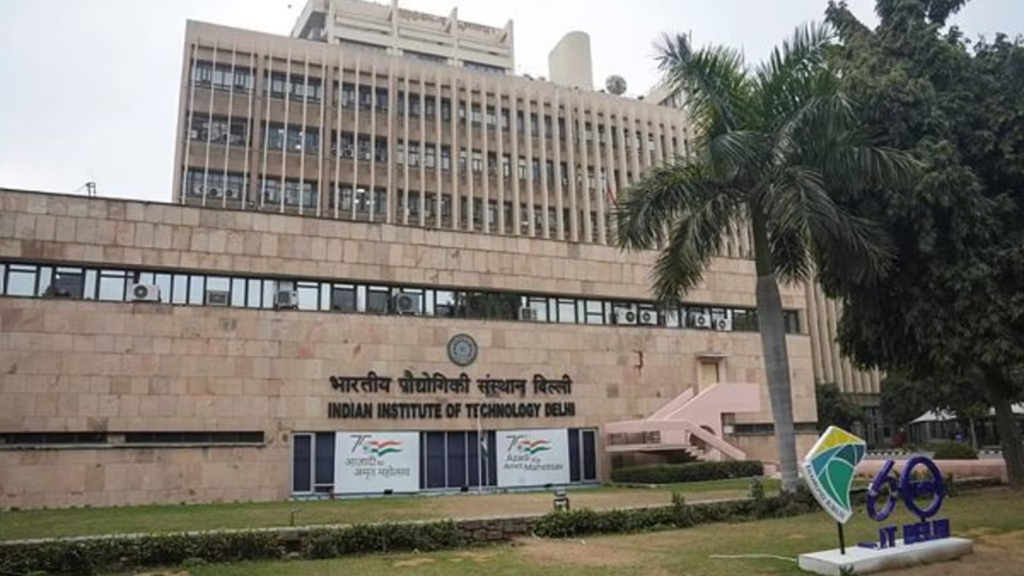
The Indian Institute of Technology (IIT) Delhi has rolled out a new executive programme focused on healthcare entrepreneurship and management, aimed at nurturing professionals who can drive innovation in India’s rapidly evolving healthcare sector. The programme will be conducted under IIT Delhi’s Continuing Education Programme (CEP), a statutory body authorised to run certificate courses and award credentials. According to IIT Delhi, the initiative is designed to equip participants with the skills and mindset required to navigate and shape the future of healthcare innovation. Applicants must possess a bachelor’s degree, while prior professional experience or exposure to projects in related domains will be considered an added advantage. The five-month programme will be delivered through live online classes held on weekends, complemented by dedicated hours for project work. The institute noted that India’s healthcare ecosystem is witnessing transformative changes, driven by the rise of digital health solutions, medical devices, artificial intelligence–enabled diagnostics, wearable technologies and a stronger focus on patient-centric care. However, persistent challenges such as fragmented service delivery, regulatory hurdles, limited commercialisation avenues and the demand for cross-disciplinary leadership continue to affect the sector. Against this backdrop, the executive programme aims to provide a comprehensive understanding of the entire healthcare innovation lifecycle. Through interactive online sessions and guided projects, participants will learn how to identify healthcare challenges and translate them into viable, market-ready solutions using design thinking, prototyping, testing and sound commercial strategies. The programme will be anchored by IIT Delhi’s Centre for Biomedical Engineering and supported by clinical expertise from specialists at AIIMS Delhi. Faculty members including Dr Arnab Chanda and Dr Biswarup Mukherjee will lead the sessions, integrating engineering, clinical practice, management and entrepreneurship to foster practical and scalable healthcare innovations. A major feature of the course is its strong emphasis on project-based learning. Participants will work on real-world healthcare problems, developing deployable prototypes with the help of structured mentoring, peer collaboration and continuous expert feedback. On successful completion, learners will receive an e-certificate from CEP, IIT Delhi, and gain access to a network of IIT Delhi faculty, AIIMS clinicians and industry professionals, enhancing both learning outcomes and professional opportunities. Source: Indian Express

IIT Delhi Introduces Executive Programme in Healthcare Entrepreneurship and Management Read More »

All Higher Education Institutions Mandated to Set Up Equity Committees Under New UGC Rules

The Union government has notified fresh regulations making it compulsory for all colleges and universities across the country to establish equity committees aimed at addressing discrimination and promoting inclusivity on campus, officials said. Under the University Grants Commission (Promotion of Equity in Higher Education Institutions) Regulations, 2026, every higher education institution (HEI) must constitute an Equal Opportunity Centre (EOC) along with an Equity Committee. These bodies will handle complaints related to discrimination and ensure fair treatment of students, faculty, and staff from disadvantaged groups. The regulations require that equity committees include representatives from Other Backward Classes (OBCs), Scheduled Castes (SCs), Scheduled Tribes (STs), persons with disabilities (PwDs), and women. Members will serve a two-year term, while special invitees will hold office for one year. The draft version of these regulations was released for public consultation in February last year. The final notification follows directions from the Supreme Court, which had asked the UGC to frame new rules while hearing petitions filed by the mothers of Rohith Vemula and Payal Tadvi. The petitions questioned the implementation of the earlier 2012 UGC regulations on equity. As per the notification, every HEI must set up an Equal Opportunity Centre to ensure the effective implementation of policies for disadvantaged groups, offer academic, financial, social, and personal guidance, and encourage diversity on campus. In cases where a college does not have at least five faculty members, the responsibilities of the centre will be handled by the Equal Opportunity Centre of the affiliated university. The EOC is also expected to coordinate with civil society organisations, local media, law enforcement agencies, district administrations, non-governmental organisations, parents, and institutional staff to fulfil the objectives of the regulations. Additionally, it will work with District and State Legal Services Authorities to provide legal assistance in deserving cases. The head of the institution will appoint a senior faculty member or professor with a demonstrated commitment to the welfare of disadvantaged communities as the coordinator of the centre. The Equity Committee, formed under the EOC, will oversee its functioning and investigate complaints of discrimination. The regulations also call for the creation of ‘Equity Squads’, smaller groups tasked with maintaining vigilance on campus and preventing discriminatory practices. The move comes in the backdrop of high-profile cases such as that of Rohith Vemula, a PhD scholar at the University of Hyderabad who died by suicide in 2016, and Payal Tadvi, a resident doctor who died in 2019, both allegedly after facing caste-based harassment. Source: PTI

All Higher Education Institutions Mandated to Set Up Equity Committees Under New UGC Rules Read More »

IIMC Opens Applications for PhD Admissions 2025–26

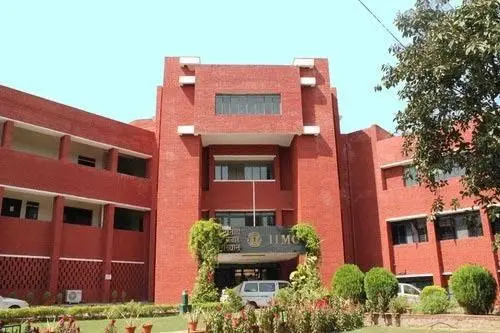
The Indian Institute of Mass Communication (IIMC), a Deemed-to-be-University under the Ministry of Information and Broadcasting, has invited online applications for admission to its PhD programme for the 2025–26 academic year. Interested candidates can submit their applications through the official website, iimc.gov.in, by January 30, 2026. The doctoral programme is available in full-time and part-time formats and focuses on advanced research across journalism, mass communication and related interdisciplinary areas. Research areas and seat intake IIMC’s PhD programme offers research opportunities in fields such as journalism, mass communication, digital media, advertising, public relations, strategic and political communication, film studies, and development communication. A total of 22 seats have been announced, including 18 full-time and four part-time positions. Eligibility criteria Applicants seeking full-time admission must hold a master’s degree in journalism, mass communication or allied disciplines with at least 55% marks, or a four-year bachelor’s degree with research and a minimum of 75% marks. Qualification in UGC NET (Mass Communication and Journalism) is mandatory. For the part-time PhD, candidates must meet the same academic requirements, be currently employed, possess a minimum of three years of relevant professional experience, and submit a No Objection Certificate (NOC) from their employer. Important dates Applications open: January 1, 2026 Last date to apply: January 30, 2026 Entrance exam (Part-time only): February 15, 2026 Entrance exam result: February 20, 2026 Interview shortlist: February 23, 2026 Interviews begin: March 9, 2026 Final result: March 19, 2026 Admission & document verification: March 23–27, 2026 Coursework begins: April 1, 2026 Selection process For full-time candidates, no written entrance test will be conducted. Applicants with valid UGC NET scores will be directly shortlisted for interviews. The final merit list will be prepared with 70% weightage to UGC NET percentile and 30% to interview performance. For part-time candidates, an offline entrance examination will be held at the IIMC Delhi campus, unless exempted due to UGC NET qualification. Final selection will be based on 70% weightage to the entrance test or UGC NET score and 30% to the interview. Application fee and process The application fee is ₹2,500 for General category candidates, ₹1,500 for OBC/SC/ST/EWS/PwD applicants, and $100 for international candidates. The fee is non-refundable and must be paid online. Applicants must complete the online registration, upload the required documents—including a statement of purpose and research proposal—and submit the form before the deadline. Candidates are advised to regularly visit the official website for further updates and notifications. Source: Indian Express

IIMC Opens Applications for PhD Admissions 2025–26 Read More »

IIT Hyderabad sets up Centre for Creative Arts to bridge arts and technology

The Indian Institute of Technology Hyderabad (IIT Hyderabad) has announced the establishment of a Centre for Creative Arts (CCA) within its Department of Liberal Arts, marking a significant step towards blending creativity with technical and scientific learning. According to the institute, the new Centre aims to embed artistic practices more deeply into engineering and science education. IIT Hyderabad has been nurturing creative and liberal arts for more than a decade, with structured initiatives beginning in 2014 through heritage tours for first-year students. Over the years, these efforts have grown into credited courses, and currently about 10 per cent of the undergraduate curriculum includes liberal and creative arts such as photography, fine arts, performing arts and crafts. The Centre for Creative Arts will offer elective courses ranging from one to three credits in creative and performing arts for both undergraduate and postgraduate students. It also plans to bring practicing artists on board as adjunct faculty and distinguished professors. Artist-in-Residence programmes will enable long-term interaction between students and professionals, encouraging cross-disciplinary engagement across engineering, science and design. In addition to teaching, the Centre will support research in the arts, including doctoral programmes. Visiting artists may act as co-supervisors for research scholars, helping integrate practice-based artistic knowledge with academic research. Collaborations with cultural organisations, including SPIC MACAY, are also planned to enrich campus activities. Beyond the campus, the Centre will run outreach initiatives for school students and art educators, with the objective of promoting early exposure to diverse art forms and strengthening ties between the institute and the broader community. Announcing the launch, IIT Hyderabad Director Prof B S Murty said the Centre reflects the institute’s vision of combining creativity, culture and technology in higher education. Dr Aalok Khandekar, Head of the Department of Liberal Arts, added that the CCA would build on existing initiatives while enabling new courses and research collaborations. Source: Indian Express

IIT Hyderabad sets up Centre for Creative Arts to bridge arts and technology Read More »

Bhutan and Morocco Seek India’s Nod for Offshore IIT Campuses

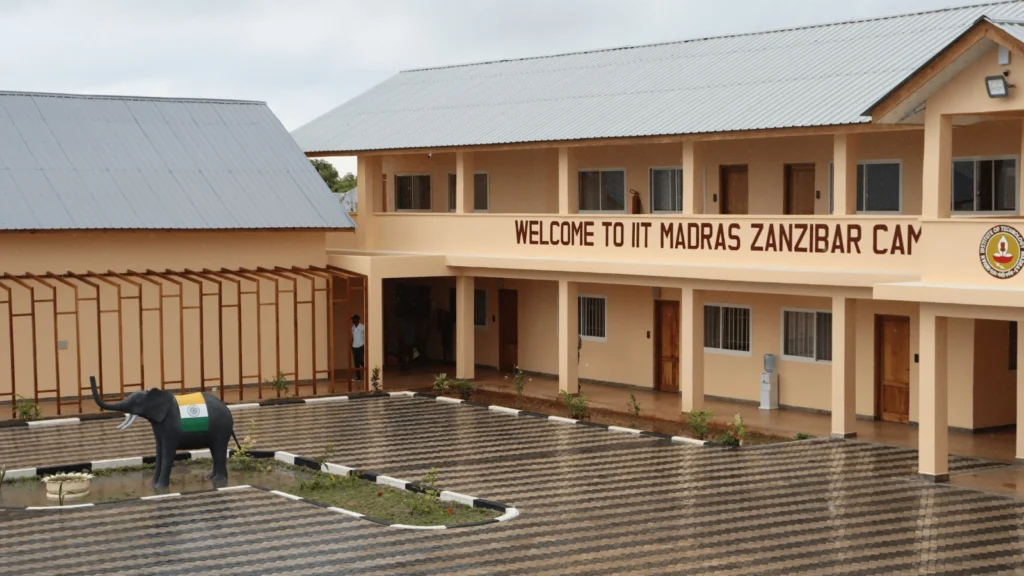
Bhutan and Morocco have approached the Union government to explore the establishment of offshore campuses of India’s premier Indian Institutes of Technology (IITs), signalling growing global interest in India’s higher education ecosystem. At present, IITs operate two overseas campuses—IIT Madras in Zanzibar, Tanzania, and IIT Delhi in Abu Dhabi, UAE. Sources indicated that multiple countries have expressed interest in hosting IIT campuses, with Bhutan and Morocco among the latest to formally reach out. A third overseas IIT campus is also proposed in West Africa, to be hosted by the Federal Government Academy in Suleja. To streamline the expansion of IITs abroad, the central government had constituted a 17-member committee, chaired by IIT Council Standing Committee Chairperson Dr K Radhakrishnan. The committee submitted its recommendations in 2022, laying the groundwork for international campuses. IIT Madras became the first IIT to set up an overseas campus in 2023, launching operations in Zanzibar under Director-in-Charge Preeti Aghalyam, who also made history as the first woman Director of an IIT. The campus began functioning from a temporary facility in November 2023. Following this, IIT Delhi signed an agreement with the UAE government to establish a campus in Abu Dhabi. Located in Khalifa City, the IIT Delhi–Abu Dhabi campus was officially inaugurated on September 2, 2024. Expanding India’s global academic footprint further, IIM Ahmedabad has also recently inaugurated its first international campus at Dubai International Academic City. Source: PTI

Bhutan and Morocco Seek India’s Nod for Offshore IIT Campuses Read More »