

ArdorComm Media Group

Friday, October 23, 2026 5:44 PM

India education news

IIM Kozhikode Introduces 20-Week Executive Programme on Product Innovation with AI and Agentic AI

Responding to the growing demand for artificial intelligence-driven product development, the Indian Institute of Management (IIM) Kozhikode has launched a 20-week Executive Programme in Product Innovation with AI & Agentic AI. The programme is designed to equip working professionals with the expertise needed to create AI-powered products and drive innovation in an increasingly AI-centric business environment. The curriculum focuses on enabling participants to move beyond the use of conventional AI tools and develop AI-native products. It covers the complete product development lifecycle, including identifying market opportunities, understanding customer needs, rapid prototyping, deployment, optimisation, and scaling AI-enabled solutions. The programme will be delivered by IIM Kozhikode faculty alongside experienced industry professionals working on cutting-edge AI products. Participants will also attend four live masterclasses covering key topics such as AI-native product design, human-AI interaction, agentic AI systems, and emerging trends in AI-led product innovation. As part of the hands-on learning experience, learners will complete five applied mini projects and a capstone project focused on AI opportunity assessment, customer validation, experimentation, prototyping, agentic workflow development, and deployment-ready product creation. The course also offers practical exposure to more than 20 industry-standard AI and product management tools, including ChatGPT, Claude, Figma, Uizard, n8n, Mixpanel, Amplitude, Miro, Notion, Jira, and Google Looker Studio. Participants who successfully complete the programme will receive a certificate from IIM Kozhikode. They can also choose an optional one-day campus immersion, available at an additional cost, to engage in networking opportunities and academic interactions. The executive programme aims to help professionals understand how AI is transforming product strategy, business models, user experience, agile development, data strategy, and autonomous workflows, preparing them to build innovative products for the AI-first era. The launch comes at a time when AI adoption continues to accelerate globally. According to the McKinsey State of AI Report 2025, 88% of organisations have integrated AI into at least one business function, compared to 55% in the previous year. Meanwhile, insights from the Forrester 2026 and Figma AI Report 2025 indicate that 51% of AI product teams are now developing agentic AI solutions, a significant increase from 21% in 2024. Source: Indian Express  

IIM Kozhikode Introduces 20-Week Executive Programme on Product Innovation with AI and Agentic AI Read More »

NMC Announces 1.37 Lakh MBBS Seats for 2026–27; Karnataka Leads Surge in Private Medical College Capacity

The National Medical Commission (NMC) has released the undergraduate (UG) medical seat matrix for the 2026–27 academic session, notifying a total of 1,36,939 MBBS seats across government and private medical colleges in India. The announcement comes as aspirants continue to await the revised NEET UG 2026 results. According to the latest seat matrix, 63,297 seats are available in government medical colleges, while 73,643 seats are offered by private institutions. This marks an overall increase of 7,913 MBBS seats compared to the previous academic year. However, education experts believe the effective increase could exceed 9,900 seats, as several newly approved colleges were not operational last year due to pending state-level clearances. Private medical colleges have accounted for the majority of the expansion this year. While government institutions added 1,739 seats, private colleges contributed 6,175 additional seats, highlighting the growing role of the private sector in expanding medical education infrastructure. Karnataka has emerged as the biggest contributor to this growth, increasing its total MBBS seats from 13,944 to 15,395, the highest among all states. The state continues to hold the top position in terms of total medical undergraduate seats nationwide. Other states that recorded notable increases include Tamil Nadu with 949 additional seats, Rajasthan with 750, Telangana with 710, West Bengal with 701, and Uttar Pradesh with 575 new seats. Despite already having a large medical education network, Maharashtra added 275 seats this year. Admission experts have cautioned that not all seats listed by the NMC may be available during the counselling process. Although colleges have received approval from the NMC, they must also secure clearances from their respective state authorities and affiliated universities before admissions can begin. Similar delays last year resulted in several approved seats remaining unavailable during counselling. Among the states with the largest MBBS capacity are Karnataka, Uttar Pradesh, Tamil Nadu, Telangana, and Maharashtra, each offering over 10,000 undergraduate medical seats. In contrast, Arunachal Pradesh, Mizoram, and Nagaland have the lowest intake, with only 100 MBBS seats each. Other regions with limited capacity include Chandigarh (200 seats), Goa (250 seats), and Manipur (250 seats). Source: Indian Express

NMC Announces 1.37 Lakh MBBS Seats for 2026–27; Karnataka Leads Surge in Private Medical College Capacity Read More »

IIT Roorkee Partners with TeamLease EdTech to Launch Executive Programme in AI for E-Commerce and Quick Commerce

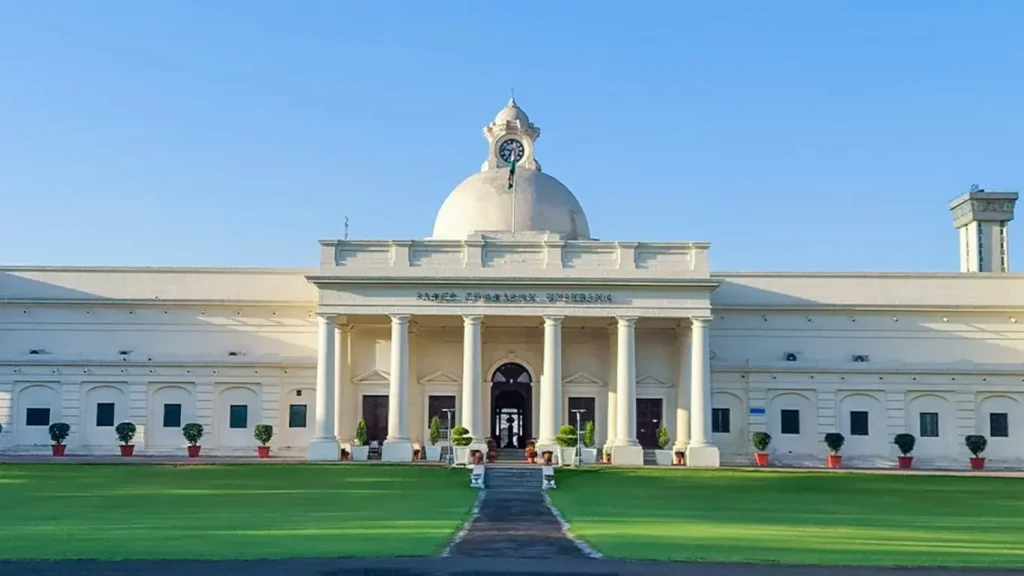
Indian Institute of Technology Roorkee has introduced a new executive programme focused on Artificial Intelligence applications in e-commerce and quick commerce, in collaboration with TeamLease EdTech. Designed as a six-month course, the programme is aimed at working professionals looking to strengthen their expertise in rapidly evolving digital commerce sectors. The curriculum is structured to provide learners with in-depth knowledge of AI, machine learning, generative AI, natural language processing (NLP), and data-driven technologies that are transforming modern commerce ecosystems. Key modules include AI fundamentals, customer segmentation, recommendation engines, demand forecasting, inventory management, dynamic pricing strategies, fraud detection, customer analytics, and last-mile delivery optimisation. Participants will also gain practical exposure to industry-relevant tools and technologies such as Python, Power BI, Tableau, Elasticsearch, collaborative filtering models, association rule mining, Retrieval-Augmented Generation (RAG) architectures, LLM-powered chatbots, NLP frameworks, and open-source large language models. The programme will be delivered through live interactive sessions, making it accessible for professionals currently working as well as individuals aspiring to build careers in the e-commerce and quick commerce industry. Learners will work on real-world business challenges through hands-on projects and a capstone assignment focused on areas such as pricing strategies, customer intelligence, forecasting, recommendations, and churn analysis. Upon successful completion, participants will receive a certification from the Continuing Education Centre at IIT Roorkee. Speaking on the launch, Prof. Soumitra Satapathi highlighted that the rapid growth of e-commerce and quick commerce is transforming business operations and customer expectations, making AI a critical component of future-ready business strategies. He noted that the programme has been designed to equip professionals with practical knowledge to apply AI solutions in real-world commerce environments. Source: Indian Express

IIT Roorkee Partners with TeamLease EdTech to Launch Executive Programme in AI for E-Commerce and Quick Commerce Read More »

IIT Kanpur Introduces B Cyber Programme; Admissions Through JEE Main and Cybersecurity Assessment

The Indian Institute of Technology Kanpur (IIT Kanpur) has announced the launch of a new undergraduate programme, Bachelor of Cybersecurity (B Cyber), commencing from the 2026-27 academic session. The four-year degree will be offered through the Wadhwani School of AI and Intelligent Systems, with the first batch set to begin classes in July 2026. Unlike traditional IIT undergraduate programmes, admission to the B Cyber course will not require a JEE Advanced score. Instead, applicants will be shortlisted based on their performance in JEE Main along with demonstrated experience or accomplishments in the field of cybersecurity. Selected candidates will then undergo an in-person evaluation at the IIT Kanpur campus, which will include a cybersecurity-focused hackathon. The programme has been structured to blend academic learning with practical industry exposure. During the first two years, students will study core cybersecurity concepts through classroom instruction, laboratory sessions, and hands-on training designed to build strong theoretical and technical foundations. In the final two years, students will undertake internships with government security agencies, gaining real-world experience by working on cybersecurity projects and addressing critical security challenges. IIT Kanpur stated that the programme has been introduced to address the growing demand for skilled cybersecurity professionals amid increasing concerns around digital security and the protection of critical infrastructure. IIT Kanpur Director Manindra Agrawal emphasized the strategic importance of cybersecurity in safeguarding national and digital assets. Nitin Saxena, Dean of the Wadhwani School of AI and Intelligent Systems, said the initiative aims to create industry-ready professionals by combining rigorous academic education with extensive practical training. The institute also announced that a dedicated admission portal for the programme is currently under development and is expected to be launched next week. Comprehensive details regarding eligibility criteria, admission procedures, and application guidelines will be available on the website. Source: Indian Express

IIT Kanpur Introduces B Cyber Programme; Admissions Through JEE Main and Cybersecurity Assessment Read More »

Dharmendra Pradhan Directs ‘Foolproof’ Conduct of NEET-UG Re-Exam Amid Tightened Security

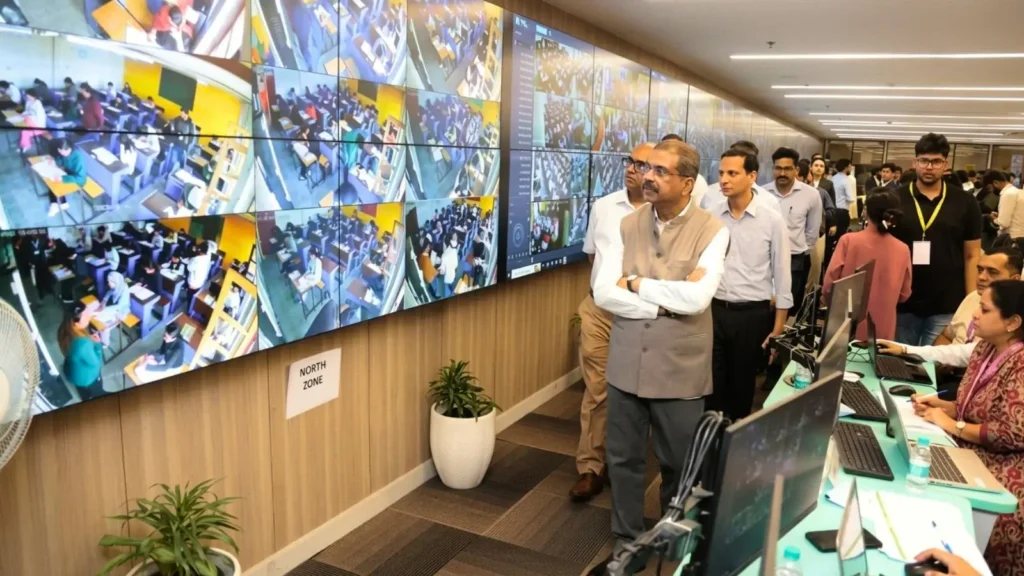
Union Education Minister Dharmendra Pradhan on Tuesday reviewed the preparations for the upcoming NEET-UG re-examination and instructed officials to ensure the test is conducted in a completely secure, transparent, and error-free manner. During a high-level review meeting, the minister stressed that all shortcomings and lapses identified during the earlier examination process must be thoroughly addressed to restore the integrity of the medical entrance examination. Officials said Pradhan emphasised that the re-exam should be carried out under strict security arrangements with seamless coordination at every level. He also directed authorities to organise coordination meetings with district magistrates and superintendents of police across states to strengthen monitoring and execution of exam-related arrangements. Highlighting the importance of maintaining vigilance at examination centres, the minister asked officials to ensure that security measures remain uncompromised. He also called for adequate facilities for students, including transportation support, drinking water, and other essential amenities. The National Testing Agency had earlier cancelled the NEET-UG examination conducted on May 3 following allegations of irregularities and malpractice. Pradhan had announced that the re-examination will now be held on June 21. He also stated that from next year, the NEET-UG exam will be conducted in a computer-based format to enhance transparency and prevent future discrepancies. Source: PTI

Dharmendra Pradhan Directs ‘Foolproof’ Conduct of NEET-UG Re-Exam Amid Tightened Security Read More »

CBSE Class 12 Result 2026 Declared: Pass Percentage Falls to 85.20%, Girls Outshine Boys

The Central Board of Secondary Education has officially announced the Class 12 board examination results for 2026 on May 13. Students who appeared for the Senior Secondary examinations can now access their marksheets through the official result portals. This year, the overall pass percentage stands at 85.20%, reflecting a decline of 3.19 percentage points compared to 2025, when the pass rate was 88.39%. Performance Overview A total of 17,80,365 students had registered for the examinations, while 17,68,968 candidates appeared. Out of these, 15,07,109 students successfully cleared the exams. Major Highlights Overall pass percentage recorded at 85.20% Girls performed better than boys by 6.73 percentage points Thiruvananthapuram emerged as the top-performing region with a 95.62% pass rate Prayagraj reported the lowest regional pass percentage at 72.43% Official Websites to Check Results Students can access their Class 12 results through: results.cbse.nic.in cbse.gov.in digilocker.gov.in umang.gov.in Steps to Download CBSE Class 12 Result 2026 Visit the official CBSE result portal. Click on Senior Secondary School Examination (Class XII) 2026. Enter roll number, school number, admit card ID, date of birth, and security pin. Submit the details. Download the marksheet for future reference. Alternative Result Access Options To avoid website traffic congestion, students can also use: DigiLocker for digital marksheets UMANG App for mobile access CBSE Grading System A1: Top one-eighth of passed students A2: Next one-eighth B1 to D2: Subsequent performance brackets E: Failed candidates Students are advised to verify all details on their marksheet carefully and keep a copy for admission and future academic processes.

CBSE Class 12 Result 2026 Declared: Pass Percentage Falls to 85.20%, Girls Outshine Boys Read More »

JEE Main 2026 Results Announced: 26 Candidates Achieve Perfect 100 Percentile, Aarush Singhal Tops AIR 1

The National Testing Agency (NTA) has released the results for JEE Main 2026 Session 2 Paper 1 (BE/BTech), with 26 students securing a flawless 100 percentile score. Out of these, 12 candidates had already achieved the same score in the January session, reaffirming their top performance. Aarush Singhal from Chandigarh has emerged as the All India Rank (AIR) 1 holder. Notably, Telangana and Andhra Pradesh lead the tally with five toppers each. All 26 candidates who secured perfect scores are male. Some of the high achievers include Jonnala Roshan Manideep Reddy (Andhra Pradesh), Shreyas Mishra (Delhi), Mantha Shiva Kamesh (Telangana), and Siddharth Shrikant Athaley (Maharashtra), along with several others representing states across the country. The NTA score, which is a normalized percentile, ensures fair comparison among candidates appearing in different shifts of the examination. These results will now determine eligibility for the next stage, including admission processes and qualification for JEE Advanced. Source: NDTV

JEE Main 2026 Results Announced: 26 Candidates Achieve Perfect 100 Percentile, Aarush Singhal Tops AIR 1 Read More »

Delhi University Introduces ‘Coffee with VC’ to Strengthen Student-Administration Dialogue

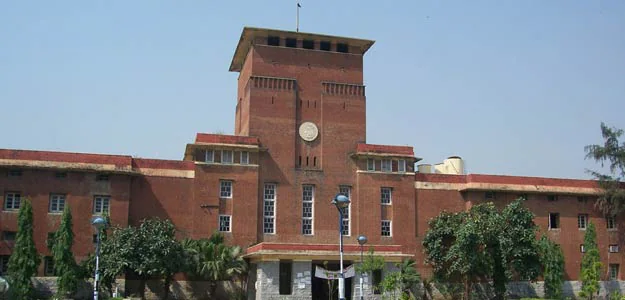
In a bid to promote open communication with students, the University of Delhi has rolled out a new initiative titled “Coffee with the Vice-Chancellor.” The programme aims to create an informal platform where students can directly engage with university leadership and share their perspectives. The first session, held on Monday evening, saw Vice-Chancellor Yogesh Singh interact with a group of 10 students from Miranda House. During the discussion, he encouraged students to view Artificial Intelligence (AI) as a supportive tool rather than something to depend on entirely. Emphasising a balanced approach, he advised students to use AI to enhance their capabilities, not control them. Addressing concerns around technological advancements, Singh acknowledged that new innovations often bring uncertainty but stressed the importance of adapting and making the most of such developments. Highlighting India’s progress, including achievements like the Unified Payments Interface (UPI), he pointed out the country’s rapid transformation and vast potential for future growth. He also spoke about the purpose of education while responding to queries on Value Addition Courses (VACs) and Skill Enhancement Courses (SECs). According to him, education should go beyond academics and focus on building responsible individuals with strong ethical values and a sense of national responsibility. On the topic of students’ roles in today’s world, the Vice-Chancellor remarked that the 21st century offers both significant opportunities and challenges. Referring to India’s vision of becoming a developed nation by 2047, he underscored the need for talented and driven youth, particularly encouraging the role of young women in nation-building. Additionally, Singh highlighted efforts being made to enhance campus safety, including the installation of CCTV systems across university premises. The session was moderated by South Campus Director Rani Abbi, who noted that the initiative is designed to give students a voice and enable meaningful interaction with university leadership. Officials indicated that more such sessions are planned in the near future. Source: PTI

Delhi University Introduces ‘Coffee with VC’ to Strengthen Student-Administration Dialogue Read More »

UPSC Releases Cut-Off Marks for Civil Services Examination 2025

The Union Public Service Commission (UPSC) has released the official cut-off marks for the Civil Services Examination (CSE) 2025 across the preliminary, mains and final stages. The announcement was made on March 9 following the declaration of the final results earlier this month. For the preliminary examination, the cut-off for candidates in the General category has been set at 92.66 marks in General Studies (GS) Paper 1. The cut-off for other categories stands at 89.34 for Economically Weaker Sections (EWS), 92.00 for Other Backward Classes (OBC), 84.00 for Scheduled Castes (SC), and 82.66 for Scheduled Tribes (ST). Candidates in the Persons with Benchmark Disabilities (PwBD) categories recorded cut-offs ranging from 76.66 to 40.66 marks, depending on the specific disability category. The PwBD category includes candidates with disabilities such as locomotor impairment, blindness or low vision, hearing impairment, and multiple disabilities. UPSC clarified that the prelims cut-off is determined solely based on GS Paper 1, while GS Paper 2 (CSAT) is qualifying in nature and requires candidates to secure at least 33 per cent marks. For the Mains examination, the minimum marks required to qualify for the interview stage were 739 for General, 706 for EWS, 717 for OBC, 700 for SC, and 694 for ST candidates. In the final stage, which combines marks from the Mains examination and the Personality Test, the final cut-off was 963 for the General category, 926 for EWS, 931 for OBC, 905 for SC, and 902 for ST. Overall, 958 candidates have been recommended for appointment to prestigious services including the Indian Administrative Service (IAS), Indian Police Service (IPS), Indian Foreign Service (IFS), and other central services. UPSC also stated that the detailed marks of candidates will be published on its official website within 15 days of the result declaration, by March 20. Source: Indian Express

UPSC Releases Cut-Off Marks for Civil Services Examination 2025 Read More »

UGC Flags 32 Fake Universities Across India; Delhi Tops List With 12

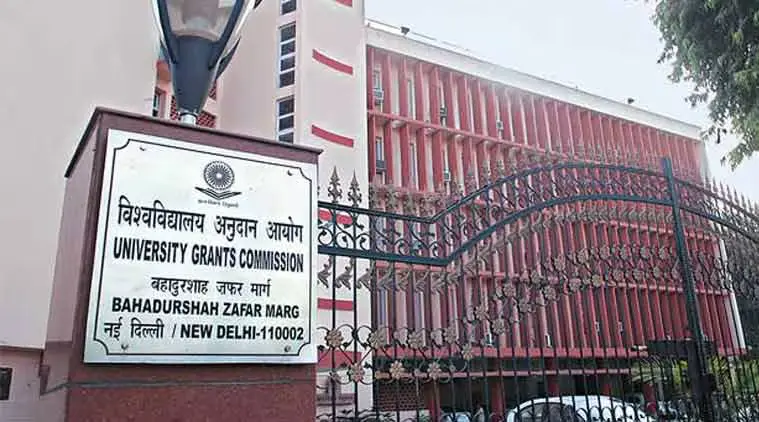
The University Grants Commission (UGC) has identified 32 institutions across India as fake universities, warning students that degrees issued by these entities are invalid for employment and higher education. In a public notice released in February 2026, the UGC — a statutory body under the Department of Higher Education, Ministry of Education — clarified that these institutions are not recognised under Sections 2(f) and 3 of the UGC Act. The Commission emphasised that only universities established by a Central or State Act, or those declared as deemed universities under the Act, are authorised to award valid degrees. Delhi Records The Highest Number Delhi has the highest number of such institutions, with 12 entities operating without recognition. Uttar Pradesh follows with four, while several other states and Union Territories have reported one or two such cases. State-Wise Count Of Fake Universities (As of February 2026) Delhi – 12 Uttar Pradesh – 4 Andhra Pradesh – 2 Karnataka – 2 Kerala – 2 Maharashtra – 2 Puducherry – 2 West Bengal – 2 Arunachal Pradesh – 1 Haryana – 1 Jharkhand – 1 Rajasthan – 1 The UGC has advised students and parents to verify the recognition status of institutions through its official website before taking admission. It reiterated that degrees awarded by unrecognised institutions hold no legal validity and will not be accepted for jobs or further studies. The Commission’s move aims to protect students from fraudulent institutions and maintain the integrity of India’s higher education system. Source: NDTV

UGC Flags 32 Fake Universities Across India; Delhi Tops List With 12 Read More »