ArdorComm Media Group

Wednesday, February 11, 2026 4:19 PM

India

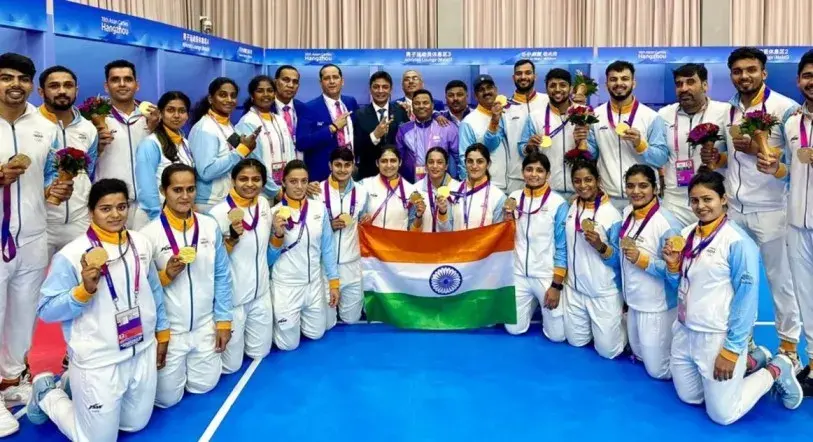
India’s Phenomenal Triumph: 107 Medals at Hangzhou Asian Games, Fearlessly Facing Asian Giants

India achieved a significant milestone at the Hangzhou Asian Games by securing a total of 107 medals, marking the first time the country has entered the exclusive club of nations with a three-digit medal tally. This accomplishment places India alongside sporting giants like China, Japan, and Korea, although China’s dominance with 200 gold medals remains unparalleled. Nevertheless, India has successfully overcome a psychological barrier with this achievement. PM Modi congratulated the Indian athletes upon achieving the remarkable milestone of 100 medals, through his tweet. A momentous achievement for India at the Asian Games! The people of India are thrilled that we have reached a remarkable milestone of 100 medals. I extend my heartfelt congratulations to our phenomenal athletes whose efforts have led to this historic milestone for India.… pic.twitter.com/CucQ41gYnA — Narendra Modi (@narendramodi) October 7, 2023 The medals earned in traditional strongholds such as shooting, hockey, wrestling, and kabaddi played a pivotal role in breaking this barrier. Shooting, in particular, made a remarkable resurgence with 22 medals, including 7 golds, the highest by any participating nation. India’s shooters exhibited exceptional talent and competitiveness, often rivalling China. Athletics also stood out with 29 medals, with javelin star Neeraj Chopra’s consistent performances instilling hope of future Olympic success. However, the ultimate evaluation of these medals is viewed through the lens of the Olympics. Compound archery, despite its dominance, is not yet an Olympic sport, prompting China to pay less attention to it. Sports like rowing and boxing contributed five medals each, but the quest for gold medals in these disciplines, along with wrestling, is an area that requires improvement leading up to the Paris Games. In wrestling, changes were made to enhance safety for women wrestlers, and the absence of gold medals for athletes like Vinesh Phogat and Bajrang Punia calls for introspection on the challenges within the system. Boxer Nikhat Zareen’s missed gold serves as a reminder not to become complacent. A gold opportunity was also missed in golf and badminton. However, India made history with Satwiksairaj Ranki Reddy and Chirag Shetty’s gold in men’s doubles badminton and HS Prannoy’s hard-fought bronze. One poignant moment was Wushu athlete Roshibina Devi’s silver medal, which raised questions about the ongoing issues in Manipur and China’s visa policy affecting Arunachal’s Wushu players. Cricket’s two gold medals sparked controversy due to rain interruptions, casting doubts on the sport’s suitability in multi-sport Games. Notably, Ayhika and Sutirtha Mukherjee’s bronze medal in table tennis doubles, defeating China, and India’s success in table tennis and badminton against strong competition signify substantial progress. India has fearlessly won medals against the might of Asian superpowers, reaffirming its growing presence in the world of sports.

India’s Phenomenal Triumph: 107 Medals at Hangzhou Asian Games, Fearlessly Facing Asian Giants Read More »

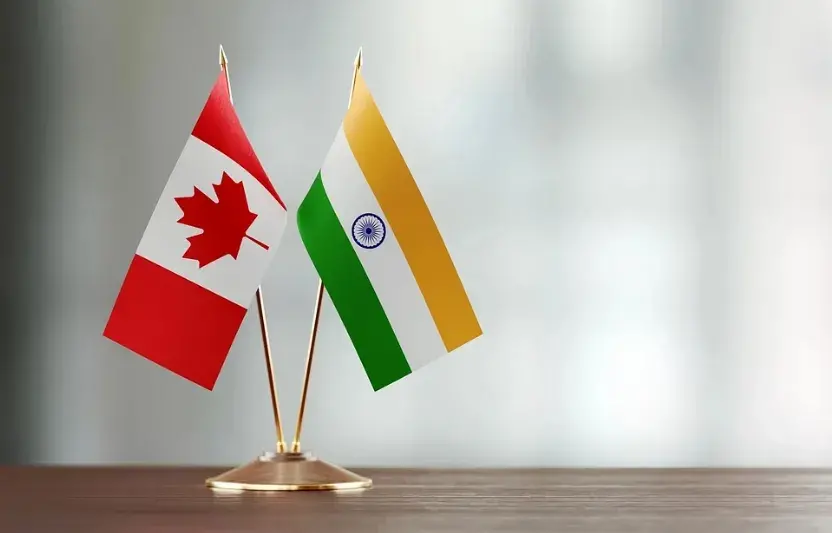
India Issues Ultimatum to Canada to Withdraw 41 Diplomats by October 10

India has issued an ultimatum to Canada, demanding the removal of 41 diplomats by October 10, warning that failure to do so will result in the loss of diplomatic immunity for these officials. This move comes amid escalating diplomatic tensions between the two nations, with India insisting that Canada needs to significantly reduce its diplomatic presence to achieve parity with Indian diplomats stationed in Ottawa. Currently, there are over 60 Canadian diplomats in India, while India has just over 20 diplomats in Canada. The strained relations between the two countries were exacerbated by Canadian Prime Minister Justin Trudeau’s recent statement in Parliament, where he accused “Indian government agents” of being involved in the assassination of a designated Indian terrorist. This accusation has further strained diplomatic ties and pushed them to an all-time low. Following Trudeau’s allegations, both India and Canada expelled one diplomat each from the other’s embassies, further escalating tensions. India has vehemently denied Canada’s claims, labelling them as politically motivated and lacking credible evidence. The call for a reduction in Canadian diplomatic staff became public in September when India’s Ministry of External Affairs spokesperson, Arindam Bagchi, stated, “Yes, we’ve informed the government of Canada that there should be parity in the strength of our mutual diplomatic presence. Their number is much higher than ours in Canada… I assume there will be a reduction from the Canadian side.”

India Issues Ultimatum to Canada to Withdraw 41 Diplomats by October 10 Read More »

TRAI Launches Consultation Paper on 5G Ecosystem’s Role in India’s Digital Transformation

The Telecom Regulatory Authority of India (TRAI) has released a consultation paper titled “Digital Transformation through 5G Ecosystem.” The primary aim of this paper is to address policy challenges and propose an appropriate policy framework to expedite the adoption and effective use of new technologies within the 5G ecosystem, contributing to the comprehensive and sustainable development of India’s economy. The Ministry of Communications has emphasized that India is currently undergoing a rapid digital transformation, significantly impacting its economy and society. Reliable mobile communication technologies play a pivotal role in achieving the objectives set forth by the Digital India program. These technologies are bolstering the economy and empowering citizens by enabling services like the unified payment interface (UPI) and various innovative government-to-business (G2B) and government-to-citizen (G2C) applications. With the emergence of technologies like 5G, Internet of Things (IoT), Artificial Intelligence (AI), Augmented/Virtual Reality (AR/VR), and the Metaverse, India stands on the cusp of unlocking new opportunities for growth and innovation. India initiated its 5G services on October 1, 2022, with telecom service providers actively expanding the 5G network across the entire nation. The government has launched multiple initiatives to develop 5G infrastructure and promote research and development in this domain. TRAI has also issued recommendations to accelerate the deployment of 5G networks and services in the country. Collaborative efforts spanning various sectors have been undertaken to expedite the rollout of 5G. Beyond just infrastructure deployment, it is crucial to develop and deploy new use cases for both consumers and enterprises to realize the full potential of 5G technology. When 5G is combined with AI, extended reality (XR), and IoT, it will enable businesses and society to fully harness the benefits of these technological advancements. However, achieving this vision necessitates effective collaboration across the ecosystem, involving Telecom Service Providers (TSPs), Original Equipment Manufacturers (OEMs), infrastructure providers, and the government. Adequate infrastructure upgrades, fiberization for 5G deployment, and network densification are essential elements to fully reap the benefits of this technology across various industries. The adoption of 5G will depend on factors like dedicated research and development investments to create India-specific use cases, increased enterprise involvement, affordable devices, and consumer adoption. To accomplish these goals, TRAI has proactively released this consultation paper to identify policy challenges and propose a suitable policy framework. The objective is to expedite the adoption and effective utilization of new technologies, ultimately contributing to the holistic and sustainable development of India’s economy through the 5G ecosystem. The consultation paper is available on TRAI’s website, www.trai.gov.in, for input from stakeholders. Interested parties are invited to submit written comments on the issues under consideration by October 30, 2023, and counter-comments, if any, by November 13, 2023. Comments and counter-comments should preferably be submitted electronically via email to advadmn@trai.gov.in, with a copy to vibhatomar@trai.gov.in. For further clarification or information, stakeholders may reach out to Vandana Sethi, Advisor (Admin & IR), at 11-23221509.

TRAI Launches Consultation Paper on 5G Ecosystem’s Role in India’s Digital Transformation Read More »

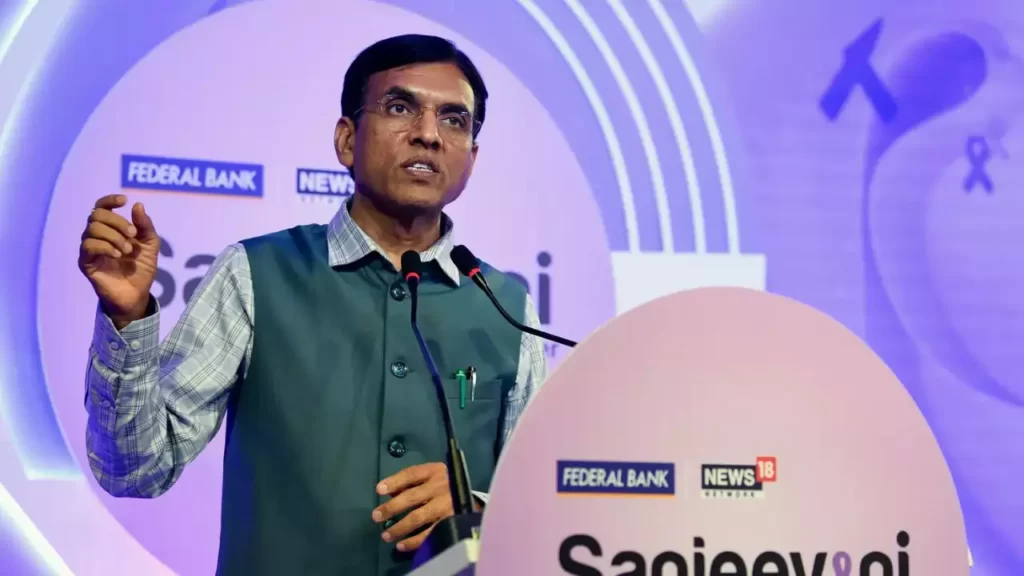
India Offers 42 Cancer Medicines at Affordable Rates Out of 90: Health Minister Mandaviya

India’s Health Minister, Mansukh Mandaviya, announced that out of the 90 available cancer medicines, India offers 42 at the most affordable rates. He made this statement during the launch of “Sanjeevani: United Against Cancer,” a collaborative effort involving the Federal Bank Hormis Memorial Foundation, News18 Network, and Tata Trusts. Mandaviya highlighted the government’s commitment to improving cancer care by expanding cancer hospitals and tertiary care facilities. He stressed the holistic approach to healthcare, noting the increase in medical seats, colleges, and educational resources for healthcare professionals. The minister also mentioned the Ayushman Bharat health infrastructure mission and the recent launch of the pharmaceutical policy, reinforcing India’s role as a global provider of generic medicines. Mandaviya emphasized that healthcare should not be politicized or commercialized but viewed as a service to the nation. He discussed how health and development were integrated in 2014 to make healthcare accessible to all citizens. He credited collective efforts and shared responsibility for India’s successful response to the COVID-19 pandemic. Regarding the “Sanjeevani” initiative, Mandaviya explained its purpose in raising awareness, facilitating discussions about the cancer epidemic, and addressing common fears associated with the disease. He encouraged public participation, emphasizing the importance of stakeholder consultation in India’s healthcare model. The minister also acknowledged the vital role played by the country’s one million “Asha behen” (community health workers), who collect crucial healthcare data during family visits. Mandaviya highlighted the government’s approach to cancer care, including health and wellness screenings at district-level hospitals and fee waivers for economically disadvantaged patients. He attributed the affordability of cancer medicines in India to the fixed trade margin, which aims to make healthcare more accessible and affordable.

India Offers 42 Cancer Medicines at Affordable Rates Out of 90: Health Minister Mandaviya Read More »

IIT Kanpur and ICICI Bank Forge Partnership to Boost Startup Innovation in India

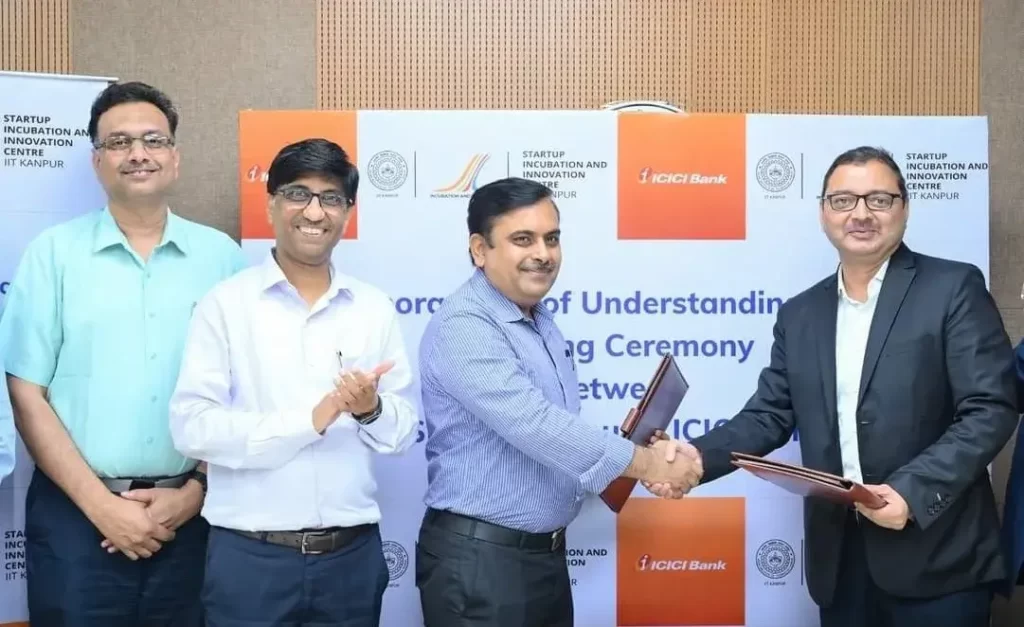
In a significant development, the Indian Institute of Technology (IIT) Kanpur has entered into a Memorandum of Understanding (MOU) with ICICI Bank to extend comprehensive support to startups. This strategic collaboration is aimed at fostering collaborative initiatives between IIT Kanpur and ICICI Bank, with the primary goal of empowering startups and innovators at the Startup Incubation and Innovation Centre (SIIC) at IIT Kanpur by equipping them with essential tools and knowledge. The official announcement hails this partnership as a pivotal step forward in advancing India’s entrepreneurial ecosystem, underscoring the critical role of partnerships in driving economic growth and nurturing innovation. Both IIT Kanpur and ICICI Bank are deeply committed to providing comprehensive assistance to early-stage ventures, underscoring their dedication to nurturing India’s vibrant startup community. This collaboration will primarily focus on supporting incubatees by enhancing their understanding of foreign trade policies. It will involve organizing workshops and seminars to enable students to effectively engage in international markets. Additionally, the two institutions will work together to host events for startups, thus creating a more expansive ecosystem for innovation and entrepreneurship that extends beyond financial services. ICICI Bank will also play a pivotal role in simplifying the complexities associated with pre and post-transaction compliance, ensuring that innovators, incubatees, and students at IIT Kanpur have a seamless experience when interacting with Private Equity (PE) and Venture Capital (VC) support. This includes streamlining the verification and submission of regulatory documents through digital channels, making the process more accessible and enhancing access to vital financial resources for emerging entrepreneurs within the IIT Kanpur ecosystem.

IIT Kanpur and ICICI Bank Forge Partnership to Boost Startup Innovation in India Read More »

NITI Aayog’s Special Campaign 2.0: Clearing Pending Matters and Boosting Cleanliness

NITI Aayog has launched Special Campaign 2.0 to address pending matters and promote cleanliness. This initiative, inspired by Mahatma Gandhi’s vision of a clean India, began in October 2021 and has continued into 2022 and 2023. Special Campaign 2.0, which runs from November 2022 to August 2023, aims to ensure the prompt resolution of public grievances, references from Members of Parliament, state governments, inter-ministerial consultations, and parliamentary assurances by ministries and departments. The campaign is led by NITI Aayog, along with its associated offices, including the Development Monitoring & Evaluation Office (DMEO) and Atal Innovation Mission (AIM) in NITI Bhawan, as well as the National Institute of Labour Economics Research and Development (NILERD) in Narela, New Delhi. It focuses on addressing public grievances, parliamentary assurances, PMO references, and emphasizes record management, cleanliness both indoors and outdoors, and the disposal of office scrap to create more space within NITI Aayog. During this campaign, significant progress has been made in resolving public grievances, parliamentary assurances, and PMO references. Additionally, a substantial number of files have been reviewed and cleared, freeing up valuable space, and generating revenue through the disposal of office scrap. Over 75% of the designated physical files have been reviewed, and approximately 95% of public grievances and appeals have been addressed. Moreover, redundant scrap materials and obsolete items have been identified for disposal.

NITI Aayog’s Special Campaign 2.0: Clearing Pending Matters and Boosting Cleanliness Read More »

Global Leaders Convene in New Delhi for 18th G20 Summit

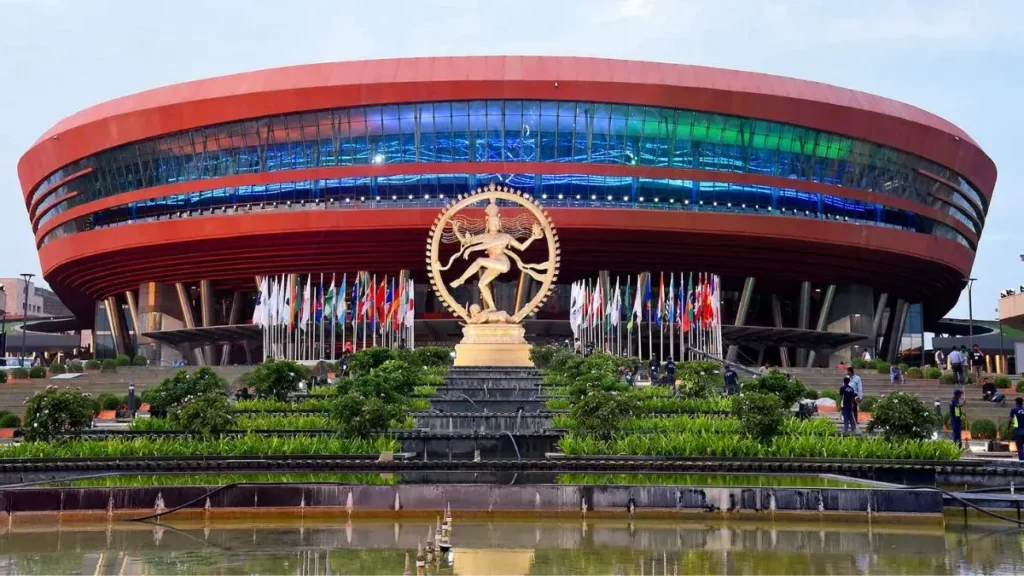
The 18th G20 Summit, hosted by India, kicked off today in the national capital, New Delhi, with more than 30 heads of state, top officials from the European Union, and invited guest countries in attendance. The two-day summit is being held at the newly inaugurated Bharat Mandapam, and it promises to address critical global challenges under the theme “Vasudhaiva Kutumbakam” or “One Earth · One Family · One Future.” The summit commenced with world leaders arriving at the venue, Bharat Mandapam, from 9.30 am onwards. The first session of the G20 Summit, titled ‘One Earth,’ took place at around 10.30 am. This session is dedicated to accelerating climate action, focusing on increased mitigation efforts and strengthening the global net zero emission agenda as soon as possible. The theme underscores the interconnectedness of all life forms on Earth, emphasizing the value of human, animal, plant, and microorganism life. In the evening, a dinner hosted by the President of India, Droupadi Murmu, was scheduled to bring together foreign delegates, parliamentarians, and ministers, along with former senior leaders of the nation. Key leaders attending the event include US President Joe Biden, British Prime Minister Rishi Sunak, Saudi Crown Prince Mohammed Bin Salman, Canadian Prime Minister Justin Trudeau, and Japanese Prime Minister Fumio Kishida. However, notably absent from the summit are Chinese President Xi Jinping and Russian President Vladimir Putin. China will be represented by Chinese Premier Li Qiang, while Russian Foreign Minister Sergey Lavrov will represent Russia. This marks India’s first time hosting the G20 Summit, with extensive preparations showcasing India’s tradition and strength. During its presidency, India has focused on various critical issues, including inclusive growth, digital innovation, climate resilience, and equitable global health access. India seeks to achieve the dual objectives of adding the African Union as a member of the G20 and resolving disagreements related to a joint statement concerning the conflict in Ukraine. The participating countries in the G20 Summit include Nigeria, Argentina, Italy, the African Union (represented by Comros), South Africa, Bangladesh, the United Kingdom, Japan, Saudi Arabia, the Republic of Korea, Egypt, Australia, the United States, Canada, China, the United Arab Emirates, Brazil, Indonesia, Turkey, Spain, Germany, France, Mauritius, the European Union, and Singapore. A warm welcome was extended to world leaders upon their arrival in Delhi, with Prime Minister Narendra Modi expressing confidence that the summit would chart a new path toward human-centric and inclusive development. Leaders who have arrived in the national capital for the G20 Summit include US President Joe Biden, UK Prime Minister Rishi Sunak, Bangladesh Prime Minister Sheikh Hasina, Italian Prime Minister Giorgia Meloni, Argentina President Alberto Fernandez, and Japan Prime Minister Fumio Kishida. The leaders were welcomed with traditional dance performances. Other distinguished attendees include Chinese Premier Li Qiang, UN Secretary-General Antonio Guterres, Oman Deputy Prime Minister Asaad bin Tariq bin Taimur, Russian Foreign Minister Sergey Lavrov, South Korean President Yoon Suk Yeol, Egypt President El-Sisi, UAE President Mohammed bin Zayed Al Nahyan, Australian Prime Minister Anthony Albanese, Canadian Prime Minister Justin Trudeau, Turkish President Recep Tayyip Erdogan, Indonesian President Joko Widodo, Singapore Prime Minister Lee Hsien Loong, and Brazilian President Luiz Inacio Lula da Silva. Additionally, African Union Chairperson Azali Assoumani, United Nations Secretary-General Antonio Guterres, International Monetary Fund (IMF) Managing Director Kristalina Georgieva, Mauritius Prime Minister Pravind Kumar Jugnauth, Organisation for Economic Cooperation and Development (OECD) Secretary-General Mathias Cormann, World Trade Organization (WTO) Director-General Ngozi Okonjo-Iweala, and European Commission President Ursula von der Leyen have also arrived in Delhi to participate in the summit. The 18th G20 Summit holds the promise of fostering collaborative solutions for the benefit of the global population and contributing to overall global well-being in a rapidly changing world.

Global Leaders Convene in New Delhi for 18th G20 Summit Read More »

PM Modi Highlights India’s Inclusive Tech Initiatives and Global Impact

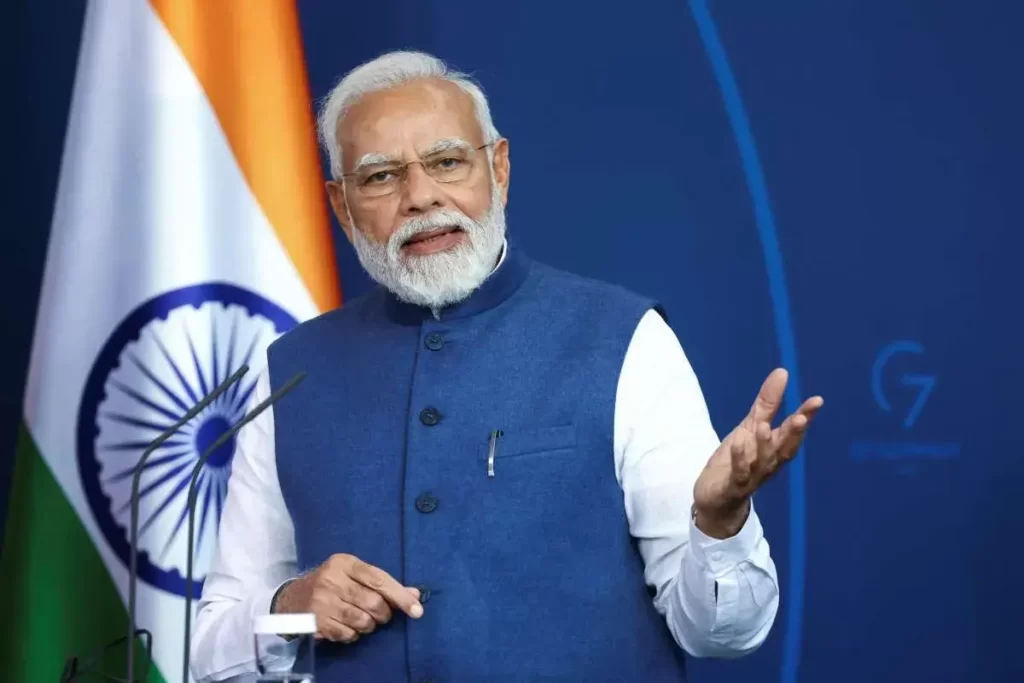
In an interview with a news agency, Prime Minister Modi discussed how India’s digital public infrastructure is promoting social inclusion and democratizing technology. He emphasized that India’s efforts have gained global recognition and are paving the way for a broader global movement. Prime Minister Modi highlighted the success of the CoWIN initiative, which facilitated the world’s largest vaccine drive, providing over 200 crore free doses. The platform, CoWIN, was even made open source for other countries to adopt. Referring to the UPI initiative, Modi noted that digital transactions are empowering businesses of all sizes, from street vendors to major banks, and contributing to financial inclusion. He praised India’s Digital Public Infrastructure for its role in delivering public services during the pandemic, citing the Jan Dhan-Aadhar-Mobile (JAM) Trinity’s effectiveness in ensuring financial inclusion and benefit transfers. Modi also mentioned the ONDC e-commerce initiative, which is seen as a significant step in democratizing digital platforms and creating a level playing field. He discussed the adoption of India’s digital public infrastructure by the G20 forum, which has established principles for a secure digital economy and laid the foundation for the One Future Alliance to coordinate global efforts in this regard. Prime Minister Modi highlighted the Ayushman Bharat Digital Mission’s impact on healthcare service delivery and India’s commitment to global health through the G20’s Global Digital Health Initiative. He stressed India’s approach of using technology to promote inclusion and equality, turning it into a force for good. Modi also addressed the government’s efforts to enhance cybersecurity, acknowledging the challenges posed by technology in combating illicit financial activities and terrorism. The Prime Minister celebrated India’s achievements across various domains, including the space sector, startups, sports, and education, expressing optimism about India’s economic prospects in the near future. This interview provides valuable insights into India’s efforts to leverage technology for social inclusion and global cooperation. Interview link: https://www.pmindia.gov.in/en/news_updates/ptis-exclusive-interview-with-prime-minister-narendra-modi/

PM Modi Highlights India’s Inclusive Tech Initiatives and Global Impact Read More »

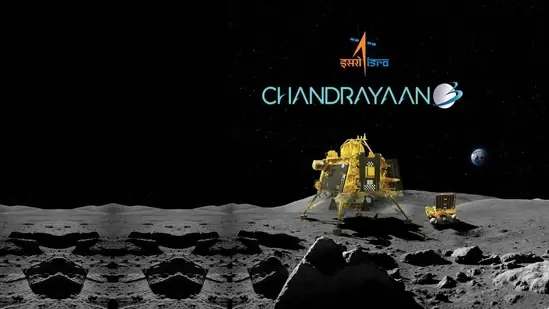
India’s Chandrayaan-3 Moon Landing: A Bold Leap Towards Lunar Exploration

In just a few hours, India’s Chandrayaan-3 is set to attempt a historic soft landing on the moon’s southern pole. If successful, India will join an elite group of countries, including the US, China, and the former Soviet Union, in achieving this remarkable feat. The critical moment for the mission lies in the final 15 to 20 minutes, during which the Vikram lander, carrying the rover Pragyan, will gently touch down. The excitement surrounding this lunar touchdown is palpable, with celebrations and prayers being held in anticipation. The Indian Space Research Organisation (ISRO) will broadcast the landing live on its website, while DD National TV will begin its live coverage at 5:27 PM. The Chandrayaan-3 mission embarked on its journey from Sriharikota on July 14. The descent of the Vikram lander towards the lunar surface begins at a rapid velocity of 1.68 km per second. It then undergoes a deceleration process, but it’s still almost parallel to the moon’s surface. This phase, known as the rough braking phase, lasts for approximately 11 minutes. The critical transition to a vertical position relative to the moon’s surface marks the start of the fine braking phase. Any slight error in this delicate descent process could lead to a crash or damage to the spacecraft. A soft landing, in essence, involves a spacecraft descending and landing on the moon’s surface in a controlled manner without causing substantial harm to either the craft itself or its scientific instruments. However, there are significant challenges associated with achieving a soft landing, including overcoming high speeds and executing a precisely controlled descent. Chandrayaan-3 faces the daunting task of navigating these hurdles as it aims to make history on the lunar surface.

India’s Chandrayaan-3 Moon Landing: A Bold Leap Towards Lunar Exploration Read More »

Unemployment rate rises in India, declines in the US

Data from the Centre for Monitoring Indian Economy (CMIE) show that in August, with a two million decline in employment, India’s unemployment rate increased to a one-year high of 8.3%. On the other hand, since late last year, the number of open positions in the US has surprisingly surpassed 11 million. Therefore, employment growth has exceeded all forecasts, and the unemployment rate has decreased by 3.5%. In India, there were 397 million people employed in July, with a 6.8% unemployment rate. The unemployment rates in metropolitan areas are often greater than those in rural areas, hovering around 8% and 7%, respectively. However, in August, India’s urban unemployment rate increased to 9.6% while the country’s rural unemployment rate increased to 7.7%. In rural India, the employment rate dropped from 37.6 percent in July to 37.3 percent in August. Unpredictable rains that have an impact on sowing are to blame for this decline. In the US, employers recruited more people than anticipated in July, resulting in a decrease in the unemployment rate to 3.5%. This has caused people to think that the recession has been averted. About 398,000 new jobs were generated in June. Given the tight labour market, the US private sector added about 132,000 jobs in August, indicating that there has been growth, albeit slowly.

Unemployment rate rises in India, declines in the US Read More »