ArdorComm Media Group

Monday, November 9, 2026 4:45 AM

Indian aviation

India Records Over 1.5 Crore Domestic Air Passengers in a Month: Civil Aviation Minister
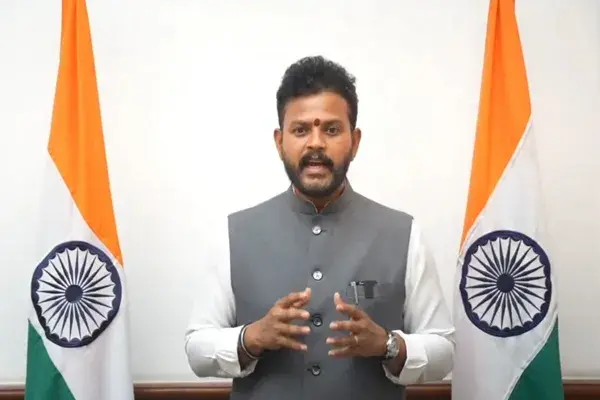
India has recorded more than 1.5 crore domestic air passengers in a single month, highlighting the rapid expansion of the country’s aviation sector, Civil Aviation Minister Ram Mohan Naidu said on Tuesday. On the occasion of the International Day of the Air Traffic Controller, the minister extended his greetings to air traffic control personnel gathered in Chennai and acknowledged their crucial contribution to maintaining safety in Indian airspace. In a video message shared on social media, Naidu highlighted the scale of India’s aviation operations, noting that the country handles more than 5,000 domestic and over 1,000 international air traffic movements daily. He also outlined India’s long-term ambition to increase annual passenger traffic from 24 crore to 130 crore by 2047. Emphasising the importance of human expertise in aviation safety, the minister said technology can support operations but cannot replace human judgement, composure and responsibility. Naidu also highlighted investments by the Airports Authority of India (AAI) to strengthen aviation infrastructure. The authority has allocated Rs 3,490 crore for infrastructure modernisation, including Rs 1,532 crore towards automating the air traffic management system. As air travel continues to grow, air traffic controllers will remain central to managing rising traffic volumes, coordinating aircraft movements and ensuring safe and efficient operations. Their expertise will be instrumental in supporting India’s vision of a safer, smarter and more connected aviation ecosystem. Source: News on AIR  

India Records Over 1.5 Crore Domestic Air Passengers in a Month: Civil Aviation Minister Read More »
DGCA Grants Record 1,628 Commercial Pilot Licences in 2024, Government Says

India’s civil aviation regulator, the Directorate General of Civil Aviation, issued a record 1,628 Commercial Pilot Licences (CPLs) in 2024—the highest annual total ever—according to the government. The civil aviation ministry said the milestone reflects a sharp expansion of pilot training and certification capacity in the country. In a statement, the ministry noted that CPL issuances have grown more than 2.5 times over the past eight years. Year-wise data shows a steady climb despite pandemic disruptions: 640 licences in 2018, 744 in 2019, 578 in 2020, 862 in 2021, 1,165 in 2022, 1,622 in 2023, and 1,347 in 2024. Offering a broader snapshot of developments in 2024, the Ministry of Civil Aviation said it has been closely tracking airfare trends through real-time monitoring and ongoing coordination with airlines and online travel platforms. During the operational disruptions faced by IndiGo in December, the ministry said it exercised regulatory powers to curb opportunistic pricing. Airlines were directed to strictly comply with fare caps across affected routes, a measure that remains in place until conditions fully normalise. The directive aimed to enforce pricing discipline, prevent passenger exploitation, and ensure that travellers with urgent needs—including senior citizens, students and patients—were not burdened by excessive fares during the disruption, the ministry added. Source: PTI

DGCA Grants Record 1,628 Commercial Pilot Licences in 2024, Government Says Read More »

IndiGo Increases Pilot Allowances Amid Staffing Challenges and New Duty Norms

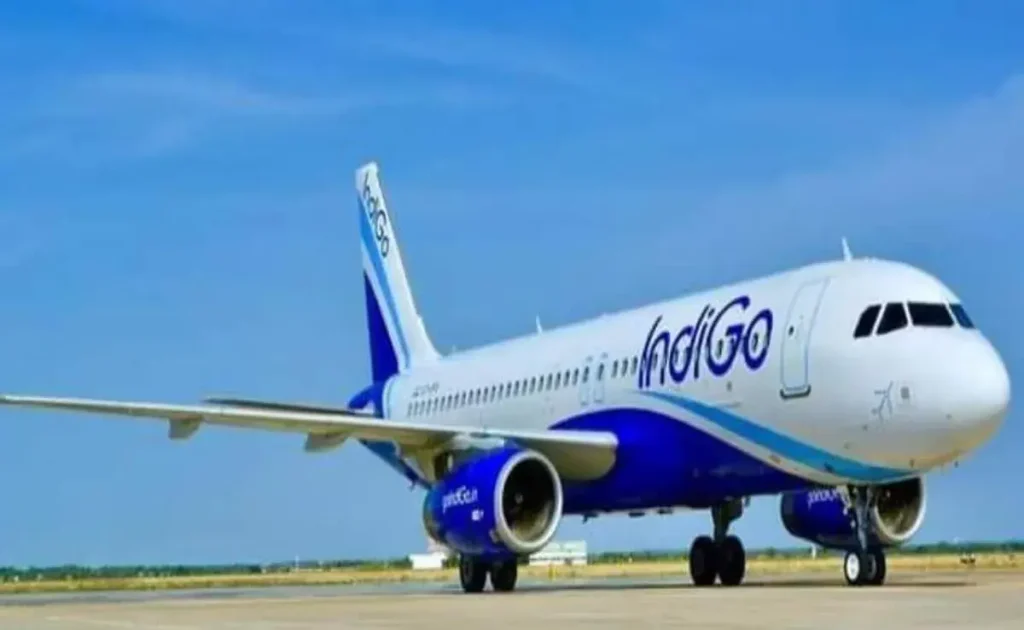
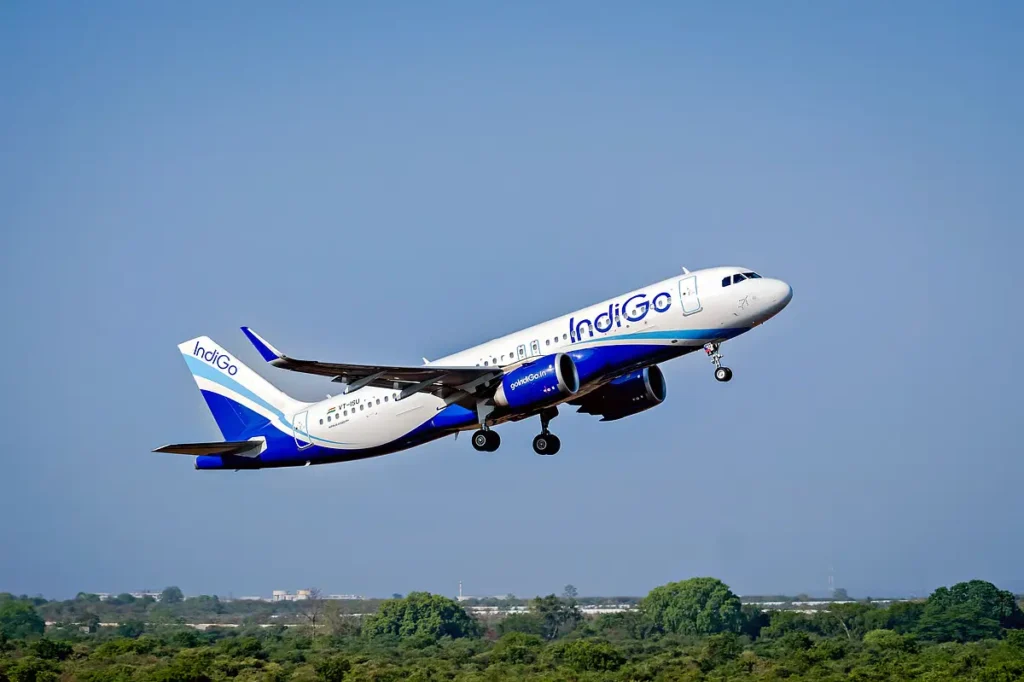
IndiGo has revised and increased allowances for its pilots by up to ₹2,000, with the changes taking effect from January 1, according to sources. The move comes weeks after the airline faced widespread flight disruptions triggered by pilot rostering issues. The disruptions were largely attributed to inadequate preparedness in implementing the revised Flight Duty Time Limitations (FDTL) norms, which restrict the number of night landings a pilot can undertake. These changes reportedly forced IndiGo to cancel over 1,600 flights in a single day earlier this month. In response to the new regulations, which require more pilots for night operations, the airline has enhanced several allowance categories. The revised allowances—ranging from ₹25 to ₹2,000—cover domestic layovers, night operations, deadhead duties, and a newly introduced tail-swap allowance. Tail-swap refers to replacing a scheduled aircraft with another aircraft. Sources said the tail-swap allowance was not available earlier and has been introduced as part of the latest revision. IndiGo has not issued an official statement on the matter. Under the new structure, a captain on a domestic layover of 10.01 to 24 hours will receive ₹3,000, up from ₹2,000. For first officers, the allowance has been raised to ₹1,500 from ₹1,000. Beyond 24 hours, captains will now earn ₹150 per additional hour, while first officers will get ₹75 per hour, up from ₹100 and ₹50 respectively. Night allowances per hour have been increased to ₹2,000 for captains and ₹1,000 for first officers. Deadhead allowance per scheduled block hour has also gone up—to ₹4,000 from ₹3,000 for captains and to ₹2,000 from ₹1,500 for first officers. Meal allowance during transit for captains has doubled to ₹1,000. However, sources noted that the latest increase recovers only about 25 per cent of the allowances that were cut following the implementation of the second phase of the FDTL norms in November. Following the recent operational disruptions, aviation regulator DGCA directed IndiGo to reduce its winter flight schedule by 10 per cent. As per government data shared in Parliament, IndiGo employed 5,085 pilots as of December 8. Source: PTI

IndiGo Increases Pilot Allowances Amid Staffing Challenges and New Duty Norms Read More »

IndiGo to Introduce Evidence-Based Pilot Training for Enhanced Safety and Performance

IndiGo, India’s largest airline, is preparing to roll out evidence-based training (EBT) programmes for its pilots, marking a significant step towards strengthening flight safety, situational awareness, and decision-making skills, a senior company official confirmed. Currently, the airline follows the Competency-Based Training and Assessment (CBTA) framework. The new initiative aims to build upon this foundation, using data-driven insights and global best practices to transition towards a mature EBT system. “When an airline becomes CBTA-compliant, the next natural step is achieving EBT compliance,” the official explained. “We are now establishing the CBTA baseline, and with the help of data analytics, AI tools, and expert consultants, we aim to evolve into an evidence-based training environment.” Under the EBT framework, pilot training will emphasize critical skills such as situational awareness, decision-making, and crew resource management. The programme will leverage IndiGo’s vast operational data to design and refine training modules grounded in real-world performance evidence. “We will collect and validate data from various operations and use it to shape the training approach,” the official said, highlighting that artificial intelligence and data analytics will play a central role in customising learning and assessment. IndiGo currently operates over 2,300 daily flights with a fleet of more than 400 aircraft, while another 900 planes are on order. The airline employs over 5,300 pilots, a number expected to double by 2030 to support its rapid expansion, including the induction of wide-body aircraft. While the implementation timeline for full EBT compliance is projected to take around a year to a year and a half, IndiGo views this as a crucial step toward future-ready, data-driven pilot training and enhanced operational safety. Source: PTI

IndiGo to Introduce Evidence-Based Pilot Training for Enhanced Safety and Performance Read More »

DGCA proposes full airfare refund for passengers cancelling flights due to medical emergencies

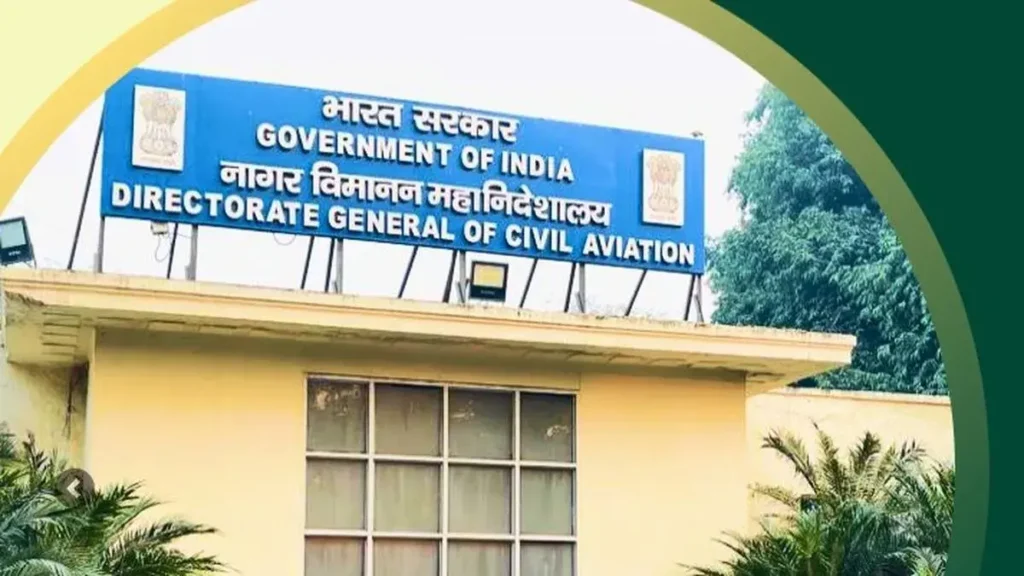
The Directorate General of Civil Aviation (DGCA) has issued draft guidelines introducing new norms for airline ticket refunds and facilities for differently abled passengers. Under the proposed regulations, passengers who cancel their flight due to a medical emergency will be eligible for a full refund or a credit note, marking a significant consumer-friendly reform in air travel policies. The aviation regulator has also clarified that airlines will bear direct responsibility for processing refunds, even for tickets booked through travel agents or online portals, since these intermediaries act as the airline’s representatives. Refunds must be completed within 21 working days, as per the draft titled “Refund of Airline Tickets to Passengers of Public Transport Undertakings.” Public feedback on these proposals is open until November 30, 2025. In another passenger-friendly change, the DGCA has suggested extending the free ticket amendment window from 24 hours to 48 hours, provided the modification is made at least five days before a domestic flight or 15 days before an international flight. This replaces the earlier seven-day uniform rule for all routes. Separately, the DGCA has finalized updated norms to improve the air travel experience for differently abled passengers. Airlines may now charge able-bodied passengers who request wheelchair assistance, ensuring the limited supply remains available to those who genuinely need it. Airports will also face stricter obligations — they must provide ambulifts for passengers using wheelchairs and, where unavailable, towable ramps or stepladders as alternatives. Disability rights advocates, however, have criticized the latter provision as a step backward. Furthermore, airports are required to ensure clear signage, designated cab drop-off zones, and adequate staff to assist differently abled travellers. They are also encouraged to introduce digital navigation maps to enhance accessibility and independence for such passengers. Source: The Hindu

DGCA proposes full airfare refund for passengers cancelling flights due to medical emergencies Read More »

Air India-Vistara Merger Finalized; New Entity to Operate Over 5,600 Weekly Flights

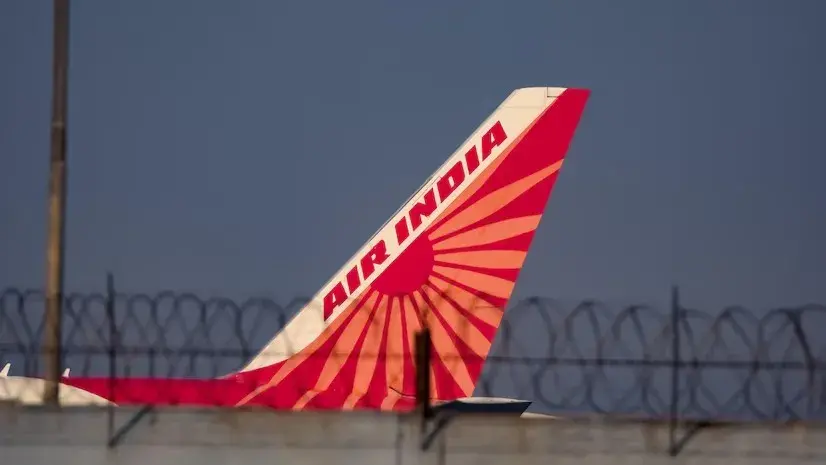
Air India has announced the completion of its merger with Vistara, creating a unified full-service airline that will now operate over 5,600 weekly flights across more than 90 destinations. This merger is a significant milestone for India’s aviation industry, strengthening Air India’s domestic and international presence with services on 103 domestic and 71 international routes. The integration grants Singapore Airlines a 25.1% stake in the expanded Air India. This move comes on the heels of the October 1, 2024, merger of Air India’s low-cost carriers, Air India Express and AIX Connect (formerly AirAsia India), marking the completion of Air India Group’s restructuring post-privatization. “This merger represents the end of our restructuring and consolidation phase,” remarked Campbell Wilson, CEO of Air India, who acknowledged the extensive planning and teamwork that ensured a seamless transition for customers. As part of the integration, Vistara’s final flight departed from Delhi to Singapore, marking the end of its nearly decade-long journey as a joint venture between Tata Group and Singapore Airlines. The new entity’s inaugural international flight, designated ‘AI2286,’ traveled from Doha to Mumbai, while the first domestic flight, ‘AI2984,’ linked Mumbai and Delhi. To streamline booking, former Vistara flights are now identified with the code ‘AI2XXX’ under Air India’s operations. Initially announced in November 2022, the merger follows Tata Group’s acquisition of Air India from the government in January 2022. With Air India, Vistara, and AIX Connect, the conglomerate now controls a 29% share of India’s domestic market as of September, signifying Tata’s growing influence in reshaping Indian aviation. Source: Business Times Photo Credit: Business Times

Air India-Vistara Merger Finalized; New Entity to Operate Over 5,600 Weekly Flights Read More »