ArdorComm Media Group

Wednesday, June 24, 2026 11:00 AM

Medical Research

No Proven Link Between COVID-19 Vaccines and Sudden Deaths, Confirms Union Health Ministry
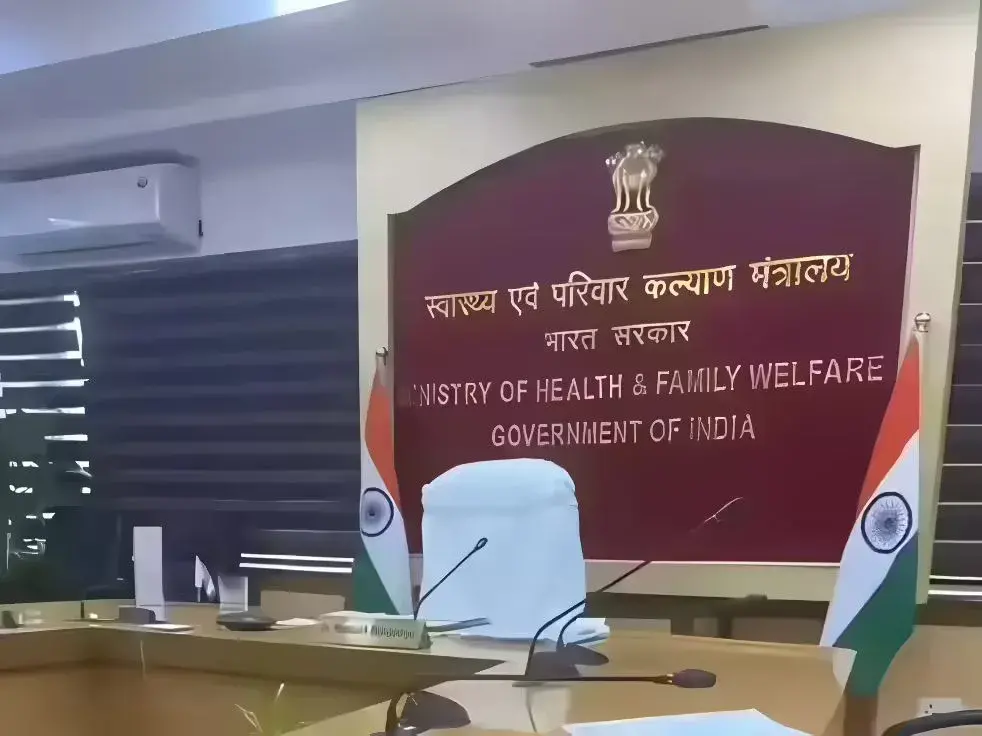
The Union Ministry of Health and Family Welfare has clarified that there is no scientific evidence connecting COVID-19 vaccination with sudden or unexplained deaths in India. This conclusion is backed by comprehensive studies conducted by the Indian Council of Medical Research (ICMR) and the National Centre for Disease Control (NCDC). In an official statement, the Ministry emphasized that extensive investigations were carried out across the country by multiple research agencies to examine reports of sudden deaths, particularly among seemingly healthy young adults. Findings from these studies have consistently shown no direct association between COVID-19 vaccines and such fatalities. Two key studies have been pivotal in reaching this conclusion. The first, undertaken by ICMR’s National Institute of Epidemiology (NIE), is a multicentric matched case-control study titled “Factors associated with unexplained sudden deaths among adults aged 18–45 years in India.” Conducted across 47 tertiary hospitals in 19 states and union territories from May to August 2023, the research analyzed cases between October 2021 and March 2023. The outcome was clear: COVID-19 vaccination does not increase the risk of sudden death in young, otherwise healthy adults. The second study, still in progress, is being led by AIIMS, New Delhi, with ICMR’s collaboration and support. This prospective research—“Establishing the cause in sudden unexplained deaths in young”—aims to pinpoint the most common reasons behind such fatalities. Preliminary data reveals that heart attacks (myocardial infarctions) remain the leading cause of sudden death in this demographic, with no significant shift in trends compared to previous years. In many cases, genetic factors have also emerged as likely contributors. These studies offer valuable insights into sudden deaths among young individuals and provide reassurance about the safety of COVID-19 vaccines. Researchers highlight that deaths may stem from a range of issues, including underlying health conditions, genetic predispositions, and unhealthy lifestyles, rather than vaccination. Public health experts have strongly criticized unverified claims linking vaccines to sudden deaths, calling them unscientific and dangerous. Such misinformation not only lacks factual basis but also poses a serious risk to public trust and could foster vaccine hesitancy, undermining one of the most effective tools used during the pandemic to save lives. The government reaffirmed its commitment to science-driven public health policies and continued research to safeguard the health and well-being of all citizens. Source: ANI
No Proven Link Between COVID-19 Vaccines and Sudden Deaths, Confirms Union Health Ministry Read More »

Niti Aayog Plans Overhaul of AIIMS Delhi to Expand Reach and Ease Patient Load

Ardorcomm news

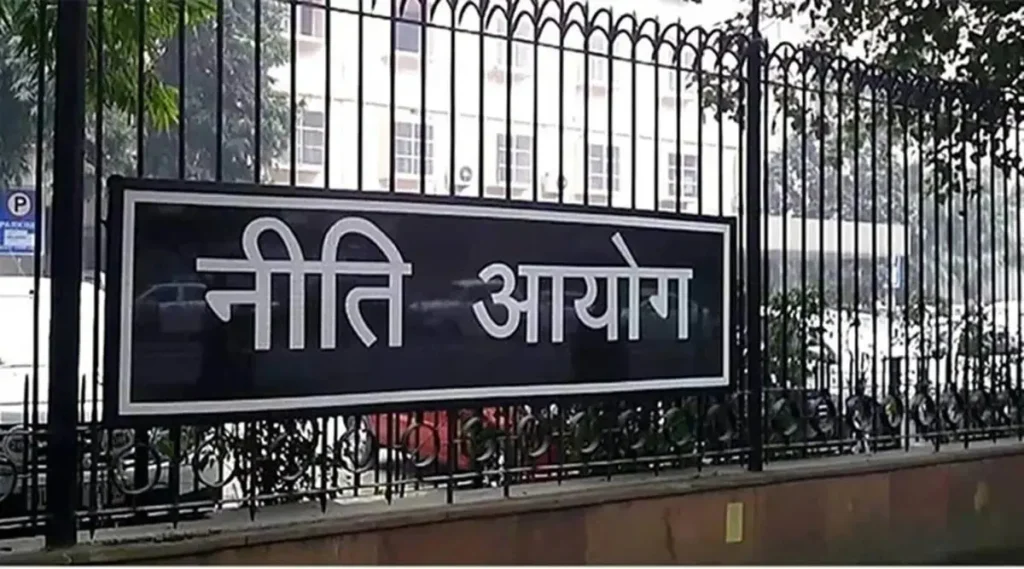
The All India Institute of Medical Sciences (AIIMS), Delhi, could soon undergo a major transformation, as Niti Aayog is reportedly drafting a comprehensive revamp plan for the country’s premier medical institution. The proposal envisions expanding AIIMS’ clinical services beyond its central campus to various locations across the National Capital Region (NCR), according to a senior government official. The initiative aims to alleviate the overwhelming pressure on the existing infrastructure and allow doctors to dedicate more time to research. The proposal seeks to reserve the main AIIMS campus for critical care and trauma patients, which would also help reduce the long wait times for vital medical procedures. Currently, AIIMS Delhi handles an average of 7,200 patients daily at its Out-Patient Department (OPD) and 400-500 cases at the casualty ward. To address this high patient load, the VK Paul-led committee under Niti Aayog is examining internal systems and exploring ways to decentralise services without compromising the institute’s renowned quality of care. The committee is preparing a detailed blueprint that includes phased reforms—short-term, medium-term, and long-term—complete with implementation timelines. The report is expected to be submitted to the Ministry of Health in the latter half of 2025. One of the strategies under consideration is to utilise underused infrastructure in other government and possibly private hospitals to host AIIMS OPD services. This would allow for more efficient distribution of patient care and help manage the caseload more effectively. “All factors are being reviewed to ensure that service quality remains uncompromised,” said the official. “A final decision will be based on the recommendations of the expert panel.” A medical practitioner involved in the stakeholder consultations emphasized the need for both patient load reduction and administrative reforms to elevate the institution to global standards. However, they cautioned that success will depend on strict oversight. “The idea of decentralising OPDs will only work if there’s a robust monitoring mechanism to ensure the same level of care is provided as at AIIMS,” the practitioner noted, requesting anonymity. If implemented, the overhaul could significantly reshape the future of healthcare delivery in Delhi and set a precedent for other government-run medical institutions across the country. Source: ET Health

Niti Aayog Plans Overhaul of AIIMS Delhi to Expand Reach and Ease Patient Load Read More »

Trump Appoints Indian-Origin Covid Critic Jay Bhattacharya as NIH Director

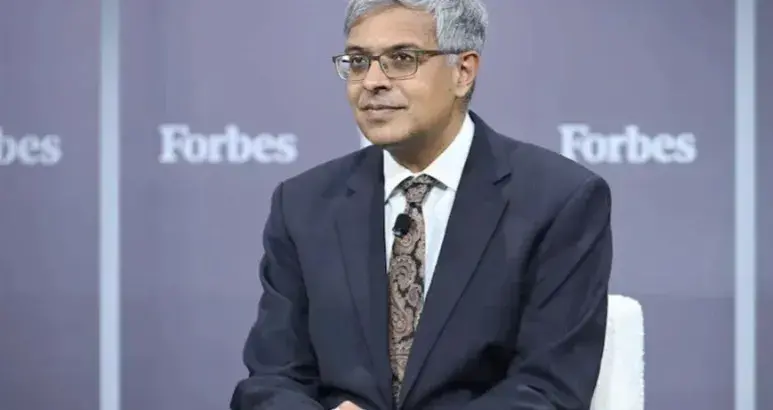
Former U.S. President Donald Trump has nominated Dr. Jay Bhattacharya, an Indian-origin Stanford academic and prominent critic of COVID-19 lockdown policies, as the Director of the National Institutes of Health (NIH). The NIH, a leading public funder of medical research, manages an annual budget of $47.3 billion and plays a critical role in shaping U.S. health policies. Announcing the appointment, Trump stated that Dr. Bhattacharya, in collaboration with Robert F. Kennedy Jr., would lead efforts to restore the NIH’s reputation as the “Gold Standard of Medical Research.” The new leadership aims to tackle America’s pressing health crises, particularly chronic illnesses and diseases. Who is Jay Bhattacharya? Born in Kolkata in 1968, Dr. Bhattacharya is an accomplished scholar with a dual academic foundation: a medical doctorate (1997) and a Ph.D. in economics (2000), both from Stanford University. Currently, he serves as a Professor of Health Policy at Stanford University and directs the Center for Demography and Economics of Health and Aging. Dr. Bhattacharya’s research focuses on the health and economic well-being of vulnerable populations, the impact of government programs, and biomedical innovation. He gained national attention during the COVID-19 pandemic for co-authoring the Great Barrington Declaration in October 2020, advocating for targeted protections for high-risk groups rather than widespread lockdowns. A prolific researcher, Dr. Bhattacharya has authored 135 peer-reviewed articles across various fields, including medicine, health policy, and economics. His appointment signals a shift toward addressing systemic health challenges and reevaluating pandemic response strategies in the United States. Dr. Bhattacharya’s nomination marks a significant move, blending innovative health policies with a critical lens on past approaches, as the NIH positions itself to address evolving medical and research challenges. Source: NDTV Photo Credit: NDTV

Trump Appoints Indian-Origin Covid Critic Jay Bhattacharya as NIH Director Read More »

IIT Madras and SRIHER Collaborate on MD-PhD Dual Degree Program for Advancing Medical Research in India

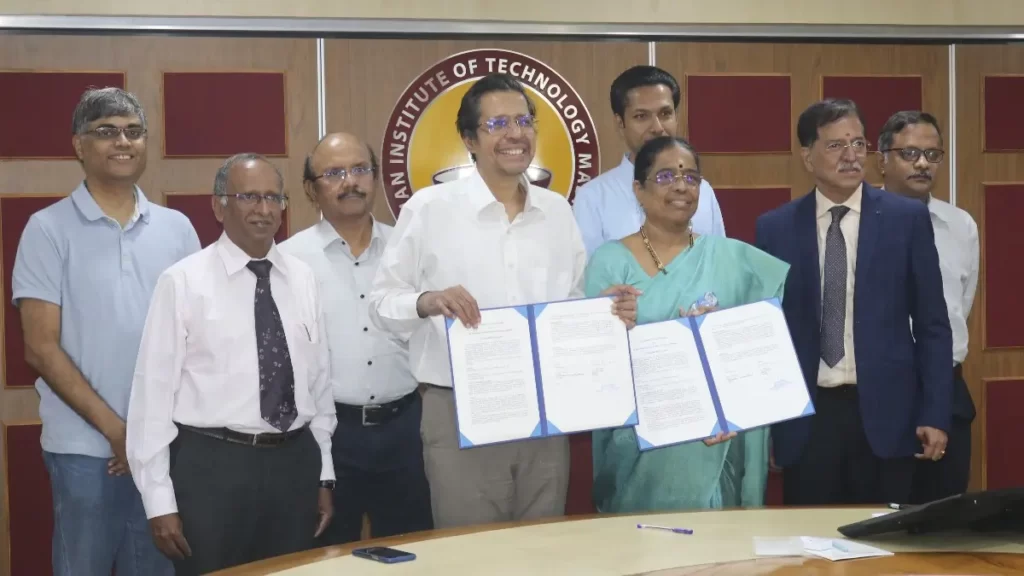
IIT Madras and Sri Ramachandra Institute of Higher Education and Research (SRIHER) in Chennai, Tamil Nadu, have entered into a Memorandum of Understanding (MoU) to introduce a MD-PhD Dual Degree program. The collaboration aims to blend medical expertise and research capabilities, with SRIHER granting the MD degree and IIT Madras conferring the PhD degree through its Department of Medical Sciences and Technology. The program, set to commence in the upcoming academic year, emphasizes core clinical, interdisciplinary, and translational research to train proficient research scientists. Prospective postgraduate students at SRIHER, admitted through NEET, can apply for the PhD program at IIT Madras after their second year. The initiative seeks to cultivate ‘Physician-Scientists’ to drive India’s advancement in medicine and health research, aligning with the goal of achieving self-sufficiency in these fields. The MD-PhD graduates, recognized for their significant contributions, have historically garnered 37 percent of Nobel Prizes in Physiology, exemplifying their pivotal role in establishing crucial cause-and-effect relationships such as those between smoking and cancer or sugar and diabetes.

IIT Madras and SRIHER Collaborate on MD-PhD Dual Degree Program for Advancing Medical Research in India Read More »