ArdorComm Media Group

Friday, November 13, 2026 8:34 PM

Research

Bharat Innovates 2026: Education Minister Releases Publication Celebrating India’s Deep-Tech Innovation
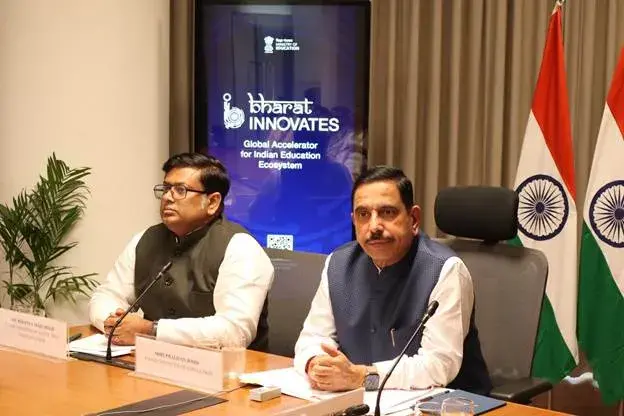
Union Education Minister Pralhad Joshi on Wednesday released a commemorative publication documenting the first edition of Bharat Innovates, held in Nice, France, from June 14 to 16, 2026, as part of the India-France Year of Innovation. Speaking at the event in New Delhi, Joshi said Prime Minister Narendra Modi had consistently placed innovation, research, technology and entrepreneurship at the heart of India’s development agenda. He said Bharat Innovates reflected this vision by giving young innovators a platform to showcase their work, connect with global stakeholders and explore opportunities beyond India. Joshi added that initiatives such as Bharat Innovates reflected the confidence and aspirations of young Indians while highlighting the capabilities of the country’s higher education and research ecosystem. Connecting young talent with industry, opportunities and international networks could help unlock the full potential of India’s innovation landscape, he said. Union Minister of State for Education Sukanta Majumdar emphasised the role of higher education institutions in advancing the vision of Viksit Bharat. He said the National Education Policy (NEP) 2020 had prioritised research, innovation, creativity and scientific temper, while initiatives such as Bharat Innovates offered platforms to convert these priorities into tangible outcomes. The commemorative publication traces the initiative’s journey, from identifying and selecting promising deep-tech innovators across India to showcasing their technologies internationally in Nice. It also documents their engagements with industry, investors and other ecosystem stakeholders, along with the outcomes and collaborations that emerged from the programme. Bharat Innovates is a Ministry of Education initiative focused on identifying and nurturing high-potential deep-tech innovations emerging from India’s higher education and research ecosystem. The programme aims to connect innovators with industry and investors, support technology commercialisation and provide access to global markets and supply chains. The inaugural edition featured 120 deep-tech startups and innovators and 45 research projects from across India. Participants received opportunities to demonstrate their technologies, interact with industry and investors, explore international partnerships and identify potential global market opportunities. The publication also highlights the scientific capabilities and entrepreneurial potential of Indian students, researchers, faculty members, startups, higher education institutions and innovation ecosystem partners. Principal Scientific Adviser to the Government of India Ajay Kumar Sood, NITI Aayog Member Abhay Karandikar, Department of Higher Education Secretary Deepti Gaur Mukerjee and senior Education Ministry officials attended the hybrid event. Directors and senior representatives from IIT Kanpur, IIT Madras and IIT Bombay, along with officials from the Department of Science and Technology, Department of Biotechnology, Department of Defence Production and IN-SPACe, also participated. Source: PIB
Bharat Innovates 2026: Education Minister Releases Publication Celebrating India’s Deep-Tech Innovation Read More »

AIIMS Delhi Completes Major Faculty Recruitment Drive Using Blockchain-Enabled Technology

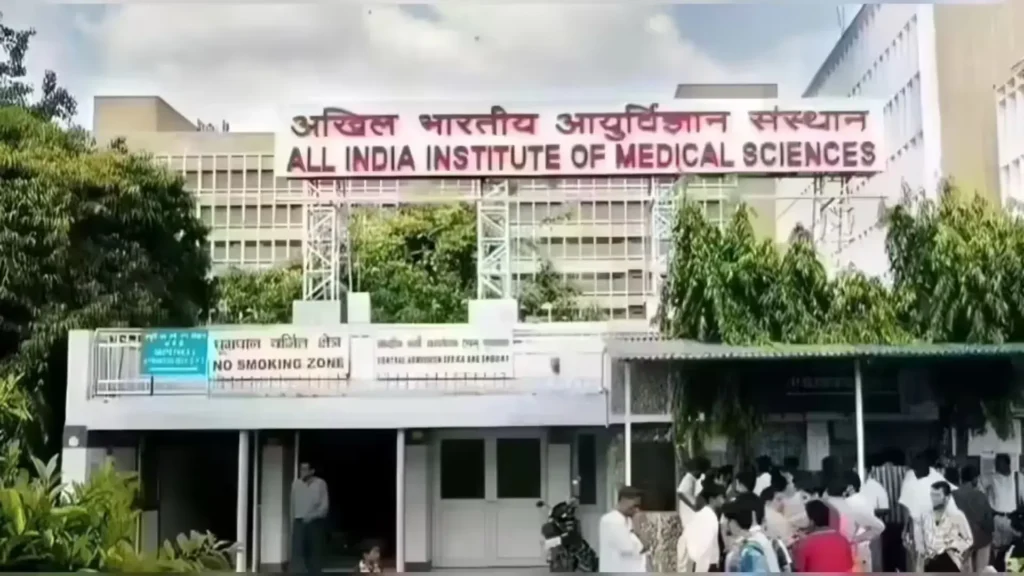
All India Institute of Medical Sciences, New Delhi has successfully concluded one of its largest faculty recruitment drives in recent years, announcing the results for nearly 460 teaching positions through a blockchain-enabled digital evaluation system. According to the institute, around 370 faculty members have been recruited for AIIMS New Delhi and the AIIMS–Central Armed Police Forces Institute of Medical Sciences campus. The appointments span more than 50 medical and allied health disciplines, covering roles from Assistant Professor to Professor. The recruitment process attracted over 3,200 applications for 265 faculty positions at AIIMS New Delhi and 199 positions at the AIIMS-CAPFIMS campus. The selection exercise was carried out over a period of six months. AIIMS stated that the use of blockchain-enabled digital technology ensured a secure, transparent, and efficient evaluation process. Candidate assessment scores were protected using one-time password (OTP) authentication, while final merit lists were generated through predefined algorithms, reducing manual intervention and enhancing the integrity of the recruitment process. The institute noted that adopting advanced digital technologies for faculty appointments reflects its commitment to strengthening institutional governance through innovation. The large-scale recruitment is expected to enhance patient care, medical education, research, and innovation across a broad spectrum of healthcare specialties. Source: Economic Times

AIIMS Delhi Completes Major Faculty Recruitment Drive Using Blockchain-Enabled Technology Read More »

Study Reveals Adverse Effects of Bharat Biotech’s Covaxin Vaccine

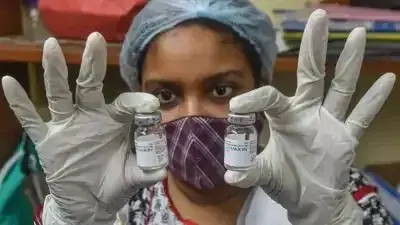
A study conducted by researchers at BHU examining the long-term effects of Bharat Biotech’s Covaxin vaccine revealed concerning findings. Out of 926 participants examined, nearly one-third reported adverse events of special interest (AESI), with viral upper respiratory tract infections being the most common complaint. Serious AESI such as stroke and Guillain-Barre syndrome were reported in one percent of individuals. The study, conducted from January 2022 to August 2023, involved 635 adolescents and 291 adults who received the Covaxin vaccine. Common AESI observed in adolescents included skin and subcutaneous disorders, general disorders, and nervous system disorders. In adults, general disorders, musculoskeletal disorders, and nervous system disorders were prevalent. The study highlighted that certain demographics faced higher risks of persistent AESIs. Females, adolescents with pre-vaccination Covid-19, people with underlying health conditions, and those who developed typhoid after vaccination had significantly higher odds of experiencing persistent AESIs. Moreover, adults with pre-existing health conditions had more than double the odds of experiencing AESIs and persistent AESIs, according to the study. Additionally, adults who received three doses of the vaccine and those who received only one dose had higher risks of AESIs compared to those who received two doses of Covaxin. These findings underscore the importance of continued monitoring and assessment of vaccine safety, particularly regarding long-term effects. Further research is needed to better understand the underlying mechanisms and risk factors associated with adverse events following Covaxin vaccination.

Study Reveals Adverse Effects of Bharat Biotech’s Covaxin Vaccine Read More »

The Economic Wisdom of an Annual COVID-19 Vaccine: A Comprehensive Study

Blog on Health

The COVID-19 pandemic has reshaped our lives in profound ways, influencing everything from our daily routines to global economies. As vaccination rates wane and governments reconsider their policies, questions arise regarding the necessity and benefits of an annual COVID-19 vaccine. A recent study published in The Journal of Infectious Diseases sheds light on this issue, exploring the economic and clinical advantages of an annual COVID-19 vaccination from an individual perspective. The study’s findings underscore the importance of ongoing vaccination efforts in mitigating the impact of COVID-19 on both personal health and finances. Despite decreasing morbidity and mortality rates, the economic value of annual vaccination remains significant, particularly for adults aged 18 to 64. The research employs a sophisticated Markov computational simulation model to assess the economic implications of annual COVID-19 vaccination, considering factors such as infection risk, clinical outcomes, and vaccine efficacy. Key findings from the study reveal that individuals, regardless of health insurance status, stand to benefit clinically and economically from annual COVID-19 vaccination. Notably, adults aged 50 to 64 experience the highest economic savings, emphasizing the importance of continued vaccination efforts among older populations. The study’s comprehensive approach provides valuable insights into the cost-benefit dynamics of annual COVID-19 vaccination, informing individual decision-making in an evolving pandemic landscape. As the world navigates the ongoing challenges of the COVID-19 pandemic, evidence-based research remains crucial in guiding public health policies and individual behaviors. The study’s implications extend beyond the realm of healthcare, highlighting the interconnectedness of health and economics in shaping societal well-being. By investing in annual COVID-19 vaccination, individuals can safeguard their health while making prudent financial decisions, contributing to a safer and more resilient future for all. In conclusion, the study underscores the wisdom of investing in an annual COVID-19 vaccine, both for personal health and economic prosperity. As governments and individuals alike consider the path forward in a post-pandemic world, the findings serve as a timely reminder of the enduring value of vaccination in protecting lives and livelihoods.  

The Economic Wisdom of an Annual COVID-19 Vaccine: A Comprehensive Study Read More »

The Interconnection Between Climate Change and Immune Health: A Growing Concern

As the global community grapples with the multifaceted challenges of climate change, a concerning trend has emerged: a rise in immune-mediated diseases. From nasal allergies to rheumatoid arthritis to cancer, diseases linked to immune dysregulation are on the ascent, and climate change appears to be a contributing factor. A recent study led by Harvard T.H. Chan School of Public Health sheds light on this critical issue, highlighting the profound implications of climate-driven stressors on human health. The study, published in Frontiers in Science and co-authored by Kari Nadeau, a leading expert in climate and population studies, underscores the intricate interplay between environmental factors and immune health. Climate-driven stressors, such as wildfires, extreme weather events, and changes in agricultural practices, are triggering immune dysregulation, thereby exacerbating the prevalence of immune-mediated diseases. Nadeau’s research elucidates the mechanisms through which climate change impacts immune health. For instance, pollutants from wildfires and heightened pollen levels due to warmer temperatures can compromise the body’s defense mechanisms, leaving individuals more susceptible to infections and allergic reactions. Moreover, disruptions in food production and nutrient depletion resulting from climate-related events contribute to malnutrition, impairing immune system function and exacerbating the risk of disease. Of particular concern is the role of persistent inflammation induced by climate-related stressors in driving immune-mediated diseases, including cancer. As temperatures rise and extreme weather events become more frequent, the prevalence of chronic inflammation poses a significant public health challenge, necessitating urgent action to mitigate its impact. To address the global rise in immune-mediated diseases, Nadeau advocates for a multifaceted approach. This includes implementing policies to curb greenhouse gas emissions, promoting sustainable agricultural practices, and investing in research to better understand the complex interactions between climate change and immune health. Additionally, she underscores the importance of public awareness and education, urging scientists, clinicians, policymakers, and the media to communicate the tangible health consequences of climate change to the general public. The study by Harvard T.H. Chan School of Public Health highlights the pressing need to address the intersection of climate change and immune health. By recognizing the profound impact of environmental factors on human well-being, we can galvanize collective action to safeguard public health in the face of a changing climate. As we strive to build a more resilient and sustainable future, prioritizing the protection of immune health must remain a central tenet of our global health agenda.

The Interconnection Between Climate Change and Immune Health: A Growing Concern Read More »

Closing the Women’s Health Gap: A $1 Trillion Opportunity for Global Well-being

Blog on Health

In a study by the McKinsey Health Institute in collaboration with the World Economic Forum (WEF), the report titled “Closing the women’s health gap: A $1 trillion opportunity to improve lives and economies” sheds light on the profound impact of gender disparities in healthcare on both individual well-being and global economic prosperity. The study, focused on addressing the health gap between men and women, reveals startling statistics that demand urgent attention and action. Key Findings: Unraveling the Women’s Health Gap The report brings to light the alarming fact that while women tend to live longer than men, they spend 25 percent more of their lives grappling with poor health. This health disparity translates into a staggering 75 million years of life lost annually due to illnesses or premature death among women. The study identifies key areas contributing to the women’s health gap: Health Conditions Affecting Both Genders: 95 percent of the health burden on women is attributed to conditions affecting both men and women, such as sexual and reproductive health, maternal and child health, and endometriosis. Prevalence of Conditions in Women: 56 percent of the health burden on women arises from conditions that are either more prevalent or manifest differently in women. The Case of India: A $22 Billion Opportunity In the context of India, the study highlights that closing the gender gap in healthcare could lead to a substantial economic boost. The report estimates that India’s GDP could rise by at least $22 billion by addressing the health disparities between men and women. The top health conditions contributing to this potential GDP impact include premenstrual syndrome, gynecological diseases, migraine, depressive disorders, and anxiety disorders. Global Root Causes: Science, Care Delivery, Investment, and Data The report identifies four primary global root causes contributing to the women’s health gap: Science: Historically, the study of human biology has predominantly focused on the male body, leading to less effective treatments for women. Over 50 percent of interventions with sex-disaggregated research are found to be less effective for women than men. Care Delivery: Women often face barriers to care, diagnostic delays, and suboptimal treatment due to healthcare systems designed and run predominantly by men. Investment: There has been lower investment in women’s health conditions relative to their prevalence, perpetuating limited scientific understanding and data on women’s bodies. Data: Health burdens for women are systematically underestimated, with incomplete datasets that exclude or undervalue crucial conditions affecting women. Closing the Gap: A Trillion-Dollar Opportunity The report emphasizes the potential economic and societal benefits of addressing the women’s health gap: Economic Growth: For every $1 invested in women’s health, the projection is nearly $3 in economic growth. Global Impact: Closing the health gap could add 7 more days of healthy living for each woman annually, contribute at least $1 trillion to the global economy by 2040, and generate an impact equivalent to 137 million women accessing full-time positions. Reduced Health Burden: Addressing the gaps in women’s health could reduce the time women spend in poor health by almost two-thirds, positively impacting 3.9 billion women. Strategies for Change To achieve health equity and foster economic growth, the report suggests a comprehensive strategy involving various stakeholders: Invest in Research: Prioritize women-centric research to fill knowledge and data gaps in women-specific conditions. Data Collection: Systematically collect and analyze sex-, ethnicity-, and gender-specific data for accurate representation of women’s health burden. Enhance Access: Improve access to gender-specific care, from prevention to diagnosis and treatment. Financing Models: Incentivize new financing models to support women’s health initiatives. Business Policies: Establish business policies that actively support women’s health. Raise Awareness: Promote awareness and advocacy to draw attention to the women’s health gap. By prioritizing women’s health in research, care, and investment, societies can unlock immense economic potential while ensuring a healthier

Closing the Women’s Health Gap: A $1 Trillion Opportunity for Global Well-being Read More »

Microsoft Enlists Former OpenAI CEO Sam Altman to Lead New Advanced AI Research Team

Microsoft has made a significant move in the field of artificial intelligence (AI) by hiring former OpenAI CEO Sam Altman and co-founder Greg Brockman to lead a newly established advanced AI research team. This development was announced by Microsoft CEO Satya Nadella, and it follows the recent appointment of Emmett Shear as CEO by OpenAI’s board, a decision that went against the wishes of some investors who sought the reinstatement of Sam Altman, a co-founder of OpenAI since its establishment in 2015. Satya Nadella expressed great excitement about the addition of Sam Altman and Greg Brockman to Microsoft, stating, “We’re extremely excited to share the news that Sam Altman and Greg Brockman, together with colleagues, will be joining Microsoft to lead a new advanced AI research team.” Nadella also hinted that the term “colleagues” suggests Microsoft might be planning to bring in other former OpenAI employees who departed over the weekend. Microsoft has invested significant financial resources in OpenAI, and Nadella emphasized the company’s ongoing commitment to its partnership with the startup. He mentioned, “We remain committed to our partnership with OpenAI and have confidence in our product roadmap, our ability to continue to innovate… and in continuing to support our customers and partners.” In response to the move, Sam Altman acknowledged his new role at Microsoft in a post on X, quoting Nadella and indicating continuity with the mission. Nadella responded by hinting at Altman’s role at Microsoft, noting the company’s experience in providing founders and innovators the space to build independent identities and cultures within the larger Microsoft ecosystem. He cited examples such as GitHub, Mojang Studios, and LinkedIn as instances where this approach has been successful. This strategic move by Microsoft not only bolsters its position in the AI research landscape but also reflects the dynamics of the tech industry, with companies actively seeking and securing top talent to drive innovation and advancements in artificial intelligence.

Microsoft Enlists Former OpenAI CEO Sam Altman to Lead New Advanced AI Research Team Read More »

IIT Madras and Ericsson Forge Strategic Partnership for Responsible AI Research

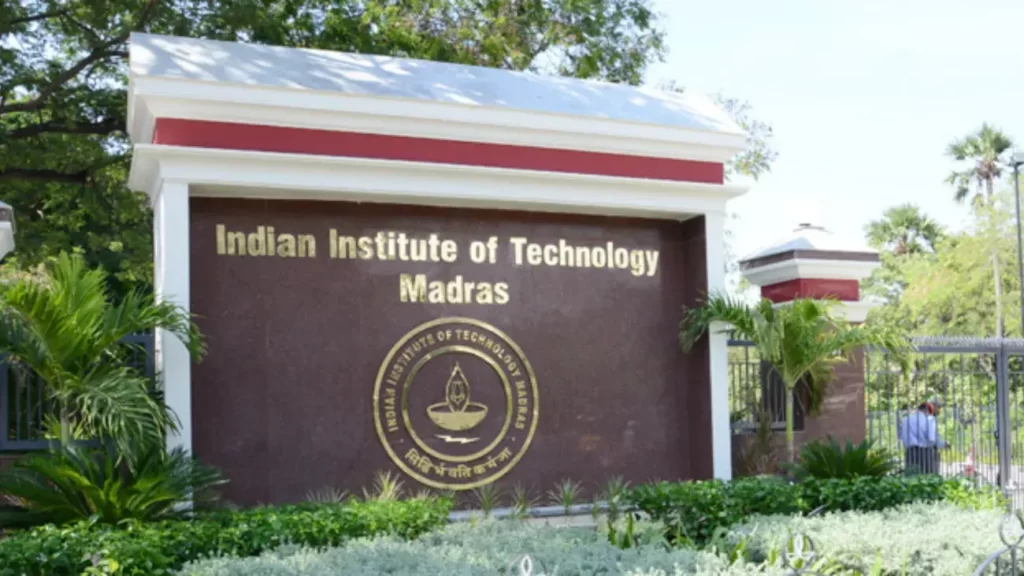
The Centre for Responsible AI (CeRAI) at the Indian Institute of Technology Madras (IIT Madras) has entered into a strategic partnership with Ericsson to jointly conduct research in the realm of Responsible AI. Ericsson, as a ‘Platinum Consortium Member,’ has committed to this collaboration for a five-year period. As part of this collaboration, Ericsson Research will actively engage in and support all research endeavours undertaken at CeRAI. To commemorate this partnership, a symposium titled ‘Responsible AI for Networks of the Future’ was organized. Distinguished leaders from both IIT Madras and Ericsson Research came together to deliberate on the latest developments and breakthroughs in the field of Responsible AI. During the symposium, a panel discussion revolving around ‘Responsible AI for Networks of the Future’ took place, marking the official launch of this collaboration. The event also served as a platform to showcase ongoing research projects at the Centre for Responsible AI, including initiatives related to large-language models (LLMs) in healthcare and participatory AI. Artificial Intelligence (AI) research holds immense significance for Ericsson, especially in light of the forthcoming 6G networks, which are poised to be driven by AI algorithms, as stated by IIT Madras. Professor B Ravindran, speaking about the collaborative efforts, stated, “As 5G and 6G networks usher in a new era of connectivity and applications, it becomes imperative to ensure that AI models are not only capable but also transparent and adaptable to the diverse range of applications they will serve.” This collaboration seeks to address these critical aspects in the evolving landscape of AI and telecommunications.

IIT Madras and Ericsson Forge Strategic Partnership for Responsible AI Research Read More »