ArdorComm Media Group

Thursday, February 12, 2026 4:42 PM

Supreme Court

Supreme Court clears way for CCI probe into JioStar over alleged abuse in Kerala cable TV market

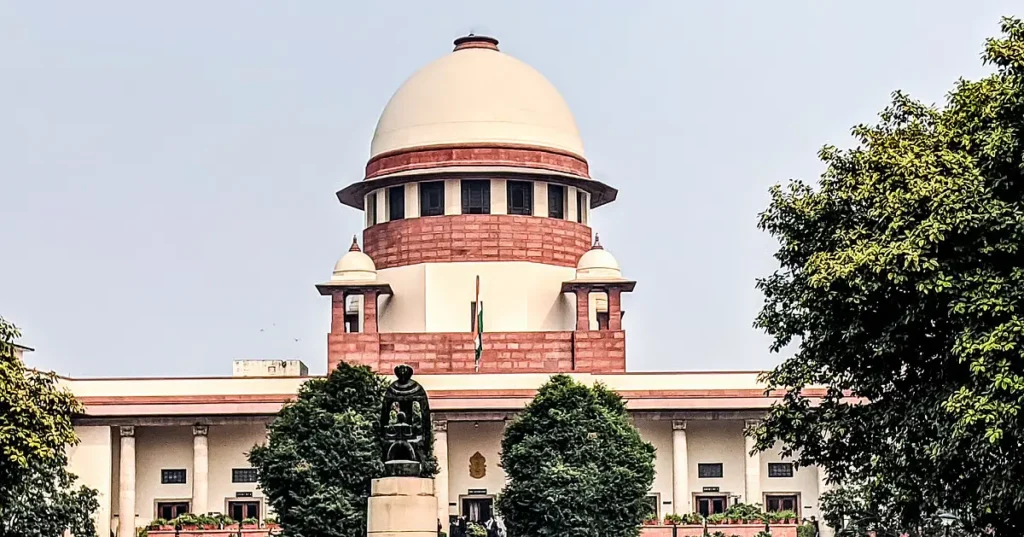
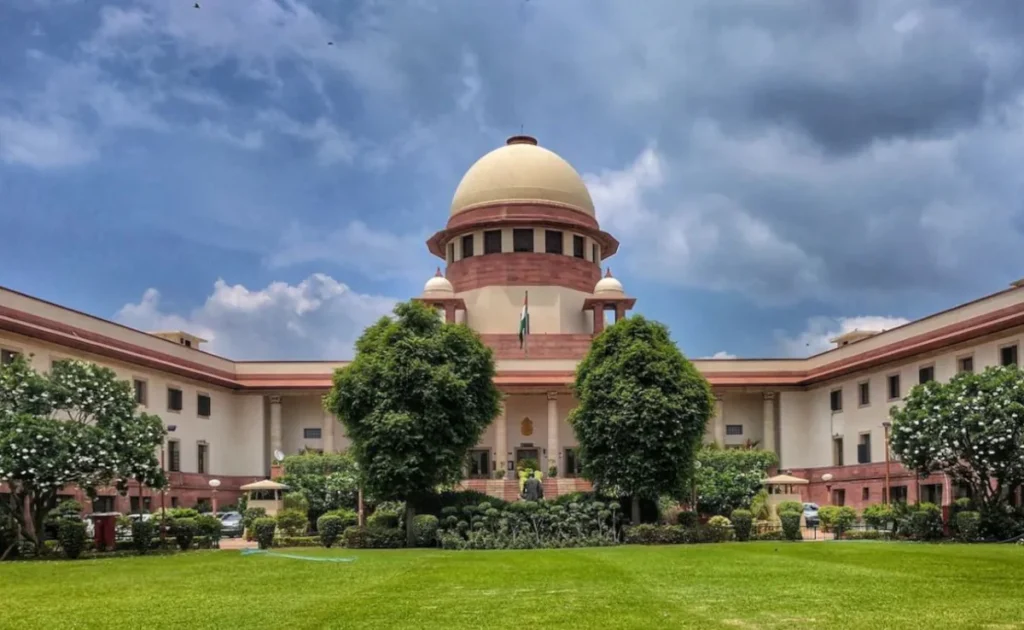
The Supreme Court on Tuesday declined to interfere with a Kerala High Court order that permitted the Competition Commission of India (CCI) to continue its investigation into allegations of unfair trade practices in Kerala’s cable television market, dealing a setback to broadcaster JioStar India. JioStar, which holds over 34% share of India’s TV network market, had challenged the high court’s ruling that upheld the CCI’s decision to probe allegations of abuse of dominant position raised by Asianet Digital Network (ADN). The Kerala High Court bench hearing the matter comprised Justices Sushrut Arvind Dharmadhikari and Syam Kumar VM. Before the Supreme Court, JioStar was represented by senior advocate Mukul Rohatgi, while the CCI was defended by additional solicitor general N. Venkataraman. Dismissing the plea, a bench of Justices JB Pardiwala and Sandeep Mehta said it found “no good ground” to interfere with the high court’s order after examining the submissions and the record. The case has wider corporate linkages, as Viren and Akshay Raheja—promoter shareholders in Reliance-controlled Hathway Cable—along with their family investment firm, Hathway Investments, also hold stakes in Asianet Satellite Communications, the parent company of ADN. The dispute traces back to February 2022, when the CCI ordered an investigation into Star India, then owned by Walt Disney, following a complaint by ADN. Since then, Star India has merged with Reliance Industries-owned Viacom18 to form JioStar, which is now under Reliance’s control. ADN has accused JioStar of abusing its dominant position and denying market access, allegedly in violation of Sections 4(2)(a)(ii) and 4(2)(c) of the Competition Act, 2002. The complaint centres on alleged “sham” marketing and advertising agreements between Star and Kerala Communicators Cable Limited (KCCL). Under the Telecom Regulatory Authority of India’s (TRAI) New Tariff Order, broadcasters are allowed to offer a maximum discount of 35% on the maximum retail price (MRP) to distributors and must adhere to transparent and non-discriminatory pricing. ADN alleged that Star circumvented these norms by offering KCCL discounts of up to 50% through separate marketing and advertising arrangements. According to ADN, these agreements were purportedly aimed at promoting Star’s flagship Malayalam channel—popularly known as Asianet—which commands more than 60% viewership share in Kerala. However, the advertisements were allegedly aired on a low-visibility ‘Test’ channel with negligible audience reach, raising questions over the genuineness of the promotional activity. ADN claimed that these practices resulted in discriminatory discounts, restricted market access for competitors, and gave KCCL an unfair competitive edge. While upholding a single-judge order dated May 28, 2025, the Kerala High Court had dismissed JioStar’s challenge and directed the CCI to hear all stakeholders before issuing a reasoned order. The court also instructed the regulator to first decide, as a preliminary issue, whether it has jurisdiction in light of the TRAI Regulations, 2017. If necessary, the CCI may pause its proceedings until TRAI examines the matter. The high court directed that the entire exercise be completed within eight weeks from December 3, 2025, while allowing the parties to seek an extension if required. Source: Economic Times

Supreme Court clears way for CCI probe into JioStar over alleged abuse in Kerala cable TV market Read More »

Supreme Court Directs NHRC to Oversee Mental Health Authorities Nationwide

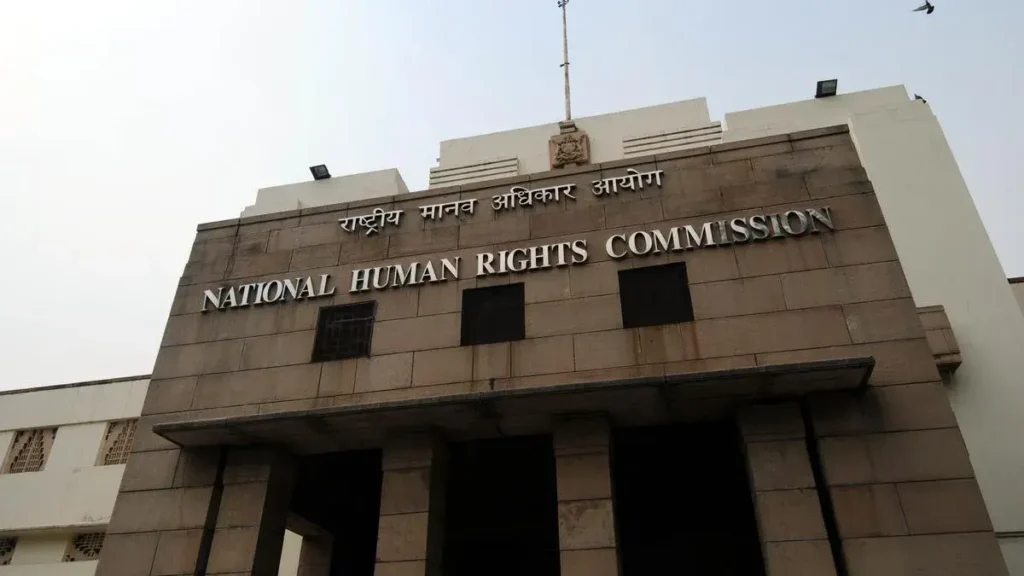
In a significant move to strengthen mental healthcare governance, the Supreme Court on Tuesday (October 28, 2025) directed the National Human Rights Commission (NHRC) to monitor the functioning of Central and State Mental Health Authorities across India. The decision, issued by a Bench led by Justice P.S. Narasimha, came in response to a 2018 petition filed by advocate Gaurav Kumar Bansal, which exposed the inhumane treatment of mentally ill inmates who were found chained in a faith-based asylum in Badayun, Uttar Pradesh. The petition had called for the establishment and independent monitoring of Central and State Mental Health Authorities, along with dedicated funding and mental health review boards, as mandated under the Mental Healthcare Act, 2017. Following the petition, the Union Health Ministry informed the Court through an affidavit that these authorities had been formally notified and were operational. Acknowledging this development, the Bench observed: “Since both the Central and State Mental Health Authorities are now functioning, the NHRC shall oversee the matter, hear the concerned bodies, and issue necessary directions to ensure their effective working.” The Supreme Court further instructed that the petition be treated as a “complaint” by the NHRC and monitored accordingly under existing legal provisions. The NHRC has been empowered to issue appropriate orders to ensure that mental health institutions and review boards function efficiently and uphold human rights standards. This directive marks an important step toward ensuring accountability and systemic reform within India’s mental healthcare framework. Source: The Hindu  

Supreme Court Directs NHRC to Oversee Mental Health Authorities Nationwide Read More »

West Bengal SSC Recruitment Exam Sees Massive Turnout of 3.19 Lakh Candidates

ardorcomm news

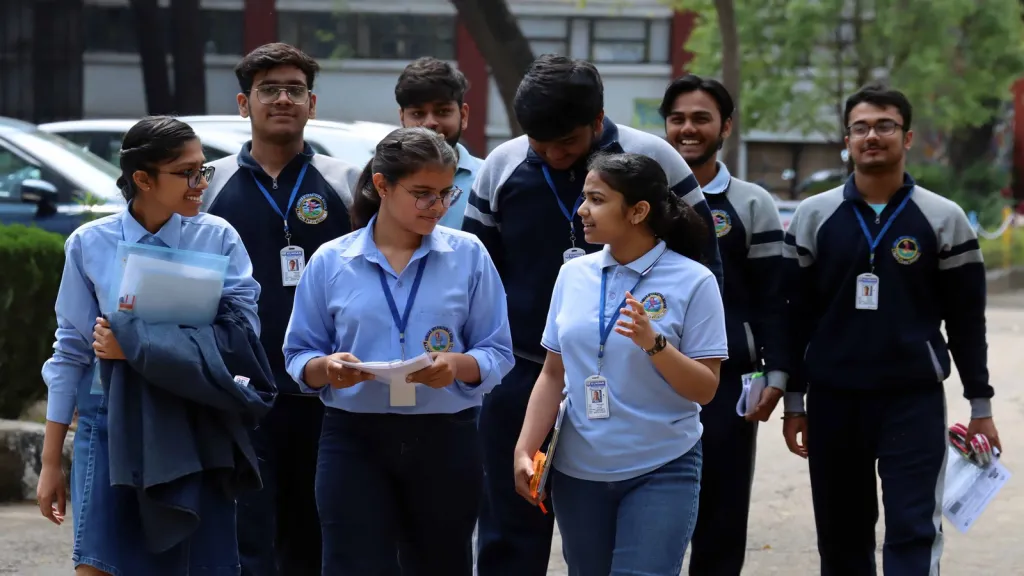
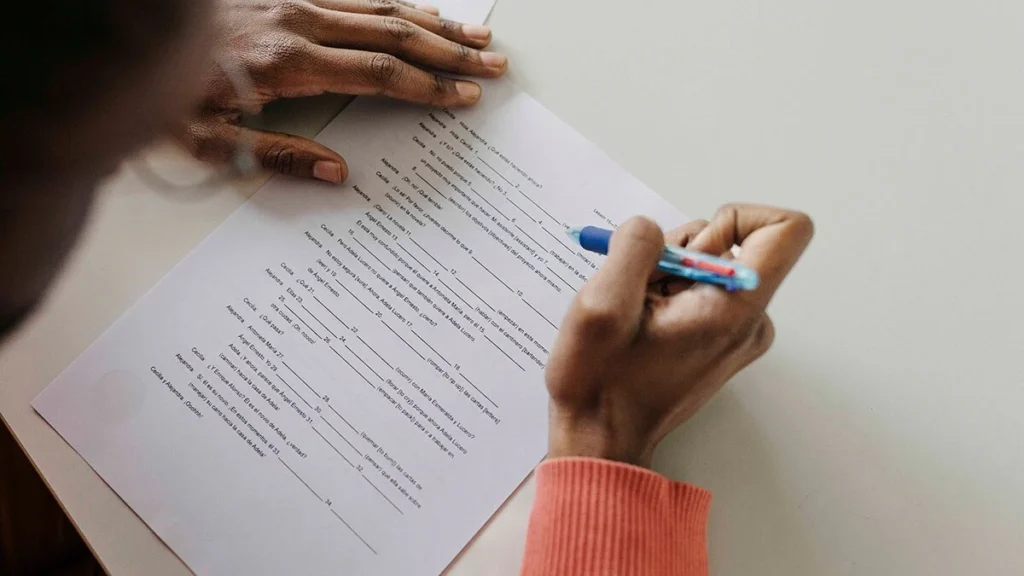
West Bengal witnessed a huge response on Sunday as over 3.19 lakh aspirants appeared for the School Level Selection Test (SLST) conducted by the West Bengal School Service Commission (WBSSC). The test, meant for the recruitment of assistant teachers for classes 9 and 10, was held across 636 examination centres under tight security arrangements. This marked the first major teacher recruitment drive by the WBSSC since the Supreme Court, earlier in April, cancelled 26,000 appointments made in 2016, declaring the process “tainted and vitiated.” The exam began at 12 pm and continued till 1:30 pm, with an additional 20 minutes provided for specially-abled candidates. To maintain strict vigilance, candidates had to report by 10 am. Barcode scanning of admit cards, frisking at multiple checkpoints, and a ban on all electronic devices were part of the three-tier security plan. Even officials and supervisors were prohibited from carrying mobile phones inside examination halls. Only pens, supplied at the centres, were allowed. In a first-ever transparency initiative, candidates were permitted to take home both the question paper and a carbon copy of their OMR sheets, ensuring greater accountability in the evaluation process. While many first-time test-takers described the paper as “simple,” some felt better preparation could have improved their chances. For many of those whose jobs were cancelled following the SC verdict, the exam carried emotional weight. Several expressed distress at having to reappear after years of teaching, with one 55-year-old former teacher breaking down at the exam gate, lamenting the difficulty of preparing again after seven years in service. Candidates from other states, including Bihar and Uttar Pradesh, also took part in the test. This sparked political sparring — with Trinamool Congress (TMC) spokesperson Kunal Ghosh pointing out that job-seekers from BJP-ruled states had to come to Bengal due to unreliable recruitment processes in their regions. He stressed that Bengal never barred outsiders from applying. Meanwhile, BJP leader Sajal Ghosh countered that mobility across states was normal, while CPI(M)’s Shatarup Ghosh alleged that the ruling party might exploit this for “cut money.” State Education Minister Bratya Basu assured candidates that the administration was working to guarantee fairness, transparency, and safety during the recruitment drive. Metro Railways also extended services on both the Blue and Green lines from 9 am to aid travel for examinees. WBSSC Chairman Siddhartha Majumdar confirmed that another 2.46 lakh aspirants are scheduled to appear for the recruitment test for assistant teachers of classes 11 and 12 on September 14 at 478 centres. Importantly, the commission clarified that 1,806 teachers identified as “tainted” in the 2016 scam were barred from participating. Source: Indian Express  

West Bengal SSC Recruitment Exam Sees Massive Turnout of 3.19 Lakh Candidates Read More »

Supreme Court Directs Bengal Govt to Pay 25% of Outstanding DA to State Employees

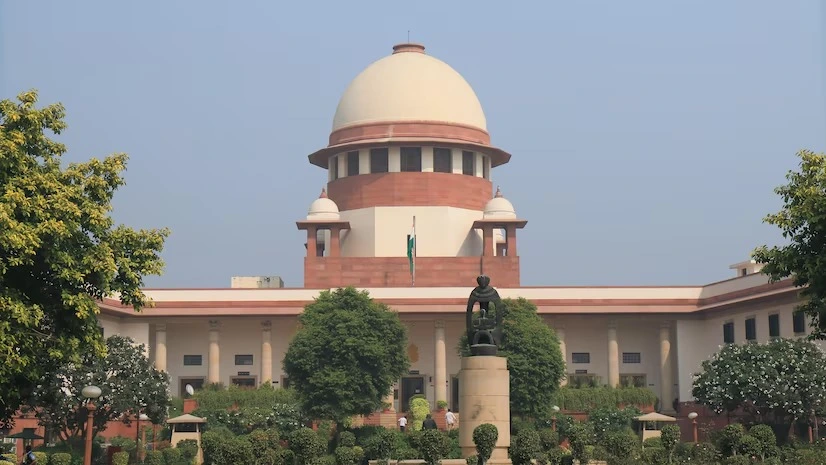
In a significant ruling, the Supreme Court has mandated the West Bengal government to release 25% of the pending dearness allowance (DA) dues owed to its employees. The directive, issued by a bench comprising Justices Sanjay Karol and Sandeep Mehta, gives the state three months to comply. The case will be reviewed again in August. This development marks a considerable setback for the Mamata Banerjee-led administration and a moment of triumph for state employees who have long been demanding DA parity with their central government counterparts. Reacting to the verdict, BJP leader Amit Malviya stated on social media that the ruling is a landmark victory following a protracted legal battle and nearly 17 adjournments initiated by the state government to stall the proceedings. The conflict began when a group of state government employees approached the Calcutta High Court, seeking DA benefits equivalent to those provided by the Centre. In May 2022, the high court ruled in favor of the employees, directing the Bengal government to align its DA rates with those of the Centre. However, the state challenged the verdict in the Supreme Court in November 2022. Although the West Bengal government has made marginal increases in DA over time, it has not managed to bridge the 37% gap compared to the Centre. Currently, central government employees receive 55% DA, while their West Bengal counterparts receive only 18%—a figure that includes the latest 4% hike effective from April 1, 2025. The disparity has led to widespread dissatisfaction among state employees. The Supreme Court’s latest order provides partial relief and sets the stage for further developments in the ongoing battle for DA parity. Source: NDTV Photo Credit: NDTV

Supreme Court Directs Bengal Govt to Pay 25% of Outstanding DA to State Employees Read More »

India’s Got Latent Controversy: Govt Urges OTT, Social Media to Follow Regulations

Amid the controversy surrounding remarks made by YouTuber and podcaster Ranveer Allahbadia on comedian Samay Raina’s YouTube show India’s Got Latent, the Ministry of Information and Broadcasting (MIB) has reiterated the importance of adhering to the Information Technology (IT) Rules, 2021. According to a Livemint report, the MIB has advised OTT platforms and social media networks to ensure compliance with content regulations, particularly regarding age-based classifications. The ministry emphasized self-regulation and the need for strict adherence to guidelines for content rated “A”, aiming to protect children from exposure to inappropriate material. Government’s Advisory on OTT and Social Media Following public backlash over Allahbadia’s comments regarding parents and sex, the MIB issued an official advisory, marking the second reminder in two months on content regulation. The ministry highlighted concerns raised by Members of Parliament, statutory bodies, and the general public over the alleged spread of obscene and vulgar content on digital platforms. The advisory stated: “OTT platforms must comply with applicable laws and the Code of Ethics under IT Rules, 2021, particularly in maintaining age-based content classification. Self-regulatory bodies of these platforms should proactively take action against violations of the Code of Ethics.” Parliament & Supreme Court’s Response The issue has also reached the Parliamentary Standing Committee on Information Technology and Communications, which expressed concerns about the lack of proper regulation of digital content. Lawmakers have called for stricter enforcement of IT laws to prevent the spread of explicit material. Meanwhile, the Supreme Court weighed in on the matter while hearing Allahbadia’s bail plea. With multiple FIRs filed against him across states for obscenity, the top court granted interim protection from arrest but issued strong warnings regarding online content moderation. The Supreme Court observed: Social media influencers must be mindful of their societal impact. Popularity does not grant immunity from accountability. Freedom of speech has limitations and does not justify inappropriate remarks. A bench of judges remarked: “Would anyone find such language acceptable in any setting? He is insulting people, including parents. His mindset, reflected in his words, is deeply troubling.” The court also hinted at government inaction in regulating digital platforms, stating: “If the government does not take action, we will step in. There is a regulatory vacuum that needs to be addressed.” With growing scrutiny, the controversy has reignited debates over freedom of expression, content moderation, and government intervention in digital media.

India’s Got Latent Controversy: Govt Urges OTT, Social Media to Follow Regulations Read More »

Supreme Court Stresses Caution in Media Reporting While Quashing Defamation Case

The Supreme Court of India has emphasized that media professionals, especially those in key positions, must exercise utmost caution and responsibility before publishing any statements, news, or opinions. The court underscored the significant influence of the press in shaping public sentiment while also affirming the paramount nature of the right to freedom of speech and expression under Article 19(1)(a) of the Constitution. A bench comprising Justices J B Pardiwala and R Mahadevan made these observations while quashing a defamation case against the editorial director and journalists of the Times of India. The case stemmed from an article questioning the authenticity of paintings auctioned by Bid & Hammer – Fine Art Auctioneers. The top court noted procedural irregularities in the magistrate’s summoning order and ruled that the complainant failed to provide sufficient evidence that the article had harmed its reputation. The complainant had alleged that the publication fostered unjustified suspicion about the authenticity of its auctioned artworks, affecting public perception. Quoting English writer Edward Bulwer-Lytton’s famous phrase, “The pen is mightier than the sword,” the court highlighted the power of media and the necessity for accuracy and fairness in reporting. It noted that while journalism plays a crucial role in public discourse, incorrect or misleading reporting can have far-reaching consequences on the reputation of individuals and institutions. The Supreme Court concluded that remanding the case for further examination of witnesses would serve no useful purpose, as over a decade had passed since the publication, and the auction had already been completed. This verdict reaffirms the delicate balance between press freedom and responsible journalism, ensuring that while media remains a pillar of democracy, it must also uphold principles of fairness and credibility.

Supreme Court Stresses Caution in Media Reporting While Quashing Defamation Case Read More »

Supreme Court Seeks Centre’s Response on Plea for Rape Law Awareness in School Curriculum

The Supreme Court on Friday issued a notice to the Centre, seeking its response to a petition calling for increased awareness of rape laws and women’s rights through school curriculums. The petition aims to address the growing incidents of rape in the country by integrating education about sexual equality, women’s rights, and the freedom of girls to live with dignity into school syllabi. A bench led by Chief Justice of India (CJI) Dhananjaya Y Chandrachud heard the petition filed by senior advocate Aabad Harshad Ponda. The petition was motivated by the recent rape and murder of a junior doctor at RG Kar Medical College in Kolkata. Ponda, a criminal lawyer practicing in the Bombay High Court, argued that while states have introduced stricter punishments for rape, including the death penalty and life imprisonment, these measures alone would not solve the problem unless tackled at the grassroots level. Ponda emphasized the need to raise awareness about rape laws, particularly among the uneducated and economically disadvantaged populations. He argued that repeated cases of rape in the country reflect gaps in governance and the effective implementation of existing laws. According to Ponda, there is a pressing need to bridge the communication gap between the creation of laws by the legislature and their proper dissemination to all sections of society. The petition calls for including topics like moral training, sexual equality, and women’s rights as part of the school syllabus to ensure that the youth are aware of rape laws and the consequences of such crimes.Top of Form Source: Hindustan Times  

Supreme Court Seeks Centre’s Response on Plea for Rape Law Awareness in School Curriculum Read More »

Students to move Supreme Court after centre cancelled controversial-NEET exam

Over 50 successful Gujarat-based NEET-UG candidates, including several top rankers, have moved the Supreme Court seeking a direction to restrain the Centre and the National Testing Agency (NTA) from cancelling the controversy-ridden exam. They have requested the top court to direct the Union education ministry to investigate and take strict action against students and others who indulged in unfair practices like paper leak and impersonation in the NEET-UG exam conducted on May 5 this year. A fresh plea by 56 students was filed just days before a Supreme Court bench headed by Chief Justice of India DY Chandrachud is scheduled to hear 26 petitions seeking various reliefs, including a re-test and a probe into the conduct of the exam, which has been plagued by allegations of malpractices. These allegations, including paper leaks, have led to protests in several cities and disputes between rival political parties. The pleas seeking the cancellation of the exam, a re-test, and a high-level probe are listed for hearing on July 8 in the Supreme Court.

Students to move Supreme Court after centre cancelled controversial-NEET exam Read More »

NEET UG Row: Retest for 1,563 Candidates an Option; Exam Sanctity Affected, Says Top Court

Article

A retest for all 1,563 candidates who were awarded “grace marks” for “loss of time” in this year’s National Eligibility-cum-Entrance Test (Undergraduate) is among the options being considered by the four-member committee formed last week by the National Testing Agency (NTA). This follows an uproar over the extraordinarily large number of candidates scoring well in the entrance test, with 67 securing the perfect score of 720/720. The Indian Express has learned that the committee, headed by a former UPSC chairman, in its first few meetings, has discussed offering all 1,563 candidates the option to either sit for a retest or accept the “non-normalised score,” which reflects the scores they actually achieved before the addition of grace marks. The exact composition of the committee hasn’t been disclosed by the government, but it is expected to submit its recommendation to the NTA in the next two days, sources said. On Tuesday, the Supreme Court, while hearing a petition seeking the cancellation of the exams amid allegations of leakage of the NEET-UG paper, said the exam “sanctity has been affected” and sought answers from the NTA and the Centre. However, the bench, presided over by Justice Vikram Nath, declined to stay the counselling and tagged the petition with another to be heard on July 8 by a bench led by Chief Justice of India D Y Chandrachud. “Let the counselling start. We are not stopping the counselling,” Justice Nath said when Senior Advocate Mathews J Nedumpara, appearing for the petitioners, urged the bench to stay the counselling. Announced on June 4, the NEET-UG results drew immediate attention after 67 candidates got the perfect score of 720/720, and some candidates got 718 or 719 — marks others claimed were not possible under the exam scheme. The NTA attributed this to a combination of factors, including a relatively easier paper, the decision to award additional marks to students who lost time during the exam because of errors and delays on the part of NTA staff and invigilators, and an incorrect question. Of these three reasons, as many as 1,563 candidates, across six test centres, witnessed an artificial bump in their results due to the additional marks awarded to them in proportion to the time they lost because of mistakes made by invigilation staff. Of the six centres, two were in Chhattisgarh (one each in Balod and Dantewada), one each in Meghalaya, Surat, Haryana’s Bahadurgarh, and Chandigarh. According to video footage reviewed by the NTA, it was determined that candidates across the six centres had lost up to 40 minutes and were compensated appropriately with grace marks based on a normalisation formula from a 2018 Supreme Court judgement regarding a similar incident in CLAT. The NEET-UG paper duration is 200 minutes. The announcement of NEET-UG results was followed by an uproar, forcing the NTA and the Ministry of Education to constitute a committee to at least review the results of the 1,563 candidates. “Although this is not the final decision, many members are leaning towards the option of asking these candidates to either accept their raw score (pre-normalisation) score or sit for a retest. The majority of the 1,500 candidates scored less than 300 out of 720 marks even after normalisation. It was felt they may not come forward for the retest even if offered as an option. For the remaining numbers, it will not be too difficult to conduct the exam again,” said a source who did not wish to be identified. The Directorate General of Health Services hasn’t announced the counselling schedule yet. If the NTA finally decides to conduct a retest, it will have to consult DGHS to ensure that the results are announced before the counselling process begins. Around 24 lakh candidates took the entrance examination held on May 5 in 571 cities, 14 of which were outside India. According to the latest available data, there are a total of 1,08,940 MBBS seats in more than 700 medical colleges across the country. In the Supreme Court, a fresh writ petition, filed by a batch of students, raised doubts about the sanctity of the examination in the light of allegations of the paper leak and urged the court to cancel it and direct the NTA to hold it again. In their plea, the students said, “After having stumbled upon news of the NEET exam paper leak, they have been shaken… the Petitioners are under tremendous stress and anxiety … their family members nurtured the dream of Petitioners becoming a medical practitioner one day.” Hearing a similar plea on May 17, a CJI-led bench had declined to stay the declaration of the NEET exam results and posted the matter for hearing on July 8.

NEET UG Row: Retest for 1,563 Candidates an Option; Exam Sanctity Affected, Says Top Court Read More »

Delhi Government Moves Supreme Court Seeking Relief Amid Water Crisis During Heatwave

The Delhi government has taken the issue of the water crisis amidst scorching heatwave conditions in the national capital to the Supreme Court. In its plea, the AAP-led government has appealed for the release of additional water from neighboring states like Haryana, Uttar Pradesh, and Himachal Pradesh for a month to address the water shortage. The soaring temperatures in Delhi, with some areas reaching up to 50 degrees Celsius, have escalated the demand for water, prompting urgent action from the Delhi government. Emergency measures have been implemented, including banning the use of potable water for car washing and construction activities. The Delhi Jal Board (DJB) has announced stringent penalties, with fines of Rs 2,000 for wastage of water. Additionally, a war room has been established by the DJB to manage water tanker supply, with citizens urged to contact 1916 for assistance. Chief Minister Arvind Kejriwal has called for political cooperation, emphasizing the need to prioritize the welfare of Delhi’s residents over partisan interests. He stressed the importance of securing water resources from neighboring states and urged the BJP leaders to collaborate in resolving the crisis. Amid the heatwave, Delhi has also witnessed a record peak power demand, surpassing 8,300 MW for the first time in its history. Despite the unprecedented demand, the power situation in Delhi remains stable, distinguishing it from neighboring areas where residents are grappling with prolonged power cuts. As protests erupt in Noida and Ghaziabad over power outages, Kejriwal highlighted the nationwide challenge posed by the heatwave, emphasizing the need for collective action to mitigate its impact. He underscored Delhi’s relatively stable power supply amidst the crisis, attributing it to effective management by the government. The plea filed by the Delhi government underscores the severity of the situation and seeks urgent intervention to alleviate the water shortage, emphasizing the importance of collaborative efforts to ensure the well-being of Delhi’s residents during the ongoing heatwave.  

Delhi Government Moves Supreme Court Seeking Relief Amid Water Crisis During Heatwave Read More »