ArdorComm Media Group

Wednesday, February 25, 2026 1:59 AM

Author name: admin

UK’s NHS Recruits 2,000 Doctors from India to Address Medical Workforce Shortage

The UK’s National Health Service (NHS) has embarked on an initiative to recruit 2,000 doctors from India. Under this fast-track program, doctors will undergo postgraduate training in India before being deployed to hospitals in the UK. The initiative aims to tackle the NHS’s longstanding struggle with medical workforce shortages, exacerbated by factors such as low wages, expensive training, and burnout due to heavy workloads. Brexit has further complicated the issue, leading to increased reliance on overseas-trained doctors. Notably, the recruited doctors will be exempted from the Professional and Linguistic Assessments Board (PLAB) examination, typically mandatory for practicing in the UK, upon completion of their training program. However, concerns have been raised regarding the potential impact on India’s healthcare system, with fears of brain drain and the loss of skilled professionals. While some experts view this initiative as a valuable opportunity for Indian doctors to gain international experience, others emphasize the importance of offering ample opportunities and fair compensation to locally trained doctors in India. Additionally, the lack of widespread awareness about the initiative among the medical community in India highlights the need for better promotion and communication efforts. Ultimately, the initiative represents a significant stride towards global healthcare collaboration, with the potential to enhance healthcare standards and foster a mutually beneficial exchange of knowledge and expertise between India and the UK. Key Points: The NHS plans to recruit 2,000 doctors from India to address medical workforce shortages. Recruited doctors will undergo six- to twelve-month postgraduate training in India before deployment to UK hospitals. Exemption from the PLAB examination will be granted upon completion of the training program. Concerns have been raised about potential brain drain and the impact on India’s healthcare system. Improved awareness and promotion efforts are needed to ensure the success of the initiative. The initiative signifies a step towards global healthcare collaboration and knowledge exchange. Currently, 25-30% of the NHS’ medical workforce consists of doctors trained overseas.

UK’s NHS Recruits 2,000 Doctors from India to Address Medical Workforce Shortage Read More »

Vistara Issues Ultimatum to Pilots Over New Pay Structure Amid Merger with Air India

Vistara, in the midst of its merger with Air India, has given an ultimatum to its pilots regarding a new pay structure, sparking concerns among pilots, particularly First Officers, who anticipate significant pay cuts. The ultimatum, issued just hours before the deadline to accept the new pay terms, warns of potential exclusion from the integrated airline for those who fail to comply. The new pay structure, under scrutiny by pilots, offers a minimum guaranteed flying time of 40 hours for all pilots, down from the current 70 hours. Consequently, First Officers are expected to endure a pay cut of nearly 57%. They argue that under the new terms, they would need to fly up to 76 hours to earn what they previously earned at 70 hours, while Captains and Senior Captains face less drastic reductions, needing to fly 52-55 hours and 55-60 hours, respectively, to maintain their previous salary levels. Legal experts weigh in, suggesting that changes to employment conditions post-hiring may not be legally enforceable, potentially rendering any bonds or agreements signed by pilots, particularly in relation to training loans owed to the airline, invalid. Moreover, concerns loom over the transition of some pilots to widebody aircraft from the current narrowbody Airbus A320, potentially delaying their career progression to Captain roles and impacting their earnings. With plans to halve flight operations by June and cease independent operations by October as part of the integration process with Air India, Vistara aims to conclude the merger by mid-2025. Conditional approval from regulatory bodies in Singapore and India has been secured, with further approvals pending. The ultimatum has intensified tensions between Vistara and its pilots, highlighting the complexities and challenges associated with mergers and restructuring within the aviation industry.  

Vistara Issues Ultimatum to Pilots Over New Pay Structure Amid Merger with Air India Read More »

Macquarie University Announces AUD $40,000 Scholarship for Indian and Sri Lankan Students

Macquarie University has introduced a prestigious scholarship worth AUD $40,000 aimed at recognizing exceptional students from India and Sri Lanka. The scholarship, valued at AUD 10,000 per year, will be awarded to outstanding candidates commencing their studies at Macquarie University from the academic year 2024-25 onwards. Interested students can apply for this scholarship via the official Macquarie University website at mq.edu.au. Eligibility Criteria: To qualify for this scholarship, applicants must meet the following criteria: Must be a full-time international student enrolling in an undergraduate or postgraduate degree program on campus. Must hold citizenship of India or Sri Lanka. Should possess a full offer of admission from Macquarie University. Must accept the offer letter and pay the commencement fee by the specified due date mentioned in the offer letter. Scholarship Details: The scholarship, amounting to AUD $10,000 per year, will be allocated towards tuition fees for coursework degree programs offered at Macquarie University’s Sydney campus. This scholarship will be distributed annually, providing significant financial assistance to deserving students throughout the duration of their studies. For instance, a student enrolled in a four-year undergraduate degree program stands to receive up to AUD $40,000 over the course of four years towards their total tuition fees. Application Process: Applications for this scholarship are open year-round, and candidates who submit their applications will automatically be considered for the scholarship. Successful applicants will be notified accordingly. Key Areas of Study: Macquarie University offers a diverse range of academic disciplines, including but not limited to: Banking & Finance (Fintech, Environmental Finance, Financial Management) Data Science Information Technology (IoT, AI, Information Systems, Networking, Cyber Security) Engineering (Electrical, Electronics, Mechanical, Mechatronics, Renewable Energy, Civil, Construction, Software) Business Analytics Management Medicine Arts, Media, and Communications Through this scholarship initiative, Macquarie University aims to support talented students from India and Sri Lanka in pursuing their academic aspirations and fostering excellence in higher education.  

Macquarie University Announces AUD $40,000 Scholarship for Indian and Sri Lankan Students Read More »

Delhi High Court Upholds Ban on Bloomberg’s Defamatory Article Against ZEE Entertainment

Bloomberg India’s legal woes deepen as the Delhi High Court delivers a blow by dismissing its appeal against ZEE Entertainment Enterprises. Upholding the Sessions Court’s order from March 1, 2024, the High Court reaffirmed the injunction restraining Bloomberg from disseminating the allegedly defamatory article dated February 21, 2024, targeting ZEE Entertainment. Justice Shalinder Kaur, in her ruling, emphasized the existence of prima facie evidence supporting the necessity of an interim injunction, citing potential irreparable harm if the defamatory content remained unchecked. The court’s decision to dismiss Bloomberg’s appeal underscores the seriousness of the allegations and the need to protect ZEE Entertainment’s reputation from further harm. Furthermore, the High Court directed Bloomberg to adhere to the directives of the additional District Judge within three days, underscoring the urgency of compliance with the legal proceedings. ZEE Entertainment had filed a lawsuit in the Delhi Sessions Court, alleging that Bloomberg’s article contained false and misleading information aimed at tarnishing the company’s image. The Sessions Court had previously issued an interim ex-parte order on March 1, 2024, instructing Bloomberg to remove the contentious article from its platform within a week and refrain from publishing it on any medium, online or offline. ZEE Entertainment argued that the article’s inaccuracies regarding corporate governance and business operations had led to a significant decline in its share price, causing substantial losses for investors. With the Delhi High Court’s dismissal of Bloomberg’s appeal, the legal battle between the media giant and ZEE Entertainment intensifies, highlighting the importance of upholding journalistic integrity and corporate reputation in the digital age.  

Delhi High Court Upholds Ban on Bloomberg’s Defamatory Article Against ZEE Entertainment Read More »

Manipur Introduces Grading System for Class 10 Board Exams, Bihar Board Class 12 Results Expected Soon

The Manipur government has announced the implementation of a grading system for the class 10 board examination starting from this year. According to Joint Secretary Elangbam Sonia of the Education Department, students will now be evaluated based on a grading system for the high school leaving certificate examination (class 10). The new system aims to reduce stress among students by eliminating divisions or ranks, with only pass/fail status indicated on the documents. Under the new grading system, students will receive grades such as A1 for scores ranging from 91 to 100, A2 for scores between 81 to 90, and E1 for marks from 21 to 30, denoted as fail along with E2. The government emphasized the importance of reducing competition-related stress among students while promoting a conducive learning environment. Approximately 37,715 students, including 18,628 female students, are expected to appear for the matriculation examination, scheduled from March 15 to April 8 across 154 examination centers. BSEB Likely to Release Bihar Board Class 12 Results in March Meanwhile, the Bihar School Examinations Board (BSEB) is anticipated to unveil the results of the Bihar Board Class 12 Exams 2024 soon. While an official announcement is pending, historical trends suggest that the results are typically released within 50 days of the exams. Therefore, students can expect the results to be announced sometime in the second or third week of March 2024. Students eagerly awaiting their Bihar Intermediate Results 2024 can access them online via the official BSEB website at biharboardonline.biihar.gov.in once they are published. With these developments, both Manipur and Bihar are taking steps to streamline their examination systems and provide students with fair and transparent evaluation methods.  

Manipur Introduces Grading System for Class 10 Board Exams, Bihar Board Class 12 Results Expected Soon Read More »

Unplanned Urbanization Spurs Water Crisis in Bengaluru, IISc Study Reveals

An in-depth study conducted by the Indian Institute of Science (IISc) sheds light on the alarming consequences of unplanned urbanization in Bengaluru, with concrete structures engulfing 93% of the city’s landscape. Over the past five decades, the city has witnessed a staggering 1055% increase in built-up areas, accompanied by a 79% decline in water spread areas and an 88% loss of vegetation. This uncontrolled urban expansion has led to severe water scarcity, exacerbating existing challenges such as air pollution and resource inequity. According to Prof. TV Ramachandra from IISc’s Centre for Ecological Sciences, the dwindling water spread area, which has plummeted from 2,324 hectares in 1973 to just 696 hectares in 2023, is a primary contributor to the depletion of the groundwater table. The study highlights the detrimental impact of encroachment and pollution on Bengaluru’s water bodies, with 98% of lakes encroached upon and 90% receiving untreated sewage or industrial effluents. This degradation has hindered groundwater recharge, exacerbating the city’s water woes. Ramachandra also underscores the adverse effects of vanishing green cover on air quality and temperature regulation, emphasizing that the city’s current tree population is insufficient to sequester respiratory carbon. Remote sensing data reveals a stark reality: only 1.5 million trees support a population of 9.5 million in Bengaluru, indicating a critical imbalance between green cover and urbanization. To address these pressing concerns, IISc has developed the Bangalore Information System (BUiS) and Bangalore Lakes Information System (BLIS), providing researchers and policymakers with essential tools to visualize urban dynamics, tree distribution, and ecologically sensitive areas. The system aims to raise awareness about the adverse effects of rapid urbanization and facilitate informed decision-making to mitigate its impacts. As Bengaluru grapples with its evolving urban landscape, the findings underscore the urgent need for sustainable urban planning strategies to safeguard natural resources, mitigate pollution, and promote ecological resilience in the face of rapid urban expansion.  

Unplanned Urbanization Spurs Water Crisis in Bengaluru, IISc Study Reveals Read More »

Path to Good Governance and Security: The Role of Inclusive Welfare Programs

Blog on Governance

In India’s journey towards 2047, the symbiotic relationship between good governance, security, and inclusive welfare programs emerges as a critical pathway to address multifaceted challenges and foster societal well-being. A recent survey conducted by Primus Partners underscores the pivotal role of inclusive welfare initiatives in realizing the objectives of good governance and security, offering insights into India’s evolving landscape and aspirations. Challenges and Needs: The survey highlights that a significant portion of the population, approximately 58 percent, continues to grapple with fundamental needs such as education, shelter, healthcare, and employment. Despite past efforts, existing welfare programs face uncertainty in effectively addressing these challenges, necessitating a paradigm shift towards holistic solutions that bridge past achievements with future aspirations. Importance of Good Governance: Kautilya’s ancient wisdom resonates with contemporary notions of good governance, emphasizing the centrality of people’s happiness to the ruler’s well-being. Good governance, characterized by transparency, accountability, and participatory decision-making, serves as the bedrock for progress and security. It fosters social cohesion, economic growth, and stability, laying the groundwork for inclusive development. Inclusivity and Social Welfare: The concept of inclusivity emerges as a cornerstone of India’s progress, with 21 percent of survey respondents underscoring its significance. Inclusive policies, women empowerment, gender equality, and wealth disparity reduction are identified as critical factors contributing to social well-being. Drawing inspiration from nations like Sweden and Norway, India seeks to emulate the transformative impact of robust welfare programs on societal cohesion and security. Success Stories and Learnings: Initiatives like the National Rural Employment Guarantee Act (NREGA) and Pradhan Mantri Jan Dhan Yojana (PMJDY) exemplify India’s strides towards inclusive governance and poverty alleviation. By leveraging technology and innovative financing mechanisms, India aims to streamline welfare delivery, mitigate corruption, and enhance transparency. The cooperative federalism model and participative decision-making are pivotal for effective implementation and citizen-centric governance. Future Directions: As India navigates its path towards Viksit Bharat, strengthening last-mile delivery mechanisms, data privacy safeguards, and capacity-building initiatives remain imperative. The establishment of robust frameworks to combat corruption, coupled with transparent public institutions, will shape India’s inclusive growth trajectory. By fostering a culture of innovation, education, and civic engagement, India endeavors to realize the aspirations of all its citizens on the road to 2047. Inclusive welfare programs serve as catalysts for good governance and security, offering a holistic framework to address socio-economic disparities and enhance societal resilience. Through strategic investments, policy reforms, and collaborative efforts, India charts a course towards a prosperous and equitable future, anchored in the principles of inclusivity, transparency, and citizen-centric governance. With a steadfast commitment to Kautilya’s vision of the ruler’s happiness intertwined with the people’s welfare, India embarks on a transformative journey towards 2047, where inclusive welfare programs serve as the cornerstone of a vibrant and secure society. As the nation embraces the challenges and opportunities of the 21st century, the convergence of good governance, security, and inclusive welfare promises to unlock the full potential of India’s diverse and dynamic populace, paving the way for a brighter tomorrow for generations to come.  

Path to Good Governance and Security: The Role of Inclusive Welfare Programs Read More »

LTIMindtree Faces Risks Amid Citibank Restructuring and Leadership Exodus

LTIMindtree, the sixth largest Indian IT firm, finds itself navigating turbulent waters following Citibank’s restructuring and a wave of high-level executive departures post-merger. Analysts warn that these developments pose significant risks to the company’s wallet share compared to its peers in the IT services industry. Citibank, a key client for LTIMindtree alongside other major IT firms, is undergoing corporate restructuring to streamline operations and reduce costs. This restructuring may lead Citibank to optimize its IT services budget, potentially impacting its engagements with Indian IT service providers. Jefferies analysts highlight the heightened risk of wallet share loss for LTIMindtree due to management churn and Citibank’s restructuring initiatives. The departure of LTIMindtree’s CFO, Vinit Teredesai, underscores ongoing integration challenges stemming from the merger. Despite assertions of client satisfaction and seamless delivery, the company continues to grapple with integration-related issues, evident from the string of senior-level exits in the past year. In response to these challenges, LTIMindtree’s board appointed Vipul Chandra as the new CFO, signaling efforts to stabilize leadership amid the transition. However, the company has witnessed approximately 18 top-level exits, including key CXO positions such as CTO, CBO, and CMO, raising concerns about leadership continuity and integration effectiveness. Amidst leadership uncertainties, the company is reportedly grooming internal candidates for the CEO role, including Sudhir Chaturvedi, President and Executive Board Member, and Nachiket Deshpande, COO. However, the elevated churn at the senior management level underscores persistent integration hurdles, posing long-term concerns for the company’s stability and growth trajectory. Despite these challenges, LTIMindtree remains focused on strategic initiatives to address attrition, enhance diversity, and nurture internal talent. The company aims to achieve a 12% reduction in attrition by 2030, along with a 30% increase in diversity. Additionally, it seeks to fulfill 50% of new role requirements through internal talent development, signaling a commitment to long-term sustainability amidst industry headwinds.  

LTIMindtree Faces Risks Amid Citibank Restructuring and Leadership Exodus Read More »

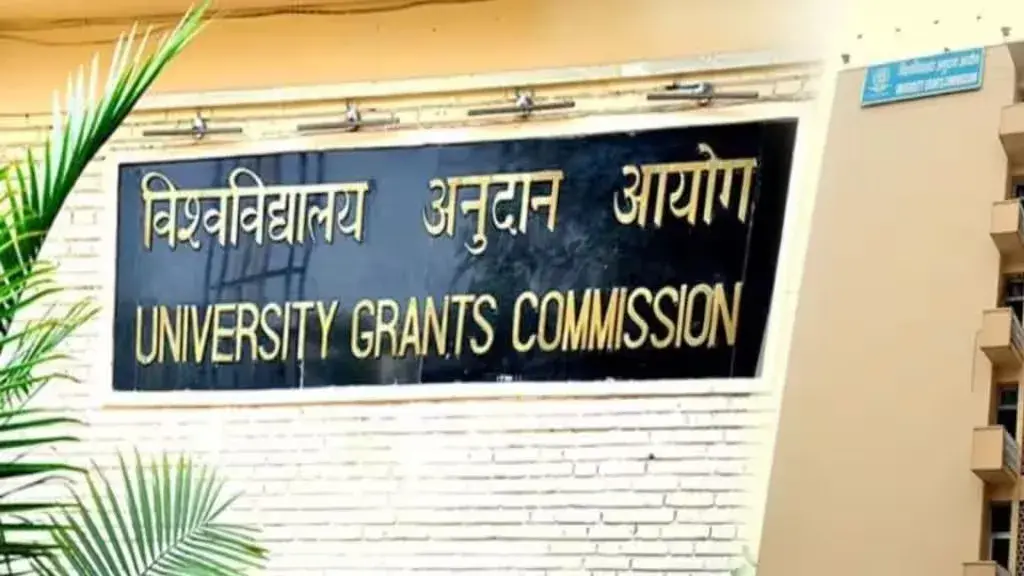
UGC Greenlights Off-Campus Expansion for State Private Universities, Bolstering Education Accessibility

The University Grants Commission (UGC) has paved the way for state-private universities to establish off-campus centres, marking a significant stride towards enhancing educational accessibility. This move, endorsed during the 577th UGC meeting on February 13, 2024, aligns with the objectives outlined in the National Education Policy 2020 (NEP 2020) and is poised to elevate the quality and reach of higher education in India. According to the guidelines set forth by the UGC, state-private universities seeking to establish off-campus centres must meet stringent criteria, including a minimum operational history of five years to demonstrate stability and experience. Additionally, provisions within the respective State University Acts must facilitate the establishment of these centres, ensuring regulatory compliance and adherence to educational standards. Experts anticipate a transformative impact on education accessibility, particularly for students residing in smaller towns and cities. The establishment of off-campus centres closer to their homes is expected to reduce the overall cost of education and broaden the spectrum of learning opportunities. States with sizable populations, such as Uttar Pradesh, Madhya Pradesh, Maharashtra, Tamil Nadu, Rajasthan, Gujarat, and Karnataka, are poised to witness substantial benefits from this initiative. While 471 private universities await approval for off-campus centres from the UGC, several privately owned deemed-to-be universities have already received permission to establish such centres. This move has garnered commendation from educational institutions, with stakeholders recognizing its potential to foster excellence in education and expand learning opportunities across diverse locations. To ensure compliance and maintain educational standards, state private universities are required to submit formal proposals to a standing committee constituted by the UGC. Quarterly inspections will be conducted, and any violations may result in the closure of the centre, with students relocated to the main campus. Additionally, a processing fee of Rs 10 lakh will be levied for the establishment of these centres, as outlined in the notice. The UGC’s decision to permit off-campus expansion for state private universities signifies a progressive step towards democratizing education and empowering students with greater access to high-quality educational infrastructure.

UGC Greenlights Off-Campus Expansion for State Private Universities, Bolstering Education Accessibility Read More »

Byju’s-Aakash Merger Application Withdrawn Amid Governance Dispute

The proposed merger between Byju’s and Aakash Educational Services Ltd (AESL) has hit a stumbling block as both companies withdrew their merger petition during a hearing at the National Company Law Tribunal (NCLT) on Tuesday. This move follows a series of governance disputes and challenges encountered since the acquisition. Initially structured as a cash-and-stock deal, Byju’s acquired AESL for $940 million, with the intention of integrating the brick-and-mortar test prep company into its digital education ecosystem. However, disagreements over governance issues and share-swap arrangements have led to a standstill in the merger process. The Chaudhry family, founders of AESL, along with private equity firm Blackstone, were slated to receive shares of Think & Learn, the parent company of Byju’s, as part of the acquisition deal. However, complications arose when the Chaudhry family refused to proceed with the share swap, citing governance concerns. Byju’s responded by issuing a legal notice to the founders of AESL, alleging resistance to complete the share swap. The Aakash saga took a new turn when Ranjan Pai, chairman of Manipal Education and Medical Group, emerged as the largest shareholder in Aakash Institute, holding a 39 percent stake. This shift occurred after the conversion of a $300 million investment made by Pai in 2023 into equity. Previously, Pai had invested $200 million to assist Byju’s in clearing its debts and interests to Davidson Kempner, further entangling the financial complexities surrounding the merger. Meanwhile, Byju’s is grappling with its own challenges, including a cash crunch and legal disputes. A group of investors has filed a case alleging ‘oppression and mismanagement’ against the company’s management. The NCLT’s directive to segregate proceeds from a rights issue underscores the legal complexities facing Byju’s, with investors seeking to halt the $200 million rights issue amid concerns over share dilution. The withdrawal of the merger petition underscores the complexities and challenges inherent in consolidating two prominent players in the edtech sector. Governance disputes, financial intricacies, and legal hurdles continue to shape the trajectory of Byju’s and Aakash Institute, highlighting the evolving landscape of India’s education technology industry.  

Byju’s-Aakash Merger Application Withdrawn Amid Governance Dispute Read More »