ArdorComm Media Group

Wednesday, February 25, 2026 5:17 AM

Author name: admin

ShikshaLokam Hosts Third Edition of InvokED: Global Dialogue on Education Leadership
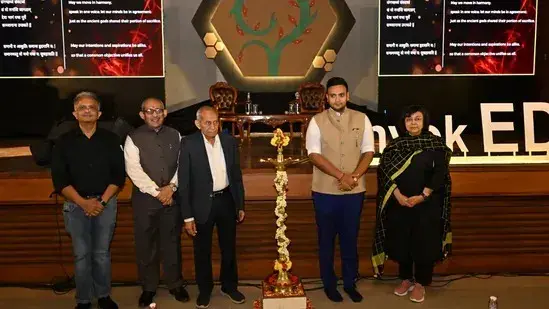
ShikshaLokam, an NGO based in Bengaluru, organized the third edition of InvokED, a Global Dialogue on Education Leadership, on March 1 and 2, 2024. The event brought together education leaders, practitioners, academicians, market players, teachers, and students from around the world. The focus of InvokED 3.0 was on collective leadership and efforts to drive India’s journey towards equity in education, aligning with the goal of establishing a world-class Indian education system. During the inaugural session, S.D. Shibulal, Co-Founder of Infosys and Founder of ShikshaLokam, stressed the crucial role of education leaders in enhancing public schools, ensuring every child’s access to quality education as a fundamental right. He emphasized the need for collective action to achieve this vision, highlighting ShikshaLokam’s nationwide efforts in over 27 Indian states and UTs, engaging more than 570,000 education leaders in improving over a million schools across the nation. Khushboo Awasthi, Co-founder of ShikshaLokam, highlighted the event’s objective of reimagining education leadership by fostering interactions, ideas, and actions that lead to development opportunities for individuals and institutions involved in K-12 education systems. She underscored the importance of participants coming together to devise solutions and strategies for driving sustainable change in their respective ecosystems, ultimately uplifting the entire education system. The second day of InvokED 3.0 featured the Shikshāgraha Utsav, celebrating innovation and micro-improvement stories in classrooms from across the country. This segment aimed to showcase initiatives driving positive changes at the grassroots level, contributing to the overall enhancement of the education landscape.

ShikshaLokam Hosts Third Edition of InvokED: Global Dialogue on Education Leadership Read More »
RBI Approves Merger of Fincare Small Finance Bank with AU Small Finance Bank

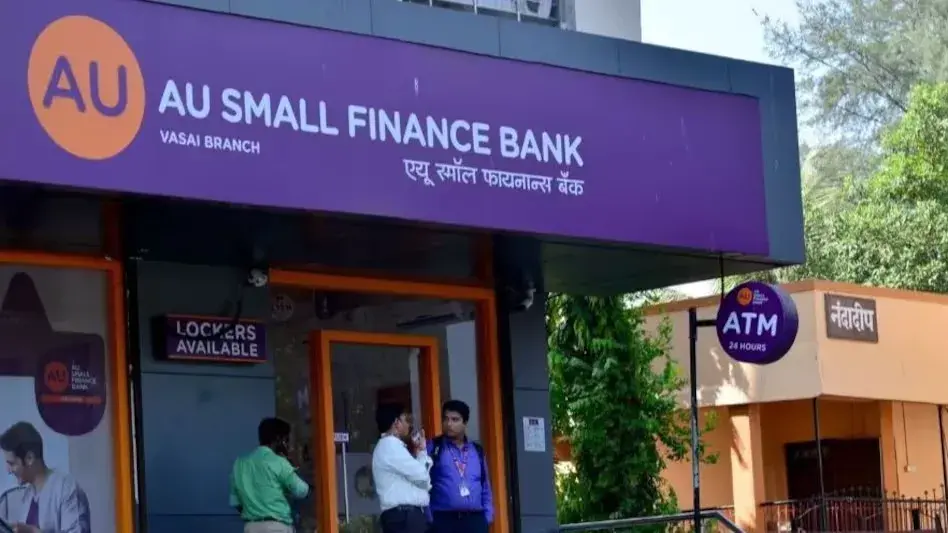
The Reserve Bank of India (RBI) has given its approval for the merger of Fincare Small Finance Bank Ltd with AU Small Finance Bank Ltd, effective from April 1, 2024. Following the merger, all branches of Fincare Small Finance Bank Ltd will operate as branches of AU Small Finance Bank Ltd. This decision from the RBI comes after the Competition Commission of India (CCI) had previously approved the merger of the two banks. As per the CCI statement, the merger involves Fincare and AU, with AU being the entity resulting from the merger. Shareholders of Fincare will receive shares in the merged entity following the combination. AU Small Finance Bank offers a range of personal and commercial banking services, including deposits, loans, debit and credit card services, institutional banking, and digital banking services. Headquartered in Jaipur, AU Small Finance Bank operates under the AD-II bank category for foreign exchange transactions and provides ancillary services such as the distribution of insurance and investment products like mutual funds. On the other hand, Fincare Small Finance Bank offers deposit services like savings and current accounts, fixed deposits, and recurring deposits, along with lending services such as retail and microfinance loans. Additionally, Fincare provides digital banking services and distributes insurance products. The merger between Fincare Small Finance Bank and AU Small Finance Bank is expected to streamline operations and enhance the range of services offered to customers across the country.  

RBI Approves Merger of Fincare Small Finance Bank with AU Small Finance Bank Read More »

Pew Report Highlights Surge in Support for Strong Leader Governance, India Among Nations Seeing Significant Uptick

As elections loom in various nations, a recent Pew Research Center survey underscores a notable trend: a growing appeal for strong leader governance, challenging the traditional framework of representative democracy. Released on February 28, the survey reveals that support for authoritarian leadership has surged in several countries since 2017, with India among those witnessing a significant uptick. While representative democracy remains widely favored, with 77 percent across 24 democratic countries labeling it as “good,” dissatisfaction with its functioning within their own countries is evident, with a median of 59 percent expressing discontent. The survey coincides with a pivotal year for democracies globally, with elections scheduled in over 50 nations, including India’s Lok Sabha elections and the US presidential election in November. India stands out with the highest level of endorsement for a strong leader model, with 67 percent of respondents viewing it favorably, marking a notable increase of 12 percent since 2017. Prime Minister Narendra Modi enjoys a commendable 79 percent favorability rating, ranking third globally. Across Europe, individuals supporting right-wing populist parties exhibit a greater inclination toward authoritarianism. In Germany, for instance, 37 percent of those favoring the Alternative for Germany party express support for non-democratic governance. Support for authoritarian leadership tends to be more pronounced among individuals with lower education and income levels, as well as those leaning ideologically rightward. Notably, poorer nations show higher support for autocratic regimes, including military rule. Mexico stands out with a remarkable 23 percent surge in support for a strong leader since 2017, alongside increased support for democracy. The United States, despite its status as the wealthiest nation, exhibits noteworthy backing for autocratic systems, with 15 percent endorsing military rule and 26 percent favoring a strong leader model. Overall, while support for authoritarianism has increased in several countries, military rule remains the least favored form of government globally, with only a median of 15 percent expressing support across surveyed nations.

Pew Report Highlights Surge in Support for Strong Leader Governance, India Among Nations Seeing Significant Uptick Read More »

German Man Receives 217 Covid Vaccinations, Researchers Investigate Unprecedented Case

A 62-year-old man from Germany has stunned medical experts by receiving 217 doses of the Covid vaccine, defying medical advice and raising questions about the limits of the human immune system. The extraordinary case, documented in The Lancet Infectious Diseases journal, has garnered widespread attention for its unprecedented nature. The man, whose identity remains undisclosed, privately obtained and administered the shots over a period of 29 months, seemingly without experiencing any adverse effects. Researchers from the University of Erlangen-Nuremberg, led by Dr. Kilian Schober, delved into the case after learning about it through media reports and subsequently conducting tests on the individual. Despite concerns about potential immune system fatigue from the repeated vaccinations, the researchers found no evidence of such effects. The patient cooperated with the investigation, providing fresh blood and saliva samples, allowing scientists to analyze how his immune system responded to the extensive vaccination regimen. While the public prosecutor’s office initiated an investigation into possible fraud related to the case, no criminal charges were ultimately filed. The man’s decision to undergo such a staggering number of vaccinations has raised ethical and medical questions about vaccine administration and the body’s immune response. The research team emphasized that hyper-vaccination is not endorsed as a strategy to enhance immunity, and the case does not warrant broad conclusions or recommendations for the general public. Instead, they reaffirmed the effectiveness of standard vaccination protocols, emphasizing the importance of following established guidelines. The NHS advises that Covid vaccines are typically administered seasonally, with additional doses recommended only for individuals with severely compromised immune systems. While side effects such as a sore arm are common, the case of the German man underscores the need for caution and adherence to medical guidelines in vaccine administration.

German Man Receives 217 Covid Vaccinations, Researchers Investigate Unprecedented Case Read More »

Delhi Allocates ₹8,600 Crore for Health Sector in 2024-25 Budget, Striving for “Ram Rajya”

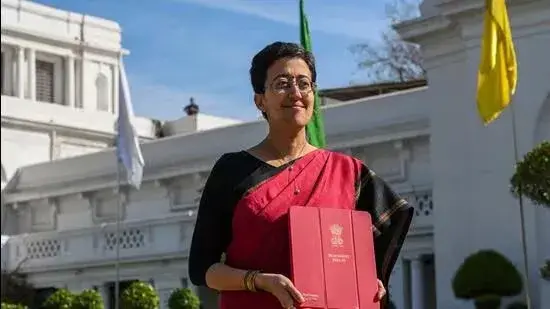
Delhi’s finance minister, Atishi, unveiled the 2024-25 budget with a focus on healthcare, allocating ₹8,685 crore for the health sector. The budget, with an overall outlay of ₹76,000 crore, reflects the government’s commitment to transforming Delhi’s healthcare system and realizing the vision of “Ram Rajya.” Atishi emphasized the significant progress made in healthcare under the Arvind Kejriwal-led administration over the past nine years, describing the transition from helplessness to strength. She highlighted the dire state of Delhi’s hospitals before 2014, emphasizing the government’s efforts to improve conditions and provide quality healthcare services to all residents. Quoting from Tulsidas’ Ramcharitmanas, Atishi underscored the importance of ensuring the good health of every individual, aligning with the principles of “Ram Rajya.” She lamented the distance between this vision and the current reality but expressed determination to bridge the gap through robust healthcare initiatives. The allocated budget for the health sector marks a strategic investment in improving medical infrastructure, enhancing services, and ensuring accessibility for all citizens. Atishi outlined plans to address various challenges faced by Delhi’s healthcare system, including the provision of adequate funds for essential medical services and facilities. Despite challenges posed by disputes with the lieutenant governor and the Union government, the Delhi government remains committed to advancing healthcare initiatives and overcoming obstacles to deliver quality care to residents. Atishi’s budget presentation reflects a comprehensive approach to healthcare governance, aiming to create a healthier and more resilient Delhi for all its inhabitants.  

Delhi Allocates ₹8,600 Crore for Health Sector in 2024-25 Budget, Striving for “Ram Rajya” Read More »

Nepal’s Political Landscape Shifts as Maoist Centre-Nepali Congress Coalition Crumbles

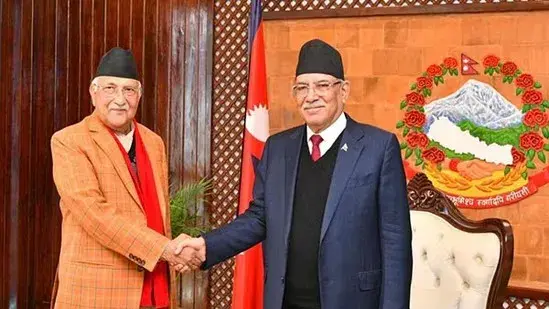
The political landscape in Nepal witnessed a seismic shift as the coalition government between the Communist Party of Nepal (Maoist Centre) and the Nepali Congress, led by Sheh Bahadur Deuba, collapsed. Former Finance Minister Surendra Pandey announced on Facebook that Prime Minister Pushpa Kumar Dahal would swear in a new council of ministers on Monday, ushering in a fresh coalition government. The new coalition, dubbed the Left Alliance, will comprise four political parties: the Communist Party of Nepal (Maoist Centre) under Prime Minister Pushpa Kumar Dahal’s leadership, the Communist Party of Nepal-Unified Marxist Leninist (CPN-UML), the Rastriya Swatantra Party, and the Janata Samajbadi Party. Prime Minister Dahal, known for his political maneuvering, is set to retain his position, with ministers recommended by the coalition parties expected to join the new cabinet. The collapse of the Maoist Centre-Nepali Congress coalition was precipitated by a dispute over the chairmanship of the National Assembly. The Maoist Centre’s decision to contest for the position sparked tensions with the Nepali Congress, leading to the dissolution of the fragile alliance. Despite previous assurances from Prime Minister Dahal to support the Nepali Congress in the National Assembly chairmanship election, the Maoist Centre opted to field its candidate, exacerbating the rift between the two parties. The upcoming election for the National Assembly Chairman, scheduled for March 12, has intensified political tensions, with parties vying for control over key positions in Nepal’s legislative bodies. As Nepal navigates through this period of political turbulence, the realignment of alliances and the pursuit of power dynamics within the government underscore the challenges of maintaining stability in the Himalayan nation.

Nepal’s Political Landscape Shifts as Maoist Centre-Nepali Congress Coalition Crumbles Read More »

Indian Army’s HR Policy Shifts Focus to Specialisation, Colonel Prasad Bansod Leads the Way

The Indian Army has ushered in a new era of specialisation with its revamped Human Resource (HR) policy, effective from January 1, 2024, aiming to retain expertise in critical fields. Under this policy, officers above the rank of Lieutenant Colonel are now permitted to continue working in specialized domains rather than transitioning to command positions, marking a significant departure from previous norms. Previously, the promotion to Colonel often necessitated officers to assume command roles, leading to a loss of specialized skills in fields such as Artificial Intelligence (AI), space technology, Information Technology (IT), nanotechnology, robotics, and weapons design. However, the new policy aims to retain specialist officers, bolstering the Army’s capabilities in emerging domains. In a landmark development, Lieutenant Colonel Prasad Bansod emerged as the first beneficiary of this policy shift, securing promotion to the rank of Colonel while serving on deputation with the Defence Research and Development Organisation’s (DRDO) small arms laboratory. Bansod’s expertise in weapon design culminated in the development of the ‘Asmi,’ a 9 mm carbine currently undergoing limited series production. Bansod’s promotion underscores the Army’s commitment to recognizing and harnessing specialist talent, enabling officers to pursue their areas of expertise without compromising on career advancement. His promotion signals a departure from the conventional trajectory, allowing officers to contribute significantly to technological advancements and defense capabilities. The ‘Asmi’ carbine, developed by Bansod, holds immense potential in modernizing the Army’s arsenal and bolstering India’s defense capabilities. With the capacity to potentially replace outdated firearms and facilitate defense exports, the carbine represents a significant leap in indigenous weapon development. Bansod’s elevation sets a precedent for other officers to pursue specialization, ensuring that the Army remains at the forefront of technological innovation and operational excellence. The HR policy overhaul aligns with the evolving needs of modern warfare, empowering officers to leverage their expertise for strategic advantage. As the Indian Army embraces a culture of specialization, Colonel Prasad Bansod’s pioneering journey serves as an inspiration for aspiring officers and underscores the Army’s commitment to fostering innovation and excellence in defense.

Indian Army’s HR Policy Shifts Focus to Specialisation, Colonel Prasad Bansod Leads the Way Read More »

Delhi Budget 2024-25: Atishi Boosts Education, Women’s Welfare with Rs 16,400 Cr Allocation

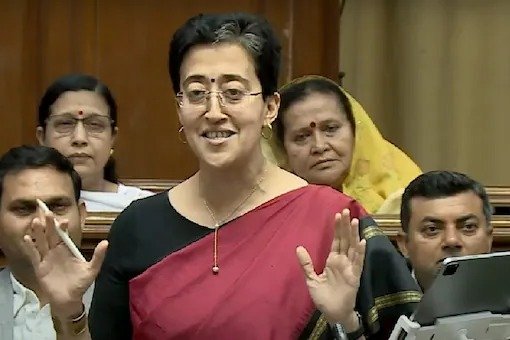
Delhi’s Finance Minister, Atishi, unveiled the Budget 2024-25 in the state Assembly, emphasizing significant allocations for education and women’s welfare. With an outlay of Rs 76,000 crore, Atishi allocated Rs 16,396 crore for the education sector, aiming to enhance educational infrastructure and accessibility. A key highlight of the budget was the introduction of the ‘Mukhyamantri Mahila Samman Yojana,’ offering Rs 1,000 monthly aid to women above 18 years old, effective from the fiscal year 2024-25. This initiative aims to empower women economically and address gender disparities. Under the health sector, Atishi proposed a budget of Rs 8,685 crore, focusing on improving healthcare facilities, including funding for hospitals, mohalla clinics, and essential medicines. Additionally, the budget allocated Rs 6,216 crore for various social welfare schemes, emphasizing support for marginalized communities. The education budget prioritizes teacher training, school construction, and maintenance, with allocations of Rs 100 crore for teacher training, Rs 150 crore for school construction, and Rs 45 crore for classroom maintenance. Furthermore, Rs 42 crore was proposed for Schools of Specialised Excellence, enhancing educational opportunities for students. In addressing infrastructure needs, the budget allocated Rs 3,353 crore for the power sector, Rs 7,195 crore for the Delhi Jal Board, and Rs 1,768 crore for road and flyover projects. The housing and urban development sector received Rs 9,800 crores, while public transportation was allotted Rs 5,702 crore. Notably, Atishi emphasized the Delhi government’s commitment to local governance, allocating Rs 8,423 crore to the local body, prioritizing education, healthcare, and sanitation. This holistic approach aims to foster community development and ensure equitable access to essential services. Reflecting on Delhi’s progress, Atishi highlighted the significant growth in Gross State Domestic Product (GSDP) and per capita income over the past decade. The budget underscores the government’s vision for inclusive growth and transformative change, aligning with the AAP’s principles of transparency and accountability. The budget presentation marks a milestone in Delhi’s journey towards socio-economic development, guided by a commitment to empowerment, education, and holistic welfare.

Delhi Budget 2024-25: Atishi Boosts Education, Women’s Welfare with Rs 16,400 Cr Allocation Read More »

Devdutt Padikkal Set to Debut in Dharamsala as KL Rahul Remains Unfit, Rajat Patidar to Stay in Squad

The Indian cricket fraternity is abuzz with anticipation as Devdutt Padikkal is poised to make his Test debut in the upcoming match against England in Dharamsala. With KL Rahul’s fitness status uncertain, Padikkal is expected to replace Rajat Patidar in the playing XI, marking his entry into the prestigious format of the game. The decision to include Padikkal comes amid Rahul’s ongoing rehabilitation process, which has cast doubts over his availability for the crucial fixture. Although Rahul had been the selectors’ preferred choice for the No. 4 position, his injury woes have paved the way for Padikkal’s inclusion in the squad. Rajat Patidar, who had been filling in for Rahul in recent matches, faced a dip in form, prompting selectors to reconsider their options. With the Madhya Pradesh cricketer set to stay in the squad but likely to lose his spot in the XI, Padikkal’s impressive performance in domestic cricket and India A fixtures has earned him the nod for his maiden Test appearance. Padikkal’s stellar form in the current season, coupled with his consistent run-scoring ability, has garnered attention from selectors and coaching staff alike. The left-hander’s recent exploits, including a match-winning century in Karnataka’s fixture against Tamil Nadu, have bolstered his case for selection. A BCCI source confirmed Padikkal’s inclusion, highlighting the team management’s eagerness to assess his capabilities ahead of the upcoming IPL season. Padikkal’s journey from domestic cricket to the international arena exemplifies his talent and dedication, setting the stage for a memorable debut in Dharamsala. As the cricketing world awaits the much-anticipated clash, all eyes will be on Devdutt Padikkal as he prepares to don the Indian jersey for the first time in Test cricket.

Devdutt Padikkal Set to Debut in Dharamsala as KL Rahul Remains Unfit, Rajat Patidar to Stay in Squad Read More »

Ministry Orders Closure of Maulana Azad Education Foundation, Stirring Controversy

The Ministry of Minority Affairs has stirred controversy with its decision to order the closure of the Maulana Azad Education Foundation (MAEF), a government-funded organization dedicated to promoting education among educationally disadvantaged sections of the Muslim community. The abrupt closure order, issued on February 7 by under-secretary Dhiraj Kumar, has raised questions as it lacks substantive rationale. According to sources familiar with the matter, the decision was prompted by a proposal from the Central Waqf Council (CWC), responsible for regulating educational initiatives for minorities in the country. However, senior officials within the ministry have labeled it as an “internal matter” not yet disclosed to the public. The order mandates the MAEF to propose an agenda for its legal closure and complete the dissolution process as per applicable laws. It also outlines plans to transfer the foundation’s funds totaling Rs. 1,073.26 crores to the Consolidated Funds of India (CFI) and liabilities amounting to Rs. 403.55 crores to the National Minorities Development and Finance Corporation (NMDFC). Established in 1989 on the birth centenary of Maulana Abdul Kalam Azad, the first education minister and freedom fighter, MAEF has played a crucial role in aiding education among marginalized Muslim communities. The decision to shutter the foundation comes amid past controversies, including the discontinuation of the Maulana Azad National Fellowship in 2022, which sparked widespread student protests. Experts and academics have expressed concern over the closure, emphasizing its adverse impact on Muslim students. A senior professor at Jawaharlal Nehru University stated, “The move will have an adverse impact on the Muslim students as the MAEF was the torchbearer for promoting education among the Muslim community in India.” The closure of MAEF raises broader questions about the government’s commitment to minority education and the future of educational initiatives aimed at marginalized communities.

Ministry Orders Closure of Maulana Azad Education Foundation, Stirring Controversy Read More »