ArdorComm Media Group

Thursday, February 26, 2026 2:36 AM

Author name: admin

Delhi Reports First Case of JN.1 COVID Variant: Live Updates and Emerging Trends in India’s Pandemic Landscape

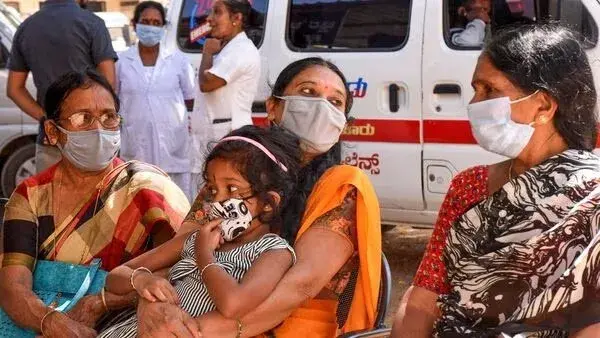
Delhi has reported its first case of the JN.1 COVID variant, as per live updates on the pandemic. The All India Institute of Medical Sciences (AIIMS) in Delhi has promptly issued guidelines in response to this new case. As of December 26, India has recorded a total of 109 JN.1 COVID variant cases, according to sources from the Health Ministry. The distribution of cases reveals 36 in Gujarat, 34 in Karnataka, 14 in Goa, 9 in Maharashtra, 6 in Kerala, 4 in Rajasthan, 4 in Tamil Nadu, and 2 in Telangana. Wednesday witnessed a spike in the daily COVID-19 cases in India, with 529 new infections reported in a single day. The active infection count in the country stands at 4,093, with three new fatalities documented within 24 hours – two in Karnataka and one in Gujarat. This surge in cases follows a period of relative decline, with daily case numbers dropping to double digits until December 5. The resurgence is attributed to the emergence of a new variant and cold weather conditions. Internationally, the World Health Organization (WHO) has classified JN.1 as a variant of interest, distinct from its parent lineage BA.2.86. However, the WHO has emphasized that, based on current evidence, the overall risk posed by JN.1 remains low. The classification of JN.1 as a variant of interest underscores the ongoing efforts to monitor and understand the evolution of the virus.

Delhi Reports First Case of JN.1 COVID Variant: Live Updates and Emerging Trends in India’s Pandemic Landscape Read More »

From Panic to Precision: Revolutionizing Code Blue Responses in Healthcare

Blog on health

The frequent blare of a “Code Blue” alarm signals critical, life-threatening emergencies demanding swift and accurate responses. A meticulous 24-month analysis across tertiary care hospitals reveals a daunting reality – 720 Code Blue calls, with 620 genuine emergencies and a survival rate plummeting to 11.13% for cardiac arrests. This stark scenario necessitates a paradigm shift in the approach to emergency healthcare, inspiring a journey from panic to precision. India’s healthcare sector, once plagued by high mortality rates due to limited access to intensive care and delayed data delivery, is now at a crossroads of transformation. Innovative technologies, such as the Medical Internet of Things (IoT), Artificial Intelligence (AI), and Machine Learning (ML), are heralding a revolution in wireless patient monitoring, bridging the gap between conventional methods and cutting-edge solutions. To avert Code Blue events, a multifaceted approach is imperative, transcending reactive measures to embrace proactive strategies. Wireless patient monitoring, empowered by AI and ML, emerges as a cornerstone in this transformation. By continuously analyzing real-time vital signs, these devices act as alert sentinels, allowing healthcare providers to identify subtle changes and intervene before emergencies escalate. Predictive analytics and machine learning algorithms enhance the system’s ability to recognize patterns, contributing to a shift from crisis management to prevention. The traditional Code Blue model, while vital, comes with limitations, often triggering rushed and unorganized responses. Communication breakdowns, unfamiliarity with patients, and the high-stakes nature of the situation contribute to chaos, potentially compromising patient outcomes. To address these challenges, a shift from a reactive, panic-driven model to a proactive, precision-based approach is imperative, facilitated by continuous patient monitoring solutions. Wireless patient monitoring, akin to watchful conductors, plays a pivotal role in reducing Code Blue emergencies. These devices provide real-time vital sign data, enabling healthcare experts to respond swiftly in critical situations. In a study involving 3100 patients, real-time data transmission resulted in an 87% decrease in hospital stays, a 77% drop in deaths, and significant cost savings for patients, emphasizing the transformative impact of wireless patient monitoring on healthcare outcomes. The success of wireless patient monitoring marks not only a transformation from panic to precision but also heralds an overture of proactive care. Continuous monitoring of vital signs allows healthcare providers to anticipate and address potential issues before they escalate, reshaping emergency healthcare into a proactive, preventive paradigm. As India embraces the era of wireless patient monitoring, the ripple effects on the healthcare system are evident, transcending statistics to impact lives and improve the quality of care. The journey from panic to precision in Code Blue responses signifies a chain of transformation, rewriting the narrative of emergency healthcare and ensuring timely and effective interventions. The evolution from traditional patient monitoring to wireless solutions, complemented by cutting-edge technologies, is a beacon of hope for the healthcare industry. It represents a symphony of progress, reshaping and redefining healthcare to be more precise, proactive, and ultimately, more humane. The future has arrived, ushering in a new era where emergencies are met with the precision of a well-conducted symphony, thanks to the marriage of innovation and compassionate care.


From Panic to Precision: Revolutionizing Code Blue Responses in Healthcare Read More »

COVID-19 Update: Rising Cases, Advisory in Himachal, JN.1 Variant Spreads

Amid a surge in COVID-19 cases, several Indian states are urging citizens to adhere to coronavirus protocols. As of December 25, Kerala leads with 3,096 active cases, followed by Karnataka (436), Maharashtra (168), Gujarat (56), and Tamil Nadu (139). The Union Health Ministry reported 69 cases of the JN.1 COVID subvariant in the country. In response to the variant’s presence, Himachal Pradesh health officials issued an advisory. Chief medical officers are instructed to test individuals with COVID-19 symptoms, emphasizing vigilance. Dr. Sanjeev Kumar from Una recommended immediate testing for those with symptoms like cold, fever, or cough, while stressing the importance of mask-wearing. Karnataka Health Minister Dinesh Gundu Rao confirmed 34 cases of the JN.1 variant in the state, reassuring the public that the situation is under control. Deputy Chief Minister DK Shivakumar urged citizens not to panic, emphasizing that the health minister would provide updates. In a surprising turn, BJP MLA Basanagouda Patil Yatnal threatened to reveal a purported ₹40,000-crore “Covid scam” if expelled from the party. Yatnal alleges that the Karnataka BJP government, led by B S Yediyurappa, engaged in massive corruption during the peak of the COVID-19 pandemic. Delhi’s Health Minister Saurabh Bharadwaj stated that the city’s COVID positivity rate is around 1%. While advising caution during winter festivals, he assured the public that additional genome sequencing is being conducted. Meanwhile, a new COVID-19 case surfaced in Khurda district, Odisha, bringing the state’s total to three. All three individuals exhibit mild symptoms and are undergoing home treatment. Responding to the escalating cases, the Karnataka government’s coronavirus sub-committee implemented measures, including mandatory mask-wearing, home isolation, and caution against sending symptomatic children to schools. Dr. Shekhar C Mande, former Director-General of CSIR, emphasized the significance of disease surveillance in India, not only for COVID-19 but also for tracking the spread of various infections, including antimicrobial resistance. He highlighted the usefulness of surveillance methods such as wastewater analysis in detecting variants like JN.1. The World Health Organization (WHO) has labeled JN.1 as a ‘variant of interest,’ distinct from its counterpart BA.2.86. Despite this, WHO maintains that the risk from JN.1 remains low for now

COVID-19 Update: Rising Cases, Advisory in Himachal, JN.1 Variant Spreads Read More »

Chhattisgarh BJP Government Launches Ambitious Five-Year Free Rice Initiative for Vulnerable Communities

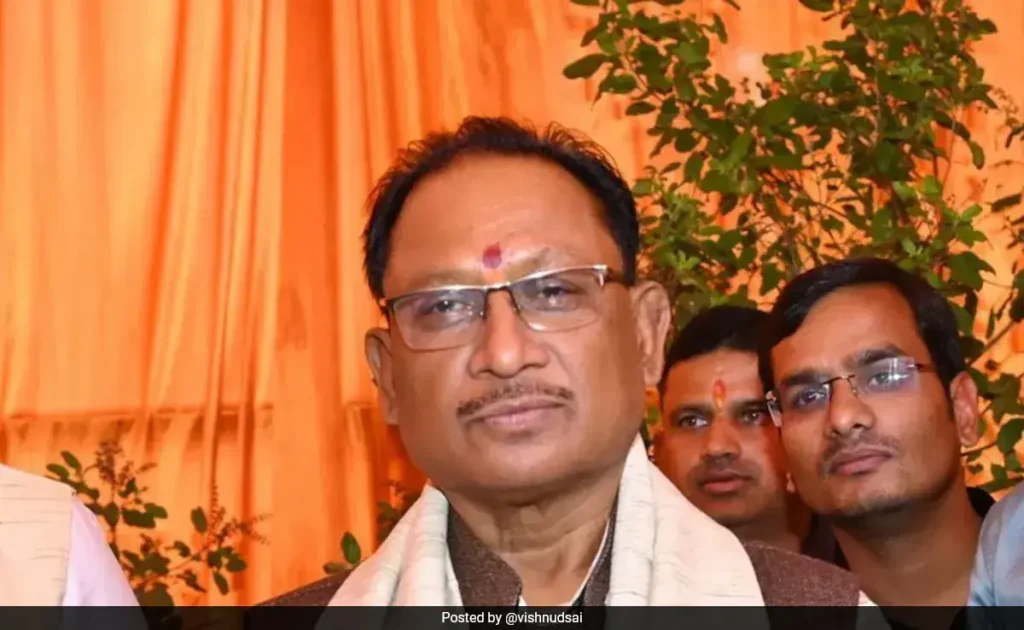
The Bharatiya Janata Party (BJP) government in Chhattisgarh has announced a groundbreaking initiative to provide free rice to impoverished families for the next five years, starting January 2024. The decision, mirroring Prime Minister Narendra Modi’s commitment to extending welfare schemes, particularly the Pradhan Mantri Garib Kalyan Anna Yojana, is expected to benefit more than 67 lakh beneficiaries. The Chhattisgarh State Food Security Act will serve as the legal framework for this initiative, ensuring that eligible ration card holders from various categories, including Antyodaya, priority, differently-abled, and single destitute individuals, receive free rice through fair price shops. This bold step, taken under the leadership of Chief Minister Vishnu Deo Sai, seeks to provide sustained relief to those grappling with economic hardships. The Food and Civil Supplies Department, acting on the Chief Minister’s directive, has issued instructions to all district collectors for the seamless implementation of the program. Ration card holders falling under the Antyodaya and priority categories, in line with the National Food Security Act guidelines, will be entitled to the monthly distribution of food grains at no cost. The coverage period spans from January 2024 to December 2028, ensuring a consistent support system for the state’s most vulnerable populations. This initiative underscores the government’s commitment to social welfare and poverty alleviation, addressing the basic nutritional needs of citizens facing economic challenges. As Chhattisgarh takes a pioneering step in providing sustained assistance to its underprivileged communities, the move is expected to garner support and appreciation from various quarters.

Chhattisgarh BJP Government Launches Ambitious Five-Year Free Rice Initiative for Vulnerable Communities Read More »

Prof. (Dr.) Rajendra Sinha, Vice Chancellor, Sandip University, Emphasizes on implementation of NEP 2020

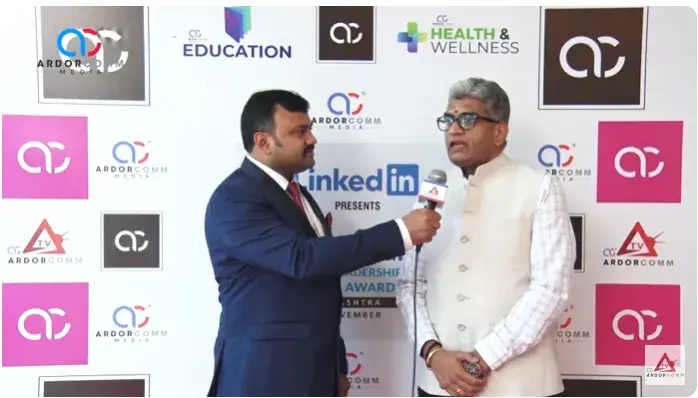
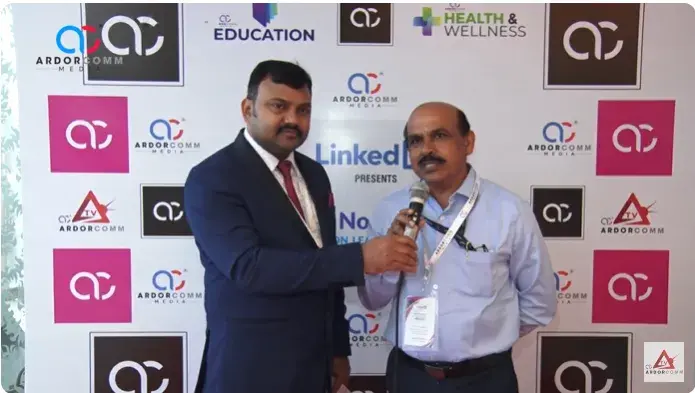
“In today’s scenario practical learning is far more important than theoretical learning,” said Prof. (Dr.) Rajendra Sinha, Vice Chancellor, Sandip University in an interview at “ArdorComm New Normal- Education Leadership Summit & Awards 2023” held in Pune, Maharashtra on 24th November 2023. How is Sandip University implementing the New Education Policy, and what progress has been made in the process? The implementation of the New Education Policy at Sandip University is marked by a commitment to innovative teaching and learning methodologies. The university has embraced research-based learning, personalized learning, and project-based learning to meet the contemporary need for practical education over theoretical knowledge. Recognizing the significance of practical learning in today’s scenario, the institution is actively engaging in collaborations with other countries. This international exchange program involves sharing teachers and students to facilitate the mutual learning of diverse teaching techniques. The emphasis on personalized learning is particularly noteworthy, ensuring that teachers understand the ‘what,’ ‘when,’ and ‘why’ of their instruction, while students can gauge their comprehension effectively. What was the overall takeaway from this event? The event organized by ArdorComm has proven to be a valuable platform for Sandip University, providing a conducive environment for in-depth discussions on the future of education. The creation of multiple panels and a structured setup facilitated the exchange of diverse views, suggestions, and ideas. This collaborative space allowed participants to delve into the possibilities and challenges of evolving educational paradigms, contributing to the collective growth of the academic community. Any testimony for the ArdorComm Media? Extending wishes and appreciation to the organizing committee of ArdorComm Media, I express gratitude for orchestrating such a wonderful event. The seamless organization and execution of the event not only provided an enriching experience but also created a platform for meaningful discussions and networking. Best wishes for the continued success of ArdorComm Media in fostering educational dialogues and advancements in the future.

Prof. (Dr.) Rajendra Sinha, Vice Chancellor, Sandip University, Emphasizes on implementation of NEP 2020 Read More »

Anantha Krishnan B, CEO-Operations, Kalorex Group, Highlights on Importance of Teachers Training

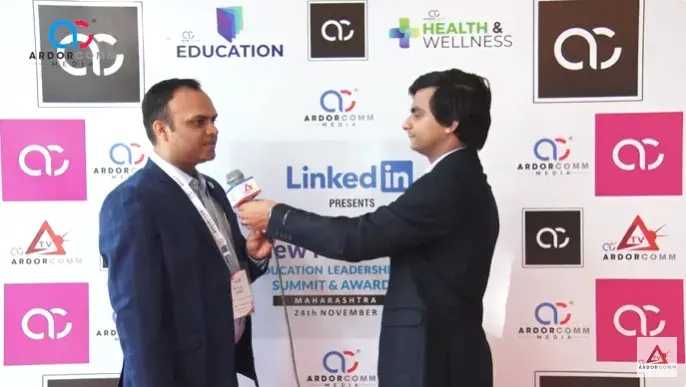
“We place a strong emphasis on teacher training programs at Kalorex Group,” said Anantha Krishnan B, CEO-Operations, Kalorex Group in an interview at ArdorComm New Normal- Education Leadership Summit & Awards 2023” held in Pune, Maharashtra on 24th November 2023. How does mental health and well-being impact today’s era? The connotation of mental health and well-being has evolved significantly from our times to the current scenario. In today’s era, children face numerous challenges, ranging from difficulties in understanding lessons to issues like internet distractions, wrong friend circles, substance abuse, and various other complexities. Educators now bear a greater responsibility in addressing these multifaceted challenges, ensuring the overall well-being of students. The parameters discussed during the panel underscore the crucial role parents play in supporting the betterment of their children. Are there any teacher training programs that you’re running? Yes, we place a strong emphasis on teacher training programs at Kalorex Group. Our training initiatives include Continuous Professional Certification (CPC) along with mental, physical, and social training, collectively known as MPS. These programs cover various aspects of well-being, including anxiety, sleep, fasting, and other human-centric well-being topics. Importantly, these training programs cater to both parents and teachers, recognizing the vital role they play in the holistic development of students. What is your takeaway from today’s event? The event provided diverse perspectives and valuable data that, upon analysis, can be utilized for our own improvement. It offers insights into emerging trends and strategies, contributing to the continuous evolution of educators. The event serves as a platform to explore how to become an exceptional educator and enhance the educational experience for students.

Anantha Krishnan B, CEO-Operations, Kalorex Group, Highlights on Importance of Teachers Training Read More »

Dr. Rajnikant Rajhans, Dean, R&D, NICMAR University, Emphasizes on Correlation of AI and NEP

“AI is reducing the time for our faculty members, it was never a threat for us” says Dr. Rajnikant Rajhans, Dean, R&D, NICMAR University in an interview at “ArdorComm New Normal- Education Leadership Summit & Awards 2023” held in Pune, Maharashtra on 24th November 2023. How is NEP going to be transformational in aligning the upcoming labour force with market requirements at NICMAR University? NICMAR, as an industry-focused institution in construction, real estate, and infrastructure, emphasizes providing skilled labour to meet industry needs. The National Education Policy (NEP) has been instrumental in shaping our objective of outcome-based education, contributing significantly to building a skilled labour force. The focus has always been on delivering the best labour force and management to the industry, and the NEP, with its outcome-based education approach, further strengthens our ability to achieve this goal. What are the current projects that NICMAR is working on? NICMAR’s current projects are anchored in the CEB Model – Community, Environment, and Business Based research model. Our commitment to addressing community issues and offering solutions enhances the quality of our research projects. Engaging in sustainable projects with local and industrial partners, we work towards providing researched solutions and research papers. This aligns with our implementation of outcome-based education, ensuring a practical and impactful approach to our research endeavours. How is NEP and AI correlating at NICMAR University? The correlation between the National Education Policy (NEP) and Artificial Intelligence (AI) at NICMAR University is viewed positively. Today, we had an insightful presentation on the impact of AI on various aspects, including education and industries. AI, far from being a threat, is seen as a tool that enhances the efficiency of our faculty members. It has significantly reduced the time required for certain tasks, benefiting our educational ecosystem. The integration of AI into our organization is a gradual and deliberate process, aimed at improving our educational processes and overall efficiency.

Dr. Rajnikant Rajhans, Dean, R&D, NICMAR University, Emphasizes on Correlation of AI and NEP Read More »

India Unveils Multi-Pronged Initiatives to Boost Economic Growth and Skill Development

In a concerted effort to stimulate economic growth and empower the workforce, India has implemented a series of initiatives, including Mudra loans for micro and small businesses, and Production Linked Incentive (PLI) schemes amounting to a substantial Rs 1.97 lakh crore. These endeavors aim to attract global manufacturers, fostering a conducive environment for economic expansion and generating an anticipated 60 lakh new jobs, according to a recent government statement. The Mudra loan initiative, dedicated to micro and small businesses, is geared towards providing financial support to entrepreneurs and bolstering the foundations of grassroots enterprises. This initiative aligns with the government’s commitment to nurturing a vibrant and inclusive entrepreneurial ecosystem. Simultaneously, the PLI schemes, with their significant financial commitment, are designed to attract international manufacturers, promoting foreign direct investment and bolstering domestic manufacturing capabilities. The infusion of funds into these schemes is anticipated to catalyze innovation and technological advancement in key sectors, propelling India onto the global economic stage. Moreover, the government’s focus on skill development is underscored by initiatives such as the Prime Minister Kaushal Vikas Yojana (PMKVY), a flagship program under the Skill India Mission. This program aims to provide skill-based training to the youth across the nation, with a specific emphasis on those hailing from rural areas. The training encompasses Short Term Training (STT) courses and Recognition of Prior Learning (RPL), effectively equipping individuals with the skills necessary for gainful employment. According to the Minister of State for Labour and Employment, these initiatives collectively contribute to the overarching goal of fostering a skilled and adaptable workforce. The multifaceted approach seeks to address both economic and social dimensions, ensuring that the benefits of development are widespread and inclusive.

India Unveils Multi-Pronged Initiatives to Boost Economic Growth and Skill Development Read More »

India Grapples with Soaring Student Suicides, Advocates Call for Education Reform

India is witnessing an alarming surge in student suicides, prompting urgent calls for a comprehensive overhaul of the education system. The prevailing mental health crisis has cast a spotlight on the need for a paradigm shift in educational approaches, emphasizing holistic development over the current marks-centric system. According to data from the National Crime Record Bureau (NCRB), a staggering 59,239 student suicides were reported between 2018 and 2022, underscoring a pressing need for immediate intervention. In 2018 alone, 10,299 student suicides were recorded, constituting 7.6% of the total reported cases. The gravity of the situation escalated in 2022, with 12,990 student suicides accounting for a similar percentage. Responding to the escalating crisis, the Union Ministry of Education (MoE) has unveiled draft UMMEED (Understand, Motivate, Manage, Empathise, Empower, Develop) guidelines with a core belief in ‘Every Child Matters.’ These guidelines propose the establishment of School Wellness Teams (SWT) tasked with identifying vulnerable students displaying warning signs and providing essential support. Protective measures outlined include fostering positive self-esteem, encouraging peer support, and enhancing students’ life skills to navigate conflicts, failures, and rejection. In an effort to address the issue comprehensively, the MoE has introduced the ‘Manodarpan’ initiative under the ‘AatmaNirbhar Bharat Abhiyaan.’ This initiative aims to provide psychosocial support to students, families, and teachers, prioritizing mental health and overall well-being. Education reform advocates stress the importance of collaboration among schools, parents, and communities to eliminate harmful notions and reduce the social stigma associated with suicidal behavior. Notably, Member of Parliament Annpurna Devi has highlighted ongoing efforts to make expert professional help accessible through ‘Manodarpan.’

India Grapples with Soaring Student Suicides, Advocates Call for Education Reform Read More »

Dr. D. V. Jadhav, Joint Director, Technical Education, Regional Office, Pune, Govt. of Maharashtra highlighted few initiatives taken in the field of technical education by Government of Maharashtra

“Polytechnic has reached from 50% to 85% in Maharashtra and the number of the figure in engineering education has these two around 1.17 lakh in this academic year” said Dr. D. V. Jadhav, Joint Director, Technical Education, Regional Office, Pune, Govt. of Maharashtra at ArdorComm New Normal- Education Leadership Summit & Awards 2023” held in Pune, Maharashtra on 24th November 2023. Kindly highlight few initiatives under your leadership and by the department in the field of Technical Education. Hon’ble Director Dr. Vinod Mohitkar has initiated many initiatives especially to promote technical education, the opportunities for the students for technical education, the government scheme for peace reimbursement, even the admission procedure so that maximum students can benefit from this one and the outcome of this mission in polytechnic and engineering colleges. Polytechnic has reached from 50% to 85% in Maharashtra and the number of the figure in engineering education admission has these two around 1.17 lakh in this academic year. Apart from that the skilling initiative we are taking that DT has made the MoU with Infosys, they offered the free program on springboard platform for the skill-based learning. Also, through CSR funds Infosys goes through the foundation 176 hours program, offered to the students for skilling and values. Nasscom is also offering a program for skill education to the students of Maharashtra and Technical Education where the students do have not to pay any charges for that they have to learn the online way and we are trying for this so that students’ employability will be enhanced through this. Apart from that the government has many initiatives for fees reimbursement through the Central Government and State Government and all these schemes are available DVT portals the student can directly apply and get the benefits. When it comes to the implementation of the NEP, What initiative you are taking? What message you would like to give to the academicians and educators? Maharashtra has become the first state in the country to implement the New Education Policy (NEP) curriculum in engineering education. We have taken the advantage of AICTE credit framework and issued the guideline in terms of GR and around 59 autonomous college in Maharashtra has started implementing autonomous curriculum from the academic year 2023-24 and all affiliated colleges or universities will be implementing from the next academic year. We have conducted workshops for all the stakeholders, and feedback was taken, accordingly, the guidelines were taken. You witnessed the summit, where the representation was from the government, academicians, educators & the corporate, how does such forums help us to engage better & learn more? See corporate is one of the major stakeholders what are their expectations and what is today’s curriculum if there is a gap that has to be bridged. Corporates can give feedback to the university and autonomous colleges. Apart from that some Institute may have one practice some may not have so this is a platform for sharing their best practices. We expect that policyholders and decision-makers can frame the policy. Such a platform for exchanging thoughts and coming up with a better policy and better implementation and expecting even the revised outcome that if any lack is observed that can be care taken. This is a platform for that so I congratulate the team of ArdorComm for having this initiative bringing all these on one platform for one complete day for exchanging ideas.

Dr. D. V. Jadhav, Joint Director, Technical Education, Regional Office, Pune, Govt. of Maharashtra highlighted few initiatives taken in the field of technical education by Government of Maharashtra Read More »