ArdorComm Media Group

Thursday, February 26, 2026 1:16 PM

Author name: admin

Tamil Nadu Half-Yearly Exams 2023 Postponed; New Schedule Announced

In response to the aftermath of Cyclone ‘Michaung,’ the Tamil Nadu government has officially declared the postponement of the half-yearly examinations for state-run and government-aided schools. Initially slated to commence on December 11, Chief Minister M K Stalin directed the deferment across the state to accommodate the recent challenges faced by educational institutions. The School Education Department swiftly formulated a revised timetable, rescheduling the half-yearly exams for classes 6 to 12 to take place from December 13 to 22. This adjustment aims to provide students and schools with sufficient time to recover from the disruptions caused by the cyclonic weather conditions. In the wake of Cyclone ‘Michaung,’ schools in Chennai, Chengelpet, Kancheepuram, and Tiruvallur districts had been closed from December 4 to 9. The government allocated a fund of ₹1.90 crore to address the aftermath, focusing on activities such as cleaning school premises affected by heavy rains and flooding in the aforementioned districts. With schools set to reopen on December 11, the government has scheduled the distribution of textbooks and notebooks on December 12. This initiative is specifically aimed at assisting students who may have lost or damaged their study materials during the adverse weather conditions. A key factor influencing the decision to postpone the exams is the realization that students cannot adequately prepare without their study materials. Consequently, a collective decision was made to reschedule exams uniformly across all districts, maintaining a common question paper throughout Tamil Nadu.

Tamil Nadu Half-Yearly Exams 2023 Postponed; New Schedule Announced Read More »

Former Microsoft HR VP Chris Williams Advocates for Employee Freedom: Embracing Multiple Jobs and Personal Pursuits

Chris Williams, the former Vice President of Human Resources at Microsoft, has advocated for the acceptance of employees engaging in multiple jobs. Williams, now a leadership advisor, conveyed a clear message to employers through an article published by Business Insider India, emphasizing that employers do not own the lives of their employees. Williams asserted that the concept of employees working multiple jobs is deeply ingrained in the fabric of the working world. He highlighted its prevalence by citing examples, including that of his mother who worked two jobs to support her children through college. The former HR head discussed the advantages of the work-from-home model, attributing its rise to the increased opportunity for individuals to pursue multiple jobs. He expressed that it is unrealistic for managers to believe their claim to employees’ time is exclusive. However, he acknowledged potential issues, particularly when employees work for competitors or misuse confidential information. Williams posed a crucial question for employers: whether the employee is effectively fulfilling their primary job responsibilities. He stressed that if an employee is underperforming, the focus should be on addressing the deficit and holding them accountable for deliverables. Furthermore, Williams emphasized that what employees do outside of work, unless it directly affects job performance, is not the employer’s concern. He urged employers to prioritize results and performance, stating that if an employee falls short, the focus should be on problem-solving rather than interference in their personal pursuits. Williams encouraged managers to celebrate the success of their employees, even acknowledging and appreciating their engagement in secondary jobs. The underlying theme of his message is the need for a results-oriented approach, valuing performance over personal matters outside the scope of employment.

Former Microsoft HR VP Chris Williams Advocates for Employee Freedom: Embracing Multiple Jobs and Personal Pursuits Read More »

Veteran Indian Actor Junior Mehmood Succumbs to Cancer at 67, Leaving Behind a Rich Cinematic Legacy

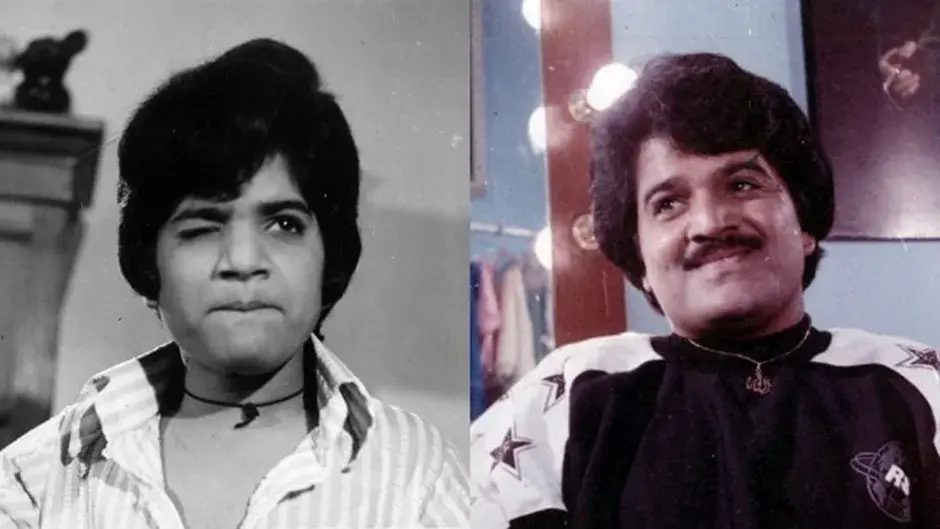
Renowned Indian actor Junior Mehmood, born Naeem Sayyed, has passed away at the age of 67 after battling cancer. The veteran actor breathed his last in Mumbai last night. His health had deteriorated rapidly as he faced the challenges of stage 4 cancer. Junior Mehmood, known by his stage name, leaves behind a legacy in the Indian film industry, having appeared in more than 250 films over a career that spanned five decades. His notable contributions include roles in iconic films such as Kati Patang, Mera Naam Joker, Parvarish, and Do Aur Do Paanch. He initially entered the film industry as a child actor in Naunihal, sharing the screen with acclaimed actors like Sanjeev Kumar, Balraj Sahni, and Indrani Mukherjee. Apart from his on-screen presence, Junior Mehmood also ventured into film production, contributing to the Marathi film industry with several productions. In his final days, Junior Mehmood had the opportunity to connect with fellow artists. Comedian and actor Johnny Lever paid a visit, after which Junior Mehmood expressed a wish to meet actors Jeetendra and Sachin Pilgaonkar. Both Jeetendra and Sachin Pilgaonkar promptly fulfilled his desire by visiting him. The trio had previously collaborated on various film projects, and their reunion marked a poignant moment in the veteran actor’s final days. Junior Mehmood’s demise is mourned not only by the film fraternity but also by fans who appreciated his versatile performances throughout his illustrious career. His contributions to the world of Indian cinema will be remembered fondly.

Veteran Indian Actor Junior Mehmood Succumbs to Cancer at 67, Leaving Behind a Rich Cinematic Legacy Read More »

AIIMS Delhi Identifies Cases of ‘Walking Pneumonia’-Causing Bacterium; Ministry Dismisses Link to China’s Recent Outbreak

The All India Institute of Medical Sciences (AIIMS) in Delhi has identified seven cases of Mycoplasma pneumoniae, the bacterium associated with ‘Walking Pneumonia.’ The cases were detected between April and September this year and were reported in a study published in the Lancet Microbe journal. Notably, ‘Walking Pneumonia’ cases have been reported globally since October, including in China. Contrary to concerns about a link to the recent surge in respiratory infections in children, especially in China, the Union Health Ministry clarified that these seven cases have no connection to the ongoing outbreaks. The ministry stated that the cases were part of an ongoing study at AIIMS Delhi, spanning April to September 2023, and reassured the public that there’s no cause for worry. The ministry emphasized that no Mycoplasma pneumonia was detected in the 611 samples tested at AIIMS Delhi from January 2023 to the present, and there has been no surge reported in any part of India. AIIMS Delhi is part of a global consortium monitoring the spread of Mycoplasma pneumoniae, and the surveillance is conducted only at specific centers, including AIIMS Delhi. The study highlighted the re-emergence of Mycoplasma pneumoniae in Europe and Asia more than three years after the introduction of COVID-19 pandemic restrictions. ‘Walking Pneumonia’ is a milder form of bacterial infection that resembles a cold, allowing infected individuals to continue with daily activities. The infection is particularly risky for individuals aged 2 or younger, 65 or older, those with weakened immune systems, chronic respiratory conditions, or exposure to crowded places. Symptoms include sore throat, fatigue, chest pain, low-grade fever, chills, cough, sneezing, and headache. Preventive measures recommended by health experts include proper respiratory hygiene, regular handwashing, wearing masks around sick individuals (especially for those with respiratory conditions), getting an annual flu shot, avoiding smoking and secondhand smoke, and timely medical intervention using antibiotics and over-the-counter medicines. The Union Health Ministry continues to collaborate with state health authorities, closely monitoring the situation and providing timely updates to the public.

AIIMS Delhi Identifies Cases of ‘Walking Pneumonia’-Causing Bacterium; Ministry Dismisses Link to China’s Recent Outbreak Read More »

Digital Healing: Revolutionizing Healthcare with Technology in India

blog

In the vast and diverse landscape of India, where healthcare accessibility has been a longstanding challenge, technology is emerging as a powerful force, reshaping the way medical services are delivered and accessed. The fusion of digital innovations with healthcare, often termed as “Digital Healing,” is heralding a new era in the country’s medical landscape. Telemedicine: Bridging the Distance Gap One of the most transformative aspects of digital healing is the rise of telemedicine. India’s vast geography often poses challenges in providing healthcare services to remote and rural areas. Telemedicine bridges this gap, connecting patients with healthcare professionals through virtual platforms. This not only improves accessibility for those in far-flung regions but also reduces the burden on urban healthcare facilities. In a country where the doctor-to-patient ratio has been a concern, telemedicine emerges as a game-changer. Patients can now consult with specialists without the need to travel great distances, making healthcare more accessible and efficient. This has proven particularly crucial during the ongoing global pandemic, allowing for remote consultations, monitoring, and even diagnosis in certain cases. Mobile Health Apps: Empowering Individuals The proliferation of smartphones has given rise to a plethora of health and wellness apps, empowering individuals to take charge of their well-being. From fitness tracking to mental health support, these apps provide personalized solutions at the fingertips of users. Many of these applications offer features such as symptom tracking, medication reminders, and virtual consultations, fostering a proactive approach to healthcare. Moreover, these apps play a crucial role in preventive healthcare. They provide information on healthy living, nutrition, and fitness, encouraging users to adopt a healthier lifestyle. This shift towards preventive care is instrumental in reducing the burden on the healthcare system by addressing health issues before they escalate. AI and Diagnostics: Enhancing Precision Medicine Artificial Intelligence (AI) is making significant inroads into healthcare, particularly in diagnostics. AI-powered algorithms analyze medical data, aiding in early detection and accurate diagnosis of various conditions. This not only speeds up the diagnostic process but also enhances precision medicine by tailoring treatments to individual patients based on their unique characteristics. In India, where a large population often faces challenges in accessing timely and accurate diagnostic services, AI holds the potential to revolutionize healthcare delivery. It can assist healthcare professionals in interpreting medical images, analyzing pathology reports, and even predicting disease outcomes. This not only improves the quality of healthcare but also contributes to better patient outcomes. Blockchain: Securing Health Data The security and privacy of health data have become paramount in the digital age. Blockchain technology, with its decentralized and tamper-resistant nature, is emerging as a solution to safeguarding health information. In a country where data security concerns have sometimes hindered the adoption of digital healthcare solutions, blockchain can instill trust and confidence among both healthcare providers and patients. Blockchain can streamline the sharing of medical records across different healthcare entities while ensuring the integrity and confidentiality of the data. This not only facilitates seamless care coordination but also empowers patients to have greater control over their health information. Challenges and Opportunities While the digital healing revolution brings forth immense opportunities, it is not without its challenges. The digital divide, varying levels of digital literacy, and infrastructural constraints in certain regions pose obstacles to widespread adoption. Addressing these challenges requires a concerted effort from policymakers, healthcare providers, and technology developers to ensure that the benefits of digital healing reach every corner of the country. The fusion of technology and healthcare in India is a transformative journey, marked by innovation and resilience. Digital healing is not just about leveraging the latest gadgets; it’s about creating a healthcare ecosystem that is inclusive, efficient, and patient-centric. As the country continues to embrace these technological advancements, the vision of a healthier and digitally empowered India comes closer to reality. Digital healing is not just a trend; it’s a revolution that holds the promise of redefining healthcare for millions across the nation.


Digital Healing: Revolutionizing Healthcare with Technology in India Read More »

President Droupadi Murmu Champions AI Integration in Management Education for Holistic National Development

Education

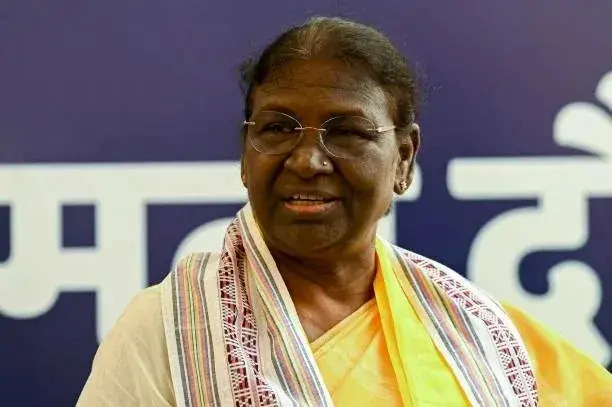
President Droupadi Murmu delivered a compelling address on Thursday, advocating for a paradigm shift in India’s education system, particularly in management institutions. The occasion was the conferment of the Lakshmipat Singhania – IIM Lucknow National Leadership Awards in New Delhi. President Murmu underscored the urgent need to integrate artificial intelligence (AI) into management education to foster comprehensive development. She emphasized the vital role of entrepreneurship in Indian culture, contrasting it with profit maximization, which she noted aligns more with Western values. Addressing the adverse effects of relentless production pursuits on humanity, including climate change and ecological disruptions, President Murmu stressed the importance of inclusive development. She praised the growing culture of self-employment among Indian youth, recognizing their contribution to the nation’s status as the third-largest global startup ecosystem. Commending the management skills and technical expertise displayed by Indian youth, President Murmu urged a transformation in educational curriculum to align with local companies, consumers, and society. She recommended a shift in focus from international case studies to those involving Indian and multinational companies operating within the country. Highlighting recent events, such as the successful rescue in Uttarakhand, President Murmu emphasized their significance as subjects for leadership and teamwork studies, especially during crises. She called for collaborative efforts between managers, educators, and organizational leaders to shape inclusive and effective national development. Regarding concerns about job displacement due to AI, President Murmu advocated integrating all dimensions of AI into management education. She reassured that individuals well-versed in AI need not fear job loss, emphasizing the role of institutions like IIM Lucknow in crafting curricula to propel India towards developed nation status. In her impassioned call for a paradigm shift in management education, President Murmu aims to equip future leaders with the skills and mindset necessary to navigate the complexities of the evolving global landscape. This, she believes, will contribute to holistic growth and sustainable development in India’s envisioned “Amrit Kaal.”

President Droupadi Murmu Champions AI Integration in Management Education for Holistic National Development Read More »

Fighter Teaser Unleashes Hrithik Roshan and Deepika Padukone on a Daring Mission to Save India

MEA

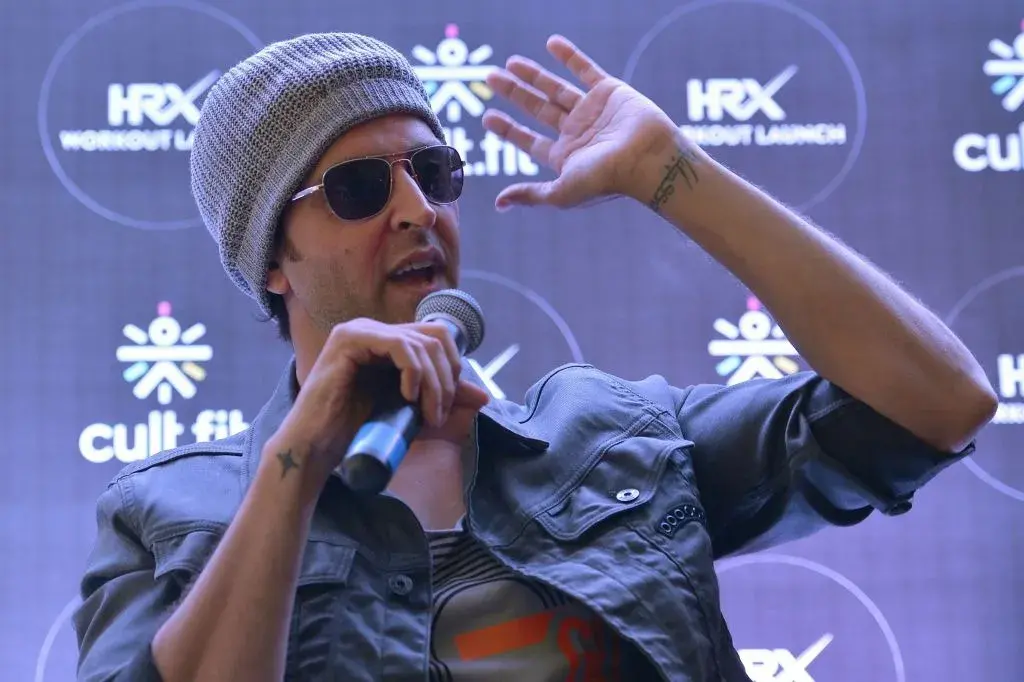
The much-anticipated teaser for the upcoming action film, “Fighter,” starring Hrithik Roshan, Deepika Padukone, and Anil Kapoor, has been unveiled, sending fans into a frenzy of excitement. The teaser introduces Hrithik Roshan as Patty, with Deepika Padukone elegantly piloting a fighter jet, setting the stage for a thrilling cinematic experience. Accompanied by the powerful caption, “To beat us? You must be joking,” the teaser hints at a fierce mission undertaken by the trio to defend India against formidable adversaries. The Fighter teaser has triggered an enthusiastic response from fans, who flooded the comment section expressing their anticipation. Comments such as “Deepika back to rule Bollywood” and wishes for the film’s success from Hrithik Roshan fans around the world highlight the immense excitement generated by the teaser. Even celebrities, including Rakesh Roshan, Manish Malhotra, Neha Dhupia, and Ayushmann Khurrana, have praised the high-octane action sequences and the star-studded cast. Accompanying the teaser release, new posters featuring Hrithik Roshan as Squadron Leader Shamsher Pathania, Deepika Padukone as Squadron Leader Minal Rathore, and Anil Kapoor as Group Captain Rakesh Jai Singh have been unveiled. The characters’ call signs and designations further enhance the anticipation for this aerial action extravaganza. Directed by Siddharth Anand and produced by Viacom 18 Studios and Marflix Pictures, “Fighter” is poised to be the first installment in an exciting aerial action franchise. The film is scheduled for a theatrical release on January 25, 2024, promising audiences a visually stunning and adrenaline-pumping experience. As fans eagerly await the release, the Fighter team has successfully ignited the anticipation for this cinematic spectacle that aims to defend the honor of India in a truly spectacular fashion.

Fighter Teaser Unleashes Hrithik Roshan and Deepika Padukone on a Daring Mission to Save India Read More »

WHO Appeals for Urgent Protection of Gaza’s Health System Amid Escalating Hostilities

news on health

As the conflict in Gaza intensifies once again, the World Health Organization (WHO) has issued a dire appeal for the protection of the health system from further attacks and degradation of its capacity. The organization expresses grave concern over the resumption of hostilities, including heavy bombardment in Gaza, emphasizing the urgent need for Israel to adhere to the laws of war and safeguard civilians and critical infrastructure, especially hospitals. The current situation in southern Gaza is particularly alarming, as immediate evacuation orders force civilians into smaller areas. With dwindling access to essential supplies and concerns for the safety of health workers during movements, WHO and its partners are finding it increasingly challenging to provide support. The escalating military ground operations in southern Gaza, notably in Khan Younis, raise fears of cutting off thousands of people from essential healthcare. This includes access to Nasser Medical Complex and European Gaza Hospital, the main healthcare facilities in the region, amid a growing number of wounded and sick individuals. With approximately 1.9 million people—nearly 80% of Gaza’s population—estimated to be internally displaced, recent evacuation orders cover significant portions of Khan Younis and surrounding areas. The number of functioning hospitals has dramatically decreased from 36 to 18 in less than 60 days, severely straining the already overwhelmed health system. During a recent visit to Nasser Medical Complex, the WHO team described the situation as catastrophic, with overcrowded facilities, shortages of health workers, and an overwhelmed emergency ward. Disease surveillance systems are hampered, and there are reports of increases in infectious diseases, including acute respiratory infections, scabies, jaundice, diarrhoea, and bloody diarrhoea. WHO recorded an alarming 203 attacks on healthcare facilities from October 7 to November 28, including hospitals, ambulances, and medical supplies, while also highlighting the detention of healthcare workers. The organization deems these attacks unacceptable and emphasizes the urgent need for a sustained ceasefire to address the unfolding humanitarian crisis. On December 3 alone, reports indicate 349 people killed and 750 injured. The bed occupancy rate at operational hospitals stands at 171%, with intensive care units reaching an occupancy rate of 221%. The Nasser Medical Complex and European Gaza Hospital are currently three times beyond their intended capacities, with thousands seeking shelter. The WHO underscores the critical importance of protecting civilians and civilian infrastructure, calling for immediate measures to halt the escalating crisis in Gaza.

WHO Appeals for Urgent Protection of Gaza’s Health System Amid Escalating Hostilities Read More »

Supreme Court Advocates Leeway for Government Adjustments in Citizenship Act, Cites National Interest

news on government

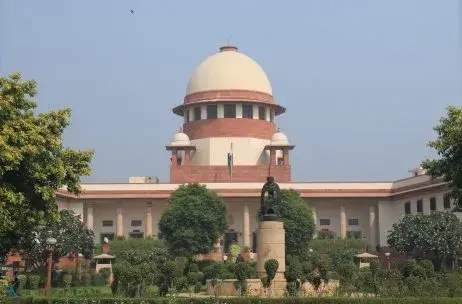
Supreme Court of India emphasized the need for the government to have the flexibility to make crucial adjustments for the nation’s well-being. The statement came during the hearing of 17 petitions challenging the constitutional validity of section 6A of the Citizenship Act, which is specific to Assam. A five-judge constitution bench, led by Chief Justice DY Chandrachud, highlighted the challenges faced by northeastern states, particularly those affected by insurgency and violence. Chief Justice Chandrachud stressed that governments must be granted “latitude and leeway” to make necessary adjustments, acknowledging the complexities and unique circumstances in various regions. Section 6A of the Citizenship Act, inserted as a special provision for individuals covered under the Assam Accord, outlines criteria for granting citizenship to those who migrated to Assam between January 1, 1966, and March 25, 1971. The provision sets March 25, 1971, as the cutoff date for citizenship, affecting individuals from specified territories, including Bangladesh. The bench, comprising Justices Surya Kant, M M Sundresh, J B Pardiwala, and Manoj Misra, is considering the constitutional validity of section 6A, particularly its impact on the rights of individuals and the homogeneous classification of states. Senior advocate Shyam Divan, representing the petitioners, argued that section 6A operates in a “blanket manner” and rewards illegal immigrants who continue to reside in Assam against the citizenship law. Divan called for a declaration of the provision as invalid and urged the government to formulate a policy for the settlement and rehabilitation of individuals who arrived in Assam after January 6, 1951. The court questioned whether Parliament could allow the continuation of strife in Assam due to discrimination among states. It raised concerns about the potential discrimination between states and the need for a balanced solution to address the complex issues faced by Assam. The hearing, which remained inconclusive, will resume on Thursday. The court had earlier sought data on the beneficiaries of section 6A to evaluate its impact on Assam’s demographic and cultural identity. As the legal battle unfolds, the Supreme Court’s stance reflects the delicate balance between national interest, security concerns, and the protection of individual rights.

Supreme Court Advocates Leeway for Government Adjustments in Citizenship Act, Cites National Interest Read More »

CISCE Unveils Lucrative Opportunities: Multiple Vacancies with Competitive Salaries for 2023 Recruitment

The Council for the Indian School Certificate Examinations (CISCE) has unveiled exciting opportunities with the announcement of vacancies for five key positions within the board. As of December 5, eligible candidates are invited to apply through the provided links on cisce.org, accompanied by the submission of their resumes within ten days from the date of advertisement. Here are the details of the vacancies: Education Officer: Eligibility: Postgraduate degree, preferably in Law, with five years of administrative experience. Skills required: Strong communication skills, ability to correspond independently, excellent planning and organizing skills, multitasking proficiency, and proficiency in Microsoft Word/Excel/Power Point. Age Limit: 45 years Salary: Approximately ₹2.74 lakh per month (CTC). Officer-Human Resource and Legal: Eligibility: MBA in HR Management with a degree in Law and 5 years of experience in HR and Legal matters. Additional Requirements: Similar to Education Officer. Age Limit: 45 years Salary: Approximately ₹2.74 lakh per month (CTC). Assistant Officer-Research: Eligibility: Postgraduate degree with five years of teaching or research experience. Preference for knowledge of NEP 2020, NCF 2023, examination reforms, and research in the educational field. Similar skills and requirements as Education Officer. Age Limit: 40 years Salary: Approximately ₹1.35 lakh per month (CTC). Accounts Supervisor: Eligibility: Commerce graduate with CA, CNA, or CS Inter qualification or Postgraduate degree in Commerce with five years of work experience in the Accounts department. Similar skills and requirements as Education Officer. Age Limit: 40 years Salary: Approximately ₹1.11 lakh per month (CTC). Junior Clerk-Cum-Typist: Eligibility: Graduate with at least 5 years of work experience. Similar skills and requirements as Education Officer. Age Limit: 35 years Salary: Approximately ₹77 thousand per month (CTC). Candidates are encouraged to explore more details and apply through the provided link for a chance to contribute to the CISCE in these key roles.

CISCE Unveils Lucrative Opportunities: Multiple Vacancies with Competitive Salaries for 2023 Recruitment Read More »