

ArdorComm Media Group

Thursday, February 26, 2026 4:31 PM

Author name: admin

5 Amazing Ways in Which AI is Transforming the Indian Education

The field of artificial intelligence (AI) has become a paradigm-shifting force that opens up new possibilities for innovation. AI has an impact that goes beyond automation and crosses boundaries to completely reshape the way that education is provided and received. The integration of AI is not only a technological advancement but also a catalyst for a significant shift in Indian education, which is where this impact is felt the most. Through our investigation, we have uncovered five astounding ways that AI is revolutionizing Indian education and bringing about a new era where learning is associated with flexibility, customization, and limitless opportunities. AI introduces us to intelligent tutoring systems that go beyond the limitations of conventional teaching techniques and completely reimagine the student-teacher relationship. These systems are no longer limited to a one-size-fits-all strategy; instead, they use machine learning to recognize unique learning patterns and provide tailored support and direction. This paradigm shift redefines the boundaries of engagement within the educational sphere, guarantees that students receive targeted assistance, and fosters a deeper understanding of complex concepts. Let’s explore the five incredible ways that artificial intelligence is changing the Indian educational landscape. Adaptive Learning Environments Adaptive learning environments are being introduced by AI, which is changing the classroom experience. These systems evaluate the learning styles, areas of strength, and weaknesses of students using sophisticated algorithms. Students are empowered to progress at their own pace through personalized assessments, real-time feedback, and tailored content. Because each student is given individualized attention, a more inclusive and productive learning environment is promoted. Flexible Educational Settings Adaptive learning environments are being introduced by AI, which is changing the classroom experience. These systems evaluate the learning styles, areas of strength, and weaknesses of students using sophisticated algorithms. Students are empowered to progress at their own pace through personalized assessments, real-time feedback, and tailored content. Because each student is given individualized attention, a more inclusive and productive learning environment is promoted. Automated Procedures for Administration Artificial Intelligence is simplifying administrative work in educational institutions, saving important time and money. AI automates routine tasks, such as grading, record-keeping, and admissions, freeing up teachers to concentrate on more influential parts of teaching. This effectiveness raises productivity and adds to the general enhancement of educational services. Remote Learning and Virtual Classrooms Artificial Intelligence (AI) is making it easier to move smoothly to remote learning and virtual classrooms, which is especially relevant in the current global context. Interactive online platforms with immersive digital experiences are made possible by intelligent algorithms for students. With AI-driven features like adaptive learning modules, personalized assessments, and real-time collaboration, virtual classrooms make education effective and accessible even in the face of physical limitations. Astute Content Production and Selection The creation and curation of educational content is being completely transformed by AI. Large-scale datasets are analyzed by machine learning algorithms to find patterns, knowledge gaps, and areas for development. Using data to guide the development process helps create relevant and high-quality learning resources. Additionally, AI helps teachers curate content that is specifically tailored to each student’s learning style and academic requirements. Artificial Intelligence has had a profoundly transformative effect on Indian education. Education is entering a new era thanks to the integration of AI, which is creating personalized learning environments and expediting administrative procedures. The future of Indian education is expected to be characterized by efficiency, inclusivity, and unmatched opportunities for both teachers and students as we embrace the potential of these innovations. With AI at the forefront, the possibilities for education in India are virtually endless, and the journey has only just begun.

5 Amazing Ways in Which AI is Transforming the Indian Education Read More »

Education summit & Award in Gujarat | Education conference | ArdorComm Summit in Ahmedabad 2024

10th New Normal – Education Leadership Summit & Awards 2024 #ELSAGujarat #ELSAahmedabad #NewNormal #ArdorComm Theme : New Normal Gujarat: Re-imagining Education, Skilling and Employability in 21st Century Workplace ArdorComm Media Group, a growing media organisation in India, invites you to join the 10th New Normal- Education Leadership Summit & Awards 2024, in Ahmedabad, Gujarat on 10th Feb’24 ‘Gujarat’ is recognized as a significant hub for education & skilling initiatives in India. Some of the prestigious educational institutions in the country are located in Gujarat. Many Government initiatives are progressing towards bridging the demand supply gap for skilled trained manpower. This Knowledge forum invites Academicians & Educators, Edupreneurs & Innovators, Edtech & Industry Experts to share their experiences, ideas and accomplishments towards a sustainable growth of the education community. Prestigious ArdorComm ELSA Awards 2024 aim to acknowledge those Individuals, Educational Institutions, EdTech & Startups who have been tirelessly and fiercely working for the betterment of the Education Community. KEY DISCUSSION POINTS NEP Implementation: Focus on Education to be Inclusive, Equitable and Holistic. Creating a Seamless Digital Experience and Skill Development in School Education. Unleashing The Potential of ‘Education 4.0’ on Innovative Pedagogy & Industry ready Skills. How the New Age Technologies like AI, ML, IoT are changing India’s Education landscape? How to Cultivate 21st Century Skills including Critical Thinking and Digital Literacy? Key Highlights Day 0 SESSIONS 0 + SPEAKERS 0 + SCHOOLS 0 + GOVERNMENT DIGNITARIES 0 + HIGHER EDUCATION 0 + EDTECH STARTUPS 0 + CORPORATE 0 + PARTICIPATION FROM Government Dignitaries Academicians Educators Corporate EdTech Startups HRs OUR SPEAKERS OUR PARTNERS host PRESENTING PARTNER Powered by Partner EdTech Partner Online Learning Partner Technology Partner Display Solution Partner ASSOCIATE PARTNER Associate Partner University Partner Academic Partner SCHOOL PARTNER SCHOOL PARTNER Exhibitor Exhibitor Supporting Partner COMMUNITY PARTNERS EDUCATION HEALTH & WELLNESS HUMAN RESOURCE GOVERNANCE MEDIA ENTERTAINMENT & ART ARDORCOMM EDUCATION LEADERSHIP AWARDS 2024 Indian Educators, Academicians, Institutions, EdTech companies & Startups have set an incredible example of excellence in front of the whole world during this unprecedented times, by adapting changes, transforming, re-skilling & re-inventing, ArdorComm Media, a growing media company in India has announced “New Normal- Education Leadership Summit & Awards 2024” to recognize & felicitate the exemplary contributions and innovative initiatives taken by the Preschools, Schools, Higher educational institutions, Corporate and EdTech Startups associated with the education sector. ArdorComm Media would like to honor the Trendsetters, Innovators, Education Leaders, Institutions and Organizations that have been providing excellence and outstanding accomplishment in the education sector. Ardorcomm Media Awards 2024 aims to acknowledge those individuals, educational institutions, and EdTech companies that have played a key role in transforming the teaching, learning and employability outcomes. The prestigious award will bring recognition and visibility for an institution/ organization across the sector. This summit will bring together the top notch industry leaders and key decision makers from the education sector, to enrich the community by sharing their insights and knowledge with the stakeholders, which will eventually bring a paradigm shift in the education sphere within various parts of the country. Time Topic 9:30 AM – 11:00 AM Inaugural Session :- INDIA’s Vision 2030: A Move to Improve Education & Skills in 21st Century Workplace 11:00 AM – 11:15 AM Networking Tea 11:15 AM – 12:15 PM Panel 1 :- Disruptive Technologies Transforming Education in the 21st Century 12:15 PM – 12:25 PM Industry Speech 1 12:25 PM- 12:35 PM Industry Speech 2 12:35 PM – 1:35 PM Panel 2 :- Need of an Effective Early Childhood (ECE) Curriculum for a Sustainable Development Goal. 1:35 PM – 2:15 PM Networking Lunch 2:15 PM – 3:15 PM Panel 3 :- STEM-based learning and skill-based education, most progressive education trends 3:15 PM – 3:25 PM Industry Speech 3 3:25 PM – 3:35 PM Industry Speech 4 3:35 PM – 4:25 PM Panel 4 :- How NEP 2020 Policy Aims to make Education More Inclusive, Equitable, and Holistic? 4:25 PM – 4:40 PM Networking Tea 4:40 PM – 4:50 PM Industry Speech 5 4:50 PM – 6:00 PM Valedictory, Felicitation & Award Ceremony AGENDA Time Topic 9:00 AM – 9:45 AM Panel 1 – (K12+ HE)PreInaugral Session :- NEP Implementation: Focus on Education to be Inclusive, Equitable and Holistic. 9:45 AM – 10:45 AM Inaugural Session:- New Normal Gujarat: Re-imagining Education, Skilling and Employability in 21st Century Workplace 11:00 AM – 11:15 AM Networking Tea 11:15 AM – 12:15 PM Panel 2 – K12 :- Creating a Seamless Digital Experience and Skill Development in School Education. 12:15 PM- 12:25 PM Industry Speech 1 12:25 PM- 12:35 PM Industry Speech 2 12:35 PM -1:35 PM Panel 3 – HE :- Unleashing The Potential of ‘Education 4.0’ on Innovative Pedagogy & Industry ready Skills. 1:35 PM – 2:20 PM Networking Lunch 2:20 PM – 3:20 PM Panel 4 – HE :- How the New Age Technologies like AI, ML, IoT are changing India’s Education landscape? 3:20 PM – 3:30 PM Industry Speech 3 3:30 PM – 3:40 PM Industry Speech 4 3:40 PM – 4:40 PM Panel 5 – HE :- How to Cultivate 21st Century Skills including Critical Thinking and Digital Literacy? 4:40 PM – 5:00 PM Networking Tea 5:00 PM – 6:00 PM Valedictory, Felicitation & Award Ceremony RT 1: Leadership Talk Session – A Roundtable Discussion Time Topic 11:30 AM – 11:45 AM Registration & High Tea 11:45 AM – 4:10 AM Opening Remarks 12:00 PM – 1:45 PM Transforming teaching and learning with unleash potential of tech-enabled solutions 1:45 PM – 2:00 PM Felicitation 2:00 PM onwards Networking Tea RT 2: Leadership Talk Session – A Roundtable Discussion Time Topic 3:45 AM – 4:00 AM Registration & High Tea 4:00 AM – 4:10 AM Opening Remarks 4:10 PM – 6:00 PM Re-imagining Higher Education for Digital Era 6:00 PM – 6:15 PM Felicitation VENUE Crowne Plaza Ahmedabad City Centre Sarkhej – Gandhinagar Hwy, near Shapath V, Prahlad Nagar, Ahmedabad, Gujarat 380015

Education summit & Award in Gujarat | Education conference | ArdorComm Summit in Ahmedabad 2024 Read More »

UP Government’s Rs 28,760.67 Crore Supplementary Budget Prioritizes Election Promises and Key Sectors

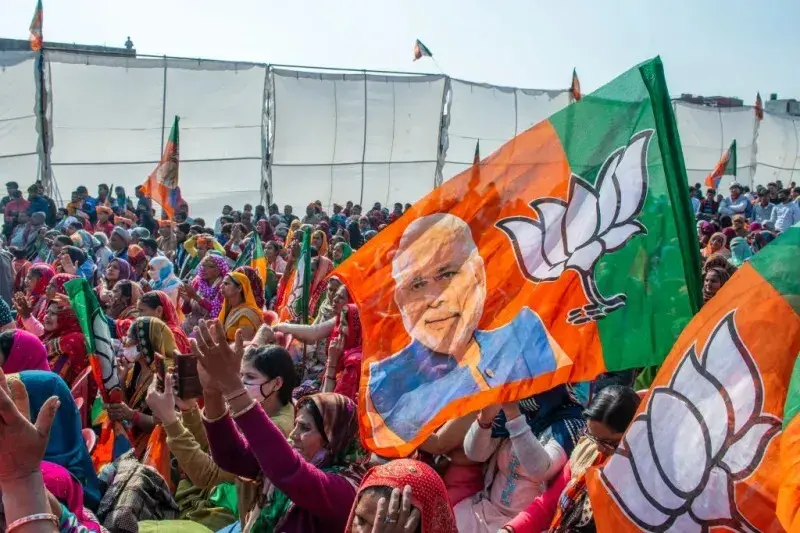
The state government of Uttar Pradesh unveiled a supplementary budget of Rs 28,760.67 crore, with a focus on keeping the promises made by the ruling BJP during the Assembly elections two years ago. This comes as the state gets ready for the upcoming Lok Sabha elections. To show that the government is committed to helping farmers, a sizeable portion of the budget—Rs 900 crore—has been set aside to provide free electricity to private tubewell connections. The UP Cooperative Sugar Mill Association has been given Rs 400 crore as a vital next step to settle the outstanding debts of cane growers. In addition, Rs 50 crore has been set aside for the season of 2022–2023 sugarcane procurement, and Rs 100 crore for the season of 2023–2024. Presenting the supplemental budget, State Finance Minister Suresh Khanna noted that expenditures from the revenue account totaled Rs 19,046 crore, while those from the capital account were Rs 9,714 crore. Notably, the Power sector was allotted the largest amount—more than Rs 6,000 crore—with funds designated for particular projects like Ghatampur and Jawaharpur Thermal Power. Infrastructure projects were also given top priority; funds were set aside for the Ganga Expressway, the Lucknow and Kanpur Metro Rail projects, and programs like the Deen Dayal Upadhaya Gram Jyoti Yojana and smart metering. The budget also covers road projects, the development and renovation of places of worship, and the preservation of stray cattle. Important social welfare initiatives include the provision of Rs 51 crore in prize money to medal winners at the 19th Asian and Para Asian Games, Rs 27 crore for the welfare of fishermen, and Rs 250 crore for the care of stray cattle. With large funding for the Home Department, the Special Task Force (STF), and initiatives to combat cybercrime and naxalism-related activities, security and law and order have not been neglected. The government’s strategic approach to fulfilling electoral promises, addressing important sectors, and guaranteeing comprehensive development across various facets of the state is emphasized by the supplemental budget. The budget, which combines targeted funding with populist measures, creates the conditions for heated discussions and debates in the run-up to the elections.

UP Government’s Rs 28,760.67 Crore Supplementary Budget Prioritizes Election Promises and Key Sectors Read More »

Controversial ‘Pay Clinic’ Proposal Sparks Concerns Over Privatization of Health Sector

The Punjab Health Department is thinking about implementing a “Pay Clinic” model. A private practice within government health facilities would be an option for specialists under this proposed scheme, with fees collected going to the doctors, support staff, and the facilities themselves. India’s Doctors for Peace and Development (IDPD) have serious concerns about the ‘Pay Clinic’ initiative, despite the government’s claim that it is meant to maintain specialist and super-specialist services in the public sector. As per the doctors’ body, this initiative is viewed as a cautious attempt to weaken the public health system, which could lead to the eventual privatization of the health sector. Critics contend that the comparatively low pay scale in the state is the main reason why physicians choose to work in private practices. The president of IDPD, Dr. Arun Mitra, claims that it is unsustainable for the government to claim that this program will support specialists. He contends that improving public hospitals’ facilities and infrastructure will be crucial to finding a workable solution by drawing in more medical professionals. The ‘Pay Clinic’ system that is being proposed would permit physicians to hold private consultations on hospital property after regular business hours. Dr. Mitra underlines that the government’s inability to draw physicians to state services as a result of insufficient health spending is the main problem. He highlights the need for more public investment in health care even more by pointing out that Punjab has the highest out-of-pocket health care costs in the nation. Another IDPD member, Dr. Indervir Gill, expresses worries about the possible effects on lower-class communities. Due to financial limitations, this population, which was previously dependent on state facilities, may now experience increased financial burdens. Dr. Gill cites guidelines from the World Health Organization that state governments ought to devote at least 5% of their GDP to the health sector. He draws attention to the fact that the Punjabi government, which ranks lowest in the NITI Aayog Index for healthcare allocation, and the Union government both fall short of this standard.

Controversial ‘Pay Clinic’ Proposal Sparks Concerns Over Privatization of Health Sector Read More »

Imarticus Learning Report predicts that India’s data science education market will reach $1.39 billion by 2028.

The “Data Science Education Report 2023” published by Indian edtech platform Imarticus Learning shows that the global data science education market is expected to grow to a staggering $378.7 billion by 2030. With a compound annual growth rate (CAGR) of 57.52 percent, the report projects that India’s data science education market will grow exponentially from $204.23 million in 2023 to an astounding $1.391 billion by 2028. A paradigm shift in many industries toward data-driven decision-making is blamed for this upsurge. At the same time, it is anticipated that the Indian online education market would expand dramatically, from $76.20 million to $533.69 million, underscoring the country’s growing reliance on digital learning environments. With 215,793 open positions right now, the research predicts a large upswing in the big data and analytics job market. Forecasts suggest that by 2028, there will be more than 338,000 job openings in the big data space, underscoring the increasing need for qualified experts in this domain. Companies that are actively looking for data scientists include Amazon, AWS, Bain and Company, Deloitte, Ernst & Young, and Google. They offer competitive annual compensation packages that range from Rs 6.5 lakh to Rs 35.1 lakh. With an estimated 30.1 percent CAGR, India has established itself as a global big data analytics powerhouse. By 2027, the industry is expected to have grown from $5.7 billion in 2022 to an astounding $30.7 billion. India is predicted to take up 32% of the global analytics market during this time, which will result in a significant increase in job and educational opportunities. According to the report, the most in-demand jobs are those of data scientists, data analysts, and business analysts, who together are propelling the sector’s growth. Prominent among them are also managers of data science, financial analysts, big data engineers, data specialists, and business intelligence analysts. Furthermore, experts in computer vision and natural language processing (NLP), two fields essential to the development of innovative AI applications in a variety of industries, are in greater demand.    

Imarticus Learning Report predicts that India’s data science education market will reach $1.39 billion by 2028. Read More »

Prime Minister Narendra Modi Distributes 51,000 Appointment Letters in Rozgar Mela

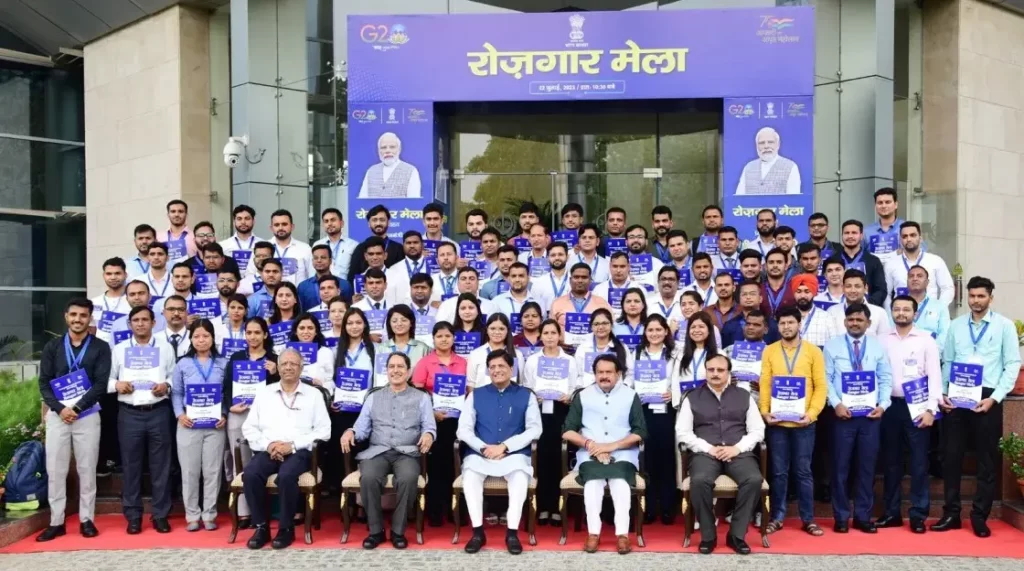
In a virtual ceremony scheduled for November 30, 2023 at 4 PM, Prime Minister Shri Narendra Modi is expected to hand over more than 51,000 appointment letters to recently hired individuals. In keeping with the government’s pledge to give employment creation top priority, the distribution will take place in 37 locations across the country as part of the Rozgar Mela initiative. Supporting the initiative are recruitments from a number of State Governments/UTs and Central Government Departments. The newly chosen recruits will work in a variety of ministries, including the Ministry of Labor & Employment, Ministry of Health & Family Welfare, Ministry of Revenue, Ministry of Home Affairs, Department of Higher Education, Department of School Education and Literacy, Department of Financial Services, and the Ministry of Defence. In keeping with the Prime Minister’s goal of giving jobs top priority, the Rozgar Mela seeks to serve as a catalyst for job creation. It is anticipated that this initiative will give young people meaningful jobs, enabling them to take an active role in the development of their country. The appointed individuals are encouraged to contribute with creative ideas in addition to being valued for their role-related competencies. Their engagement is regarded as essential to bolstering the country’s industrial, economic, and social development, in line with the broader goal of an advanced India. The new hires will have the chance to complete training via Karmayogi Prarambh, an online course accessible through the iGOT Karmayogi portal, as part of their onboarding process. More than 800 e-learning courses are available on this platform, enabling flexible and accessible learning formats. This program demonstrates the government’s dedication to developing a workforce that is knowledgeable and capable of making a significant impact on the advancement and development of the country.

Prime Minister Narendra Modi Distributes 51,000 Appointment Letters in Rozgar Mela Read More »

ArdorComm’s ‘New Normal – Education Leadership Summit & Awards 2023’ held on 24th Nov in Pune, Shines Spotlight on Maharashtra’s Educational Excellence

ArdorComm Media Group successfully hosted the ‘New Normal – Education Leadership Summit & Awards 2023’ on 24th November at Pune, Maharashtra. The event brought together visionaries, educators, and innovators to explore and celebrate the transformative strides in education amid the challenges and opportunities of the ‘new normal.’ The summit, themed ‘New Normal: Maharashtra – Pioneering Excellence in Education, Skilling & Employability,’ served as a platform for intellectual discourse and visionary insights into the future of education. As the landscape of education continues to evolve dynamically, the summit aimed to recognize and applaud the pioneers of educational excellence who are shaping the skills and employability of individuals. Maharashtra, with its rich legacy of educational brilliance, stood tall as the focal point of inspiration for the event. The summit celebrated the state’s educators, institutions, and innovators for spearheading initiatives that set new standards in education, skill development, and the ultimate goal of equipping the workforce of the future. New Normal – ELSA Maharashtra was the Nineth successful summit of the ArdorComm ‘New Normal’ ELSA series. The attendees were treated to a series of engaging discussions, insightful presentations, and thought-provoking panels, exploring various facets of the ‘new normal’ in education. Esteemed speakers shared their expertise on navigating the challenges posed by the evolving educational landscape, with a focus on how Maharashtra continues to lead the way. The highlight of the event was the ‘ArdorComm Education Leadership Awards’ where outstanding individuals and institutions were recognized for their exemplary contributions to education, skill development, and employability. The awards underscored the commitment of these pioneers to innovation, excellence, and the overall betterment of the education sector. ArdorComm Education Leadership Awards were in the categories of Higher Education, School Education, Start-ups & EdTech. Kumar Chandan Anand, Founder, CEO & Group Editor of ArdorComm Media Group, expressed his enthusiasm about the success of the summit, stating, “The ‘New Normal – Education Leadership Summit & Awards 2023’ was a resounding success, bringing together the brightest minds in education to celebrate and explore the transformative journey we are on. Maharashtra, with its rich educational legacy, was rightfully at the forefront, showcasing how it pioneers excellence in education, skill development, and employability.” The Presenting Partner of the event was LinkedIn, EdTech Partner was Anthology, Admission Automation Partner was ExtraaEdge. The Associate Partners of the summit were DigitalEd, I Math and Zollege. The School Partner  was Kalorex and International School Partner was Go School. The Special Guests of the summit were Dr. D. V. Jadhav, Joint Director, Technical Education, Regional Office, Pune, Govt. of Maharashtra; Dr. Manjula Pooja, MD & CEO, Kalorex Group; Dr. Pranati Tilak, Trustee, Chairman- Executive Council, TMV & Chairman, Tilak Maharashtra Vidyalaya; Chetan Wakalkar, Educationist, Academic Advisor – Indira Institutes, Co Founder, Unicircle and SmartXR and Anup Menon, Regional Head (West)– Academics & Government business, LinkedIn. The Eminent Panel Speakers of the Summit were, Dr. Amit Oak, COO of Vidyalankar Institute of Technology; Prof. (Dr.) Milind Pande, Pro Vice-Chancellor of Dr. Vishwanath Karad MIT World Peace University; Dr. Ganesh Rao, Director of Pune Business School; Dr. Shilpa Jejurkar, Principal of MIT Vishwashanti Gurukul Schools; Dr. Nirmala Kumaraswamy, Director of D.Y. Patil Institute of Computer Applications & Management; Rekha Puttamadegowda, Principal of Orchids The International School; Anantha Krishnan B., CEO of Operations at Kalorex Group; Dr. Pranati Tilak, Trustee and Chairman of the Executive Council at TMV & Chairman at Tilak Maharashtra Vidyalaya; Sudhir Kukreja, Co Founder of Credence International Schools; Dr. Harshita Sharma, Founder Director of Brainstorm International; Prof Dr. Raj Salunke, President of Sharada Group of Education; Sudhakar Joshi, Head – Marketing and Client Servicing at Chrysaalis I-Math India Pvt Ltd; Dr. Jaywant V. Shelar, Vice Chancellor of ITM Skills University; Prof. (Dr.) G.K. Shirude, Vice Chancellor of Sri Balaji University; Prof. (Dr.) Yuvraj Lahoti, Controller of Examinations and Evaluations at Vishwakarma University; Prof. Hrridaysh Deshpande, Vice Chancellor of Ajeenkya DY Patil University; Dr. Rajnikant Rajhans, Dean, R&D at NICMAR University; Ashutosh Phatak, Pro Vice Chancellor – Institutional Impact at Vijaybhoomi University; Dr. Sandeep Bhardwaj, Dean Academics at Vivekanand Education Society’s Business School; Anup Menon, Regional Head (West)-Academics & Government Business at LinkedIn; Vivek Iyer, Regional Vice President – India at Anthology; Dr. Sayalee Gankar, Vice Chancellor of D Y Patil University, Ambi; Prof. (Dr.) Rajendra Sinha, Vice Chancellor of Sandip University; Prof. S.K. Joshi, Director of P.K. Technical Campus, Chakan; Dr. C.M. Sedani, Dean of Indira College of Engg. & Design (ICEM); Tanpreet Makkad, Co-founder of Zollege.in; Prof. (Dr.) Sunita M. Karad, Director ICT at MIT Art Design and Technology University; Dr. Prasad D Khandekar, Founding Vice Chancellor of DES Pune University; Alok Baptist, Director – Outreach & Admissions at ATLAS SkillTech University; Avijit Nair, CEO of Akemi Group of Institutes; Prof. (Dr.) K. Prathapan, Vice Chancellor of D. Y. Patil Agriculture and Technical University, Talsande. The summit had a Book Launch session of Dr. Manjula Pooja Shroff, MD and CEO, Kalorex Group, and a Fireside Chat with Anantha Krishnan B.  CEO, Operations, Kalorex Group. The Industry Speech were shared by Vivek Iyer, Regional Vice President – India, Anthology; Anup Menon, Regional Head (West)– Academics & Government business, LinkedIn; Ujjwal Kandhari, Dy Manager -Technology, DigitalEd India; Jayant Karambelkar, AVP Growth, ExtraaEdge. Key Discussion Points of ‘New Normal – Education Leadership Summit & Awards 2023’ #ELSAPune #ELSAMaharashtra NEP 2023 Implementation & Funding: Paving the way for Transformational Reforms & Reshaping K-12 and HE Framework. Mental Health & Well-being in Education. Research-based Learning, Skill Development & Multidisciplinary Approach: A Robust Eco-system in HEIs. Global Education and Cultural Exchange through Mobilizing Technology. Changing Trends in Higher Education Enrollment Space with the Advent of New Age Technology Key Highlights of ‘New Normal – Education Leadership Summit & Awards 2023’ #ELSAPune #ELSAMaharashtra Day: 1 Sessions: 6+ Speakers: 50+ Schools: 50+ Government Dignitaries: 10+ Higher Education: 100+ Edtech Startups: 15+ Corporate: 15+ The ‘ArdorComm New Normal – Education Leadership Summit & Awards 2023’ held in Pune, Maharashtra on the 24th November, 2023, served as a pivotal knowledge-sharing platform for the passionate members of the education community.

ArdorComm’s ‘New Normal – Education Leadership Summit & Awards 2023’ held on 24th Nov in Pune, Shines Spotlight on Maharashtra’s Educational Excellence Read More »

Anticipating a Legal Turnaround: Tamil Nadu Government Re-adopts Bills Amidst Supreme Court Ruling

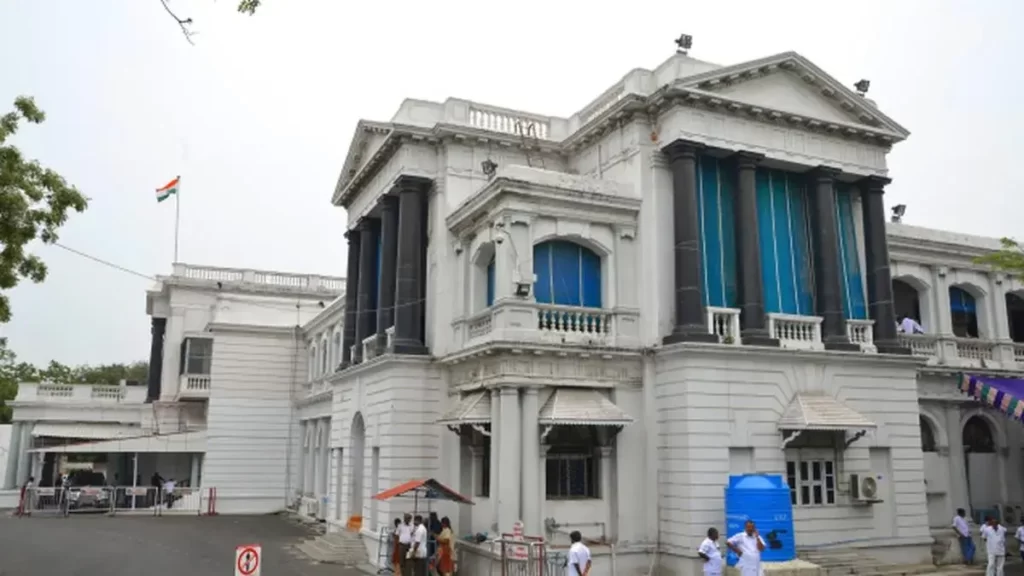
In a special session held on November 18, the Tamil Nadu Assembly re-adopted ten bills that had been held up by Governor R N Ravi. The bills, which primarily addressed the Chief Minister’s appointment as chancellor of state universities in lieu of the governor, had been sitting in the governor’s office for more than two years. With the recent Supreme Court decision in a case filed by the Punjab government against Governor Banwarilal Purohit, the legal squabble over these bills took an interesting turn. On Saturday, Tamil Nadu Law Minister S Regupathy expressed optimism about the re-adopted bills, anticipating positive news from Raj Bhavan. The Supreme Court’s decision in the Punjab case clarified that governors cannot withhold bills indefinitely without taking action, emphasizing that the constitutional powers of the unelected Head of State should not obstruct the regular legislative process. The court, led by Chief Justice of India DY Chandrachud, argued that granting governors unrestricted power would undermine the functioning of elected legislatures, contradicting the fundamental principles of a constitutional democracy based on a parliamentary pattern of governance. Governor R N Ravi’s unexpected departure for New Delhi on the same day added to the mystery, with Raj Bhavan officials remaining tight-lipped about the reason for his visit. A recent report submitted to the Supreme Court by the Attorney General revealed the total number of bills pending with the governor’s office. Since January 2020, the governor has approved 152 bills, reserving nine for the President’s consideration, and withholding assent for ten. This development is taking place against the backdrop of a broader debate in India about the balance of powers and the proper functioning of constitutional mechanisms.

Anticipating a Legal Turnaround: Tamil Nadu Government Re-adopts Bills Amidst Supreme Court Ruling Read More »

BMC Unveils ₹1,500 Crore ‘Healthcare at Doorstep’ Initiative: Digital Health Mission to Transform Medical Services in Maharashtra

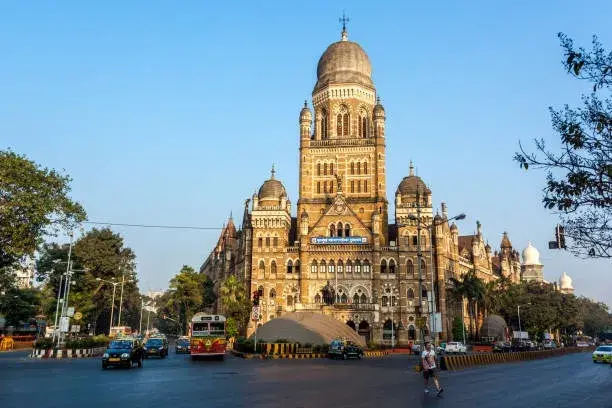
The Brihanmumbai Municipal Corporation (BMC) in Maharashtra is planning to launch a groundbreaking healthcare initiative with a 1,500 crore budget. The ‘Chief Minister Health at Doorstep Scheme,’ which aims to reduce out-of-pocket healthcare costs, is expected to provide a wide range of medical services directly to residents. Sudhakar Shinde, BMC Additional Municipal Commissioner, announced the initiative at the CII Hospital Tech summit, emphasizing the importance of diagnostics for people over the age of 60. The scheme will include services such as doorstep delivery of over 4,500 drug-consumable items, as well as blood sample collection. BMC’s commitment to healthcare is reflected in its allocation of 15% of its budget to the sector, which is higher than the percentage allocated by most states in the country. Shinde urged industry to help with the initiative by providing skilled medical professionals, IT support, and innovative solutions. Collaboration with the private sector is critical to the program’s success in providing quality healthcare to Mumbai residents. N Nawin Sona, Principal Secretary of the Maharashtra Government’s Public Health Department, emphasized the importance of technology adoption in order to reduce healthcare costs. He outlined the government’s plan to improve healthcare access, accountability, and affordability. Sona also emphasized the importance of health data alignment between the public and private sectors, as well as the establishment of a health registry. The Maharashtra Government is actively pursuing the Digital Health Mission in line with its commitment to technological advancements in healthcare. The government intends to work with the private sector to carry out this mission, emphasizing the importance of public-private partnerships in transforming healthcare delivery. The initiative is a forward-thinking approach that leverages technology to improve healthcare services and make them more convenient and affordable for Maharashtra residents.

BMC Unveils ₹1,500 Crore ‘Healthcare at Doorstep’ Initiative: Digital Health Mission to Transform Medical Services in Maharashtra Read More »

Taiwan Pursues Employment Agreement with India Amidst Controversy

Taiwan’s efforts to establish an employment mobility agreement with India have sparked debate and increased regional geopolitical tensions. The draft memorandum of understanding, which was initiated in September, aims to facilitate the employment of thousands of Indian workers in Taiwan’s various sectors. Although Taiwanese authorities have deemed the official figure of 100,000 workers to be inaccurate, the deal is nearing completion. This agreement is significant not only for economic cooperation, but also for its potential to improve bilateral relations between Taiwan and India. Although the two countries do not have formal diplomatic relations, they have established representative offices in each other’s capitals since 1995. The volume of trade between them has increased significantly, reaching USD 8.9 billion in 2021 from USD 2 billion in 2006 However, the impending agreement has sparked a backlash on multiple fronts. China, which fiercely opposes Taiwan’s sovereignty, sees India’s growing ties with the island nation as a threat. Concerns in Taiwan about potential job losses for Indian workers have added fuel to the fire, despite hopes for improved bilateral relations. The aging population and the need for diverse labor in sectors such as agriculture and industry are driving Taiwan’s pursuit of foreign workers, including those from India. The drop in the local labor force caused by the pandemic has exacerbated this need. For India, the agreement provides an opportunity to provide lucrative employment opportunities abroad to its sizable workforce. The announcement of the pact, however, has sparked online racist campaigns against Indians, which the Taiwanese government attributes to China’s concerted efforts to tarnish Taiwan’s image and strain relations with India. The geopolitical implications of the agreement are significant, particularly in light of China’s claims over Taiwan. Beijing regards Taiwan as part of its territory and opposes any diplomatic moves that would strengthen Taiwan’s sovereignty. India’s participation in a significant economic agreement with Taiwan is likely to aggravate China’s discontent in the region.

Taiwan Pursues Employment Agreement with India Amidst Controversy Read More »