ArdorComm Media Group

Monday, February 16, 2026 4:25 PM

Author name: admin

Thyrocare rolls out GLP-1 Health Check packages to support safe use of weight-loss and diabetes drugs

Thyrocare Technologies Ltd. has introduced a new set of diagnostic packages called the GLP-1 Health Check, designed to help individuals using GLP-1–based medications for weight management and type 2 diabetes track their overall health. The nationwide offering includes up to 81 tests, starting at ₹2,799, aimed at monitoring key metabolic, nutritional, liver, kidney and thyroid markers both before beginning GLP-1 therapy and during ongoing treatment. GLP-1 agonists—drugs that replicate the action of the hormone glucagon-like peptide-1—have rapidly grown in demand for obesity and diabetes management. With their rising use, doctors have stressed the need for continuous health monitoring to ensure treatment efficacy and early detection of adverse reactions. According to Thyrocare, the panels were developed with guidance from leading clinicians to help users establish baseline health data, identify possible nutrient deficiencies and track metabolic changes. The test menu includes lipid profile, fasting glucose, fasting insulin, HOMA-IR, liver and kidney function tests, and cardiac risk markers. Kidney assessments have been emphasized as GLP-1 medicines may cause dehydration or electrolyte disturbances. Since these therapies can suppress appetite and contribute to vitamin deficiencies, the packages also check vitamin D, vitamin B12 and hemoglobin levels. Tests for amylase and lipase help screen for pancreatitis, while thyroid markers (T3, T4, TSH) monitor potential therapy-related hormonal shifts. Thyrocare said that offering all these tests in one bundle simplifies comprehensive monitoring for people on GLP-1 medications. Rahul Guha, managing director and CEO of Thyrocare, said the growing adoption of GLP-1 drugs in India calls for reliable diagnostic support. “These therapies are powerful and effective when used responsibly, and consistent monitoring ensures better outcomes,” he noted. Endocrinologist Dr. Shehla Shaikh added that structured medical oversight is crucial for safe weight-management treatment. Comprehensive testing, she said, helps safeguard nutritional balance, organ function and long-term safety. The GLP-1 Health Check packages can be booked through Thyrocare, PharmEasy, and partner platforms, aligning with Thyrocare’s broader push toward preventive and precision healthcare for metabolic and lifestyle-related conditions. Source: Economic Times

Thyrocare rolls out GLP-1 Health Check packages to support safe use of weight-loss and diabetes drugs Read More »

Reliance Power forms new Board of Management to boost governance, sharpen oversight

Reliance Power Ltd., part of the Anil Ambani-led Reliance Group, has approved the creation of a Board of Management (BOM) to strengthen governance standards and enhance strategic oversight across the organisation. The new structure, cleared by the board on November 19, will include the company’s CEO, key managerial personnel, and senior business leaders. The company said the move reflects its push toward a more agile, future-ready operating model, aligned with global best practices in corporate governance and long-term value creation for stakeholders. During the meeting, the board also reviewed growth developments at its subsidiary Reliance NU Energies, which has emerged as a leading player in the solar-plus-BESS (Battery Energy Storage Systems) segment. The subsidiary has secured up to 4 GW of solar capacity and 6.5 GW of BESS capacity through competitive bids, positioning it as a major force in India’s clean energy transition. Reliance Power said the formation of the BOM, along with its expanding renewable energy footprint, underscores its strategy to build a strong foundation for sustainable and forward-looking growth. Source: The Hindu

Reliance Power forms new Board of Management to boost governance, sharpen oversight Read More »

PM Modi Releases 21st PM-KISAN Instalment, ₹18,000 Crore Disbursed to Farmers Nationwide

Prime Minister Narendra Modi on Wednesday disbursed the 21st instalment of the Pradhan Mantri Kisan Samman Nidhi (PM-KISAN) scheme during an event in Coimbatore, Tamil Nadu. With this release, ₹18,000 crore has been transferred directly to the bank accounts of nearly 9 crore farmers across India through the Direct Benefit Transfer (DBT) system. Launched on February 24, 2019, PM-KISAN provides ₹6,000 per year to every eligible landholding farmer family, delivered in three instalments of ₹2,000 each. The funds reach beneficiaries through Aadhaar-linked bank accounts, making it one of the largest DBT programmes globally. To date, over ₹3.70 lakh crore has been distributed to more than 11 crore farmer families, with women farmers making up over 25% of the beneficiaries. A robust digital ecosystem underpins the scheme, enabling strong transparency measures. Aadhaar-based e-KYC, digital verification of land records and the dedicated PM-KISAN portal ensure reliable beneficiary authentication. Farmers can self-register online, while payments are seamlessly processed via the Public Financial Management System (PFMS). Technological upgrades continue to make the scheme more accessible. The PM-KISAN mobile app, revamped in 2023 with face authentication, allows farmers to complete e-KYC remotely and track payments. The bilingual Kisan-eMitra AI chatbot, available in 11 regional languages, has helped resolve over 95 lakh farmer queries on eligibility, registration and payment issues. The Centre has also expanded beneficiary coverage through saturation drives. During the Viksit Bharat Sankalp Yatra in 2023, over one crore new eligible farmers were added. Another 25 lakh farmers were onboarded in the first 100 days of the new government in mid-2024. Uttar Pradesh recorded the highest number of beneficiaries in the 20th instalment, followed by Maharashtra. For India’s small and marginal farmers — over 85% of the farming population — PM-KISAN provides critical financial support, especially during sowing and harvesting seasons when inputs and labour costs rise. The scheme has also reduced dependence on informal moneylenders and increased financial stability during challenging times. Implementation is closely monitored by both Central and State governments. Beneficiary lists are displayed at the village level to ensure transparency and allow eligible farmers who were excluded to apply. States and Union Territories are required to recover funds paid to ineligible individuals — as of August 2025, ₹416 crore has been reclaimed. To improve delivery of welfare schemes further, the Ministry of Agriculture is developing a National Farmer Registry, which aims to create a unified digital database. This will help farmers access government benefits more easily without repeatedly submitting documentation. Source: DD News

PM Modi Releases 21st PM-KISAN Instalment, ₹18,000 Crore Disbursed to Farmers Nationwide Read More »

ICC Unveils Full Schedule for U19 Men’s Cricket World Cup 2026

The International Cricket Council (ICC) has released the complete fixture list for the ICC U19 Men’s Cricket World Cup 2026, which will be jointly hosted by Zimbabwe and Namibia from January 15 to February 6, 2026. The event will feature 16 teams competing in 41 matches, culminating in the final at the Harare Sports Club on February 6. The tournament will open with three exciting clashes: India vs USA, Zimbabwe vs Scotland, and a landmark moment as Tanzania makes its maiden U19 World Cup appearance against the West Indies. Matches will be staged across five venues — Harare Sports Club, Takashinga Sports Club, Queens Sports Club (Zimbabwe), and Namibia Cricket Ground along with HP Oval (Namibia). Adopting the familiar structure, the competition will begin with four groups of four teams, progressing to the Super Six, followed by the semi-finals and the title match. Reigning champions Australia will commence their title defence against Ireland on January 16 in Windhoek. A highly anticipated face-off between traditional rivals India and Bangladesh is scheduled for January 17 in Bulawayo. Automatic qualification was granted to ten teams based on their 2024 World Cup showing, while hosts Zimbabwe and five regional qualifiers completed the lineup — a strong reflection of cricket’s expanding global footprint. Teams are expected to arrive on January 8, with warm-up games set between January 9 and 14. Group allocations are as follows: Group A: India, Bangladesh, USA, New Zealand Group B: Zimbabwe, Pakistan, England, Scotland Group C: Australia, Ireland, Japan, Sri Lanka Group D: Tanzania, West Indies, Afghanistan, South Africa Sharing his enthusiasm for the upcoming edition, ICC Chairman Jay Shah highlighted the tournament’s legacy in nurturing cricket’s biggest names — from Brian Lara and Sanath Jayasuriya to Virat Kohli, Kane Williamson, Steve Smith, and Shubman Gill. He noted that the 2026 tournament promises to provide young talents with a platform that mirrors the pressures of top-tier international cricket. Shah also celebrated Tanzania’s debut, calling it a sign of the sport’s increasing global reach, and extended his best wishes to all participating teams. Key schedule highlights include: January 15: USA vs India (Bulawayo), Zimbabwe vs Scotland (Harare), Tanzania vs West Indies (Windhoek) January 16: Pakistan vs England (Harare), Australia vs Ireland (Windhoek), Afghanistan vs South Africa (Windhoek) January 17: India vs Bangladesh (Bulawayo), Japan vs Sri Lanka (Windhoek) February 6: Final (Harare Sports Club) The complete schedule spans from January 15 to February 6, featuring the group stage, Super Six matches, semi-finals, and the championship finale. Source: IANS

ICC Unveils Full Schedule for U19 Men’s Cricket World Cup 2026 Read More »

IIT-Madras researchers uncover physiological markers that can predict and manage test anxiety among students

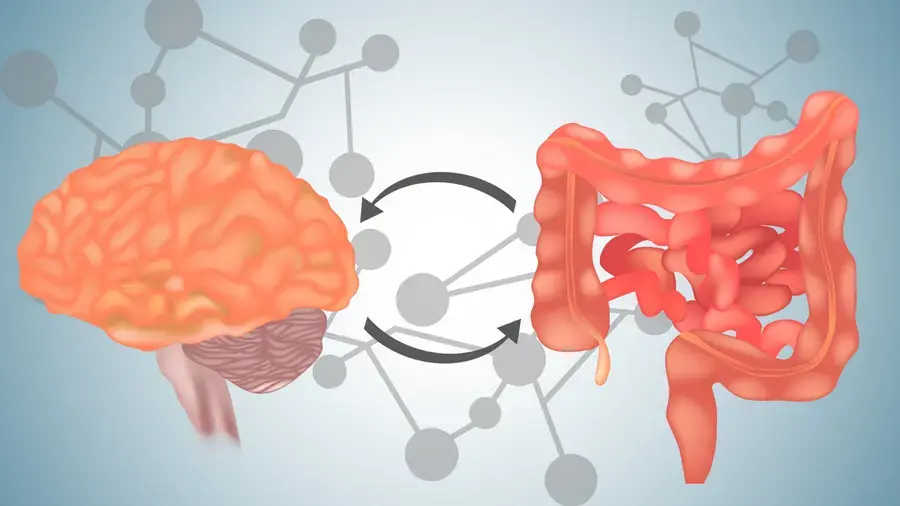
Researchers at the Indian Institute of Technology (IIT) Madras have identified key physiological signals that can help detect students who are most prone to test anxiety, potentially transforming how educational institutions understand and address academic stress. The findings, published in the international peer-reviewed journal Behavioural Brain Research, explore the interaction between the brain and heart in students facing exam-related anxiety. This scientific approach offers early detection possibilities and paves the way for personalized coping strategies. According to NCERT (2022), nearly 81% of Indian students experience some level of test anxiety, which can adversely affect academic outcomes and long-term mental well-being. Led by Venkatesh Balasubramanian from the Department of Engineering Design, the IIT-Madras team emphasized the value of using objective physiological data rather than relying solely on students’ self-reported feelings. Their research shows that a disruption in the brain-heart communication network during stressful situations can make certain students more vulnerable to anxiety and avoidance behaviours, highlighting a biological difference between healthy and unhealthy responses to exam pressure. The study identifies two critical markers: Frontal Alpha Asymmetry (FAA): a brain-based indicator linked to emotional control Heart Rate Variability (HRV): a measure of how effectively the heart adjusts to stress Researchers found that students exhibiting a negative FAA pattern showed weaker heart regulation under pressure, suggesting a biological predisposition to heightened anxiety. This deeper understanding reframes academic stress as a condition rooted not only in psychology but also in measurable physiological interactions. According to Swathy Parameswaran, Research Scholar at IIT Madras, these insights could lead to practical tools powered by artificial intelligence. Such tools may enable real-time, non-invasive monitoring systems capable of alerting educators and mental health professionals before visible symptoms arise. The research also supports the creation of personalized stress management strategies that can be integrated into school and university wellness programs. Though based on a preliminary sample of 52 participants, the study marks a promising advancement in combining neuroscience with educational psychology. The team plans to expand the research with larger, more diverse groups and explore additional factors like sleep quality and physical activity. Upcoming phases will also include advanced methods such as EEG-based connectivity mapping to further unravel heart-brain dynamics during stress. Source: PTI

IIT-Madras researchers uncover physiological markers that can predict and manage test anxiety among students Read More »

Government raises print media advertisement rates by 26%

The government on Monday announced a 26% hike in advertisement rates for print media, a move expected to bring notable benefits to both the media sector and government communication efforts, according to the Ministry of Information and Broadcasting. Under the revised structure, the black-and-white advertisement rate for daily newspapers with a circulation of 1 lakh copies has increased from ₹47.40 to ₹59.68 per sq cm. The government has also accepted the Rate Structure Committee’s (RSC) recommendations on premium charges for colour ads and preferential ad placements. The Central Bureau of Communication (CBC) last updated its print advertisement rates in January 2019 based on the eighth RSC’s recommendations, which were valid for three years. The ninth RSC, formed on November 11, 2021, was tasked with reviewing and proposing new rates—leading to the latest upward revision. Source: PTI

Government raises print media advertisement rates by 26% Read More »

AI Tool Boosts India’s Disease Surveillance, Generates Over 5,000 Alerts: Study

An artificial intelligence–powered surveillance system deployed by the National Centre for Disease Control (NCDC) has significantly strengthened India’s ability to track infectious disease outbreaks, generating more than 5,000 real-time alerts for health authorities since 2022, according to a new pre-print study. Developed by WadhwaniAI, the Health Sentinel platform has automated the labor-intensive task of scanning news reports for unusual health events. The system reportedly reduced manual workload by 98%, enabling faster outbreak detection and quicker public health action. The findings are currently under review and not yet peer-reviewed. Under India’s Integrated Disease Surveillance Programme (IDSP), media scanning and verification has long relied on manual review of print, television and online news. Health Sentinel upgrades this process by screening articles daily across 13 languages, applying AI models to highlight potential threats that are later reviewed by epidemiologists. According to the study, the platform has processed over 300 million news articles since April 2022, identifying 95,000+ unique health-related events, of which around 3,500 were shortlisted by NCDC experts as possible outbreaks. Researchers also estimate that the AI-enabled system triggered more than 5,000 actionable alerts between April 2022 and April 2025. Parag Govil, National Program Lead for Global Health Security at WadhwaniAI, said the tool preserves human oversight while eliminating the time-consuming manual scanning traditionally required. Epidemiologists validate flagged events before disseminating them to state and district authorities. The research team noted a 150% surge in published health events captured since adopting AI-assisted surveillance, compared to earlier years of fully manual analysis. In 2024 alone, 96% of reported events were identified through the AI system, with only 4% coming from manual review. Globally, event-based surveillance techniques that incorporate online media or social media sources are increasingly used to complement traditional “passive reporting” from healthcare providers. The volume of daily online content, however, has made manual screening impractical, making automated systems essential. The article also references other Indian studies highlighting the value of enhanced surveillance. A pilot conducted in six private hospitals in Kasaragod, Kerala, used an algorithm to analyse cases of acute febrile illness (AFI). The system detected 88 clusters, with several verified as outbreaks—including dengue and COVID-19—demonstrating the benefits of early, data-driven detection. International research supports similar conclusions. A 2020 review in the Journal of Biomedical Informatics found that machine learning–based analysis of social media posts, especially on Twitter, improved disease trend prediction. Another study, published in 2017 in the American Journal of Tropical Medicine and Hygiene, showed that mining news articles can help fill gaps when official national case data is delayed. Overall, the findings underscore the growing importance of AI-driven surveillance systems in strengthening public health response capabilities and improving global health security. Source: PTI

AI Tool Boosts India’s Disease Surveillance, Generates Over 5,000 Alerts: Study Read More »

Reliance HR Head Ira Bindra Named Among World’s Top CHROs

Ira Bindra, the Human Resources chief at Reliance Industries Ltd, has been recognised among the world’s top Chief Human Resources Officers (CHROs), making Reliance the only Indian company featured in the 2025 Leaders40 Top CHROs list announced by global leadership advisory firm N2Growth. The annual ranking highlights distinguished HR leaders from some of the world’s most influential organisations. This year’s list features prominent names including Lisa Buckingham (Vialto Partners), Matthew Breitfelder (Apollo Global Management), Robin Leopold (JPMorgan Chase), Christy Pambianchi (Caterpillar Inc.), Trisha Conley (LyondellBasell), Maral Kazanjian (Moody’s), and Donna Morris (Walmart). Bindra is not only the sole representative from India but also the first Indian woman executive from an Indian organisation to secure a position on the list. She has been placed 28th globally. According to her citation, Bindra is recognised as a global HR and business transformation leader with over 20 years of experience driving innovation, organisational growth, and cultural transformation across Fortune 100 companies and high-growth enterprises. Her career spans multiple industries and geographies, where she has led integrated people strategies focused on performance and long-term transformation. As President – People & Talent at Reliance Industries, one of India’s largest private-sector companies and a Fortune Global 500 organisation (ranked #88), she works closely with the Chairman, Executive Committee, and senior leadership to define and advance the company’s culture and workforce agenda. She currently oversees talent and culture transformation efforts for over 3.6 lakh employees across Reliance’s diverse businesses, including energy, retail, telecom, media, and emerging green technologies. Before joining Reliance, Bindra held senior HR roles at Medtronic, the world’s largest medical device manufacturer, and spent 19 years at General Electric (GE) in strategic HR positions across various business units and global markets. She holds an MBA from the Maastricht School of Management in the Netherlands and a BA (Hons.) in History from Lady Shri Ram College, Delhi University. The Top CHRO list, first launched on Forbes in 2015 by N2Growth founder Mike Myatt, evolved into the Leaders40 Award in partnership with the Stanford Graduate School of Business in 2020. It is now considered one of the most prestigious recognitions in the HR profession. Tony Morales, Co-Chairman of N2Growth and head of the Leaders40 Selection Committee, noted that the role of CHROs has significantly evolved over the past decade. Today’s HR leaders act as strategic partners to CEOs and boards, influencing culture, performance, and enterprise-wide transformation. The Leaders40 Committee reviews thousands of nominations, conducts extensive interviews, and selects the top 40 CHROs who exemplify excellence in human capital leadership. Source: PTI  

Reliance HR Head Ira Bindra Named Among World’s Top CHROs Read More »

Sony Pictures Begins Development on Film Based on Popular Labubu Doll Brand

Sony Pictures has secured the screen rights to the widely popular Chinese collectible doll brand Labubu, with a feature film now in early development, according to The Hollywood Reporter. The project is in its initial stages, with no producer or director attached yet, and it remains unclear whether the movie will be live-action or animated. Labubu was created in 2015 by Hong Kong–born, Europe-based artist Kasing Lung. The brand features a lineup of quirky monster characters, including the main figure Labubu, along with leader Zimomo, companion Mokoko, and boyfriend Tycoco. The global Labubu craze took off in 2019 when Pop Mart introduced the dolls as “blind box” collectibles. Their popularity skyrocketed in April 2024 after BLACKPINK star Lisa was spotted carrying a Labubu keychain, sparking massive social media buzz. Pop Mart reportedly saw a 350% surge in profits earlier this year due to the trend’s explosive growth. Hollywood has enjoyed notable success in adapting toys into films, from The Lego Movie to the blockbuster live-action Barbie. In a similar move, Sony and Mattel Films also announced development on a View-Master feature this week. Source: PTI

Sony Pictures Begins Development on Film Based on Popular Labubu Doll Brand Read More »

MoE Distributes 75 Refurbished Computers to Baghpat Schools Under Vidyanjali Initiative

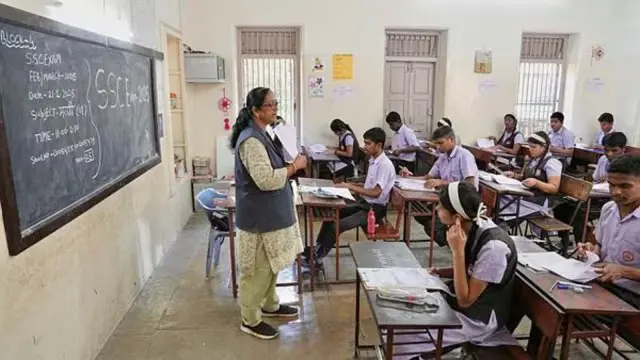
The Ministry of Education has provided 75 high-quality refurbished computers to 15 government schools in Uttar Pradesh’s Baghpat district under the Vidyanjali initiative, officials announced on Saturday. The computers were supplied by the National Informatics Centre Services (NICSI) to boost digital learning infrastructure in the region. Minister of State for Education Jayant Chaudhary stated that the Vidyanjali portal has onboarded over 8.33 lakh schools, more than 5.55 lakh individual volunteers, and upwards of 2,300 CSR and NGO partners. “The programme has already benefited nearly 1.8 crore students across India through wide-ranging volunteer and CSR participation,” he said. Led by the Department of School Education, Vidyanjali aligns with the National Education Policy (NEP) 2020 and focuses on strengthening Jan Bhagidari by encouraging community and organisational support for government schools. Under its CSR module, districts submit proposals in priority areas such as digital infrastructure, sports, health, and environmental improvement. NICSI registered under the initiative and adopted the project ‘Digital Infrastructure Development in Schools’ for Baghpat district. The organisation’s contribution will provide refurbished computers to schools across Pilana, Khekra, Chhaprauli, Binoly, Baraut, and Baghpat blocks. The initiative aims to enhance digital access, support e-learning, and enable teachers and students to seamlessly integrate technology into classroom teaching—furthering the goals of Digital India and NEP 2020 in the district. Source: PTI

MoE Distributes 75 Refurbished Computers to Baghpat Schools Under Vidyanjali Initiative Read More »