ArdorComm Media Group

Thursday, February 26, 2026 2:45 PM

Author name: admin

‘New India in the 21st Century’ launched in USA: World Leaders and Nobel Peace Prize Laureates launch Dr Shishir Srivastava’s latest book

‘New India in the 21st Century: 21 Visions for a Developed India by 2050’ written by Dr Shishir Srivastava was launched on 13th Oct 2023 at Hotel Le Meridien, Pasadena Arcadia by HE Anthony Carmona, former President of Trinidad and Tobago, HE Pakalitha B. Mosisili, former Prime Minister of Lesotho along with Nobel peace prize laureates Abdessatar Benmoussa and Jerry White. The author was invited to address the World Leader Summit of Love and Peace here in Los Angeles, USA. In ‘New India in the 21st Century: 21 Visions for a Developed India by 2050’, Dr Shishir Srivastava has outlined a roadmap for India’s transformation into a developed nation by 2050. He emphasizes leveraging India’s cultural heritage and its youthful population across 21 critical areas. The book explores India’s recent achievements and suggests using economic reforms, IT capabilities, infrastructure development and education to fuel sustainable growth. Each chapter follows a three-fold approach: reviewing past accomplishments, providing a comprehensive plan for progress, and presenting an optimistic vision for India in 2050. The book has been appreciated by Shri Narendra Modi, Shri Rajnath Singh, Shri Piyush Goel, Gurudev Sri Sri Ravi Shankar, Dr MS Swaminathan, Dr Vikram Singh, Ms Saina Nehwal and Dr Jagdish Gandhi. Dr. Shishir Srivastava is a respected figure in international relations and motivational speaking with over 23 years of experience and is Head, International Relations at City Montessori School, Lucknow, India. He is also an accomplished author, with notable works including ‘The Eight Powers within You’ and ‘Utho Yuva,’ the latter of which earned praise from Prime Minister Shri Narendra Modi. For more information and to obtain a copy of ‘New India in the 21st Century: 21 Visions for a Developed India by 2050,’ visit https://www.amazon.in/New-India-21st-Century-Developed/dp/B0CH8NCTL7 To learn more about the author, Dr. Shishir Srivastava,  please visit his website at www.drshishir.in.

‘New India in the 21st Century’ launched in USA: World Leaders and Nobel Peace Prize Laureates launch Dr Shishir Srivastava’s latest book Read More »

Dr. C. Manohar, Senior Director, ISBR; Chairman – BMA Industry Academia Partnership Initiative, Emphasizes on New Normal Karnataka

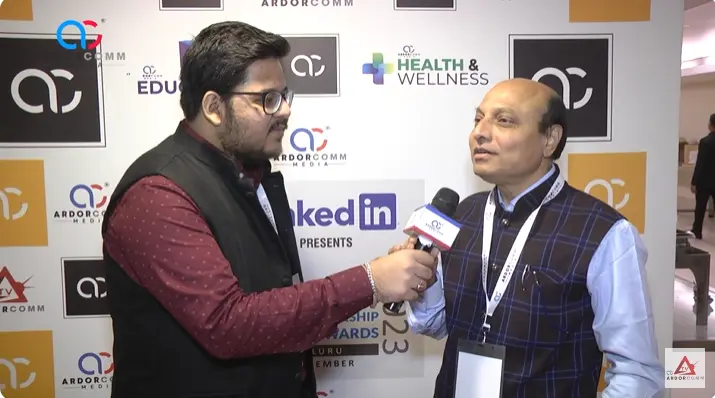
“Today the learning space is huge at the same time learning potential is also very high so to match this we have to bring the right kind of content, methodology and the technology adoption,” says Dr. C. Manohar, Senior Director, ISBR; Chairman – BMA Industry Academia Partnership Initiative, in an interview with Pratik Ghosh, Content Writer, ArdorComm Media at the ‘New Normal – Education Leadership Summit & Awards 2023’ #ELSABengaluru #ELSAKarnataka How are you feeling to witness the New Normal Education Leadership Summit and Awards in Bengaluru? The summit is very good, very well, I would say. The architecture by design and the structure in terms of content, the choice of speakers is very comprehensive. It covers everything from preschool to higher education. The design of the event is excellent. The theme of the event is “New Normal Karnataka.” What’s your take on this? It’s a timely theme. The new normal in Karnataka is not significantly different from the national new normal, except for some policy differences due to political orientations. We hope that what emerges from the state education policy will be positive. Cooperation among all stakeholders is crucial. This includes policy makers, infrastructure providers, educators, students, parents, and even the corporate sector. Technology providers, especially in the EdTech space, play a significant role. We are still evolving in the EdTech sector, and the market needs are changing. Capability building is essential for educators to meet these evolving needs. I would say we are still in the possibly higher space of evolution now the covid gave us a chance to experiment explore and then come to some level of validation. Now it has changed the market is different today, the market needs are different, today capability building is a continuous effort and all the educators have to constantly focus on that to come with something new and that is where the new era of education is what we see, new era in terms of time, in terms of space and time, in terms of our audience, our audience are today very intellectual, the children from young age to the adult learners. Today the learning space is huge at the same time learning potential is also very high so to match this we have to bring the right kind of content, methodology and the technology adoption. How does a forum like this benefit the education sector? Such forums are essential because they connect people. When we meet and interact, we understand each other’s pain points and possibilities. Bringing together policymakers, school and college management, tech players, and other stakeholders allows us to collaborate and make education better. It’s a great opportunity for interaction and understanding each other’s needs to bring out our best potential. I must congratulate ArdorComm Media. Your events have been consistently elevating year after year.

Dr. C. Manohar, Senior Director, ISBR; Chairman – BMA Industry Academia Partnership Initiative, Emphasizes on New Normal Karnataka Read More »

Dr. Madhusudan N. Purohit, Dean (IQAC) at JSS Academy of Higher Education & Research, Mysuru, Shares Insights on Technology Integration in Education

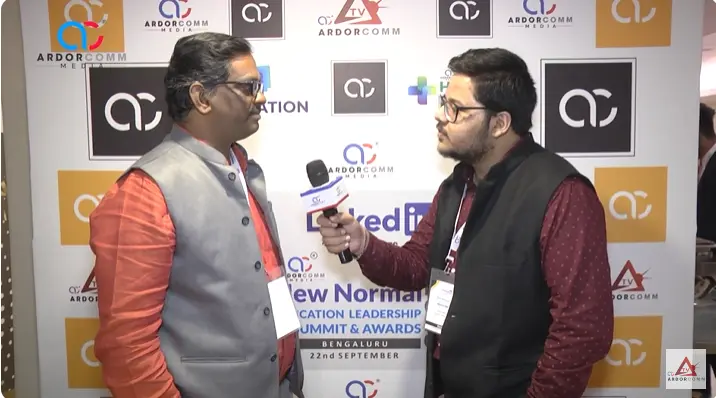
“We introduced online teaching and developed an in-house system to reach all our students,” says Dr. Madhusudan N. Purohit, Dean (IQAC) at JSS Academy of Higher Education & Research, Mysuru, in an interview with Pratik Ghosh, Content Writer, ArdorComm Media at the ‘New Normal – Education Leadership Summit & Awards 2023’ #ELSABengaluru #ELSAKarnataka How are you feeling to witness the New Normal Education Leadership Summit and Awards in Bengaluru? Thank you very much for the opportunity. I represent JSS Academy of Higher Education and Research, which is a deemed university from Mysuru. This is the first time that I’m participating in such an event, and I congratulate ArdorComm for bringing educational experts from across the globe and Karnataka. This is a wonderful opportunity for educators like me, teachers, and representatives of the education sector. In the morning session, I saw vice-chancellors of several universities sitting at one platform, discussing the real situations, both pre and post-COVID, and how the system is evolving. It was a wonderful opportunity to learn about the new trends in educational technology. I hope ArdorComm continues to conduct such events and expands its reach to other cities beyond Bangalore and Kolkata, reaching out to the northern part of Karnataka and other educational institutions that may not have the opportunity to come to metros to learn. So, that’s my suggestion, and again, I congratulate the ArdorComm team for conducting this wonderful event. How are you implementing technology in your institution? As one of the panellists mentioned earlier, before the pandemic, we were predominantly offline. However, when COVID hit in 2020, we had to respond urgently to ensure that teaching and learning continued. JSS’s tagline is “Graduation on time,” and we were committed to ensuring that students graduated on schedule. We had to adopt the concept of “Learn Anywhere, Anytime.” We introduced online teaching and developed an in-house system to reach all our students. Our goal was to make sure that 100% of the classes took place, even during the toughest times, such as the first and second COVID waves. We provided students with access to teaching materials, ensuring that graduation occurred on time. As a result, our graduation was on schedule, and placement opportunities for our students were excellent, making us a role model in this regard. That’s the JSS experience I wanted to share. ArdorComm Media Group has recently completed 2 years of its existence, any message or wishes for us? Even though ArdorComm is just in its infancy, in two years, they have shown great promise. I wish them all the best and encourage them to expand their reach, identify more cities, and make their presence felt in various locations.

Dr. Madhusudan N. Purohit, Dean (IQAC) at JSS Academy of Higher Education & Research, Mysuru, Shares Insights on Technology Integration in Education Read More »

Accenture Halts Salary Hikes for India, Sri Lanka Employees in 2023

Accenture, a prominent IT consulting firm, has informed its employees in India and Sri Lanka that there will be no salary increases for the fiscal year 2023 due to challenging macroeconomic conditions. In an email from the country’s managing director, Ajay Vij, it was stated that employees may still receive individual annual performance bonuses, although these bonuses will be significantly lower than in previous years, reflecting the company’s underperformance. This decision coincides with broader industry challenges, including macroeconomic headwinds and reduced client spending. Vij explained in the email, “As outlined in our FY23 results, we faced a more difficult macroeconomic environment than expected at the start of the fiscal year, resulting in lower growth and necessitating tough choices regarding promotions and rewards.” Additionally, promotions for senior management roles will be postponed until June 2024. Vij further clarified, “Considering our performance context, we will not be granting base pay increases this year, except where legally required or in select critical skill areas.” While Accenture provided a sales growth guidance of 2-5% for FY24, the company reported a 16% year-on-year decline in net income for the quarter ending in August. This decision aligns with the challenges faced by major players in the Indian IT industry, who have cited an uncertain demand environment. Promotions are scheduled to be awarded in December, up to Level 5 employees, although they will be less generous compared to the previous year. Accenture, estimated to employ over 300,000 people in these countries, follows a rewards philosophy that considers market-relevant pay based on skills and geographic locations, taking into account various factors, including the macroeconomic landscape, when making compensation and benefits decisions, according to a spokesperson responding to ET queries.

Accenture Halts Salary Hikes for India, Sri Lanka Employees in 2023 Read More »

MeitY Working Groups Deliver First IndiaAI Report with ‘AI for All’ Vision

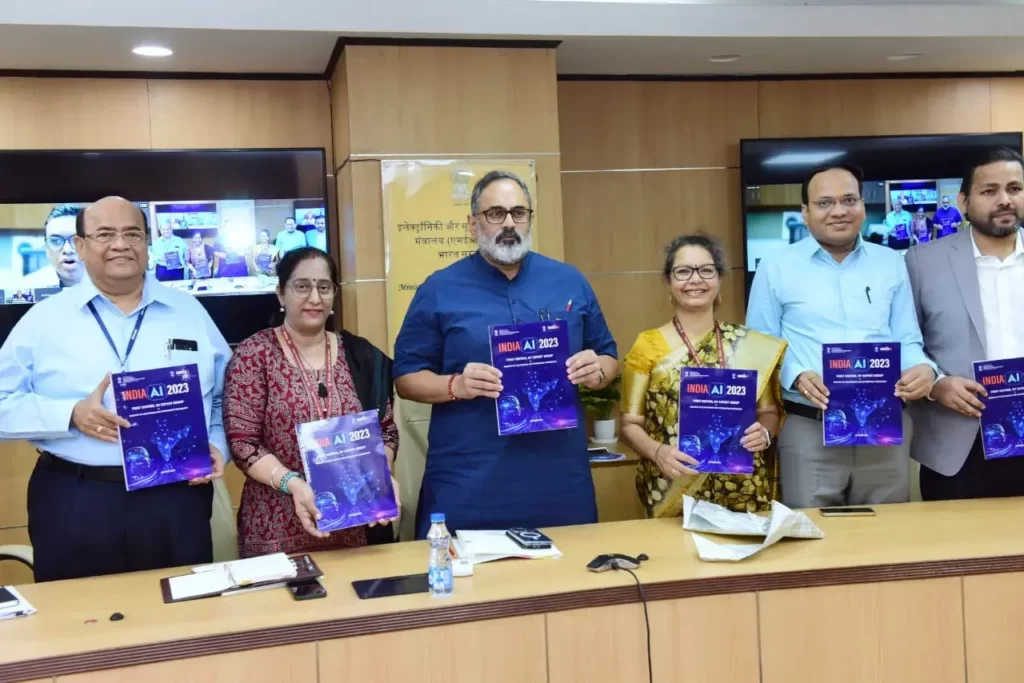
Seven working groups under the Ministry of Electronics and Information Technology (MeitY) have delivered the inaugural IndiaAI report on October 13. The report was officially presented to Rajeev Chandrasekhar, the Union Minister of State for Skill Development & Entrepreneurship and Electronics & IT. He emphasized that this report will serve as India’s guiding roadmap for nurturing its AI ecosystem. The report represents a comprehensive plan for IndiaAI, aligning with Prime Minister Modi’s vision of “India for AI and AI for India” and aiming to be a catalyst for the 1 trillion dollar digital economy. According to MeitY, the government’s approach to AI is comprehensive and ambitious, demonstrated by a wide array of initiatives under the IndiaAI program. IndiaAI follows a mission-centric approach focused on improving the existing AI ecosystem in areas such as computational infrastructure, data, AI funding, research, skill development, and institutional capacity for data to harness AI’s potential for India’s progress. Rajeev Chandrasekhar outlined how IndiaAI is not limited to supporting startups and skill development but also includes key components like the India Datasets Platform, a vast collection of anonymized datasets for Indian researchers. Additionally, the India AI Compute Platform, a public-private partnership, will offer significant GPU capacity to startups and researchers. IndiaAI will also back the development of AI chips in collaboration with the Semicon India program. The report provides details on establishing Centers of Excellence, the institutional framework for data governance, and suggestions for leveraging India’s demographic dividend as an IT powerhouse to enhance AI skills in the country. It also outlines recommendations for the Design Linked Incentive (DLI) Scheme, which aims to provide financial incentives and infrastructure support to domestic firms, startups, and MSMEs. MeitY’s statement underlines that the goal of this comprehensive study is to identify actionable steps for achieving the vision of “AI for all” across all aspects of IndiaAI.

MeitY Working Groups Deliver First IndiaAI Report with ‘AI for All’ Vision Read More »

AIIMS-Delhi Faces Patient Disruptions as Computer System Crashes

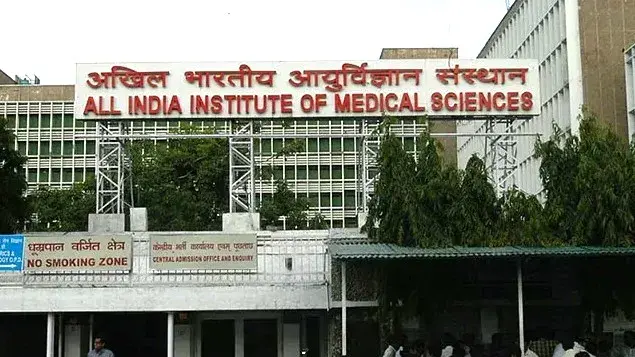
AIIMS encountered significant disruptions as its computer server experienced a crash, leading to extended delays for hundreds of patients seeking registration in the OPD and various hospital departments over two consecutive days. This marks the second instance of computer system failures at the hospital within a year. Officials, however, indicated that services were restored by Thursday afternoon, attributing the incident to maintenance work. Sources, on the other hand, suggested that the system malfunctioned following a software update. The breakdown had a severe impact on all patient services, including OPD registration, sample collection, report generation, billing, and admissions, resulting in substantial delays. Patients arriving at AIIMS for medical consultations had to endure extended waits as staff had to resort to manual registration due to the computer malfunction. One woman, for instance, who had come from Ghaziabad for a consultation in the medicine department, found herself waiting for over an hour without receiving a registration card. Staff members explained that the delay was a result of manual handling caused by the non-functioning computers. Existing patients at the institute, who required diagnostic tests, faced similar inconveniences. Long queues formed outside the smart lab as server issues prevented the generation of barcodes. The billing counters also encountered the same problems. The treatment process was delayed as lab reports were unavailable online, requiring patients to collect printouts. Additionally, the admission process was hindered, as the number of vacant beds wasn’t displayed online, according to sources. Since Wednesday morning, most administrative processes related to patient care have been conducted manually. A senior AIIMS doctor suggested that the administration should have a backup server system in place to ensure the institute’s smooth operation. While online systems offer convenience, they pose risks in the event of technical glitches. A manual system should be maintained for patient-related services, as complete reliance on online infrastructure could lead to system collapses, especially given AIIMS’s past experience with server hacks in November of the previous year. Some doctors expressed concerns that the institute’s data load may be overwhelming for the server to handle.

AIIMS-Delhi Faces Patient Disruptions as Computer System Crashes Read More »

UGC Draft Guidelines Propose Mandatory Internships for Undergraduate Students to Enhance Employability and Research Skills

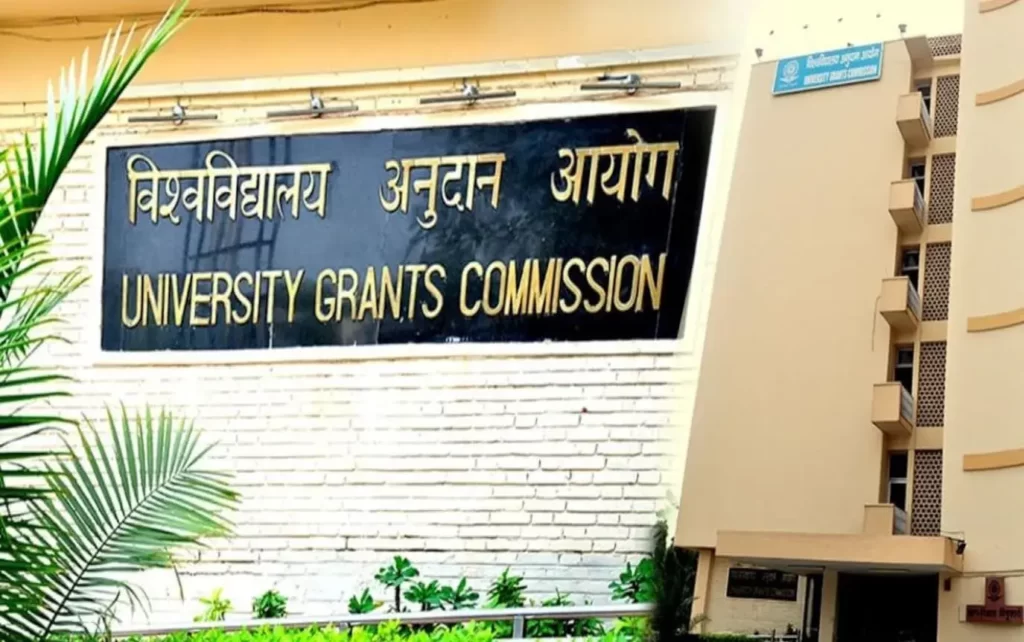
The University Grants Commission (UGC) has released preliminary guidelines suggesting mandatory internships for undergraduate students as a means to enhance their employability and foster an understanding of research while earning academic credits. These draft guidelines, titled “Guidelines for Internship/Research Internship for Undergraduate Students,” are aligned with the National Education Policy (NEP) 2020, which emphasizes the integration of internships and research opportunities into undergraduate curricula. The UGC made these guidelines available to the public for feedback and suggestions. The UGC has recognized that many graduates struggle to enter the workforce due to their lack of practical skills, knowledge, and experience, which employers typically seek. Internships are considered a crucial tool for improving these employability skills and can equip students with competency, professionalism, expertise, and confidence, as well as kindle their interest in research. Currently, internships are not obligatory for all undergraduate programs and are primarily restricted to technical and professional courses. UGC Chairperson M Jagadesh Kumar believes that hands-on experience through internships will bridge the gap between academic learning and the real world, enhancing students’ grasp of concepts. He emphasizes the importance of students acquiring a broad range of skills, such as communication, teamwork, problem-solving, and time management. These internships, as outlined in the UGC guidelines, are designed to help students gain valuable soft and technical skills highly valued by employers and establish professional connections with potential mentors. The draft guidelines propose two types of undergraduate internships: those focused on employability and those designed to cultivate a passion for research. For students pursuing a three-year undergraduate degree, a mandatory internship of 60 to 120 hours will occur after the fourth semester. Those opting for a four-year degree will participate in a research internship during the eighth semester. These internships can earn students up to 12 academic credits. The guidelines also recommend the appointment of a coordinator or the establishment of a well-defined mechanism for the smooth coordination and execution of internships across diverse disciplines within each higher education institution’s research and development (R&D) cell. Furthermore, the guidelines propose evaluating students during their internships. Evaluation methods may include assessments by the research internship supervisor based on the students’ efforts and research output or through seminar presentations and viva-voce at the higher education institution (HEI).

UGC Draft Guidelines Propose Mandatory Internships for Undergraduate Students to Enhance Employability and Research Skills Read More »

The Rise of Podcasts: Exploring the Audio Entertainment Revolution

Blog on MEA

In recent years, there has been an explosion in the popularity of podcasts, marking a significant shift in how we consume media and entertainment. These digital audio files, akin to on-demand radio shows, have become a cultural phenomenon, transforming the way we inform, entertain, and connect with others. In this blog, we’ll delve into the podcasting revolution, its global impact, and its unique place in India’s diverse media landscape. We’ll also discuss why podcasts have become so popular, their impact on various industries, and what makes them a captivating form of audio entertainment. The Podcasting Boom Podcasts have skyrocketed in popularity for several compelling reasons, making them a unique medium in the entertainment industry. Here are some key factors contributing to their surge: Accessibility: One of the primary reasons behind the rise of podcasts is their accessibility. Anyone with a smartphone or computer and an internet connection can easily access a vast library of content, often for free. Dedicated apps like Apple Podcasts, Spotify, and Google Podcasts have made this accessibility even more convenient. Diverse Content: The diversity of podcast content is staggering. From true crime and personal development to science, history, pop culture, and everything in between, there’s a podcast for everyone. This variety attracts listeners with a wide range of interests, ensuring that there’s always something new and exciting to discover. On-Demand Listening: Podcasts are available on-demand, allowing listeners to choose when and where they want to tune in. Whether you’re commuting, working out, or doing household chores, you can easily incorporate podcasts into your daily routine. This flexibility has made them a perfect companion for various activities. Engaging Storytelling: Many podcasts are known for their high-quality storytelling and immersive narratives. This has turned them into an art form, captivating audiences in ways similar to traditional radio dramas. The narrative depth and quality of storytelling have contributed to the appeal of podcasts as a unique form of entertainment. Also Read: ArdorComm ‘New Normal – Education Leadership Summit & Awards 2023’ to be held at Pune, Maharashtra on 24th November 2023 #ELSAPune #ELSAMaharashtra Impact on Entertainment and Media The rise of podcasts has had a profound impact on the entertainment and media landscape. Their disruptive influence can be observed in various aspects of the industry: Disrupting Traditional Radio: Podcasts have disrupted the traditional radio industry by offering a more personalized and flexible alternative. They provide listeners with the power to curate their own content, listen on their schedule, and explore niche interests. This has prompted radio stations to embrace podcasting, with many now offering their content in podcast format. New Opportunities for Creators: The low barrier to entry in podcasting has made it accessible to aspiring creators from diverse backgrounds. This democratization of media has led to an explosion of new voices and perspectives. Podcasting empowers creators to share their expertise, passion, and stories, further enriching the podcasting landscape with diverse content. Complementing Other Media: Podcasts often complement other forms of media, such as movies, TV shows, and books. They offer behind-the-scenes insights, interviews with creators, and discussions that add depth to the audience’s understanding and appreciation of their favourite media. For instance, podcast listeners often enjoy dissecting the latest episodes of popular TV shows, exploring fan theories, and engaging in lively discussions. Building Communities: Podcasts can foster strong communities of listeners who share common interests. These connections extend beyond the podcast itself, creating a sense of belonging and shared interests. The interaction between podcasters and their audiences often leads to lively discussions and the formation of fan communities, enhancing the overall entertainment experience. Also Read: The Importance of Emotional Intelligence in HR Leadership Why Are Podcasts So Captivating? Several factors contribute to the captivating nature of podcasts: Intimacy: One of the unique aspects of podcasts is the sense of intimacy they offer. Podcast hosts often speak directly into the listener’s ears, creating a personal connection that is distinct from other forms of media. This one-on-one interaction can forge a deep and personal connection with the audience. Expertise and Passion: Many podcast hosts are experts or enthusiasts in their respective fields. Their passion and knowledge shine through in their content, making it engaging and informative. This combination of expertise and enthusiasm adds depth and authenticity to the content. Long-Form Content: Podcasts are not restricted by traditional broadcast timeframes. This freedom allows for in-depth discussions, exploration of complex topics, and unhurried storytelling. Listeners can dive deep into subjects that interest them and immerse themselves in the content. Accessibility: The accessibility of podcasting makes it easy for listeners to explore niche subjects or discover new interests. Whether it’s a hobby, a professional field, or a personal interest, there’s a podcast out there catering to it. The wide range of content options ensures that listeners always find something that appeals to them. Interactivity: Some podcasts encourage listener participation through Q&A segments, surveys, or audience-submitted questions. This interaction enhances engagement and creates a sense of community, as listeners feel connected to the hosts and the content. Also Read: Strengthening Your Immune System Naturally: A Comprehensive Guide The Indian Perspective on Podcasting Shifting our focus to the Indian podcasting landscape, we find a burgeoning and vibrant scene that mirrors the country’s cultural and linguistic diversity. Indian podcasts cover a wide range of topics, from Bollywood and cricket to technology, politics, and mental health. What makes the Indian podcasting scene unique is its ability to cater to a diverse audience with varied interests and languages. The popularity of podcasts in India has surged due to factors like increased smartphone penetration, easier internet access, and a young, tech-savvy population. Moreover, the regional diversity of India is reflected in its podcast content, with shows in multiple languages, including Hindi, English, Tamil, and more. This rich linguistic tapestry allows Indian podcasters to create content that resonates with local audiences, sharing stories, discussions, and insights that cater to a wide range of interests. Indian podcasters have seized this opportunity to address local issues, share regional stories, and create


The Rise of Podcasts: Exploring the Audio Entertainment Revolution Read More »

Dr. Prakash S, Sr. Vice President, East Point Group of Institutions, Emphasizes on Importance of Skill Development

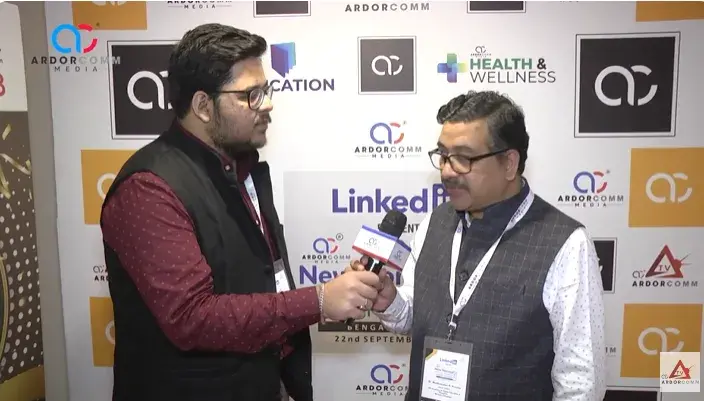
“What we should be able to do is identify the talent DNA of a particular child at an early stage and embed the right skills for that talent,” says Dr. Prakash S, Sr. Vice President, East Point Group of Institutions, in an interview with Pratik Ghosh, Content Writer, ArdorComm Media at the ‘New Normal – Education Leadership Summit & Awards 2023’ #ELSABengaluru #ELSAKarnataka How are you feeling to witness the New Normal Education Leadership Summit and Awards in Bengaluru? It’s a great experience here, completely packed sessions, nice to listen from Col. (Prof) Y. S. Siddegowda, Higher Education Council’s Vice Chairman, had a lot of insights, and there are many good speakers you have picked for the sessions. The themes are very good, and there’s good networking quite naturally. It’s always getting people moving to get connected. What I feel is that now the technology is going to take the education sector, and a lot of transformation is happening in the education sector post-COVID. This is where all educators, industry, and academic people come to converge at one point. I feel happy that you people have created a great platform for this convergence and where interaction will happen, so it adds a lot of value to all the stakeholders here. The theme of our event is New Normal Karnataka, and Karnataka is an education hub. What’s your take on this? Karnataka, more specifically Bangalore, is a Silicon City where a lot of IT happens. Since the education sector is at the verge of transformation and the National Education Policy (NEP) is in place now, what I see is that the way we deliver education services is going to take a paradigm shift. This is one platform where we have LinkedIn, and people from LinkedIn have participated. LinkedIn is a great platform for learning today, a lot of people know about Anthology, Blackboard, and other companies. So, understanding the technology and how we can integrate it into our teaching and learning process, building it out, is where teachers can understand how to facilitate the teaching-learning process and enhance the productivity for the student and all the stakeholders. What’s your take on skill development? How can the young generation in this 21st century hone skill development for employability? I always tell this, I’ve been speaking at different platforms on this. We have talent on one side and there are skills, competency, and capability. If I want to connect all the four dots, if I go back and see my complete education system, probably in my times, our talent DNA was something different, and we had different skills. What we should be able to do is identify the talent DNA of a particular child at an early stage and embed the right skills for that talent. Then the student will excel in whatever profession they aspire to. Today, it’s all about the skills. LinkedIn, for instance, added around 33 million skill sets onto their platform. It’s not about the degree; the degree has taken a backseat. Now, if you have skills, you are deployable from day one. The focus is shifting towards skilling, and it’s the new norm. ArdorComm Media Group has recently completed 2 years of its existence, any message or wishes for us? It’s a nice initiative, and you are very young. I just came to know that you are just 2 years old. I wish you all the best. You’re doing a great job, especially towards the education sector. You need to continue this and do it at a bigger, larger scale for the next time. I’ll be happy to participate in the next coming events.

Dr. Prakash S, Sr. Vice President, East Point Group of Institutions, Emphasizes on Importance of Skill Development Read More »

Dr. N. R. Bhanumurth, Vice Chancellor, Dr. B. R. Ambedkar School of Economics University, Highlights Significance of Education 4.0 and Digital Innovation

“We are talking about Education 4.0, where the education sector needs to adapt to the emerging challenges, especially coming from digital innovation,” says Dr. N. R. Bhanumurth, Vice Chancellor, Dr. B. R. Ambedkar School of Economics University, in an interview with Pratik Ghosh, Content Writer, ArdorComm Media at the ‘New Normal – Education Leadership Summit & Awards 2023’ #ELSABengaluru #ELSAKarnataka How are you feeling to witness the New Normal Education Leadership Summit and Awards in Bangalore? Yeah, this is very interesting, I would say. It’s very timely, where this whole Summit is integrating users and producers of Education technology, and some of the best practices have been highlighted throughout the day. I’m sure the title of this Summit, “New Normal,” is certainly a new normal in the education sector. We are talking about Education 4.0, where the education sector needs to adapt to the emerging challenges, especially coming from digital innovation. At the same time, bridging the gap between supply and demand in the industry, where the necessary skills required for employability of students become a major factor going forward. Especially when we talk about India becoming one of the developed countries, I think the education sector is going to play a very major role, and this Summit is certainly a big contributor to making India a place for the education sector, not only for Indian students but also for attracting more students from abroad. How are you implementing technology in your institution? I’m from a public sector university, and we have synergized our curriculum where the National Education Policy suggests that we can have up to 40% digital learning. We started implementing it slowly and are trying to implement whatever flexibility is available in the National Education policy. We are one of the early universities to implement digital education for our students and make it customized for each student, which gives a lot of flexibility. At the same time, we’re seeing students using resources available on digital platforms. The progress in the Indian education sector has increased inclusivity for all students, but there’s still a long way to go, and some segments still exclude students. That’s where the sector needs to play a major role going forward. Any message or wishes for ArdorComm Media Group, which has recently completed 2 years of its existence? I would say that you are doing a great service to the nation, particularly in bringing together users and producers. My suggestion is that it’s important to equally focus on the public sector. You will play a major role and contribute significantly to the nation. India has been at the forefront of bringing digital public infrastructure, not just for our nation but for the whole world. The aim of ArdorComm Media should be to have inclusivity in terms of getting more public institutions. The long-term game lies in the public sector, in my view. The private sector is short-term, but the long-term game lies in public sector.

Dr. N. R. Bhanumurth, Vice Chancellor, Dr. B. R. Ambedkar School of Economics University, Highlights Significance of Education 4.0 and Digital Innovation Read More »