ArdorComm Media Group

Wednesday, February 25, 2026 8:57 PM

Author name: admin

Central Government Employees Anticipate 3% DA Hike as Inflation Soars

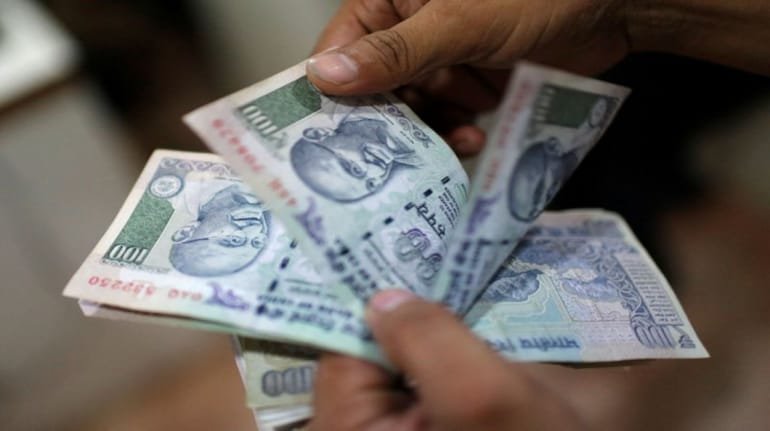
In the latest developments, a significant number of central government employees are eagerly awaiting the forthcoming Dearness Allowance (DA) hike. According to recent data and reports, there is a strong likelihood that the government will announce a 3 percent increase in the current DA rate, which currently stands at 42 percent. The surge in retail inflation in the country, reaching a 15-month high in July, has fuelled expectations for a 3 percent DA hike among employees. If this announcement materializes, it will elevate the DA for central government employees to 45 percent. While there hasn’t been an official confirmation regarding the specific date for the DA and Dearness Relief (DR) announcement, the latest reports indicate that the good news could arrive in September for both central government employees and pensioners. If confirmed, the DA hike will be retroactively effective from July 1, 2023. The Central government makes announcements regarding DA and DR adjustments twice a year, catering to central employees and pensioners. This allowance is crucial in mitigating the effects of inflation. The computation of the DA amount relies on the most recent data from the Consumer Price Index for Industrial Workers (CPI-IW), in accordance with the guidelines established by the 7th Pay Commission. The DA and DR benefits extend to over 1 crore central government employees and pensioners at present. With the earlier hike of 4 percent implemented in January of this year, the DA rate escalated from 38 percent to its current level of 42 percent.

Central Government Employees Anticipate 3% DA Hike as Inflation Soars Read More »

G20 Health Ministers Unite for Resilient and Equitable Access to Affordable Medicines in Developing Nations

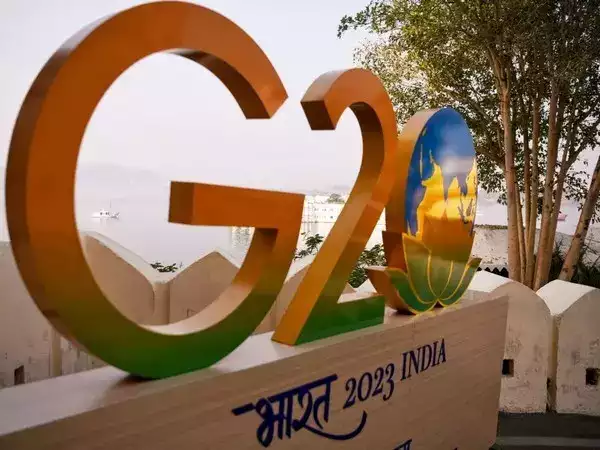
During the G20 Health Ministers meeting, a consensus emerged to establish stronger, more inclusive health systems that provide fair access to safe, quality, and affordable vaccines, therapeutics, diagnostics, and medical countermeasures, particularly in low and middle-income countries and small island developing states. The outcome document, consisting of 25 paragraphs, received unanimous approval from all G20 delegations, except for paragraph 22, which focused on the geopolitical situation in Ukraine. According to the released outcome document after the meeting in Gandhinagar on August 19, there was agreement on creating a research and development network for vaccines, therapeutics, and diagnostics. Additionally, plans were made to establish a platform for readily accessible open-source and interoperable digital solutions. Health ministers also expressed optimism about the ongoing negotiations within the intergovernmental negotiating body (INB) for a legally binding WHO convention or international instrument related to pandemic prevention and preparedness, with a target of achieving this by May 2024. They recognized the need to fortify health systems against the impacts of climate change and pledged to prioritize the development of climate-resilient health systems. This includes creating sustainable and low-carbon/low greenhouse gas (GHG) emission healthcare systems and supply chains that offer high-quality care and mobilizing resources for resilient, low-carbon health systems. The G20 member countries committed to addressing antimicrobial resistance (AMR) comprehensively through a One Health approach. This entails strengthening governance, coordination, research and development, infection prevention and control, and improving awareness of AMR. Responsible use of antimicrobials across humans, animals, and plant sectors, along with preserving existing therapeutics through antimicrobial stewardship, was also emphasized. Moreover, the G20 recognized the potential of evidence-based traditional and complementary medicine (T&CM) in public health delivery, provided that these practices are scientifically validated for safety and effectiveness. They also acknowledged the significance of digital health and the modernization of health data systems in improving healthcare accessibility and equity. The ministers recommended closer coordination among existing digital health initiatives to create a seamless digital health ecosystem, endorsing the WHO’s Global Initiative on Digital Health to implement the WHO’s Global Digital Health Strategy 2020-2025. This initiative, managed by the WHO, aims to reduce fragmentation, promote interoperable open-source digital solutions, and support countries in implementing high-quality digital health systems with a people-centric focus.

G20 Health Ministers Unite for Resilient and Equitable Access to Affordable Medicines in Developing Nations Read More »

Delhi University Approves Fine Arts PhD Program and Age Relaxation for Student Elections

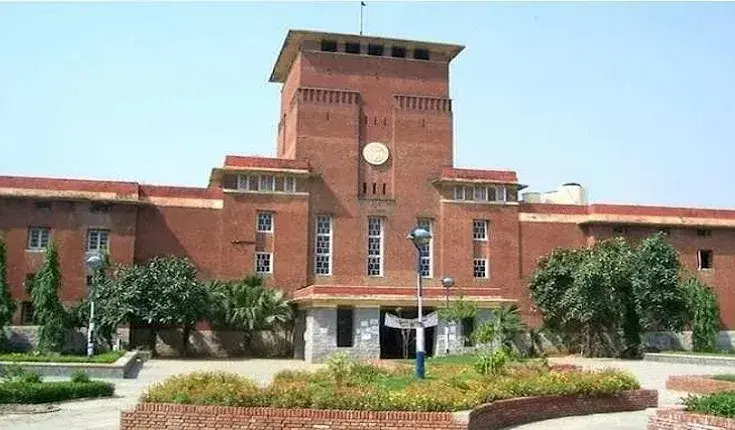
Delhi University is set to introduce a doctoral program in Fine Arts starting from the academic year 2024. This decision was made during a meeting of the university’s Executive Council, the institution’s highest decision-making body, which convened on Friday. Responding to requests from various student unions, the Executive Council has granted a one-time age relaxation of three years for both voting in and contesting Delhi University Students’ Union elections. The maximum age limit for undergraduate students has been raised from 22 to 25 years, and for postgraduate students, it has been extended from 25 to 28 years. During the council meeting, approval was also granted to initiate a PhD program in Fine Arts, commencing from the 2023-2024 academic session, within the Faculty of Music and Fine Arts. According to the newly established rules, PhD scholars are required to attain a minimum of 55 percent marks or nine credits (or equivalent grade) in the UGC 7-point scale for their coursework to remain eligible to proceed in the program and submit their dissertation or thesis. Each credit is equivalent to four hours of teaching, as per the statement issued. In addition to the Fine Arts PhD program, the Department of Commerce will introduce a new program called MBA (Business Analytics) with an initial intake of 76 seats. The Executive Council has also accepted recommendations from the Value Addition Courses (VAC) Committee, which include implementing courses such as Vedic Mathematics-III, Vedic Mathematics-IV, and National Cadet Corps-III from the academic year 2022-2023. Furthermore, various committees have been formed to structure the Research and Development Cell (RDC) of DU, aimed at promoting a research culture. This includes the establishment of an RDC Advisory Committee and five other committees, as mentioned in the statement. During the EC meeting, recommendations from the Academic Council held on August 11 were deliberated upon. The syllabi for the fourth, fifth, and sixth semesters for various departments and colleges in alignment with the Undergraduate Curriculum Framework-2022 (UGCF-2022) were approved. In the same meeting, Self Learning Material (SLM) was accepted for students of the School of Open Learning (SOL) under the Department of Distance and Continuing Education, following UGCF-2022 guidelines. The SLM for SOL will be reviewed by an expert group, taking into consideration suggestions from Academic Council members, with the updated/revised SLM slated for presentation in the next Academic Council meeting. Regarding the proposed registration fee for SC/ST and PWBD students enrolling in the five-year Integrated Law Programme for the academic session 2023-24, it has been reduced from Rs 1,200 to Rs 1,000. Additionally, papers based on Skill Enhancement Courses (SEC) under UGCF-2022 were approved. These encompass courses like Basics of Food Science and Nutrition, Basic Forensic Science, Basic Laboratory Techniques, and Public Health, Hygiene, and Nutrition, among others. Vice Chancellor Yogesh Singh emphasized that these courses would equip students for employment opportunities in various sectors, including food and drug evaluation centres. He also mentioned that these programs could empower students to establish their own businesses. Concerning the fees for the new five-year Integrated Law programs, the university has provisions for a fee waiver of up to 90 percent for students coming from families with an annual income of less than Rs 4 lakh. Such students can also receive assistance through the Financial Support Scheme for economically disadvantaged students. Furthermore, students whose parents’ income falls between Rs 4 to 8 lakh will benefit from a 50 percent fee waiver. The Vice Chancellor also disclosed that students in the five-year Integrated Law program would be eligible for reimbursement of up to Rs 50,000 for laptops provided by the university. Finally, the Executive Council approved guidelines for internships, apprenticeships, and community outreach, applicable from the third to the sixth semester under UGCF 2022. These guidelines stipulate that colleges must establish prior Memoranda of Understanding (MoUs) with specific commercial and non-commercial organizations or enterprises and industries before commencing apprenticeships or internships. The number of seats for apprenticeship/internship training can be determined by the college based on available facilities and infrastructure.

Delhi University Approves Fine Arts PhD Program and Age Relaxation for Student Elections Read More »

Neeraj Chopra Shines with India’s First-Ever Gold at World Athletics Championships

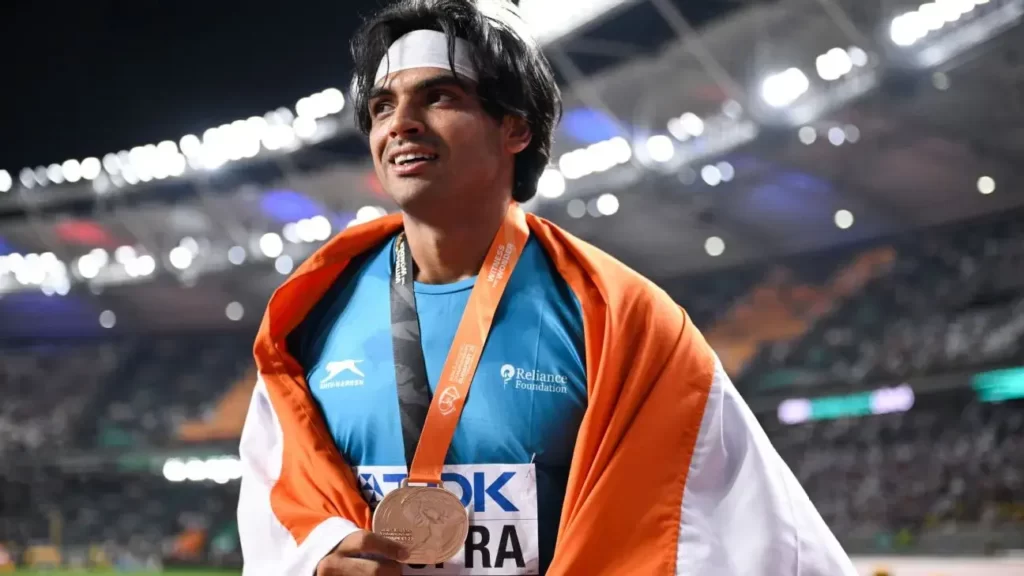
Neeraj Chopra, a name now etched in the annals of Indian athletics, secured a groundbreaking victory in the men’s javelin throw event at the World Athletics Championships, held in the picturesque city of Budapest, Hungary. The ‘Indian Javelin Sensation’ scripted an unprecedented chapter by clinching India’s first-ever gold medal at this prestigious global championship. Amid the early hours of August 28, Neeraj faced off against a field of international competitors. Displaying a remarkable display of skill and determination, he unleashed a magnificent throw covering an impressive 88.17 meters on his second attempt. This defining moment cemented his supremacy throughout the event, leaving an indelible mark on the world stage. Neeraj’s achievement not only brought home the gold but also elevated him to the ranks of sporting pioneers for India. Close on his heels, Pakistan’s Arshad Nadeem secured the silver medal, adding an aura of competition to the historic feat. Nadeem, renowned for his Commonwealth Games performances, managed an admirable throw of 87.82 meters. Czech Republic’s Jakub Vadlejch, displaying his own athletic prowess, secured the third position on the victory podium with an impressive throw of 86.67 meters. Neeraj’s father, Satish Kumar, swelled with pride, shared his joy, stating, ‘This moment is a source of immense pride for our nation. A gold medal at the World Championships! We’ll celebrate heartily when Neeraj returns to our homeland.’ As the news reverberated, accolades and cheers poured in from all quarters. Anurag Thakur, India’s Minister of Youth Affairs and Sports, hailed Neeraj’s feat as a monumental stride for Indian sports. In an exultant social media post, he extended his commendation to the athlete’s remarkable journey. Even the Indian Army joined in the applause, acknowledging Neeraj’s accomplishment as a monumental achievement. On various digital platforms, the Indian Army saluted his triumph, recognizing its significance. Neeraj’s golden victory not only elevates his personal accolades but also enhances India’s medal count at the World Athletics Championships. This remarkable win signifies his second medal triumph at the Championships, a precursor to his earlier silver.

Neeraj Chopra Shines with India’s First-Ever Gold at World Athletics Championships Read More »

Alnylam Pharmaceuticals to Appeal Patent Ruling Over Moderna’s COVID Vaccine Technology

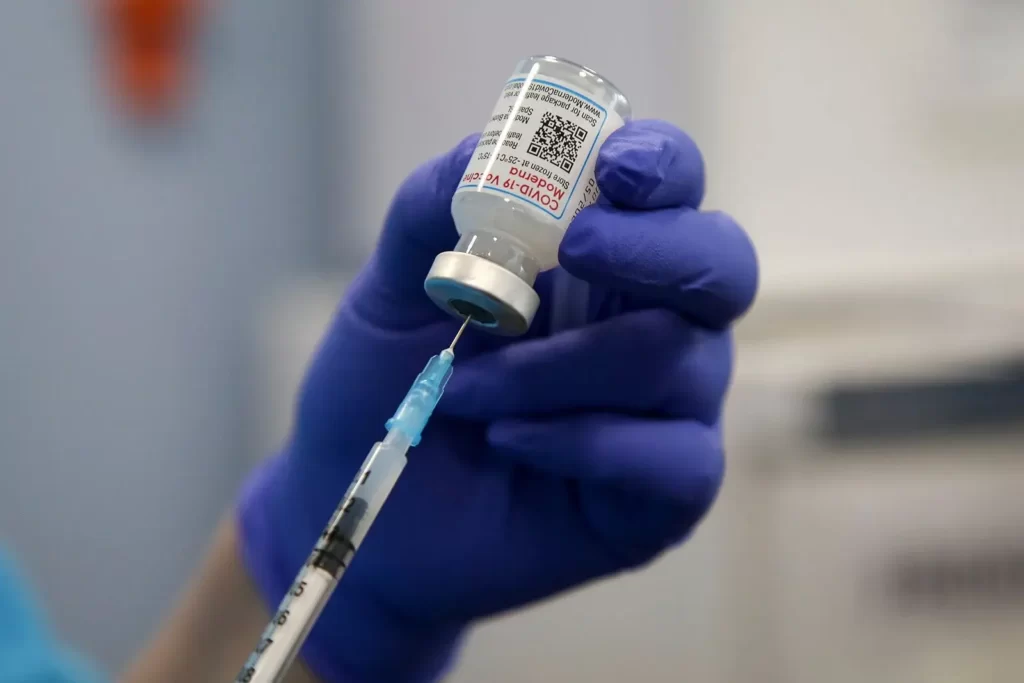
Alnylam Pharmaceuticals has announced its intention to challenge a recent decision from the U.S. District Court in Delaware regarding two patents that were brought into question in relation to Moderna’s COVID-19 vaccine, Spikevax. Alnylam, headquartered in Cambridge, Massachusetts, had previously filed lawsuits against both Moderna and Pfizer Inc in Delaware last year, seeking compensation for the use of lipid nanoparticle (LNP) technology in their vaccines, which facilitates the delivery of mRNA, a crucial component of the vaccines. These cases are part of a broader trend of patent disputes arising from the technology underpinning COVID-19 vaccines, including a lawsuit filed by Moderna against Pfizer last year. Although Alnylam and Moderna had previously reached an agreement on the non-infringement of two patents, Alnylam is now contesting the court’s recent decision, indicating its intent to proceed with a second lawsuit against Moderna for patent infringement in the Delaware Court. Moderna has not yet responded to requests for comment on this matter. Importantly, the court’s ruling in Delaware has no bearing on Alnylam’s patent infringement claims against Pfizer in two separate cases.

Alnylam Pharmaceuticals to Appeal Patent Ruling Over Moderna’s COVID Vaccine Technology Read More »

PM Modi Declares August 23 as ‘National Space Day’ After Chandrayaan-3’s Lunar Success

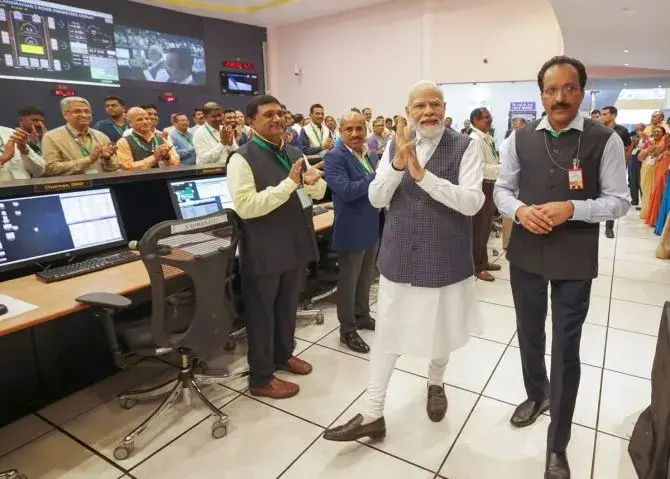
In a momentous announcement, Prime Minister Narendra Modi declared August 23rd as ‘National Space Day,’ during his address to the accomplished scientists at the Indian Space Research Organisation (ISRO) command centre in Bengaluru. The significance of this date stems from the successful soft landing of Chandrayaan-3 on the Moon’s south pole, a remarkable achievement celebrated as a milestone in India’s space exploration journey. Prime Minister Modi expressed his admiration for the Chandrayaan-3 team and particularly lauded the contributions of women scientists who played a pivotal role in the mission’s success. He revealed that the precise spot on the lunar surface where Chandrayaan-3 touched down would be named ‘Shivshakti,’ serving as an inspiration for future generations to utilize science for the betterment of humanity. He also designated the location where its predecessor, Chandrayaan-2, had landed as the ‘Tiranga’ point. Highlighting the importance of advancements in science, technology, and space exploration, PM Modi emphasized that nations leading in these fields are scripting history. To encourage the youth’s involvement in science, technology, and space endeavours, he proclaimed August 23rd, the day of Chandrayaan-3’s lunar landing, as National Space Day. Modi celebrated the fact that India’s national pride now resides on the Moon, marking an unprecedented achievement. He commended the scientists for taking the ‘Make In India’ initiative to the lunar surface, underscoring the boost to indigenous production resulting from Chandrayaan-3’s success. Despite not being physically present during the Chandrayaan-3 landing, PM Modi virtually attended the event, congratulating ISRO chairman S Somanath and the entire team for their historic achievement in the lunar south pole region. Chandrayaan-3, a follow-up mission to Chandrayaan-2, aims to accomplish three key objectives: a safe and soft landing on the lunar surface, rover mobility on the Moon, and in-situ scientific experiments. Following its successful landing on August 23rd, the lander (Vikram) and rover (Pragyan) will conduct a series of experiments on the lunar surface over the next two weeks. On a significant note, Pragyan rover has already made its debut on the Moon, covering a distance of 8 meters. While Chandrayaan-2’s soft-landing attempt didn’t succeed, ISRO’s orbiter from that mission continues to provide valuable data. ISRO’s historic achievement positions India among the world’s top four nations to achieve a soft landing on the Moon’s surface, and notably, it’s the first country to reach the unexplored southern polar region of the Moon.

PM Modi Declares August 23 as ‘National Space Day’ After Chandrayaan-3’s Lunar Success Read More »

Anantha Krishnan B, CEO- Operations, Kalorex Group, Highlights on Technology Implementation, Announces Launch of AI Clone ‘MAYA’

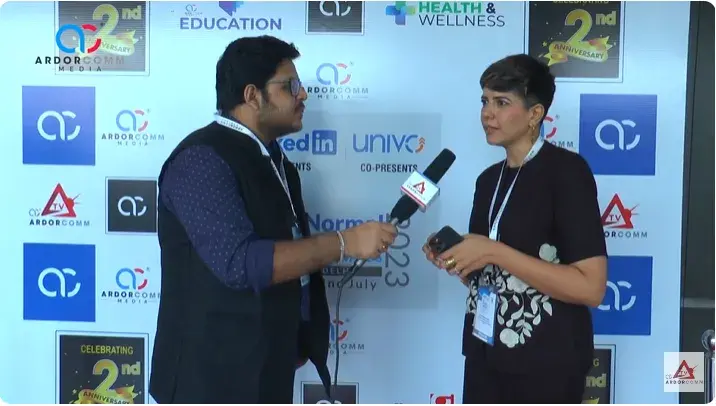
“It is a matter of chance that today, in education, we have launched the AI clone version of Dr. Manjula Pooja Shroff. The clone is called MAYA,” says Anantha Krishnan B, CEO- Operations, Kalorex Group, in an Interview with Pratik Ghosh, Content Writer, ArdorComm Media Group at the ‘New Normal – Education Leadership Summit & Awards 2023’ #ELSANewDelhi #ELSAGurugram How are you feeling to witness the New Normal Education Leadership Summit and Award in Delhi? It’s my pleasure being here. As usual, a beautiful event that’s been done up, the New Normal Education Leadership Summit in Delhi. I think ArdorComm Media is doing some path-breaking events with regard to bringing technology into the forefront for schools and other higher education institutions. Great event once again, and a lot of things to learn and a lot of things to know from in terms of what’s happening in the industry and where to go from here on. A lot of exchange of ideas, and a good place to be actually and to learn. The theme of our event is “India Vision 2030.” So, what according to you should be the vision for the school education sector going ahead? Well, we as an organization always believe that change is the only constant in life. Any new thing that comes up, maybe in any revolution that you see, so adaptability is the key thing. With the increase in quality, the speed of adaptability is a second thing. The more you are able to adapt to the latest technologies, the more you’re able to imbibe the new curriculum into the classroom, the more you’re able to blend these technologies with the current requirements of the skills going ahead in the next 10-15 years. We have to do a lot, and time is limited. So, I think technology is going to really help us and assist us. At the same point in time, as we always say, value systems have to be retained and have to be developed in the children so that they become good global citizens. How is Kalorex implementing technology in education? Well, we have been in the forefront of implementing technology at Kalorex from the day that we got incepted. It is a matter of chance that today, in education, we have launched the AI clone version of Dr. Manjula Pooja Shroff. The clone is called MAYA. It’s basically towards bringing in new technology peripheries into education and seeing new heights in education. It happens to be the launch date of MAYA today, and I’m happy to be in this particular event to announce the launch of MAYA and the new initiatives that Kalorex is taking in the field of education in integration along with AI, blockchain, and other latest technologies. What’s your take on the digital divide, how can we bridge this gap? If you see a global scenario, we sometimes should be happy that we have come this long way. So, if you see what we as a country have been able to achieve over the last about 10 to 15 years or 20 years, it’s really fantastic. In fact, when the Indian markets opened to the economy of the world in 1991, we were the early ones to adapt the computer evolution. Then when it came to the internet revolution, we were the early ones to adapt to the internet revolution. When it came to digital payments, we are the only ones to adapt to digital payments. Now we are the only implementers of the biometric system for the whole nation. So, we do have an edge of being able to adapt to various technologies as and when things come up. Even with COVID, in a matter of three to five days, I think the whole industry shifted gears and went to new great heights. So, that way we have an edge, we have the ability. The rural India is no longer the rural India as we used to consider it 50 years back. Today’s rural India is very different. They are equally apt with all the latest happenings, all the latest gadgets. But a little more private-public partnership, probably a little more education institution of our kind, they can give a helping hand to the have nots. I think a good collaboration between these kinds of people, we should see our way through. Any message for ArdorComm Media Group on its 2nd anniversary? I definitely would like to congratulate the whole team of ArdorComm Media. Great going, and I think you guys have a lot more to do in the field of education, I would just simply say, keep up the good work. And whatever little we can be of help to you, we’ll be more than happy to do it for you.

Anantha Krishnan B, CEO- Operations, Kalorex Group, Highlights on Technology Implementation, Announces Launch of AI Clone ‘MAYA’ Read More »

Amol Arora, MD of Shemrock & Shemford Group of Schools, Shares his views on NEP Implementation and Role of Teacher Training

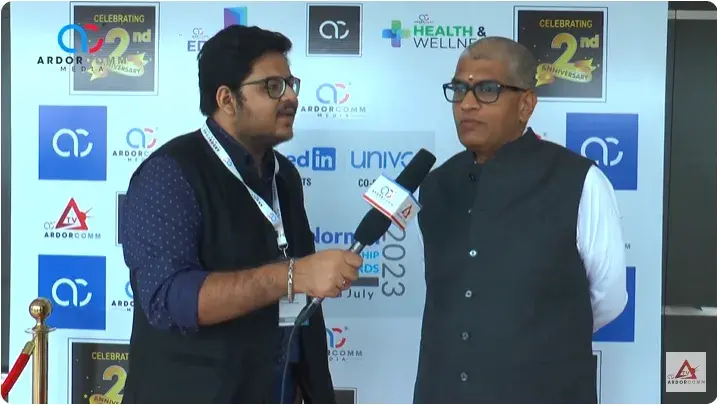
“What really helped me and I feel for the country is that it has aligned everybody,” says Amol Arora, MD of Shemrock & Shemford Group of Schools, in an Interview with Pratik Ghosh, Content Writer, ArdorComm Media Group at the ‘New Normal – Education Leadership Summit & Awards 2023’ #ELSANewDelhi #ELSAGurugram How are you feeling to witness the New Normal Education Leadership Summit and Award in Delhi? First of all, thank you for inviting me here, and I’m really happy to be here. It’s an opportunity for me to give back to the community by sharing what I’ve been doing in my schools. I think it’s also a time well spent because I’m not only sharing but also learning a lot. There are so many amazing speakers and a lot of industry presentations where it helps you learn and grow as an individual. It’ll surely help my schools, and of course, you meet your fellow educators. I think socialization is even more important, and we’ve realized how important those social friendships are, especially after two years of COVID. Last year, your conference was all about masks and everything, and today, it’s so nice and relaxing. I was looking forward to meeting everybody, and everyone from the industry is over here today, so brilliant work done there. And of course, in terms of your return on investment of time, I think the biggest one for me was that you guys have shortlisted some amazing vendors here. You have shortlisted some great products for schools and colleges as well. The reason why I came here was that in a short period of time I can just find out partners that I feel are right for my school. I don’t want to spend two hours with each company evaluating what is good and bad. Also, there are things that I was not even aware existed. I mean, you can search for something on Google, I can Google it, but there are things I don’t even know existed. So that’s the best thing that you are getting really updated with things, and I think it’s very, very important for educators to take time out for these summits. I think everyone should come here because you’ll never be free in the school. So please take this one day out to learn, refresh yourself, and I’m sure that will give you so much momentum for at least the next few months. It’s a day very well spent for me. I think it’s one of the best investments of my time. How are you implementing NEP in your chain of schools? The NEP is a vision document. It’s not a policy document. It’s not something that progressive schools have not seen before. So, it’s something that I think we’ve already been doing, and everyone’s working on the same lines anyways. So, this is nothing but an outlining the advantage that NEP has given us for a school chain. We were already doing this for many years. What really helped me and I feel for the country is that it has aligned everybody. Now everybody is saying NEP is the way forward, so now when it comes to hiring teachers, hiring team members, we are all aligned as a country. Otherwise, I have a vision for my schools and what I want, which is that we want you to learn while having fun. They learn by hands-on learning. You have to use multiple ways of teaching – visual, auditory, kinesthetics learners. So, we’re doing all that, but then you get a teacher who doesn’t understand this thing, not aware of this, maybe a school principal who’s not aligned with what you want. She has her own philosophy here. But now because of NEP, the whole country is aligned, and I think that’s where the real value as this document has come. Now it comes to implementation. Governments have always been poor in implementing policies, and that’s what we have to understand that this is what we have to work with. But I think that’s a brilliant document, very well drafted. How well it could implementation, in terms of there are schools where there’s one teacher for class one to eight, only one teacher teaching all subjects, right? So, as a country, we have bigger problems than the NEP will solve. But I think it’s a step in the right direction. I really appreciate this document. I think alignment is the biggest thing that has happened for, for me, and when I’m hiring, I can see everybody’s on the same page. Otherwise, it was a challenge to orient them to my vision. How does teacher training play an important role in this? I think teacher training has always been important, and I think a lot of people underestimate the value of teacher training because it comes down to, who pays for that good quality training. One is just training for the sake of training. If you talk about genuine teacher training, I think a lot of entrepreneurs, school leaders tend to avoid investing in that. Why should I pay? Let the teacher pay. The teacher says, why should I? So, I think we all have to understand that ultimately, tools, technology, gadgets, buildings, what matters is what’s happening in the classroom. And a good teacher, motivated, inspired, well-aware of teaching techniques, which are low-cost teaching techniques, can do a much better job than the teachers sitting in an air-conditioned school, everything five-star, smart board, everything, and she has no idea what to actually do. And how will this work? It is going to happen through training. So, training is an investment, which I really feel sad that no one really values that. And I think that is very, very important. Although if I can be a bit positive on this, but because of COVID, I think it was a big shake-up for everybody that we need to change. And then everybody was invested online. So, now that openness


Amol Arora, MD of Shemrock & Shemford Group of Schools, Shares his views on NEP Implementation and Role of Teacher Training Read More »

Hema Harchandani, Founder & Managing Director, Canvas International School, Delhi, Highlights on Technology Implementation in Education

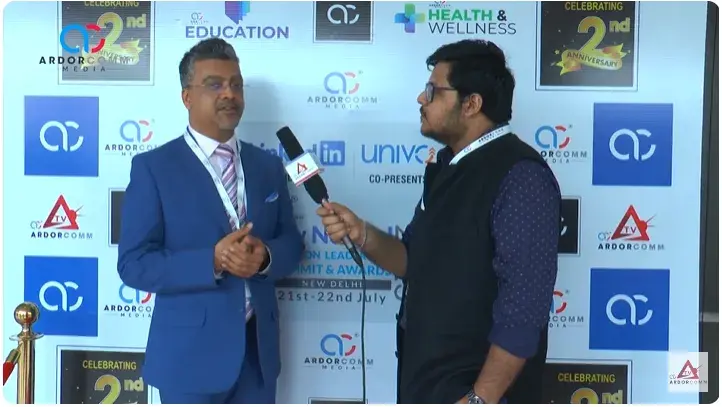
“We cannot escape from technology; it’s an integral part of education now,” says Hema Harchandani, Founder & Managing Director, Canvas International School, Delhi, in an Interview with Pratik Ghosh, Content Writer, ArdorComm Media Group at the ‘New Normal – Education Leadership Summit & Awards 2023’ #ELSANewDelhi #ELSAGurugram How are you feeling to witness the New Normal Education Leadership Summit and Awards in Delhi? The summit is very exciting, and I think we should keep doing these kinds of conferences because it’s an opportunity for every educator to come together on one forum and discuss their experiences in running their schools. We can share how we are implementing learning-based programs and developing knowledge and skills. It’s wonderful, and I’m enjoying it. The theme of our event is India Vision 2030. According to you, what should be the vision for the school education sector going down the line? We have to understand that schools need to create a value system aligned with the goals for 2030 because we are shaping the leaders of the future. The processes and systems must be clearly defined. We need to follow a curriculum that emphasizes critical thinking, communication, creativity, and collaboration. The education system should be learner-centric, and teachers should continuously upskill to ensure our children are future-ready for 2030. What’s your take on the implementation of technologies like AI, VR, and MR in education? We cannot escape from technology; it’s an integral part of education now. However, it should be implemented in a blended learning process, both inside and outside the classroom. We need to strike a balance. We cannot tell the new generation to stay away from technology; instead, we should adapt and use it to enhance their learning experiences. This forum brings together education leaders, EdTech players, and the government. How does this benefit the education sector? This kind of forum is very beneficial because it brings together different educators, government representatives, and tech companies. It provides an opportunity to learn from each other. We can incorporate new ideas and technologies into our curriculum and education systems. It’s a platform where we can all learn and grow together. Any message for ArdorComm Media Group on its 2nd? Congratulations to Chandan and the entire team. You guys are working hard, so keep doing what you’re doing, and keep inviting us to these events.

Hema Harchandani, Founder & Managing Director, Canvas International School, Delhi, Highlights on Technology Implementation in Education Read More »

69th National Film Awards 2023: Complete Winners List; Rocketry, Alia Bhatt, Kriti Sanon, and Allu Arjun Emerge as Big Winners in Diverse Categories

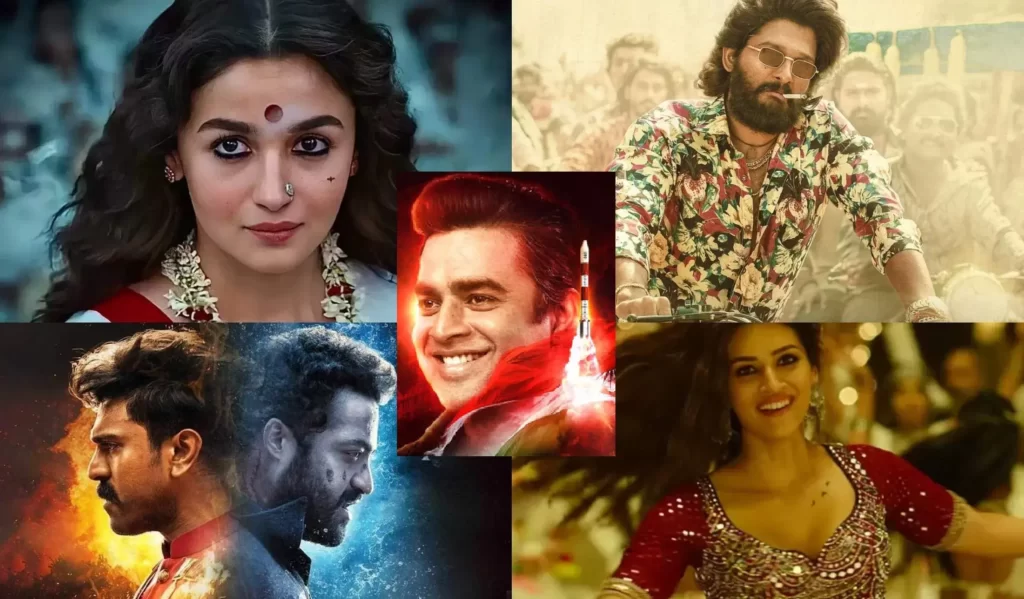
The 69th National Film Awards for 2023 have been disclosed at the National Media Centre in New Delhi. Although the official awards ceremony is pending, it will honour outstanding contributions to Indian cinema in 2021. Films, both feature and non-feature, certified by the Central Board of Film Certification (CBFC) between January 1, 2021, and December 31, 2021, were eligible for consideration. Here is the comprehensive list of winners across various categories at the 69th National Film Awards: Major Film Awards: Best Feature Film: “Rocketry” Best Director: Nikhil Mahajan for “Godavari” Best Popular Film Providing Wholesome Entertainment: “RRR” Nargis Dutt Award for Best Feature Film on National Integration: “The Kashmir Files” Best Actor: Allu Arjun for “Pushpa” Best Actress: Alia Bhatt for “Gangubai Kathiawadi” and Kriti Sanon for “Mimi” Best Supporting Actor: Pankaj Tripathi for “Mimi” Best Supporting Actress: Pallavi Joshi for “The Kashmir Files” Best Child Artist: Bhavin Rabari for “Chhello Show” Music and Sound Awards: Best Music Director (Songs): Devi Sri Prasad for “Pushpa” Best Music Direction (Background Music): MM Keeravaani for “RRR” Best Male Playback Singer: Kaala Bhairava for “RRR” Best Female Playback Singer: Shreya Ghoshal for “Iravin Nizhal” Best Lyrics: Chandrabose for “Konda Polam’s Dham Dham Dham” Regional Excellence: Best Hindi Film: “Sardar Udham” Best Kannada Film: “777 Charlie” Best Malayalam Film: “Home” Best Gujarati Film: “Chhello Show” Best Tamil Film: “Kadaisi Vivasayi” Best Telugu Film: “Uppena” Best Maithili Film: “Samanantar” Best Mishing Film: “Boomba Ride” Best Marathi Film: “Ekda Kaay Zala” Best Bengali Film: “Kalkokkho” Best Assamese Film: “Anur” Best Meiteilon Film: “Eikhoigi Yum” Best Odiya Film: “Pratikshya” Debut Filmmakers: Indira Gandhi Award for Best Debut Film of a Director: “Meppadiyan” by Vishnu Mohan Socially Relevant Films: Best Film on Social Issues: “Anunaad – The Resonance” Best Film on Environment Conservation/Preservation: “Aavasavyuham” Best Children’s Film: “Gandhi and Co” Audiography: Best Audiography (Location Sound Recordist): Arun Asok & Sonu K P for “Chavittu” Best Audiography (Sound Designer): Aneesh Basu for “Jhilli” Best Audiography (Re-recordist of the final mixed track): Sinoy Joseph for “Sardar Udham” Technical Excellence: Best Choreography: Prem Rakshith for “RRR” Best Cinematography: Avik Mukhopadhayay for “Sardar Udham” Best Costume Designer: Veera Kapur Ee for “Sardar Udham” Best Special Effects: Srinivas Mohan for “RRR” Best Production Design: Dmitrii Malich and Mansi Dhruv Mehta for “Sardar Udham” Best Editing: Sanjay Leela Bhansali for “Gangubai Kathiawadi” Best Make-up: Preetisheel Singh for “Gangubai Kathiawadi” Best Stunt Choreography: King Soloman for “RRR” Special Awards: Special Jury Award: “Shershaah” by Vishnuvardhan Special Mention: Late Shri Nallandi for “Kadaisi Vivasayi” Aranya Gupta & Bithan Biswas for “Jhilli” Indrans for “Home” Jahanara Begum for “Anur” Non-Feature Film Awards: Best Non-feature film: “Ek Tha Gaon” Best Direction (Non-feature film): Bakul Matiyani for “Smile Please” Best Debut Non-Feature Film of a Director: “Paanchika” by Ankit Kothari Best Anthropological Film: “Fire on Edge” Best Biographical Film: “Rukhu Matir Dukhu Majhi” and “Beyond Blast” Best Arts Films: “T.N. Krishnan Bow Strings to Divine” Best Science & Technology Films: “Ethos of Darkness” Best Promotional Film: “Endangered Heritage ‘Warli Art’” Best Environment Film (Non-feature film): “Munnam Valavu” Best Film on Social Issues (Non-feature film): “Mithu Di” and “Three Two One” Best Investigative Film: “Looking For Challan” Best Exploration Film: “Ayushman” Best Educational Film: “Sirpigalin Sirpangal” Best Short Fiction Film: “Dal Bhat” Best Animation Film: “Kandittundu” Best Film on Family Values: “Chand Saanse” And other non-feature film category winners in various fields like cinematography, audiography, editing, music direction, narration, and more. Special Mention (Non-feature film): Aniruddha Jatkar for “Baale Bangara” Srikanth Deva for “Karuvarai” Sweta Kumar Das for “The Healing Touch” Ram Kamal Mukherjee for “Ek Duaa” Special Jury Award (Non-feature film): Shekhar Bapu Rankhambe for “Rekha” Literary and Critic Awards: Best Book on Cinema: “Music by Laxmikant Pyarelal: The Incredibly Melodious Journey” by Rajiv Vijayakar Best Film Critic: Purushothama Charyulu Best Film Critic (Special Mention): Subramanya Bandoor The award ceremonies have been postponed by two years due to the COVID-19 pandemic. The 68th National Film Awards, held in 2022, honoured the best Indian films released in the calendar year 2020. The Tamil film “Soorarai Pottru” won the Best Feature Film award. Late filmmaker Sachy received the Best Director honor for “Ayyappanum Koshiyum,” while Ajay Devgn and Suriya shared the Best Actor award. Aparna Balamurali received the Best Actress award. The 67th National Film Awards celebrated the best Indian films of 2019 but were held in the year 2021. “Marakkar: Lion of the Arabian Sea” won the top honour that year. Established in 1954, the National Film Awards are overseen by the Directorate of Film Festivals. The event also highlights the best films across regional languages and presents industry legends with the Dadasaheb Phalke Award for lifetime achievement. Last year’s recipient was superstar Rajinikanth.

69th National Film Awards 2023: Complete Winners List; Rocketry, Alia Bhatt, Kriti Sanon, and Allu Arjun Emerge as Big Winners in Diverse Categories Read More »