ArdorComm Media Group

Tuesday, February 24, 2026 10:33 PM

Author name: admin

Government Employees Granted 42-Day Special Leave for Organ Donation

The central government has implemented a new policy granting government employees a special leave period of 42 days for organ donation. This move aims to provide employees with adequate recovery time after donating an organ. The decision aligns with the transplantation of human organs and tissues act of 1994, which requires donors to be approved by a registered medical practitioner. The leave can be taken starting one week before the surgery, as advised by a doctor or registered medical practitioner. The leave can also be divided into separate periods based on the surgery’s nature, as permitted by the doctor or registered practitioner. This policy intends to promote organ donation among government employees and recognizes it as a compassionate act of support. The ministry of personnel, public grievances, and pensions department of personnel and training issued this policy on April 25, 2023. Previously, employees were granted 30 days of leave for organ donation, but it has now been extended to 42 days based on inquiries and references from the ministry of health and family welfare. These orders apply to government employees in civil services and positions related to the affairs of the Union of India, as specified in the CCS (Leave) Rules, 1972. The rule is effective from the date of the notification. The guidelines also specify that the organ removal surgery must be performed in a government or private hospital authorized under the central government health scheme. If the procedure takes place in a private hospital, a medical certificate signed by the relevant head of department (HOD) is required.

Government Employees Granted 42-Day Special Leave for Organ Donation Read More »

10 Reasons Why the New Normal Education Leadership Summit & Awards is a Must-Attend Event for You

Blog on Edu

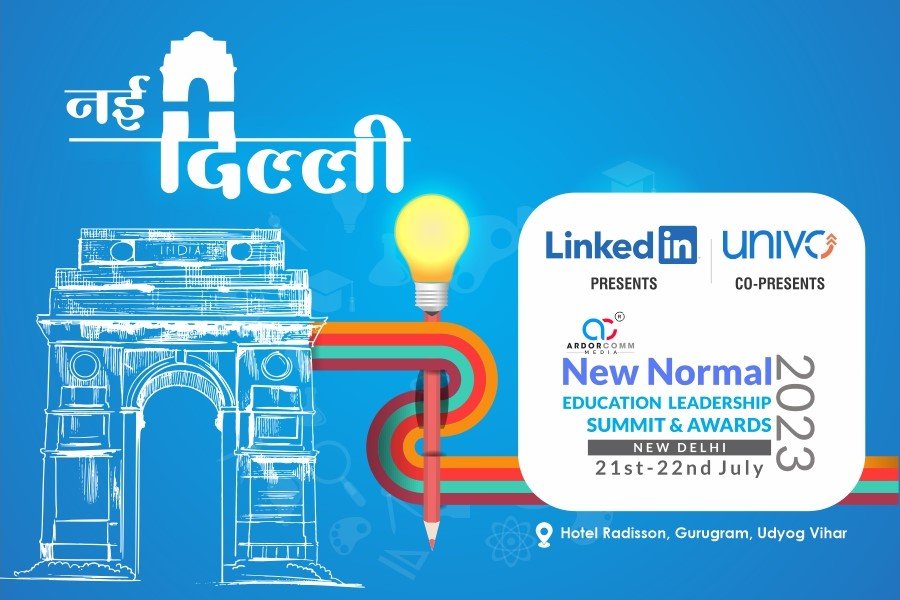
The New Normal Education Leadership Summit & Awards 2023, organized by ArdorComm Media in Gurugram, Delhi NCR on 21st & 22nd July 2023, is a highly anticipated event that brings together educators, thought leaders, policymakers, and industry experts to shape the future of education in India. With its focus on INDIA Vision 2030: A Move to Improve Education & Skills in 21st Century Workplace, this event offers a multitude of reasons why you should attend. Here are ten compelling reasons why the New Normal Education Leadership Summit & Awards is a must-attend event for you. Engage in Engrossing Panel Discussions: Participate in engaging panel discussions led by renowned educators, thought leaders, policymakers, and industry experts. Gain valuable insights into the pressing challenges and opportunities that shape the education landscape. These discussions will provide you with fresh perspectives, innovative ideas, and practical strategies to drive positive change within your educational institution or organization. Immerse Yourself in Interactive Workshops: Immerse yourself in interactive workshops facilitated by experts in the field. Dive deep into specific topics and acquire practical skills that can be applied in real-world scenarios. Explore emerging trends, best practices, and cutting-edge technologies that are transforming the education sector. These workshops will empower you with the knowledge and tools to stay ahead in the ever-evolving educational landscape. Networking Opportunities with Decision-Makers: Connect with decision-makers in the education sector, including policymakers, educational leaders, and industry experts. Expand your professional network and engage in meaningful conversations with individuals who have the power to influence change. Forge new partnerships, share ideas, and collaborate on initiatives that can shape the future of education in India. Enhance Brand Awareness and Visibility: Leverage the platform of the New Normal Education Leadership Summit & Awards to enhance your brand’s visibility within the education community. Showcase your expertise, products, or services to a targeted audience of educators, professionals, and potential clients. Increase brand awareness, establish yourself as a thought leader, and position your organization at the forefront of educational innovation. Stay Updated with Trending Knowledge Sessions: Stay abreast of the latest trends, insights, and innovations in the education sector through trending knowledge sessions. Explore the skills required for the 21st-century workplace and gain a competitive edge. These sessions will equip you with practical knowledge and actionable strategies to adapt and thrive in an ever-changing educational landscape. Celebrate Outstanding Achievements: Witness the recognition of exceptional leaders, institutions, and initiatives in the education sector through the Education Leadership Awards. Be inspired by their achievements and celebrate their commitment to driving positive change. This celebration of excellence will motivate and encourage you to make a lasting impact on education in India. Foster Collaboration and Partnerships: The New Normal Education Leadership Summit & Awards provides a conducive environment to foster collaboration and partnerships. Engage in meaningful discussions, exchange ideas, and explore potential collaborations with like-minded individuals and organizations. Together, you can create innovative solutions and address the challenges facing the education sector more effectively. Explore Business Growth Opportunities: Participating in this event opens doors to potential business growth opportunities. Connect with potential clients, investors, and collaborators who are actively seeking innovative solutions in education. Showcase your products or services, forge new partnerships, and unlock new avenues for business expansion. Gain Exclusive Insights in a Close Door B2B Setting: Take advantage of the close door, exclusive B2B interactions available at the summit. Connect with decision-makers and stakeholders in private settings, allowing for focused and in-depth discussions. This setting provides an opportunity for confidential business discussions and the exploration of strategic partnerships. Be Part of the Educational Transformation: By attending the New Normal Education Leadership Summit & Awards, you become an active participant in the transformation of education in India. Your presence and engagement contribute to shaping the future of education, ensuring that it meets the demands of the 21st-century workplace and prepares students for success. Final Words The New Normal Education Leadership Summit & Awards offers a unique platform for educators, thought leaders, policymakers, and industry experts to come together, share knowledge, and drive positive change in the education sector. With engaging panel discussions, interactive workshops, networking opportunities, brand visibility, and the celebration of outstanding achievements, this event is an unparalleled opportunity for professional growth and collaboration. Don’t miss out on being part of this transformative event that will shape the future of education in India. Register now and join the movement to revolutionize education for the better. Also Read: ArdorComm ‘New Normal – Education Leadership Summit & Awards 2023’ #ELSANewDelhi #ELSAGurugram to be held at Gurugram, Delhi NCR on 21st & 22nd July 2023 Visit Website: https://ardorcomm-media.com/elsanewdelhi/  

10 Reasons Why the New Normal Education Leadership Summit & Awards is a Must-Attend Event for You Read More »

Collaboration in Global Health Philanthropy Paves the Way for Funding the First New Tuberculosis Vaccine in a Century

Wellcome and the Bill & Melinda Gates Foundation have joined hands to provide funding for the final stage of trials for a potentially ground-breaking tuberculosis (TB) vaccine. With an investment of approximately $550 million, they aim to support the Phase III trials of the M72 vaccine, which could mark the first new vaccine against TB in over a century. Despite being preventable and treatable, TB continues to affect 10 million individuals annually, leading to 1.6 million deaths in 2021, primarily in low and middle-income countries. TB has long held the position of the world’s deadliest infectious disease, although it was briefly overshadowed by the COVID-19 pandemic. Bill Gates recently criticized the lack of funding for new tools against TB. His foundation will contribute the majority of the financing for the trial, amounting to around $400 million. However, the organization is also seeking commercial partners to facilitate large-scale production and delivery of the vaccine in the event of trial success. Trevor Mundel, President of Global Health at the Gates Foundation, revealed that discussions are underway with potential vaccine manufacturers. He stated, “We have a couple of partners that are interested.” The trial, spanning 4-6 years, will involve over 26,000 participants across more than 50 sites in Africa and Southeast Asia. It will assess the vaccine’s effectiveness in preventing latent TB from progressing to active TB and causing illness, including among individuals with HIV. The existing TB vaccine, Bacille Calmette-Guerin (BCG), has been administered since 1921 and offers limited protection against the lung-invading form of the disease in adolescents and adults. While it is effective in protecting infants and young children against severe TB, its efficacy diminishes over time. The M72 vaccine, initially developed in the early 2000s by the Gates-backed non-profit Aeras and GSK, continues to utilize GSK’s adjuvant for immune enhancement. Recent Phase II trial data from 2018 demonstrated that the vaccine prevented TB development in approximately half of the recipients. Although the efficacy rate of 50% is relatively modest for vaccines, it has the potential to make a significant impact, potentially saving 8.5 million lives over 25 years, according to the World Health Organization.

Collaboration in Global Health Philanthropy Paves the Way for Funding the First New Tuberculosis Vaccine in a Century Read More »

NMC Explains Infeasibility of Conducting NEET UG Exam Twice a Year

The National Medical Commission (NMC) has explained its reasons for not conducting the National Eligibility cum Entrance Test (NEET) UG twice a year. In response to a letter from the All India Student’s Union demanding biannual NEET UG exams, the NMC stated that all MBBS seats are already filled during the counselling process, making it unfeasible to hold the exam twice. The NMC highlighted the significant financial and resource requirements associated with conducting the NEET UG exam, emphasizing that holding it twice a year would impose an excessive burden on the government’s finances. As an alternative, the NMC suggested that candidates should apply for the medical entrance test in the following year. In other news, the NMC has withdrawn the recently issued guidelines under the Graduate Medical Education Regulations 2023. The commission has now invited feedback from stakeholders on new guidelines, including the Competency Based Medical Education Curriculum Regulations 2023, Minimum Standard Requirements for Establishment of New Medical College/Increase of Seats in MBBS Course Regulations 2023, and Maintenance of Standards of Medical Education Regulations 2023.

NMC Explains Infeasibility of Conducting NEET UG Exam Twice a Year Read More »

AI Algorithm with High Accuracy Boosts Lung Cancer Detection on Chest X-Rays, Study Finds

A recent study published in the Radiology journal of the Radiological Society of North America (RSNA) has revealed that the assistance of a highly accurate artificial intelligence (AI) algorithm significantly improves the detection of lung cancers in chest X-rays. Moreover, the study found that the integration of AI suggestions also enhances human acceptance of AI in the diagnostic process. While AI-based image diagnosis has made significant progress in medicine, there has been limited exploration of the factors influencing radiologists’ diagnostic decisions when utilizing AI-assisted image reading. Researchers from Seoul National University conducted a retrospective study involving 30 readers, including 20 experienced thoracic radiologists and 10 radiology residents. The readers assessed 120 chest X-rays without the aid of AI. Among the X-rays, 60 were from lung cancer patients, and 60 were controls. In a subsequent session, each group re-evaluated the X-rays with the assistance of either a high-accuracy or low-accuracy AI, without knowledge of the use of different AIs. The study found that the use of high-accuracy AI significantly improved the readers’ detection performance compared to low-accuracy AI. Additionally, the implementation of high-accuracy AI resulted in more frequent changes in the readers’ determinations, indicating their susceptibility to AI recommendations. Dr. Chang Min Park, the lead author of the study, suggested that the substantial sample size might have contributed to the readers’ confidence in the AI’s suggestions. The researchers observed that human trust in AI played a crucial role in their susceptibility to AI recommendations. Compared to the initial reading session, readers supported by the high-accuracy AI during the second session exhibited higher sensitivity and specificity in detecting lesions. However, there was no improvement in these measurements when readers were assisted by the low-accuracy AI. Dr. Park emphasized that AI can assist radiologists effectively only when the AI’s diagnostic performance equals or surpasses that of human readers. The study highlights the importance of utilizing high-performance AI in clinical practice. Nevertheless, Dr. Park acknowledged that the definition of “high diagnostic performance AI” may vary depending on the task and clinical context. The study underscores the need for the development of high-performance AI models tailored to specific tasks and the corresponding clinical settings. The researchers plan to expand their investigation of human-AI collaboration to detect other abnormalities in chest X-rays and CT images in the future.

AI Algorithm with High Accuracy Boosts Lung Cancer Detection on Chest X-Rays, Study Finds Read More »

The Role of Emotional Intelligence in Education and Student Success

Blog on Edu

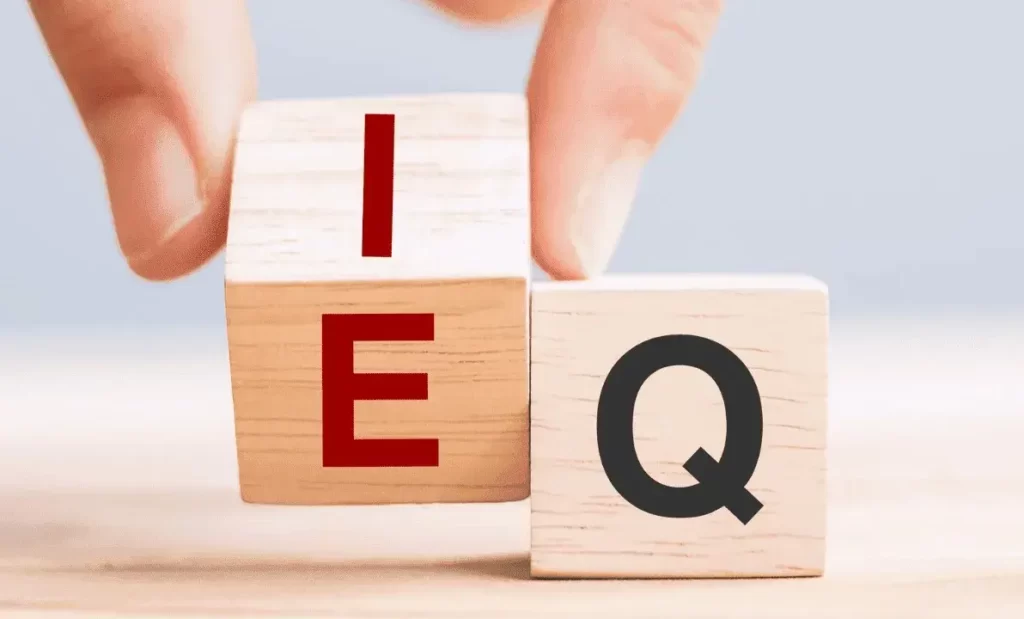
In today’s rapidly changing world, academic achievements alone are no longer sufficient for students to thrive and succeed. The development of emotional intelligence, often referred to as EQ, has gained significant attention as a vital component of education. Emotional intelligence encompasses the ability to recognize, understand, and manage emotions, both in oneself and in others. In this blog post, we will explore the role of emotional intelligence in education and how it contributes to student success. The Importance of Emotional Intelligence in Education: While academic knowledge equips students with valuable information and skills, emotional intelligence plays a crucial role in shaping their character, relationships, and overall well-being. As educational philosopher John Dewey once stated, “Education is not preparation for life; education is life itself.” Emotional intelligence provides students with the tools to navigate life’s challenges and interpersonal interactions effectively. Self-Awareness and Self-Management: Emotional intelligence helps students develop self-awareness, enabling them to understand and recognize their emotions, strengths, and weaknesses. Through self-reflection and self-management, students can regulate their emotions and impulses, enhancing their ability to make sound decisions and adapt to different situations. As psychologist Daniel Goleman explains, “Self-awareness is the ability to monitor one’s own emotions and reactions and to recognize their impact on others.” Also Read: ArdorComm ‘New Normal – Education Leadership Summit & Awards 2023’ #ELSANewDelhi #ELSAGurugram to be held at Gurugram, Delhi NCR on 21st & 22nd July 2023 Empathy and Social Skills: Emotional intelligence fosters empathy, the ability to understand and share the feelings of others. By developing empathy, students can relate to their peers’ experiences, perspectives, and emotions, thus cultivating positive relationships and a sense of community. Additionally, emotional intelligence equips students with essential social skills, such as effective communication, conflict resolution, and teamwork. As educational consultant Maurice J. Elias notes, “Emotional intelligence skills equip children to succeed not just academically, but also in work and life.” Resilience and Well-being: The cultivation of emotional intelligence promotes resilience, the ability to bounce back from setbacks and adapt to adversity. Students with higher emotional intelligence are better equipped to handle stress, setbacks, and challenges, as they possess effective coping mechanisms and problem-solving skills. Furthermore, emotional intelligence contributes to overall well-being by fostering self-confidence, self-esteem, and a positive mindset. As psychologist Peter Salovey states, “Emotional intelligence skills can help build resilience, foster well-being, and improve mental health.” Also Read: Rethinking Curriculum and Pedagogy to Reflect the Accelerated Use of Technology Implementing Emotional Intelligence in Education: Educators play a vital role in promoting emotional intelligence within the educational setting. By incorporating the following strategies, schools can create an environment that nurtures emotional intelligence: Emotional Literacy: Emotional literacy refers to the ability to understand and express emotions effectively. By integrating emotional literacy programs into the curriculum, schools can help students develop a strong foundation in recognizing and labelling emotions. This can be done through various activities, such as discussions, journaling, and role-playing exercises. Teachers can create a safe and supportive environment where students feel comfortable expressing their emotions and learn to navigate them constructively. Emotional literacy provides students with the vocabulary and tools to articulate their feelings, leading to better self-awareness and emotional regulation. Social-Emotional Learning (SEL) Programs: Social-Emotional Learning (SEL) programs are designed to explicitly teach emotional intelligence skills and foster social and emotional development in students. These programs provide a structured framework for educators to incorporate emotional intelligence into their teaching practices. SEL programs typically cover various aspects of emotional intelligence, including self-awareness, self-management, social awareness, relationship skills, and responsible decision-making. By incorporating SEL programs into the curriculum, schools create opportunities for students to develop and practice these crucial skills in a supportive and guided manner. Also Read: The Impact of Technology on Higher Education: Changing the Landscape of Learning Classroom Practices: Classroom practices play a significant role in promoting emotional intelligence among students. Educators can encourage open dialogue by creating a safe space for students to share their thoughts, feelings, and experiences. This can be achieved through class discussions, group activities, and individual reflection exercises. Active listening skills should be emphasized, allowing students to feel heard and understood. Additionally, teachers can incorporate mindfulness techniques, such as deep breathing exercises and relaxation techniques, to help students manage stress and regulate their emotions effectively. Teacher Training: To effectively promote emotional intelligence in education, it is essential to provide teachers with the necessary training and professional development opportunities. Teacher training programs can focus on enhancing educators’ understanding of emotional intelligence and equipping them with strategies and techniques to incorporate it into their teaching practices. By investing in teacher training, schools ensure that educators have the knowledge and skills to create emotionally supportive classroom environments, implement SEL programs, and guide students in developing their emotional intelligence. Also Read: Tech-Driven Education: The Rise of E-Learning in the Digital Age Conclusion In today’s education landscape, fostering emotional intelligence is essential for students’ holistic development and long-term success. By cultivating self-awareness, empathy, resilience, and social skills, students become equipped to navigate the complexities of life beyond the classroom. As Nobel laureate and renowned educational psychologist, Haim Ginott, once said, “Teachers are expected to reach unattainable goals with inadequate tools. The miracle is that, sometimes, they do. The Role of Emotional Intelligence in Education equips both educators and students with the necessary tools to overcome obstacles and thrive in an ever-changing world.” So, let us prioritize emotional intelligence in education and empower students with the skills needed for a fulfilling and successful future. The author, Pratik Ghosh is associated with ArdorComm Media


The Role of Emotional Intelligence in Education and Student Success Read More »

Prime Minister Modi Reviews 12 Projects Worth Rs 1,21,300 Crore in PRAGATI Meeting

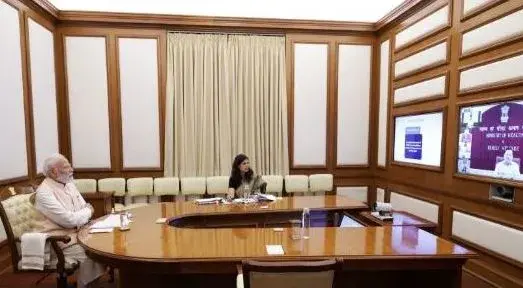
Prime Minister Narendra Modi presided over the 42nd edition of PRAGATI, an ICT-based platform for proactive governance and timely implementation, where he chaired a meeting involving the central and state governments. The meeting focused on the review of twelve key projects, seven of which were from the Ministry of Health & Family Welfare, two from the Ministry of Railways, and one each from the Ministry of Road Transport and Highways, Ministry of Steel, and Ministry of Petroleum & Natural Gas. These projects have a combined value of over Rs 1,21,300 crore and are spread across ten states, including Chhattisgarh, Bihar, Rajasthan, Madhya Pradesh, Gujarat, Maharashtra, Telangana, Tamil Nadu, Odisha, and Haryana, as well as two union territories, Jammu and Kashmir, and Dadra and Nagar Haveli. During the meeting, the Prime Minister reviewed the progress of various projects, such as the construction of AIIMS facilities in Rajkot, Jammu, Awantipora, Bibinagar, Madurai, Rewari, and Darbhanga. He emphasized the importance of resolving any outstanding issues and adhering to the stipulated timelines for the completion of these projects, considering their significance for the general public. Additionally, Prime Minister Modi discussed the ‘PM SVANidhi Scheme’ and urged Chief Secretaries to identify and include all eligible street vendors, particularly in tier II and tier III cities. He also directed a mission-mode campaign to promote digital transactions among street vendors and ensure that the benefits of government schemes reach the family members of SVANidhi beneficiaries through the ‘SVANidhi se Samriddhi’ initiative. Furthermore, the Prime Minister commended Chief Secretaries for successfully organizing G20 meetings and encouraged them to maximize the benefits derived from these meetings, especially in terms of promoting tourism and exports in their respective states. The PRAGATI meetings have reviewed a total of 340 projects worth Rs 17.05 lakh crore thus far, as stated in a note from the Prime Minister’s Office (PMO).

Prime Minister Modi Reviews 12 Projects Worth Rs 1,21,300 Crore in PRAGATI Meeting Read More »

Tata Capital’s Recruitment Drive Sees Successful Onboarding of Over 340 Management Trainees

Tata Capital, the financial services division of the Tata Group, has recently hired more than 340 management trainees for its management trainee program in 2023. These trainees were selected from renowned institutions such as the Indian Institutes of Management (IIMs) and other prestigious business schools across India. Tata Capital conducted recruitment activities across 50 campuses nationwide to ensure a diverse group of candidates. The company aims to provide these management trainees with challenging opportunities by offering them positions in various functions within the organization, including sales, credit, collections, risk, finance, HR, data science, and technology. The annual management trainee program at Tata Capital enables MBA freshers to explore and enhance their skills in the finance industry. It serves as a stepping stone for these trainees, helping them gain a comprehensive understanding of the sector and navigate their careers effectively. The company remains committed to empowering young professionals while adhering to its core values of excellence, diversity, and innovation. Avijit Bhattacharya, the Chief Human Resources Officer (CHRO) of Tata Capital, emphasized the program’s significance in attracting top talent and immersing them in the Tata culture. The company is dedicated to investing in the trainees’ professional growth and developing critical skills, with a strong focus on building a robust leadership pipeline for the future.

Tata Capital’s Recruitment Drive Sees Successful Onboarding of Over 340 Management Trainees Read More »

IIT Bombay Ranks Among Top 150 Universities in the World in QS World University Rankings 2024

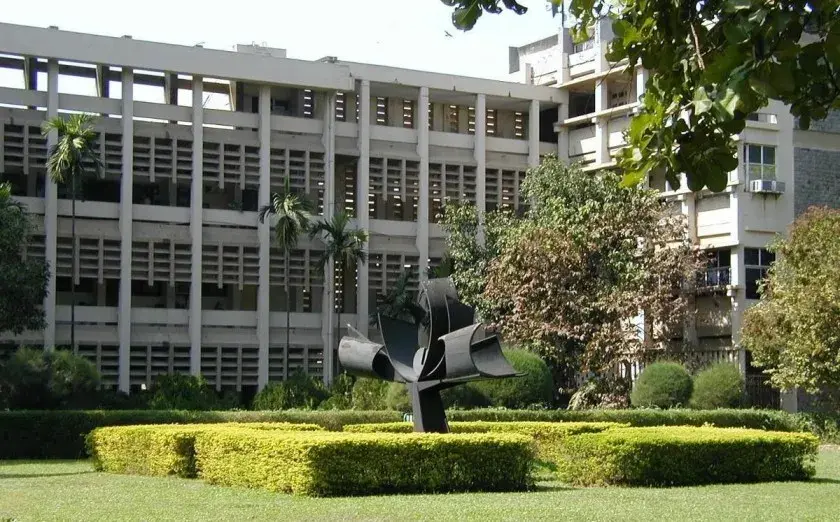
In the latest QS World University Rankings 2024, the Indian Institute of Technology (IIT) Bombay has made significant progress by securing the 149th position, marking its highest rank ever and becoming the only Indian institution in the top 150. This achievement breaks an eight-year streak for Indian universities outside the top 150, with the last occurrence being the Indian Institute of Science (IISc) Bangalore’s ranking at 147th in 2016. India has seen an overall improvement in its representation, with 45 universities making it to the rankings compared to 41 the previous year. This places India as the seventh most-represented country globally and the third in Asia. However, India has one fewer university in the top 200 compared to the previous year. Despite the positive overall trend, several Indian universities have experienced a decline in their rankings. IIT Delhi dropped from the 174th position to 197th, while IISc fell 70 positions from 155th to 225th, now standing as the third-highest-ranked Indian institution. Other reputable universities, such as IIT Kanpur and IIT Madras, also faced declines in their rankings. The QS World University Rankings 2024 revealed the following top-ranked Indian universities: 149th: Indian Institute of Technology Bombay (IITB) 197th: Indian Institute of Technology Delhi (IITD) 225th: Indian Institute of Science (IISc) 271st: Indian Institute of Technology Kharagpur (IIT-KGP) 278th: Indian Institute of Technology Kanpur (IITK) 285th: Indian Institute of Technology Madras (IITM) 364th: Indian Institute of Technology Guwahati (IITG) 369th: Indian Institute of Technology Roorkee (IITR) 407th: University of Delhi 427th: Anna University The global rankings were dominated by prestigious institutions such as the Massachusetts Institute of Technology (MIT), University of Cambridge, and University of Oxford, securing the top positions. The QS Quacquarelli Symonds, a UK-based ranking agency, introduced three new indicators this year—sustainability, employment outcomes, and international research network—which collectively account for 5% of the ranking methodology. As a result, the weightage assigned to the academic reputation indicator has been reduced to 30%, the emphasis on faculty-student ratio decreased to 10%, and the weightage to the employer reputation indicator increased to 15%.  

IIT Bombay Ranks Among Top 150 Universities in the World in QS World University Rankings 2024 Read More »

Amazon’s $15 Billion Investment in India to Generate 20 Lakh Jobs, Boost Digitalization and Exports

After a meeting with Prime Minister Narendra Modi, Amazon CEO Andy Jassy announced that the company will invest $15 billion in India, bringing its total investment to $26 billion by 2030. This investment is expected to create around 20 lakh jobs in the country. Jassy and Modi discussed various ways to support Indian start-ups, boost job creation, promote exports, accelerate digitalization, and help small businesses expand globally. Amazon has already committed to assisting 10 million small businesses in their digital transformation and facilitating $20 billion worth of exports. Over the past decade, the company has helped digitize over 6.2 million small businesses and facilitated exports worth more than $7 billion, providing employment opportunities for 1.3 million people directly and indirectly. Additionally, Amazon has supported over 12 lakh Indian businesses in selling their products online, even in remote areas of the country. During Modi’s visit to the United States, he also met with tech executives, including Tim Cook from Apple, Sundar Pichai from Google, and Satya Nadella from Microsoft. It is reported that Modi invited these global companies to establish manufacturing units in India.

Amazon’s $15 Billion Investment in India to Generate 20 Lakh Jobs, Boost Digitalization and Exports Read More »