ArdorComm Media Group

Monday, February 23, 2026 10:26 AM

Author name: admin

IIT Kharagpur’s iVAR Lab and iXRLabs collaborate to examine the potential of VR in higher education

The Indian Institute of Technology (IIT), Kharagpur has joined hands with a Gurugram-based ed-tech startup iXRLabs. To see experience of students with VR, aspirants can check the official website — ivarlab.iitkgp.ac.in. As part of this partnership, iVAR lab will share students’ experiences with virtual reality modules created by iXRLabs in areas like civil, mechanical, electrical, and chemical. Experts are hoping that this collaboration will promote research and innovation in the field of virtual reality for educational purposes. The two organisations hope that their collaboration will significantly improve students’ educational experiences. The modules in these programmes will cover a wide range of industrial settings, including machineries, plant tours, and experiments, such as a jet engine, thermal power plant, and universal testing machine. Also, the iVAR lab will provide inputs in the writing and development of a research paper/white paper based on the pilot project. According to Dr. Kaushal Kumar Bhagat of the iVAR Lab at IIT Kharagpur, “the collaboration will facilitate and foster the research and innovation on the applications of virtual reality in education and training, which will pave the way for a new era of immersive learning experiences that can transform the way students acquire knowledge and skills.”

IIT Kharagpur’s iVAR Lab and iXRLabs collaborate to examine the potential of VR in higher education Read More »

The Benefits and Challenges of Health Tech in Modern Healthcare

Blog on Health

Health technology, or health tech, refers to the use of technology to improve health outcomes, increase efficiency, and reduce costs in the healthcare industry. Health tech encompasses a wide range of technologies, including medical devices, telemedicine, health information technology, and wearable devices. The use of health tech has the potential to revolutionize the healthcare industry and improve the lives of millions of people worldwide. The Benefits of Health Tech One of the major benefits of health tech is improved patient outcomes. With the use of telemedicine, patients can receive medical care remotely, which can reduce the risk of infection, improve access to care, and save time and money. Telemedicine can also improve patient outcomes by allowing doctors to monitor patients in real-time, making it easier to identify and address potential health problems before they become more serious. Another benefit of health tech is increased efficiency. With the use of electronic health records (EHRs), healthcare providers can easily access patient information, reducing the need for manual record-keeping and improving the accuracy of patient data. EHRs can also be used to track patient progress and monitor the effectiveness of treatments, making it easier to identify the most effective treatment options and improve patient outcomes. Health tech can also reduce costs in the healthcare industry. With the use of telemedicine and other remote technologies, healthcare providers can reduce the need for expensive in-person appointments and hospitalizations. Additionally, health tech can help to identify potential health problems earlier, which can reduce the need for costly treatments and surgeries down the line. Types of Health Tech There are many different types of health tech, each with its own unique benefits and applications. Here are some of the most common types of health tech: Telemedicine: Telemedicine refers to the use of technology to provide medical care remotely. Telemedicine can be used for a wide range of medical services, including consultations, check-ups, and follow-up appointments. Telemedicine can be especially useful for patients who live in rural or remote areas, or who have difficulty traveling to medical appointments. Wearable Devices: Wearable devices, such as fitness trackers and smartwatches, are becoming increasingly popular. These devices can track a wide range of health metrics, including heart rate, activity level, and sleep quality. Wearable devices can be used to monitor health over time, identify potential health problems, and motivate patients to make healthy choices. Health Information Technology: Health information technology, or HIT, refers to the use of technology to manage and share patient information. HIT includes electronic health records (EHRs), which allow healthcare providers to easily access patient information and track patient progress. HIT can also be used to share patient information securely between different healthcare providers, improving communication and coordination of care. Medical Devices: Medical devices, such as pacemakers and insulin pumps, have been used for decades to improve health outcomes for patients with chronic conditions. Advances in medical device technology have led to the development of new devices that are more effective and easier to use than ever before. Challenges in Health Tech While health tech has the potential to revolutionize the healthcare industry, there are also some challenges that must be addressed. One of the main challenges is the cost of implementing new technologies. Health tech can be expensive to develop and implement, and healthcare providers may not have the resources to invest in new technologies. Another challenge is ensuring the security and privacy of patient information. With the use of electronic health records and other health information technologies, it is important to ensure that patient information is protected from unauthorized access or disclosure. Finally, there is a need for greater standardization and interoperability in health tech. With so many different types of health tech available, it can be difficult to ensure that different technologies can work together seamlessly. Standardization and interoperability are essential for the success of health tech in healthcare. With so many different types of technologies available, it is important to ensure that they can work together seamlessly. Standardization refers to the development of common technical standards for health tech, while interoperability refers to the ability of different technologies to communicate and exchange data. Achieving standardization and interoperability can be a challenge, as different technologies may have different standards and protocols. However, efforts are underway to develop common standards and protocols that can be used across different technologies. The development of these standards and protocols will help to ensure that different technologies can work together seamlessly, improving the efficiency and effectiveness of healthcare delivery. Conclusion Health tech has the potential to revolutionize the healthcare industry, improving patient outcomes, increasing efficiency, and reducing costs. With the use of technologies such as telemedicine, wearable devices, health information technology, and medical devices, healthcare providers can deliver more personalized and effective care to patients. However, there are also challenges that must be addressed, including the cost of implementing new technologies, ensuring the security and privacy of patient information, and achieving standardization and interoperability. Addressing these challenges will be essential for the success of health tech in healthcare. As the healthcare industry continues to evolve, health tech will become an increasingly important part of healthcare delivery. By embracing new technologies and addressing the challenges of implementation, healthcare providers can improve patient outcomes and deliver more efficient and effective care to patients. The author, Pratik Ghosh is associated with ArdorComm MediaTop of Form    

The Benefits and Challenges of Health Tech in Modern Healthcare Read More »

PM Modi inaugurates free-of-cost medical college & hospital in Karnataka

At Sathya Sai Grama, Muddenahalli in the Chikkaballapura district, Prime Minister Narendra Modi on Saturday originally inaugurated the “Sri Madhusudan Sai Institute of Medical Sciences and Research (SMSIMSR) & “Sri Sathya Sai Rajeswari Memorial Block,” a completely free medical college and hospital. Sri Sathya Sai University for Human Excellence established the SMSIMSR hospital, according to an official release. It was stated that SMSIMSR, which is located in a rural location and was founded with the goal of de-commercializing medical education and healthcare, would offer high-quality medical care and education at no cost to everyone. According to the press release, the institute will begin operations in the 2023–24 academic year. Source: PTI

PM Modi inaugurates free-of-cost medical college & hospital in Karnataka Read More »

NISAR: The earth science satellite developed by NASA and ISRO together to produce high-resolution images of the planet

An earth science satellite called NISAR (NASA-ISRO Synthetic Aperture Radar) was jointly created by the Indian Space Research Organization (ISRO) and the National Aeronautics and Space Administration of the United States. The satellite’s mission includes designing, developing, and launching a dual-frequency (L and S band) radar imaging satellite as well as exploring newer application areas for L & S band microwave data, particularly in surface deformation studies, terrestrial biomass structure, mapping and monitoring of natural resources, and studies pertaining to the dynamics of ice-sheets, glaciers, forests, and oil slicks, among other things. This information was provided in a written reply to a question asked in the Rajya Sabha earlier this week by Union Minister of State for Science & Technology, Space, and Earth Sciences Dr. Jitendra Singh. An Earth observation satellite equipped with a dual-frequency synthetic aperture radar will be launched as part of the NASA-ISRO Synthetic Aperture Radar (NISAR) mission, a joint project between NASA and ISRO. According to the minister, the instrument designated for SAR is based on the cutting-edge Sweep SAR technique and is configured in both the L and S bands in polarimetric mode for wide swath and high resolution. With an inclination of 98.4 degrees and a 747 km sun-synchronous orbit around the Earth, the spacecraft will repeat its orbit every 12 days. According to Dr. Singh, ISRO provides the S-band SAR payload, spacecraft bus, and launch services, whilst NASA provides the L-Band SAR payload, high precision GPS, and 12 m unfurlable antenna. He stated that, as of February 2023, ISRO has spent a total of Rs 469.40 crore, excluding launch costs, on the creation of the NISAR satellite. Using two different radar frequencies (L-band and S-band), NISAR will be the first radar of its sort in orbit to systematically map Earth. It will measure changes to the planet’s surface, including movements as small as centimetres. Synthetic aperture radar (SAR) is a method for creating high-resolution images from a radar system that has limited resolution. The satellite will be used for remote sensing, which enables observation and understanding of Earth’s natural processes. The Antarctic cryosphere will be studied by its left-facing instruments. NISAR is set to be the most expensive Earth-imaging satellite in the world, with a total cost estimated at US$ 1.5 billion.

NISAR: The earth science satellite developed by NASA and ISRO together to produce high-resolution images of the planet Read More »

Accenture to cut 2.5% of workforce, lay off 19,000 employees

A total of 19,000 jobs, or around 2.5% of its workforce, will be cut at the multinational Technology company Accenture, according to the company’s statement. The move is part of cost-cutting measures, which will also include “streamlining how we operate, consolidating office space, and moving forward with our next compressed transformation – transforming our corporate functions,” according to Julie Sweet, CEO of Accenture, who has explained to the staff that the company aims to be the most tech, data, and AI driven, efficient, and agile enterprise in the world. The Company has realized that it can “operate with fewer Accenture Leaders (managing directors) in some parts of the company and still drive our growth,” and these departures will take place by the end of 2023, according to Sweet’s mail. Employees in non-billable corporate functions will be most affected by layoffs. For the severance of the impacted employees, the business has set aside $1.2 billion. The IT major has also lowered its expectations for annual profits and revenue. As opposed to the earlier projection of 8% to 11%, Accenture now anticipates its annual revenue growth to be in the range of 8% to 10% in local currency. Accenture’s projected earnings per share has been reduced from its previous estimate of $11.20 to $11.52 to between $10.84 and $11.06. Yet, the company has declared a $1.12 per share quarterly cash dividend. Accenture announced new orders of $22.1 billion in the most recent quarter, of which consultancy orders accounted for $10.7 billion and managed services orders for $11.4 billion. According to Sweet, the company will keep making investments in its operations and staff to take advantage of growth prospects while also finding ways to reduce expenses through the fiscal year 2024 and beyond. Additionally, she reassured that Accenture announced record Q2 sales and anticipates rapid expansion. It is significant to note that Accenture’s third-quarter prediction fell short of what Wall Street had anticipated. The US Federal Reserve decided to raise interest rates by 25 basis points, which was followed by this announcement. Source: Reuters

Accenture to cut 2.5% of workforce, lay off 19,000 employees Read More »

Robotics-related MTech programme launched at IIT Delhi; GATE score required for admission

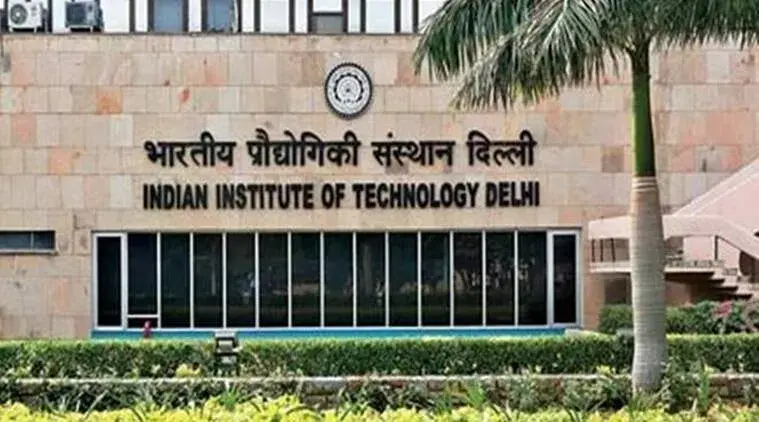
The MTech in Robotics programme was launched by the Indian Institute of Technology, Delhi (IIT-D) today. At home.iitd.ac.in/pg-admissions.php the official IIT Delhi website, interested candidates can apply for this programme. The application deadline for this recently announced programme is March 30. The program’s first batch will begin in the 2023–24 academic year. There are 25 seats available in this programme, and candidates will be admitted using the GATE, a programming test, and an interview. Collaborative robotics, industrial robotics, rehabilitation and medical robotics, and autonomous and intelligent vehicles will all be areas of specialisation in the curriculum. The Department of Computer Science and Engineering, the Department of Electrical Engineering, the Department of Mechanical Engineering, and the Yardi School of Artificial Intelligence in collaboration with the Center of Excellence on Biologically Inspired Robots and Drones (CoE-BIRD) will jointly offer this two-year programme. The new course will emphasise experiential learning along with strong theoretical foundations. Students will be given access to a multidisciplinary curriculum that will provide them with the knowledge and skills necessary to design innovative, intelligent systems and products that can solve today’s problems in the development of robotics platforms and applications.

Robotics-related MTech programme launched at IIT Delhi; GATE score required for admission Read More »

Digital-First Education: How Robust Infrastructure is Shaping the Future of Learning

Blog on Edu

Education has always been an essential part of society, but with the advent of technology, it has become even more critical. The COVID-19 pandemic has highlighted the importance of digital infrastructure in education. Many schools and universities were forced to switch to remote learning, and those with robust and flexible digital infrastructure were better prepared to make the transition. In this blog, we will discuss the importance of digital infrastructure in education and how it can make education more future ready. Accessibility and Inclusivity One of the most significant benefits of a robust and flexible digital infrastructure in education is increased accessibility and inclusivity. Digital infrastructure can help eliminate geographic barriers, making education more accessible to students from all parts of the world. Students can access online courses, classes, and resources from anywhere in the world, making it easier for them to learn at their own pace and on their own schedule. This is particularly important for students in rural or remote areas, who may not have access to traditional classroom-based education. Digital infrastructure can also increase inclusivity by providing support for students with disabilities. For example, closed captions and transcripts can make videos and lectures accessible to students with hearing impairments. Moreover, digital infrastructure enables distance learning, which can be particularly useful for those with physical disabilities that may hinder them from attending physical classrooms. Distance learning allows students to engage in education without the need to be physically present in a classroom, ensuring that education is available to everyone, regardless of their physical ability. Also Read: ArdorComm Media “New Normal – Education Leadership Summit & Awards 2023” #ELSAChennai #ELSATamilNadu Flexibility and Customization Another benefit of digital infrastructure in education is flexibility and customization. With digital tools, teachers can tailor their lessons to meet the needs and preferences of individual students. Digital infrastructure enables personalized learning, which can help students learn at their own pace, providing flexibility to them. Teachers can also provide immediate feedback and support using digital tools, which can help students stay motivated and engaged in their learning. Additionally, digital tools can make education more engaging and interactive. For example, virtual reality and gamification can create immersive learning experiences that make education more exciting and memorable. The flexibility and customization provided by digital infrastructure can help students build skills and knowledge that are aligned with their interests and aspirations. This can help motivate them to learn and succeed, making them more confident and self-aware. Cost-Effectiveness Digital infrastructure can also be cost-effective, particularly in the long term. Traditional classroom-based education requires significant resources, such as buildings, textbooks, and equipment. With digital infrastructure, these costs can be significantly reduced. For example, online textbooks are often less expensive than traditional textbooks, and they can be updated more frequently. Digital tools can also reduce the need for physical classroom space, saving on rent and maintenance costs. In addition, online courses can help reduce the cost of transportation and other expenses associated with traditional classroom-based learning. Future-Readiness Perhaps the most significant benefit of a robust and flexible digital infrastructure in education is future-readiness. With the rapid pace of technological change, it is essential to prepare students for the jobs of the future. Digital infrastructure can provide students with the skills and knowledge they need to succeed in a rapidly changing job market. This includes skills such as coding, data analysis, and digital marketing, which are in high demand in many industries. In addition, digital infrastructure can help students build critical thinking, problem-solving, and communication skills, which are essential for success in any field. Moreover, digital infrastructure can enable collaboration among students across different regions, cultures, and time zones. This collaboration can expose students to diverse perspectives and help them build a global mindset, which is becoming increasingly important in today’s interconnected world. Conclusion Digital infrastructure is essential for the future of education. It can increase accessibility and inclusivity, provide flexibility and customization, be cost-effective, and ensure that students are future-ready. As we move forward, it is crucial for educational institutions to invest in digital infrastructure and ensure that they are equipped with the necessary tools and technologies to provide a high-quality education to their students. However, it is important to note that digital infrastructure alone cannot solve all the challenges facing education. It is also essential to focus on pedagogical approaches and teaching methods that are aligned with the needs of today’s learners. Moreover, there are also concerns about the digital divide and the unequal distribution of digital infrastructure across different regions and communities. It is crucial to address these disparities and ensure that all students have access to high-quality education regardless of their socio-economic status. In conclusion, the future of education is digital-first. Robust and flexible digital infrastructure is essential for providing high-quality education that is accessible, inclusive, flexible, cost-effective, and future-ready. Educational institutions that invest in digital infrastructure and adopt pedagogical approaches that are aligned with the needs of today’s learners will be well-positioned to succeed in the rapidly evolving world of education. The author, Pratik Ghosh is associated with ArdorComm Media  

Digital-First Education: How Robust Infrastructure is Shaping the Future of Learning Read More »

The Future of Entertainment: Trends and Technologies Shaping the Media Industry

Blog on MEA

The entertainment industry has always been one of the most dynamic and exciting industries in the world. From movies to music, television to gaming, entertainment is an essential part of our lives. However, in recent years, the industry has undergone a significant transformation. Technological advancements and changes in consumer behaviour have disrupted traditional models, and new trends and technologies are emerging. As we move towards the future, it is essential to understand the trends and technologies that will shape the entertainment industry. In this blog, we will explore the future of entertainment, highlighting the key trends and technologies that are driving change and shaping the industry. Whether you are a consumer or a business owner, understanding these trends will be critical in staying ahead of the curve and thriving in the entertainment industry of the future. Streaming services will continue to dominate Streaming services have already disrupted the traditional cable and broadcast television industry, and this trend is likely to continue in the coming years. According to a recent report by PwC, streaming services are expected to surpass traditional television as the largest segment of the entertainment and media industry by 2024. The popularity of streaming services is due in part to their convenience and affordability. Consumers can access a wide range of content on-demand, without having to pay for cable or satellite television subscriptions. As a result, traditional television networks are struggling to retain viewers and are being forced to adapt to changing consumer preferences. Social media will become more integrated into entertainment Social media has already had a significant impact on the entertainment industry, with many celebrities using platforms like Instagram and TikTok to engage with their fans. In the future, social media is likely to become even more integrated into the entertainment industry. For example, we may see more social media influencers and celebrities collaborating with streaming services to create original content. Social media platforms may also start to offer their own content, creating a new competitor in the industry. Virtual reality will transform the way we consume entertainment Virtual reality (VR) technology has been around for some time, but it has yet to reach its full potential in the entertainment industry. In the future, VR is likely to transform the way we consume entertainment, offering immersive experiences that are more engaging than traditional media. VR technology could be used to create fully immersive gaming experiences, allowing players to feel like they are truly part of the game world. It could also be used to create virtual concerts and events, allowing people to attend from the comfort of their own homes. Personalization will become even more important Consumers today expect personalized experiences in all aspects of their lives, including entertainment. Streaming services like Netflix and Amazon Prime already offer personalized recommendations based on viewing history, and this trend is likely to continue in the future. In the future, we may see even more personalized experiences, with streaming services offering tailored content based on individual preferences and interests. This could include personalized advertising, with ads targeted specifically to individual consumers based on their preferences and habits. Artificial intelligence will play a larger role in content creation Artificial intelligence (AI) is already being used in the media and entertainment industry, with AI algorithms used to analyse data and make content recommendations. In the future, AI is likely to play an even larger role in content creation. For example, AI could be used to generate personalized news stories based on individual interests and preferences. It could also be used to create music and video content, allowing for more efficient and cost-effective content creation. Conclusion The media and entertainment industry is undergoing a major transformation, driven by changes in technology and consumer behaviour. Streaming services are expected to continue to dominate the industry, while social media and virtual reality are likely to become even more integrated into entertainment. Personalization and artificial intelligence will also play a larger role in content creation and delivery. As the industry continues to evolve, it will be important for media and entertainment companies to stay ahead of the curve and embrace new technologies and trends. By doing so, they can continue to engage consumers and deliver innovative, engaging content that resonates with audiences. The author, Pratik Ghosh is associated with ArdorComm Media  

The Future of Entertainment: Trends and Technologies Shaping the Media Industry Read More »

IIT Roorkee is accepting applications for its SPARK internship program

The SPARK internship program 2023 is the Indian Institute of Technology Roorkee’s (IIT Roorkee) yearly flagship program. IIT Roorkee will provide UG students from all around India an internship opportunity as part of the SPARK internship program. Interns will get a stipend of Rs 2500 per week for 6–8 weeks. The selected intern will work with professors from 26 academic departments and centres on research projects. This year, the Mehta Family School of Data Science and Artificial Intelligence will also provide internship opportunities. 25 UG and 10 PG internships are offered specifically for students from Institutes within 200 km of IIT Roorkee under SPARK as part of the celebration of 175 years since the establishment of IIT Roorkee. The UG internship’s maximum duration is six weeks, whereas the PG internship’s maximum duration is six months. The deadline to submit an application for an internship has been set for March 31, according to IIT Roorkee. Selected students can begin their internships in the second week of May 2023 after the results are announced in the second week of April. Visit the SPARK website for additional information on the program and the application procedure. IIT Roorkee began offering institute-funded and project-funded summer internships under the SPARK program in 2018. In 2022, the SPARK program received more than 15000 applications, of which more than 120 offers were made. The SPARK summer internship program of IIT Roorkee seeks to provide this experience to all interns chosen following a rigorous competition among the best minds, according to Prof. K.K. Pant, Director of IIT Roorkee. “We hope this internship program will change the life and mindset of some of the chosen minds of our country and create enthusiasm towards their field of study,” he said.

IIT Roorkee is accepting applications for its SPARK internship program Read More »

Air India launches the second phase of its VR scheme

For its general cadre employees, office staff, and unskilled workers, Air India, which was acquired by the Tata group in January 2022, has announced a second round of voluntary retirement schemes (VRS). Employees must be older than 40 and have at least five years of continuous service to be eligible for the offer. At the moment, Air India employs about 11,000 people, both flying and non-flying personnel. 2,100 of these workers are qualified to take advantage of the voluntary retirement offer. This is the second phase of the VRS scheme; the first phase, which covered the categories of cabin crew, clerical workers, and unskilled workers, was adopted in June 2022. The voluntary retirement offer was then accepted by around 1,500 employees, or 43% of those who qualified. According to Air India’s top human resources officer, Suresh Dutt Tripathi, requests from workers to offer the additional benefit of voluntary retirement to other permanent employees have been received. As a result, the airline has opted to start the second phase of the VRS scheme. Employees will get an ex gratia amount as a one-time benefit if they apply for voluntary retirement before April 30. The ex gratia payment will be increased by Rs 1,000,000 for those who submit their applications by March 31. The Vihaan.AI transformation plan, which Air India launched in September 2022, intends to accomplish a number of objectives over a five-year period. The plan’s goal is to place Air India on a course for consistent development, financial success, and market leadership. Air India permitted its voluntarily retired cabin crew employees to extend their tenure till January of the next year as of November last year in response to a shortage of cabin crew.

Air India launches the second phase of its VR scheme Read More »