ArdorComm Media Group

Tuesday, February 17, 2026 2:30 AM

Author name: admin

Salaries in India set to climb 9% in 2026 despite global slowdown: Aon survey

ardorcomm news

Amid global economic headwinds, salaries in India are projected to rise by 9% in 2026, driven by strong domestic demand, steady investments, and supportive government policies, according to Aon’s Annual Salary Increase and Turnover Survey 2025–26. The forecast represents a slight uptick from the 8.9% average salary growth recorded in 2025, highlighting the continued resilience of India’s economy even as many other markets experience slower expansion. The 30th edition of Aon’s survey draws insights from 1,060 organisations across 45 industries, revealing significant variations in salary hikes by sector. Real estate and infrastructure firms are expected to see the steepest pay increases at 10.9%, followed closely by non-banking financial companies (NBFCs) at 10%. Other key sectors — including automotive, engineering design services, retail, and life sciences — are likely to post average salary hikes of around 9.6–9.7%, reflecting ongoing investments in critical and skilled talent areas. “India’s growth narrative remains strong, propelled by infrastructure investments and policy support. Organisations are adopting a strategic approach to compensation to ensure sustainable growth and workforce stability amid global uncertainty,” said Roopank Chaudhary, Partner and Rewards Consulting Leader, Talent Solutions, India at Aon. The report also notes a continued decline in employee attrition, which fell to 17.1% in 2025 from 17.7% in 2024 and 18.7% in 2023 — signaling greater workforce stability. With reduced churn, companies are increasingly focusing on upskilling and development initiatives to strengthen their talent pipelines and prepare for future growth opportunities. Source: PTI

Salaries in India set to climb 9% in 2026 despite global slowdown: Aon survey Read More »

Netflix joins hands with IICT and FICCI to nurture India’s next-gen creative tech talent

ardorcomm news

Streaming leader Netflix has entered into a strategic partnership with the Indian Institute of Creative Technology (IICT) and FICCI to build and strengthen the pipeline of creative-technology professionals in India. The memorandum of understanding (MoU) was signed during the 25th edition of FICCI Frames, marking a major step toward advancing India’s AVGC-XR (Animation, Visual Effects, Gaming, Comics, and Extended Reality) ecosystem. Under this collaboration, Netflix will utilize its Fund for Creative Equity to provide scholarships to selected students identified jointly with IICT. The fund aims to empower underrepresented talent in the media and entertainment industry by offering equitable learning and career opportunities. As part of the initiative, Netflix will actively participate in three of IICT’s national councils — R&D, Academic, and Industry Development — to foster synergy between academia, industry experts, and policymakers in shaping the future of India’s creative technology sector. Mahima Kaul, Director of Global Affairs, Netflix India, said the partnership is designed to strengthen the country’s AVGC sector and empower young creators. “Through this collaboration, we aim to equip aspiring storytellers and innovators with world-class tools and opportunities to fuel creativity and drive India’s digital entertainment economy,” she said. Dr. Vishwas Deoskar, CEO of IICT, emphasized that the alliance bridges the gap between academic learning and real-world industry experience. “By offering mentorship, practical exposure, and access to global best practices, we are preparing the next generation of creative technologists to thrive in the evolving AVGC-XR landscape,” he noted. Munjal Shroff, Chairman of the FICCI AVGC-XR Forum, added that the initiative will position India as a global hub for creative technologies. “This partnership not only builds future-ready talent but also fuels innovation and lays the foundation for sustainable growth in the sector,” he said. Source: PTI

Netflix joins hands with IICT and FICCI to nurture India’s next-gen creative tech talent Read More »

Delhi Govt, SCERT to Train 100 Teachers in AI for Personalised Learning & Smart Assessments

ardorcomm news

In a step towards building future-ready classrooms, the Delhi government and the State Council of Educational Research and Training (SCERT) will train 100 school teachers in using Artificial Intelligence (AI) tools to personalise learning and enhance classroom assessments. The two-day hands-on training, scheduled for October 8 and 9, will be conducted under the ‘AI-Mediated Classroom Project’, a special initiative aimed at helping teachers integrate AI technologies into daily teaching and administrative tasks. According to SCERT, the project will be rolled out in two phases. In the first phase, 100 Computer Science teachers from 50 government schools will participate in capacity-building sessions. These teachers will later serve as master trainers, guiding their peers in effectively using AI in education. The second phase will extend the training to subject teachers of Mathematics, Science, English, Hindi, and Social Science for Classes 6 and 9. Each selected school will nominate three teachers from each subject—making 15 participants per school—to undergo the training. An SCERT official noted that the initiative is designed not only to enhance classroom learning but also to assist teachers in non-teaching tasks such as preparing PowerPoint presentations, generating ideas for extracurricular activities, and editing visuals. AI tools like ‘Napkin’ (for generating images from text) and ‘Gamma’ (for quickly creating presentations) are among the applications to be introduced during the sessions. The official added that follow-up sessions and feedback collection will ensure teachers effectively apply these tools in real classrooms. With over 1,075 government schools, 16,633 teachers, and 8.24 lakh students in Delhi, the project aims to make teaching more efficient, interactive, and digitally advanced. “This initiative aligns with our vision to empower educators with 21st-century skills and strengthen digital learning ecosystems across schools,” SCERT said in its circular. Source: PTI

Delhi Govt, SCERT to Train 100 Teachers in AI for Personalised Learning & Smart Assessments Read More »

FM Nirmala Sitharaman Launches Nationwide Drive to Return ₹1.84 Lakh Crore in Unclaimed Assets

ardorcomm news

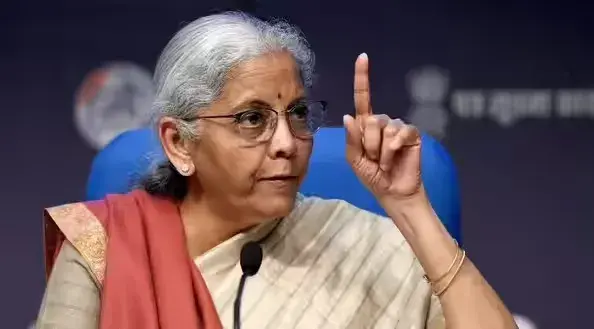
Finance Minister Nirmala Sitharaman on Saturday unveiled a major national campaign aimed at returning nearly ₹1.84 lakh crore worth of unclaimed financial assets to their rightful owners. These funds are currently lying idle across banks, the Reserve Bank of India (RBI), insurance companies, mutual funds, provident fund accounts, and other financial institutions. The three-month-long initiative focuses on creating public awareness and simplifying the process for individuals and families to reclaim their lost or forgotten assets. “These unclaimed amounts are not the government’s property — they belong to citizens,” Sitharaman emphasized, noting that people have long demanded action to recover such funds from entities like the RBI or the Investor Education and Protection Fund (IEPF). Explaining the reasons behind unclaimed assets, she said they often result from missing documents, untracked policies, or lack of awareness, describing the situation as “a ripe fruit hanging within reach but not yet claimed by those it belongs to.” The campaign is structured around three core pillars — Awareness, Access, and Action. Awareness: Educating citizens about the existence of unclaimed money. Access: Enabling easier tracking through the RBI’s UDGAM portal. Action: Ensuring officials follow up on even the smallest clues to help people reclaim their assets. Reassuring the public, the Finance Minister said the funds remain safe and are merely held in custody by the government and financial institutions, not owned by them. “Whether with banks, SEBI, or any other body, the money is securely maintained,” she said. Unclaimed deposits are transferred to the RBI, while unclaimed shares and securities are moved to the IEPF. The government aims to use this drive to reconnect individuals with their financial assets and enhance public trust in the country’s financial ecosystem. Source: TNN

FM Nirmala Sitharaman Launches Nationwide Drive to Return ₹1.84 Lakh Crore in Unclaimed Assets Read More »

IAP Kerala Urges Caution: Avoid Self-Medication and Follow Rational Prescription for Children’s Illnesses

ardorcomm news

The Indian Academy of Paediatrics (IAP), Kerala chapter, has issued a strong advisory urging parents to avoid self-medicating children and instead seek professional paediatric consultation for managing common illnesses like cough and cold. The academy has also called on healthcare providers to follow rational prescription practices to ensure safe and effective treatment for young patients. The guidance follows a recent directive from the Drugs Controller General of India (DCGI), which prohibits the prescription of cough syrups for children under two years of age. “The DCGI’s directive is a reminder to ensure rational use of medicines, especially in infants and young children,” said Dr. I. Riaz, President of IAP Kerala. “Parents should resist the urge to purchase over-the-counter cough syrups or reuse old prescriptions. For persistent cough, consulting a paediatrician for proper diagnosis and dosage is essential.” The IAP Kerala further advised that combination cough and cold medications should not be prescribed for children below two years, and their use in older children should only follow thorough medical evaluation and careful supervision. Dr. Riaz explained that cough is often a symptom of underlying issues such as asthma, allergies, dehydration, or post-nasal drip. Most cases of acute cough in children are self-limiting and resolve without medication. For children above six months, paediatricians may prescribe antihistamines or bronchodilators when clinically necessary, using correct doses and minimal duration. When treating asthma or wheezing-related cough, bronchodilators are best administered through a Metered Dose Inhaler (MDI) with spacer, a method both safe and effective for children. The academy emphasized non-drug measures—like adequate hydration, rest, saline nasal drops, and supportive care—as the first line of treatment for most childhood coughs. “All coughs are not the same, and parents must avoid repeating old prescriptions,” Dr. Riaz cautioned. “Medication type, dosage, and duration should always be adjusted as a child grows.” Source: The Hindu

IAP Kerala Urges Caution: Avoid Self-Medication and Follow Rational Prescription for Children’s Illnesses Read More »

Festive Cheer Boosts Box Office: PVR INOX Records Over 50% Occupancy as Moviegoers Flock Back to Cinemas

ardorcomm news

PVR INOX Ltd is celebrating a blockbuster Dussehra weekend, witnessing a remarkable surge in footfall as audiences return to theatres in large numbers. The multiplex giant reported over 50% occupancy across its cinemas, welcoming more than 8.5 lakh movie lovers during the extended Dussehra–Gandhi Jayanti weekend. “Our theatres are buzzing with festive energy as audiences across India return to enjoy the magic of cinema,” said Gautam Dutta, CEO (Revenue & Operations), PVR INOX Ltd. With the second quarter showing strong growth momentum, the company expressed optimism for the upcoming festive season, which promises a packed lineup of anticipated releases. Titles like Kantara: A Legend Chapter 1, Jolly LLB, and One Battle After Another headline the Bollywood and Hollywood slate, while regional films continue to impress audiences nationwide. Regional blockbusters such as Idli Kadai (Tamil/Telugu), Maria (Tamil), Vada Pav (Marathi), and Nikka Zaildar 4 (Punjabi) are driving impressive box-office numbers, reflecting the vibrant diversity of India’s cinematic landscape. Currently, PVR INOX operates 1,757 screens across 353 properties in 111 cities in India and Sri Lanka, reaffirming its position as the country’s leading multiplex chain. Source: PTI

Festive Cheer Boosts Box Office: PVR INOX Records Over 50% Occupancy as Moviegoers Flock Back to Cinemas Read More »

Goa Unveils New Startup Policy 2025 to Boost Innovation and Employment

ardorcomm news

The Goa government has launched an ambitious Startup Policy 2025 aimed at transforming the state into India’s “Creative Capital” by nurturing a thriving entrepreneurial ecosystem. The initiative targets the creation of 1,000 startups and 10,000 new jobs for Goans while extending strong support to women entrepreneurs, a state official announced. The policy, introduced by the Department of State Information Technology, Electronics and Communication (DITEC), focuses on fostering innovation through venture funding, government-industry collaborations, and partnerships with incubators, corporates, and academic institutions. Goa, which already hosts 696 DPIIT-recognised startups, is positioning itself as an emerging hub for technology and creativity. Vision and Key Goals With a goal to establish Goa as a leading startup destination by 2028, the policy outlines specific targets — including enabling 100 startups to secure venture capital, promoting collaboration between 50 startups and government bodies, and strengthening connections across the entrepreneurial ecosystem. Key Schemes and Incentives The policy introduces several initiatives to encourage innovation and skill development: Campus Innovation Scheme: Offers grants to students for entrepreneurial or research-based projects, reimbursing project development costs. Skill Enhancement Scheme: Provides reimbursement for professional training in areas such as Artificial Intelligence and other emerging technologies. Infrastructure Support: Encourages collaboration with private players and educational institutions to establish IT labs, Maker Labs, Centres of Excellence, and Innovation Hubs. Women Entrepreneurship Support: Launches a dedicated mentoring and funding programme, offering monthly allowances to women-led startups working on innovative solutions. Promotion and Marketing Assistance Scheme: Offers financial aid for startups participating in government-supported exhibitions and trade shows, covering a substantial portion of related expenses.  Officials said the Goa Startup Policy 2025 aims to build a robust innovation-driven environment that inspires the next generation of leaders, innovators, and creators. “This policy will serve as a catalyst for transforming Goa into a global hub for creativity, technology, and innovation — firmly establishing the state as the Creative Capital of India,” the DITEC spokesperson added. Source: PTI

Goa Unveils New Startup Policy 2025 to Boost Innovation and Employment Read More »

NCERT Opens Admissions for Diploma in Guidance and Counselling 2026

ardorcomm news

The National Council of Educational Research and Training (NCERT) has announced the commencement of admissions for its Diploma Course in Guidance and Counselling (DCGC) for the 2026 academic session. This specialised programme is aimed at strengthening the skills of teachers, school heads, and educational professionals in providing effective mental health and career guidance to students. The diploma will be offered in a blended learning format, combining distance education with in-person training sessions. Interested applicants can access the online application form and detailed prospectus on the official NCERT website — ncert.nic.in. The deadline for submitting applications is November 5, 2025. Course Structure The year-long course will be conducted in three stages: Phase I (January–June 2026): Six months of distance learning.  Phase II (July–September 2026): Three months of face-to-face training at designated study centres.  Phase III (October–December 2026): A three-month internship in the participant’s home city or workplace. Eligibility Eligible applicants include teachers, teacher educators, school administrators, and untrained guidance personnel. Candidates must hold a postgraduate degree in Psychology, Education, Social Work, Child Development, or Special Education. Preference will be given to individuals with at least one year of relevant experience. The minimum qualifying marks are 50%, with a 5% relaxation for SC/ST candidates. Course Fee Central government deputed candidates: ₹19,500 State/UT government deputed candidates: ₹6,000 Private candidates: ₹30,000 Boarding and lodging costs during the contact programme will be borne by participants, though accommodation facilities will be available for outstation candidates. Study Centres and Selection Admissions will be offered at DEPFE, NCERT (New Delhi) and the Regional Institutes of Education located in Ajmer, Bhopal, Bhubaneswar, Mysuru, and Shillong, with an intake of 50 candidates per centre. Selection will be based on a multi-stage process, including document screening, an essay test, and a personal interview. Applicants are required to attach self-attested copies of academic qualifications and experience certificates along with their application. Source: Indian Express  

NCERT Opens Admissions for Diploma in Guidance and Counselling 2026 Read More »

Instant Cheque Clearance from October 4: Redefining Accounting, Business, and Commerce

ardorcomm news

From October 4, 2025;  cheque clearance in India will move to an instant system, eliminating the traditional wait of one to three days for funds to be credited. This banking reform modernizes one of the oldest payment tools and aligns it with the speed of UPI, NEFT, and RTGS. While customers will welcome the convenience, the impact stretches far deeper. It would reshape accounting practices, business liquidity, and commercial trust across the economy. Accounting: A Shift Towards Real-Time Transparency For accountants, delayed cheque clearance has always created additional layers of reconciliation. Items such as “cheques deposited but not cleared” often complicated financial statements. With instant clearance, reconciliation will become more straightforward and accurate. This reform effectively eliminates one of the biggest sources of ambiguity in cash accounting. It means fewer reconciliation delays, fewer suspense accounts, and ultimately cleaner books of accounts, Audit processes will also see improvement. With no lag between deposit and settlement, auditors can verify cash positions instantly, reducing the risk of discrepancies or manipulation. Case Example: A mid-sized export firm in Ahmedabad reported that it often had Rs.2-3 crore stuck in the “uncleared cheques” category during quarterly closings. With instant clearance, this amount will now reflect immediately in its books, enabling faster reporting and improving its creditworthiness with banks. Business: Unlocking Liquidity for Growth Delayed clearance has long been a pain point for SMEs, often forcing them into expensive short-term borrowings to manage working capital gaps. The new system addresses this directly. Supplier payments will settle immediately, fostering stronger relationships and ensuring timely deliveries. Customer cheque receipts will convert to cash in real time, improving receivable management. Credit discipline will tighten, as companies gain a clearer, instant picture of their cash flows. “For SMEs, cheque clearance delays often meant a cash crunch. Now, instant access to funds means they can reinvest immediately into raw materials, wages, or marketing, without relying on overdrafts,” explains Anita Desai, SME Finance Advisor at a leading chamber of commerce. Case Example: A textile manufacturer in Surat previously waited three days for large retailer payments to clear. In the interim, it used costly overdraft facilities to pay workers. With instant clearance, overdraft dependence will shrink, saving lakhs annually in interest costs. Commerce and the Wider Economy: Speeding Up the Money Cycle Even in today’s digital-first environment, cheques remain critical for large-value transactions, government payments, and corporate settlements. Instant clearance brings these transactions into the real-time economy. It would aid the economy in the following manner: Trade cycles will accelerate as funds circulate faster. Banks will invest in stronger fraud detection, making systems safer and more resilient. Legal clarity will improve, as dishonoured cheques are identified instantly, enabling quicker dispute resolution under the Negotiable Instruments Act. “The velocity of money is a key driver of economic growth. By ensuring cheques clear instantly, India has modernized a legacy system that still underpins a significant share of trade and government payments,” notes Dr. Kavita Rao, Professor of Commerce at Delhi University. Conclusion: A Reform Beyond Convenience The transition to instant cheque clearance is more than a technological upgrade, it is a structural reform. Accountants will find reconciliation easier, businesses will unlock liquidity, and commerce will flow with greater trust and efficiency. By bringing an age-old instrument into line with digital infrastructure, India ensures that cheques remain relevant and reliable in a modern economy. Once a symbol of delay, the cheque is now set to represent speed, transparency, and financial discipline. – By CA Dr. Mala Dani, Senior Faculty, GLS University, Ahmedabad   

Instant Cheque Clearance from October 4: Redefining Accounting, Business, and Commerce Read More »

Centre to Reconsider Difficulty Level of JEE Main, NEET UG Exams

ardorcomm news

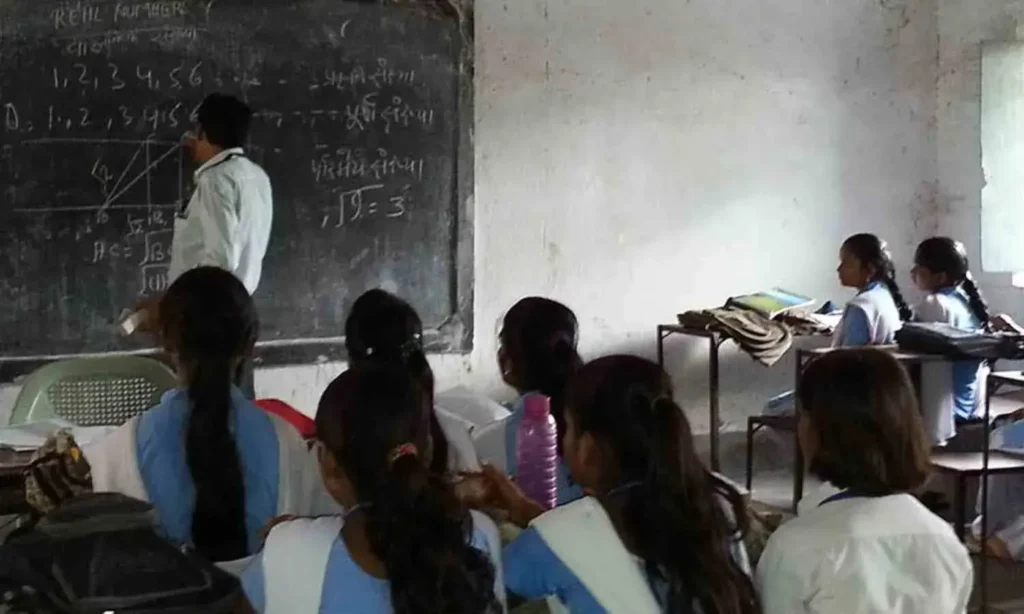
The Central Government is considering a review of the difficulty levels of entrance exams like JEE Main and NEET UG to ensure they align more closely with the Class 12 curriculum, thereby reducing students’ dependence on coaching institutes, according to official sources. An expert panel set up in June by the Ministry of Education is currently studying the issue. Headed by Higher Education Secretary Vineet Joshi, the nine-member committee is analysing whether the exams reflect the school syllabus or are disproportionately tougher, which many parents and coaching faculty believe fuels the coaching culture. The committee is also tasked with identifying gaps in the schooling system that drive students toward coaching centres, including rote-learning practices, lack of focus on critical thinking and analytical skills, and limited exposure to innovation. Additionally, it is evaluating career awareness among students and parents, the dominance of a few elite institutions, and the effectiveness of career counselling services in schools and colleges. Apart from senior officials from the Ministry of Education, the panel includes representatives from IIT Madras, IIT Kanpur, NIT Trichy, NCERT, CBSE, and principals of Kendriya Vidyalaya, Navodaya Vidyalaya, and a private school. The move follows mounting concerns over student stress, suicides, fire hazards, and poor infrastructure at coaching institutes. Based on the panel’s findings, the government may recommend restructuring the difficulty levels of entrance exams to reduce excessive reliance on coaching centres. Source: PTI

Centre to Reconsider Difficulty Level of JEE Main, NEET UG Exams Read More »