ArdorComm Media Group

Friday, April 10, 2026 1:37 AM

Author name: admin

HCL Tech layoff more than 300 workers worldwide

As part of its budget-cutting initiative, HCL Tech has let go of over 300 employees. Although there has been no official or public notification regarding these layoffs, Money Control revealed that those working on Microsoft projects in Guatemala, the Philippines, and India have been most severely impacted. A severance payment, the specifics of which are still unknown, will be provided to those who are requested to leave. The final day of work for those who were laid off is anticipated to be September 30. According to media reports, the layoffs were revealed at a town hall. However, the company insists that its tech and services divisions have been recording growth and are doing so quickly. According to information obtained by the media from people with direct knowledge of the situation, Microsoft had expressed concerns about the work’s quality. The employees who were let go worked on initiatives that tracked, selected, and edited news content for Microsoft’s MSN news platform from India, Europe, the US, and other regions of the world. The method of keeping track of global news apparently recently became automated. In terms of sales and market capitalization, the Indian tech multinational had surpassed Wipro a few weeks prior to move up to third place in the nation. HCL has a market valuation of about 2.5 lakh crore, compared to Rs 2.2 lakh crore for Wipro. According to reports, the company signed and received 17 new projects in Q4 and got two new customers in the $100 million customer range.

HCL Tech layoff more than 300 workers worldwide Read More »

National Cinema Day celebration has been postponed by MAI

The celebration of National Cinema Day, which was originally slated to take place on September 16, has been postponed by the Multiplex Association of India (MAI). The MAI announced in an official notification that the National Cinema Day will henceforth be held on September 23 in response to requests from various stakeholders and to encourage as much participation as possible. To celebrate National Cinema Day, more than 4,000 screens at multiplexes across the nation, including PVR, INOX, Cinepolis, Carnival, and Delite, have partnered up to give a “celebratory admission price” of Rs. 75. Many online commenters, however, claimed that the decision to postpone National Cinema Day was made as a result of the enthusiastic crowd reactions to the newly released sci-fi action movie “Brahmastra: Part -1: Shiva,” which led to the theatre owners asking MAI to delay the celebrations for a week. Due to the boycott and cancel culture that has been prevalent in recent months, Bollywood has received a lot of attention on social media. At the moment, “Brahmastra” is being credited with reviving the big-screen experience. According to trade reports, the sci-fi action movie made over 100 crores in India after just three days of release, which is the greatest opening-week total of any Hindi movie this year. After three days, “Brahmastra” had raked in 225 crores worldwide at the box office. The national multiplex trade body issued a statement saying, “The National Cinema Day was previously announced to be held on 16th September, however, on request from various stakeholders and in order to maximise participation, it would now be held on 23rd September.” According to the MAI, the significant discount is a way of expressing gratitude to moviegoers who helped the theatre reopen following a prolonged closure caused by the Covid-19 outbreak. According to the MAI, the National Cinema Day would bring people of all ages together to enjoy a day at the movies. “National Cinema Day celebrates the successful reopening of cinemas and is a ‘thank you’ to the moviegoers who made this happen. National Cinema Day is also an invitation to those moviegoers who haven’t made it back to a cinema near them, yet,” the association said. It should be mentioned that the Hollywood movie Avatar will be back in theatres on September 23. James Cameron’s 2009 science fiction blockbuster will have a re-release on September 23 in India, according to Disney. The 4K High Dynamic Range upgraded version of Avatar is returning to theatres. It is yet unknown, though, whether or not the public will be able to see this cult sci-fi at Rs 75.

National Cinema Day celebration has been postponed by MAI Read More »

Centre plans $2.5 billion compensation to oil companies to cover huge quarterly losses: Report

The government intends to partially compensate state-owned oil marketing corporations (OMCs) including Indian Oil Corporation, Hindustan Petroleum Corporation, and Bharat Petroleum Corporation with a $2.5 billion payment, according to a Bloomberg report, in order to cover their significant quarterly losses. The OMCs suffered losses as a result of having to absorb fluctuations in global petroleum prices, but the report, citing unnamed sources, claimed that the Finance Ministry only consented to a $2.5 billion cash settlement, despite the Petroleum Ministry having requested a much higher sum. According to the Bloomberg report, the partial payout to OMCs has also been designed to control cooking gas prices. It went on to say, citing sources, that although a decision has not yet been made, conversations about compensation payout are already advanced. Despite the government’s attempts to lessen their financial hardship, the Bloomberg report claimed that these initiatives will increase pressure on the exchequer, which is already under pressure from excise duty reductions on fuel prices and a greater fertiliser subsidy, to combat inflation. Over 85% of the oil used by the OMCs is imported, and they benchmark the fuels they produce to market rates. Their losses resulted from those going up after a worldwide demand recovery combined with decreased US gasoline production capacity and fewer exports from Russia, according to the report. Source: Bloomberg

Centre plans $2.5 billion compensation to oil companies to cover huge quarterly losses: Report Read More »

Infosys cautions employees against moonlighting

There has been a significant discussion in the industry after Rashid Premji tweeted that moonlighting is similar to cheating. Some corporate leaders supported moonlighting, while others opposed it. Employees at Infosys are currently being cautioned about moonlighting in an internal email. They risk losing their jobs at Infosys if they do. According to TOI, Infosys has informed its employees that it would not tolerate dual employment because it violates the company’s code of conduct and the rules outlined in the employee handbook. On September 12, a mail with the subject line “No two timing – No moonlighting” was sent to the employees. The email continues by stating that no employee is permitted to engage in any second employment outside of regular working hours without the organization’s permission. While Infosys and Wipro are explicitly opposed to moonlighting, Swiggy, a food aggregator platform, has implemented a progressive moonlight policy that permits its staff to work on outside projects during the weekends and outside of their regular working hours. In fact, Swiggy is the first Indian employer to permit moonlighting, with the stipulation that projects undertaken by employees must not clash with Swiggy’s operations and must receive management clearance on an internal basis. It is obvious that Swiggy does not want to control what its employees do outside of working and duty hours.

Infosys cautions employees against moonlighting Read More »

Ensuring Inclusive & Equitable Education for all learners

Blog on Edu

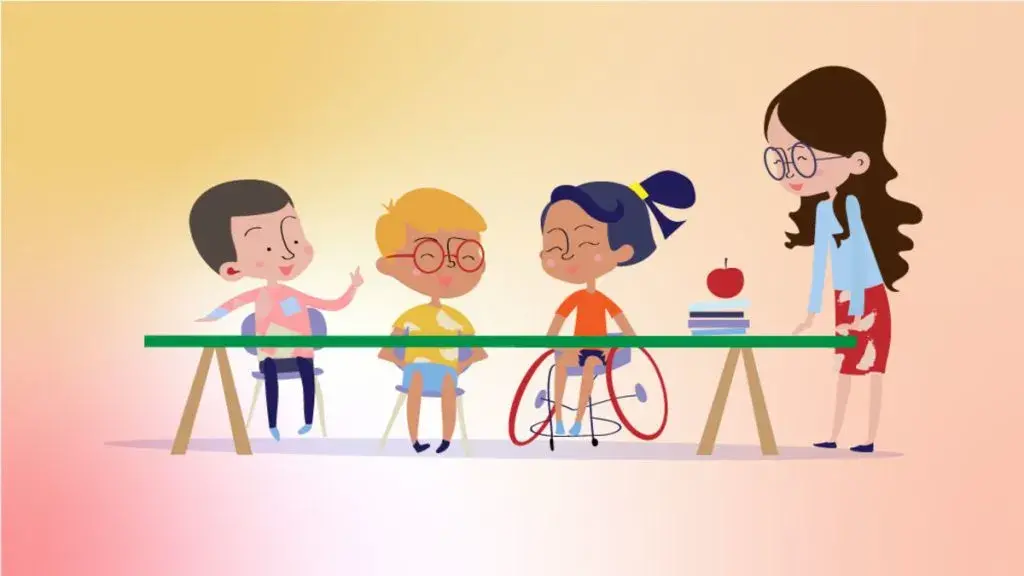
What exactly is inclusive education? A classroom that is fair and inclusive fosters happiness and health. One of the best ways for teachers to maintain the finest learning environments in their classrooms is to use inclusive education. The term “inclusive education” refers to a teaching approach where all students, regardless of aptitude, learn together in the same setting. An inclusive learning environment aims to guarantee that all students receive fair treatment and equal chances. Student diversity and individuality should be valued in an inclusive learning environment without prejudice. Sadly, there are still cases where children are given different treatment because of their individual characteristics. No student should be excluded or put in a separate group based on how they differ from one another or how well they study. In addition, if students knew what to watch out for, no teacher would ever consider doing this. Disability, colour, gender, family income, and language are just a few of the things that cause discrimination against students. The goal of inclusive education is to eliminate prejudice against all students. These problems exist not only in traditional classroom settings but also in online and mixed learning settings.  According to studies, there are more pupils with disabilities than ever before. All students have a right to education; thus, we must be prepared to accommodate them and grant them equitable access. Inclusive education types: Since every student is unique, they each have different needs. It’s critical to select the appropriate inclusive education programme for your students depending on their unique needs. Complete inclusion This instructional strategy is based on the idea that all students should be in the main classroom. According to a complete inclusion paradigm, students with obvious or subtle disabilities will always collaborate with their peers. If a school is utilising the full inclusion model, they must closely evaluate student development and make sure the strategy is beneficial to the students. A partial inclusion plan can be used if a complete inclusion plan would be too much. Partial inclusion All students should be able to participate in class activities and learn from them, according to this teaching strategy. However, for students who require extra support outside of the classroom, partial inclusion also includes separated learning. The majority of the learning time for children who are a part of a partial inclusion plan will still be spent in the regular classroom. They will, nonetheless, also spend some time apart from the regular class receiving extra assistance from special education teachers. Speech-based lessons, for instance, could be disruptive if they were conducted in the main classroom as part of the supplementary help. When it would be better for all students to be separated from one another in the classroom, partial inclusion is more flexible and allows it. Mainstreaming The mainstreaming approach places impaired children in a separate classroom from the regular classroom to start their educational journey. Depending on their readiness, children who are performing well in their independent classroom can be moved into the larger classroom. Some children may find this approach less intimidating, and it enables them to gradually integrate into a fully inclusive classroom. Why inclusive education is important? The wellbeing of students can be significantly enhanced by a warm and inclusive learning environment. So, what makes inclusive education so crucial? To increase confidence among students Traditional approaches to working with students who have disabilities or learning challenges might negatively affect a student’s sense of self-worth. The idea that they are different and should be treated differently is pushed by dividing them into smaller groups and instructing them outside of the main classroom. We must be vigilant and try to counter this because research has shown that children with learning difficulties have lower self-esteem than those without. Students will hopefully experience a feeling of belonging and engage in fruitful peer interactions by being given the chance to mix and be a part of the class. However, there are times when children might require extra aid outside of the classroom, such as after-school sessions for assistance with particular subjects. This does not preclude them from spending the most of their schooldays in the main classroom. Partial inclusion may be preferable than full inclusion in situations where students might benefit from receiving instruction outside of the main classroom for specific reasons. To enhance communication abilities All students can develop their interpersonal communication skills in an inclusive classroom. If students were divided into different groups, their social networks would be substantially narrower and they would have less chance to engage with other students. Students can interact with more students in an integrated classroom who have a range of skills. They will have more chances to improve their communication skills and adjust to various types of social interaction as a result. Additionally, by doing this, students will be career-ready and better prepared for life beyond school. Students will work alongside various groups with a range of abilities once they reach the industry. It simply makes sense to prepare them for that and replicate the classroom setting. For ensuring educational excellence Equal access to a top-notch education from their neighbourhood schools should be granted to all children. You can guarantee that all students receive an equal education by providing an inclusive learning environment in the classroom. The teachings taught in these smaller, distinct classes for impaired children may differ from those taught in the regular classroom. By teaching everyone together, it is guaranteed that no student will miss any of the material. Being taught by the same teachers can guarantee that all students have equal access to the course information despite the fact that teachers will have varying teaching methods and pacing. Despite this, teachers should continue to modify their lessons to meet the requirements of all students. Each student’s educational needs can be satisfied through differentiated learning opportunities, which also improve learning environments and enable students to attain their full potential. The author, Pratik Ghosh is associated with ArdorComm Media


Ensuring Inclusive & Equitable Education for all learners Read More »

Ministries debate over how to regulate OTT platforms

The issue of regulating OTT players, or applications, like WhatsApp, Telegram, and Signal is causing key ministries to reach conflicting decisions. From the standpoints of public safety and national security, the Ministry of Home Affairs (MHA) and Department of Telecommunications (DoT) have supported the idea. The Ministry of Electronics and IT (MeitY) is currently opposed to all regulations. To stop the spread of false information, the DoT has stated that a mechanism should be developed that gives it the authority to selectively restrict OTT apps or content. These opinions were compiled by the DoT, which then requested that the Telecom Regulatory Authority of India (TRAI) review its 2020 recommendations regarding OTT apps. MeitY, in contrast, disagrees with DoT and claims that no regulations should be put in place for OTT providers because the 2020 recommendations are sufficient for the time being. The Ministry of Information and Broadcasting (MIB) said that it should be the only department involved in content and online news because they fall under its purview. According to the Cellular Operators Association of India (COAI), as OTT apps provide the same set of services, they should be subject to the licencing framework, particularly the universal licence. The ministries have provided their opinions as part of the DoT’s consultation process on the issue of app regulation. The TRAI is anticipated to release a consultation document, inviting feedback from all the stakeholders, before finalising its recommendations.

Ministries debate over how to regulate OTT platforms Read More »

Health Ministry will launch a massive volunteer blood drive on September 17

From September 17 to October 1, which is National Voluntary Blood Donation Day, the Union Health Ministry will launch a massive blood donation campaign called “Raktdan Amrit Mahotsav.” According to an official source, the mega drive intends to surpass the existing global record for the greatest blood donation in a single day on September 17 by collecting 1.5 lakh units of blood on that day. The birthday of Prime Minister Narendra Modi falls on September 17. India now has a blood storage capacity of about 1.5 lakh units. However, if the number of participants exceeds that, blood won’t be drawn, but the participant will still receive a certificate of participation. On the Aarogya Setu portal, under the “Raktdaan Amrit Mahotsav” initiative, registrations for voluntary blood donation have already started. This initiative urges individuals to donate blood and support the prime minister’s humanitarian objective. An official stated that the goal of the campaign is to raise awareness of the importance of routine uncompensated blood donation as well as to guarantee that all people have access to, and can afford, blood and its components. There is currently a huge disparity between the supply and demand for blood. Data from 2021 shows that for every 1.25 crore units available, there were 1.46 units in demand. The Aarogya Setu App users’ data will be accessible to blood banks and other organisations organising the drive via the web portal e-RaktKosh, the source claims. According to the source, 1,78,443 TB patients and 1667 Nikshay Mitras (donors) have so far signed up for the Nikshay Mitra initiative, which the President launched on September 9. According to him, the Health Ministry is executing the Pradhan Mantri TB Mukt Bharat Abhiyaan, which provides community support for TB patients, in order to effectively engage the community in the effort to eradicate TB. Cooperative societies, corporations, elected officials, individuals, institutions, non-governmental organisations, political parties, and partners who can support by adopting the health facilities in the state, district, block, and peripheral health care facilities are included in Nikshay Mitra (Donor) for this programme. The funding will be available for no less than one year and no more than three years. The Nikshay Mitra will offer the program’s patients nutritional assistance, as well as vocational and diagnostic support.

Health Ministry will launch a massive volunteer blood drive on September 17 Read More »

Employees at Tata Steel Jamshedpur to receive a 20% annual bonus plus a Rs. 20K goodwill bonus

The Tata Steel Jamshedpur employees will get a 20% annual bonus credited to their accounts by September 15, 2022. The management and the workers’ union have agreed to this in a Memorandum of Settlement. This bonus calculation formula will remain in effect until 2024. The 20 per cent yearly bonus this year is larger than the 16 per cent that was granted the prior financial year. About Rs 47 crore more has been added to the bonus. Additionally, it is the first time that a bonus payment of more than Rs 300 crore (Rs 317.51 crore) has been made. A goodwill bonus of Rs 20,000 per employee will also be given, as requested by the union, in recognition of the hard work put in by all employees, even during the pandemic, and the outstanding results of the company in FY 2021–2022. Each employee will therefore receive a minimum of Rs 61,448 (including the goodwill bonus) and a maximum of Rs 4,78,411 (including the goodwill bonus)! A total of 23,710 people across the Company’s facilities will benefit, including around 12,213 employees in Jamshedpur. V. Narendran, CEO and managing director of Tata Steel, and Sanjeev Choudhary, president of the Tata Workers’ Union, both signed the memorandum. Other attendees included Atrayee Sanyal, vice president (HRM), Shailesh Kumar Singh, deputy president, Satish Kumar Singh, general secretary, Tata Workers’ Union, Rajesh Prasad, deputy labour commissioner, Jamshedpur, and conciliation officer, Govt. of Jharkhand.

Employees at Tata Steel Jamshedpur to receive a 20% annual bonus plus a Rs. 20K goodwill bonus Read More »

BITS Pilani and Coursera collaborate to launch BSc in Computer Science

In partnership with Coursera, the Birla Institute of Technology and Science (BITS), Pilani has introduced an online Bachelor of Science (B.Sc) in Computer Science programme. Beginning today, interested candidates can visit the Coursera website at coursera.org. Starting now, interested applicants can submit an application for the first cohort, which starts in November 2022. The deadline for applications is November 15. Steps to apply for the programme: Step 1: Go to coursera.org, the Coursera website. Step 2: Candidates can find the option for “online degrees” in the top scroll of the homepage. Step 3: Following that, scroll down and select the link for “Computer Science and Engineering Degrees.” Step 4: Candidates can select the link for the BSc Computer Science from BITS on the new page after clicking “show more” on the previous one. Step 5: Select the “apply now” button at the top. Step 6: Complete the form with all the necessary personal information and submit the registration fee, if required. The early application deadline is October 17, and the final application deadline is November 15. The start of classes is set for November 30. It’s interesting that the degree has no entrance exams and is available to students with a variety of backgrounds, including those without a strong foundation in science or considerable mathematics. Anyone who has completed class 12 or its equivalent is eligible to apply. The three-year degree can also be finished in six years by registered candidates. This will give students the freedom to study the programme concurrently with employment or another degree programme. Students can earn the program’s intermediate exit option, a diploma, in about two years.  

BITS Pilani and Coursera collaborate to launch BSc in Computer Science Read More »

Brahmastra turns out to be Bollywood’s highest-grossing non-holiday release

The movie Brahmastra, which reunites Ranbir Kapoor and Alia Bhatt for the first time, was finally released in theatres on Friday. Despite being released on a non-holiday, the Ayan Mukerji movie had a roaring start, with sales in the range of 35–36 crore. This appears to surpass Ranbir’s greatest opening to date, Sanju, which brought in 34.75 crore on day one in 2018. On the first day of its release in Hindi, Malayalam, Kannada, Tamil, and Telugu, the movie was expected to do well owing to strong advance booking numbers. Although Ranbir had previously stated that he couldn’t take the advance booking figures seriously because “till the audience doesn’t see the film, the game doesn’t begin.” Brahmastra was the highest opening day ever for original Hindi content on a non-holiday, generating between 35 and 36 crore net, according to a report on Boxofficeindia.com. According to the estimate, the Hindi version will bring in between 32 and 33 crore net. Additionally, it suggested that during the weekend, there might be $8–10 million in overseas collections. The greatest opening on a non-holiday was achieved by SS Rajamouli’s Bahubali: The Conclusion, which brought in 41 crores. With Hindi dubbing, it was simultaneously shot in Tamil and Telugu. Since the start of advance booking, 11 crore rupees worth of Brahmastra tickets have been sold as of Wednesday night. These were recognised as the finest advance booking figures for any Bollywood film during the post-pandemic period. Critics, however, had conflicting opinions and mixed reviews about Brahmastra. Most of them termed it as a visual treat while appreciating the VFX but pointed out the poor storyline, dialogues and screenplay. Now, how the audience perceives the cinematic experience of the ‘Astraverse’ and what reflects on the box-office in this weekend will determine the fate of this 410-crore film.

Brahmastra turns out to be Bollywood’s highest-grossing non-holiday release Read More »