ArdorComm Media Group

Saturday, March 14, 2026 6:50 PM

Author name: admin

Majority of HR Teams Unready for 2025 M&A Surge, Says WTW Report

With merger and acquisition (M&A) activity expected to rebound strongly in late 2025, a new survey by WTW highlights growing concerns around HR preparedness in navigating complex deal landscapes. According to the Asia-Pacific-focused report, 54% of organisations expect a rise in M&A activity this year, despite a sluggish start, while only 19% anticipate a decline — signalling a potential late-year acceleration driven by pent-up market momentum. However, the report reveals a significant preparedness gap, as 65% of HR professionals admit they feel underprepared to handle the anticipated wave of deals. Among the top challenges cited are conducting thorough HR due diligence (HRDD), pinpointing critical talent, and aligning workplace cultures post-merger. A notable 78% of companies rank the identification of specialised, non-executive talent as their foremost HRDD priority — a concern that overshadows even leadership retention. In fact, 50% of respondents consider retaining this non-executive workforce as the most vital integration success factor, outpacing the emphasis on executive-level continuity by 21 percentage points. Cultural integration remains another major obstacle. Around 74% of companies outside the US and 54% of those within the US consider cultural alignment the most challenging aspect of M&A, surpassing concerns around technological and operational resources. Looking to the future, HR leaders are increasingly acknowledging the role of emerging technologies. About 65% believe Generative AI will influence M&A processes within the next two years. Yet, widespread adoption remains cautious, with many citing limited practical applications beyond legal assessments and internal communications. The findings underscore the importance of embedding HR early in M&A strategy — particularly as companies use acquisitions to gain access to niche digital and AI talent. Strengthening HR capabilities through foresight and investment could be crucial in preserving long-term deal value amid intensifying talent competition. Source: Economic Times   

Majority of HR Teams Unready for 2025 M&A Surge, Says WTW Report Read More »

Indigenous Kit Developed for Accurate, Rapid Detection of Nipah Virus: ICMR-NIV

In a significant stride for India’s healthcare innovation, the Indian Council of Medical Research (ICMR) has unveiled a homegrown rapid diagnostic kit capable of detecting the Nipah virus with complete accuracy. Designed for swift deployment in the field, the portable test delivers results in just 1 to 2 hours without the need for sophisticated laboratory equipment. Dr. Naveen Kumar, Director of ICMR’s National Institute of Virology (NIV) in Pune, highlighted the effectiveness of the kit, stating, “It is 100% sensitive and specific, relying on the amplification of the viral gene without requiring specialised machinery.” The cost-effective test is priced at ₹250 and is based on the Loop-mediated Isothermal Amplification (LAMP) assay technique. The Nipah virus, a highly lethal zoonotic pathogen with a mortality rate of approximately 50%, is primarily transmitted to humans from fruit bats. It can also spread via contaminated food or human-to-human contact. Symptoms of the infection range from mild flu-like signs to severe respiratory distress and encephalitis, often proving fatal. Recent outbreaks of the disease, particularly the 2023 episode in Kerala’s Kozhikode district, underscore the urgent need for swift and reliable diagnostics. ICMR is concurrently collaborating with Zydus Health Sciences (Ahmedabad) and the Translational Health Science and Technology Institute (Faridabad) on the development of monoclonal antibodies. Efforts are also underway to create an indigenous vaccine for the virus. NIV remains the only laboratory in India equipped to culture the Nipah virus, making it central to the country’s disease surveillance and response capabilities. Source: ANI

Indigenous Kit Developed for Accurate, Rapid Detection of Nipah Virus: ICMR-NIV Read More »

COMEDK UGET 2025: Round 1 Counselling Registration Deadline Extended to June 30

The Consortium of Medical, Engineering, and Dental Colleges of Karnataka (COMEDK) has announced an extension for the Round 1 counselling registration deadline for the Undergraduate Entrance Test (UGET) 2025. Candidates can now register and upload required documents for the first round of counselling until June 30 at 11:00 am through the official portal – comedk.org. According to the latest notification, July 12 is the revised cut-off date for completing document verification. The seat allotment results for Round 1 will be released based on candidate merit, seat preferences, and availability. The COMEDK UGET 2025 was conducted in two phases – on May 10 and May 25. The second phase was arranged for candidates whose exam centers were impacted due to Operation Sindoor-related issues and potential power disruptions. COMEDK UGET 2025 Counselling: Key Details The counselling process is fully online and includes: Registration Choice filling Seat allotment Confirmation of seat Payment of fees To participate, candidates must keep the following documents ready: COMEDK application form UGET 2025 rank card Hall ticket Fee payment receipt Valid ID proof Class 10 or 12 marksheet 12th/2nd PUC admit card Reserved category candidates are required to upload appropriate documents, such as SC/ST/OBC certificates or OCI/PIO documentation. Additionally, a VTU eligibility certificate is mandatory for some categories. Steps to Register for Round 1 Counselling: Visit comedk.org Log in with your credentials and choose the counselling registration option Verify personal details and pay the counselling registration fee Upload all required documents (files must be under 1 MB each) Submit the form to complete the process Once successfully submitted, candidates will receive a seat allotment letter and a fee payment receipt, after which they must report to their allotted institutions as per the announced schedule. Candidates are advised to complete the registration well before the deadline to avoid last-minute issues. Source: Indian Express  

COMEDK UGET 2025: Round 1 Counselling Registration Deadline Extended to June 30 Read More »

DGCA Updates Flight Safety Guidelines Amid Rising Weather Challenges

Amid increasing instances of extreme weather, India’s aviation regulator, the Directorate General of Civil Aviation (DGCA), has issued revised operational guidelines prioritising passenger and crew safety over strict adherence to flight schedules. In a fresh operations circular directed at both scheduled and non-scheduled operators, the DGCA has urged pilots to adopt a cautious and proactive approach when navigating through adverse weather conditions such as heavy rain, turbulence, thunderstorms, and low visibility. The circular encourages flight crew to opt for diversions or return to base if necessary, clearly stating that safety must outweigh punctuality. Highlighting the growing influence of climate change on flight unpredictability, the regulator has reinforced the need for enhanced situational awareness and preparedness among pilots. It specifically stresses the importance of avoiding risky decisions during night-time landings on wet runways and recommends cross-verification of visual cues with flight instruments to avoid visual misinterpretations. This regulatory update follows recent incidents, including a series of helicopter crashes near Kedarnath and a turbulent IndiGo flight to Srinagar, which underscored the pressing need for stricter operational measures in unpredictable weather. Pilots have now been advised to maintain a minimum buffer of 20 nautical miles from storm systems and to avoid flying under thunderstorm clouds, which can pose significant risks such as lightning, windshear, and hail. The circular also places new emphasis on pre-flight weather planning and early course corrections, including lateral deviation from storm paths instead of risky altitude changes. In a significant move, the DGCA has also addressed Ice Crystal Icing — a lesser-known but hazardous condition related to convective weather — urging pilots to avoid climbing or descending through such zones and instead navigate around them laterally. Communication protocols have been strengthened as well, with the DGCA recommending prompt and clear updates to passengers, cabin crew, and Air Traffic Control (ATC) during turbulent conditions to enhance coordination and awareness. Additionally, the regulator has encouraged aviation operators to implement scenario-based training for flight crews, focusing on weather-related decision-making and the application of Threat and Error Management (TEM) frameworks. The updated guidelines will be in effect for all operators during the pre-monsoon, monsoon, and other weather-sensitive periods, reflecting the DGCA’s increased focus on operational safety in an era of escalating climate variability. Source: PTI

DGCA Updates Flight Safety Guidelines Amid Rising Weather Challenges Read More »

Restored ‘Sholay’ with Original Ending Set for World Premiere in Italy to Mark 50th Anniversary

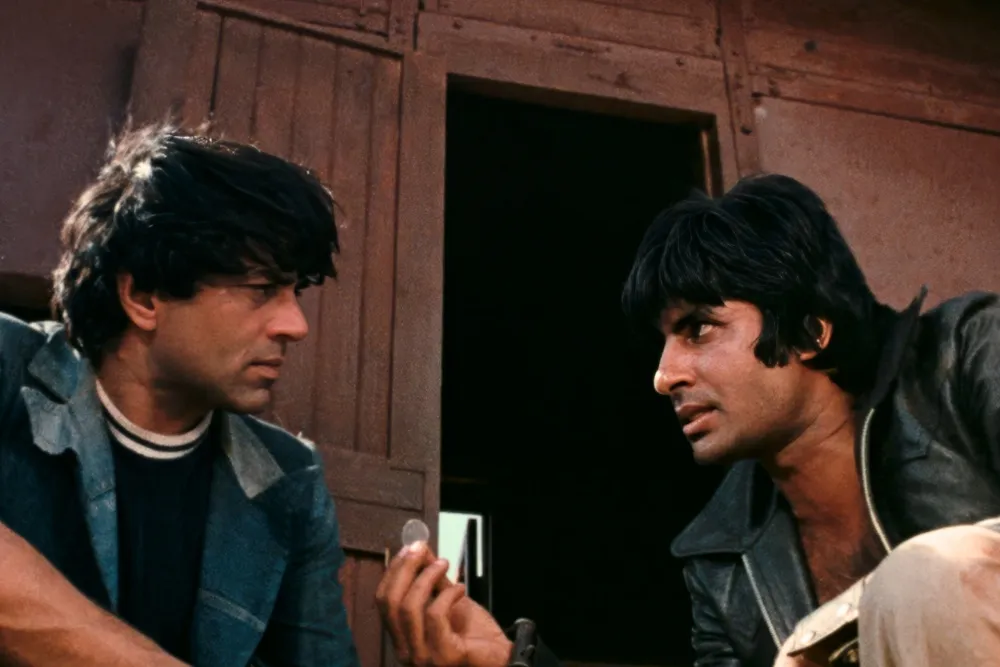
An uncut, newly restored version of the legendary Bollywood classic Sholay is set to make its global debut at the Il Cinema Ritrovato Festival in Bologna, Italy, on June 27. The film will be screened on the iconic open-air screen at Piazza Maggiore, celebrating 50 years since its original release in 1975. This special version includes never-before-seen footage and the original ending — where the iconic villain Gabbar Singh meets his end at the hands of Thakur, a sequence that was removed from the original theatrical cut following censorship by the Central Board of Film Certification (CBFC). The restoration is the result of a three-year collaboration between Film Heritage Foundation and Sippy Films Pvt. Ltd., aiming to bring director Ramesh Sippy’s full vision to global audiences for the first time. Widely considered one of the greatest films in Indian cinema history, Sholay starred an ensemble cast including Amitabh Bachchan, Dharmendra, Sanjeev Kumar, Jaya Bachchan, and Hema Malini. Reflecting on the film, Amitabh Bachchan shared in a press note that working on Sholay was unforgettable and its unexpected rise from initial box office disappointment to record-breaking success was an emotional journey. “Even 50 years later, I hope it continues to captivate audiences across the globe,” he said. Dharmendra, who played the beloved Veeru, called Sholay the “eighth wonder of the world,” praising its iconic dialogues by Salim-Javed and Sippy’s direction. He fondly recalled unforgettable scenes, especially Jai’s tragic death, as some of Indian cinema’s most powerful moments. Producer Shehzad Sippy, representing the legacy of his grandfather G.P. Sippy, revealed that while the restoration process was long and challenging, the discovery of the original climax and deleted scenes made it all worthwhile. “This has been a labour of love. I’m excited for the film to start its new journey,” he said. Film Heritage Foundation’s Shivendra Singh Dungarpur also noted the restoration challenges, particularly the lack of an original 70mm print or camera negative. “Despite the hurdles, we have worked meticulously to do justice to this cinematic milestone,” he stated, looking forward to watching Sholay under the open sky in Bologna with thousands of international film lovers. The world premiere of Sholay in its restored form promises to reignite the magic of this timeless classic for a whole new generation of viewers. Source: Indian Express

Restored ‘Sholay’ with Original Ending Set for World Premiere in Italy to Mark 50th Anniversary Read More »

Govt Forms Panel to Probe Coaching Dependency and Fairness of Entrance Exams

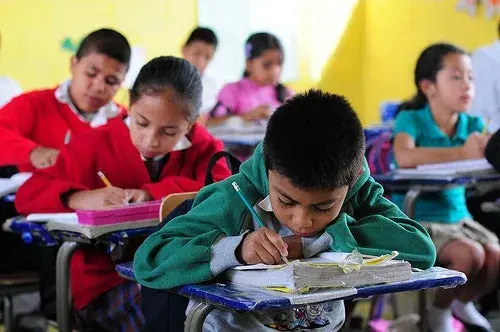
The Ministry of Education has constituted a nine-member committee to investigate the growing dependence of students on coaching centres, the phenomenon of ‘dummy schools,’ and the integrity and fairness of competitive entrance exams like JEE and NEET, officials confirmed. Chaired by Higher Education Secretary Vineet Joshi, the committee will delve into systemic shortcomings within the school education framework that push students towards coaching hubs. The panel will examine the limited emphasis on critical thinking, analytical reasoning, innovation, and conceptual understanding in traditional schooling — factors that fuel rote learning and, in turn, coaching culture. One major concern to be addressed is the rise of ‘dummy schools’ — institutions where students enroll merely for board exam eligibility while devoting their full attention to intensive coaching. These setups allow aspirants to bypass classroom learning altogether, focusing solely on entrance exam preparation. Many also exploit state domicile criteria through such enrollments to gain regional admission advantages, such as eligibility for the Delhi state quota in medical colleges. “The committee will study how dummy schools undermine formal education and promote exclusive dependence on coaching. It will recommend ways to address this growing issue,” a senior ministry official said. The panel will also scrutinize the current model of entrance exams to assess their fairness and relevance in the context of mainstream schooling. It will investigate whether the absence of formative assessments and a weak focus on concept clarity in school systems are inadvertently supporting the proliferation of coaching institutes. Another key focus area is the imbalance between the rising demand for quality higher education and the limited seats available in top institutions — a gap that often drives students toward costly and stressful coaching environments. The panel’s mandate also includes evaluating students’ and parents’ awareness of diverse career opportunities beyond elite engineering and medical colleges. It aims to assess the status of career counselling mechanisms in schools and recommend strategies to enhance career guidance systems nationwide. Alongside Vineet Joshi, the committee comprises the CBSE chairperson, joint secretaries from the school and higher education ministries, representatives from IIT Madras, IIT Kanpur, NIT Trichy, NCERT, and principals from Kendriya Vidyalaya, Navodaya Vidyalaya, and a private school. This initiative follows increasing concerns over the coaching industry’s practices, including rising student suicides, fire hazards, inadequate infrastructure, and questionable teaching methods. The government hopes the panel’s findings will lead to more balanced, student-centric reforms in education and examination systems. Source: PTI

Govt Forms Panel to Probe Coaching Dependency and Fairness of Entrance Exams Read More »

Delhi Govt to Boost Healthcare with More Dialysis Machines, Imaging Services via PPP Model

The Delhi government is set to enhance its public healthcare system by adding over 30 new dialysis machines, expanding access to diagnostic services like MRI, CT scans, and ultrasounds through the Public-Private Partnership (PPP) model, and constructing rest houses (VishramGrih) for patients and their caregivers, according to senior officials. These initiatives were reviewed during a key meeting of the Health Department held on June 18, chaired by Delhi Health Minister Pankaj Kumar Singh. The meeting focused on strengthening medical infrastructure and service delivery in the national capital. As part of its ongoing efforts under the Pradhan Mantri National Dialysis Programme (PMNDP) operating via the PPP model, the government has already deployed 150 dialysis machines across 16 public hospitals. Singh confirmed that an additional 32 to 40 machines will soon be installed to meet growing demand. Officials also assessed progress on various health schemes and facilities, including the operationalisation of Ayushman Arogya Mandirs, the development of critical care units under the PM-Ayushman Bharat Health Infrastructure Mission (PM-ABHIM), and the rollout of Jan Aushadhi Kendras to ensure affordable medicine availability. Other key issues on the agenda included the outsourcing of registration services in outpatient (OPD) and inpatient (IPD) departments, addressing manpower shortages in hospitals and Mohalla Clinics, implementing the Hospital Information Management System (HIMS), and ensuring smooth procurement of essential medical supplies. In addition, the Health Minister directed the formation of new health councils and committees, and stressed the identification of sensitive roles within the health department to improve transparency and governance. A senior official noted that the minister has issued strict deadlines, with most initiatives expected to be completed within the next three to four weeks or by the following month. These efforts reflect the Delhi government’s renewed push to modernize its healthcare delivery system and improve patient experience across the city. Source: PTI

Delhi Govt to Boost Healthcare with More Dialysis Machines, Imaging Services via PPP Model Read More »

Yoga and Health: A Timeless Practice for Modern Well-being

In an age where chronic stress, lifestyle diseases, and burnout have become the new normal, the ancient practice of yoga offers a powerful antidote — a holistic approach to health that nurtures the body, calms the mind, and uplifts the spirit. Far more than a form of physical exercise, yoga is a science of well-being, offering preventive, promotive, and even therapeutic benefits that align perfectly with the evolving focus on whole-person health. As we grow more aware of the deep connections between physical, mental, emotional, and social wellness, yoga emerges not as a trend — but a timeless tool for healing. The Foundations of Yoga: Health Beyond the Physical Yoga, derived from the Sanskrit word “yuj” meaning to unite, is designed to create harmony between the body and the mind. At its core, yoga is about balance — balancing movement and stillness, breath and awareness, strength and surrender. Unlike quick-fix health fads, yoga encourages long-term, sustainable well-being through a series of practices: Asana (postures): Improve mobility, strength, posture, and circulation. Pranayama (breathing exercises): Regulate energy, reduce stress, and enhance lung function. Dhyana (meditation): Cultivate clarity, emotional regulation, and mental resilience. Lifestyle and ethics (yamas & niyamas): Encourage self-discipline, mindful habits, and inner peace. These elements work together to support health at multiple levels — physical, psychological, emotional, and even social. Yoga and Preventive Healthcare Yoga is not just for those seeking flexibility or stress relief — it’s increasingly recognized by health professionals and institutions as a preventive health strategy. Here’s how it supports different facets of wellness: Cardiovascular Health Lowers blood pressure and resting heart rate Improves heart rate variability and circulation Reduces risk factors associated with hypertension and heart disease Mental Health Reduces anxiety, depression, and symptoms of trauma Balances mood by regulating cortisol and other stress hormones Increases mindfulness and self-awareness, key to emotional regulation Respiratory and Immune Function Enhances lung capacity and oxygenation through conscious breathing Supports immune resilience by reducing inflammation and stress Musculoskeletal Health Improves joint health, flexibility, and muscular strength Relieves chronic pain (especially back, neck, and joint issues) Enhances balance and body awareness, reducing risk of falls  Sleep and Digestive Health Encourages better sleep patterns and reduces insomnia Stimulates parasympathetic response for improved digestion The Mind-Body Connection: Why Yoga Works The practice of yoga activates the parasympathetic nervous system — also known as the “rest and digest” mode — which helps the body recover from chronic stress. In contrast to high-impact workouts that raise adrenaline levels, yoga encourages calm alertness, helping practitioners stay grounded and focused. This mind-body integration supports not only disease prevention but also faster healing, better coping mechanisms, and a stronger sense of control over one’s health. In fact, many hospitals and integrative health clinics now prescribe yoga alongside conventional treatment for: Diabetes Arthritis Asthma Depression Hypertension Rehabilitation post-surgery or injury Making Yoga a Part of Your Daily Health Routine You don’t need to commit hours or master advanced poses to benefit. The key is consistency and intention. Here’s how you can begin: Start with 15–20 minutes a day — even gentle stretches and breathing count Try guided sessions through certified instructors or apps focused on therapeutic yoga Focus on breath — mindful breathing alone has immense physiological benefits Incorporate yoga at work — desk yoga and mid-day breathing breaks can reduce fatigue and improve focus Listen to your body — yoga is about tuning in, not pushing through Looking Ahead: Yoga as a Health Movement As public health priorities shift towards preventive care, mental wellness, and lifestyle modification, yoga is becoming a pillar of future-ready healthcare systems. From corporate wellness programs to school-based yoga and community health drives, yoga is proving to be cost-effective, scalable, and universally accessible. Its role in managing non-communicable diseases (NCDs) — which account for over 70% of global deaths — makes it more relevant than ever. Final Thoughts: Health is Harmony At its heart, yoga reminds us that health isn’t merely the absence of illness — it is the presence of harmony within and around us. When the body moves, the breath flows, and the mind rests, we tap into our most natural state: wellness. As the world grows more health-conscious and digitally drained, yoga remains a grounding force — a reminder that healing begins from within, one breath at a time. “Yoga is the journey of the self, through the self, to the self.” – Bhagavad Gita Whether you’re managing a health condition, seeking stress relief, or simply trying to live more mindfully — yoga is for you. Start where you are. Move at your own pace. And trust the process. Photo Credit: IStock


Yoga and Health: A Timeless Practice for Modern Well-being Read More »

Centre, NIOS, and NCERT Join Hands to Advance Inclusive Education for Children with Disabilities

In a significant move to promote inclusive education, the Department of Empowerment of Persons with Disabilities (DEPwD) has entered into a tripartite agreement with the National Institute of Open Schooling (NIOS) and the National Council of Educational Research and Training (NCERT). The agreement, signed in the presence of Union Ministers Virendra Kumar and Dharmendra Pradhan, aims to create an enabling educational environment for children with disabilities by aligning with the principles of the National Education Policy (NEP) 2020. This strategic collaboration will focus on revamping curriculum and learning materials to ensure they are accessible, inclusive, and tailored to the needs of learners with disabilities. NCERT will play a key role in modifying textbooks and curricular content to reflect these values. As part of the agreement, NIOS will grant recognition to special schools operated by NGOs under the Deendayal Disabled Rehabilitation Scheme (DDRS), designating them as Special Accredited Institutions for Education of the Disabled (SAIEDs). These institutions will offer a broad spectrum of academic and vocational education—from foundational levels to senior secondary—supported by NIOS in terms of admissions, exams, study materials, and necessary accommodations during assessments. Union Minister Virendra Kumar highlighted the initiative as a step toward realising Prime Minister Narendra Modi’s vision of inclusive growth, emphasizing that every child, regardless of ability, should have the opportunity to receive quality education. “This MoU affirms that inclusive education is not a luxury but a fundamental right,” he said. Education Minister Dharmendra Pradhan underscored the broader societal impact of inclusive education. “Creating a just and empathetic society begins with our schools. NEP 2020 is a progressive framework guiding us, and in the coming year, we are also prioritising infrastructure like accessible toilets to help reduce dropout rates,” he noted. DEPwD Secretary Rajesh Aggarwal reiterated the commitment to widen access for students with disabilities, including facilitating their entry into premier institutions such as IITs and IIMs. He also praised NIOS for its innovative step of introducing Indian Sign Language as a subject at the secondary level. Echoing the vision, Sanjay Kumar, Secretary of the Department of School Education and Literacy, stated that the ultimate mission is to ensure every child with a disability is able to complete their schooling and access equal opportunities in higher education and beyond. Source: PTI

Centre, NIOS, and NCERT Join Hands to Advance Inclusive Education for Children with Disabilities Read More »

Government Launches Gender Budgeting Knowledge Hub to Advance Inclusive Policy Making

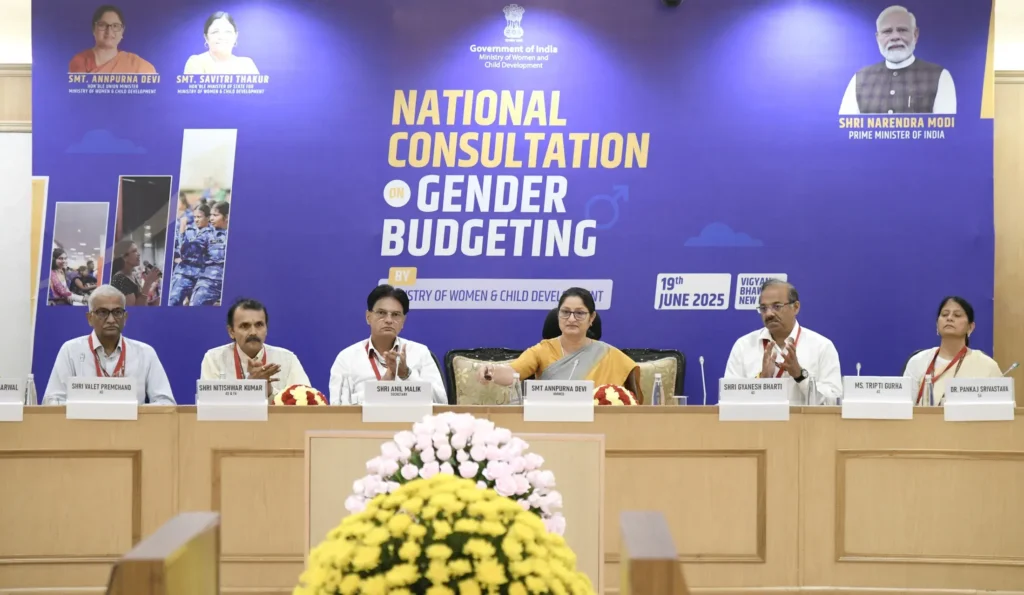
In a major push towards gender-responsive governance, the Central government on Thursday launched the Gender Budgeting Knowledge Hub, a digital platform aimed at equipping policymakers with essential data, tools, and resources to promote gender-inclusive budgeting practices. The initiative was formally unveiled by Union Minister for Women and Child Development, Annpurna Devi, during a national consultation event held in the capital. The day-long gathering witnessed the participation of officials from 45 Central ministries and departments, 20 state governments, and global organisations including UN Women and the Asian Development Bank. According to the ministry, the new portal will function as a centralized knowledge-sharing space, hosting gender-disaggregated data, policy briefs, and case studies highlighting effective gender budgeting practices. “As India moves toward its development vision of Viksit Bharat @2047, gender-sensitive budgeting will play a critical role in achieving inclusive and balanced growth,” the ministry said in its statement. The newly launched Knowledge Hub will serve as a centralised digital repository for gender-disaggregated data, policy briefs, research papers, and best practices from across the country. It is designed to support evidence-based policymaking and foster dialogue between stakeholders at both Central and state levels. With India advancing rapidly on multiple developmental fronts, the Gender Budgeting Knowledge Hub is expected to play a pivotal role in embedding inclusivity into the nation’s financial and governance frameworks. Source: PIB

Government Launches Gender Budgeting Knowledge Hub to Advance Inclusive Policy Making Read More »