ArdorComm Media Group

Friday, February 20, 2026 7:49 AM

Author name: admin

Union Budget 2025: Reactions from Education Leaders on Key Announcements

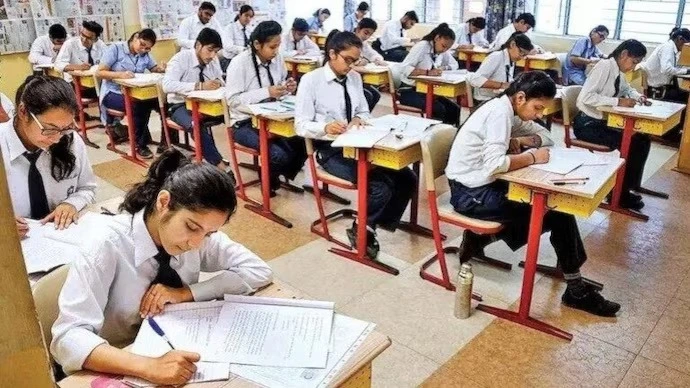
The Union Budget 2025-26, presented by Finance Minister Nirmala Sitharaman, has unveiled a range of initiatives aimed at transforming India’s education sector. With a strong focus on skill development, digital infrastructure, and higher education expansion, the budget sets the stage for a future-ready education system. Education leaders across the country have shared their insights on the impact and implications of these measures. Key Announcements in Education: Atal Tinkering Labs: 50,000 labs to be set up in government schools over five years to foster innovation and scientific temper among students. Broadband Connectivity: Extension of broadband under BharatNet to all government secondary schools, ensuring digital access for students in rural areas. Bharatiya Bhasha Pustak Scheme: Digital-format books in Indian languages to support multilingual education. Expansion of Medical Education: Addition of 10,000 medical seats next year, with a long-term goal of 75,000 new seats over five years. National Centres of Excellence for Skilling: Five centres to be set up with global partnerships for skill development in manufacturing and emerging technologies. Expansion of IIT Infrastructure: Capacity expansion in five IITs and hostel expansion at IIT Patna to accommodate growing student demand. Centre of Excellence in AI for Education: Establishment of a specialized AI centre with a budget allocation of Rs 500 crore to integrate AI into educational methodologies and research. Industry Leaders React to Budget Announcements: “The Union Budget 2025-26 demonstrates a strong commitment towards fostering inclusive and quality education in India. The government’s initiatives such as setting up 50,000 Atal Tinkering Labs in government schools, providing broadband connectivity to rural schools, and launching Centres of Excellence in AI for education with a ₹500 crore outlay reflect a forward-looking approach. The expansion of IIT capacity and the establishment of five National Centres of Excellence for skilling are crucial steps in equipping the youth with industry-relevant skills. Moreover, the PM Research Fellowship, offering 10,000 fellowships for technological research, will strengthen India’s innovation ecosystem. India, a nation of young entrepreneurs, is making its mark on the global stage by prioritizing skill development and future-ready education, a recognition further validated by the QS World Future Skills Index. These efforts collectively pave the way for a skilled and empowered workforce, driving the nation towards ‘Viksit Bharat’.” – Dr. Madhu Chitkara, Pro-Chancellor, Chitkara University. “The Union Budget 2025-26 demonstrates a strong commitment to India’s education sector, allocating ₹1.28 lakh crore—₹78,572 crore for school education and ₹50,078 crore for higher education. Key initiatives include adding 6,500 IIT seats, establishing a ₹500 crore Centre of Excellence in AI for education, and setting up 50,000 Atal Tinkering Labs to enhance STEM learning. Additionally, 10,000 medical college seats will be added next year, contributing to 75,000 new seats over five years. Despite these advancements, the allocation remains below the 6% GDP target recommended by NEP 2020, potentially impacting India’s Gross Enrollment Ratio (GER) goal of 50% by 2035. India’s education spending (4.1%-4.6% of GDP) aligns with global benchmarks, but a stronger focus on PreK-12 education, regulatory support for private schools, and equitable investment in digital infrastructure is necessary to ensure holistic growth across all levels.” – Reekrit Serai, Managing Director, Satluj Group of Schools. “Budget 2025 takes a bold step toward a knowledge-driven India, emphasizing AI, skilling, and digital access. With 50,000 Atal Tinkering Labs, broadband in government schools, and a ₹500 crore Centre of Excellence for AI in Education, technology is becoming a great equalizer. The Deeptech Fund and PM Research Fellowship Scheme further strengthen India’s innovation ecosystem. Expanding IIT infrastructure, setting up skilling centers, and increasing teacher recruitment will boost education quality. The focus on STEM, sustainability, and socio-emotional learning aligns with 21st-century needs. While the budget is ambitious, achieving the long-promised 6% GDP allocation for education remains a challenge. More collaboration between private and public schools, alongside better governance, is essential. With its emphasis on AI, upskilling, and cultural preservation, this budget is a significant leap forward—an 8/10 effort, with brownie points for integrating Indian sanskaar with futuristic growth.” – Kanak Gupta, Group Director, Seth M.R. Jaipuria Schools. “The 2025 budget takes commendable steps in expanding IIT infrastructure, AI-driven education, and skill development, but a truly transformative vision must go beyond elite institutions. With 90% of higher education provided by private and deemed universities, targeted support for these institutions is essential for inclusive growth. Additionally, ₹500 crore for AI in education is just a starting point—India needs bolder investments to lead globally in AI-driven learning. A more holistic approach will ensure that quality education reaches every student, not just those in premier institutions.” – ⁠Dr. Ramakrishnan Raman, Vice Chancellor, Symbiosis international University, Pune. “The Union Budget 2025-26 reinforces India’s commitment to education and skill development with a ₹1.28 lakh crore allocation. Key initiatives include broadband connectivity for all government secondary schools under BharatNet, the establishment of 50,000 Atal Tinkering Labs, and five National Institutes of Excellence for Skilling. The focus on AI, STEM education, and industry-driven skill programs will equip youth for a tech-driven future. Strengthening academia-industry collaboration and digital learning will accelerate India’s journey towards self-reliance and global leadership in education and innovation.” – Kunwar Shekhar Vijendra, Co-founder and Chancellor of Shobhit Deemed University, Meerut. “The Budget 2025-26 reaffirms India’s commitment to becoming a global knowledge superpower. With an allocation of ₹128,650 crore for education, this budget strengthens accessibility, equity, and quality. Key Highlights: School Education (₹78,572 crore, +16%) – Expansion of Samagra Shiksha (₹41,250 crore), PM POSHAN (₹12,500 crore), and PM SHRI (₹7,500 crore) will enhance infrastructure and learning. 50,000 Atal Tinkering Labs will foster innovation in government schools. Higher Education (₹50,078 crore, +7.74%) – Expansion of IITs, 10,000 new medical seats, and the PM Research Fellowship Scheme will boost research and innovation. AI & Digital Education (₹500 crore) – Establishment of the Centre of Excellence in AI will revolutionize education. The Bharatiya Bhasha Pustak Scheme will enhance inclusivity through digital Indian language books. Skilling & Employability – Five National Centres of Excellence for Skilling with global partnerships will align education with industry needs. Education Accessibility –

Union Budget 2025: Reactions from Education Leaders on Key Announcements Read More »

Parliamentary Committee to Review Media Issues: Fake News, Sensationalism, and Declining Newspaper Readership

A parliamentary committee meeting on Friday is set to address various pressing media concerns, including “rampant” paid news, fake news, and the rise of sensationalism in TV channels. The Standing Committee on Communications and Information Technology, led by BJP MP Nishikant Dubey, will review the implementation of media laws and discuss factors impacting the media landscape. Key issues likely to be raised include the disproportionate focus on crime and celebrity news, which often comes at the expense of serious, impactful reporting. Sources say that media trials, which shape public opinion and influence legal outcomes, will also be discussed. Additionally, the committee may highlight the decline of traditional newspapers, particularly in the face of digital disruption and declining readership. The meeting will address concerns over TV debates, which often devolve into shouting matches, as well as conflicts of interest within media ownership, journalists, and political entities. Such conflicts, the sources noted, undermine the credibility of news reporting and compromise ethical standards due to a lack of strong regulatory mechanisms. The committee may also bring up the long-drawn legal battles that journalists and media houses face, which discourage investigative reporting. Financial struggles of regional and vernacular media outlets, as well as the havoc caused by fake news during elections, are expected to be major points of discussion. Additionally, the committee is likely to examine the impact of foreign-owned social media giants and the need for regulation to prevent harm to society, political leaders, and even the country. Key figures, including the Information and Broadcasting Secretary, Prasar Bharti CEO, Press Registrar General, and Press Council of India Chairperson, are expected to appear before the panel. Source: Telegraph India

Parliamentary Committee to Review Media Issues: Fake News, Sensationalism, and Declining Newspaper Readership Read More »

WHO Recommends Potassium-Enriched Salt Substitutes for Better Heart Health

The World Health Organization (WHO) has recommended replacing regular table salt with potassium-enriched, lower-sodium salt substitutes to combat hypertension and cardiovascular diseases. The George Institute for Global Health India has strongly endorsed this initiative, emphasizing its potential to save lives, particularly in countries like India, where high sodium intake and low potassium consumption contribute to widespread health issues. A study conducted by The George Institute for Global Health India, in collaboration with PGIMER Chandigarh, highlights the urgent need for dietary changes in India. It found that salt consumption is significantly above recommended levels, while potassium intake remains insufficient, fueling hypertension, cardiovascular disease, and chronic kidney disease. This research is part of a larger effort to understand how India’s dietary habits are linked to non-communicable diseases (NCDs). Prof. Vivekanand Jha, Executive Director of The George Institute for Global Health India, stated, “To tackle hypertension and heart and kidney disease, especially in rural areas, we must make low-sodium, potassium-enriched salts affordable and accessible. By working with policymakers and the food industry, and educating the public with clear labeling and subsidies, we can save lives and promote a healthier future.” He also emphasized the importance of ensuring the safety and efficacy of salt substitutes, particularly for people with kidney disease. The Salt Substitute in India Study (SSiIS) examined the impact of reduced-sodium, potassium-enriched salt substitutes on blood pressure in rural hypertensive patients. Initial data from the study showed excessive sodium intake, with urinary salt excretion levels at 10.4 g/day—more than double the WHO’s recommended intake. The study found that using salt substitutes was an effective and cost-efficient method to manage hypertension, particularly in high-risk populations. The study, led by Sudhir Raj Thout, Research Fellow at The George Institute for Global Health India, involved 502 hypertensive participants from rural India. Results showed that participants using the reduced-sodium, potassium-enriched salt substitutes for three months experienced notable reductions in both systolic (4.6 mmHg) and diastolic (1.1 mmHg) blood pressure. Additionally, urinary potassium levels and the sodium-to-potassium ratio improved. Participants also found the taste of the substitutes acceptable. Sudhir Raj Thout added, “The WHO’s guidance on lower-sodium salt substitutes is crucial for India, as it offers a simple and affordable solution to lower blood pressure and reduce cardiovascular risks amid the current high levels of sodium intake.” Global and Indian research supports the benefits of potassium-enriched salt substitutes in reducing blood pressure without compromising taste. These substitutes offer a cost-effective and accessible intervention, though individuals with advanced kidney disease should avoid them. The George Institute for Global Health India continues to advocate for potassium-enriched salts, collaborating with policymakers, healthcare providers, and the food industry to promote healthier dietary habits. Source: Express healthcare Photo Credit: Express healthcare

WHO Recommends Potassium-Enriched Salt Substitutes for Better Heart Health Read More »

ICJ’s Advisory Opinion: A Turning Point for Global Climate Governance?

The International Court of Justice (ICJ) is set to issue an advisory opinion on states’ legal obligations concerning climate change, a decision expected to shape global climate governance despite its non-binding nature. Between December 2-13, 2024, the ICJ held public hearings to clarify existing international laws and obligations regarding climate action. While nations are not legally bound to comply, the ruling is likely to influence climate lawsuits and strengthen accountability measures against governments and corporations. Climate change, historically addressed through treaties like the UNFCCC, the Kyoto Protocol, and the Paris Agreement, has evolved into a multidimensional issue spanning economics, human rights, and global trade. The ICJ’s intervention could broaden climate governance by linking environmental policies with international trade, energy, and migration laws. However, critics argue that expanding the legal framework might create conflicts between climate laws and other international regulations, potentially slowing down global action. Nonetheless, the ICJ’s opinion could serve as a reference for future climate litigation, compelling nations to strengthen their commitments. With climate lawsuits on the rise worldwide, the court’s findings may set new precedents, redefining the role of international law in climate action. Source: Indian Express Photo Credit: Indian Express

ICJ’s Advisory Opinion: A Turning Point for Global Climate Governance? Read More »

Maharashtra Ministers Highlight Key Initiatives on Republic Day

Health Minister and Kolhapur’s Guardian Minister, Prakash Abitkar, distributed six ambulances for primary health centers and three vaccine vans to enhance healthcare services in Kolhapur and Sindhudurg districts. Abitkar emphasized the need for public awareness to combat misinformation and fear surrounding diseases, urging media platforms to spread accurate information. He also called for the proper maintenance of these vehicles to ensure timely healthcare access, particularly for mothers and children in remote areas. Sangli Encourages Women Entrepreneurs Sangli’s Guardian Minister, Chandrakant Patil, supported women-led self-help groups (SHGs) by purchasing items worth Rs75,000 from 75 stalls at an exhibition held alongside the Republic Day parade. Patil announced that these items would be donated to children in observation homes, showcasing a commitment to empowering women entrepreneurs and supporting social welfare initiatives. Satara Leads in Development with Rs153 Crore Allocation State Tourism Minister and Satara’s Guardian Minister, Shamburaj Desai, unveiled ambitious plans to boost tourism in Satara, including water sports at Munavale, Koynanagar, and Rasati, a flower plateau at Kas, and the Sahyadri Tiger Project. Desai highlighted the district’s efficient use of funds, with Rs153 crores allocated through the District Planning Development Plan for innovative schemes such as the Ideal Primary Health Center and “My School, Ideal School.” He assured further funding efforts for 2024-2025 by engaging with the CM and DCMs to accelerate district development. These initiatives underscore Maharashtra’s focus on healthcare, women’s empowerment, and sustainable district development, setting benchmarks for other regions in the state. Source: Times of India

Maharashtra Ministers Highlight Key Initiatives on Republic Day Read More »

RBI Supersedes Aviom India Housing Finance Board Over Governance Concerns

The Reserve Bank of India (RBI) announced on Monday that it has superseded the board of Aviom India Housing Finance due to governance issues and defaults in fulfilling payment obligations. The central bank will initiate the resolution process for the housing finance company under the Insolvency and Bankruptcy rules. Ram Kumar, former Chief General Manager of Punjab National Bank, has been appointed as the administrator to oversee the resolution proceedings. Aviom India Housing Finance primarily caters to low-income households in semi-urban areas, offering loans to women borrowers who lack formal income documentation. The company’s focus on financially underserved segments has faced challenges in recent months, including liquidity constraints and delayed payments. In November 2024, CRISIL downgraded the company’s long-term rating on its bank facilities and non-convertible debentures, citing liquidity issues and expected delays in interest payments. The downgrade highlighted growing concerns about the company’s ability to meet its financial obligations. The RBI’s decision to supersede the board underscores its commitment to maintaining financial stability and addressing governance lapses in the financial sector. Source: Economic Times

RBI Supersedes Aviom India Housing Finance Board Over Governance Concerns Read More »

Delhi’s Republic Day Tableau Highlights Capital’s Educational Revolution

Delhi’s tableau at the Republic Day parade 2025 captured the nation’s attention, showcasing the city’s transformation into a hub for quality education, research, and technological advancement. The tableau, displayed at the Kartavya Path, underlined key achievements in digitalisation, higher education, and the integration of robotics in medical training. The vibrant display featured a girl working with laboratory instruments, children symbolising aspirations, and a tree of knowledge emerging from a laptop—powerful imagery representing Delhi’s strides in education. The tableau celebrated the AAP government’s initiatives since 2015, including the ‘Happiness Curriculum,’ ‘Mission Buniyaad,’ and international teacher training programs, which have collectively improved public school infrastructure, addressed resource shortages, and increased funding for education. Delhi’s public schools, catering to over 1.5 million students, have become a model of accessible and quality education. The focus on free education and infrastructure improvements has set a benchmark for the rest of the country. The tableau’s theme aligned with this year’s broader Republic Day focus on “virasat” (heritage) and “vikas” (progress). With 16 tableaux from states and union territories and 15 from central ministries and organizations, Delhi’s presentation stood out for its emphasis on education reform. The timing of the tableau’s message is significant, with assembly elections around the corner. It served as a strong reminder of the AAP government’s vision for the capital’s future and its commitment to education as a catalyst for change.

Delhi’s Republic Day Tableau Highlights Capital’s Educational Revolution Read More »

Citi and Jefferies Top GlobalData’s 2024 Financial and Legal Adviser League Tables for Oil & Gas M&A

January 25: GlobalData has unveiled its Financial and Legal Adviser League Tables for 2024, spotlighting the top performers in the oil and gas (O&G) sector’s merger and acquisition (M&A) landscape. Citi emerged as the leader by deal value, while Jefferies claimed the top spot by deal volume, according to the analytics company. Citi secured its position by advising on $60.8 billion worth of deals, including two mega-deals exceeding $10 billion each. Meanwhile, Jefferies outpaced competitors in deal volume, advising on 23 transactions, 11 of which were billion-dollar deals, including a mega-deal valued over $10 billion. Aurojyoti Bose, lead analyst at GlobalData, commented: “Jefferies made remarkable progress, improving from the seventh position by volume in 2023 to the top spot in 2024. Its involvement in big-ticket deals also earned it the third position by value.” He further noted Citi’s dominance by value, adding that it also ranked sixth by deal volume, demonstrating the breadth of its expertise in the sector. These rankings are based on GlobalData’s Deals Database, which tracks M&A activity worldwide. The performance of Citi and Jefferies underscores the evolving dynamics of the O&G sector and the critical role financial advisers play in facilitating high-stakes transactions.

Citi and Jefferies Top GlobalData’s 2024 Financial and Legal Adviser League Tables for Oil & Gas M&A Read More »

Himachal CM Sukhu Announces Rs. 1000 for Girl Students, Focuses on Education Reform on Balika Diwas

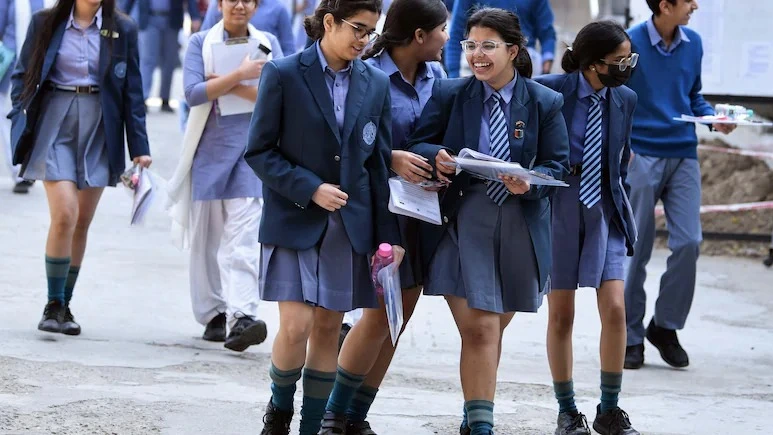
Dharamshala, January 25: Marking the occasion of Balika Diwas, Himachal Pradesh Chief Minister Sukhvinder Singh Sukhu visited the Government Girls Senior Secondary School in Dharamshala and announced a financial incentive of Rs. 1000 for each of the 351 girl students enrolled at the school. The move underscores the state government’s commitment to empowering girls and enhancing the education system. Addressing the students, CM Sukhu shared his personal experience as a government school student and acknowledged the confidence gap often faced by students from such institutions. He assured that the government is working diligently to bridge this gap, promising that no child in the state would be deprived of quality education. He also announced that the government has taken several measures, including filling vacant teaching posts, promoting deputy directors to address long-pending issues, and organizing exposure visits for both teachers and students. Furthermore, 50 meritorious students will soon be sent abroad as part of an initiative to motivate young minds and broaden their perspectives. Education Minister Rohit Thakur reiterated the government’s dedication to improving education quality across the state. Other dignitaries, including Agriculture Minister Professor Chander Kumar, AYUSH Minister Yadvinder Goma, and Secretary Education Rakesh Kanwar, were present during the event. The Chief Minister also visited the Government Senior Secondary School (Boys) in Dharamshala to review available facilities and address the needs of the students. This initiative reflects the state’s mission to empower young girls and reform the education sector, fostering an environment of growth and opportunity for future generations. Source: ANI

Himachal CM Sukhu Announces Rs. 1000 for Girl Students, Focuses on Education Reform on Balika Diwas Read More »