ArdorComm Media Group

Monday, February 16, 2026 12:37 AM

Author name: admin

Govt eases norms for deep-tech startups, drops three-year eligibility rule for DSIR recognition

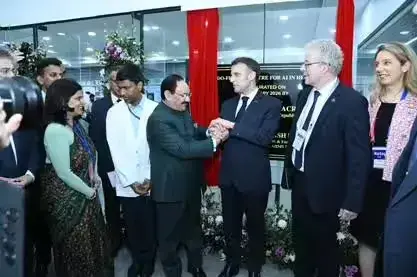
The central government has announced a major policy relief for deep-tech startups by removing the mandatory three-year existence requirement to obtain recognition under the Department of Scientific and Industrial Research (DSIR)’s Industrial Research and Development Promotion (IRDP) Programme. Speaking at the 41st Foundation Day of DSIR in New Delhi, Union Minister of Science and Technology Dr Jitendra Singh said the decision is aimed at enabling deep-tech startups to scale faster at early stages, even before they achieve operational maturity. He noted that the move signals the government’s growing trust in India’s innovation ecosystem and its confidence in the long-term sustainability and intent of homegrown innovators. The Minister emphasised that the reform aligns with several transformational steps taken under Prime Minister Narendra Modi’s leadership, including opening up the nuclear and space sectors to private participation. To support innovation in these emerging domains, he said the government will further accelerate policy and institutional initiatives. Dr Singh also highlighted that India is steadily advancing the vision of Aatmanirbhar Bharat, while simultaneously positioning itself as a reliable global innovation and technology partner for other nations. During the event, the Minister unveiled a series of initiatives to strengthen India’s research, development, and innovation ecosystem. These included the release of Guidelines for Recognition of In-House R&D Units, the recognition framework for Centres of Deep-Tech Startups, the launch of the PRISM Network Platform – TOCIC Innovator Pulse, and Creative India 2025 under the PRISM scheme. Source: newsonair

Govt eases norms for deep-tech startups, drops three-year eligibility rule for DSIR recognition Read More »

Government Sets Up Live Events Development Cell to Power India’s Rapidly Growing Concert Economy

The Union Ministry of Information and Broadcasting has launched a Live Events Development Cell (LEDC) to provide a structured push to India’s fast-growing live entertainment and concert ecosystem, according to an official statement. Envisioned as a single-window facilitation platform, the LEDC will help simplify regulatory processes, coordinate with states and industry stakeholders, and create an enabling environment for large-scale live events. The broader objective is to position India as one of the world’s leading live entertainment destinations by 2030. The move comes at a time when the organised live events industry is witnessing strong momentum. Valued at ₹20,861 crore in 2024, the sector is expanding at nearly 15% annually and is projected to grow at a CAGR of 18%, outperforming several traditional media segments. Constituted in July 2025 under the direction of Union I&B Minister Ashwini Vaishnaw, the LEDC brings together representatives from central and state governments, industry associations, and major event management companies to drive coordinated policy support and sectoral growth. The initiative follows Prime Minister Narendra Modi’s remarks at the WAVES Summit in May 2025, where he underscored the live entertainment industry’s untapped potential to boost investment, tourism, and India’s global cultural footprint. Currently, the sector supports over 10 million jobs, with each large-format event generating more than 15,000 direct and indirect employment opportunities. Growth is no longer limited to metros, as Tier-2 and Tier-3 cities emerge as new demand centres. Data cited from a BookMyShow 2025 report highlights a 490% surge in live event footfalls in Visakhapatnam, while Shillong and Guwahati recorded growth of 213% and 188%, respectively. Overall consumption across music concerts, sports, and theatre rose by 17%. Industry experts note that the increasing presence of global performers alongside extensive domestic tours signals a maturing and globally competitive market. To bridge infrastructure gaps and improve ease of doing business, the ministry has also set up a Joint Working Group with private sector players, including District by Zomato. Through these measures, the LEDC aims to double the size of the live events industry, create 15–20 million jobs, and place India among the top five global live entertainment hubs. Source: Economic Times

Government Sets Up Live Events Development Cell to Power India’s Rapidly Growing Concert Economy Read More »

CIEL HR Services Raises ₹30 Crore from Zoho, Pegasus and Others Ahead of IPO

Chennai-based CIEL HR Services has raised ₹30 crore from a group of 88 investors in a pre-IPO funding round, with participation from Zoho Corporation, Pegasus India, and Standard Fireworks, as the company gears up for its proposed public listing. In an official disclosure, the human resources solutions firm said it allotted 27,27,272 equity shares at ₹110 per share, aggregating the total fundraise to ₹30 crore. The pre-IPO placement received board approval on November 17, followed by shareholder clearance at an extraordinary general meeting on November 28. Alongside Pegasus India Evolving Opportunities Fund, Zoho Corporation and Standard Fireworks, the investor base includes prominent names such as Rajashekar Reddy Seelam (founder of 24 Mantra Organic), Prime Securities, KTV Kannan of KTV Group, Sri Kaliswari Fireworks, the Pothys family office, AIKYAM Capital, NS Rajan, and leadership expert Abhijit Bhaduri, among others. As per its draft red herring prospectus (DRHP), CIEL HR Services’ IPO will consist of a fresh issue worth ₹335 crore along with an offer for sale (OFS) of 47.4 lakh shares by promoters and other existing shareholders. The company plans to deploy the fresh issue proceeds to increase its stakes in subsidiaries including Firstventure Corporation, Integrum Technologies, Next Leap Career Solutions, People Metrics, and Thomas Assessments. Funds will also be used to meet working capital needs, pursue inorganic growth opportunities, and cover general corporate expenses. Additionally, CIEL intends to invest in five subsidiaries—CCIEL Skills and Careers, FirstVenture Corporation, Integrum Technologies, Ma Foi Strategic Consultants, and Next Leap Career Solutions—to strengthen and scale their learning and talent development platforms. Founded in Chennai, CIEL HR Services provides a technology-led, end-to-end HR solutions portfolio, covering the entire employee lifecycle, from talent acquisition and assessment to learning, skilling, and workforce management. Source: PTI

CIEL HR Services Raises ₹30 Crore from Zoho, Pegasus and Others Ahead of IPO Read More »

IIT Hyderabad sets up Centre for Creative Arts to bridge arts and technology

The Indian Institute of Technology Hyderabad (IIT Hyderabad) has announced the establishment of a Centre for Creative Arts (CCA) within its Department of Liberal Arts, marking a significant step towards blending creativity with technical and scientific learning. According to the institute, the new Centre aims to embed artistic practices more deeply into engineering and science education. IIT Hyderabad has been nurturing creative and liberal arts for more than a decade, with structured initiatives beginning in 2014 through heritage tours for first-year students. Over the years, these efforts have grown into credited courses, and currently about 10 per cent of the undergraduate curriculum includes liberal and creative arts such as photography, fine arts, performing arts and crafts. The Centre for Creative Arts will offer elective courses ranging from one to three credits in creative and performing arts for both undergraduate and postgraduate students. It also plans to bring practicing artists on board as adjunct faculty and distinguished professors. Artist-in-Residence programmes will enable long-term interaction between students and professionals, encouraging cross-disciplinary engagement across engineering, science and design. In addition to teaching, the Centre will support research in the arts, including doctoral programmes. Visiting artists may act as co-supervisors for research scholars, helping integrate practice-based artistic knowledge with academic research. Collaborations with cultural organisations, including SPIC MACAY, are also planned to enrich campus activities. Beyond the campus, the Centre will run outreach initiatives for school students and art educators, with the objective of promoting early exposure to diverse art forms and strengthening ties between the institute and the broader community. Announcing the launch, IIT Hyderabad Director Prof B S Murty said the Centre reflects the institute’s vision of combining creativity, culture and technology in higher education. Dr Aalok Khandekar, Head of the Department of Liberal Arts, added that the CCA would build on existing initiatives while enabling new courses and research collaborations. Source: Indian Express

IIT Hyderabad sets up Centre for Creative Arts to bridge arts and technology Read More »

Ambani rolls out draft Reliance AI Manifesto, eyes 10x productivity leap and nationwide impact

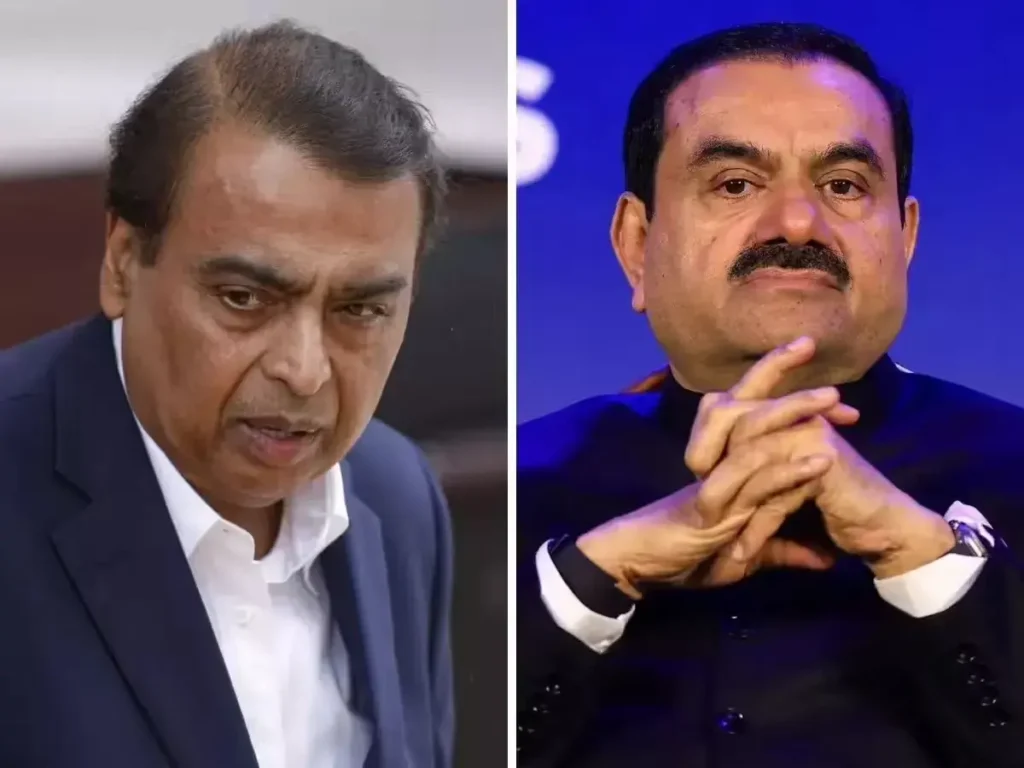
Reliance Industries Chairman Mukesh Ambani has unveiled a draft Reliance AI Manifesto, laying out a sweeping plan to reposition the conglomerate as an AI-native deep-tech enterprise while aiming for a tenfold boost in productivity across its workforce of over six lakh employees. The initiative also targets a 10x impact on India’s economy and society. Describing artificial intelligence as “the most consequential technological development in human history,” Ambani said Reliance intends to spearhead India’s AI journey, much as it played a central role in the country’s digital transformation. The group’s stated mission is to deliver “Affordable AI for every Indian”, embedding AI across businesses while ensuring safety, trust and accountability. According to Ambani, the manifesto is not a slogan but a practical action guide. “At Reliance, we are transforming ourselves into an AI-native deep-tech company with advanced manufacturing capabilities,” he said, adding that the draft manifesto will steer this transformation. Internal transformation through AI Part I of the manifesto focuses on reshaping Reliance’s internal operations. AI is positioned not as a standalone technology initiative but as a fundamentally new way of working. The group plans to reorganise around outcomes and end-to-end workflows, supported by shared digital platforms and robust governance frameworks. AI and agentic automation will be deployed to reduce repetitive tasks, enhance decision-making, and improve speed and quality, while maintaining clear human accountability. Execution will be driven by small, cross-functional teams or “pods” with defined ownership and measurable goals, supported by continuous data, learning, operations and automation systems. Core workflows such as procure-to-pay, order-to-cash, hire-to-retire and plant-to-port will be redesigned to eliminate manual handoffs, close digital gaps and enable real-time visibility. Ambani stressed that AI will augment human capability rather than replace jobs, saying the focus is on raising standards and unlocking collective potential. A common 12-layer Digital Functional Core (DFC) will standardise data, integration, security and controls across Reliance businesses, while allowing individual units autonomy over their platforms. Governance, audit trails and human-in-the-loop mechanisms will be embedded to balance speed with safety, compliance and trust. Driving India’s AI-led growth Part II extends the vision beyond Reliance, positioning the group as a catalyst for India’s broader AI transformation. Ambani said that just as AI can deliver a 10x improvement in efficiency and outcomes within Reliance, it can also generate a similar multiplier effect for the country through the group’s businesses and philanthropic efforts. Employees have been invited to submit ideas on AI applications across Reliance’s diverse portfolio—from Jio’s 500-million-plus subscribers and the country’s largest retail network to energy, materials, life sciences, financial services, media and philanthropy. Ambani also pointed to opportunities in indigenous AI hardware, robotics and cross-sector innovation to boost efficiency, sustainability and technological self-reliance. Ideas can be submitted between January 10 and 26, after which the manifesto is expected to evolve into a shared organisational commitment. “Let us begin—together,” Ambani said, calling on employees to help build “a New Reliance and a New India.” Source: PTI

Ambani rolls out draft Reliance AI Manifesto, eyes 10x productivity leap and nationwide impact Read More »

IndiGo Increases Pilot Allowances Amid Staffing Challenges and New Duty Norms

IndiGo has revised and increased allowances for its pilots by up to ₹2,000, with the changes taking effect from January 1, according to sources. The move comes weeks after the airline faced widespread flight disruptions triggered by pilot rostering issues. The disruptions were largely attributed to inadequate preparedness in implementing the revised Flight Duty Time Limitations (FDTL) norms, which restrict the number of night landings a pilot can undertake. These changes reportedly forced IndiGo to cancel over 1,600 flights in a single day earlier this month. In response to the new regulations, which require more pilots for night operations, the airline has enhanced several allowance categories. The revised allowances—ranging from ₹25 to ₹2,000—cover domestic layovers, night operations, deadhead duties, and a newly introduced tail-swap allowance. Tail-swap refers to replacing a scheduled aircraft with another aircraft. Sources said the tail-swap allowance was not available earlier and has been introduced as part of the latest revision. IndiGo has not issued an official statement on the matter. Under the new structure, a captain on a domestic layover of 10.01 to 24 hours will receive ₹3,000, up from ₹2,000. For first officers, the allowance has been raised to ₹1,500 from ₹1,000. Beyond 24 hours, captains will now earn ₹150 per additional hour, while first officers will get ₹75 per hour, up from ₹100 and ₹50 respectively. Night allowances per hour have been increased to ₹2,000 for captains and ₹1,000 for first officers. Deadhead allowance per scheduled block hour has also gone up—to ₹4,000 from ₹3,000 for captains and to ₹2,000 from ₹1,500 for first officers. Meal allowance during transit for captains has doubled to ₹1,000. However, sources noted that the latest increase recovers only about 25 per cent of the allowances that were cut following the implementation of the second phase of the FDTL norms in November. Following the recent operational disruptions, aviation regulator DGCA directed IndiGo to reduce its winter flight schedule by 10 per cent. As per government data shared in Parliament, IndiGo employed 5,085 pilots as of December 8. Source: PTI

IndiGo Increases Pilot Allowances Amid Staffing Challenges and New Duty Norms Read More »

CBSE Postpones March 3 Class 10 and 12 Board Exams Due to Administrative Reasons

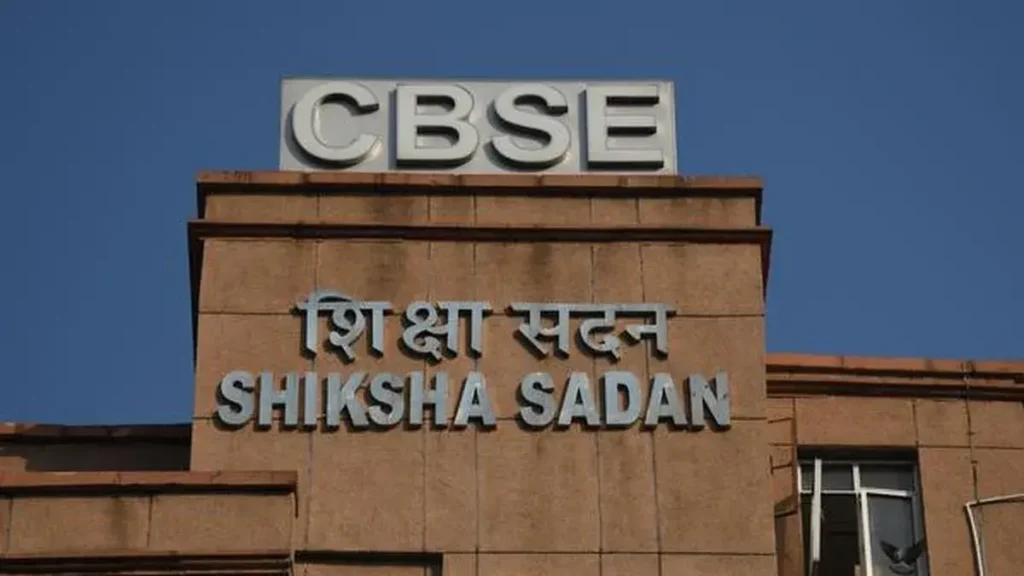
The Central Board of Secondary Education (CBSE) has announced a revision in the schedule of certain Class 10 and Class 12 board examinations slated for March 3, 2026, citing administrative reasons. As per the revised timetable, the Class 10 papers originally planned for March 3 will now be conducted on March 11, while the Class 12 examination scheduled for that day has been postponed to April 10. The rescheduled Class 10 exams include subjects such as Tibetan, German, NCC, Bhoti, Bodo, Tangkhul, Japanese, Bhutia, Spanish, Kashmiri, Mizo, Bahasa Melayu, Elements of Business, and Elements of Book Keeping and Accountancy. For Class 12, the Legal Studies paper, earlier fixed for March 3, will now take place on April 10. CBSE clarified that no other examination dates have been altered and urged schools to promptly inform students and parents about the changes. With this update, Class 10 board examinations will be conducted from February 17 to March 18, 2026. Class 12 exams will now conclude on April 10, instead of the earlier April 4 end date. All examinations will continue to be held in a single morning shift beginning at 10:30 am. The board had released a tentative schedule in September, followed by the final datesheet in November after incorporating several changes. Around 45 lakh students are expected to appear for board exams across 204 subjects in Classes 10 and 12 this year. Notably, CBSE will implement a two-phase examination system for Class 10 students in 2026. The first phase, mandatory for all candidates, will run from February 17 to March 6, while the optional second phase—aimed at score improvement—will be held from May 15 to June 1. Results for the first phase will be declared in April and for the second phase in June. The final marksheet will record the higher score from the two attempts, marking a shift away from the traditional single-exam model. Source: Indian Express

CBSE Postpones March 3 Class 10 and 12 Board Exams Due to Administrative Reasons Read More »

NCLAT sets aside NCLT order in Culver Max insolvency case, orders fresh hearing

The National Company Law Appellate Tribunal (NCLAT) has granted relief to Culver Max Entertainment, formerly Sony Pictures Network India, by overturning an order of the National Company Law Tribunal (NCLT) that had rejected its insolvency petition against an Odisha-based fintech company. The appellate tribunal has sent the matter back to the Cuttack bench of the NCLT, directing it to hear the case afresh after giving Culver Max an opportunity to address procedural shortcomings in its application. In its ruling, the NCLAT noted that the NCLT should have allowed Culver Max to rectify defects in the insolvency plea, particularly relating to authorisation, instead of dismissing it outright. Since no such opportunity was provided, the appellate tribunal held that the April 30, 2024 order of the NCLT was legally flawed. A two-member NCLAT bench comprising Justice Yogesh Khanna (Judicial Member) and Ajai Das Mehrotra (Technical Member) clarified that it was not expressing any view on the merits of the insolvency case. However, it set aside the impugned order and instructed the NCLT to allow Culver Max to cure the defects and then adjudicate the matter on merits. The tribunal added that the process should ideally be completed within two months, as per its order dated December 10, 2025. The dispute arose after the NCLT dismissed Culver Max’s Section 9 application under the Insolvency and Bankruptcy Code (IBC) against Rechargekit Fintech. The tribunal had rejected the plea on the ground that no board resolution or formal authorisation approving the filing of the insolvency application was placed on record. Challenging this decision, Culver Max argued before the NCLAT that the NCLT should have invoked the proviso to Section 9(5)(ii) of the IBC, which allows applicants time to correct defects in an incomplete application. The appellate tribunal agreed, observing that it was the duty of the NCLT to notify the applicant and provide an opportunity to rectify such defects. Section 9(5)(ii) of the IBC empowers the NCLT to reject an incomplete application but also mandates that the applicant be given notice and up to seven days to remove the deficiencies. Since this procedure was not followed, the NCLAT ruled that the dismissal order could not be sustained. Source: PTI

NCLAT sets aside NCLT order in Culver Max insolvency case, orders fresh hearing Read More »

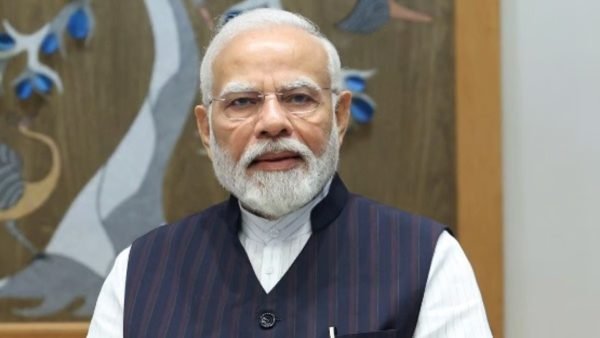
Gen Z and Gen Alpha will drive India’s journey towards Viksit Bharat: PM Modi

Prime Minister Narendra Modi has emphasised that India’s future development will be led by its youngest generations, asserting that Gen Z and Gen Alpha will play a decisive role in achieving the vision of a Viksit Bharat. He said current policies are being designed with youth empowerment at their core, placing young people at the centre of nation-building. Speaking at the Veer Baal Diwas programme at Bharat Mandapam in New Delhi, the Prime Minister said he has deep faith in the competence, confidence, and capabilities of today’s youth. Referring to a traditional saying, he noted that wisdom should be valued regardless of age, as true greatness is reflected in one’s actions and achievements, not years. PM Modi observed that young Indians have already delivered inspiring accomplishments across fields, but stressed that these milestones are only the beginning of a much longer journey. He encouraged the youth to dream bigger and aim higher, noting that the nation now stands firmly behind their aspirations. Highlighting the contrast with earlier times, the Prime Minister said previous generations of youth often hesitated to dream due to an atmosphere of pessimism. In contrast, today’s India actively recognises talent, offers platforms for growth, and aligns the collective strength of 140 crore citizens with youthful ambition. He pointed to initiatives such as Digital India, which has empowered youth with access to the internet and learning resources, Startup India for innovation and entrepreneurship, and Khelo India for sporting excellence. He also referred to his recent participation in the Sansad Khel Mahotsav as an example of the growing ecosystem supporting young talent. Urging young people to remain focused, PM Modi cautioned against getting distracted by short-lived fame and stressed the importance of clarity in thought, values, and principles. He encouraged them to draw inspiration from national icons and ensure that their personal success contributes to the progress of the country as a whole. The Prime Minister further highlighted platforms like Mera Yuva Bharat, aimed at connecting young people, nurturing leadership skills, and creating opportunities across sectors. He reiterated that youth are central to India’s growth in areas such as space economy, sports, fintech, manufacturing, skill development, and internships, with new avenues opening across industries. Veer Baal Diwas, observed on December 26, was announced by PM Modi in January 2022 to honour the martyrdom of Sahibzadas Baba Zorawar Singh Ji and Baba Fateh Singh Ji, the sons of Sri Guru Gobind Singh Ji. Their sacrifice, he said, continues to inspire generations of Indians. Source: ANI

Gen Z and Gen Alpha will drive India’s journey towards Viksit Bharat: PM Modi Read More »

Counterfeit Abhayrab Vaccine Batch No Longer in Circulation: Indian Immunologicals

Indian Immunologicals Limited (IIL), a major vaccine manufacturer in the country, has stated that a counterfeit batch of its human anti-rabies vaccine, Abhayrab, is no longer available in the market. The clarification follows a recent advisory issued by Australian health authorities cautioning about the circulation of a fake batch in India since November 1, 2023. Responding to the advisory, IIL described it as overly cautious and said the issue had already been identified and addressed. In an official statement released on Saturday (December 27, 2025), the company said the counterfeit involved Abhayrab batch number KA24014, manufactured in March 2024 with an expiry date of February 2027. The anomaly was detected by early January 2025, after which swift action was taken, it added. Earlier, the Australian Technical Advisory Group on Immunisation had warned that travellers vaccinated with Abhayrab in India after November 1, 2023, should treat the vaccination as invalid and begin a fresh immunisation schedule. Rabies, a viral disease transmitted from animals to humans, affects the central nervous system and is almost always fatal once symptoms appear. However, timely vaccination following exposure can effectively prevent the disease. IIL highlighted that it has been producing the anti-rabies vaccine since 2000 and has supplied over 210 million doses across India and more than 40 countries, maintaining around a 40 per cent share of the domestic market. According to the company, the counterfeit was limited to a single batch and involved a packaging irregularity. Upon detection, IIL immediately informed regulatory authorities and law enforcement agencies, filed a formal complaint and coordinated with officials to prevent further circulation. The company reiterated that this was an isolated incident and that the fake stock has since been removed from the supply chain. Reassuring doctors and the public, IIL stressed that all vaccines manufactured in India undergo mandatory testing and release by the Central Drugs Laboratory before being made available for use. “Vaccines supplied through government channels and authorised distributors continue to be safe and meet quality standards,” said Sunil Tiwari, vice-president and head of quality management at IIL. He added that Abhayrab is produced in compliance with World Health Organization Good Manufacturing Practices and relevant pharmacopeial norms. The company further noted that the vaccine is approved for both pre-exposure and post-exposure prophylaxis against rabies and is supplied to public health systems as well as private healthcare providers. Each batch, it said, is cleared by the National Control Laboratory, which is WHO-Geneva pre-qualified under India’s National Regulatory Authority. Meanwhile, earlier this month, the US Centers for Disease Control and Prevention issued travel health alerts for India and Haiti after cases of rabies were reported among travellers returning from these countries. The advisory urged travellers to avoid contact with dogs, cats and wild animals. Source: The Hindu

Counterfeit Abhayrab Vaccine Batch No Longer in Circulation: Indian Immunologicals Read More »