ArdorComm Media Group

Tuesday, April 28, 2026 9:40 AM

community

Zee Entertainment Gains 7% as Board to Consider Fund Raising on July 16

Shares of Zee Entertainment Enterprises Limited (ZEEL) surged by 7% to Rs 157.20 per share on the National Stock Exchange (NSE) during Friday’s intra-day trade, driven by heavy volumes. This uptick followed the company’s announcement that its board will convene on July 16 to deliberate on a fund-raising plan. In an exchange filing, ZEEL stated, “A meeting of the board of directors of the company is scheduled to be held on Tuesday, July 16, 2024, inter alia, to consider and approve the raising of funds through the issuance of appropriate instruments along with the terms and conditions of the appropriate instruments, subject to such regulatory/statutory approvals as may be required.” Last month, the board had given its in-principle approval for raising up to Rs 2,000 crore through the issue of securities via various modes, including private placement, qualified institutions placement (QIP), preferential issue, or other methods. By 11:15 AM, ZEEL emerged as the top gainer among the Nifty Midcap 100 index, rising by 6.2% to Rs 156.30. In contrast, the Nifty 50 and Nifty Midcap 100 index saw gains of 0.89% and 0.38%, respectively. A combined 26.16 million shares were traded on the NSE and BSE. Despite this recent surge, ZEEL has underperformed the market in 2024, declining by 45%, compared to a nearly 13% rally in the Nifty 50. The stock hit a 52-week low of Rs 125.50 on June 4, 2024. In its Q4FY24 earnings update, ZEEL mentioned significant ongoing efforts to implement margin improvement interventions across its business. The company anticipates that these efforts will enhance performance, with major costs incurred in Q1FY25 for implementing these interventions. This is expected to impact margins temporarily, with gradual improvement anticipated from Q2FY25. The company aims for industry-leading EBITDA margins of 18-20% by FY26. Emkay Global Financial Services noted that ZEEL’s Q1FY25 performance might be affected by a shift in advertisement spends, projecting marginal growth of 2% year-on-year for Q1 ad revenues. Subscription revenues are expected to grow steadily due to price hikes, while other sales and services should benefit from movie releases and syndication deals. ZEEL’s profitability may be impacted by one-time interventions as it strives to reach its medium-term targets.

Zee Entertainment Gains 7% as Board to Consider Fund Raising on July 16 Read More »

Assam Declares Special Leaves for Govt Employees to Spend Time with Parents, In-Laws

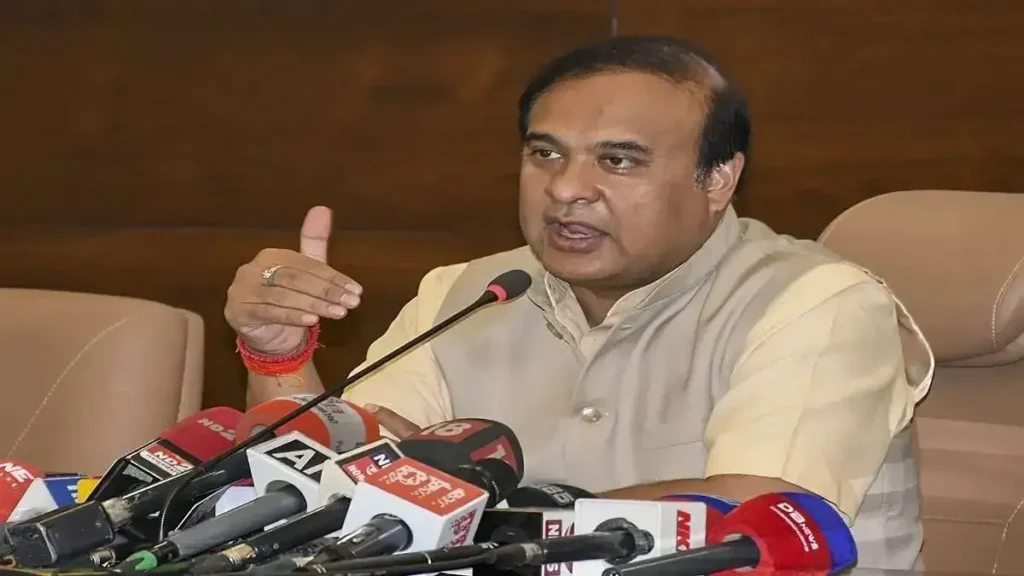
The Assam government has announced two days of special casual leaves for state government employees to spend time with their parents or parents-in-law. The Chief Minister’s Office (CMO) declared these leaves on November 6 and 8 through a post on the social media platform ‘X’. However, the special leaves are not available for employees without living parents, and they cannot be used for personal leisure, as reported by PTI. The post emphasized, “This leave must be used solely for spending time with ageing parents or parents-in-law to honour, respect, and care for them, and not for personal enjoyment.” Government employees in essential services can avail the leave in a phased manner. The Assam Chief Minister’s post underscored the importance of parental blessings and the responsibility of ensuring the well-being of one’s parents. The CMO clarified that these leaves could be combined with other holidays such as Chhat Puja on November 7, the second Saturday holiday on November 9, and Sunday on November 10, providing an extended break for employees. Assam Chief Minister Himanta Biswa Sarma initially announced these special casual leaves for spending time with parents and parents-in-law during his first Independence Day speech after taking office in 2021. In addition, on Wednesday, the Assam government introduced a 180-day Child Adoption Leave policy for all women working in state government departments. This decision aligns with Rule 43-B of the Central Civil Services (Leave) Rules, 1972, as reported by HT.

Assam Declares Special Leaves for Govt Employees to Spend Time with Parents, In-Laws Read More »

Survey Reveals 66% of Audiences Are Unsatisfied With Disability and Mental Health Representation in Entertainment

A recent survey conducted by the Inevitable Foundation has highlighted significant dissatisfaction among audiences regarding disability and mental health representation in the entertainment industry. The “Audiences Are Waiting for Hollywood to Greenlight Disability” report surveyed over 1,000 people and revealed that 66% of audiences are “unsatisfied with current representations of disability and mental health in film and TV.” The survey also found that 40% of audiences, both with and without disabilities, are “very likely” to recommend films or TV shows that authentically portray disability or mental health conditions to friends and family. This indicates a strong desire for more genuine representation in entertainment. Regarding viewing habits, the report noted that 35% of people with disabilities watch over 20 hours of television per week, compared to 25% of people without disabilities. Additionally, 20% of all audiences stated they would subscribe to new streaming services or attend more movies in theaters if these platforms included authentic representations of people with disabilities and mental health conditions. Saga Darnell, head of research and public affairs at the Inevitable Foundation, emphasized the clear dissatisfaction with current film and television options related to disability representation. “The findings from the Greenlight Disability Report are clear that all audiences—disabled and non-disabled people—are very unsatisfied with the film and television options available to them when it comes to disability representation,” Darnell said in a statement. The foundation stressed the potential benefits for entertainment industry leaders who invest in authentic disabled storytelling and ensure multi-dimensional portrayals of characters with disabilities and mental health conditions. Such investment could increase audience satisfaction, foster trust, and tap into an underutilized market segment. Inevitable Foundation is a non-profit organization dedicated to investing in writers and filmmakers with disabilities to destigmatize disability and mental health globally. Their research aims to bridge the data gap around disability in entertainment, exploring the experiences of the disabled population in the industry, on-screen narratives, and the impact of media portrayals on cultural stigma.

Survey Reveals 66% of Audiences Are Unsatisfied With Disability and Mental Health Representation in Entertainment Read More »

Karnataka Government Considering Six Locations for Second Airport for Bengaluru: Industries Minister M.B. Patil

The Karnataka government is exploring six potential locations for a new international airport to be built within 60 kilometers of the existing Kempegowda International Airport (KIA) in Devanahalli. This new airport is aimed to be as large as KIA and capable of handling 100 million passengers per annum. The identified locations include Kanakpura Road, Mysore Road, Magadi, Doddaballapura, Dabaspete, and Tumakuru. Land Acquisition and Capacity Large and Medium Industries and Infrastructure Development Minister M.B. Patil stated that the government will need to acquire 3,000 to 5,000 acres of land for the new airport. The project aligns with the exclusivity clause availed by Bangalore International Airport Limited, which stipulates that no international airport should be allowed within a 150 km radius of KIA until 2035. The new airport is expected to be operational by 2035, by which time KIA’s passenger handling capacity is anticipated to be saturated. The cargo handling capacity at KIA is expected to reach its limit by 2040. Selection Criteria A special committee comprising aviation industry experts will soon meet to evaluate the proposed sites. The selection criteria include good road, rail, and metro connectivity, minimal population settlements, few water bodies, low green cover, and non-agricultural land without significant elevation or mountains. Minister’s Statement Minister M.B. Patil, responding to media queries at Vidhana Soudha in Bengaluru on July 10, mentioned that a plan for the new airport will be ready within the next three months. “Things will move in a few months. A plan will be ready in the next three months,” he said. Response to Tamil Nadu’s Plans Regarding Tamil Nadu Chief Minister M.K. Stalin’s announcement to set up an airport in Hosur, which is adjacent to Bengaluru, Minister Patil noted that Tamil Nadu’s decision came after Karnataka’s announcement of a second international airport. He assured that Tamil Nadu’s plans would not affect Karnataka’s project. Future Discussions Minister Patil also mentioned plans to meet with Union Industries Minister H.D. Kumaraswamy to discuss the state’s industrial development plans, further emphasizing the importance of the new airport for Karnataka’s infrastructure and economic growth.

Karnataka Government Considering Six Locations for Second Airport for Bengaluru: Industries Minister M.B. Patil Read More »

Budget 2024: Healthcare Sector Urges Government to Boost Public Health Spending

The healthcare sector in India is advocating for increased public health spending in the upcoming Budget 2024, urging the government to raise public health expenditure above 2.5 percent of the GDP. The industry is also calling for an Ayushman Bharat-like scheme specifically for the middle class to address healthcare needs more comprehensively. Key Recommendations: Increase Public Health Expenditure: The Healthcare Federation of India (NATHEALTH) has emphasized the need for the government to boost healthcare spending to over 2.5 percent of GDP. This increase is seen as crucial for enhancing infrastructure, addressing demand and supply challenges, and improving overall social insurance. Expand Healthcare Facilities: Abhay Soi, president of NATHEALTH and chairman of Max Healthcare Institute, highlighted the necessity for two billion square feet of advanced healthcare facilities. Expanding healthcare infrastructure in smaller cities and advancing digital healthcare services are also top priorities. Comparison with Other Countries: According to the Economic Survey 2022-23, healthcare expenditure by the Centre and state governments reached 2.1 percent of GDP in FY23. In comparison, OECD data shows that the US had the highest health expenditure to GDP ratio at 16.6 percent in 2022, while India’s was at 2.9 percent. Middle-Class Healthcare Scheme: Industry leaders, including PD Hinduja Hospital CEO Gautam Khanna, suggested implementing a healthcare scheme similar to PM-JAY for the middle class. This would require allocating 2.5-3.5 percent of GDP to healthcare to ensure broader coverage and affordability. Policy Reforms and Innovations: Suneeta Reddy, Managing Director of Apollo Hospitals, emphasized the need for the government to prioritize the healthcare sector to spur growth and productivity. The industry is also advocating for easing compliance burdens, promoting medtech innovation, rationalizing the goods and services tax (GST), and reviewing the health cess on medtech products. As the first Budget of Modi 3.0 approaches, the healthcare sector’s recommendations highlight the critical need for increased investment and policy support to enhance India’s healthcare infrastructure, improve access to quality healthcare, and ensure affordability for all citizens. Boosting public health spending is seen as a vital

Budget 2024: Healthcare Sector Urges Government to Boost Public Health Spending Read More »

Gautam Gambhir Appointed Indian Cricket Team Head Coach, Will Replace Rahul Dravid

Gautam Gambhir has been named the next head coach of the Indian cricket team, BCCI secretary Jay Shah confirmed on social media on Wednesday. The former India cricketer will replace Rahul Dravid, whose tenure came to an end after the T20 World Cup 2024. “It is with immense pleasure that I welcome Mr @GautamGambhir as the new Head Coach of the Indian Cricket Team. Modern-day cricket has evolved rapidly, and Gautam has witnessed this changing landscape up close. Having endured the grind and excelled in various roles throughout his career, I am confident that Gautam is the ideal person to steer Indian Cricket forward. His clear vision for #TeamIndia, coupled with his vast experience, positions him perfectly to take on this exciting and most sought-after coaching role. The @BCCI fully supports him as he embarks on this new journey,” Jay Shah posted from his official handle on X (formerly known as Twitter). Earlier, Jay Shah also posted a message for Rahul Dravid, who ended his time as the Indian cricket team head coach by winning the T20 World Cup 2024 during his final assignment. “I express my sincere thanks and gratitude to Mr Rahul Dravid whose highly successful tenure as the Head Coach draws to a close. Under his guidance, #TeamIndia emerged as a dominant force across formats, including being crowned ICC Men’s T20 World Cup champions!” India became the first team ever to win the T20 World Cup title without losing a single game. The Rohit Sharma-led side played some brilliant cricket and claimed the title by beating South Africa in the final.

Gautam Gambhir Appointed Indian Cricket Team Head Coach, Will Replace Rahul Dravid Read More »

Meghalaya Government to Include QR Codes in School Textbooks to Help Students

The Meghalaya government is set to integrate QR codes into school textbooks, allowing students to access additional information using smartphones, according to Education Secretary A Marak. This initiative aims to enhance students’ time management skills and empower them with supplementary knowledge options. “We are adding quick response (QR) codes to school textbooks that will be embedded with additional information on a particular subject. The aim is to reinforce students’ ability to manage time well and gain further knowledge as per one’s choice,” Marak told the media. Benefits of QR Codes “By scanning QR codes with mobile devices, students can access educational apps featuring video lessons and solved question papers, thereby reducing the time spent searching for study materials and enabling greater focus on learning,” he said. Director of the Directorate of Educational Research and Training (DERT), R Manner, emphasized the benefits of QR codes embedded in specific textbooks, noting their potential to significantly aid students seeking self-improvement in particular subjects. Meghalaya Education Minister on QR Codes in Textbooks Education Minister Rakkam A Sangma praised the initiative, underscoring the government’s commitment to ensuring students in Meghalaya have access to comprehensive educational resources.

Meghalaya Government to Include QR Codes in School Textbooks to Help Students Read More »

Pension Budget 2024 Expectations: FM May Offer Guarantee Under NPS; Central Government Employees Likely to Get 50% of Last Pay Drawn as Pension

Article

The government plans to provide 50% of the final pay drawn as pension for central government employees enrolled in the National Pension System (NPS). This effort addresses their worries about the pension payout, even though the current scheme offers attractive returns for those who remain invested for 25-30 years, especially for those recruited after 2004, according to a news report by Sidhartha in Times of India. A committee, led by Finance Secretary T V Somanathan, was formed after an announcement by Finance Minister Nirmala Sitharaman. Although the government has rejected a return to the Old Pension Scheme (OPS), it has left open the option to provide some level of reassurance. This comes amidst the Congress announcing a reversal of a decision made by the Manmohan Singh government. What is the Old Pension Scheme (OPS)? For the OPS scheme, government employees can receive half of their last drawn salary as a lifelong pension. This amount is subject to adjustments based on pay commission recommendations. The OPS ensures that government employees receive a guaranteed monthly pension upon retirement, provided they have completed at least ten years of service. This pension amount is calculated based on their last drawn basic salary and the total number of years in service. One of the key features of the OPS is that the government is responsible for paying the entire pension amount to the retired government employees. This means that during their years of service, no portion of the employees’ salaries is deducted towards their pension fund. This scheme offers financial security and stability to government employees after their retirement, allowing them to plan for their post-retirement life with confidence. On the other hand, the NPS scheme works differently, as it is a defined contribution plan. Under this scheme, government employees contribute 10% of their basic salary, and the Centre provides a 14% contribution. Pension: Budget 2024 Expectations The Somanathan committee has examined the international experience and studied the adjustments made by the Andhra Pradesh government. Additionally, extensive calculations have assessed the effects of guaranteeing a certain return. “Although it is possible for the Centre to offer 40-45% guarantee, politically, it does not address the concern of employees who work for 25-30 years. As a result, there is growing acknowledgment within the govt of offering a 50% guarantee. Which means in case of a shortfall, the govt will fill the gap,” according to the Times of India news report. The committee members believe that an annual assessment must be carried out, as opposed to the government pension system, which is unfunded because the Centre lacks a retirement fund. The Centre will probably establish a fund this time in Budget 2024, similar to companies that provide retirement benefits to their employees. Officials have stated that individuals who remain employed for 25-30 years are experiencing satisfactory returns that align with the pension payments received by those under the OPS. They have noted that the grievances regarding low payouts primarily come from individuals who have left the scheme after completing 20 years or less. On January 11, 2024, in a memorandum, the Joint Forum for Restoration of Old Pension Scheme (NJCA), formed under the banner of the NJCA, urged the finance ministry to reinstate the non-contributory and guaranteed Old Pension Scheme instead of the contributory National Pension System for central government employees – including those in railways, defense, postal, income tax, accounts and audit, central secretariat, Isro, DAE, etc., as well as for autonomous bodies, paramilitary forces, and all state govt./Union territory employees, comprising primary teachers, high school and higher secondary teachers, and College and University Teachers, etc. The reinstatement applies to employees hired on or after January 1, 2004. The department of expenditure of the finance ministry responded to the demand for the Guaranteed Old Pension Scheme (OPS) to replace the existing National Pension System (NPS) for central government employees, as requested by the Joint Forum for Restoration of Old Pension Scheme (NJCA), “It is informed that the Committee formed under the Chairmanship of FS & SE to look into the issue of NPS has already had two rounds of detailed discussion with the Staff Side of National Council (JCM) and the valuable views of the NC (JCM) have already been noted by the Committee.”

Pension Budget 2024 Expectations: FM May Offer Guarantee Under NPS; Central Government Employees Likely to Get 50% of Last Pay Drawn as Pension Read More »

Govt May Double Ayushman Bharat Reach, Increase Health Cover to ₹10 Lakh

Blog

Imagine having a safety net that catches you when life throws unexpected medical expenses your way. The Indian government is planning a major expansion of its flagship Ayushman Bharat health insurance scheme over the next three years. The exciting development involves potentially including all individuals over 70 years of age in the scheme and increasing the insurance coverage to ₹10 lakh per year. If implemented, this change would offer significant relief to families facing medical expenses, which are a major cause of financial strain. Interim Budget 2024 In the interim Budget for 2024, the government increased the allocation for the Ayushman Bharat Pradhan Mantri Jan Arogya Yojana (AB-PMJAY), which provides health coverage of ₹5 lakh per family per year for secondary and tertiary care hospitalization to 12 crore families. The budget saw an increase in allocation to ₹7,200 crore for AB-PMJAY and an additional ₹646 crore for the Ayushman Bharat Health Infrastructure Mission (PM-ABHIM). NITI Aayog’s 2021 Report: Key Takeaways A report by NITI Aayog in October 2021, titled ‘Health Insurance for India’s Missing Middle,’ highlighted that about 30% of the population lacks health insurance coverage. The report identified this gap as a significant policy issue and suggested the need for a comprehensive, low-cost health insurance product for the “missing middle” group. This group includes self-employed individuals, informal sector workers in rural and urban areas, and those not covered by existing insurance schemes. What is PMJAY (Ayushman Bharat Yojana)? Launched in September 2018, Ayushman Bharat Yojana is one of the world’s largest healthcare schemes, aiming to cover over 500 million Indian citizens, particularly those from economically weaker sections. The scheme offers health insurance with a maximum sum insured of ₹5 lakh per family per year for secondary and tertiary hospitalisation. Beneficiaries can access cashless hospitalisation services at empanelled hospitals across India. Eligibility for PMJAY The scheme covers 100 million families, including 80 million in rural areas and 23.3 million in urban areas, aiming to reach a total of 500 million individuals. Eligible applicants must belong to categories such as SC/ST, Lower Income Group, or Economically Weaker Sections (EWS). Eligibility can be checked using the ‘Am I Eligible’ feature on the official website. PMJAY in Rural and Urban Areas Rural Areas: Includes SC/ST households, beggars, families with no adults aged 16-59, families with a physically challenged member, landless laborers, primitive tribal communities, and more. Urban Areas: Includes washermen, rag pickers, mechanics, domestic help, sanitation workers, construction workers, transport workers, and more. Exclusions from PMJAY The scheme does not cover individuals who: Own motorised vehicles or mechanised farming equipment Have kisan cards with a credit limit of ₹50,000 Are government employees or work in government-managed non-agricultural enterprises Earn above ₹10,000 per month or own substantial assets like refrigerators or landlines Coverage under Ayushman Bharat Yojana AB-PMJAY offers up to ₹5 lakh per family annually for secondary and tertiary hospitalisation care, covering medical services such as: Examinations, consultations, treatments Medications, diagnostics, accommodation Medical implants, food services, post-hospitalisation expenses Exclusions from Coverage The scheme does not cover: Out-Patient Department (OPD) expenses Drug rehabilitation, cosmetic surgeries, fertility treatments Individual diagnostics, organ transplants Checking Eligibility Online To check your eligibility for Ayushman Bharat Yojana: Visit the official Ayushman Bharat Yojana website. Go to the “Am I Eligible” section. Enter your mobile number and captcha code, then click “Generate OTP.” Enter the OTP received on your mobile and click “Verify OTP.” Provide details like name, state, age, family members, and income. Click “Submit” to check your eligibility. Future Prospects The government’s proposed expansion of the Ayushman Bharat scheme could potentially double its reach and significantly increase health coverage, reflecting a commitment to improving healthcare access for millions of Indians. This move aligns with previous recommendations and ongoing efforts to enhance the health insurance infrastructure in the country.

Govt May Double Ayushman Bharat Reach, Increase Health Cover to ₹10 Lakh Read More »

Maharashtra Govt Announces Free Higher Education for EWS, SEBC, OBC Girls in State

In a significant move ahead of the upcoming assembly elections, the Maharashtra government announced on Monday that higher education for girls from the Economically Weaker Section (EWS), Socially and Economically Backward Classes (SEBC), and Other Backward Classes (OBCs) will be made free. According to officials, this initiative is part of a broader women-focused policy. The decision, which also includes waiving tuition and examination fees for orphaned students regardless of gender, was taken during a cabinet meeting chaired by Chief Minister Eknath Shinde. The policy change was formalized through a government resolution (GR). Rs 906 Crore Aid for Female Students The decision will be implemented from the academic year 2024-25 and is expected to cost Rs 906 crore. A GR stated that female students seeking admission to recognized vocational courses through the Centralised Admission Process in government colleges, aided private colleges, semi-aided private colleges, non-aided colleges, polytechnic, and autonomous government universities, and open universities can avail the facility. Wide Range of Courses Covered, Specific Eligibility Criteria Outlined These include courses run by departments such as higher and technical education, medicine, pharmacy, agriculture, animal husbandry, pisciculture, and dairy development. However, students from private autonomous universities/self-funded universities, and those enrolling through management and institutional quotas will not be eligible for the scheme. The GR said female students whose annual family income is Rs 8 lakh or less and who are from EWS, SEBC, and OBC are eligible for the fee waiver. New admissions as well as students currently pursuing their degrees will also be eligible for the scheme. Opposition Questions Funding for New Schemes In the state budget, Maharashtra Deputy Chief Minister Ajit Pawar announced several initiatives including Mukhyamantri Annapoorna Yojana (aimed at giving three free cylinders to women), Mukhyamantri Yuva Karyaprashikshan Yojana, Mukhyamantri Krishi Pump Yojana, Mukhyamantri Majhi Ladki Bahin Yojana (eligible women in the age group 21 to 60 years will get a monthly allowance of Rs 1,500), and a scheme to provide free education to women. The opposition has questioned the source of funding for these schemes and claimed they are aimed to woo women voters ahead of the state assembly polls. However, Chief Minister Shinde has stressed that monetary provisions have been made for the schemes and the initiatives will be permanent.

Maharashtra Govt Announces Free Higher Education for EWS, SEBC, OBC Girls in State Read More »