

ArdorComm Media Group

Monday, August 3, 2026 2:02 PM

community

Indian Students Facing Deportation in Canada Protest Against Government Over Sudden Policy Change

Hundreds of Indian students in Canada’s Prince Edward Island (PEI) are protesting against the government for a sudden policy change that denies them work permits and threatens deportation. The students, who graduated and have been in Canada for over a year, allege that the government changed the policy overnight, leaving them in a precarious situation. They have threatened to go on a hunger strike if their demands are not met. Protest leader Rupender Singh expressed frustration to the CBC, stating, “They called us here, now they want us to leave. Our province gave us false hopes.” Singh, who came to Canada in 2019, accused the province of providing misleading information, calling the situation “total exploitation.” Video footage shows large groups of Indian students marching through the streets of Charlottetown, chanting for fairness and protesting the sudden policy changes. One protestor noted the broader impact, suggesting that without international graduates, locals might face delays in services such as coffee at Tim Hortons. “We only get a once-in-a-lifetime chance. We came to PEI because they made these rules that we can apply for PR after six months, one year. Yes, they will be affected, but the people of PEI will also be affected because now they’ll have to wait 20 minutes for a cup of coffee.” What Does Canada’s PEI Law State? Last July, PEI passed a law restricting postgraduate work permits to students with specific qualifications, allowing only those with construction/home-building and healthcare qualifications to obtain permits. This change has left many international students unable to continue working in Canada. Similar restrictions were imposed in Manitoba earlier this year, but after protests, the Trudeau government extended postgraduate work permits by two years. Now, students in PEI are demanding similar treatment. What Are the Protesting Indian Students Demanding? The students are demanding an extension of work permits and a review of the recent immigration policy changes. They seek to be “grandfathered” in, allowing them to be exempt from the new regulations based on their previous status or circumstances. This would enable them to proceed under the previous, less stringent criteria, ensuring stability and fairness in the immigration system. They have set a deadline for action, threatening a hunger strike if their demands are not met by mid-May. As tensions rise, the protests are growing, with hundreds joining in and gaining support from various communities. Employers and minority groups have backed the cause, highlighting the broader impact of these policy changes on the community as a whole.Top of Form


Indian Students Facing Deportation in Canada Protest Against Government Over Sudden Policy Change Read More »

Singapore Airlines Highlights Strategic Benefits of Pending Air India-Vistara Merger

Blog on HR

Singapore Airlines Group announced on Wednesday that the proposed merger between Air India and Vistara is still awaiting foreign direct investment (FDI) and other regulatory approvals. The group emphasized that this merger will significantly enhance its multi-hub strategy and allow it to maintain a strong presence in the rapidly expanding Indian aviation market. Vistara is a joint venture between Singapore Airlines and the Tata Group, which also owns Air India. The merger, initially announced in November 2022, received approval from the Competition and Consumer Commission of Singapore in March and from the Competition Commission of India (CCI) in September 2023, albeit with some conditions. However, the completion of the merger still hinges on securing FDI and additional regulatory clearances. Once finalized, Singapore Airlines will acquire a 25.1% stake in an enlarged Air India Group. This merger is set to create a significant presence across all key segments of the Indian airline market, including domestic and international flights, as well as full-service and low-cost operations. According to the group, this strategic move will bolster Singapore Airlines’ multi-hub strategy and enable continued direct participation in India’s burgeoning aviation sector. The merger is poised to enhance Singapore Airlines’ competitive edge in the aviation market. In the fiscal year 2023-24, the group reported a 24% rise in net profit, amounting to 2,675 million Singapore dollars. This substantial increase in profitability is attributed to robust air travel demand, which drove record passenger revenue and load factors. The group also achieved the highest full-year operating and net profits in its history. Despite the positive outlook, Singapore Airlines noted several challenges facing the global aviation industry. Rising geopolitical tensions, an uncertain macroeconomic environment, supply chain constraints, and high inflation in many regions pose significant hurdles. Nonetheless, the demand for air travel remains strong in the first quarter of FY2024/25, with forward bookings to North Asia and Southeast Asia showing a marked increase. The anticipated merger between Air India and Vistara is expected to redefine the competitive landscape of the Indian aviation market. By consolidating their operations, the merged entity will be better positioned to leverage the strengths of both airlines, offering a more comprehensive and integrated service portfolio. This move is seen as a strategic effort to capture a larger share of the rapidly growing Indian aviation market, which has been one of the fastest-growing aviation markets in the world. Singapore Airlines’ strategy to maintain a significant stake in the merged entity underscores its commitment to expanding its footprint in India. The partnership with the Tata Group, a major player in the Indian business ecosystem, provides a robust foundation for this expansion. The merger is anticipated to create synergies that will benefit both airlines, enhancing operational efficiency and expanding their market reach. As the aviation industry continues to recover from the impacts of the COVID-19 pandemic, strategic mergers and acquisitions like this one are crucial for airlines looking to strengthen their market positions. For Singapore Airlines and Vistara, the merger represents an opportunity to consolidate resources, optimize operations, and offer a more competitive service to their customers. The pending merger between Air India and Vistara, while awaiting final regulatory approvals, is poised to significantly enhance Singapore Airlines’ strategic positioning in the Indian aviation market. The merger will create a stronger, more competitive airline group capable of capturing a larger share of the market and driving long-term growth. Despite the challenges facing the aviation industry, the outlook remains positive, with strong demand for air travel and strategic initiatives like this merger paving the way for future success.

Singapore Airlines Highlights Strategic Benefits of Pending Air India-Vistara Merger Read More »

BCCI Uses Google Form to Invite Applications for Indian Cricket Team’s Head Coach

The Board of Control for Cricket in India (BCCI) has officially opened applications for the position of head coach of the senior men’s cricket team. With current coach Rahul Dravid’s tenure ending after the T20 World Cup in the Americas this June, the BCCI has shared the announcement on social media platform X, providing a link to the detailed qualifications required for the role. What has caught the public’s attention is the BCCI’s use of a Google Form for the application process, a tool widely known for its simplicity and efficiency. The application form can be accessed at Google Form link. Google Forms, part of the Google Suite, is a free online tool that allows users to create and share forms, quizzes, surveys, and other web forms. It enables real-time collaboration and analysis, making it a practical choice for collecting applications and responses efficiently. Applicants can easily add, edit, or format text, images, and videos in the form, streamlining the submission process. The BCCI has set a deadline of May 27 for submitting applications for the prestigious coaching position. This innovative approach using Google Forms has gone viral, showcasing how modern technology can simplify and enhance traditional processes.

BCCI Uses Google Form to Invite Applications for Indian Cricket Team’s Head Coach Read More »

Indian Telecom Companies and VoICE Group Push for Government Action Against Chinese Imports

Indian telecom companies, along with the Voice of Indian Communication Technology Enterprises (VoICE) group, are urging the government to take action against imports from China in the telecom equipment sector. This initiative aligns with the goal of promoting self-reliance in India and supporting domestic manufacturers like TCS, Tejas Networks, and STL. Key Points: Lobbying for Curbing Chinese Imports: Indian telecom equipment manufacturers argue that imports from China contradict the spirit of the “Atmanirbhar Bharat” initiative and hinder their growth. VoICE highlights that despite government guidelines, Chinese imports persist, raising concerns for domestic manufacturers. Import Volume and Concerns: Chinese imports account for nearly 40% of India’s total telecom sector imports, including crucial components like optical fiber cables. VoICE emphasizes that Indian companies have the capacity to fulfill India’s telecom equipment needs entirely. Companies Importing from China: VoICE identifies top companies importing equipment from China, including Cisco, D-Link, TP-Link, Hikvision, Netgear, Hewlett Packard, and Juniper. These imports cover access points, switches, and radio equipment. Call for Stricter Enforcement: VoICE advocates for stricter enforcement of border policies and action against officials overlooking violations. They propose a review of the Government e-Marketplace (GeM) procurement process to prevent Chinese products from entering government orders. Measures Against Shell Companies: VoICE suggests implementing stricter controls on traders who import or reroute equipment through shell companies to evade customs checks. They propose a centralized system to blacklist such companies across all government departments. By implementing these measures, the Indian government can support domestic manufacturers and promote self-reliance in the critical telecom sector.

Indian Telecom Companies and VoICE Group Push for Government Action Against Chinese Imports Read More »

Study Reveals Adverse Effects of Bharat Biotech’s Covaxin Vaccine

A study conducted by researchers at BHU examining the long-term effects of Bharat Biotech’s Covaxin vaccine revealed concerning findings. Out of 926 participants examined, nearly one-third reported adverse events of special interest (AESI), with viral upper respiratory tract infections being the most common complaint. Serious AESI such as stroke and Guillain-Barre syndrome were reported in one percent of individuals. The study, conducted from January 2022 to August 2023, involved 635 adolescents and 291 adults who received the Covaxin vaccine. Common AESI observed in adolescents included skin and subcutaneous disorders, general disorders, and nervous system disorders. In adults, general disorders, musculoskeletal disorders, and nervous system disorders were prevalent. The study highlighted that certain demographics faced higher risks of persistent AESIs. Females, adolescents with pre-vaccination Covid-19, people with underlying health conditions, and those who developed typhoid after vaccination had significantly higher odds of experiencing persistent AESIs. Moreover, adults with pre-existing health conditions had more than double the odds of experiencing AESIs and persistent AESIs, according to the study. Additionally, adults who received three doses of the vaccine and those who received only one dose had higher risks of AESIs compared to those who received two doses of Covaxin. These findings underscore the importance of continued monitoring and assessment of vaccine safety, particularly regarding long-term effects. Further research is needed to better understand the underlying mechanisms and risk factors associated with adverse events following Covaxin vaccination.

Study Reveals Adverse Effects of Bharat Biotech’s Covaxin Vaccine Read More »

IIT Madras places over 80% of BTech/Dual Degree students and more than 75% of Master’s students

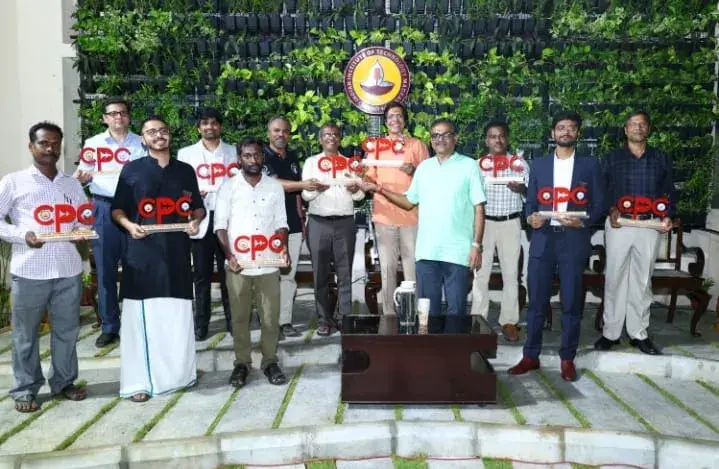
In the last two years, 90% of IIT Madras BTech and Dual-Degree graduates found career opportunities by the time of their convocation. With more than two months left for 2024 convocation, IIT Madras is on track again this year to hit this milestone. As on 30th April 2024, IIT Madras has placed more than 80% of BTech/Dual Degree students and more than 75% of Master’s students this year.  During the year 2023-24 Phase I and Phase II of campus placements, 1,091 students were placed in 256 companies. In addition, out of 300 pre-placement offers 235 were accepted. Companies from Japan, Europe and other countries made 44 international offers. Further, 85 start-ups made as many as 183 offers during this Phases I and II of campus placement. Of the placed students, 43% are in the core sector, followed by 20% in software, and less than 10% each in analytics/finance/consulting and data science. Regarding placement of PhD research scholars, unlike a coursework-based study, the PhD program, is a non-time bound program, and thus their placement timeline may not match with course-based programs.  Many PhD students complete their PhD thesis Defence very close to the convocation. Many of them get placed within a few months after the convocation. A majority of the PhD students prefer post-doctoral or faculty positions. In addition, the PhD graduates being specialized in certain core domains, their placement would involve customized connect to specific companies. A research scholar placement cell is planned from the coming academic year that will comprehensively address the issues stated above. This year median and average salary is ₹19.6 Lakhs and ₹ 22 Lakhs respectively. Speaking about the placements, Prof. V. Kamakoti, Director, IIT Madras, “I am happy to see that past year trends are continuing this year in placements. So, parents need not worry about the career path of their children at IIT Madras. While job placements are an important career path to take, we would like more of our students to take up entrepreneurship and provide jobs to others. This is in line with our target of 100 tech startups next year.” Further, Prof. Satyanarayana Gummadi, Dean (Students), IIT Madras, said, “The Career Pathway Centre at IIT Madras helps students explore all career pathways and identifies varied employment opportunities. I am happy to see that despite a tough year, our students are in demand.”   *2023-24 data will be updated during July convocation.

IIT Madras places over 80% of BTech/Dual Degree students and more than 75% of Master’s students Read More »

Tamil Nadu Government Set to Release Draft of State Education Policy After Model Code of Conduct is Lifted

The Tamil Nadu government is poised to release the draft of the State Education Policy after the Model Code of Conduct (MCC) is lifted, according to sources. The MCC is expected to be lifted after the announcement of Lok Sabha election results on June 4. In 2021, the Tamil Nadu government announced its intention to introduce an exclusive State Education Policy during the Assembly session. A panel, headed by retired High Court judge Justice D Murugesan, was constituted in May 2022 to oversee this initiative, comprising educationists and experts from various fields. Sources within the Tamil Nadu Education Department revealed that the draft of the State Education Policy was already prepared in November 2023. However, the process faced delays due to unforeseen circumstances, including the resignation of the state minister for higher education, K Ponmudi, following a conviction in a legal case. Although the minister was reinstated following a favorable court order, the implementation of the Model Code of Conduct ahead of Lok Sabha polls halted the release of the draft. Officials from the school education department indicated that after the release of the draft policy, the final document would take over three months to be finalized and implemented. Dr. Mohammed Rashid, a retired professor from Madras University, emphasized the urgency of releasing the State Education Policy, particularly after the announcement of the National Education Policy. Educational institutions’ management has been anticipating the new policy for some time, he noted, underlining the importance of expediting its release to address evolving educational needs effectively.  

Tamil Nadu Government Set to Release Draft of State Education Policy After Model Code of Conduct is Lifted Read More »

Despite Increased Transactions, M&A Activity Sees Sharp Decline in April

According to a report by a consultancy firm, the overall merger and acquisition (M&A) activity by value witnessed a significant decline of 60% in April, totaling $5.192 billion compared to March’s $12.934 billion. Surprisingly, there was a 24% increase in the number of deals, totaling 176 transactions during the month. The decline in value was particularly notable in merger and acquisition transactions, which dropped by 75% to $2.526 billion, down from $10.212 billion in March. Private equity transactions, on the other hand, saw a marginal decrease to $2.666 billion. Within the M&A landscape, outbound deals experienced the sharpest decline, plummeting to $24 million compared to $9.072 billion in the previous month. The highest M&A activity of the month was attributed to the Adani group’s 8% stake increase in Ambuja Cement and ACC, amounting to a cumulative $1.8 billion in two transactions. Despite the dip in M&A activity, the outlook for 2024 remains positive, with India poised for growth and investment opportunities. Factors influencing the domestic markets in the near term include the outcome of the Lok Sabha elections and global and domestic trends in interest rates driven by inflation and supply chain dynamics. Overall, while the number of transactions increased, the decline in M&A activity by value underscores the complexities and challenges within the market landscape.  

Despite Increased Transactions, M&A Activity Sees Sharp Decline in April Read More »

Saudi Arabia Reports Three New MERS Cases, Highlighting Risks and Differences from COVID-19

The Saudi health ministry has notified the World Health Organization (WHO) of three new Middle East Respiratory Syndrome (MERS) coronavirus cases in Riyadh, Saudi Arabia. Sadly, one of these cases resulted in death. All three individuals were male, aged between 56 and 60, with pre-existing health conditions. None of them were healthcare workers. This brings the total number of MERS cases reported in Saudi Arabia in 2024 to four, with two fatalities. Dr. Syed Abdul Aleem, a Pulmonology Consultant at CARE Hospitals in Musheerabad, Hyderabad, explains that MERS-CoV is a viral respiratory illness caused by the MERS strain of coronavirus. Unlike COVID-19, MERS tends to be more severe with a higher mortality rate but is less contagious. It is primarily transmitted from camels to humans, with limited human-to-human transmission. Risk factors for MERS-CoV include close contact with camels or living in endemic regions, along with underlying medical conditions such as diabetes or chronic lung disease. Symptoms are similar to COVID-19, including fever, cough, and shortness of breath, but MERS can progress to severe respiratory illness, leading to pneumonia and acute respiratory distress syndrome (ARDS). Some individuals may also experience gastrointestinal symptoms like diarrhea. Management involves supportive care, with severe cases requiring hospitalization and supportive measures like supplemental oxygen therapy and mechanical ventilation. There is no specific antiviral treatment for MERS, but prevention measures include avoiding close contact with camels, practicing good hand hygiene, and avoiding contact with sick individuals. This highlights the importance of understanding the differences between MERS and COVID-19 and taking appropriate precautions to prevent transmission and manage cases effectively.  

Saudi Arabia Reports Three New MERS Cases, Highlighting Risks and Differences from COVID-19 Read More »

Delhi Govt Schools Achieve Remarkable Record with 96.99% Pass Percentage in Class 12

Delhi government schools have outperformed the national average with a remarkable 96.99% pass percentage in the Class 12 CBSE examinations, according to the results released. Similarly, in Class 10, these schools achieved a pass percentage of 94.2%, showing a significant improvement of 8.36 percentage points over the previous year and surpassing the national average of 86.7%. Delhi Chief Minister Arvind Kejriwal extended his congratulations to the students and the education department staff for this outstanding performance. This year, 151,429 students from government schools appeared for the Class 12 board exams, with 146,885 students clearing the exam. The pass percentage of 96.99% is notably higher than last year’s 91.59% and exceeds the pass percentage of 94.18% recorded by private schools in the capital. Furthermore, 307 government schools in Delhi achieved a 100% pass result in the Class 12 exams, more than doubling the previous year’s figure of 118 schools. Additionally, 863 schools recorded more than a 90% pass rate, an increase from 647 schools last year. Education Minister Atishi applauded the efforts of students, teachers, and parents for this remarkable achievement, emphasizing that Delhi’s education model sets an example for the nation. While the pass percentage for Class 10 in government schools improved to 94.2%, up from 85.84% last year, it was slightly lower than the 95.68% pass percentage recorded by private schools in the capital. Atishi encouraged students who did not clear the main exam not to lose hope and urged them to strive for improvement. However, Delhi BJP president Virendra Sachdeva dismissed the AAP’s claims of improved performance, citing alleged failures of underperforming students in Class 11. Overall, the results reflect the continued commitment of the Delhi government to provide quality education and maintain the trust of parents in government schools under the leadership of CM Arvind Kejriwal.  

Delhi Govt Schools Achieve Remarkable Record with 96.99% Pass Percentage in Class 12 Read More »