ArdorComm Media Group

Sunday, April 12, 2026 5:48 AM

community

WHO Urges Governments to Raise Taxes on Sugary Drinks and Alcohol to Curb Rising Health Risks

The World Health Organization (WHO) has urged governments worldwide to sharply increase taxes on sugary drinks and alcoholic beverages, warning that persistently low tax rates are making these harmful products more affordable and driving a surge in preventable diseases. Releasing two new global reports on Tuesday (January 13, 2026), the WHO said falling prices of sugary drinks and alcohol are contributing to rising cases of obesity, diabetes, heart disease, cancers and injury-related deaths, particularly among children and young adults. Weak taxation policies, the agency noted, are allowing these products to stay cheap while public health systems struggle under the growing burden of noncommunicable diseases. “Health taxes are among the most effective tools to protect people’s health,” said WHO Director-General Dr Tedros Adhanom Ghebreyesus. He emphasized that higher taxes on tobacco, alcohol and sugary drinks can curb harmful consumption while generating much-needed revenue for healthcare services. According to the WHO, the global market for sugary drinks and alcoholic beverages earns billions in profits, yet governments collect only a small fraction through health-focused taxes. This imbalance leaves societies to shoulder the long-term health and economic consequences. The reports highlight that while at least 116 countries tax sugary drinks, many high-sugar products — including 100% fruit juices, sweetened milk beverages, and ready-to-drink coffees and teas — remain untaxed. Although 97% of countries impose taxes on energy drinks, this figure has not improved since 2023. On alcohol, the WHO found that 167 countries levy some form of tax, while 12 have complete bans. However, alcohol has become more affordable in many regions since 2022 because tax rates have not kept pace with inflation and rising incomes. Notably, wine remains untaxed in at least 25 countries, largely in Europe, despite its known health risks. The WHO stressed that while industries continue to profit, the public bears the health fallout and societies absorb the economic costs. To address this, the organization has launched its “3 by 35” initiative, calling on countries to increase and restructure taxes so that the real prices of tobacco, alcohol and sugary drinks rise by 2035, making them less accessible and reducing harm over time. Source: The Hindu

WHO Urges Governments to Raise Taxes on Sugary Drinks and Alcohol to Curb Rising Health Risks Read More »

Government Urges Delivery Platforms to Scrap 10-Minute Delivery Promises to Safeguard Gig Workers

The central government has asked online food delivery and quick-commerce companies to abandon rigid “10-minute delivery” guarantees, citing serious concerns over the safety of gig workers operating under intense time pressure. Labour and Employment Minister Mansukh Mandaviya on Tuesday held discussions with senior representatives from platforms including Blinkit, Zepto, Swiggy and Zomato. During the meeting, he stressed that delivery partners’ safety should take priority over speed and advised companies to remove strict delivery timelines from their apps, advertisements and promotional campaigns. Following the government’s intervention, Blinkit has reportedly withdrawn its “10-minute delivery” claim across its branding platforms. Other companies also assured the ministry that they would eliminate delivery-time commitments from their advertisements and social media content. The move is being viewed as an important step toward improving working conditions for delivery partners, who often face unsafe situations while rushing through congested city roads to meet aggressive deadlines. Concerns around gig workers’ safety, wages and rights have gained momentum in recent weeks. AAP Rajya Sabha MP Raghav Chadha has been vocal on the issue, consistently drawing attention to the challenges faced by delivery workers. On Monday, he shared a video on social media documenting his experience spending a day as a delivery partner in Delhi. Wearing a quick-commerce jacket and riding pillion on a two-wheeler, Chadha navigated heavy traffic and delivered parcels to highlight the realities of gig work. He said the experience helped him understand workers’ lives beyond policy discussions and corporate boardrooms. Earlier this month, Chadha welcomed the draft social security rules for gig workers, describing them as a crucial first step toward recognition, protection and dignity. Chadha has also supported gig workers who observed a nationwide symbolic strike on New Year’s Eve, demanding fair pay, safer working conditions and social security. The protest, organised by gig worker unions, saw thousands of delivery partners logging off or reducing work across several states, leading to service disruptions on one of the busiest days of the year. Chadha termed their demands legitimate, noting that gig workers are a vital pillar of India’s urban economy. Source: IANS

Government Urges Delivery Platforms to Scrap 10-Minute Delivery Promises to Safeguard Gig Workers Read More »

CBSE reminds affiliated schools to strictly follow public disclosure rules

The Central Board of Secondary Education (CBSE) has issued a fresh advisory asking all its affiliated schools to strictly adhere to the Mandatory Public Disclosure norms, with a special focus on keeping their official websites updated with accurate information. The Board has warned that failure to comply may result in action under the CBSE Affiliation Bye-laws. In its communication, CBSE reiterated that maintaining a functional and informative website is a basic condition for both new and existing affiliations. Schools are required to upload comprehensive institutional details online, as specified under various clauses of the Affiliation Bye-laws, making digital transparency a non-negotiable requirement. The Board has directed schools to follow the revised format of Appendix IX and ensure that all prescribed information and documents are correctly uploaded on their websites by February 15, 2026. Under Clause 14.1 of the Bye-laws, schools are obligated to comply with all instructions issued by CBSE. As per Clauses 2.3.8 and 2.4.9, affiliated schools must display key details such as affiliation status, infrastructure facilities, fee structure, student strength, contact details, and complete information about teaching staff along with their qualifications. Schools must also upload valid, self-attested documents in the “Mandatory Public Disclosure” section in line with Appendix IX. CBSE has further reminded schools about Clause 14.5, which requires them to prepare and publish a detailed annual report on their websites by September 15 every year. The report should include the academic calendar, teacher qualifications and professional development, academic performance, sports achievements, environmental initiatives, PTA activities, decisions of the School Management Committee, and total student enrolment. The Board observed that despite multiple reminders, many schools continue to neglect website updates or upload incomplete, incorrect, or invalid information. In several cases, details related to teachers and their qualifications are missing from the Mandatory Public Disclosure section. CBSE stressed that such information is crucial for parents to evaluate a school’s academic standards and teaching resources, and plays a vital role in promoting transparency and accountability. The Board has cautioned that non-compliance will be considered a violation of Clause 12.2.3 of the Affiliation Bye-laws and may attract penalties as outlined in Chapter 12, according to the official statement. Source: Indian Express

CBSE reminds affiliated schools to strictly follow public disclosure rules Read More »

India set to become world’s third-largest economy by next year: Amit Shah

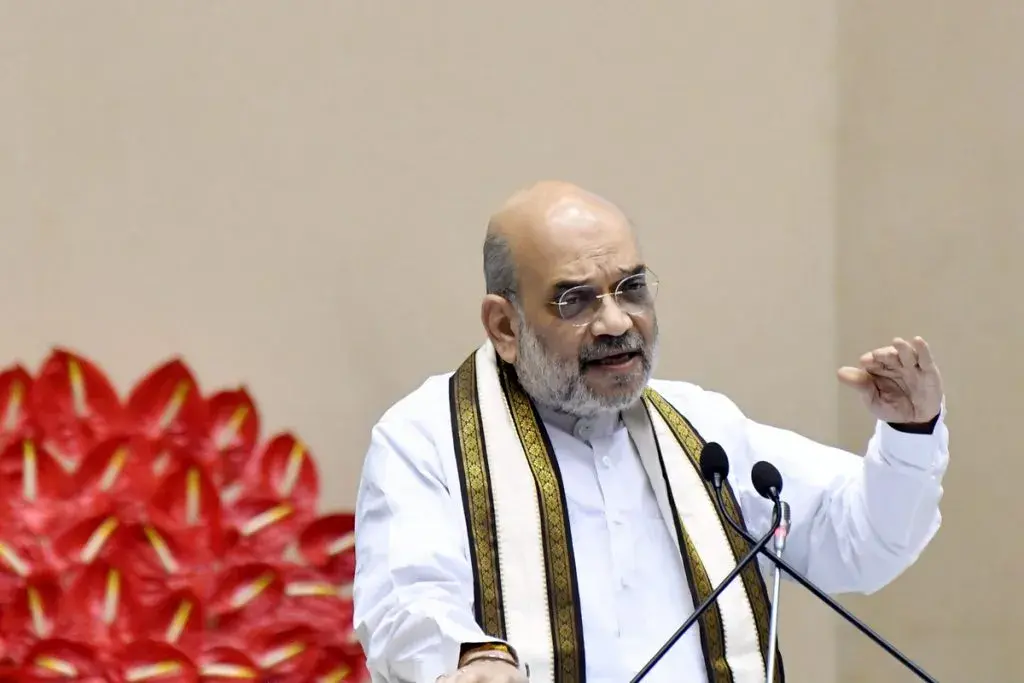
Union Home and Cooperation Minister Amit Shah has expressed confidence that India will emerge as the world’s third-largest economy by the end of next year. He made the statement while addressing a public gathering in his hometown Mansa, located in Gujarat’s Gandhinagar district, after inaugurating and laying foundation stones for development projects worth more than ₹267 crore. Highlighting the government’s long-term vision, Mr. Shah said India is steadily moving towards becoming a global leader across sectors by 2047. During the event, he referred to the Somnath Temple as a powerful symbol of India’s cultural identity and self-respect. He announced that the government will observe Somnath Swabhiman Parva throughout the year to highlight the temple’s thousand-year-old heritage and inspire future generations with its legacy. Speaking on sports development, Mr. Shah noted that Ahmedabad is fast emerging as an international sports destination, with efforts underway to bring the 2036 Olympic Games to the city. He encouraged young athletes in the region to make optimal use of the newly developed sports complex in Mansa. At a separate programme in Gandhinagar, the Home Minister underscored India’s remarkable progress in biotechnology. After inaugurating the BSL-4 Biocontainment Facility at the Gujarat Biotechnology Research Centre, he said India’s bio-economy has grown significantly—from 10 billion US dollars in 2014 to 166 billion US dollars by the end of 2024. Source: newsonair

India set to become world’s third-largest economy by next year: Amit Shah Read More »

Prasar Bharati Launches ‘Creator’s Corner’ to Promote India’s Creator Economy

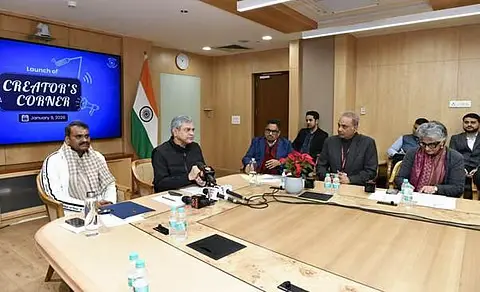
In a major step towards strengthening India’s growing creator economy, public broadcaster Prasar Bharati has announced the launch of a new 30-minute programme titled Creator’s Corner on DD News and its digital platforms. The show will air in prime time from Monday to Friday at 7 pm, with repeat telecasts at 9:30 am from Tuesday to Saturday. The initiative will showcase content created by digital creators, with individual segments ranging from two to ten minutes. Submissions will be selected through an application process and vetted by an independent panel to ensure quality and diversity across subjects. All creators and their channels will receive full on-screen credit for their work. Information and Broadcasting Minister Ashwini Vaishnaw described the move as a landmark reform for Prasar Bharati, calling it the first time content creators are being integrated into a national public broadcasting network under a structured revenue-sharing model. Under this model, 90 per cent of the revenue generated will go to the creators, while Prasar Bharati will retain the remaining 10 per cent. Minister of State for Information and Broadcasting L Murugan said the programme will provide a credible national platform for influencers and creators producing meaningful and high-quality content. Vaishnaw also stated that 2026 will mark a year of wide-ranging reforms for Prasar Bharati, with a shift towards modern programming styles aligned with technology, contemporary themes and the expectations of younger audiences. He further announced a complete restructuring of the Ministry of Information and Broadcasting, including the introduction of a new operating system aimed at making the ministry and its allied bodies more industry-focused, creator-friendly and technology-driven. The Creator’s Corner initiative was unveiled in the presence of Minister of State L Murugan, Information and Broadcasting Secretary Sanjay Jaju, Prasar Bharati CEO Gaurav Dwivedi, and other senior officials. Source: PTI

Prasar Bharati Launches ‘Creator’s Corner’ to Promote India’s Creator Economy Read More »

India Bears Second-Highest Global Economic Burden from Diabetes: Study

India is facing the world’s second-largest economic burden due to diabetes, estimated at USD 11.4 trillion, according to a new international study. The United States tops the list with costs of USD 16.5 trillion, followed by China at USD 11 trillion. The study, conducted by researchers from institutions including the International Institute for Applied Systems Analysis and the Vienna University of Economics and Business in Austria, assessed the economic impact of diabetes across 204 countries between 2020 and 2050. The findings have been published in the journal Nature Medicine. Globally, diabetes-related costs are estimated at nearly USD 10 trillion when excluding unpaid care provided by family members, accounting for about 0.2 per cent of the world’s annual GDP. However, when informal caregiving is included, the total economic burden surges to USD 152 trillion, or roughly 1.7 per cent of global GDP. Researchers noted that informal care alone contributes close to 90 per cent of the total economic burden, as people with diabetes live significantly longer with the condition than they face mortality risks. This extended care often forces family caregivers to reduce work hours or exit the labour market, adding to economic losses. In purchasing power terms, the study estimated diabetes-related costs at INT$ 1.6 trillion for India, INT$ 2.5 trillion for the United States, and INT$ 1.0 trillion for China. When losses from informal care are included, the figures rise sharply, with India’s burden reaching INT$ 11.4 trillion. For India and China, the high costs are largely driven by the sheer size of the diabetic population, while in the United States, higher treatment expenses and diversion of physical capital are the main contributors. The study also highlighted stark disparities between high- and low-income countries, noting that treatment costs form a much larger share of the burden in wealthier nations due to better access to medical care. The researchers stressed that diabetes poses a greater economic challenge globally than conditions such as cancer or Alzheimer’s disease. They emphasized that prevention through healthier lifestyles, including regular exercise and balanced diets, remains the most effective strategy to curb both health and economic impacts. Widespread screening, early diagnosis, and timely treatment were also identified as critical measures. According to earlier research published in The Lancet in November 2024, more than a quarter of the world’s diabetic population currently lives in India. Source: PTI

India Bears Second-Highest Global Economic Burden from Diabetes: Study Read More »

Punjab Government Launches ‘Mission Pragati’ to Provide Free Coaching for Competitive Exams

Punjab Chief Minister Bhagwant Singh Mann on Sunday announced the launch of Mission Pragati, a new state initiative aimed at equipping young aspirants with free academic and physical training for various competitive examinations. The programme is designed especially to support meritorious students from rural and economically weaker backgrounds who are unable to afford expensive private coaching. Speaking to students at the district library, the Chief Minister said that free coaching has already begun for examinations conducted by the Services Selection Board (SSB), as well as for recruitment in the police and armed forces. The first batch currently includes 40 enrolled students. Under Mission Pragati, candidates receive classroom instruction along with physical training conducted by experienced trainers from the Punjab Police, ensuring comprehensive preparation. Students are also granted free access to books and study resources by registering them as library members. Mann highlighted that the initiative utilises existing infrastructure, keeping costs minimal. He further explained that the programme follows a “youth helping youth” mentoring model, where guidance is provided by candidates who have themselves appeared in competitive exams. The initiative has garnered support from educationists, universities, police officials, athletes and students. Emphasising inclusivity, the Chief Minister said Mission Pragati is guided by the principle of “no one left behind” and aims to enhance youth participation in government services. Reaffirming the state’s broader education vision, Mann said Punjab’s reforms are focused on holistic youth development and transforming job seekers into future job creators. Source: PTI

Punjab Government Launches ‘Mission Pragati’ to Provide Free Coaching for Competitive Exams Read More »

Mahindra & Mahindra Announces HR Leadership Transition; Rohit Thakur to Succeed Ruzbeh Irani

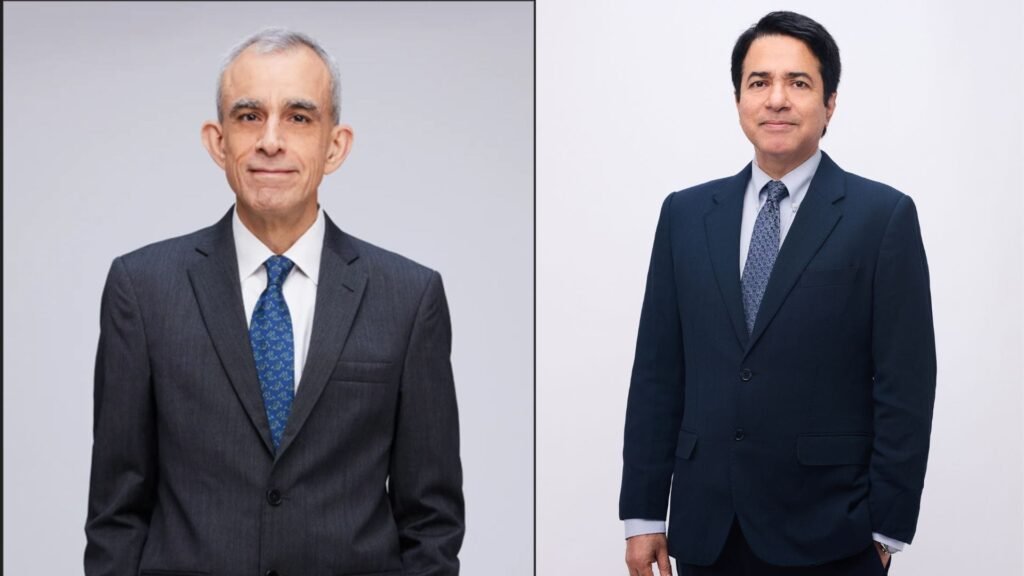
Mahindra & Mahindra on Friday revealed a significant leadership transition in its human resources function, announcing that Rohit Thakur will assume the role of Group Chief Human Resources Officer (CHRO) from 2 April 2026. He will succeed Ruzbeh Irani, who is set to retire after completing more than 19 years with the company. The change is part of Mahindra’s well-defined succession planning process to ensure continuity and stability in senior leadership. Irani, a key member of the Mahindra Group Executive Board, will step down on 1 April 2026 following his superannuation. The company acknowledged his nearly two decades of service, crediting him for his significant role in shaping the group’s HR strategy and people-centric culture. Following the announcement, Mahindra & Mahindra shares were trading at ₹3,714.55, down ₹9.60 or 0.26%, at around 9:35 am. Rohit Thakur, who currently serves as CHRO for Mahindra’s Auto and Farm sectors, brings with him wide-ranging global HR experience. His career includes senior HR leadership roles at Microsoft India and Accenture, where he handled large-scale talent strategies, operations and cultural transformation initiatives. Thakur has also worked with GE across multiple businesses in India and the United States, and has led HR functions at fast-growing startups such as Paytm and LEAD School. Academically, he holds a commerce degree from Shri Ram College of Commerce (SRCC), Delhi, and an MBA in Human Resources from XLRI, Jamshedpur. With Thakur’s appointment, Mahindra & Mahindra said it aims to further strengthen its focus on talent development, leadership continuity and organizational growth. Source: Economic Times

Mahindra & Mahindra Announces HR Leadership Transition; Rohit Thakur to Succeed Ruzbeh Irani Read More »

Two-Day 49th Annual Extravaganza Celebrated at Satluj Public School, Sector 4, Panchkula

Satluj Public School, Sector 4, Panchkula witnessed a vibrant celebration of talent, culture and national pride during its two-day 49th Annual Day Extravaganza held on the school premises. The event was organised under the theme “Satluj Pride 2025 – Nation Rising: The World Wakes up to the Glory of India” and showcased the creativity, confidence and discipline of students across various grades. The celebrations began on Day 1 with Ms. Alba Smeriglio, Deputy High Commissioner, British Deputy High Commission of the UK Embassy, Chandigarh, as the Chief Guest. She appreciated the students for their academic discipline, creativity and confident performances. The cultural programme opened with “Game Changers: The Women Who Made India Proud,” presented by students of Grade XI, highlighting the achievements of inspiring Indian women. This was followed by “Borders & Brotherhood: Divided by Politics, United by Love” by Grade IX students, which conveyed a strong message of harmony and shared humanity. The evening concluded with “Maha Kumbh: Myth, Belief, Reality,” enacted by Grade VIII students, offering a meaningful portrayal of India’s spiritual heritage. On Day 2, the Chief Guest was Mr. Sanjeev Kumar Jain, IPS, DGP Haryana Human Rights Commission, Government of Haryana. The programme featured a vibrant series of performances reflecting creativity, cultural diversity and moral values. Highlights included “Winter Wonder: A Christmas Tale of Values” by Grade V students, “Kantara: Roots, Rituals & Rise” by Grade VI, and “Global Beats 2025: The World in Rhythm” by Grade VII, celebrating tradition, unity and global harmony. Sharing his thoughts, Mr. Reekrit Serai, Managing Director, Satluj Public School, Sectors 2 and 4, Panchkula, and Satluj Group of Schools, said that the colourful line-up of performances was a visual treat for parents and guests. He congratulated the students who performed and those who were honoured, expressing pride in their achievements. The occasion was also graced by members of the school management, including Dr. Krit Serai, Co-Chair and Director-Principal, Sector 4; Ms. Madhurima Serai, Co-Principal, Sector 4; and Mrs. Radhika Panickar Serai, entrepreneur, publisher of Rumour Books India, philanthropist and recipient of the Nari Shakti Samaan by the Government of India for her exemplary contributions as an entrepreneur and educationist. The two-day annual extravaganza reflected Satluj Public School’s commitment to holistic education, cultural values and nurturing responsible global citizens. (Disclaimer: This report is generated from PRO services. ‘ArdorComm Media’ holds no responsibility for its content.)

Two-Day 49th Annual Extravaganza Celebrated at Satluj Public School, Sector 4, Panchkula Read More »

Dhurandhar Sets New Benchmark as Highest-Grossing Hindi Film in India

Aditya Dhar’s action-packed spy thriller Dhurandhar has rewritten Indian box office history by becoming the highest-grossing Hindi film ever in the domestic market. The makers announced that the film has surpassed Rs 831 crore net collections in India, claiming the top position among all Hindi-language releases to date. Led by Ranveer Singh, the film added Rs 5.70 crore net on Day 33 (Tuesday), taking its total India net earnings to Rs 831.40 crore. With this feat, Dhurandhar has edged past the previous record-holder, the Hindi version of Pushpa 2: The Rule, which had amassed Rs 830 crore. Confirming the milestone, the production team said in a statement that the film’s achievement marks a defining moment for Indian cinema, setting a new standard for box office success in the Hindi film industry. Before Dhurandhar, the record was held by Pushpa 2: The Rule (Hindi). Other major Hindi blockbusters include Shah Rukh Khan’s Jawan with Rs 643 crore and the horror-comedy ** Stree 2**, which earned Rs 627 crore in India. The film’s success has been driven by strong week-on-week performance. It opened with Rs 218 crore in its first week, followed by Rs 261.50 crore in week two. Week three brought in Rs 189.30 crore, while week four added Rs 115.70 crore. The film collected Rs 35.80 crore during its fifth weekend and has continued to maintain steady weekday numbers. Written and directed by Aditya Dhar, Dhurandhar is a high-intensity espionage drama inspired by real-life geopolitical and terror-related events, including the Kandahar hijacking, the 2001 Parliament attack, and the 26/11 Mumbai terror attacks. Much of the story unfolds in Lyari, Karachi, a region known for its history of gang violence and turf wars. The film has generated sharply divided opinions from critics and audiences alike. Produced by Aditya Dhar and Lokesh Dhar under B62 Studios, in association with Jio Studios led by Jyoti Deshpande, the film features an ensemble cast including Sanjay Dutt, Akshaye Khanna, Arjun Rampal, Sara Arjun, R. Madhavan, and Rakesh Bedi. Reacting to the achievement, Yash Raj Films congratulated the team on social media, calling Dhurandhar a landmark moment in Indian cinema and applauding Aditya Dhar and Jio Studios for delivering the highest-grossing Hindi film ever in a single language. Source: Economic Times

Dhurandhar Sets New Benchmark as Highest-Grossing Hindi Film in India Read More »