ArdorComm Media Group

Thursday, April 23, 2026 12:12 AM

community

University of Liverpool to Launch Bengaluru Campus, Admissions Begin August 2026

Ardorcomm news

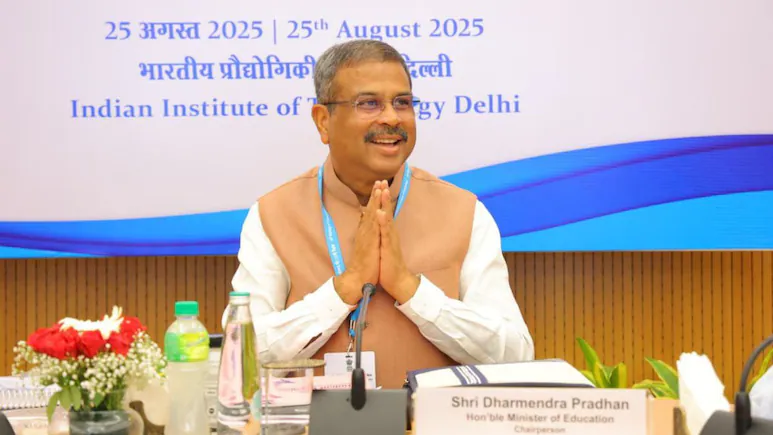
In a significant step toward international academic collaboration, the University of Liverpool is all set to open its first Indian campus in Bengaluru, with classes scheduled to commence in August 2026. The development was confirmed by Union Education Minister Dharmendra Pradhan, who officially handed over the Letter of Intent to the university’s representatives. This marks the second UK university to receive the University Grants Commission’s (UGC) nod for setting up a campus in India, following the University of Southampton, which is slated to launch its academic programs in Gurugram by July 2025. Highlighting India’s growing prominence as a global education hub, Pradhan announced, “Delighted to hand over the Letter of Intent to University of Liverpool, one of UK’s premier academic institutions, for setting up a campus in India. Today’s development is another milestone in India’s journey of deepening academic partnerships with leading global universities,” adding that the initiative showcases India’s stature as a reliable partner in global higher education. As part of a broader effort to internationalize India’s academic ecosystem, the minister also shared that 15 foreign universities are expected to establish campuses in the country within the current academic year. The University of Liverpool’s Bengaluru campus will kick off by offering programmes in Business Management, Accounting and Finance, Computer Science, and Biomedical Sciences. In a pioneering move, it will also introduce a Game Design course—an uncommon offering among UK-based institutions operating in India. Expressing optimism about the potential of the new campus, Pradhan noted, “It will be a global campus that will push the boundaries of research and innovation and foster scientific temper for contributing to global welfare and prosperity.” The campus is also envisioned to facilitate dynamic exchange programmes, enabling students from the UK to pursue international study experiences in India. During the launch event, the university’s leadership entered into multiple memoranda of understanding (MoUs) with notable organisations such as the Royal College of Obstetricians and Gynaecologists (RCOG), AstraZeneca Pharma India, Wipro Limited, YouWeCan, and Dream11, to pave the way for future partnerships and collaborative projects. Tim Jones, Vice-Chancellor of the University of Liverpool, commented, “We are delighted to have received approval from the University Grants Commission to open Bengaluru’s first international campus. Opening a campus in the State of Karnataka and Bengaluru feels like the next natural step, building on the fantastic partnerships and collaborations we already enjoy there.” Jones further shared his aspirations for the new venture, saying, “We are also committed to embedding a strong research culture to the benefit of industry, the region and the wider world,” while promising to offer students a robust learning experience and enhanced employability opportunities. This announcement follows the UGC’s 2023 regulatory framework for setting up foreign university campuses in India. Australian universities Deakin and Wollongong have already launched campuses in Gujarat’s GIFT City. Meanwhile, Queen’s University Belfast and Coventry University have secured approvals for their own campuses at the same location. In addition, the Illinois Institute of Technology from Chicago is poised to become the first American university to establish an Indian campus, with operations beginning in Mumbai in 2026. Source: PTI  

University of Liverpool to Launch Bengaluru Campus, Admissions Begin August 2026 Read More »

India Clears Indigenous Fifth-Generation Fighter Jet Project AMCA, DRDO to Spearhead Development

Ardorcomm news

India has formally given the green light to its ambitious fifth-generation fighter aircraft programme—the Advanced Medium Combat Aircraft (AMCA). This move marks a major stride in strengthening the country’s self-reliance in defence manufacturing and aerospace innovation. The Ministry of Defence (MoD) announced on Tuesday that Defence Minister Rajnath Singh has approved the execution model for the AMCA programme, which will be led by the Aeronautical Development Agency (ADA), a key arm of the Defence Research and Development Organisation (DRDO). The decision follows the Cabinet Committee on Security’s (CCS) prior approval of the project in March 2024. “In a significant push towards enhancing India’s indigenous defence capabilities and fostering a robust domestic aerospace industrial ecosystem, Raksha Mantri Shri Rajnath Singh has approved the Advanced Medium Combat Aircraft (AMCA) Programme Execution Model. The Aeronautical Development Agency (ADA) is set to execute the programme through Industry partnership,” the MoD said in a statement. The ministry also confirmed that the ADA is expected to soon release an Expression of Interest (EoI) to kick-start the development phase of the AMCA. This step will pave the way for creating the aircraft’s prototype. While no official timeline has been specified in the recent announcement, earlier reports suggested a prototype might be ready within three years of the go-ahead, with a maiden flight potentially occurring within a year to 18 months after that. The AMCA is expected to feature advanced stealth technology, positioning India among an elite group of nations—such as the United States, Russia, and China—that have developed fifth-generation fighter jets. However, past delays and budgetary constraints have raised concerns about the project’s viability and timelines. The green signal for AMCA comes at a crucial moment for the Indian Air Force (IAF), which is grappling with a significant shortfall in its fighter squadron strength. The IAF currently operates around 29 squadrons—well below the sanctioned strength of 41. This shortfall has raised alarms, particularly given India’s increasingly tense security environment, with mounting threats from both Pakistan and China. The slow pace of aircraft procurement and challenges in domestic defence development have further exacerbated these concerns among military planners. The AMCA project is seen as a key initiative to not only bolster the IAF’s capabilities but also to catalyse the growth of India’s aerospace sector through industry partnerships and indigenous innovation. Source: Firstpost  

India Clears Indigenous Fifth-Generation Fighter Jet Project AMCA, DRDO to Spearhead Development Read More »

PM Modi Chairs Day-Long Conclave with NDA CMs, Focuses on Good Governance and Development Synergies

Ardorcomm news

Prime Minister Narendra Modi chaired a comprehensive conclave in New Delhi, bringing together Chief Ministers and Deputy Chief Ministers from all 20 National Democratic Alliance (NDA)-governed states. The high-level meeting centred on strategies to accelerate development and ensure the effective delivery of governance through the “double-engine” model. Addressing the gathering, the Prime Minister stressed the importance of enhancing coordination and synergy across sectors such as healthcare, sanitation, agriculture, youth empowerment, and technology. He also encouraged states to intensify their efforts in delivering public services and creating impactful governance outcomes. In a post on social media, PM Modi highlighted the extensive discussions held during the conclave, which included sharing of successful models and initiatives from various states. These ranged from water conservation and grievance redressal mechanisms to administrative reforms, women empowerment, sports, and education. Organised by the BJP’s Good Governance Department, the conclave saw participation from 20 Chief Ministers and 18 Deputy Chief Ministers. Senior BJP leaders including Party President JP Nadda, Home Minister Amit Shah, and Defence Minister Rajnath Singh also took part in the day-long discussions. Speaking to the media after the meeting, BJP President JP Nadda stated that two key resolutions were adopted. The first praised the Indian armed forces for their bravery under Operation Sindoor, which targeted terror camps across the border. The second resolution reaffirmed the party’s stance on caste-based policies, clarifying that the BJP prioritises social integration and mainstreaming of backward communities without engaging in caste-based politics. The session also featured detailed presentations by the states showcasing their governance achievements. Additionally, leaders discussed preparations for major upcoming milestones, including the NDA government’s first anniversary on June 9, the 10th International Day of Yoga, and the 50th year since the declaration of the Emergency in 1975. The conclave reinforced the NDA’s collective commitment to good governance, innovation, and inclusive development across the nation. Source: newsonair  

PM Modi Chairs Day-Long Conclave with NDA CMs, Focuses on Good Governance and Development Synergies Read More »

Accenture Names Parived Bhatnagar as Head of HR for EMEA and Advanced Technology Centres in India

Ardorcomm news

Accenture has announced the appointment of Parived Bhatnagar as the Head of Human Resources for its Europe, Middle East and Africa (EMEA) operations and its Advanced Technology Centres in India (AIOC). Bhatnagar shared the news on LinkedIn, expressing enthusiasm for his new role: “I’m happy to share that I’m starting a new position as Head HR, EMEA, AIOC at Accenture!” In this expanded leadership capacity, Bhatnagar will work closely with regional business leaders to drive organisational transformation, align talent strategy with business goals, and support growth across the EMEA region. He will lead a team of 50 HR professionals overseeing the full employee lifecycle for more than 30,000 employees. As a key member of Accenture’s India HR Leadership Council, Bhatnagar will also contribute to shaping the broader HR strategy across regional and global teams. Bringing over 20 years of diverse HR experience, Bhatnagar has held senior positions across South Asia, the Middle East, Southeast Asia, and North America. His expertise spans strategic HR, M&A integration, organisational development, HR tech, and workforce transformation. He has worked with a broad range of clients—from global enterprises to high-growth companies—across industries such as IT/ITES, manufacturing, BFSI, telecom, retail, healthcare, and energy. Bhatnagar holds a postgraduate degree from the Delhi School of Economics, University of Delhi. His strong academic foundation and global career trajectory make him well-equipped to lead HR initiatives at a time when organisations are reimagining the future of work amid rapid technological evolution. Prior to rejoining Accenture, Bhatnagar served in leadership roles at renowned firms such as Aon Hewitt, Deloitte, and SAP, where he played a crucial role in building people strategies and delivering large-scale HR transformation programmes. His appointment underscores Accenture’s continued emphasis on building agile, people-focused HR leadership to navigate the complexities of today’s global talent landscape. The decision also signals the company’s commitment to strategic, region-specific workforce planning and innovation in talent management. Source: LinkedIn

Accenture Names Parived Bhatnagar as Head of HR for EMEA and Advanced Technology Centres in India Read More »

Nagaland University Researchers identify Stingless Bee Species that can increase yield and quality of agricultural produce

Ardorcomm news

LUMAMI, NAGALAND, 26th May 2025: Nagaland University researchers have identified stingless bee species that can be used to increase agricultural yield through pollination. The stingless bee species identified are Tetragonula iridipennis Smith and Lepidotrigona arcifera Cockerell). With the introduction of stingless bees as pollinators in different crops under greenhouse conditions, the yield and quality of produce increased several times in different crops. Stingless bees could be used for pollination without fear of being stung. They are known for their popular medicinal honey and pollination potential, which paves the way formulation of crop pollination calendars to benefit all stakeholders. The honey produced by the bees during the experiments also provided extra income besides good crop production. Nagaland University researchers found that chilli crop, when pollinated by these bees, increases the crop production and quality as compared to crop where pollination is not accomplished. For supplementing the pollination deficit in chilli, stingless bees and honeybee species like A dorsata, A florea – and other wild bees like halictid bees, syrphid bees and Amegiella bees need to be conserved.   In king-chilli the per cent fruit set was increased to 29.46 % over non pollinated crop (21.00 %). Likewise in Chilli (Capsicum annuum), the fruit set and healthy fruits were increased by 7.42 % and 7.92 % over non-pollinated crop. Similarly, seed weight which is an indicator of viability or germination increased by 60.74 % when pollinated by stingless bees. This is the maiden attempt to work out the pollination potential of stingless bees and quality production of honey, which led to increased income and sustainable livelihood. Earlier, it was difficult to use honeybees for pollination of crops (inadequate pollination) due to their natural attributes. This Research was led by Dr. Avinash Chauhan, Scientist and Principal Investigator (AICRP Honeybees & Pollinators), Department of Entomology, School of Agricultural Sciences, Nagaland University. The findings of his team have been published in several reputed, peer-reviewed journals, including International Journal of Farm Sciences. Elaborating on this research, Dr. Avinash Chauhan, Scientist and Principal Investigator (AICRP Honeybees & Pollinators), Department Of Entomology, School of Agricultural Sciences, Nagaland University, said, “The research outcomes of last seven to ten years provided the different stakeholders with lots of opportunities to rear the stingless bees for quality honey production without fear of mixing of impurities in honey and minimizing bee losses, which led to more profitability in this profession. We are still working to improve the beekeeping rearing techniques and to promote Scientific beekeeping with honey bees and stingless bees for better honey production and pollination of crops. The focus is also to raise awareness among the people for the conservation of other wild honey bees and pollinators.” Speaking about the next steps in this research, Dr. Avinash Chauhan said, “The crops which are less known (passion fruit, Solanum spp., Chow Chow etc) but geographically important will be taken for future studies. Focus will also be given for extraction techniques for honey produced by stingless bees. The medicinal properties of the honey will also be worked out by proper analysis and mellisopalynological studies.” The present research was focused on developing the utilisation of stingless bees of genus Tetragonula spp. and Lepidotrigona spp. for the pollination of crops like cucumber, chilli, king chilli, ash-gourd, watermelon, citrus, tomato, pumpkin, brinjal and dragon fruit etc. The stingless bee colonies extracted from the forests and field areas as per the available methods, were multiplied scientifically to attain sufficient numbers of bee colonies for their utilisation as pollinators for crops under confined conditions. Besides these, their potential as pollinators on Mango, Guava, Rhus, Gooseberry and Ber etc was also observed and recorded. Stingless bees are reported from North East India, Eastern India and Southern Indian States, with recent additions from North, Central and Western Indian states. Unlike all the states where stingless bee rearing is still in nascent stages in North Eastern and Southern states, the stingless bees are reared in the traditional manner in homestead apiaries. However, in the last 7-10 years, the scientific domestication of these bees involving the development of scientific hives and mass multiplication of stingless bee colonies using queen cells is achieved in Nagaland and is extended to other states like Meghalaya and Arunachal Pradesh. This development led to the way for the easy multiplication of these bees for pollination and other bee products. The farmers and other stakeholders are able to place their stingless bee colonies for pollination of crops under open field conditions and greenhouse conditions leading to better crop yield and quality production of crops. RESEARCH BACKGROUND Honeybees, stingless bees, bumble bees, halictids, syrphids and other solitary bees are an important group of insects which are indispensable for regulating the food and forage cycle of the ecosystem. They are found in different habitats with different nesting attributes. Among these pollinators, the collection and domestication of feral stingless bee colonies, their identification and their use in crop pollination are the areas of interest for sustainable farming in northeast India. The North East Indian States of Arunachal Pradesh, Assam, Meghalaya, Mizoram, Manipur, Nagaland, Sikkim and Tripura are endowed with a wide range of physiographic and ecoclimatic conditions. Propagation of stingless bee colonies contributes to the preservation of biodiversity by conserving populations of species that may otherwise decline owing to human disruption of ecosystems In open conditions for adequate pollination of chilli, stingless bees, honeybees and Diptera fauna should be conserved along with non-Apis bees. Without pollination the yield and quality were too less in chilli. Stingless bees, honeybees and halictid bees were the major pollinators of chilli. (Disclaimer: This report is generated from PR/ PRO services. ‘ArdorComm Media’ holds no responsibility for its content.)

Nagaland University Researchers identify Stingless Bee Species that can increase yield and quality of agricultural produce Read More »

Delhi Govt Expands Vocational Education: Skill-Based Courses Introduced in 257 More Schools

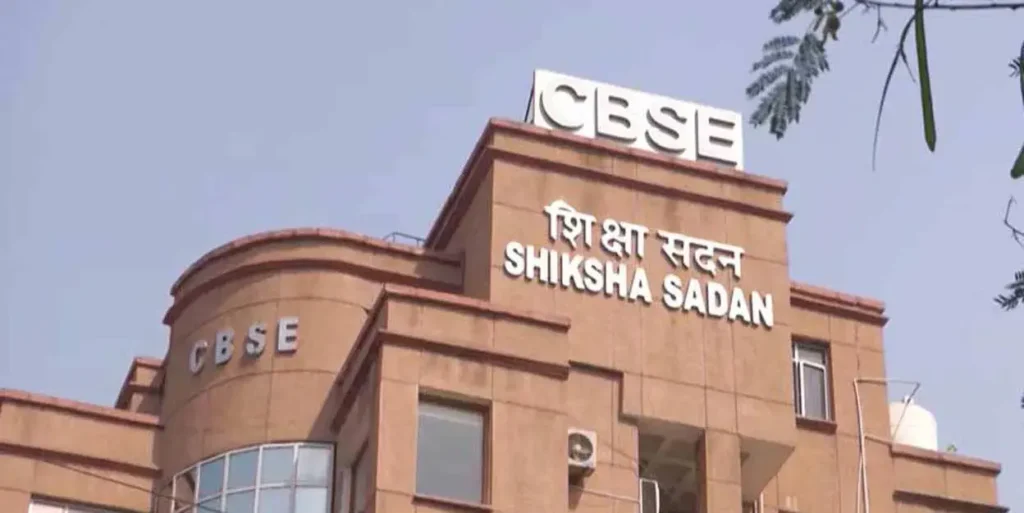
In a significant push towards integrating vocational training into mainstream education, the Delhi government has approved the rollout of skill-based subjects in 257 additional government schools starting this academic session, as per a circular issued by the Directorate of Education on May 23. These skill subjects fall under the Samagra Shiksha initiative and aim to equip students in Classes 9 and 11 with hands-on learning and industry-relevant skills alongside their regular curriculum. Each school can enroll up to 50 students per subject, encouraging broader participation in career-oriented learning. To guide students in making informed decisions, schools have been asked to conduct counselling sessions detailing the benefits and future prospects associated with these vocational courses. Notably, students entering Class 11 can opt for a skill subject even if they haven’t studied it in the earlier grades, thanks to the policy’s flexible multi-entry and multi-exit structure. However, participation in these skill subjects remains optional, not mandatory. Schools can offer these courses as additional learning avenues without making them compulsory for all students. As per CBSE norms, schools do not require separate permissions to introduce new vocational subjects. They simply need to update the necessary information on the CBSE portal. The National Skills Qualifications Framework (NSQF) subjects being offered include practical disciplines such as Information Technology, Retail, Healthcare, and Beauty & Wellness—all designed to boost employability and prepare students for real-world careers. Source: PTI (Image: AI generated)    

Delhi Govt Expands Vocational Education: Skill-Based Courses Introduced in 257 More Schools Read More »

New COVID-19 Subvariants NB.1.8.1 and LF.7 Detected in India: INSACOG Report

India has recorded the presence of two newly emerging COVID-19 subvariants—NB.1.8.1 and LF.7—according to recent data released by the Indian SARS-CoV-2 Genomics Consortium (INSACOG). While these variants are currently categorized as Variants Under Monitoring by the World Health Organization (WHO), they have been linked to the recent surge in COVID-19 cases across China and parts of Asia. As per the INSACOG data, a single case of NB.1.8.1 was identified in Tamil Nadu in April, while four cases of LF.7 were reported from Gujarat in May 2025. Despite these new detections, the dominant strain circulating in India remains JN.1, accounting for approximately 53% of the tested samples. It is followed by BA.2 (26%) and other Omicron-related variants (20%). Preliminary assessments by WHO suggest that NB.1.8.1 poses a low global public health risk, but the subvariant carries spike protein mutations—A435S, V445H, and T478I—that may enhance both transmissibility and the ability to evade immune responses. As of May 19, India reported 257 active COVID-19 cases. A high-level review meeting was recently convened, chaired by the Director General of Health Services, with participation from the ICMR, National Centre for Disease Control, and other leading health agencies to monitor the evolving situation. Meanwhile, certain states have shown localized spikes. Delhi reported 23 new cases, Andhra Pradesh had four, Telangana confirmed one, and Bengaluru recorded a positive case in a nine-month-old infant, reflecting a steady rise over the last 20 days. Kerala, in particular, reported 273 cases in May alone. Source: PTI

New COVID-19 Subvariants NB.1.8.1 and LF.7 Detected in India: INSACOG Report Read More »

India Champions Inclusive Energy Development at BRICS Energy Ministers’ Meet in Brazil

India took a leading role in advocating for inclusive and sustainable energy cooperation during the BRICS Energy Ministers’ meeting held in Brasília, Brazil. Representing the Indian delegation, Union Minister for Power and Housing & Urban Affairs, Manohar Lal, stressed the importance of strengthening South-South collaboration under the theme: “Strengthening Global South Cooperation for More Inclusive and Sustainable Governance.” In his remarks, the minister underscored the urgency of addressing global energy security and called for deeper BRICS collaboration to drive economic resilience, environmental sustainability, and fair access to energy across the Global South. He lauded Brazil’s leadership in steering the energy agenda and reiterated India’s steadfast dedication to inclusive energy governance. Highlighting India’s strides in clean energy, Lal shared that the nation has achieved a 90% surge in electricity generation capacity over the past ten years, with installed capacity reaching 475 GW in 2025. India has set its sights on 900 GW by 2032 and is now the world’s third-largest generator of wind and solar power. The minister also emphasized India’s progress toward its climate goals under the Paris Agreement. A major milestone discussed was India reaching a 20% ethanol blending rate, reinforcing its commitment to biofuels and carbon emissions reduction. He also outlined the country’s efforts to modernize its energy infrastructure through investments in smart grids, smart meters, and the expansion of transmission projects such as the Green Energy Corridor. India’s forward-looking energy agenda includes ambitious targets for green hydrogen and nuclear power, aiming for 100 GW of nuclear energy capacity by 2047. Lal also spoke about the recent launch of India’s domestic Carbon Credit Market, inviting BRICS partners to engage and collaborate in this growing space. In terms of efficiency, the minister highlighted key national programs such as the Energy Conservation Building Code, rooftop solar initiatives, and enhanced energy efficiency standards for appliances. He also stressed the importance of the Global Biofuels Alliance as a platform for enhancing global cooperation in sustainable fuel development. While promoting clean energy solutions, Lal acknowledged the present-day reliance on fossil fuels, especially in developing nations. He advocated for cleaner utilization methods such as coal gasification, carbon capture technologies, and green chemical innovations to ensure a balanced energy transition. Looking ahead, Lal invited all BRICS nations to India for the next BRICS Energy Gathering in 2026. He concluded by affirming India’s commitment to leading efforts in energy dialogue across the Global South, with the goal of fostering a secure, inclusive, and sustainable energy landscape. Source: DD News

India Champions Inclusive Energy Development at BRICS Energy Ministers’ Meet in Brazil Read More »

UPSC Releases CSE 2024 Prelims Answer Key; 2025 Prelims Scheduled for May 25

The Union Public Service Commission (UPSC) has officially released the answer keys for the Civil Services Examination (CSE) Preliminary 2024 on May 21. Candidates who appeared for the General Studies Paper 1 and Paper 2 can now access the answer keys through the Commission’s official websites — upsc.gov.in and upsconline.gov.in. For General Studies Paper 1, three questions from each of the four test series — A, B, C, and D — have been removed. However, no questions have been eliminated from Paper 2. The preliminary exam took place on June 16, 2024, followed by the mains held over five days — September 20, 21, 22, 28, and 29. Candidates who cleared the mains were invited for the personality test (interview) round, which ran from January 7 to April 17, 2025. A total of 2,845 aspirants reached this final interview stage. UPSC declared the final results for CSE 2024 on April 22, 2025. This year, Shakti Dubey secured the All India Rank (AIR) 1. A total of 1,009 candidates have been recommended for various elite services, including the IAS, IFS, IPS, and Central Group ‘A’ and Group ‘B’ services. However, the candidatures of 241 individuals remain provisional pending further verification. Looking ahead, the UPSC CSE 2025 prelims are scheduled for May 25, with 979 vacancies open across various civil services. Hall tickets for the upcoming prelims have already been issued. Candidates who find discrepancies in their admit cards must promptly report the issue to the Commission via email at uscsp-upsc@nic.in. It is essential to include key personal details such as name, roll number, registration ID, and examination year while raising any concerns. In instances where the photograph on the admit card is either unclear or missing the name and date, candidates are required to bring a valid photo ID along with two recent passport-sized photographs (bearing their name and date) for both examination sessions. An undertaking will also need to be submitted at the exam venue. The UPSC CSE is a three-tiered selection process — comprising the preliminary test, mains, and a personal interview. The final merit list is prepared by combining scores from the mains and the interview round. Source: Indian Express Photo Credit: TOI    

UPSC Releases CSE 2024 Prelims Answer Key; 2025 Prelims Scheduled for May 25 Read More »

India Joins Global Pandemic Treaty; PM Emphasizes Role of Global South in World Health

In a landmark step towards bolstering global health security and future pandemic preparedness, India has officially joined other WHO member nations in endorsing the Pandemic Treaty during the 78th World Health Assembly held in Geneva. Addressing the assembly, the Prime Minister highlighted the critical need for inclusive global healthcare, stating, “The future of a healthy world depends on inclusion, and the health of the world depends on how well we care for the most vulnerable, especially in the Global South who are particularly impacted by health challenges.” He also drew attention to India’s domestic strides in public health, mentioning that government health spending has surged while citizens’ out-of-pocket medical costs have declined significantly. He credited this progress to flagship initiatives such as Ayushman Bharat, which extends free healthcare coverage to over 580 million people, and to the proliferation of affordable public pharmacies. “India has established a vast network of Health and Wellness Centres (HWC) that offer screening for major conditions such as cancer, diabetes, and hypertension. India’s digital platform to track vaccination of pregnant women and children is helping to integrate benefits, insurance, records, and information,” the Prime Minister said. The assembly’s primary goal this year was the finalization of the Global Pandemic Treaty, and the Prime Minister commended the efforts of the WHO and all negotiating nations. “India’s initiatives have brought down out-of-pocket expenditure as a percentage of total health expenditure significantly, while government health expenditure has increased considerably,” he added. A WHO statement confirmed the treaty’s adoption during a plenary session of the assembly, which serves as the organization’s highest decision-making body. The treaty was approved by vote in committee, with 124 nations in favor and 11 abstaining. No country formally opposed the agreement. The Pandemic Agreement outlines key principles and strategies to enhance international collaboration in areas like vaccine access, diagnostics, and treatment distribution, all aimed at reinforcing global preparedness and response to health emergencies. However, the agreement was adopted without participation from the United States, a major WHO donor, which had previously halted its funding commitments to the organization earlier this year. Source: Economic Times  

India Joins Global Pandemic Treaty; PM Emphasizes Role of Global South in World Health Read More »