ArdorComm Media Group

Tuesday, October 6, 2026 1:12 AM

India

India’s Education Minister Dharmendra Pradhan Resigns Amid Nationwide Student Protests Over Exam Paper Leaks
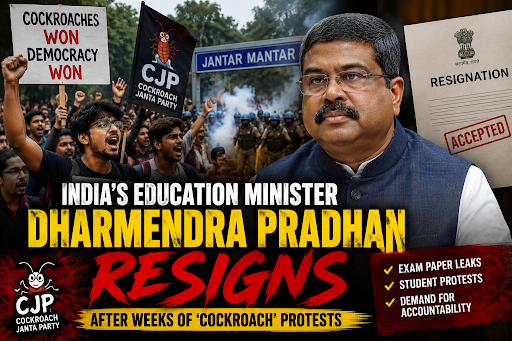
Union Education Minister Dharmendra Pradhan resigned on Saturday following weeks of nationwide student protests demanding accountability over a series of alleged examination paper leaks. His resignation marks a significant development in one of the largest youth-led protest movements seen in India in recent years. In a statement shared on X, Pradhan said he had submitted his resignation to Prime Minister Narendra Modi, citing the ongoing unrest at Delhi’s Jantar Mantar and across the country. He stated that his decision was aimed at preventing what he described as “anti-national forces” from exploiting the situation. Pradhan also expressed respect for the aspirations of young people and said he did not want students to become entangled in legal disputes instead of focusing on their education and careers. The protests were spearheaded by the satirical student-led group Cockroach Janta Party (CJP), which celebrated the resignation as a victory for democracy. Speaking to supporters at Jantar Mantar, CJP founder Abhijeet Dipke declared the movement successful, while the organisation posted on X that “Cockroaches won… Democracy won!” Despite the minister’s resignation, the CJP said its campaign is not over. The group has reiterated three key demands: ₹1 crore in compensation for the families of students who allegedly died by suicide, protection from legal action for all protest participants, and a public apology from Delhi Police and the Rapid Action Force over the handling of demonstrations. The protests intensified after clashes earlier this week, during which police used baton charges, tear gas, and reportedly pellet guns to disperse demonstrators marching towards Parliament. Several students were injured in the confrontations, further fuelling public anger. Government representatives had initiated talks with protest leaders on Friday, with another round of discussions scheduled for Saturday. It remains uncertain whether those negotiations will proceed following Pradhan’s resignation. Before the resignation, the central government had announced plans to establish fast-track courts for examination paper leak cases and introduce stricter anti-cheating legislation in an effort to restore confidence in the country’s examination system. The demonstrations have become a broader expression of frustration among India’s youth over issues such as unemployment, corruption, transparency, and government accountability. Source: Al Jazeera

India’s Education Minister Dharmendra Pradhan Resigns Amid Nationwide Student Protests Over Exam Paper Leaks Read More »

Doctors identify simple scoring tool to spot life-threatening risks in premature newborns

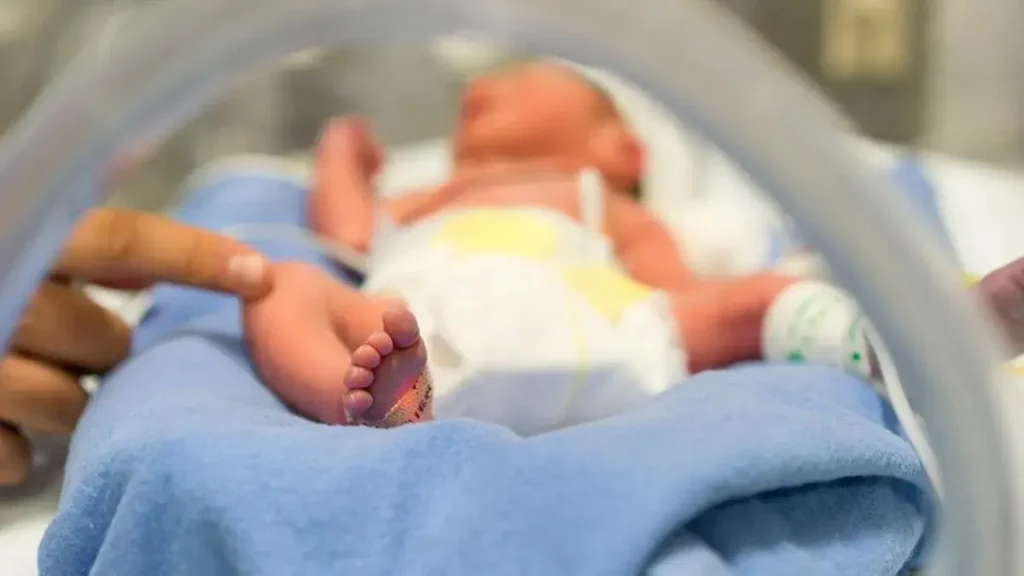
Doctors at Sawai Man Singh (SMS) Medical College in Jaipur have found that a simple clinical scoring system can help identify serious health risks in premature and low-birth-weight newborns soon after admission, enabling faster treatment and improving survival prospects. The findings, published in the International Journal of Paediatric Research, are based on a study involving 181 premature infants admitted to JK Lone Hospital. Researchers evaluated the effectiveness of the Clinical Risk Index for Babies-II (CRIB-II) score in assessing the condition of newborns during the critical early hours after birth. According to paediatric specialist Dr Yogesh Yadav, one of the researchers, calculating the CRIB-II score immediately after admission allows doctors to gauge the severity of a newborn’s condition and make timely treatment decisions. The study showed that infants with higher CRIB-II scores faced a significantly greater risk of mortality. On average, the babies included in the study were born at 28.88 weeks of gestation and weighed around 1.01 kg at birth, both considerably below normal levels. The CRIB-II scoring system classifies newborns into different risk categories: a score of 0–5 indicates low risk, 6–10 moderate risk, 11–15 high risk, and above 15 very high risk. The assessment is based on five clinical factors—birth weight, gestational age, body temperature at admission, blood acid levels, and the baby’s sex. Researchers noted that beyond predicting mortality risk, the CRIB-II score serves as a valuable decision-making tool in Neonatal Intensive Care Units (NICUs). It helps clinicians quickly identify infants requiring intensive care, particularly during the first few hours after admission. The study also highlighted the tool’s usefulness in resource-constrained settings. When NICU beds, ventilators, or trained healthcare staff are limited, the scoring system can help prioritise critically ill newborns and determine which babies need urgent referral to advanced medical centres. In addition, the researchers said the scoring system enables doctors to provide parents with a clearer understanding of their baby’s condition, expected outcomes, and treatment requirements. The authors believe that wider adoption of the CRIB-II score across India could strengthen newborn care, support more effective clinical decision-making, and contribute to reducing neonatal deaths, particularly among premature and low-birth-weight infants. Source: PTI

Doctors identify simple scoring tool to spot life-threatening risks in premature newborns Read More »

Income Tax Department faces shortage of nearly 27,000 staff, government tells Parliament

The Income Tax Department is functioning with a shortage of 26,997 officers and support staff as of January 1, 2026, the government informed Parliament on Monday. In a written reply to the Lok Sabha, Minister of State for Finance Pankaj Chaudhary said vacancies across Group A, B and C posts currently stand at 26,997. He noted that filling vacancies is an ongoing process and appointments are made regularly through direct recruitment by the Union Public Service Commission (UPSC) and the Staff Selection Commission (SSC), as well as through departmental promotions in accordance with recruitment rules. The minister also highlighted that the New Income Tax Act, 2025 has simplified tax laws by removing outdated provisions, restructuring the legislation and making it easier to understand. He added that the government is modernising tax administration through digital technologies, including simplified return filing, quicker processing, data analytics and faceless assessments. Responding to another query, Chaudhary said 11 individuals have been declared Fugitive Economic Offenders (FEOs) under the Fugitive Economic Offenders Act, 2018, since 2024. Properties worth ₹1,303.16 crore linked to these offenders have been confiscated. He further informed the House that Red Notices have been issued against eight of the offenders, while extradition requests have been sent for four individuals whose locations have been identified. Additionally, 12 Mutual Legal Assistance Requests (MLARs) have been submitted to facilitate international cooperation. The minister said the government has taken steps to return confiscated assets to legitimate victims of economic offences. So far, properties valued at around ₹73,015.03 crore have been restored, with restitution amounts reaching ₹15,262.30 crore in FY 2024–25, ₹32,677.97 crore in FY 2025–26, and ₹9,873.11 crore during FY 2026–27 up to the present. In a separate response, Chaudhary said net private transfers, primarily remittances sent home by Indians working overseas, increased from $124.6 billion in 2024–25 to $144.8 billion in 2025–26, according to the Reserve Bank of India’s Balance of Payments data. He added that monthly net transfers rose from $9.4 billion in April 2025 to $16 billion in April 2026, despite the impact of ongoing global conflicts. Source: PTI

Income Tax Department faces shortage of nearly 27,000 staff, government tells Parliament Read More »

PM Modi Reaffirms Zero-Tolerance Stand on NEET Paper Leak, Calls for Stronger Exam Security

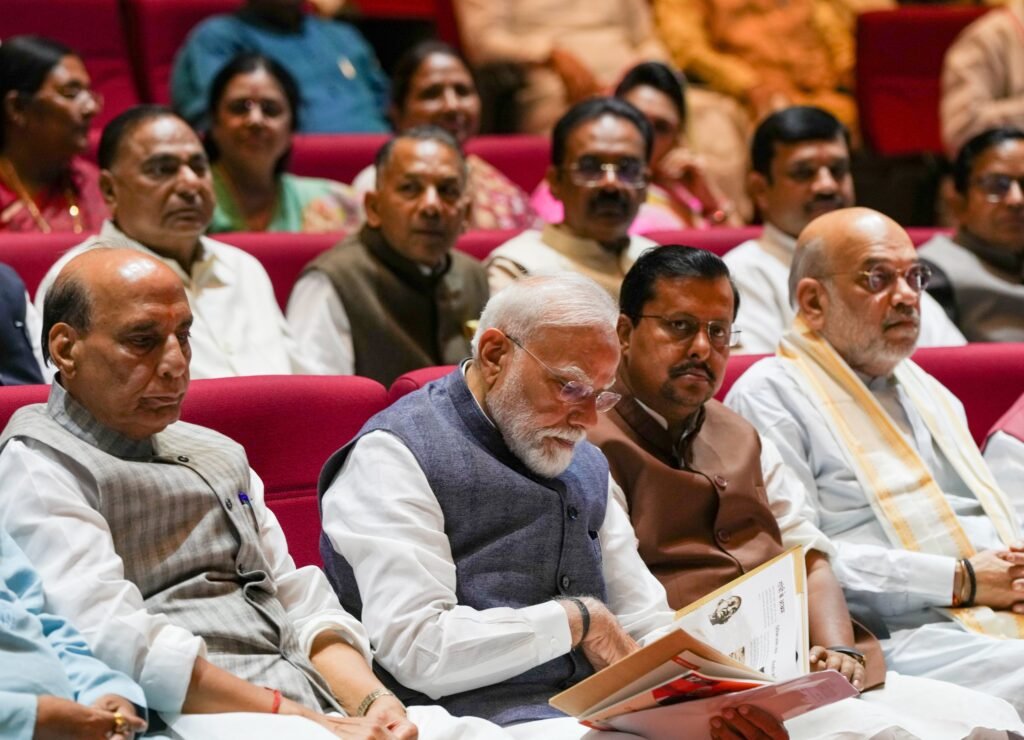
Prime Minister Narendra Modi has reiterated the Centre’s commitment to taking strict action against those involved in the NEET paper leak case while urging all stakeholders to work together to prevent similar incidents in future examinations. Addressing the National Democratic Alliance (NDA) Parliamentary Party meeting, popularly known as Mangal Milan, at the Parliament House complex, the Prime Minister emphasized the need to safeguard the interests of students and maintain the integrity of competitive examinations. Speaking to the media after the meeting, Parliamentary Affairs Minister Kiren Rijiju said the government acted swiftly after receiving information about the NEET paper leak. He stated that all individuals linked to the case have been arrested, with 13 accused currently in judicial custody. According to Rijiju, the Prime Minister stressed that those responsible should receive the strictest possible punishment and highlighted that the government has already introduced stringent measures to prevent examination paper leaks in the future. During the meeting, Prime Minister Modi also discussed India’s Free Trade Agreements (FTAs), saying that the interests of Indian farmers have remained a top priority in every trade pact signed by the country. He noted that these agreements have been negotiated with national interest and farmers’ welfare at their core. On the ongoing Monsoon Session of Parliament, the Prime Minister said the NDA would play a constructive role in facilitating the passage of important legislation. Rijiju also appealed to opposition parties to cooperate in Parliament, emphasizing that despite political differences, all Members of Parliament share the responsibility of serving the nation and protecting the future of its youth. The meeting concluded with NDA alliance partners passing a congratulatory resolution honouring Prime Minister Narendra Modi for becoming India’s longest-serving elected Prime Minister. Source: News on AIR

PM Modi Reaffirms Zero-Tolerance Stand on NEET Paper Leak, Calls for Stronger Exam Security Read More »

India Achieves Historic Four Gold Medals at International Chemistry Olympiad 2026; JEE Advanced AIR 2 Among Winners

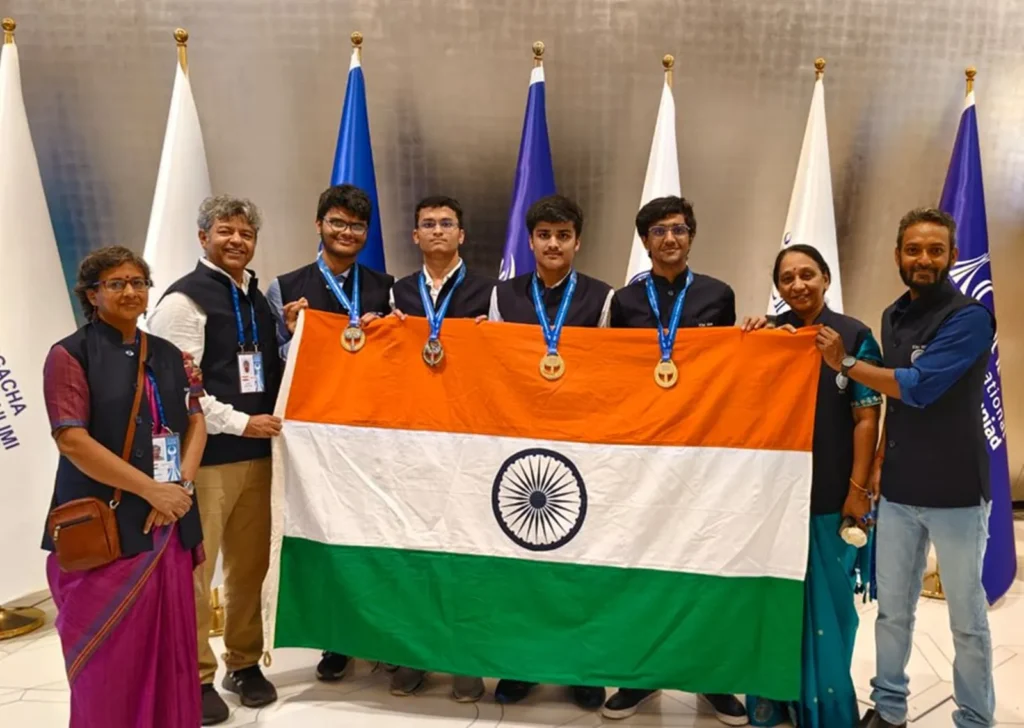
India delivered its finest-ever performance at the 58th International Chemistry Olympiad (IChO) 2026, securing four gold medals and finishing joint first in the overall standings alongside China, Vietnam, and an individual participant from Russia. The prestigious global competition was held in Tashkent, Uzbekistan, from July 10 to 19, bringing together 363 students from 93 countries. According to the Homi Bhabha Centre for Science Education (HBCSE) at the Tata Institute of Fundamental Research (TIFR), this marks India’s best result in its 27 appearances at the International Chemistry Olympiad. The four Indian students who earned gold medals are Debadatta Priyadarshi from Bhubaneswar, Odisha; Harshit Singhal from Mandi Gobindgarh, Punjab; Kabeer Chhillar from Delhi; and Sandeep Kuchi from Hyderabad, Telangana. Among the standout performers, Kabeer Chhillar had already gained national recognition by securing All India Rank (AIR) 2 in JEE Advanced 2026, scoring 329 out of 360, just one mark behind the topper. He had also achieved a perfect 100 percentile in JEE Main 2026, highlighting his exceptional academic accomplishments before representing India at the global chemistry competition. India’s remarkable success at the Chemistry Olympiad follows another stellar international achievement earlier this month, when the country’s team won five gold medals at the International Physics Olympiad (IPhO) 2026, reinforcing India’s growing prominence in global science competitions. The Indian Chemistry team was guided by Head Mentor Prof. Subhajit Bandyopadhyay of IISER Kolkata and Mentor Dr. Indrani Das Sen of HBCSE. The delegation also included Scientific Observers Dr. Anubendu Adhikary from IIT Kharagpur and Dr. Jayasree Gopalakrishnan of NES Ratnam College, Mumbai. HBCSE credited the National Steering Committee on Science Olympiads, teacher organizations, and several subject experts for their contributions to the Olympiad programme. The institute also noted that the national science Olympiad initiative receives financial support from the Department of Atomic Energy (DAE) and the Department of Science and Technology (DST). Source:  Indian Express

India Achieves Historic Four Gold Medals at International Chemistry Olympiad 2026; JEE Advanced AIR 2 Among Winners Read More »

India Tops International Physics Olympiad 2026 as All Five Participants Win Gold Medals

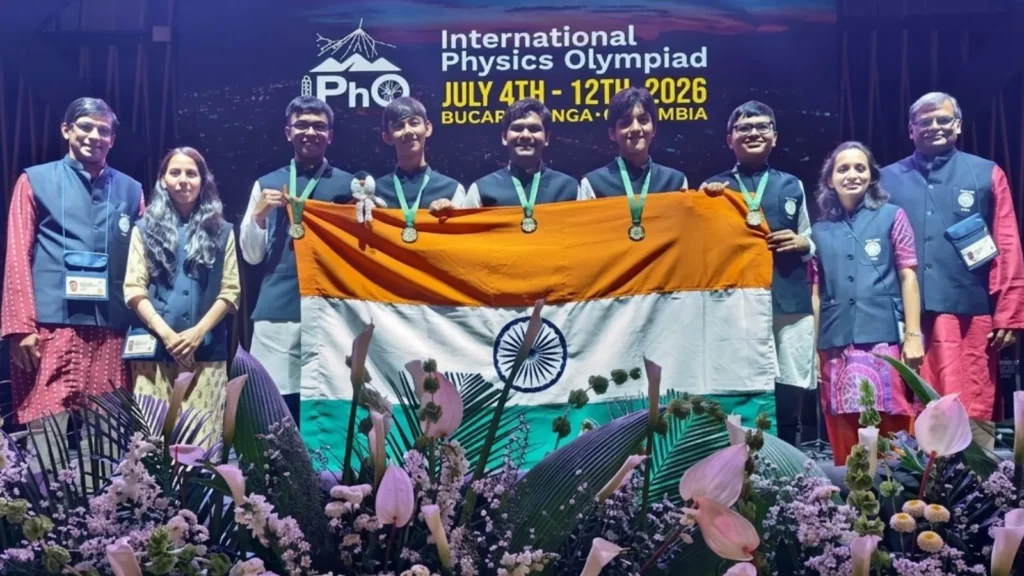
India delivered an outstanding performance at the 56th International Physics Olympiad (IPhO) 2026, with all five members of its national team securing gold medals. The achievement placed India in the joint first position alongside China, Kazakhstan, Russia, South Korea, and Taiwan at the prestigious global competition, held in Bucaramanga, Colombia. This year’s Olympiad featured 381 students representing 87 countries. According to the Homi Bhabha Centre for Science Education (HBCSE), a constituent unit of the Tata Institute of Fundamental Research (TIFR), this marks India’s 27th appearance at the International Physics Olympiad. The country has maintained an impressive record over the past decade, with every Indian participant returning home with either a gold or silver medal. India’s Gold Medal Winners The five students who brought home gold medals are: Kanishk Jain – Pune, Maharashtra Riddhesh Anant Bendale – Indore, Madhya Pradesh Rishit Garg – Dwarka, New Delhi Shresth Suraiya – Mumbai, Maharashtra Svarit Joshi – Ahmedabad, Gujarat The Indian delegation was led by Prof. Anwesh Mazumdar from HBCSE-TIFR and Dr. Leena Joshi of St. Xavier’s College, Mumbai. The team was supported by scientific observers Prof. Ananda Dasgupta of IISER Kolkata and Ms. Nisha Kelkar from Gogate-Joglekar College. Before competing internationally, the students underwent intensive preparation under the Physics Olympiad Cell at HBCSE. Their training included specialized orientation sessions and pre-departure camps conducted by experienced faculty members and Olympiad mentors. The International Physics Olympiad is regarded as one of the most prestigious science competitions for secondary school students worldwide, testing participants through challenging theoretical and experimental physics examinations. India’s clean sweep of gold medals in the 2026 edition further strengthens its reputation as one of the world’s leading performers in international science Olympiads. Source: Indian Express

India Tops International Physics Olympiad 2026 as All Five Participants Win Gold Medals Read More »

ZEEL Strengthens Zee5 Infrastructure and Anti-Piracy Measures Ahead of FIFA World Cup 2026

Ahead of the FIFA World Cup 2026, Zee Entertainment Enterprises Ltd. (ZEEL) has significantly enhanced the technology capabilities of its OTT platform Zee5 while stepping up anti-piracy measures to ensure a smooth and secure viewing experience for football fans across India. As the official broadcaster and digital streaming partner for the tournament in India, ZEEL has upgraded Zee5’s streaming infrastructure to efficiently handle a surge in viewership and support millions of concurrent users during live matches. The company has implemented advanced monitoring systems, backup mechanisms, and platform resilience measures to maintain uninterrupted service throughout the tournament. To combat illegal streaming and content theft, ZEEL has also secured a dynamic injunction from the Delhi High Court. The legal order enables swift action against unauthorized streaming platforms by allowing the real-time blocking of mirror and proxy websites, helping protect the value of its broadcast rights. The company said these technological and legal initiatives are designed to deliver a seamless viewing experience while safeguarding premium sports content. The FIFA World Cup 2026, scheduled to be held across the United States, Canada, and Mexico, is expected to attract record-breaking digital audiences, making platform reliability and content security critical priorities for broadcasters. Source: Economic Times

ZEEL Strengthens Zee5 Infrastructure and Anti-Piracy Measures Ahead of FIFA World Cup 2026 Read More »

India, Norway Upgrade Bilateral Relations to Green Strategic Partnership

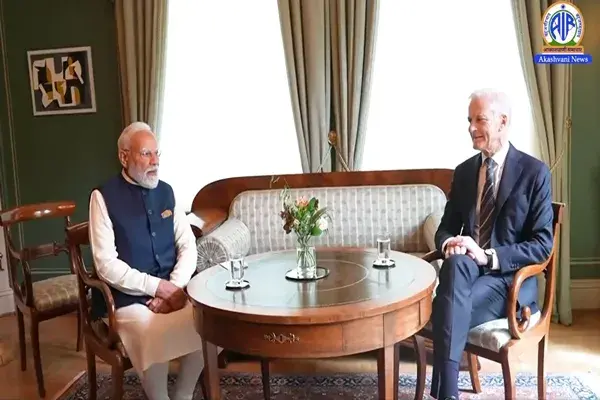
India and Norway have agreed to elevate their bilateral ties to a “Green Strategic Partnership” following high-level talks between Prime Minister Narendra Modi and Norwegian Prime Minister Jonas Gahr Støre in Oslo. During restricted and delegation-level discussions, both leaders reviewed the full spectrum of India-Norway relations and committed to deepening cooperation in areas such as clean energy, blue economy, green transition, renewable energy, trade and investment, circular economy, artificial intelligence, science and technology, education, space, and Arctic affairs. The two sides also highlighted the growing opportunities under the India-EFTA Trade and Economic Partnership Agreement, particularly in boosting trade, technology partnerships, and employment generation. In a joint press statement issued after the meeting, Prime Minister Modi recalled that his planned visit to Norway last year had been postponed following the terrorist attack in Pahalgam. He expressed gratitude to Norway for firmly supporting India during that period, calling it a sign of genuine friendship between the two nations. Mr Modi said the India-EFTA trade pact, which came into force last year, would act as a roadmap for shared prosperity and stronger economic engagement between India and Norway. He also welcomed Norway’s decision to join the Indo-Pacific Oceans Initiative, emphasizing that both countries, as major maritime nations, would enhance collaboration in maritime security, marine economy, and capacity building. The Indian Prime Minister reiterated that both nations strongly support a rules-based international order and believe in dialogue and diplomacy for resolving conflicts. Referring to ongoing crises in Ukraine and West Asia, he stressed that military solutions alone cannot resolve global disputes and underlined support for efforts aimed at restoring peace. Mr Modi also emphasized the need for reforms in global institutions to effectively address emerging international challenges and reaffirmed the shared commitment of India and Norway to combating terrorism in all forms. Prime Minister Jonas Gahr Støre expressed strong support for India’s fight against terrorism and agreed to strengthen cooperation with India in multilateral platforms and global forums. Source: News on AIR

India, Norway Upgrade Bilateral Relations to Green Strategic Partnership Read More »

Physical Inactivity Linked to 13% of Heart Failure Cases Among Diabetics in India: Global Study

A global study has found that more than 13 per cent of heart failure cases among people living with diabetes in India may be attributed to physical inactivity, underscoring the growing health burden linked to sedentary lifestyles. The research, published in the Journal of Sport and Health Science, estimates that 9.6 per cent of coronary heart disease cases and 9.4 per cent of cardiovascular complications among diabetics in India are also associated with insufficient physical activity. On a global scale, researchers reported that nearly one in ten cases of macrovascular complications—conditions affecting large blood vessels—as well as diabetic retinopathy in individuals with diabetes can be traced to a lack of regular exercise. Lead author Jayne Feter from the Universidade Federal do Rio Grande do Sul said the findings challenge the perception that diabetes-related complications are unavoidable. According to her, a substantial proportion of these conditions could be prevented through realistic and sustained increases in physical activity. The World Health Organization recommends at least 150 minutes of moderate-to-vigorous physical activity per week. The study analysed data from over 2.3 million adults with diabetes across multiple global regions, including South Asia. Globally, physical inactivity was linked to over 10 per cent of stroke cases, 9.7 per cent of diabetic retinopathy cases, 7.3 per cent of heart failure cases, and roughly five to seven per cent of cardiovascular and coronary heart disease cases among diabetics. The researchers also observed that women and individuals with lower educational attainment face a disproportionately higher risk of complications related to physical inactivity, highlighting persistent social and gender inequities in health outcomes. India accounts for more than a quarter of the world’s diabetic population, according to a 2024 study published in The Lancet. Long-term elevated blood sugar levels can damage blood vessels and nerves, leading to serious complications that increasingly strain healthcare systems. The authors emphasised that integrating structured physical activity promotion into routine diabetes care and national strategies to combat noncommunicable diseases is essential. Co-author Natan Feter from the University of Southern California said policies must be adapted to local contexts and directly address social and gender disparities to effectively reduce hospitalisations, disability, and rising healthcare costs. Source: PTI

Physical Inactivity Linked to 13% of Heart Failure Cases Among Diabetics in India: Global Study Read More »

India Adds Over 77,000 Medical Seats in Six Years to Strengthen Healthcare Workforce

India has significantly expanded its medical education capacity over the past six years, adding 48,563 undergraduate (MBBS) seats and 29,080 postgraduate (MD/MS) seats between the 2020–21 and 2025–26 academic years, the Ministry of Health and Family Welfare informed the Rajya Sabha. In a written response to an unstarred question, Minister of State for Health and Family Welfare Anupriya Patel said the expansion was carried out based on recommendations from the National Medical Commission (NMC), with a focus on addressing doctor shortages, particularly in underserved and remote regions. Data presented in Parliament shows a consistent year-on-year rise in MBBS seats, beginning with 2,963 additions in 2020–21. This was followed by 8,790 seats in 2021–22, 7,398 in 2022–23, 9,652 in 2023–24, and 8,641 in 2024–25. The largest annual increase came in 2025–26, with 11,119 new MBBS seats, taking the six-year total to 48,563. Postgraduate medical education also witnessed steady growth. PG seats increased by 4,983 in 2020–21 and 4,705 in 2021–22, before adding 2,874 seats in 2022–23. The momentum picked up again with 4,713 seats in 2023–24 and 4,186 in 2024–25. The highest single-year rise of 7,619 PG seats was recorded in 2025–26, bringing the cumulative increase to 29,080 seats. In addition, the Centre has approved the creation of 10,023 more medical seats under centrally sponsored schemes in government medical colleges between 2025–26 and 2028–29, further boosting capacity. The ministry said the expanded intake has contributed to improving the doctor-to-population ratio across several states, including Rajasthan, while also making medical education more accessible to Indian students and reducing the need to study abroad.   To address concerns over quality, the government noted that the NMC has implemented robust regulatory measures, such as the Minimum Standards Requirements, Graduate Medical Education Regulations 2023, Maintenance of Standards of Medical Education Regulations 2023, and the Competency-Based Medical Education Curriculum Guidelines 2024, to ensure academic and clinical standards are maintained despite rapid expansion. Source: Indian Express  

India Adds Over 77,000 Medical Seats in Six Years to Strengthen Healthcare Workforce Read More »