ArdorComm Media Group

Wednesday, November 25, 2026 2:36 AM

Innovation

12th BRICS Parliamentary Forum Underway in New Delhi

The 12th BRICS Parliamentary Forum is being held at Samvidhan Sadan in New Delhi, with Lok Sabha Speaker and forum chairperson Om Birla and parliamentary leaders from BRICS member and partner countries attending the event. The two-day forum is centred on the theme, “Fostering Parliaments for People-Centric Development.” Prime Minister Narendra Modi is scheduled to participate in the event and interact with leaders of the visiting delegations. Eleven BRICS member countries and 10 partner countries have been invited to participate in the forum. The discussions aim to strengthen consensus-based dialogue through four high-level sessions focusing on resilience, innovation, cooperation and sustainability. The deliberations will also address issues related to terrorism. In addition, a dedicated meeting of the chairs of international affairs committees from the parliaments of BRICS member and partner countries will focus on parliamentary diplomacy, capacity-building and the exchange of best practices. The forum seeks to build on previous parliamentary engagements among BRICS nations and strengthen cooperation between legislatures on shared development priorities and global challenges. Source: News on AIR  

12th BRICS Parliamentary Forum Underway in New Delhi Read More »

India Has Nearly 20% of Global Semiconductor Design Workforce: IT Secretary

India now accounts for nearly one-fifth of the global semiconductor design workforce, reflecting the country’s growing role in the international chip ecosystem, IT Secretary S. Krishnan said on Saturday. Speaking to IANS on the sidelines of SEMICON India 2026, Krishnan said the government is placing strong emphasis on developing semiconductor talent and is currently implementing a programme aimed at training around 85,000 design engineers. He said skill development would remain a priority across the semiconductor value chain, with particular attention being given to manufacturing. According to Krishnan, India already has a substantial pool of skilled professionals in chip design, providing an important foundation for further growth in the sector. On investments and proposals presented at SEMICON India, Krishnan said the government would assess each proposal carefully before approving incentives, given the significant use of public funds. He noted that several major Indian and multinational companies are showing interest in investing in India’s semiconductor sector. The IT Secretary attributed this growing investor interest to confidence in India’s talent pool as well as the stability and support provided by government policies. He said the government would encourage companies seeking to establish or expand their semiconductor operations in the country and work closely with them. Meanwhile, SEMI India-IESA President Ashok Chandak said SEMICON India 2026 attracted 12,000 visitors on its opening day and 16,000 on the second day, with participation continuing to grow. Chandak highlighted significant interest from students and early-career engineers, saying the participation reflected a growing desire among young people to understand the semiconductor industry and explore opportunities in the sector. The event has also witnessed participation from several Asian countries, including Japan, South Korea, Taiwan, Singapore and Malaysia, along with visitors from the Philippines, Vietnam and Thailand. Chandak said the participation demonstrated interest among companies and industry stakeholders from these countries in collaborating with their Indian counterparts. Source: IANS

India Has Nearly 20% of Global Semiconductor Design Workforce: IT Secretary Read More »

India Reliable and Prepared to Meet New Global Manufacturing Challenges: PM Modi at SEMICON India 2026

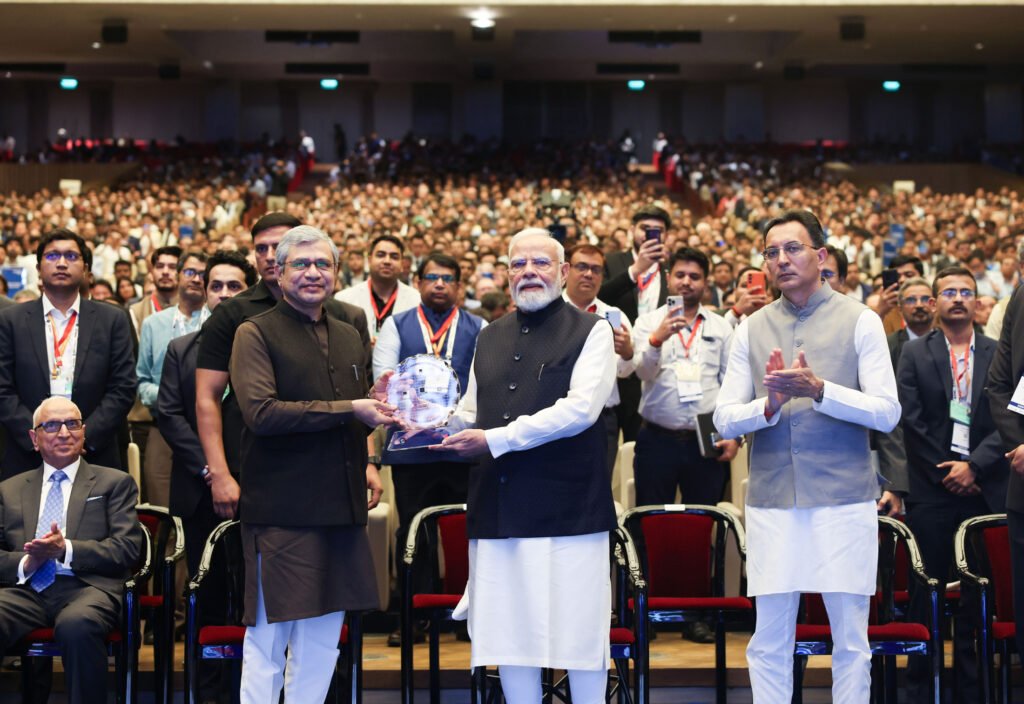
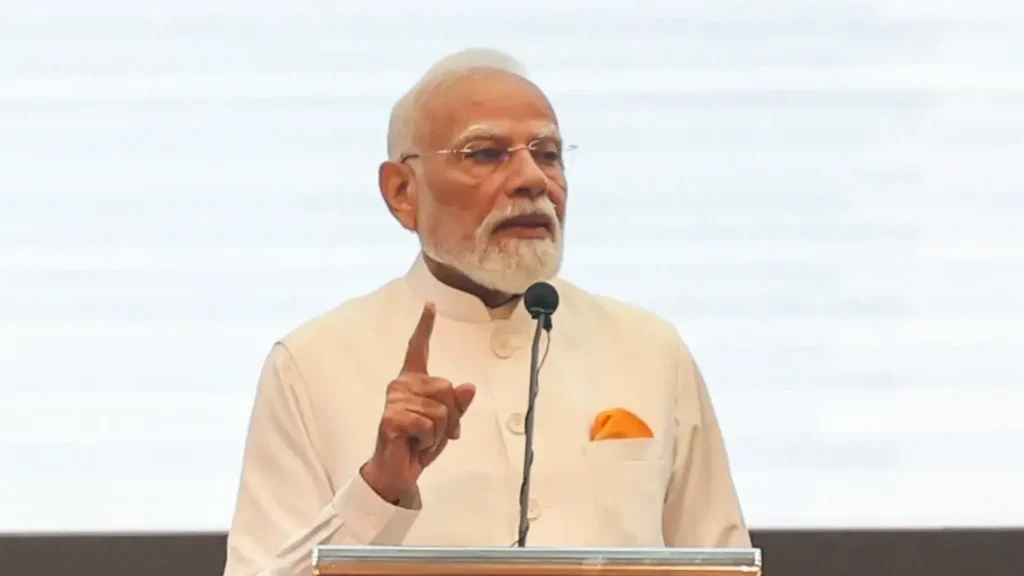
Prime Minister Narendra Modi has described India as a reliable and increasingly trusted destination for global manufacturing, saying the country is strengthening its capabilities to respond to emerging challenges in the global supply chain. Inaugurating SEMICON India 2026 at Yashobhoomi in New Delhi, Modi highlighted the rapidly expanding semiconductor ecosystem and the opportunities it is creating for investment, innovation and economic growth. He noted that the surge in artificial intelligence is changing semiconductor requirements, with greater emphasis now being placed not only on transistor size but also on system-level integration, memory placement and thermal management. The Prime Minister said India recorded economic growth of 7.8 per cent despite a challenging global environment, while Japan’s credit rating agency also upgraded the country’s sovereign rating. He said growing economic performance alongside increasing international confidence reflected India’s progress towards becoming a developed nation. Modi said the outlay under India Semiconductor Mission 2.0 has been increased to $13.5 billion from $8 billion under the first phase. He also highlighted the approval of 12 semiconductor manufacturing projects, adding that the next phase would further expand the country’s chip-making capabilities. Referring to the recently concluded BRICS Summit in New Delhi, Modi said the consensus adoption of the New Delhi Declaration demonstrated the growing global confidence in India’s leadership and its ability to bring countries together. The Prime Minister also called on Indian researchers and young technology professionals to contribute to the country’s advanced technology ecosystem. He urged industry leaders to strengthen research and development in India, saying closer collaboration between industry and young researchers could support both industrial growth and technological development. Union Electronics and IT Minister Ashwini Vaishnaw said India’s long-standing ambition to establish a semiconductor industry had gained momentum under the current government. He said Semicon 2.0 would focus on six key areas — semiconductor design, equipment and materials, memory, silicon fabrication, compound and logic fabrication, and research and development. Vaishnaw added that the government aims to support at least 200 startups and companies in designing chips in India for diverse semiconductor applications. SEMICON India 2026, being held under the theme “Silicon to Systems: Building the Ecosystem”, features more than 600 exhibitors, 300 international companies and delegations from over 50 countries. The event includes country pavilions from Japan, South Korea, Malaysia, the Netherlands, Singapore and Sweden, along with 12 state government pavilions and a dedicated Startup Pavilion. The conference and exhibition brings together companies, policymakers, investors, researchers, startups, academic institutions and students from across the global semiconductor and electronics value chain. Source: News on AIR  

India Reliable and Prepared to Meet New Global Manufacturing Challenges: PM Modi at SEMICON India 2026 Read More »

Bharat Innovates 2026: Education Minister Releases Publication Celebrating India’s Deep-Tech Innovation

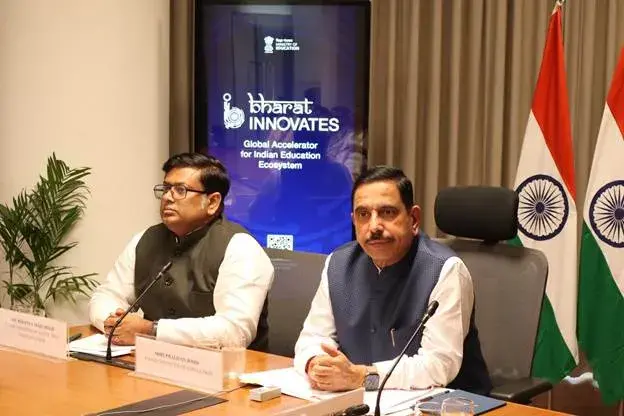
Union Education Minister Pralhad Joshi on Wednesday released a commemorative publication documenting the first edition of Bharat Innovates, held in Nice, France, from June 14 to 16, 2026, as part of the India-France Year of Innovation. Speaking at the event in New Delhi, Joshi said Prime Minister Narendra Modi had consistently placed innovation, research, technology and entrepreneurship at the heart of India’s development agenda. He said Bharat Innovates reflected this vision by giving young innovators a platform to showcase their work, connect with global stakeholders and explore opportunities beyond India. Joshi added that initiatives such as Bharat Innovates reflected the confidence and aspirations of young Indians while highlighting the capabilities of the country’s higher education and research ecosystem. Connecting young talent with industry, opportunities and international networks could help unlock the full potential of India’s innovation landscape, he said. Union Minister of State for Education Sukanta Majumdar emphasised the role of higher education institutions in advancing the vision of Viksit Bharat. He said the National Education Policy (NEP) 2020 had prioritised research, innovation, creativity and scientific temper, while initiatives such as Bharat Innovates offered platforms to convert these priorities into tangible outcomes. The commemorative publication traces the initiative’s journey, from identifying and selecting promising deep-tech innovators across India to showcasing their technologies internationally in Nice. It also documents their engagements with industry, investors and other ecosystem stakeholders, along with the outcomes and collaborations that emerged from the programme. Bharat Innovates is a Ministry of Education initiative focused on identifying and nurturing high-potential deep-tech innovations emerging from India’s higher education and research ecosystem. The programme aims to connect innovators with industry and investors, support technology commercialisation and provide access to global markets and supply chains. The inaugural edition featured 120 deep-tech startups and innovators and 45 research projects from across India. Participants received opportunities to demonstrate their technologies, interact with industry and investors, explore international partnerships and identify potential global market opportunities. The publication also highlights the scientific capabilities and entrepreneurial potential of Indian students, researchers, faculty members, startups, higher education institutions and innovation ecosystem partners. Principal Scientific Adviser to the Government of India Ajay Kumar Sood, NITI Aayog Member Abhay Karandikar, Department of Higher Education Secretary Deepti Gaur Mukerjee and senior Education Ministry officials attended the hybrid event. Directors and senior representatives from IIT Kanpur, IIT Madras and IIT Bombay, along with officials from the Department of Science and Technology, Department of Biotechnology, Department of Defence Production and IN-SPACe, also participated. Source: PIB

Bharat Innovates 2026: Education Minister Releases Publication Celebrating India’s Deep-Tech Innovation Read More »

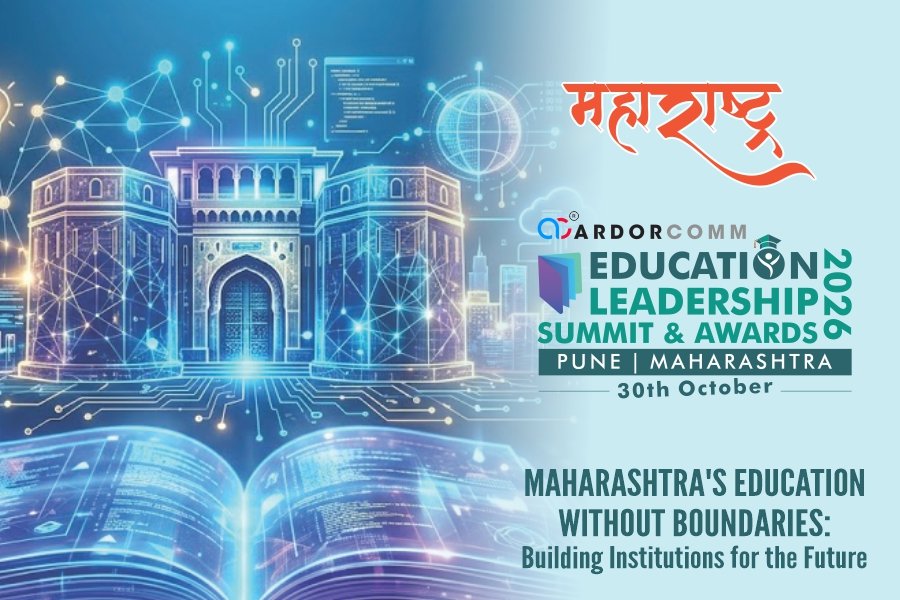
ArdorComm Education Leadership Summit & Awards 2026 – Pune, to be held on 30th October 2026 in Pune, Maharashtra

Education is undergoing one of the most significant transformations of the modern era. Artificial intelligence, emerging technologies, changing workforce expectations, new-age skills and evolving learner needs are reshaping not only classrooms, but the very institutions and systems that support learning. In this rapidly changing environment, the question is no longer simply about how education should adapt to technology. The bigger question is: How can educational institutions, educators, policymakers and industry leaders work together to build an education ecosystem that is future-ready, inclusive and capable of creating opportunities without boundaries? This conversation will take centre stage at the ArdorComm Education Leadership Summit & Awards 2026 – Pune, scheduled for 30th October 2026 in Pune, Maharashtra, under the theme “Maharashtra’s Education Without Boundaries: Building Institutions for the Future.” Organised by ArdorComm Media Group, the summit will bring together education leaders, academicians, institutional heads, policymakers, HR professionals, EdTech innovators, entrepreneurs and industry experts to deliberate on the forces transforming education and employability. Pune: Where Education Meets Innovation Pune’s reputation as an education hub is deeply rooted in its history. Often referred to as the “Oxford of the East,” the city has developed into a vibrant ecosystem where education, research, technology, entrepreneurship and industry intersect. Its universities and educational institutions attract learners and academics from across India, while its technology and startup ecosystem has created new opportunities for collaboration between academia and industry. But Maharashtra’s educational story extends far beyond Pune. Cities such as Nagpur, Nashik, Chhatrapati Sambhajinagar, Kolhapur, Solapur, Jalgaon, Satara, Ahmednagar and Wardha are increasingly contributing to the state’s broader education, skilling and innovation landscape. This geographic diversity presents an important opportunity: Can Maharashtra build an education ecosystem where access to quality learning, innovation and employability is not limited by geography? That is the larger conversation behind the summit’s theme of education without boundaries. From Digital Adoption to Intelligent Institutions Technology has already transformed the education sector. Digital classrooms, learning management systems, online courses, virtual collaboration and AI-powered tools are becoming increasingly familiar. But the next phase is likely to go much deeper. AI has the potential to influence curriculum design, personalised learning, assessment, student support, institutional administration and research. At the same time, educational leaders must consider questions around responsible AI adoption, data privacy, digital inclusion and the changing role of teachers. The challenge, therefore, is not simply to make institutions more digital. It is to make them smarter, more responsive and more human-centric. The summit will provide a platform to examine what this transformation means for institutions and the people who lead them. Who Owns the Future of Learning? One of the central questions confronting education today is whether the future of learning will be shaped primarily by institutions, industry or technology. The answer may ultimately lie in collaboration. Universities and schools bring pedagogical expertise and a deep understanding of learners. Industry understands emerging workforce requirements. Technology can provide new tools to personalise, democratise and scale learning. Bringing these strengths together could help create an education system that moves beyond traditional boundaries. The ArdorComm Education Leadership Summit will explore this intersection and ask how different stakeholders can work together to prepare learners for an increasingly unpredictable future. Are Campuses Ready for the Intelligent Era? The concept of the smart campus is evolving. Tomorrow’s educational campus could be more connected, data-driven and responsive, with technology supporting everything from classroom experiences and campus management to student engagement and institutional decision-making. But technology alone does not create an intelligent campus. Institutions must also rethink infrastructure, faculty development, student services, cybersecurity, digital accessibility and organisational culture. The discussion around “Smart School Campuses: Are Schools Ready for the Intelligent, Connected Campus?” will therefore go beyond gadgets and infrastructure to explore what genuine institutional transformation should look like. Universities as Engines of the Knowledge Economy Higher education institutions are increasingly being asked to do more than award degrees. They are expected to become centres of research, innovation, entrepreneurship, industry collaboration and job creation. This shift is particularly important as India seeks to strengthen its knowledge economy and create opportunities for a young and ambitious workforce. The question is whether universities can evolve into innovation engines capable of translating research into real-world solutions, encouraging entrepreneurship and building stronger bridges with industry. For Maharashtra, with its combination of educational institutions, industrial strength, technology hubs and startup ecosystem, this could be a particularly powerful opportunity. The Human Advantage in an AI-Driven World As AI takes on an expanding range of cognitive and technical tasks, one question is becoming increasingly important: What will humans do best? Creativity, critical thinking, communication, collaboration, adaptability, empathy, leadership and ethical decision-making are likely to become even more valuable as technology advances. This means education cannot focus exclusively on technical knowledge. Learners will need the ability to learn, unlearn and relearn throughout their careers. Educational institutions, therefore, have a crucial responsibility to develop not only employable graduates, but adaptable individuals capable of navigating an evolving world of work. From Degrees to Demonstrable Skills Employability is also undergoing a fundamental shift. A degree remains important, but employers increasingly need evidence of what candidates can actually do. Projects, portfolios, practical exposure, internships, industry certifications, problem-solving abilities and workplace-ready skills are becoming important components of the employability conversation. This raises a crucial question for educators and industry: Is the future of employability moving beyond credentials towards demonstrable skills? Bridging this gap will require closer collaboration between educational institutions, employers and the skilling ecosystem. ArdorComm Education Leadership Awards 2026: Celebrating Those Creating Change While the summit will focus on the questions shaping the future, the ArdorComm Education Leadership Awards 2026 will celebrate the individuals and organisations already contributing to that future. The prestigious awards aim to recognise educators, academicians, institutions, innovators, EdTech companies, startups and organisations demonstrating excellence, leadership and innovation across the education ecosystem. The awards will recognise achievements across six key categories: Preschool Education School Education Higher Education Skills & Training EdTech Startups EdTech Corporate The awards are built around four core principles: Recognise Celebrate outstanding


ArdorComm Education Leadership Summit & Awards 2026 – Pune, to be held on 30th October 2026 in Pune, Maharashtra Read More »

IIM Kozhikode Introduces 20-Week Executive Programme on Product Innovation with AI and Agentic AI

Responding to the growing demand for artificial intelligence-driven product development, the Indian Institute of Management (IIM) Kozhikode has launched a 20-week Executive Programme in Product Innovation with AI & Agentic AI. The programme is designed to equip working professionals with the expertise needed to create AI-powered products and drive innovation in an increasingly AI-centric business environment. The curriculum focuses on enabling participants to move beyond the use of conventional AI tools and develop AI-native products. It covers the complete product development lifecycle, including identifying market opportunities, understanding customer needs, rapid prototyping, deployment, optimisation, and scaling AI-enabled solutions. The programme will be delivered by IIM Kozhikode faculty alongside experienced industry professionals working on cutting-edge AI products. Participants will also attend four live masterclasses covering key topics such as AI-native product design, human-AI interaction, agentic AI systems, and emerging trends in AI-led product innovation. As part of the hands-on learning experience, learners will complete five applied mini projects and a capstone project focused on AI opportunity assessment, customer validation, experimentation, prototyping, agentic workflow development, and deployment-ready product creation. The course also offers practical exposure to more than 20 industry-standard AI and product management tools, including ChatGPT, Claude, Figma, Uizard, n8n, Mixpanel, Amplitude, Miro, Notion, Jira, and Google Looker Studio. Participants who successfully complete the programme will receive a certificate from IIM Kozhikode. They can also choose an optional one-day campus immersion, available at an additional cost, to engage in networking opportunities and academic interactions. The executive programme aims to help professionals understand how AI is transforming product strategy, business models, user experience, agile development, data strategy, and autonomous workflows, preparing them to build innovative products for the AI-first era. The launch comes at a time when AI adoption continues to accelerate globally. According to the McKinsey State of AI Report 2025, 88% of organisations have integrated AI into at least one business function, compared to 55% in the previous year. Meanwhile, insights from the Forrester 2026 and Figma AI Report 2025 indicate that 51% of AI product teams are now developing agentic AI solutions, a significant increase from 21% in 2024. Source: Indian Express  

IIM Kozhikode Introduces 20-Week Executive Programme on Product Innovation with AI and Agentic AI Read More »

India-UK CETA to Boost Farmers, MSMEs and Skilled Professionals, Says PM Modi

Prime Minister Narendra Modi has described the implementation of the India-UK Comprehensive Economic and Trade Agreement (CETA) and the Agreement on Social Security as a landmark step in strengthening bilateral ties between the two countries. Sharing a social media post by Union Commerce and Industry Minister Piyush Goyal, the Prime Minister said the agreements, which came into force today, mark a significant milestone in the India-UK partnership. According to Mr. Modi, the CETA will provide fresh growth opportunities for farmers, entrepreneurs, and micro, small and medium enterprises (MSMEs) by expanding their access to the UK market. He added that the trade pact is expected to benefit several key sectors while strengthening cooperation in technology, professional services, and innovation. The Prime Minister also highlighted that the agreement will facilitate greater mobility for skilled Indian professionals, enabling them to explore more employment and business opportunities in the UK. Referring to the Agreement on Social Security, Mr. Modi said it will offer important support to Indian professionals working in the UK on temporary assignments. He noted that the pact will enhance the competitiveness of Indian businesses by reducing social security-related burdens for eligible workers. Emphasizing the broader significance of the agreements, the Prime Minister said they reflect the deep trust between the two democracies and their shared commitment to building a future-focused partnership anchored in trade, technology, investment, and innovation. He reaffirmed that India and the United Kingdom will continue to work together to promote shared economic growth and prosperity. Source: News on AIR

India-UK CETA to Boost Farmers, MSMEs and Skilled Professionals, Says PM Modi Read More »

Piyush Goyal Embarks on Europe Tour to Deepen India’s Trade and Investment Partnerships

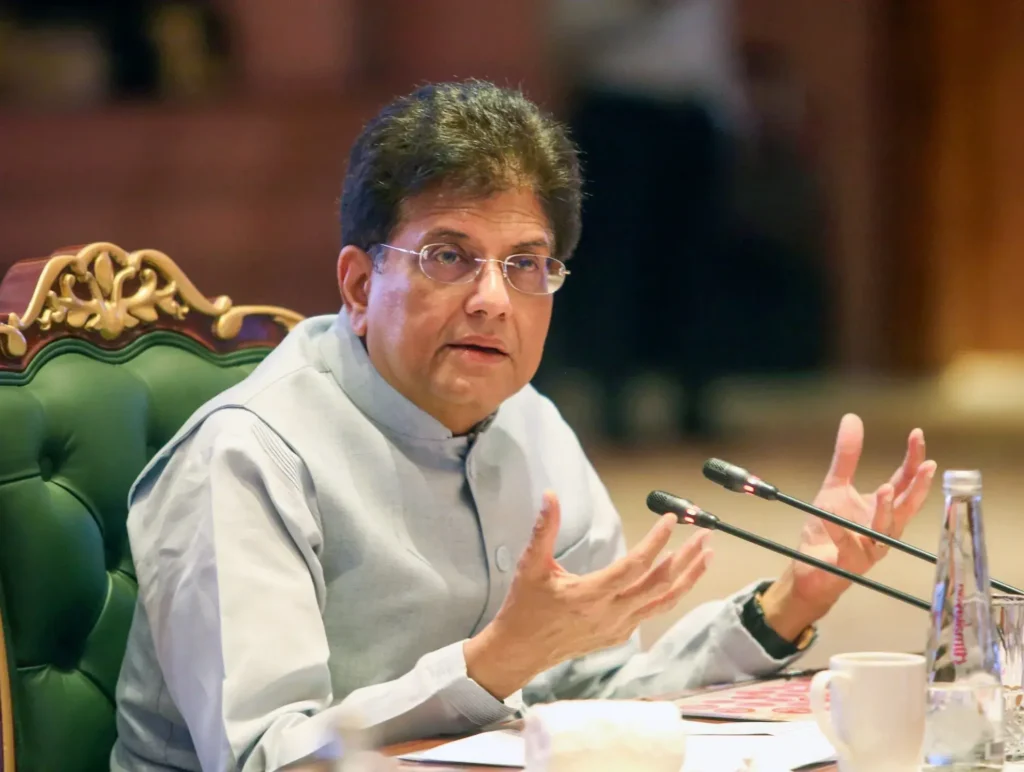
Union Commerce and Industry Minister Piyush Goyal has begun a five-day official visit to Spain, Belgium, and Finland, aimed at expanding India’s economic engagement with key European partners. The visit, which runs until July 17, will focus on strengthening cooperation in trade, investment, technology, innovation, and sustainable development. The first stop is Spain, where Goyal will participate in a business roundtable alongside representatives from the Chamber of Commerce of Spain, the Spanish Confederation of Business Organisations (CEOE), and ICEX Spain Trade and Investment. Indian and Spanish business leaders are expected to discuss collaboration across sectors such as automobiles, renewable energy, railways, artificial intelligence, semiconductors, food processing, and tourism. The minister will then travel to Belgium on July 14 and 15 for a series of high-level engagements. His itinerary includes meetings with senior officials from Thales Group and Silox Group, as well as participation in the India-EU Business Roundtable and the Trade and Technology Council Plenary. Key discussions will centre on boosting foreign investment, easing trade, promoting sustainable technologies, and strengthening resilient global supply chains. The final leg of the tour will take Goyal to Finland on July 16 and 17. He is scheduled to attend the India-Finland Business Roundtable and visit leading Finnish companies and research organisations, including Nokia, Kone, Kemppi Group, and the VTT Technical Research Centre of Finland. The discussions will explore opportunities for collaboration in telecommunications, advanced manufacturing, clean energy, mobility, and innovation. Source: News on AIR

Piyush Goyal Embarks on Europe Tour to Deepen India’s Trade and Investment Partnerships Read More »

AIIMS Delhi Completes Major Faculty Recruitment Drive Using Blockchain-Enabled Technology

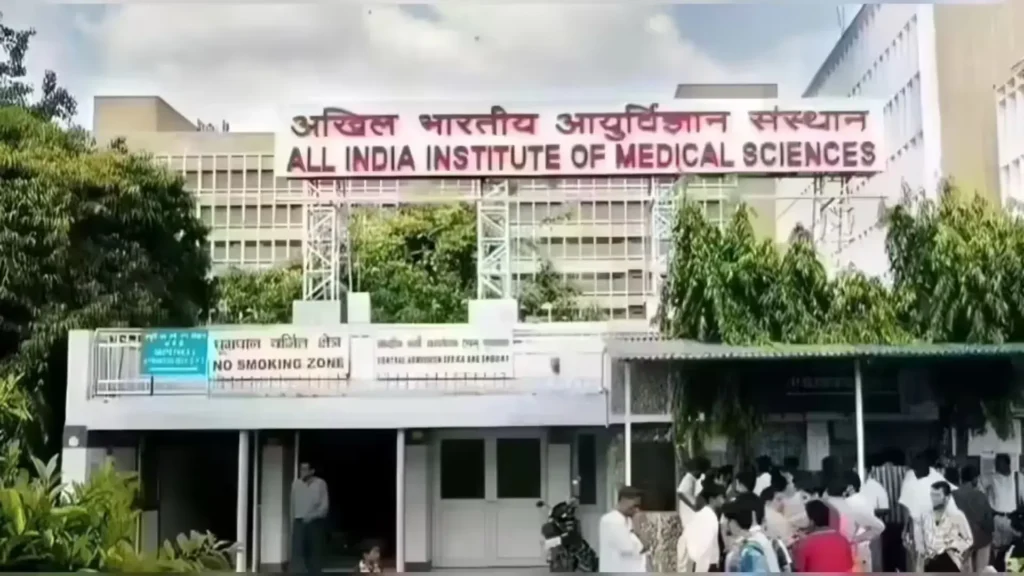
All India Institute of Medical Sciences, New Delhi has successfully concluded one of its largest faculty recruitment drives in recent years, announcing the results for nearly 460 teaching positions through a blockchain-enabled digital evaluation system. According to the institute, around 370 faculty members have been recruited for AIIMS New Delhi and the AIIMS–Central Armed Police Forces Institute of Medical Sciences campus. The appointments span more than 50 medical and allied health disciplines, covering roles from Assistant Professor to Professor. The recruitment process attracted over 3,200 applications for 265 faculty positions at AIIMS New Delhi and 199 positions at the AIIMS-CAPFIMS campus. The selection exercise was carried out over a period of six months. AIIMS stated that the use of blockchain-enabled digital technology ensured a secure, transparent, and efficient evaluation process. Candidate assessment scores were protected using one-time password (OTP) authentication, while final merit lists were generated through predefined algorithms, reducing manual intervention and enhancing the integrity of the recruitment process. The institute noted that adopting advanced digital technologies for faculty appointments reflects its commitment to strengthening institutional governance through innovation. The large-scale recruitment is expected to enhance patient care, medical education, research, and innovation across a broad spectrum of healthcare specialties. Source: Economic Times

AIIMS Delhi Completes Major Faculty Recruitment Drive Using Blockchain-Enabled Technology Read More »

Government to Support 100 Engineering Colleges with ₹1 Crore Each for Quantum Research Labs

The Centre will extend financial assistance of ₹1 crore each to 100 engineering colleges to establish quantum research laboratories aimed at strengthening undergraduate minor programmes, according to Department of Science and Technology (DST) Secretary Prof Abhay Karandikar. Speaking at Indian Institute of Technology Bombay on Monday, he revealed that over 500 proposals have already been submitted, from which the final 100 institutions will be chosen. Prof Karandikar also announced that the DST plans to create a specialised quantum algorithms technical group to enhance capacity building, aid start-ups, and accelerate research and technological development in the quantum domain. He highlighted the significant strides made under the National Mission on Interdisciplinary Cyber Physical Systems and the National Quantum Mission (NQM), with IIT Bombay playing a pivotal role. He noted that the Technology Innovation Hub at IIT Bombay has been instrumental in supporting start-ups, driving innovation, and initiating work on Indian-language large language models. Under the NQM, all four quantum hubs—Indian Institute of Science Bengaluru, Indian Institute of Technology Madras, Indian Institute of Technology Delhi and IIT Bombay—have shown rapid advancement, with IIT Bombay’s quantum sensing hub earning particular recognition. During his visit to IIT Bombay, Union Minister for Science and Technology Jitendra Singh announced two major state-of-the-art quantum fabrication and central facilities under the NQM. With an investment of ₹720 crore, these facilities at IIT Bombay and IISc Bengaluru aim to indigenise the fabrication of quantum computing chips and sensors—reducing dependence on foreign infrastructure. Two smaller facilities will also be set up at IIT Delhi and Indian Institute of Technology Kanpur. These fabrication centres will be open to academia, industry, start-ups, MSMEs, and strategic agencies, enabling faster prototyping, technology development, and small-scale production. The minister added that these advancements will significantly strengthen India’s capabilities in superconductivity, cryogenic engineering, quantum computing, sensing, photonics, healthcare applications, and green energy devices. A new cryogenics facility, equipped with an efficient helium recovery system, is also expected to substantially reduce the cost of cryogenic experiments while conserving the scarce resource. Singh emphasised that as global demand for quantum technologies grows, India must expand its cryogenics infrastructure accordingly. He further remarked that IIT Bombay exemplifies how collaboration between academia, government, and industry can build a world-class scientific ecosystem capable of shaping future technologies. Source: PTI Photo Credit: Getty Images

Government to Support 100 Engineering Colleges with ₹1 Crore Each for Quantum Research Labs Read More »