ArdorComm Media Group

Saturday, February 28, 2026 5:47 AM

NEP2020

‘ArdorComm – Education Leadership Summit & Awards 2026’, to be held on 6th February 2026 in Guwahati, Assam

The Northeast region of India stands at a powerful inflection point in its education journey. With rising literacy rates, expanding digital infrastructure, increasing private and public investment, and a strong policy push through NEP 2020, the region is steadily transforming into a vibrant hub of learning, innovation, and talent development. Against this dynamic backdrop, ArdorComm Media Group proudly announces the ‘ArdorComm – Education Leadership Summit & Awards 2026’, scheduled to take place on 6th February 2026 in Guwahati, Assam. The Theme: A Vision for Tomorrow’s Northeast “Future-Ready Northeast: Building Skills & Mindsets for a Smarter Tomorrow” captures the essence of the summit’s vision. The theme reflects the urgent need to go beyond conventional education models and focus on developing future-ready skills, adaptive mindsets, digital fluency, and ethical leadership—all essential for navigating a rapidly evolving global economy. As industries are reshaped by artificial intelligence, automation, data, and sustainability imperatives, education systems must evolve in parallel. The summit aims to explore how institutions across the Northeast can align learning outcomes with employability, entrepreneurship, and lifelong learning. Northeast India: Progress, Potential & Promise Northeast India has made significant strides in education over the past decade. High primary school enrolment, growth in private unaided schools, establishment of new universities, and improved access to digital tools have collectively enhanced educational outcomes. Government-led initiatives such as Digital India, Sarva Shiksha Abhiyan, Rashtriya Madhyamik Shiksha Abhiyan, teacher training programs, and focused skilling missions are bridging gaps in access, quality, and infrastructure. NEP 2020 provides a timely framework to further strengthen this progress by: Integrating local languages and cultural contexts into curricula Encouraging experiential, multidisciplinary, and skill-based learning Promoting entrepreneurship, innovation, and vocational education Strengthening teacher capacity and institutional autonomy Together with private sector participation and EdTech innovation, these efforts are preparing students across school, higher education, and vocational segments to meet the demands of the 21st-century workforce. A Confluence of Education Leaders from the Region The ArdorComm – Education Leadership Summit & Awards 2026 will bring together senior leadership from schools, colleges, universities, skill institutions, EdTech companies, start-ups, and government bodies, with strong representation from the eight Northeastern states—Arunachal Pradesh, Assam, Manipur, Meghalaya, Mizoram, Nagaland, Tripura, and the ‘brother state’ Sikkim. The summit is designed as a high-impact knowledge-sharing platform where academicians, educators, policymakers, HR leaders, industry experts, and EdTech innovators can exchange insights, discuss challenges, and co-create solutions for sustainable educational growth. What to Expect at AELSA 2026 The one-day summit will feature: 6+ thought-provoking sessions 40+ distinguished speakers from education, government, and industry 2+ closed-door roundtable discussions Participation from 100+ school leaders and 100+ higher education leaders Presence of 40+ government dignitaries and policymakers Engagement with 25+ EdTech and corporate organizations Key Discussion Points NEP & Tech Advantage from KG to PG: Building a future-ready generation Reimagining Higher Education in the Digital Era: Transformation, trends & pathways Digital Pathways to Lifelong Learning: Balancing innovation, inclusion & ethics AI, Innovation & Inclusion: Reimagining education for tomorrow’s Northeast Bridging Education & Employability: Skills for the 21st-century workforce These sessions aim to offer actionable insights, best practices, and policy perspectives relevant to both regional and national education ecosystems. Celebrating Excellence: ArdorComm Education Leadership Awards 2026 A key highlight of the event will be the ArdorComm Education Leadership Awards 2026, which recognise and celebrate exemplary contributions, innovative initiatives, and transformational leadership across the education sector. In an era marked by rapid change, educators, institutions, and EdTech organisations have demonstrated resilience by adapting, reskilling, reinventing, and leading from the front. These awards aim to honour those trendsetters and changemakers who have significantly enhanced teaching, learning, and employability outcomes. Award Segments Preschools School Education Higher Education Skills & Training EdTech Startups EdTech Corporate Winning an ArdorComm Education Leadership Award brings national visibility, peer recognition, and credibility, positioning institutions and organisations as leaders of educational transformation. Why You Should Be Part of This Summit The ArdorComm – Education Leadership Summit & Awards 2026 is more than an event—it is a movement to empower the Northeast through education, skills, and innovation. Participants will gain: Strategic insights into policy, technology, and workforce trends Opportunities to network with top decision-makers and influencers Exposure to innovative models and successful case studies A platform to showcase achievements and thought leadership Join the Movement As Northeast India prepares for a smarter, more inclusive, and future-ready tomorrow, AELSA 2026 in Guwahati invites you to be part of this transformative journey. Date: 6th February 2026 Venue: Guwahati, Assam Participate | Partner | Nominate for Awards Together, let us build skills, shape mindsets, and create a future-ready Northeast. Visit: https://ardorcomm-media.com/aelsa/

‘ArdorComm – Education Leadership Summit & Awards 2026’, to be held on 6th February 2026 in Guwahati, Assam Read More »

The NEP and Digitalization: Driving India’s Education Revolution

The National Education Policy (NEP) 2020 represents a significant reform in India’s educational landscape, aiming to transform the system into a more holistic, flexible, and inclusive framework. With the rapid advancement of technology and the increasing importance of digital literacy, NEP 2020 integrates digitalization as a core component of educational reform, setting the stage for an educational revolution in India. Overview of NEP 2020 Approved by the Union Cabinet on July 29, 2020, NEP 2020 replaces the National Policy on Education of 1986. It aims to create an education system that is rooted in Indian ethos while also preparing students for global challenges. The policy is built on five pillars: Access, Equity, Quality, Affordability, and Accountability. These principles are designed to ensure that every child receives a high-quality education, thereby transforming India into a global knowledge superpower. Key Features of NEP 2020 New Academic Structure: The traditional 10+2 schooling system will transition to a new 5+3+3+4 structure, which aligns with the developmental stages of children. Multilingual Education: Emphasis is placed on teaching in the mother tongue until Class 5, promoting linguistic diversity while ensuring quality education. Holistic and Multidisciplinary Learning: NEP encourages students to explore various subjects beyond rigid disciplinary boundaries, fostering critical thinking and creativity. Integration of Technology: The policy highlights the importance of digital literacy and the use of technology in classrooms to enhance learning outcomes. The Role of Digitalization in Education Digitalization is pivotal in achieving the objectives set forth by NEP 2020. The integration of technology into education can enhance accessibility and quality while preparing students for a digital economy. Here are some ways digitalization is driving this transformation: Enhanced Learning Platforms The rise of online learning platforms has made education more accessible to students across various socio-economic backgrounds. During the COVID-19 pandemic, institutions rapidly adopted online teaching methods, which demonstrated the potential for digital platforms to deliver quality education remotely. NEP 2020 advocates for expanding these digital learning resources to ensure continuity in education. Teacher Training and Professional Development NEP emphasizes continuous professional development for teachers through digital means. Online training modules can equip educators with modern teaching strategies and technological tools necessary for effective instruction. This approach not only enhances teacher capabilities but also directly impacts student learning outcomes. Data-Driven Decision Making Digitalization enables educational institutions to collect and analyze data effectively. By leveraging data analytics, schools can identify learning gaps, monitor student progress, and tailor interventions accordingly. This evidence-based approach supports personalized learning experiences and improves overall educational quality. Challenges in Implementation While NEP 2020 presents a robust framework for educational reform, its success hinges on effective implementation. Some challenges include: Infrastructure Gaps: Many rural areas still lack reliable internet access and technological infrastructure, hindering the full realization of digital education. Resistance to Change: Traditional mindsets among educators and institutions may pose barriers to adopting new teaching methodologies and technologies. Equity Concerns: Ensuring equitable access to digital resources remains a significant challenge, especially for marginalized communities. Future Prospects The successful integration of digitalization within the framework of NEP 2020 could lead to transformative changes in India’s education system. By focusing on inclusivity and accessibility, India can harness technology to create a more equitable educational landscape. Goals for 2030 NEP aims to achieve a Gross Enrollment Ratio (GER) of 100% from preschool to secondary level by 2030 and increase GER in higher education from 26.3% (2018) to 50% by 2035. Achieving these goals will require concerted efforts from government bodies, educational institutions, and communities. The National Education Policy 2020, coupled with the power of digitalization, holds immense potential to revolutionize India’s educational framework. By embracing technology and fostering an inclusive approach, India can pave the way for a brighter future where quality education is accessible to all, ultimately contributing to national development and global competitiveness.In summary, NEP 2020 is not just an educational reform; it is a comprehensive strategy aimed at transforming India’s youth into skilled professionals ready to meet the demands of a rapidly changing world. As we move forward, embracing digitalization will be crucial in realizing this vision.

The NEP and Digitalization: Driving India’s Education Revolution Read More »

Odisha Government Partners with Education Ministry to Implement PM SHRI Scheme

The Odisha government is poised to collaborate with the Ministry of Education, Government of India, to implement the PM SHRI Schools scheme. The Memorandum of Understanding (MoU) between the two entities is expected to be finalized before the commencement of the 2024-25 academic year. The Ministry of Education, Government of India, expressed its support for the initiative, emphasizing its commitment to strengthening school education and ensuring the holistic development of students in Odisha. The PM SHRI scheme, aligned with the National Education Policy 2020 (NEP 2020), seeks to establish over 14,500 model schools across India. Under the PM SHRI School initiative, which is a centrally sponsored scheme, various stakeholders, including the Central Government, State/UT Governments, local bodies, Kendriya Vidyalayas (KVS), and Navodaya Vidyalayas (NVS), will collaborate to establish these schools. The overarching goal is to create an inclusive learning environment that values and supports every student, aligning with the objectives outlined in the NEP 2020. With an anticipated direct impact on more than 20 lakh students, the PM SHRI scheme aims to enhance the quality of school education and drive policy formulation and implementation. Over the course of five years, from 2022-23 to 2026-27, the initiative aims to not only benefit immediate beneficiaries but also serve as a blueprint for elevating educational standards nationwide.  

Odisha Government Partners with Education Ministry to Implement PM SHRI Scheme Read More »

NVIDIA Healthcare Launches Generative AI Microservices to Advance Drug Discovery, MedTech, and Digital Health

NVIDIA has unveiled over two dozen new microservices aimed at empowering healthcare enterprises worldwide to leverage the latest advancements in generative AI across drug discovery, medical technology (MedTech), and digital health. These microservices, available on every NVIDIA DGX Cloud, enable healthcare organizations to harness the power of generative AI from any location and on any cloud platform. The suite of NVIDIA healthcare microservices comprises optimized NVIDIA NIM™ AI models and workflows equipped with industry-standard APIs. These microservices serve as foundational elements for developing and deploying cloud-native applications, offering capabilities in advanced imaging, natural language processing, speech recognition, and digital biology generation, prediction, and simulation. Moreover, NVIDIA has made available accelerated software development kits and tools, including Parabricks®, MONAI, NeMo™, Riva, and Metropolis, as NVIDIA CUDA-X™ microservices. These tools accelerate healthcare workflows, spanning drug discovery, medical imaging, and genomics analysis. The deployment of these microservices marks a significant milestone in transforming healthcare, enabling pharmaceutical companies, physicians, and hospitals to capitalize on generative AI for various applications. This includes screening vast libraries of drug compounds, enhancing patient data collection for early disease detection, and implementing intelligent digital assistants. NVIDIA’s Vice President of Healthcare, Kimberly Powell, highlighted the transformative potential of generative AI in revolutionizing drug discovery, stating, “For the first time in history, we can represent the world of biology and chemistry in a computer, making computer-aided drug discovery possible.” The suite of healthcare microservices includes NVIDIA NIM, which provides optimized inference for various models across imaging, MedTech, drug discovery, and digital health domains. These models enable generative biology, chemistry, and molecular prediction. Additionally, a collection of models for drug discovery, such as MolMIM for generative chemistry and ESMFold for protein structure prediction, are included. Various industry leaders and application providers are already leveraging these microservices to advance healthcare. Companies like Amgen and Abridge are utilizing generative AI to enhance drug discovery processes and clinical interactions, respectively, demonstrating the broad impact and potential of these technologies in transforming patient care and medical research. Developers interested in experimenting with NVIDIA AI microservices can access them at ai.nvidia.com, while production-grade NIM microservices are available through NVIDIA AI Enterprise 5.0. These services can be deployed on NVIDIA-Certified Systems™ and leading public cloud platforms, including Amazon Web Services (AWS), Google Cloud, Microsoft Azure, and Oracle Cloud Infrastructure, as well as on NVIDIA DGX™ Cloud.

NVIDIA Healthcare Launches Generative AI Microservices to Advance Drug Discovery, MedTech, and Digital Health Read More »

Kerala Government Initiates Legal Action Against President Murmu for Withholding Assent for Bills

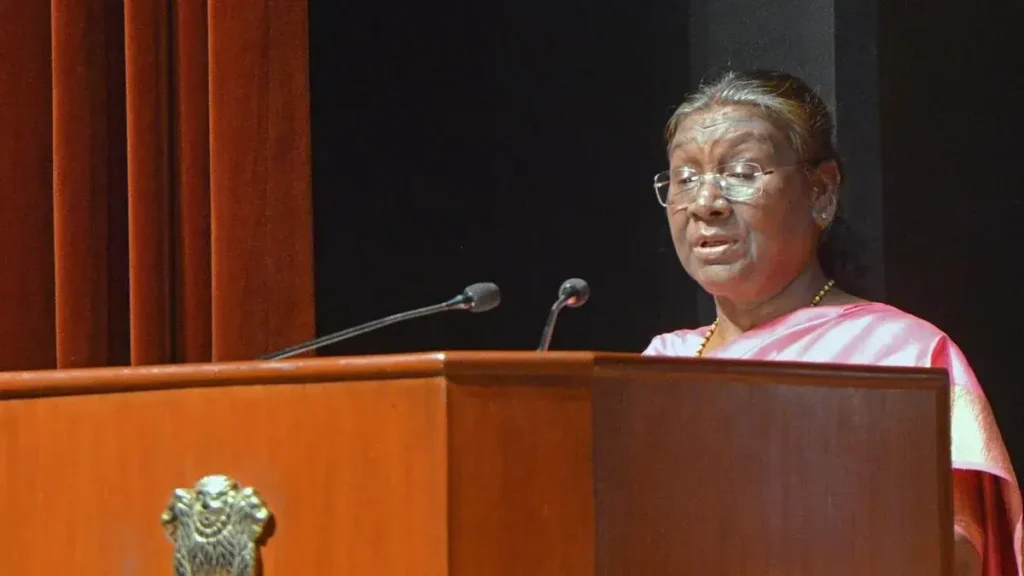
The Kerala Government has filed a lawsuit against President Droupadi Murmu for withholding assent for four Bills passed by the Kerala Legislature. Additionally, Kerala Governor Arif Mohammed Khan is being sued for delaying the Bills and subsequently reserving them for consideration by the President. The Kerala Government argues that the President’s actions in withholding assent without providing any reasons violate Articles 14, 200, and 201 of the Constitution, labeling them as arbitrary. Furthermore, the State contends that referring the Bills to the President undermines constitutional morality and disrupts the federal structure of governance. The lawsuit, filed before the Supreme Court, lists the Secretary to the President, the Kerala Governor, and the Additional Chief Secretary to the Governor as respondents. Kerala plans to be represented in the court by a senior lawyer specializing in Constitutional matters along with C.K. Sasi, its Standing Counsel. The State asserts that the Union Government’s involvement in advising the President to withhold assent to Bills within the State’s jurisdiction undermines the federal structure and encroaches on the State’s domain. The actions of the Governor, particularly in bundling up Bills for referral to the President after significant delays, are seen as deliberate attempts to evade constitutional duties. The Kerala Government maintains that the Governor’s actions disrupt the balance envisioned by the Constitution among the three organs of the State and subvert the federal structure. By reserving Bills solely within the State’s domain for the President’s consideration, the Governor’s actions render the State Legislature ineffective. The State’s legal action underscores its commitment to upholding constitutional principles and protecting its legislative autonomy. As the case unfolds in the Supreme Court, it marks a significant moment in the ongoing debate over federalism and the balance of power between the Union and State governments.  

Kerala Government Initiates Legal Action Against President Murmu for Withholding Assent for Bills Read More »

Reliance Industries and Walt Disney Near Finalization of Mega Merger, Creating India’s Largest Media Entity

Reliance Industries Limited (RIL), led by Mukesh Ambani, and Walt Disney are on the brink of finalizing a significant stock-and-cash merger, aiming to forge India’s largest media and entertainment conglomerate, according to a report by Economic Times (ET). The negotiations, under an exclusivity period, are slated to conclude by February 17. With an anticipated ownership stake of 42-45% in the merged entity, Viacom18 is poised to emerge as the leading shareholder. RIL plans to infuse up to $1.5 billion in cash into the new venture, securing a direct stake. The conglomerate as a whole is slated to retain a 60% ownership interest, while Walt Disney will possess the remaining 40%. According to sources cited by ET, Reliance executives are currently devising a comprehensive three-year capital allocation strategy encompassing all business sectors, with the media segment earmarked as pivotal for the company’s growth trajectory. The proposed strategy entails the establishment of a subsidiary of Viacom18 Media, which will subsequently merge with Star India through a stock swap. Both entities are assessed to be of comparable value, ranging between $4-5 billion each, with RIL leveraging cash to acquire a controlling interest. As part of the deal, Jio Cinema, a division of Viacom18, will be seamlessly integrated. However, Disney’s valuation of its India operations has witnessed a significant decline since its 2019 acquisition, primarily attributable to mounting losses incurred by its sports franchise in the country, as highlighted by analysts. Viacom18’s entertainment network in India represents a collaboration between Ambani’s TV18 Broadcast, Paramount Global, and Bodhi Tree Systems, an investment fund established by James Murdoch and former Disney India chief Uday Shankar. Contrary to some reports, Bodhi Tree will indirectly hold shares in the new entity as a Viacom18 stakeholder. As negotiations approach a climax, the merger’s diligence is being diligently conducted by leading firms from both sides, accompanied by multiple law firms and company executives. While the deadline for exclusivity may be extended, the concerted effort is geared toward finalizing the deal by the fiscal year-end, reflecting the dynamic nature of the Indian media landscape and the imperative for consolidation. The forthcoming entity’s board is slated to feature three Disney representatives among its eight or nine members, underscoring the collaborative nature of the venture.

Reliance Industries and Walt Disney Near Finalization of Mega Merger, Creating India’s Largest Media Entity Read More »

Union Education Minister Inaugurates National Conference on ‘APAAR: One Nation One Student ID Card’

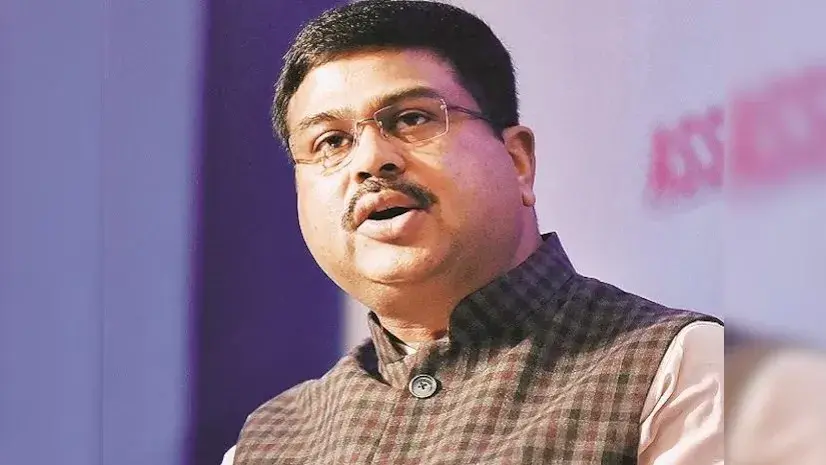
Union Education Minister Dharmendra Pradhan inaugurated a national conference aimed at commemorating the creation of 25 crore ‘APAAR: One Nation One Student ID Card.’ The APAAR ID is designed to link a student’s academic bank of credits (ABC), storing all academic learnings, certificates, and credentials, including formal or informal credits from various sources such as skilling, sports, or social work, digitally verified by the awarding agencies. Pradhan emphasized that the concept of ‘One Nation, One Student ID’ was outlined in the National Education Policy (NEP) 2020. The conference aims to foster a seamless educational landscape, promote academic mobility, and ensure data security and privacy for students. “The introduction of APAAR IDs addresses the necessity for a singular, unified identity to streamline interactions throughout a student’s academic journey,” stated Pradhan. He further elaborated that the platform will showcase academic records in a consolidated manner, enabling students to monitor their academic journey and access personalized study plans and real-time performance analytics. Highlighting the significance of digital public infrastructure (DPIs) in the country, Pradhan mentioned the development of 53 DPIs in 16 countries, with 19 of them situated in India. The conference aims to explore strategies to embed the credit system across educational institutions, enhance industry collaboration, and emphasize the link between academic credits, job profiles, and student employability. A senior education ministry official noted that discussions during the event will focus on APAAR’s impact, strategies for credit system integration, and awareness creation among industry partners. The APAAR ID’s role in aligning education with labor market demands will also be underscored, with plans outlined for broader integration and industry engagement.

Union Education Minister Inaugurates National Conference on ‘APAAR: One Nation One Student ID Card’ Read More »

Prof. (Dr.) Rajendra Sinha, Vice Chancellor, Sandip University, Emphasizes on implementation of NEP 2020

“In today’s scenario practical learning is far more important than theoretical learning,” said Prof. (Dr.) Rajendra Sinha, Vice Chancellor, Sandip University in an interview at “ArdorComm New Normal- Education Leadership Summit & Awards 2023” held in Pune, Maharashtra on 24th November 2023. How is Sandip University implementing the New Education Policy, and what progress has been made in the process? The implementation of the New Education Policy at Sandip University is marked by a commitment to innovative teaching and learning methodologies. The university has embraced research-based learning, personalized learning, and project-based learning to meet the contemporary need for practical education over theoretical knowledge. Recognizing the significance of practical learning in today’s scenario, the institution is actively engaging in collaborations with other countries. This international exchange program involves sharing teachers and students to facilitate the mutual learning of diverse teaching techniques. The emphasis on personalized learning is particularly noteworthy, ensuring that teachers understand the ‘what,’ ‘when,’ and ‘why’ of their instruction, while students can gauge their comprehension effectively. What was the overall takeaway from this event? The event organized by ArdorComm has proven to be a valuable platform for Sandip University, providing a conducive environment for in-depth discussions on the future of education. The creation of multiple panels and a structured setup facilitated the exchange of diverse views, suggestions, and ideas. This collaborative space allowed participants to delve into the possibilities and challenges of evolving educational paradigms, contributing to the collective growth of the academic community. Any testimony for the ArdorComm Media? Extending wishes and appreciation to the organizing committee of ArdorComm Media, I express gratitude for orchestrating such a wonderful event. The seamless organization and execution of the event not only provided an enriching experience but also created a platform for meaningful discussions and networking. Best wishes for the continued success of ArdorComm Media in fostering educational dialogues and advancements in the future.

Prof. (Dr.) Rajendra Sinha, Vice Chancellor, Sandip University, Emphasizes on implementation of NEP 2020 Read More »