ArdorComm Media Group

Monday, June 29, 2026 9:35 AM

vaccination

Wealthy Nations May Eliminate Cervical Cancer by 2048, Poorer Countries Risk Falling Behind: Lancet Study
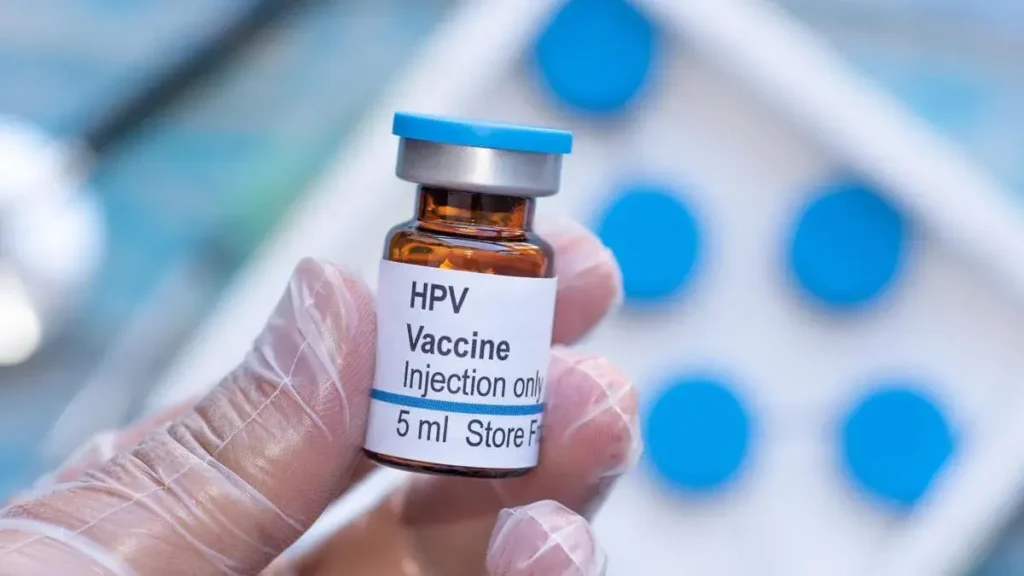
High-income countries could eliminate cervical cancer by 2048, but low- and middle-income countries (LMICs) are expected to witness only modest declines over the next century, according to a new study published in The Lancet. Researchers warn that unless urgent action is taken, global inequalities in cervical cancer burden will widen sharply. The study found that richer nations are making rapid progress through strong vaccination and screening programmes, while poorer countries continue to face slower implementation, limited healthcare access, and lower coverage rates. Cervical cancer is one of the most preventable forms of cancer, with nearly 99% of cases linked to high-risk human papillomavirus (HPV) infection, a common virus transmitted through sexual contact, according to the World Health Organization (WHO). Prevention through HPV vaccination and regular screening remains the most effective strategy. WHO Elimination Targets The WHO defines cervical cancer elimination as reducing incidence to fewer than four cases per one lakh women. To achieve this, countries are urged to meet the 90-70-90 goals by 2030: 90% of girls fully vaccinated against HPV by age 15 70% of women screened by ages 35 and 45 90% of women with pre-cancer or cancer receiving treatment Researchers said meeting these targets could prevent 37 million cervical cancer cases globally over the next 100 years. Slow Progress in Lower-Income Nations The study modelled five HPV prevention strategies for LMICs, including a continuation of current efforts. Under the “status quo” scenario, cervical cancer incidence in these countries would decline by only 23%, while wealthier countries could eliminate the disease entirely by mid-century. However, if LMICs achieve 90% vaccination coverage among girls, many regions outside sub-Saharan Africa could also move toward elimination. New Hope Through Affordable Vaccines The authors pointed to recent advances such as lower-cost vaccines, single-dose schedules, expanded screening programmes, and vaccinating multiple age groups, which could make cervical cancer elimination more realistic worldwide. Including boys in vaccination drives may further strengthen prevention efforts. They stressed that stronger global cooperation, higher investment, and support from governments and international health agencies are essential to close the gap. India Outlook A 2022 study published in The Lancet Oncology estimated that a single-dose HPV vaccine with 90% coverage could prevent up to 78% of cervical cancer cases among vaccinated birth cohorts in India, with high-incidence states likely to benefit the most. Source: PTI Photo Credit: Getty Images

Wealthy Nations May Eliminate Cervical Cancer by 2048, Poorer Countries Risk Falling Behind: Lancet Study Read More »

Preventive Healthcare: Why It Matters More Than Ever

For decades, healthcare systems across the world have largely been reactive—we visit a doctor when something goes wrong. But today, that model is rapidly becoming outdated. Rising lifestyle diseases, increasing healthcare costs, and the lessons from global health crises have made one thing clear: waiting for symptoms is no longer sustainable. Preventive healthcare represents a powerful shift—from treating illness to anticipating and avoiding it altogether. It is not just a medical approach; it is a mindset, one that prioritizes long-term well-being over short-term fixes. What is Preventive Healthcare? Preventive healthcare refers to measures taken to prevent diseases before they occur or worsen. This includes: Regular health check-ups and screenings Vaccinations and immunizations Healthy lifestyle practices (diet, exercise, sleep) Mental health care and stress management Early diagnosis and timely intervention At its core, preventive care is about staying one step ahead of disease, rather than reacting after damage has been done.  Why Preventive Healthcare Matters More Than Ever 1. The Rising Burden of Lifestyle Diseases Non-communicable diseases (NCDs) such as diabetes, heart disease, and cancer are now the leading causes of death globally—and in India. In fact, over 60% of deaths in India are linked to preventable lifestyle diseases.  These diseases often develop silently over years. By the time symptoms appear, significant damage may already have occurred. Preventive healthcare helps detect risks early and delay or completely avoid disease onset. 2. Early Detection Saves Lives Many serious conditions—like cancer, hypertension, and diabetes—show little to no symptoms in early stages. Regular screenings can detect these conditions early, when they are easier and more effective to treat.  Research even suggests that routine preventive check-ups can significantly reduce mortality risk, especially for chronic diseases. In simple terms: Early detection = Better outcomes + Lower risk 3. Healthcare Costs Are Skyrocketing Medical treatment today is expensive—and chronic diseases often require lifelong management. Preventive healthcare helps reduce this burden by: Avoiding costly hospitalizations Minimizing long-term medication needs Reducing emergency interventions India alone is expected to face an economic burden of over ₹511 lakh crore due to NCDs by 2030.  Preventive care is not just good for health—it is financially smart. 4. Post-Pandemic Awareness and Behavior Shift The COVID-19 pandemic fundamentally changed how people view health. There is now greater awareness around: Immunity and hygiene Regular health monitoring Importance of vaccinations Preventive healthcare has evolved from being optional to essential, as individuals increasingly take responsibility for their own well-being. Mental Health is Finally in Focus Preventive healthcare is no longer limited to physical health. Rising stress, burnout, and anxiety have made mental health screening and care equally important. Early interventions—like counseling, mindfulness, and stress management—can prevent long-term psychological issues and improve overall quality of life.  6. Technology is Making Prevention Smarter The integration of technology is revolutionizing preventive healthcare: Wearables track heart rate, sleep, and activity AI predicts disease risks using health data Telemedicine enables early consultations Predictive analytics can now identify at-risk individuals even before symptoms appear, enabling personalized and timely interventions.  This shift is transforming healthcare from generalized treatment to personalized prevention. The Indian Context: A Critical Turning Point India is at a unique crossroads: A young population increasingly affected by lifestyle diseases Rising urbanization and sedentary lifestyles Growing healthcare costs and infrastructure gaps Historically, India has focused more on curative care, but the trend is shifting. Preventive healthcare is gaining momentum, driven by: Increased awareness Growth of digital health platforms Expansion of diagnostics and wellness sectors The preventive healthcare market in India is also growing rapidly, reflecting a broader societal shift toward proactive health management. Key Pillars of Preventive Healthcare 1. Regular Health Screenings Routine tests like blood sugar, cholesterol, and cancer screenings help detect risks early. 2. Healthy Lifestyle Choices Balanced nutrition, physical activity, and adequate sleep form the foundation of prevention. 3. Vaccination & Immunization Vaccines remain one of the most effective preventive tools in public health. 4. Mental Well-being Stress management, therapy, and emotional resilience are essential components. 5. Health Awareness & Education Informed individuals make better health decisions—prevention starts with awareness. Challenges in Adoption Despite its importance, preventive healthcare faces several barriers: Lack of awareness and health literacy Cultural tendency to seek care only when ill Accessibility issues in rural areas Perception of preventive care as an “extra cost” In reality, the cost of inaction is far greater. The Way Forward: Building a Preventive Culture To truly benefit from preventive healthcare, a collective effort is needed: Individuals must prioritize regular check-ups and healthy habits Institutions should integrate health programs and awareness initiatives Governments must invest in accessible preventive services Healthcare providers should promote early intervention models The goal is to move from a “sick-care system” to a “health-care system.” Conclusion: Prevention is the New Cure Preventive healthcare is no longer a luxury—it is a necessity in today’s fast-paced, high-risk world. It empowers individuals to take control of their health, reduces the burden on healthcare systems, and ensures a better quality of life. The future of healthcare lies not in hospitals alone, but in daily choices, early actions, and informed decisions. Because ultimately, the most effective treatment is the one you never need.

Preventive Healthcare: Why It Matters More Than Ever Read More »

India Sees Uptick in COVID-19 Cases: Active Infections Near 4,000, Deaths Reported Across Key States

Ardorcomm news

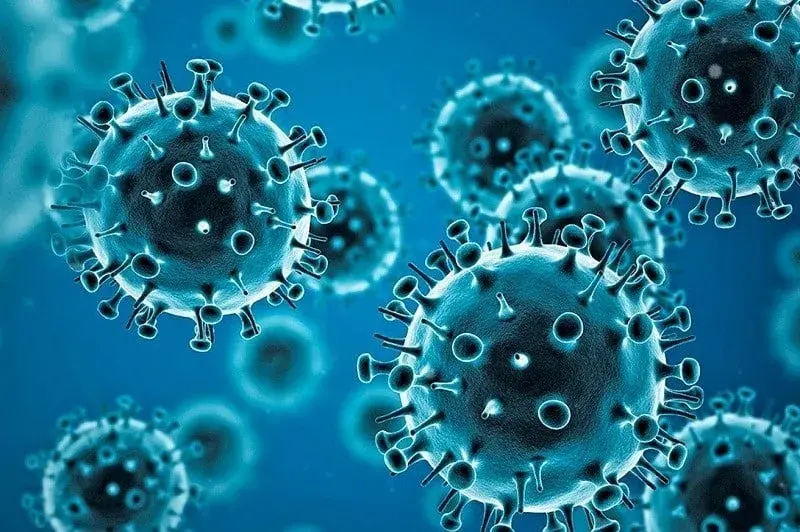
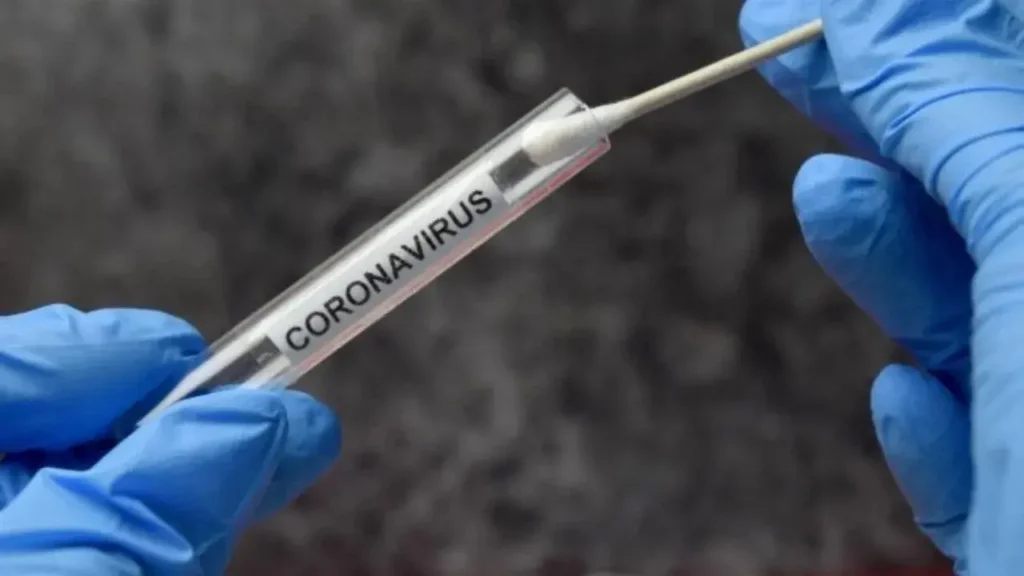
India is witnessing a steady rise in COVID-19 infections, with active cases reaching 3,961 as of Monday, June 2—a jump of 566 cases from the previous day, according to data from the Ministry of Health and Family Welfare (MoHFW). The recent surge is driven primarily by states like Kerala, Maharashtra, and Delhi, which are reporting the highest case numbers. Since the start of the year, the country has registered 32 COVID-related deaths, including four in the last 24 hours. One fatality each was reported from Delhi, Kerala, Maharashtra, and Tamil Nadu. The deceased include a 22-year-old woman from Delhi with a history of post-tuberculosis complications and a 44-year-old man from Maharashtra suffering from acute respiratory distress and aortic valve problems. While Kerala confirmed another death, specific details are awaited. Delhi Records Steepest Daily Spike; Tamil Nadu, Karnataka Also Report Fatalities Delhi saw the most significant daily rise in active infections among major states, adding 47 new cases and logging one death. Tamil Nadu, with 189 active cases, reported the passing of a 25-year-old man with underlying bronchial asthma and acute kidney complications. Karnataka, currently reporting 253 active cases, recorded a fresh fatality, while Uttar Pradesh reported two deaths and has 157 active cases. In total, 16 states and Union Territories have recorded COVID-related deaths in 2025. However, the majority of cases remain mild, with limited hospital admissions. Kerala Leads in Caseload; Maharashtra, West Bengal Also on High Alert Kerala continues to report the highest number of active COVID-19 cases at 1,435, rising from 1,336 the previous day. Maharashtra follows with 506 active cases, and Delhi with 483. West Bengal has also seen a surge, reporting 331 active infections. Other notable figures include: Gujarat: 338 Karnataka: 253 Tamil Nadu: 189 Uttar Pradesh: 157 Rajasthan: 69 States like Madhya Pradesh (23), Haryana (28), and Odisha (12) have recorded smaller increases. In the last 24 hours, 203 patients have recovered, pushing the total number of recoveries and migrations this year to 2,188. Authorities Urge Caution, Not Panic Health experts and officials maintain that the situation is under control, emphasizing that most new cases are mild and manageable at home. Dr. Rajiv Behl, Director General of the Indian Council of Medical Research (ICMR), reassured the public that while increased vigilance is necessary, there’s no immediate cause for alarm. The rise in cases coincides with the detection of new Omicron sub-variants—LF.7, XFG, JN.1, and NB.1.8.1—identified in genome sequencing studies from western and southern India. These have been classified by the World Health Organization as “Variants Under Monitoring,” indicating they don’t currently pose a significant global threat. Preparedness Measures in Place as Precaution In response, state health departments—particularly in Delhi, Maharashtra, and Kerala—are ramping up hospital readiness and reviewing medical supply logistics. Citizens, especially vulnerable groups such as the elderly and those with pre-existing health issues, are being encouraged to wear masks in crowded or poorly ventilated settings. Experts stress that while the virus is spreading faster due to more contagious but less severe sub-variants, preventive strategies such as timely testing, vaccination, and community awareness remain key to containing its impact. Though the overall caseload is still far lower than during peak waves, the recent tenfold increase over two weeks underscores the need for continued monitoring, public cooperation, and proactive measures to avoid another significant outbreak. Source: Economic Times Photo Credit: iStock   

India Sees Uptick in COVID-19 Cases: Active Infections Near 4,000, Deaths Reported Across Key States Read More »

India Plans Major HPV Vaccine Push with Frontline Training and Awareness Drive

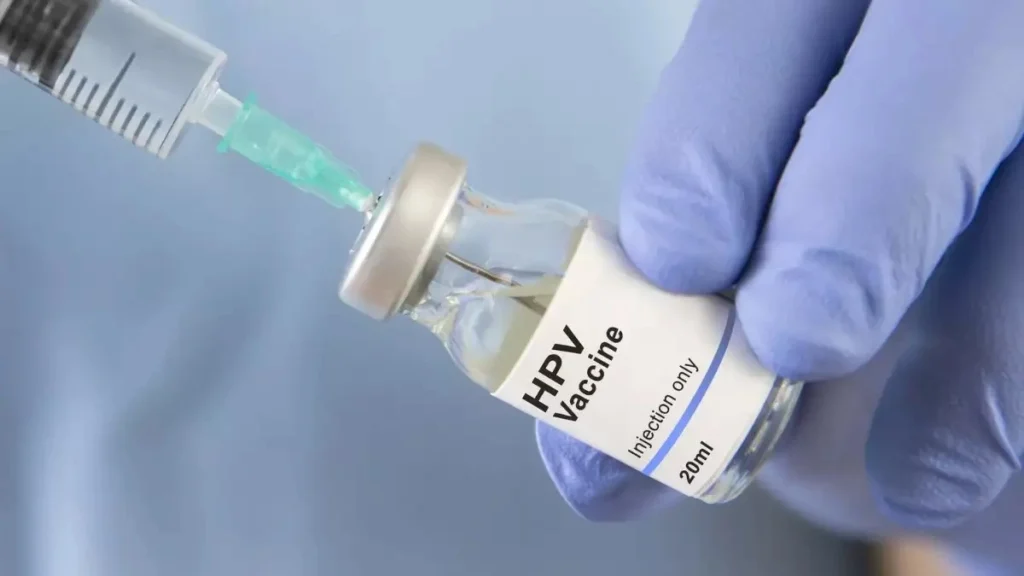
The Union Health Ministry is set to launch comprehensive capacity-building initiatives for frontline workers involved in administering the Human Papillomavirus (HPV) vaccine, as part of its ongoing efforts to prevent cervical cancer among young girls. This follows Union Finance Minister Nirmala Sitharaman’s announcement in the 2024 interim budget encouraging HPV vaccination for girls aged 9–14. Sources indicate that multiple meetings have been held by the ministry to devise a detailed strategy for the rollout. “Capacity building for frontline health workers, along with sensitization through IEC (Information, Education, and Communication) activities, is being planned for smooth implementation of the HPV vaccination program,” a senior official confirmed. The National Technical Advisory Group on Immunisation (NTAGI) had recommended the inclusion of the HPV vaccine in India’s Universal Immunisation Programme in June 2022. Currently, India has access to vaccines from MSD Pharmaceuticals and Serum Institute of India. MSD’s Gardasil 4 and Serum Institute’s Cervavac target four HPV sub-types: 6, 11, 16, and 18. Gardasil 9 — India’s first gender-neutral HPV vaccine — offers protection against nine HPV sub-types and is available for girls (9–26 years) and boys (9–15 years). The vaccines provide protection against cervical, vulvar, vaginal, and anal cancers, as well as genital warts in both males and females. Sub-types 16 and 18 are the leading causes of cervical cancer, officials noted. The World Health Organization (WHO) recommends a single-dose vaccine for optimal protection. India, home to 16% of the world’s women, accounts for nearly 25% of global cervical cancer cases and 33% of related deaths. Each year, around 80,000 Indian women are diagnosed with cervical cancer, and approximately 35,000 succumb to the disease. Source: Business Standard

India Plans Major HPV Vaccine Push with Frontline Training and Awareness Drive Read More »

Global Survey Exposes Low Awareness of Shingles Among Older Indians

A global survey conducted by GSK across nine countries has revealed that 56.6% of Indians aged 50 and above are unaware of shingles, despite 90% of them carrying the virus in their bodies. Released during Shingles Awareness Week, the findings underscore a critical gap in awareness about age-related health risks and the need for better public health education. Shingles, caused by the reactivation of the varicella-zoster virus—the same virus responsible for chickenpox—is a painful disease that can lead to severe and long-lasting complications. While the virus remains dormant in most individuals, it can reactivate with age as the immune system weakens. Symptoms often include a painful rash, burning or stabbing pain, and, in some cases, chronic nerve damage known as post-herpetic neuralgia (PHN). Severe cases may also result in vision loss or an increased risk of heart attack and stroke. The survey highlighted that 61% of Indian respondents aged 50 and above reported having chronic conditions such as diabetes, cardiovascular disease, chronic obstructive pulmonary disease (COPD), asthma, or chronic kidney disease. However, only 49.8% expressed significant concern about developing shingles. Globally, awareness levels were even lower, with only 13% of those with chronic illnesses viewing shingles as a major health concern. Commenting on the findings, Shalini Menon, Medical Director at GSK India, stated, “The survey results highlight a concerning gap in awareness, which underscores the importance of educating individuals about age-related health risks. Proactive health management, including regular screenings, healthy lifestyle choices, and discussions with healthcare providers about vaccination, can significantly improve health outcomes for older adults.” Despite the lack of awareness, the survey also revealed a positive perception of ageing among Indian respondents. Over 55.7% reported feeling younger than their actual age, with 24% stating they feel at least a decade younger. However, only 25% of Indian respondents actively take steps to prevent age-related diseases, emphasizing the need for greater education and proactive health measures. Shingles Awareness Week, organized in collaboration with the International Federation on Ageing (IFA), aims to promote informed discussions between older adults and healthcare professionals. The initiative encourages individuals to recognize the risks associated with ageing and take preventive steps to safeguard their health. The global survey, conducted by Ipsos on behalf of GSK, gathered responses from 8,400 adults aged 50–60 across Brazil, China, Germany, India, Ireland, Italy, Japan, Portugal, and the USA. In India, 500 respondents participated in the study, which explored perceptions of ageing, awareness of age-related diseases, and the impact of declining immune function on health. Shingles typically presents as a rash with painful blisters across the chest, abdomen, or face. The pain, often described as aching or shock-like, can persist for weeks or even months. The most common complication, post-herpetic neuralgia (PHN), affects 5–30% of shingles cases and can lead to chronic nerve pain. In rare cases, shingles can cause vision impairment or severe cardiovascular complications. Source: Business Standard

Global Survey Exposes Low Awareness of Shingles Among Older Indians Read More »

UNICEF and WHO Launch Mass Polio Vaccination Campaign in Gaza

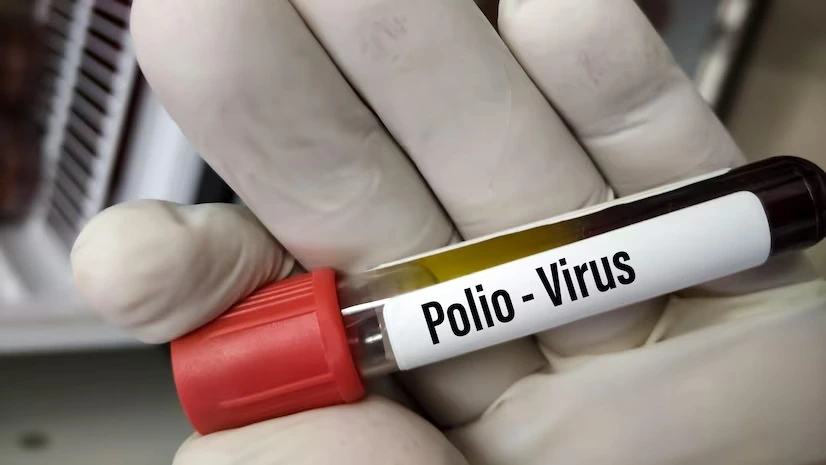
The World Health Organization (WHO) and UNICEF have announced a mass polio vaccination campaign in the Gaza Strip, set to take place from February 22 to 26, 2025. This initiative aims to immunize over 591,000 children under the age of 10 against poliovirus using the novel oral polio vaccine type 2 (nOPV2). The urgent response follows the detection of poliovirus in Gaza’s wastewater, indicating ongoing circulation and increased risk for children. WHO and UNICEF warned that overcrowding in shelters, coupled with damaged water and sanitation infrastructure, has created ideal conditions for the virus to spread. Additionally, increased population movement due to the ongoing ceasefire could further exacerbate transmission. “Pockets of individuals with low or no immunity provide the virus an opportunity to continue spreading and potentially cause disease,” the joint statement read. The upcoming campaign seeks to close immunity gaps and prevent further infections. An additional vaccination round is scheduled for April to ensure comprehensive coverage. The initiative will be spearheaded by the Palestinian Ministry of Health, with support from WHO, UNICEF, the United Nations Relief and Works Agency for Palestine Refugees (UNRWA), and other partners. Efforts will focus on reaching all eligible children, including those previously missed, to halt the outbreak and protect public health. With the combination of medical intervention and coordinated global support, health officials hope to contain the outbreak and safeguard children from the debilitating effects of polio. Source: Business Standard

UNICEF and WHO Launch Mass Polio Vaccination Campaign in Gaza Read More »

Swine Flu Outbreak in Assam: Symptoms and Precautions

Following reports of swine flu infections in Assam’s Barak Valley, health authorities are on high alert, deploying frontline workers to assess the extent of the outbreak. The outbreak has led to several cases of infections, with one reported fatality in Hailakandi district. Dr. Subrata Das, Head of Internal Medicine and Diabetology at Sakra World Hospital in Bengaluru, highlighted the symptoms associated with swine flu, which closely resemble those of the common flu. These symptoms include fever, sore throat, cough, runny or stuffy nose, headache, fatigue, nausea, vomiting, and diarrhea. In severe cases, patients may experience breathlessness and complications such as pneumonia and low oxygen levels. Dr. Das emphasized that precautions against swine flu mirror those recommended for COVID-19. These precautions include wearing masks, practicing frequent hand washing, disinfecting surfaces, and maintaining overall hygiene. Additionally, individuals are advised to cover their nose and mouth when sneezing or coughing, avoid touching their face, and stay away from sick individuals. If feeling unwell, it’s crucial to stay home to prevent further spread of the virus. Highlighting the importance of vaccination, Dr. Das recommended that adults receive the annual flu vaccine, which provides protection against severe complications of flu, including swine flu. Swine flu, caused by the H1N1 strain of the influenza virus, is highly contagious and spreads rapidly among humans. To mitigate the risk of infection, individuals are advised to stay informed about credible medical information, practice proper respiratory hygiene, maintain hand hygiene, avoid close contact with sick individuals, and seek isolation if experiencing symptoms. Key Precautions to Avoid Swine Flu (H1N1): Stay informed about credible medical information regarding infectious diseases. Cover nose and mouth when coughing or sneezing, and dispose of tissues safely. Practice frequent handwashing with soap and water or use hand sanitizers. Avoid close contact with sick individuals. Isolate oneself to prevent the spread of the virus to others. Ensure to receive an annual influenza vaccine to reduce the risk and severity of swine flu infections. Taking these precautions can significantly reduce the risk of swine flu infection and contribute to public health safety during outbreaks.  

Swine Flu Outbreak in Assam: Symptoms and Precautions Read More »

The Economic Wisdom of an Annual COVID-19 Vaccine: A Comprehensive Study

Blog on Health

The COVID-19 pandemic has reshaped our lives in profound ways, influencing everything from our daily routines to global economies. As vaccination rates wane and governments reconsider their policies, questions arise regarding the necessity and benefits of an annual COVID-19 vaccine. A recent study published in The Journal of Infectious Diseases sheds light on this issue, exploring the economic and clinical advantages of an annual COVID-19 vaccination from an individual perspective. The study’s findings underscore the importance of ongoing vaccination efforts in mitigating the impact of COVID-19 on both personal health and finances. Despite decreasing morbidity and mortality rates, the economic value of annual vaccination remains significant, particularly for adults aged 18 to 64. The research employs a sophisticated Markov computational simulation model to assess the economic implications of annual COVID-19 vaccination, considering factors such as infection risk, clinical outcomes, and vaccine efficacy. Key findings from the study reveal that individuals, regardless of health insurance status, stand to benefit clinically and economically from annual COVID-19 vaccination. Notably, adults aged 50 to 64 experience the highest economic savings, emphasizing the importance of continued vaccination efforts among older populations. The study’s comprehensive approach provides valuable insights into the cost-benefit dynamics of annual COVID-19 vaccination, informing individual decision-making in an evolving pandemic landscape. As the world navigates the ongoing challenges of the COVID-19 pandemic, evidence-based research remains crucial in guiding public health policies and individual behaviors. The study’s implications extend beyond the realm of healthcare, highlighting the interconnectedness of health and economics in shaping societal well-being. By investing in annual COVID-19 vaccination, individuals can safeguard their health while making prudent financial decisions, contributing to a safer and more resilient future for all. In conclusion, the study underscores the wisdom of investing in an annual COVID-19 vaccine, both for personal health and economic prosperity. As governments and individuals alike consider the path forward in a post-pandemic world, the findings serve as a timely reminder of the enduring value of vaccination in protecting lives and livelihoods.  

The Economic Wisdom of an Annual COVID-19 Vaccine: A Comprehensive Study Read More »

Zell Education Launches Global Career Championship, Offering Financial Education Scholarships

Zell Education has unveiled the Global Career Championship, a scholarship program designed to empower students and professionals seeking to enhance their skills in finance and accounts. The initiative aims to provide a platform for individuals globally to upskill, fostering career growth in the competitive field of financial education. In a recent press release, Zell Education highlighted the program’s focus on offering opportunities for students and working professionals worldwide. The Global Career Championship invites participants to showcase their expertise and passion for finance, with the winner earning exclusive access to Zell Education’s advanced courses. The scholarship covers a spectrum of finance-related subjects, including ACCA, FRM, CFA, CMA, IFRS, and other finance and accounts courses. Notably, the winner will enjoy complimentary enrollment in these courses, with all associated global body fees and coaching fees fully covered. Pratham Barot, CEO and Co-Founder of Zell Education, expressed enthusiasm about the Global Career Championship, emphasizing its role in helping individuals acquire the necessary expertise to excel in their careers. Barot stated, “The Global Career Championship is our way of helping ambitious learners with the knowledge and resources they require to succeed.” This initiative underscores Zell Education’s commitment to fostering learning and development in the field of finance, providing a unique opportunity for individuals globally to advance their careers through top-notch educational offerings. Aspiring candidates eager to excel in finance and accounts are encouraged to participate in the Global Career Championship and leverage this scholarship program for professional growth.

Zell Education Launches Global Career Championship, Offering Financial Education Scholarships Read More »

Chinese Health Authorities Warn of Potential COVID-19 Rebound in January

Chinese health authorities have issued a warning of a possible rebound in COVID-19 infections in January, despite a recent decline in patients at fever clinics since New Year’s Day. The National Health Commission spokesperson, Mi Feng, stated at a press briefing that while respiratory diseases, mainly influenza, are still prevalent, the COVID-19 infection rate remains relatively low. Recent data from the multi-channel monitoring system revealed a positive rate of COVID-19 testing below one percent in sentinel hospitals after the New Year’s Day holiday. Wang Dayan, director of the China National Influenza Center, expressed concern about the upward trend in the proportion of the JN.1 variant strain, indicating a potential resurgence. Experts anticipate a co-circulation of respiratory pathogens during the winter and spring, with influenza viruses dominating in the short term. Wang Dayan highlighted the potential for a COVID-19 rebound in January due to the continuous importation of the JN.1 variant, declining influenza, and a decrease in population immunity. The JN.1 variant is likely to become the dominant strain in China. Influenza B virus proportions have risen significantly in both southern and northern provinces, surpassing influenza A in some regions. Wang emphasized the need for early influenza vaccination, as the immune response from contracting influenza A does not protect against influenza B. Wang Guiqiang, director of the Department of Infectious Diseases at Peking University First Hospital, emphasized the peak season for respiratory infectious diseases in winter and the potential for repeated infections. He urged increased attention to early intervention and diagnosis, particularly for the elderly and those with underlying diseases, as COVID-19 or influenza infections could worsen underlying conditions.

Chinese Health Authorities Warn of Potential COVID-19 Rebound in January Read More »