ArdorComm Media Group

Wednesday, February 25, 2026 12:16 AM

Author name: admin

Kerala Government Initiates Legal Action Against President Murmu for Withholding Assent for Bills

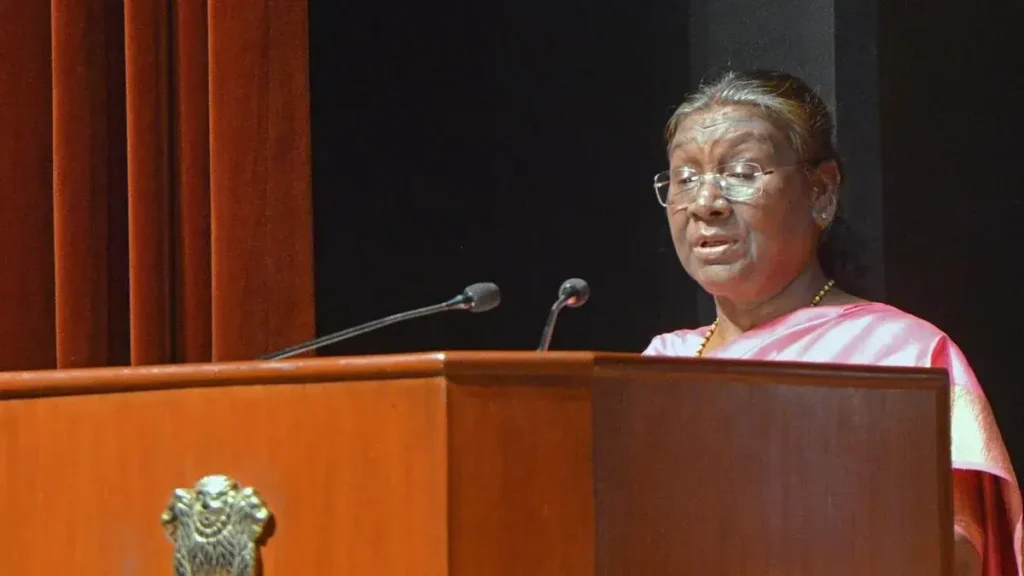
The Kerala Government has filed a lawsuit against President Droupadi Murmu for withholding assent for four Bills passed by the Kerala Legislature. Additionally, Kerala Governor Arif Mohammed Khan is being sued for delaying the Bills and subsequently reserving them for consideration by the President. The Kerala Government argues that the President’s actions in withholding assent without providing any reasons violate Articles 14, 200, and 201 of the Constitution, labeling them as arbitrary. Furthermore, the State contends that referring the Bills to the President undermines constitutional morality and disrupts the federal structure of governance. The lawsuit, filed before the Supreme Court, lists the Secretary to the President, the Kerala Governor, and the Additional Chief Secretary to the Governor as respondents. Kerala plans to be represented in the court by a senior lawyer specializing in Constitutional matters along with C.K. Sasi, its Standing Counsel. The State asserts that the Union Government’s involvement in advising the President to withhold assent to Bills within the State’s jurisdiction undermines the federal structure and encroaches on the State’s domain. The actions of the Governor, particularly in bundling up Bills for referral to the President after significant delays, are seen as deliberate attempts to evade constitutional duties. The Kerala Government maintains that the Governor’s actions disrupt the balance envisioned by the Constitution among the three organs of the State and subvert the federal structure. By reserving Bills solely within the State’s domain for the President’s consideration, the Governor’s actions render the State Legislature ineffective. The State’s legal action underscores its commitment to upholding constitutional principles and protecting its legislative autonomy. As the case unfolds in the Supreme Court, it marks a significant moment in the ongoing debate over federalism and the balance of power between the Union and State governments.  

Kerala Government Initiates Legal Action Against President Murmu for Withholding Assent for Bills Read More »

Pioneering Education in Coimbatore Tamil Nadu: ArdorComm Media Presents the 11th New Normal Education Leadership Summit & Awards 2024

send pre blog

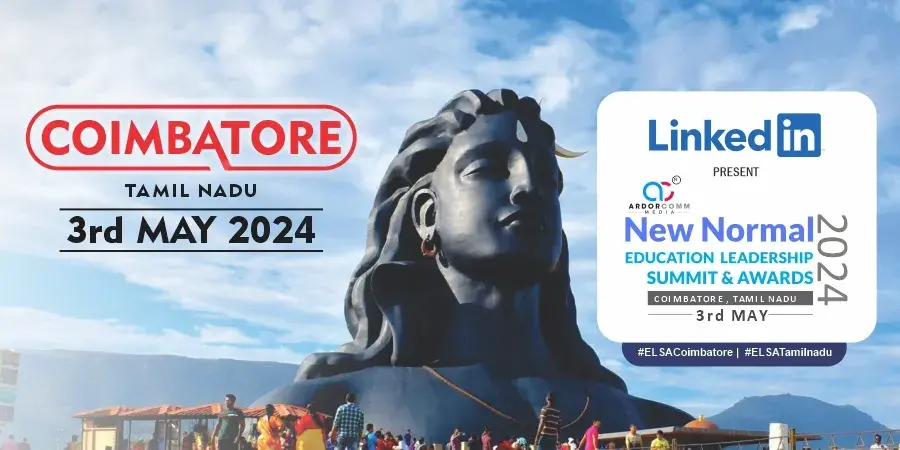
As the world navigates through unprecedented times, the landscape of education has been transformed dramatically. Now, more than ever, the need for innovation, adaptability, and collaboration in the education sector is paramount. In the heart of South India, the vibrant city of Coimbatore is set to host the 11th New Normal Education Leadership Summit & Awards 2024, organized by ArdorComm Media Group. Scheduled for the 3rd of May, this event promises to be a beacon of inspiration, bringing together the brightest minds in academia, industry, and technology to explore the theme: “New Normal Tamil Nadu: Pioneering Education, Skilling, and Employability in the 21st Century Workplace.” Embracing the New Normal in Education Tamil Nadu stands tall as a premier hub for education and skilling initiatives in India. With its progressive policies and diverse array of academic institutions, the state has fostered a culture of innovation and critical thinking. Coimbatore, known for its premier educational institutions and excellent quality of education, serves as the perfect backdrop for this prestigious event. Knowledge Forum: A Platform for Growth The Knowledge Forum at the summit will serve as a melting pot of ideas, insights, and experiences. Academicians, educators, edupreneurs, innovators, and industry experts will converge to share their expertise and accomplishments, all with the aim of driving sustainable growth for the education community. With over 50 speakers, representing a diverse range of perspectives, the forum promises to be intellectually stimulating and enriching. Key Discussion Points The summit will delve into critical topics shaping the future of education, including: Innovation in Teaching and Learning: Leveraging technology and innovative teaching methods to enhance student engagement and outcomes. Skills for the Future Workforce: Strategies for integrating employability skills and career readiness into educational programs. Sustainable Education Practices: Integrating sustainability education into the curriculum to foster responsible citizenship. Digital Literacy and Cybersecurity in Education: Building digital literacy skills among educators and students to navigate the digital landscape safely and responsibly. Global Collaboration and Partnerships in Education: Harnessing the power of international collaboration and partnerships to enrich teaching and learning experiences. ArdorComm Education Leadership Awards 2024 The summit will also shine a spotlight on exemplary contributions and innovative initiatives in the education sector through the ArdorComm Education Leadership Awards 2024. This prestigious accolade will honor educators, institutions, edtech pioneers, and startups that have demonstrated exceptional dedication and innovation in advancing education. The awards aim to recognize those who have tirelessly worked towards enhancing teaching, learning, and employability outcomes, shaping a brighter future for learners worldwide. Nominations and Selection Process ArdorComm invites nominations across six segments, including Higher Education, School Education, Preschools, Skills & Training, Corporate, and Startup. The selection process will adhere to strict terms and conditions to ensure fairness and transparency, with each category aiming to celebrate excellence and outstanding accomplishment in the education sector. Join Us in Shaping the Future of Education The 11th New Normal Education Leadership Summit & Awards 2024 is not just an event; it’s a call to action. It’s an opportunity for educators, innovators, and industry leaders to come together, share their insights, and inspire change. By collaborating and innovating, we can pioneer a new era of education in Tamil Nadu and beyond. Mark your calendars for the 3rd of May and join us in Coimbatore as we embark on a journey to shape the future of education—one idea, one innovation at a time. Together, let’s pave the way for a brighter tomorrow, where every learner has the opportunity to thrive and succeed in the dynamic 21st-century landscape. For more information and registration details, visit https://ardorcomm-media.com/elsacoimbatore/. Let’s make history together at the 11th New Normal Education Leadership Summit & Awards 2024.

Pioneering Education in Coimbatore Tamil Nadu: ArdorComm Media Presents the 11th New Normal Education Leadership Summit & Awards 2024 Read More »

Zee Entertainment Launches 18 South Asian Channels on YouTube TV for Diverse US Audience

Zee Entertainment has made a significant move in the digital space by launching 18 South Asian channels on YouTube TV, catering to the diverse audience in the United States. This collaboration aims to meet the evolving content preferences of the expanding South Asian population in the US. The ‘Zee Family’ package offers a selection of 18 premium channels on the YouTube TV platform, dedicated to captivating the diverse and vibrant South Asian community across the United States. This partnership between Asia TV USA and YouTube TV marks a milestone in catering to the diverse needs of the South Asian population in the USA, particularly regional language speakers such as Telugu, Tamil, Kannada, Marathi, etc. The lineup includes flagship channels like Zee TV along with 17 additional ZEE channels, covering a variety of languages such as Zee Cinema, &TV, Zee Bangla, Zee Tamil, Zee Telugu, Zee Kannada, Zee Keralam, Zee Marathi, Zee Punjabi, Zee World, and others. Punit Misra, president of content and international markets at Zee Entertainment Enterprises, highlights the significance of the U.S. market within ZEE’s global strategy. He emphasizes the commitment to fulfilling the evolving content preferences of the expanding demographic in the US, providing viewers with a vast repertoire of rich, multi-lingual content from India. Ashok Namboodiri, CBO for International Business at Zee Entertainment Enterprises, underscores the importance of the partnership with YouTube TV in realizing growth objectives in the U.S. market. The collaboration ensures the provision of a diverse range of entertainment options specifically curated for the South Asian audiences subscribing to YouTube TV. Overall, the launch of these 18 South Asian channels on YouTube TV signifies a strategic move by Zee Entertainment to cater to the diverse cultural and linguistic preferences of the South Asian diaspora in the United States, enriching the viewing experience for consumers nationwide.

Zee Entertainment Launches 18 South Asian Channels on YouTube TV for Diverse US Audience Read More »

Sadhguru Undergoes Emergency Surgery for Life-Threatening Brain Bleed

Renowned spiritual leader Sadhguru recently faced a life-threatening medical emergency, undergoing emergency surgery for a massive brain bleed. Despite the severity of the condition, his recovery has surpassed expectations, with doctors noting his active participation in the healing process. Sadhguru had been experiencing severe headaches for the past four weeks but continued with his rigorous schedule, including conducting the MahaShivaratri event on March 8, 2024. However, the headache intensified significantly by March 14, prompting him to seek medical attention upon arriving in Delhi. Upon the advice of Dr. Vinit Suri, a Senior Consultant Neurologist at Indraprastha Apollo Hospitals, Sadhguru underwent an urgent MRI, which revealed a massive brain bleed, including evidence of a chronic bleed spanning several weeks and a fresh bleed occurring within 24-48 hours of examination. Despite the severity of his condition, Sadhguru persisted with his commitments, attending the India Today Conclave on March 16, albeit under the influence of powerful painkillers and sedation. However, on March 17, his neurological status rapidly deteriorated, accompanied by weakness in the left leg and worsening headache with recurrent vomiting, leading to his admission to the hospital. Managed by a team of doctors, including Dr. Vinit Suri, Dr. Pranav Kumar, Dr. Sudheer Tyagi, and Dr. S. Chatterjee, Sadhguru underwent emergency brain surgery to relieve the bleeding and swelling in the skull. Post-surgery, he showed steady progress, with his brain, body, and vital parameters returning to normal levels. Dr. Suri noted that Sadhguru’s recovery has exceeded expectations, attributing it partly to the spiritual leader’s active role in healing himself. Despite the severity of his symptoms, Sadhguru’s determination and resilience have been evident throughout his ordeal, reflecting his commitment to his mission.

Sadhguru Undergoes Emergency Surgery for Life-Threatening Brain Bleed Read More »

NCERT Announces Revision of CBSE Syllabus for Classes 3 and 6 from 2024-25 Academic Session

The National Council of Education Research (NCERT) is set to introduce revised syllabi for Classes 3 and 6 of the Central Board of Secondary Education (CBSE) in line with the National Curriculum Framework for School Education (NCF-SE) 2023. These changes are scheduled to take effect from the academic year 2024-25. A notice issued by NCERT outlines the plan for implementing the revised curriculum, emphasizing the need for adjustments to school timetables to accommodate the changes. Collaboration among CBSE, Kendriya Vidyalaya Sangathan (KVS), and Navodaya Vidyalaya Samiti (NVS) is deemed essential for the successful implementation of these modifications. The notice highlights the importance of proactive communication from CBSE to school heads, teachers, and parents regarding the updated syllabi and recommended time allocations for Grades 3 and 6. It underscores the significance of engaging students in playful and activity-based learning, aligning with the holistic approach advocated by the National Education Policy (NEP) 2020. To facilitate a smooth transition for students, NCERT will provide a syllabus bridge program for Grade 6 and clear guidelines for Grade 3. These initiatives aim to acquaint students with new pedagogical perspectives and areas of study, including Arts, Physical Education, Vocational Education, and The World Around Us. The revised Grade 3 syllabi encompass a diverse range of topics, reflecting contemporary educational perspectives. NCERT is developing activity books and textbooks tailored to the updated curriculum to support students’ learning experiences. Schools are urged to disseminate this information to all stakeholders and adopt a proactive strategy to ensure students’ seamless adaptation to the revised syllabi. By fostering awareness and collaboration among educators, parents, and the wider community, NCERT aims to enhance the quality and effectiveness of education delivery in line with evolving educational standards and objectives.

NCERT Announces Revision of CBSE Syllabus for Classes 3 and 6 from 2024-25 Academic Session Read More »

IPL 2024 Rule Book: Two Bouncers Per Over, Two Referrals, No Stop Clock

The upcoming 2024 season of the Indian Premier League (IPL) will see significant changes in its rule book, maintaining the allowance of two bouncers per over for bowlers, a departure from previous seasons where only one short ball was permitted. Earlier introduced in the Syed Mushtaq Ali Trophy (SMAT), a national T20 championship in the BCCI domestic calendar, the second bouncer rule will now be a part of the IPL playing conditions as well. In contrast to T20 Internationals, where only one short ball is allowed, the IPL and other domestic T20 competitions will permit two bouncers per over, akin to Test and One Day International (ODI) matches. Former India pacer and Chennai Super Kings’ ex-bowling coach Laxmipathy Balaji hailed this decision as a positive move, citing its potential to enhance the bowlers’ arsenal and balance the contest between bat and ball. Balaji emphasized the significance of the second bouncer, particularly in the death overs, offering bowlers an additional strategic option. With the participation of top-class fast bowlers in the IPL, he anticipates thrilling contests between bat and ball. In another notable change, the IPL will continue with the rule of checking for a catch while a referral is made for stumping, differing from ICC regulations. BCCI officials justify this decision, stating that failing to check for a catch before reviewing a stumping could unfairly disadvantage the fielding side. Teams will retain two referrals and the ability to review wides and no balls, a rule introduced last year. However, the IPL will not adopt the stop clock rule, a recent addition to ICC playing conditions for white-ball international games.  

IPL 2024 Rule Book: Two Bouncers Per Over, Two Referrals, No Stop Clock Read More »

Airbus Abandons Potential Acquisition of Atos Data Division, Leaving Atos in Limbo

Atos, an IT services company facing financial challenges, has hit another roadblock in its attempt to sell off part of its business to address its debt issues. Airbus, a potential acquirer of Atos’s big data and security business, has decided to walk away from the deal after completing its due diligence investigation. The failure of this deal has led Atos to once again postpone the release of its audited financial statement for 2023 as it reassesses its options. This setback adds to the company’s existing challenges, as it has already faced difficulties in finalizing a deal with another potential buyer, EP Equity Investment, for its infrastructure management business. Although Airbus might have seemed like an unlikely savior, given its expertise in cybersecurity and data management through its own operations, the potential synergies between the two companies did not materialize into a successful acquisition. Despite Atos’s efforts to explore strategic alternatives, including the possibility of another buyer, the company finds itself in a state of uncertainty. Atos now faces the task of bringing together its legacy and modern business segments while navigating its financial difficulties and evaluating its strategic options. The company’s CEO, Paul Saleh, has not ruled out the possibility of seeking another buyer for its assets. However, the uncertainty surrounding Atos’s future, compounded by concerns over national security implications and its contracts with the French Ministry of Defense, poses challenges for the company’s clients and its ability to attract new business. As Atos continues to grapple with its financial woes and search for a path forward, the outcome of its strategic evaluations will be closely watched by stakeholders, including CIOs in industries such as healthcare, manufacturing, and defense that rely on Atos’s services.

Airbus Abandons Potential Acquisition of Atos Data Division, Leaving Atos in Limbo Read More »

Uttar Pradesh Education Department Employees Booked for Alleged Fraudulent Appointment of Urdu Teachers

Four employees of the education department in Uttar Pradesh, including the Basic Shiksha Adhikari (BSA), have been booked for allegedly appointing Urdu teachers based on forged documents in Siddharth Nagar district, officials reported on Wednesday. The FIR was filed on Tuesday following an investigation by the UP Special Task Force (STF), which uncovered their involvement in irregularities. The accused are accused of facilitating the appointment of suspended teachers in the district by forging signatures of senior officials and providing affiliation to nonexistent schools. The individuals involved have been identified as BSA Devendra Kumar Pandey, block education officer Kunwar Vikram Pandey, and clerks Mukul Mishra and Shiv Sagar Choubey. Superintendent of Police Prachi Singh stated that a former BSA of Siddharth Nagar filed a complaint with ADG, STF, Amitabh Yash, highlighting irregularities in the recruitment of Urdu teachers and the issuance of appointment letters. Despite multiple complaints to the authorities, no action was taken to investigate the matter, the complainant alleged. The complaint also mentioned the grant of recognition to certain schools through fraudulent signatures, as well as forgery of appointment letters and salary payment orders. A subsequent report from the district basic education officer revealed that the recognition of 15 schools was questionable due to missing documents. The complainant further alleged that a junior clerk involved in the activities was being shielded by the BSA and called for a thorough investigation. After a preliminary examination, the allegations were deemed credible, leading to the filing of an FIR. The SP affirmed that further investigation is ongoing to ascertain the extent of the wrongdoing.

Uttar Pradesh Education Department Employees Booked for Alleged Fraudulent Appointment of Urdu Teachers Read More »

Decoding Lok Sabha Election Dates 2024: A Comprehensive Guide

Blog on government

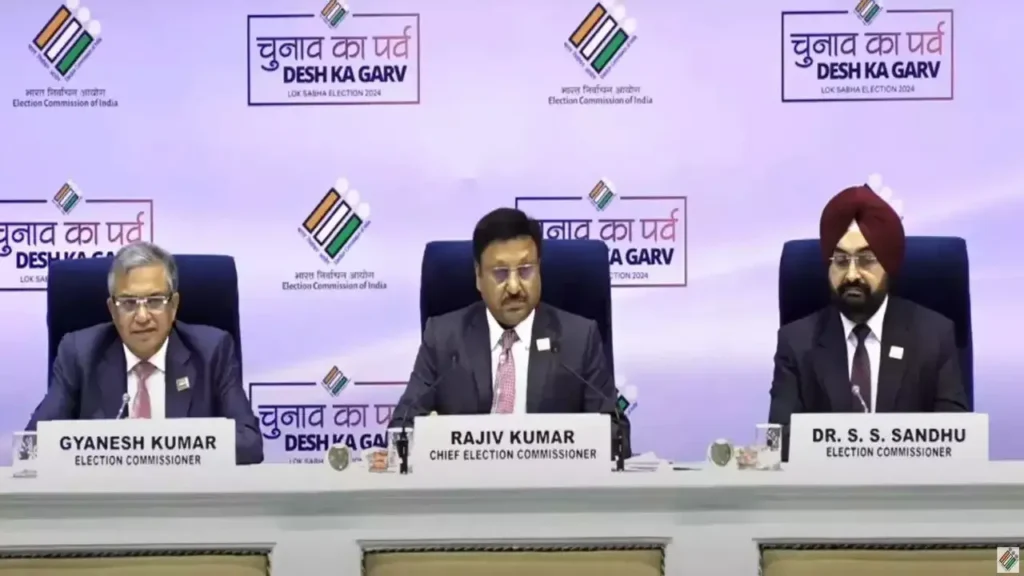
The Lok Sabha elections in 2024 are not just a democratic exercise but a reflection of the nation’s aspirations and values. As the Election Commission of India (ECI) unveils the detailed schedule for the electoral process, the entire country gears up for a momentous event that will shape the course of governance for the coming years. With each phase of polling, voters will exercise their fundamental right to choose their representatives, contributing to the vibrant tapestry of Indian democracy. Understanding the Electoral Schedule: The Lok Sabha elections in 2024 are scheduled to commence on April 19 and will be conducted in seven phases, culminating in the announcement of results on June 4. The phased approach ensures efficient management and widespread participation across the diverse regions of the country. The Lok Sabha Election 2024 schedule unfolds in seven meticulously planned phases, each covering a diverse array of states and union territories, with their unique political landscapes and demographic compositions. In Phase I, slated for April 19, voters from 21 states and union territories will cast their ballots across 102 Lok Sabha constituencies. From the northeastern states of Arunachal Pradesh, Assam, and Manipur to the heartland states of Bihar, Madhya Pradesh, and Rajasthan, this phase encompasses a wide geographic spread, reflecting the nation’s rich diversity. Moving on to Phase II, scheduled for April 26, the electoral process extends to 13 states, with 89 parliamentary constituencies up for grabs. States like Karnataka, Maharashtra, and Uttar Pradesh witness significant polling activity during this phase, underscoring their political significance in shaping the national narrative. Phase III, set for May 7, sees polling across 12 states and union territories, covering 94 Lok Sabha constituencies. From the vibrant landscapes of Gujarat and Karnataka to the politically crucial battlegrounds of Uttar Pradesh and West Bengal, this phase captures the essence of India’s democratic ethos. May 13 marks Phase IV, with polling spanning 10 states and union territories, encompassing 96 parliamentary constituencies. From the coastal regions of Andhra Pradesh and Odisha to the hinterlands of Jharkhand and Madhya Pradesh, this phase witnesses a diverse array of electoral dynamics at play. Phase V, slated for May 20, focuses on 49 Lok Sabha constituencies across 8 states, including Bihar, Maharashtra, and Uttar Pradesh. With each phase, the electoral process gains momentum, drawing closer to the culmination of results on June 4. Phase VI, scheduled for May 25, extends to 7 states, covering 57 parliamentary constituencies. From the national capital territory of Delhi to the agrarian landscapes of Uttar Pradesh and West Bengal, this phase underscores the democratic fervor resonating across the country. Finally, Phase VII, held on June 1, witnesses polling in 57 Lok Sabha constituencies across 8 states and union territories. From the picturesque landscapes of Himachal Pradesh to the bustling streets of Punjab and Uttar Pradesh, this phase brings the curtain down on a monumental electoral exercise, paving the way for the announcement of results and the dawn of a new political era on June 4. Key Phases and Constituencies: Each phase of the elections covers specific states and union territories, with varying numbers of constituencies. From April 19 to June 1, voters will cast their ballots in different regions, shaping the political landscape for the next term of governance. Notably, states like Uttar Pradesh, Maharashtra, and West Bengal witness multi-phase polling due to their large electorate and diverse demographics. Importance of Model Code of Conduct: The announcement of election dates triggers the enforcement of the Model Code of Conduct (MCC), which guides the conduct of political parties and candidates during the electoral process. The MCC ensures a level playing field and prohibits the ruling government from making policy decisions that could influence voters. Political Dynamics and Party Strategies: The Lok Sabha elections serve as a battleground for various political parties, with the incumbent NDA government aiming for a rare third term. Conversely, opposition parties, united under the INDIA bloc, view the elections as an opportunity to challenge the ruling coalition’s dominance and advocate for democratic values. Voter Outreach and Participation: With approximately 97 crore eligible voters, voter outreach and participation are crucial aspects of the electoral process. The ECI, along with political parties and civil society organizations, endeavors to ensure maximum voter turnout by providing essential facilities and promoting awareness campaigns. Looking Ahead: As the nation gears up for the Lok Sabha elections, the political landscape undergoes dynamic shifts, reflecting the aspirations and concerns of diverse communities. The electoral process serves as a cornerstone of democracy, empowering citizens to exercise their right to choose their representatives and shape the future of the country. The Lok Sabha elections in 2024 represent a significant milestone in India’s democratic journey, marked by extensive preparations, spirited campaigns, and the collective voice of millions of voters. Through active engagement and informed decision-making, citizens contribute to the vibrant tapestry of Indian democracy, ensuring a brighter and inclusive future for generations to come.


Decoding Lok Sabha Election Dates 2024: A Comprehensive Guide Read More »

India Inc’s Board Sizes Decrease Amid Heightened Governance Scrutiny

Amid increasing scrutiny on governance issues, corporate boards in India are witnessing a reduction in size, according to a report by Excellence Enablers, backed by former SEBI Chairman M Damodaran. In fiscal years FY’18 and FY’19, the range of board members varied from 4 to 22. However, the maximum board size has contracted to 16 by FY23. The report underscores the importance of ensuring adequate board membership to effectively constitute mandatory board committees. With five required board committees, sufficient members are needed to prevent overlap among committee memberships. Highlighting the essence of good corporate governance, the report emphasizes the significance of voluntary adherence to governance best practices. Entities that proactively adopt governance measures often influence regulatory standards for the broader business community. Under the Companies Act, 2013, public companies must have a minimum of three directors, while private companies require at least two directors. The maximum limit for board size is fifteen directors. SEBI mandates that listed public companies appoint one-third of their board as independent directors, except for Public Sector Undertakings (PSUs). Additionally, if the chairperson is a non-executive director, one-third of the board must comprise independent directors. In cases where there’s no regular non-executive chairperson, at least half of the board should consist of independent directors. As of March-end 2023, six companies were found to be non-compliant with independent director norms. The report stresses the importance of maintaining a balanced mix of executive and non-executive directors on boards to leverage diverse perspectives and experience. It cautions against combining the roles of Chairman and MD/CEO, highlighting the potential conflict of interest and the adverse impact on corporate governance. Moreover, the report recommends making the appointment of a lead independent director mandatory for boards chaired by executives to ensure effective governance oversight.

India Inc’s Board Sizes Decrease Amid Heightened Governance Scrutiny Read More »